



Energy Sector Consolidation Signals Shipping Cost Pressures for Cross-Border Sellers
- $5.8B offshore drilling merger creates 73-rig powerhouse, reshaping maritime logistics costs affecting international fulfillment by Q3 2026































概览
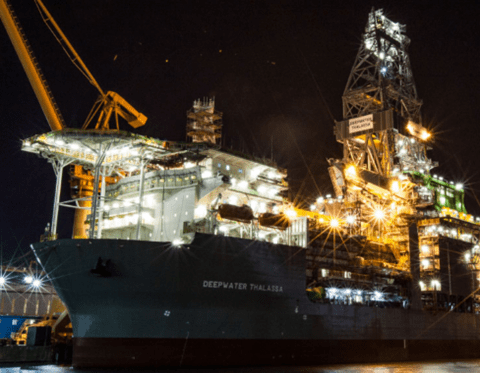
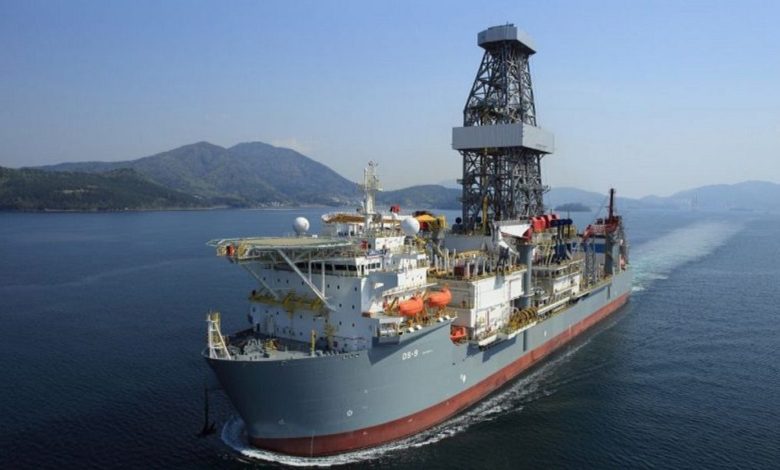
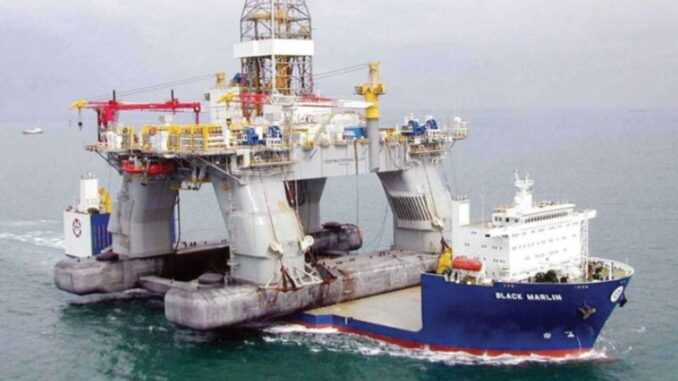
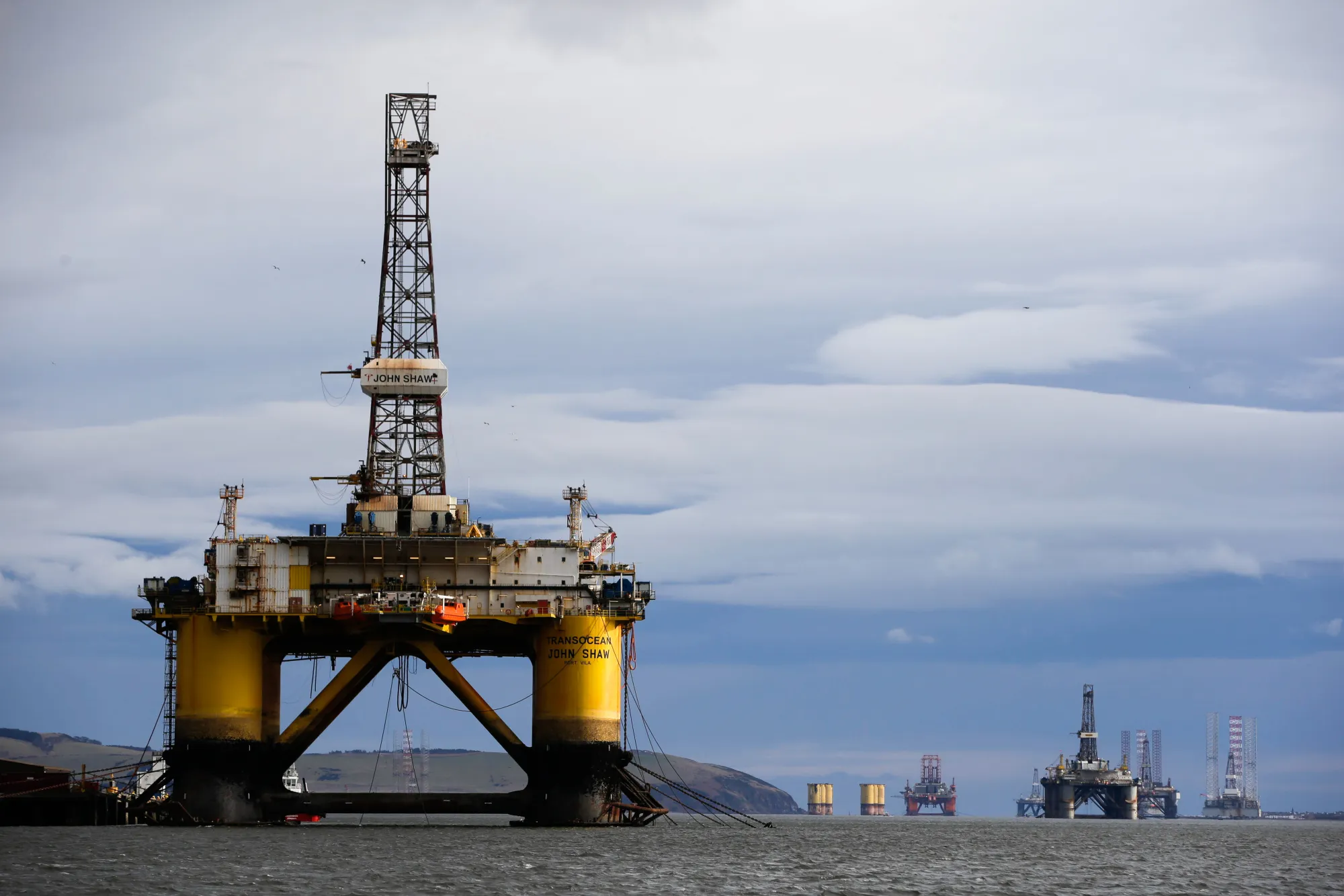
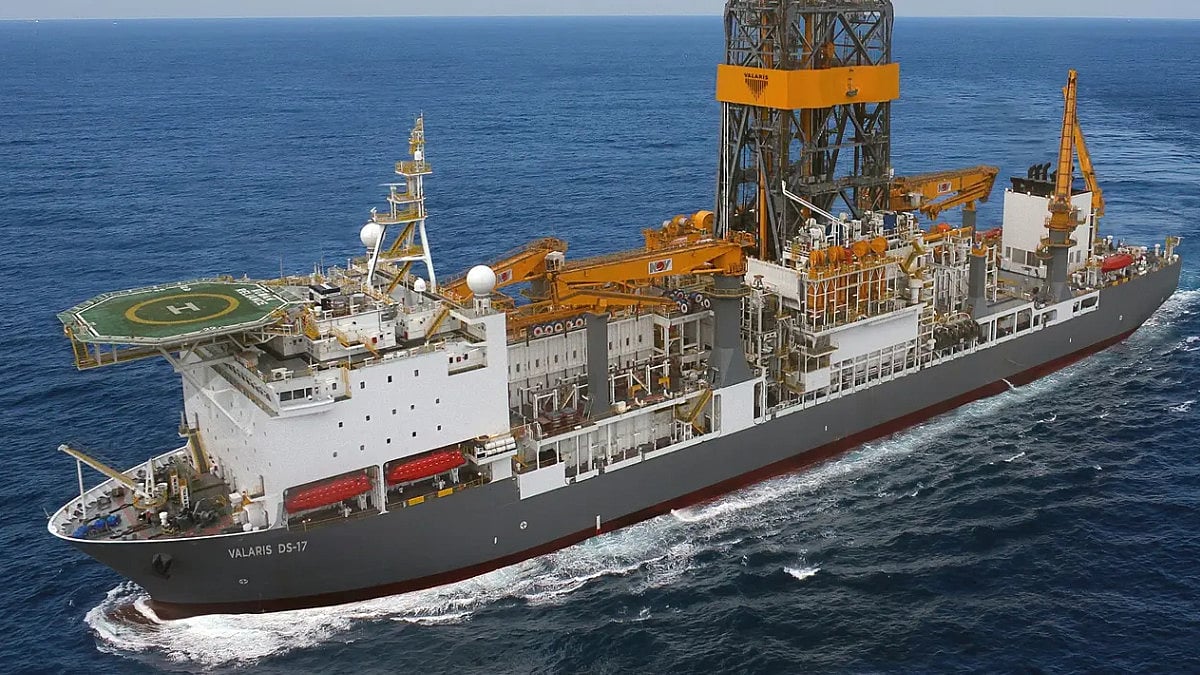
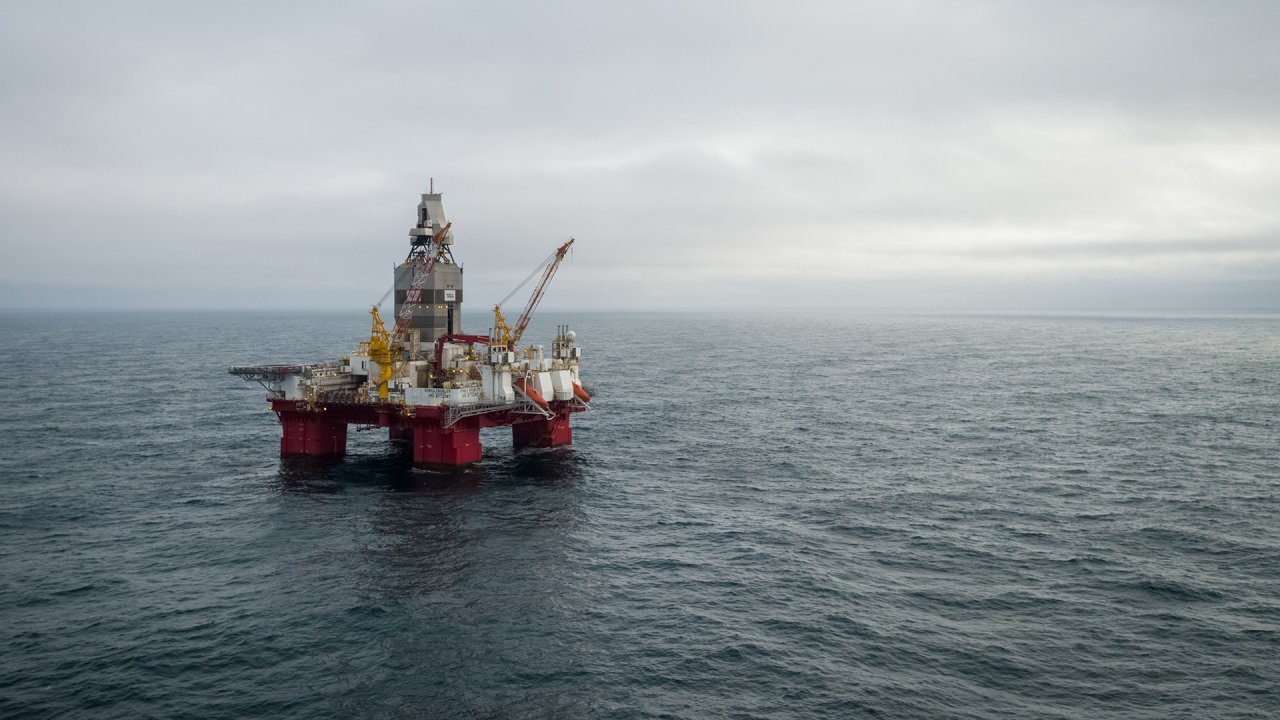
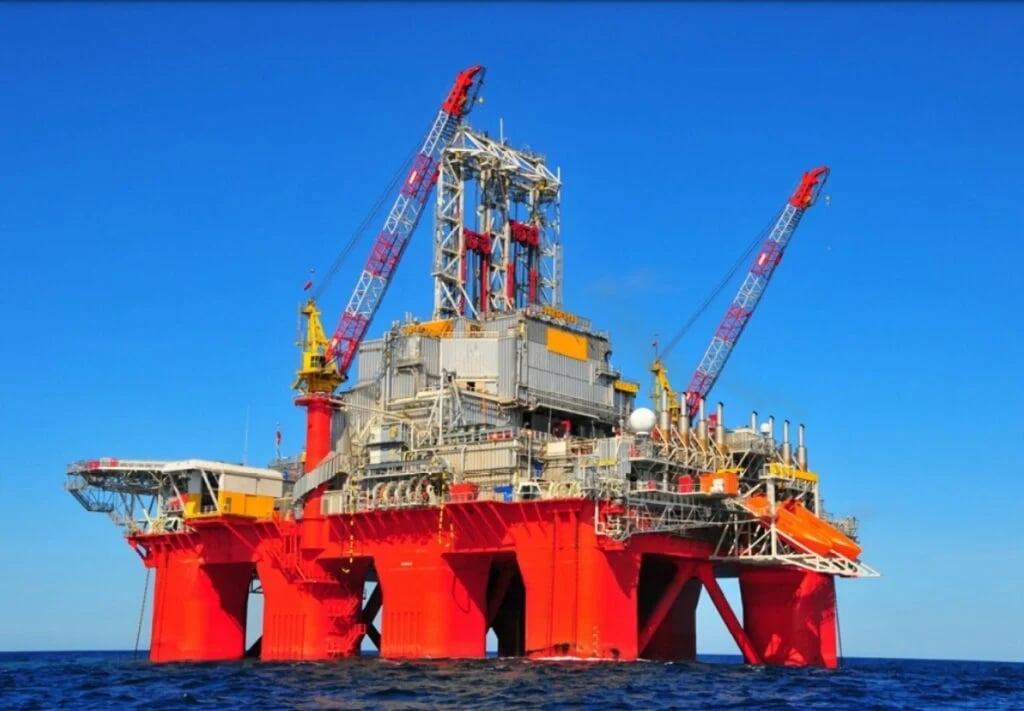
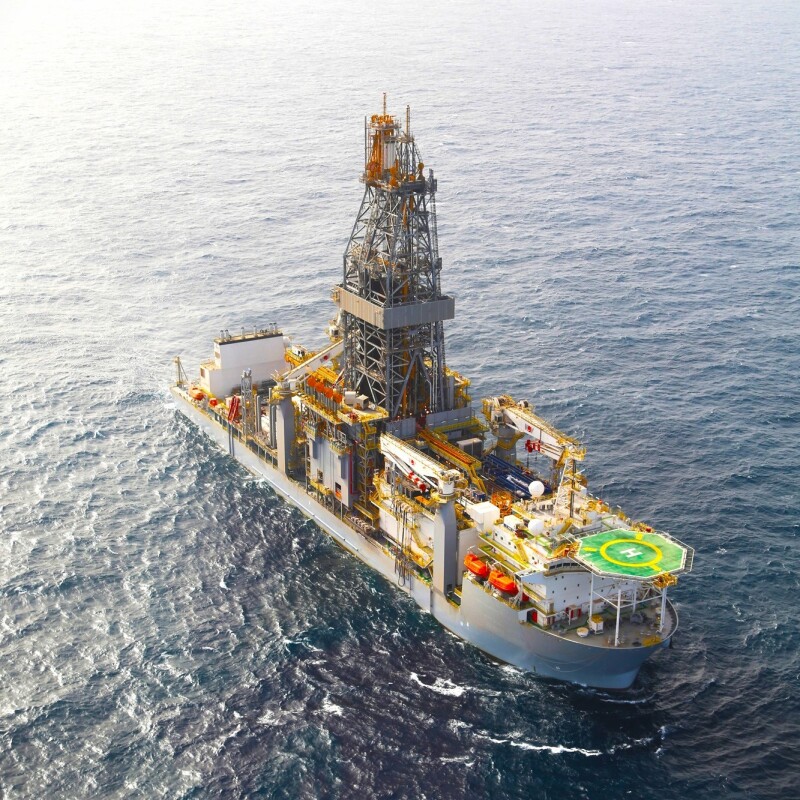
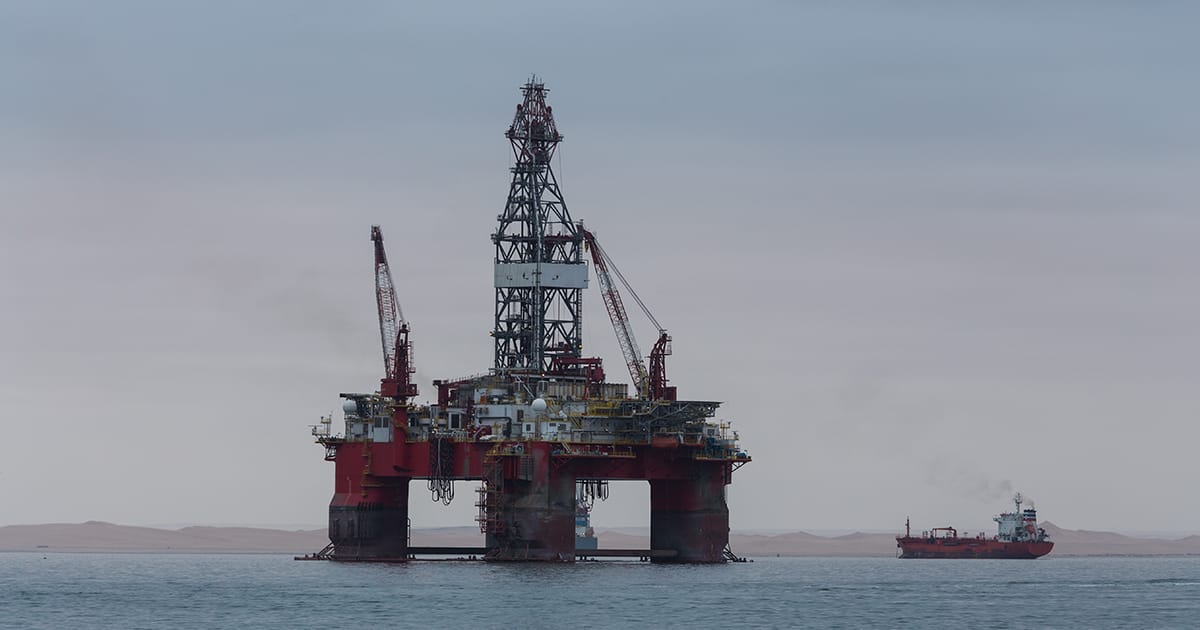
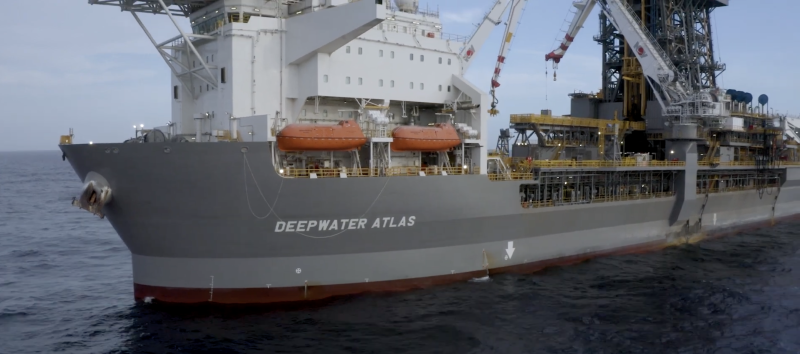
Transocean's $5.8 billion all-stock acquisition of Valaris, announced February 9, 2026, represents a pivotal consolidation in offshore drilling services with cascading implications for cross-border e-commerce logistics costs. The combined entity will operate 73 rigs (33 ultra-deepwater drillships, 9 semisubmersibles, 31 jackups) with $17 billion enterprise value, positioning the merged company to dominate global offshore drilling basins. While the deal directly addresses Transocean's $4.85 billion debt burden—targeting a 1.5x leverage ratio within 24 months—and identifies $200 million in cost synergies beyond existing $250 million reduction programs, the strategic consolidation signals broader energy sector recovery that directly impacts maritime transportation economics for e-commerce sellers.
For cross-border sellers, this merger creates a critical supply chain inflection point. Offshore drilling consolidation historically precedes energy price stabilization and fuel cost adjustments that ripple through maritime shipping rates within 6-12 months post-closing. The combined Transocean-Valaris entity's expanded rig capacity (73 vs. previous fragmented operations) will increase global oil and gas production capacity, potentially moderating fuel surcharges that currently add 8-15% to international shipping costs. However, the merger's expected H2 2026 closing creates a transition period where shipping rates may experience volatility as the industry absorbs consolidation impacts. Sellers managing cross-border fulfillment through 3PL providers and freight forwarders should anticipate fuel surcharge adjustments between Q3-Q4 2026. The $200 million identified synergies suggest operational efficiencies that could reduce drilling service costs, potentially lowering energy production expenses and moderating fuel prices by 3-5% within 18 months of deal completion.
Market reaction validates the strategic rationale: Valaris stock surged 19.5% in pre-market trading (following 7.22% prior-day gains) with year-to-date performance of +23.83%, while Transocean gained 30.51% YTD despite a 4.08% post-announcement dip. The all-stock structure (15.235 Transocean shares per Valaris share, $82.12 valuation representing 31.6% premium) indicates shareholder confidence in long-term energy sector recovery. Wall Street's mixed sentiment—Moderate Sell on Valaris (target $55, 11.87% downside) and Hold on Transocean (target $4.16, 14.66% downside)—reflects uncertainty about near-term integration execution but acknowledgment of strategic merit. For sellers, this consolidation signals that energy sector investors are positioning for sustained offshore drilling demand, which historically correlates with stable-to-declining fuel costs 12-24 months post-consolidation as operational efficiencies materialize.
问题 7
How does the Transocean-Valaris merger affect international shipping costs for e-commerce sellers?
The $5.8 billion merger creates a 73-rig consolidated operator that will increase global offshore drilling capacity, potentially moderating fuel prices by 3-5% within 18 months of H2 2026 closing. Current fuel surcharges add 8-15% to international shipping costs; consolidation-driven operational efficiencies typically reduce these surcharges by 1-3 percentage points as energy production scales. Sellers managing cross-border fulfillment should monitor fuel surcharge adjustments from Q3 2026 onward, as the integration period may create short-term volatility before long-term cost benefits materialize. Expect shipping rate stabilization by Q1 2027 as the merged entity optimizes rig utilization across global basins.
How does this merger compare to other energy sector consolidations affecting shipping?
The Transocean-Valaris merger ($5.8B, 73-rig combined fleet) represents the largest offshore drilling consolidation since 2016, comparable in scale to historical energy M&A that preceded 12-18 month periods of fuel cost moderation. Similar consolidations (e.g., Schlumberger-Cameron 2016, Baker Hughes-GE Oil & Gas 2017) typically reduced fuel surcharges by 2-4% within 18 months as operational efficiencies scaled. The $200 million identified synergies suggest faster cost realization than historical precedents, potentially accelerating fuel benefits to Q4 2026-Q1 2027. Sellers should reference historical consolidation timelines when planning 2026-2027 shipping budgets; expect 3-5% fuel surcharge reductions by mid-2027.