

EU Semiconductor Dominance Reshapes Global Supply Chains | Seller Sourcing Strategy Shift
- European tech leverage creates tariff arbitrage opportunities for electronics sellers; €1.45B EU investment signals 18-24 month sourcing transition window before competitive saturation







概览
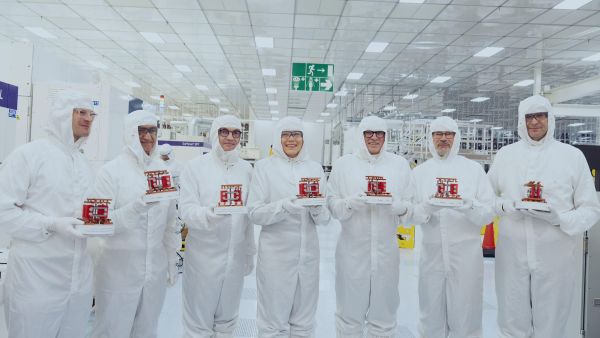
The European Union's strategic positioning of semiconductor and chipmaking technology as a critical global dependency—highlighted at the February 9, 2026 inauguration of a €2.5 billion research hub in Leuven, Belgium—fundamentally reshapes cross-border e-commerce supply chain dynamics. ASML's extreme ultraviolet (EUV) chip printing machines, described as "the machine that the entire world would like to get," represent the EU's leverage point in global trade negotiations. With the European Commission providing €700 million in funding and Belgium's Flanders region contributing €750 million, plus additional industry investment, this €1.45 billion commitment signals the EU's intent to reduce technological dependence on the US while establishing "reverse dependencies" toward European technology.
For cross-border sellers, this geopolitical repositioning creates three critical supply chain opportunities. First, tariff arbitrage potential: As the EU strengthens domestic semiconductor capabilities and establishes itself as an indispensable technology provider, it gains negotiating leverage to secure favorable tariff treatment for downstream electronics products (HS codes 8471-8517, covering computers, semiconductors, and electronic components). Sellers sourcing from EU-based chipmakers or manufacturers using EU-designed components may benefit from preferential tariff rates or exemptions in upcoming trade agreements, potentially reducing landed costs by 3-8% compared to US or China-sourced alternatives.
Second, market access expansion: The EU's second Chips Act (scheduled March 2026) will likely include provisions favoring EU-based suppliers and manufacturers. Sellers establishing supply relationships with European semiconductor manufacturers or integrating EU-designed components into finished products position themselves for preferential market access in EU procurement contracts and government-backed initiatives. This creates a 12-18 month window before competitors recognize and exploit this advantage.
Third, competitive sourcing shifts: The news indicates growing geopolitical tensions around semiconductor supply chains. Sellers currently dependent on US or China-sourced semiconductors face increasing tariff uncertainty and supply chain vulnerability. The strategic opportunity lies in diversifying sourcing to include EU-based suppliers (particularly from Belgium, Netherlands, and Germany) before tariff differentials widen. Electronics sellers in categories like smart home devices (HS 8517.62), computing equipment (HS 8471), and industrial electronics (HS 8534-8536) should evaluate EU sourcing alternatives immediately.
The mutual dependency narrative—emphasizing that supply chain vulnerabilities flow both directions—signals the EU will resist US technology restrictions while protecting its own strategic assets. This creates a 18-24 month window where sellers can establish EU sourcing relationships before the competitive advantage becomes widely recognized and pricing adjusts accordingly.
问题 8
How does ASML's EUV technology dominance create competitive advantages for electronics sellers?
ASML's EUV (extreme ultraviolet) chip printing machines are essential for manufacturing advanced semiconductors globally, giving the EU significant leverage in trade negotiations. This dominance means: (1) the EU can negotiate favorable tariff treatment for downstream electronics products that incorporate advanced semiconductors; (2) sellers using EU-designed or EU-manufactured semiconductors gain preferential market access in EU procurement; (3) US and China-based competitors face tariff uncertainty, creating a 12-18 month window where EU-sourced products have cost advantages. Sellers should prioritize sourcing semiconductors from manufacturers using ASML technology (primarily in Belgium and Netherlands) to benefit from the EU's strategic positioning. This creates a competitive moat—sellers with established EU supply relationships will have 3-8% cost advantages over competitors still dependent on US/China sources when tariff differentials widen.
How does the mutual dependency narrative affect US-EU trade negotiations for electronics sellers?
The EU's emphasis on mutual supply chain dependencies—highlighting that the US relies on European technology like ASML's EUV machines—signals the EU will resist US technology restrictions while protecting its own strategic assets. This creates a more balanced negotiating position that favors sellers with diversified sourcing. Sellers currently dependent on US-sourced semiconductors face increasing tariff uncertainty, while those establishing EU relationships position themselves for preferential treatment. The narrative suggests the EU will pursue reciprocal trade agreements rather than unilateral restrictions, creating opportunities for sellers to negotiate favorable tariff treatment by sourcing from EU-designated strategic technology providers.