
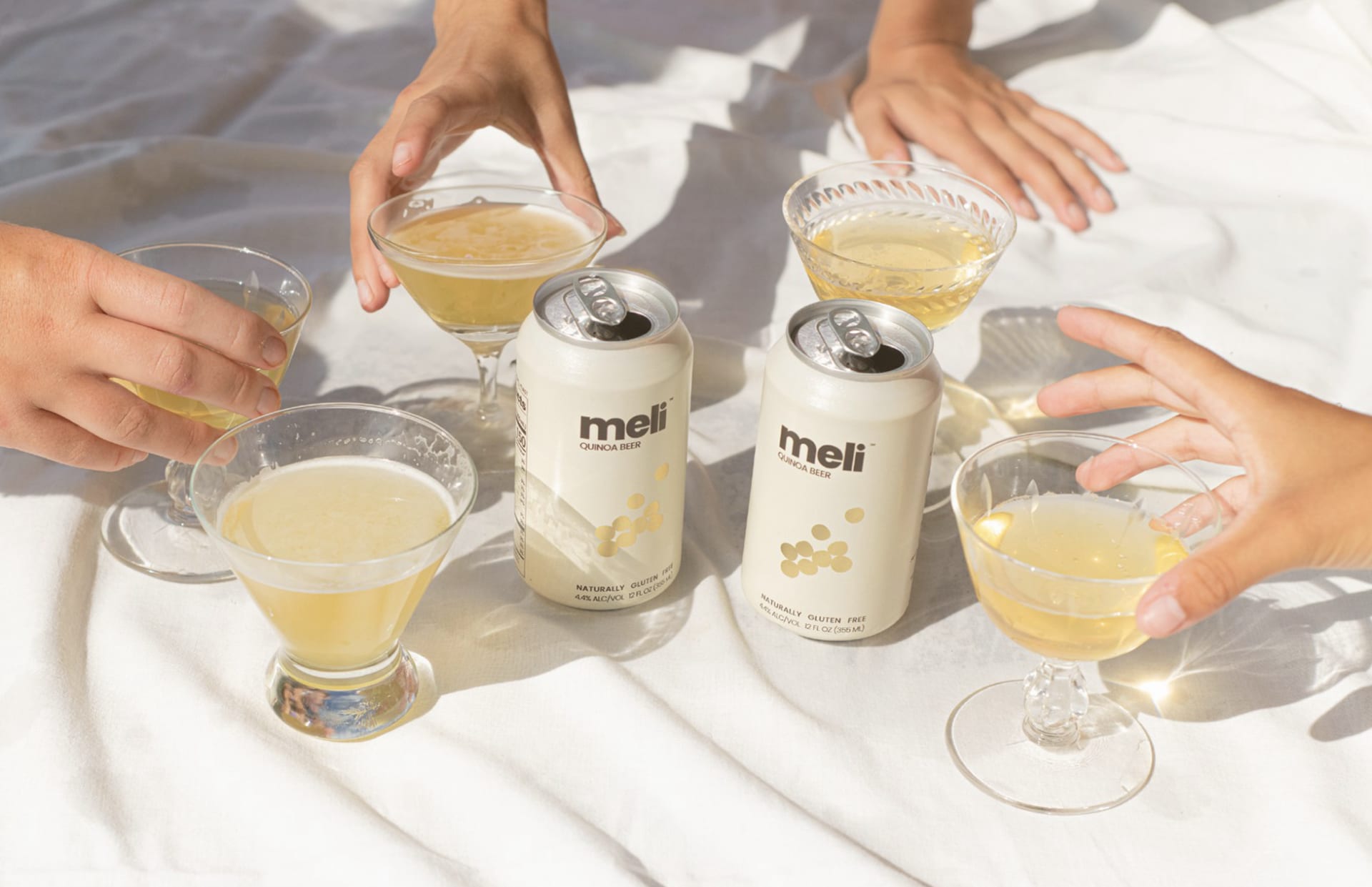
Premium Alcohol E-Commerce Boom 2026 | Treatonomics & Social Health Drive Seller Opportunities
- 30% Gen Z demand for affordable luxury spirits creates $2B+ category opportunity; 70% consumers seek connection-driven experiences; bifurcated market rewards premium positioning over price competition
概览
VML's Future 100 report reveals a fundamental market bifurcation in alcohol e-commerce that directly impacts seller strategy and profitability across 16 global markets. The research identifies three critical trends reshaping how cross-border sellers should position premium beverage products: Treatonomics (30% of Gen Z viewing premium spirits as affordable luxury despite economic pressure), experiential nostalgia (consumers seeking ritualistic, high-visibility serves evoking old-world glamour), and social health positioning (70% of global consumers viewing loneliness as epidemic, reframing alcohol as connection facilitator rather than intoxicant).
The market opportunity is substantial but segmented. Premium, experience-driven alcohol products are thriving as consumers pursue "small indulgences" and escape during uncertain times—a direct parallel to the lipstick effect observed during economic downturns. However, 48% of consumers simultaneously report spending less on alcoholic beverages, creating a clear bifurcation: premium-positioned sellers capturing margin expansion while mass-market competitors face margin compression. For Amazon FBA sellers, Shopify merchants, and eBay vendors in the spirits category, this means the traditional volume-based strategy is obsolete. Sellers competing on price alone face 15-25% margin erosion as budget-conscious consumers consolidate purchases toward fewer, higher-quality items.
Immediate seller implications span product curation, content strategy, and community engagement. Successful sellers must transition from transactional models to engagement platforms—moving beyond product listings to storytelling, community facilitation, and experiential content. This requires repositioning inventory around "treatonomics" framing (affordable luxury positioning), creating lifestyle content that emphasizes social connection and ritualistic consumption, and building community features (user reviews, tasting guides, pairing recommendations) that facilitate meaningful engagement. Sellers should audit current product descriptions and marketing assets: those emphasizing intoxication or price-point competition will underperform, while those highlighting ritual, connection, and premium positioning will capture the 30% Gen Z segment driving growth. The data indicates successful sellers will differentiate through authentic storytelling and premium positioning rather than competing on price—a fundamental shift requiring 30-40% reallocation of marketing budget from PPC price-based campaigns to content and community initiatives.
问题 8
How do cross-border sellers navigate alcohol regulations while implementing these positioning strategies?
While VML's report focuses on consumer trends and positioning strategy, cross-border alcohol sellers must simultaneously navigate complex regulatory environments (age verification, shipping restrictions, tax compliance) that vary by region. Sellers should implement these positioning strategies within existing compliance frameworks: premium content and community engagement don't require regulatory changes, but they do require platform-specific implementation. Amazon sellers must comply with alcohol category restrictions and age-gate requirements while optimizing product descriptions for premium positioning. Shopify merchants can implement community features within existing alcohol shipping policies. EU-based sellers must maintain VAT compliance while developing premium positioning. The key insight: positioning strategy and regulatory compliance are parallel tracks. Sellers should pursue premium positioning and experiential marketing while maintaining strict compliance with alcohol regulations, age verification, and regional shipping restrictions. Regulatory compliance enables market access; premium positioning drives profitability within that access.
How should sellers handle the 48% consumer spending reduction while capturing premium demand?
The 48% spending reduction indicates consumers are consolidating purchases toward fewer, higher-quality items—a shift favoring premium sellers with strong positioning. Rather than competing on volume or price, sellers should focus on conversion optimization for high-value transactions. This means: (1) Improving product curation to feature only premium SKUs with strong margins, (2) Developing detailed product narratives that justify premium pricing, (3) Creating community content that builds loyalty and repeat purchase behavior, (4) Implementing loyalty programs that encourage consolidation around fewer, higher-value purchases. For Amazon FBA sellers, this means reducing SKU count by 20-30% and focusing on premium products with higher BSR and conversion rates. For Shopify merchants, implement subscription or loyalty programs that encourage repeat purchases of premium items. Sellers maintaining broad, low-margin catalogs will see revenue decline; those specializing in premium curation will see margin expansion despite volume reduction.