


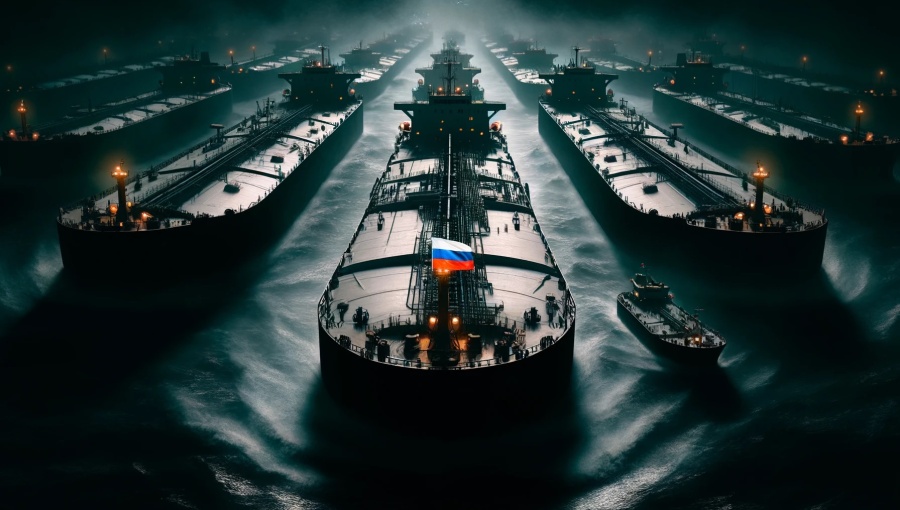


Maritime Sanctions Enforcement Escalation | Shipping Route Disruptions & Logistics Cost Pressures for Cross-Border Sellers
- Intensified UK/US naval enforcement threatens 5-6M barrels daily oil transit through English Channel; sellers face 8-15% shipping cost increases via affected corridors by Q2 2026








)




)




概览
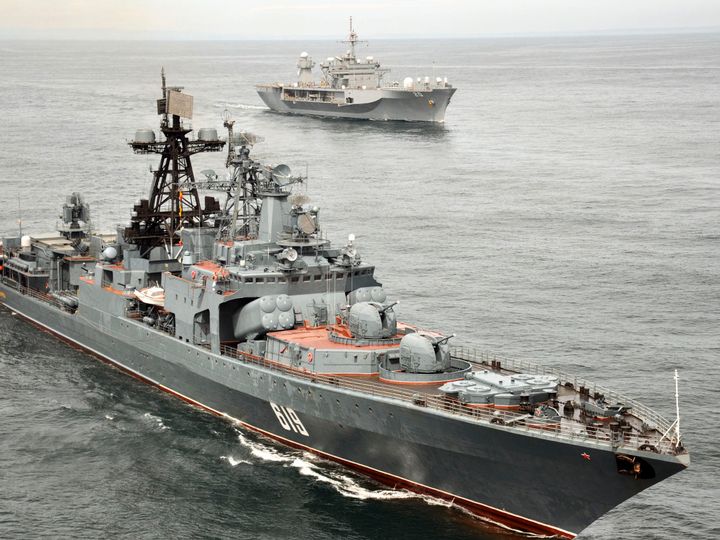
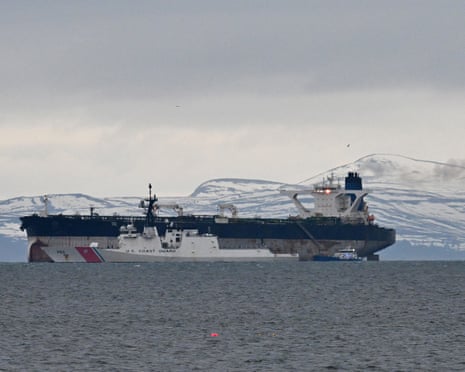
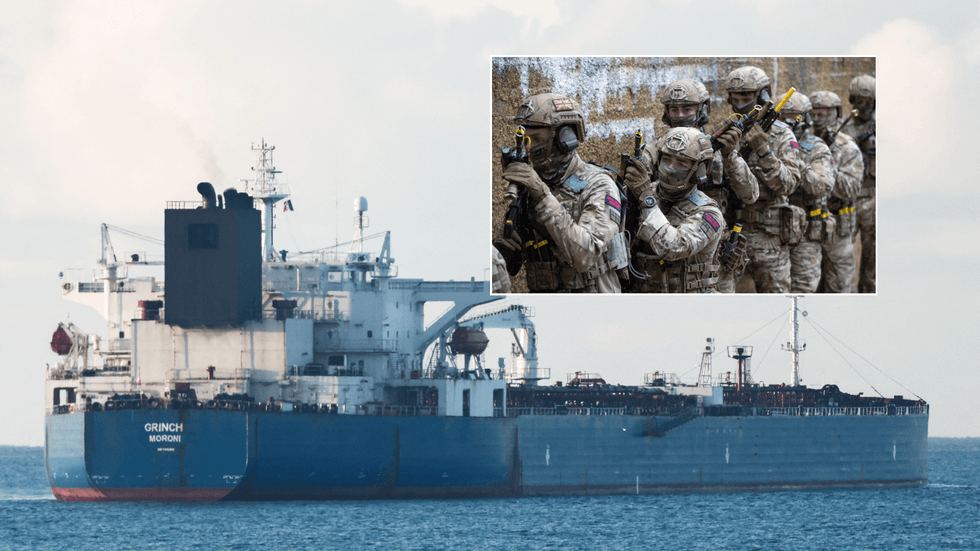
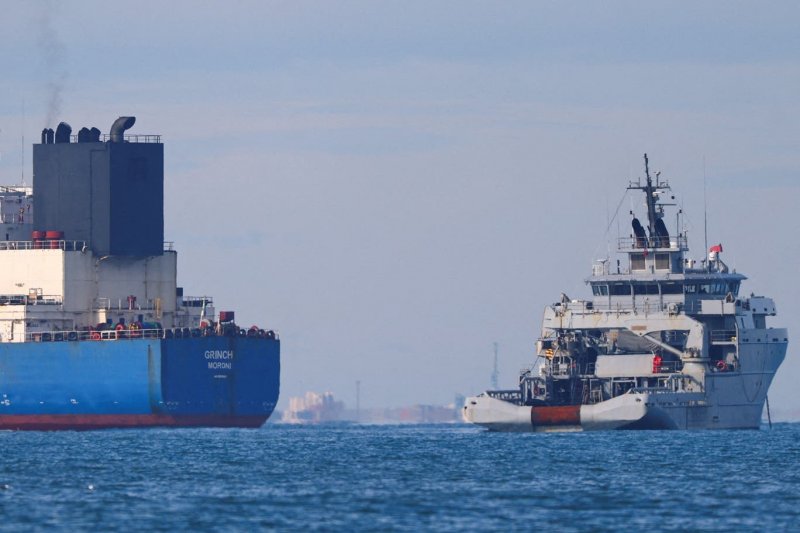
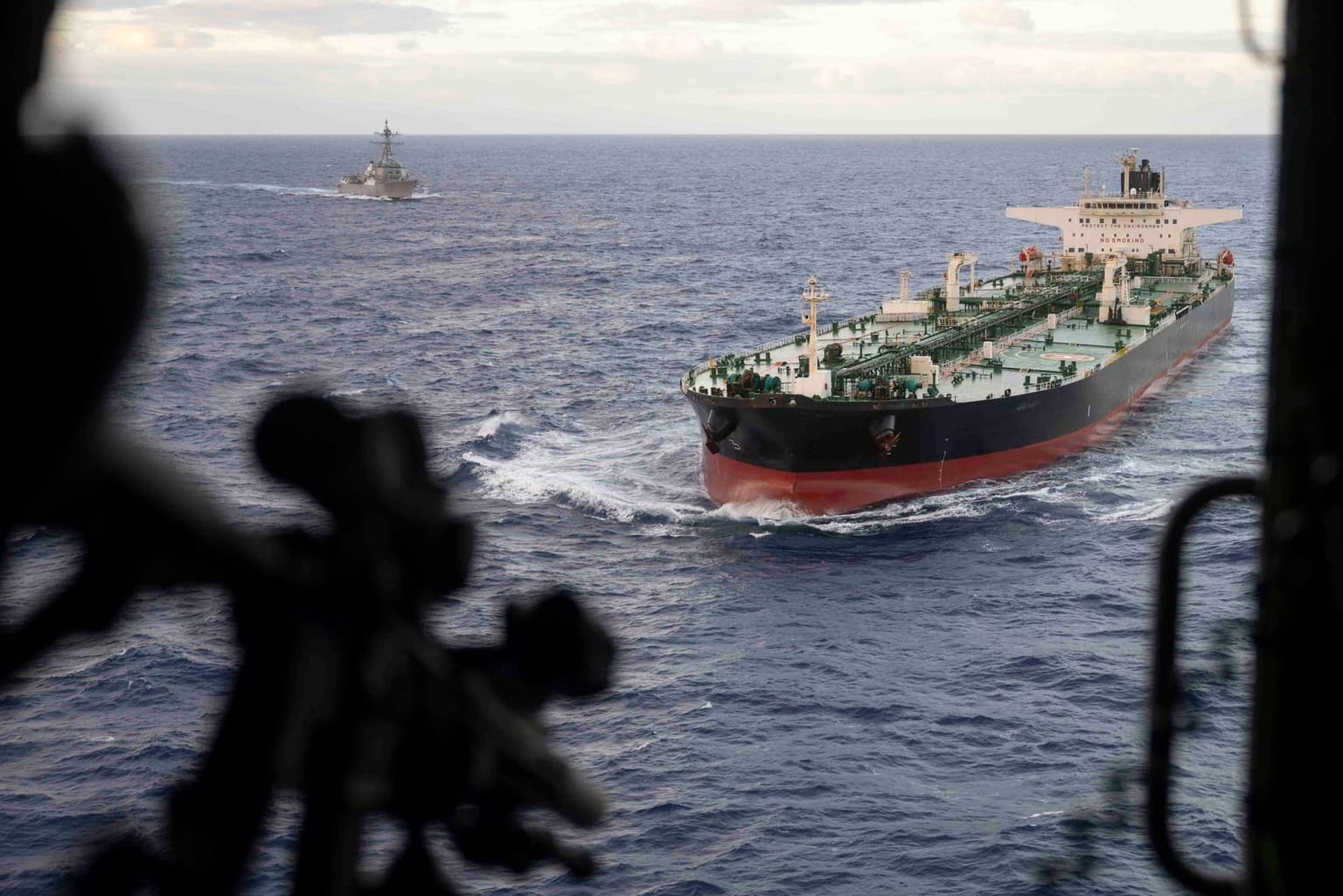
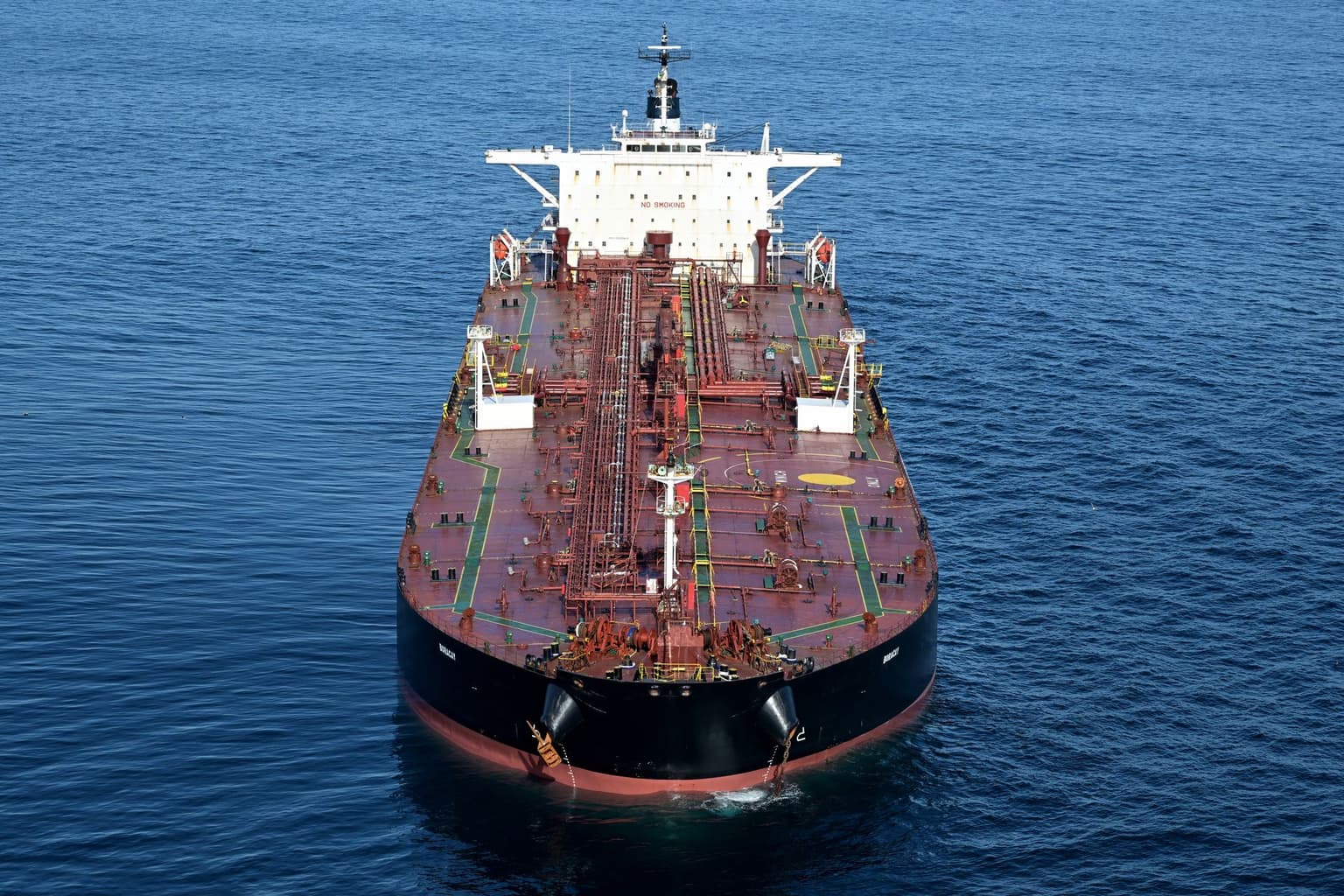
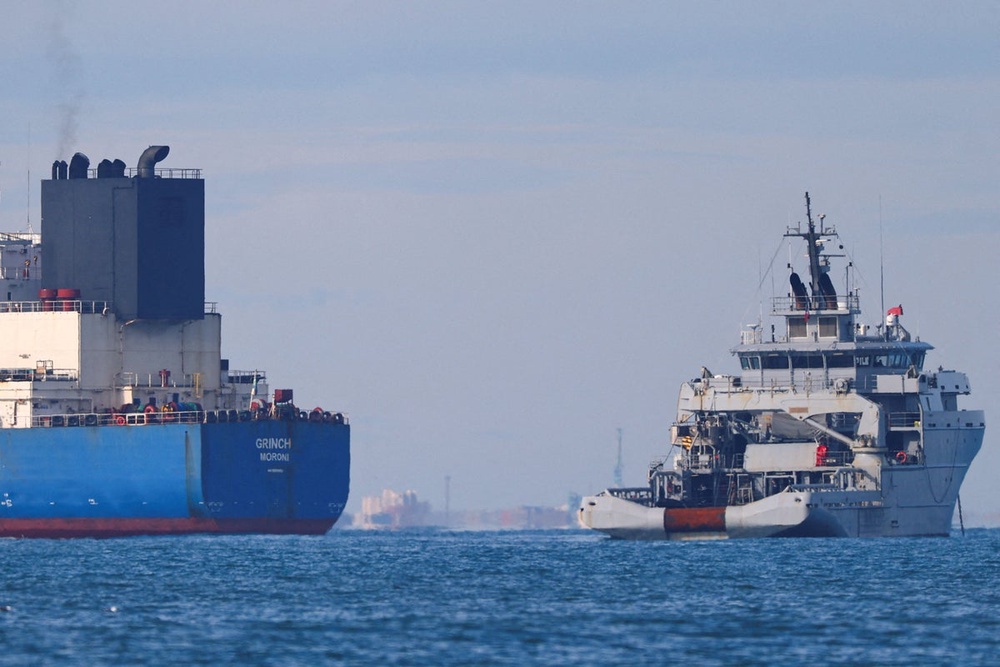
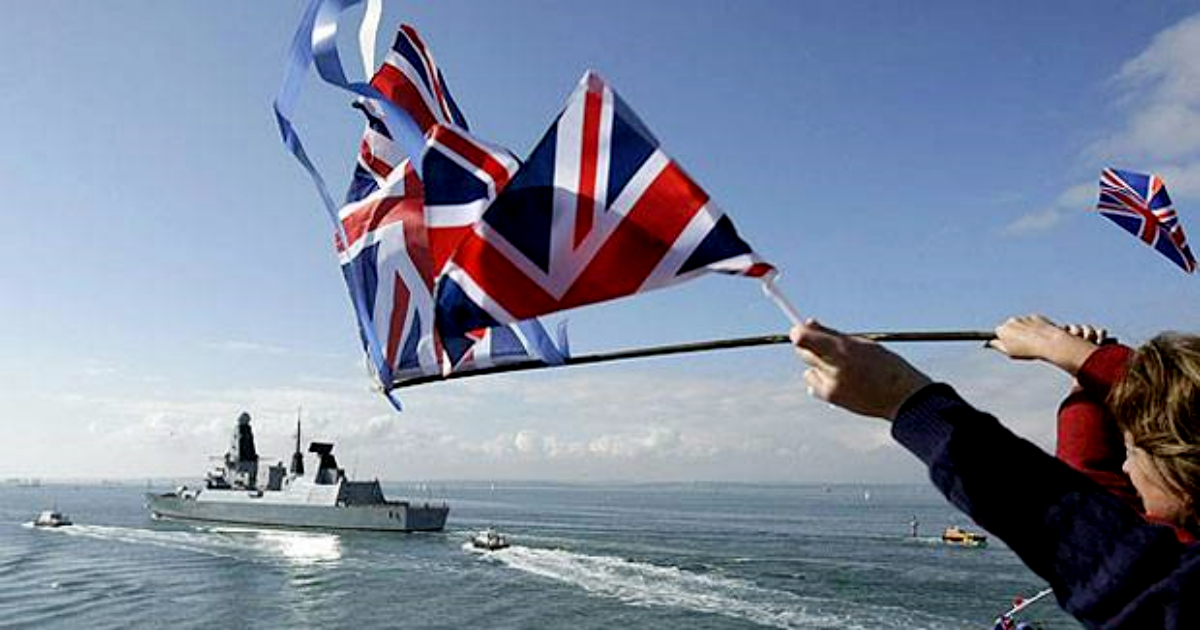
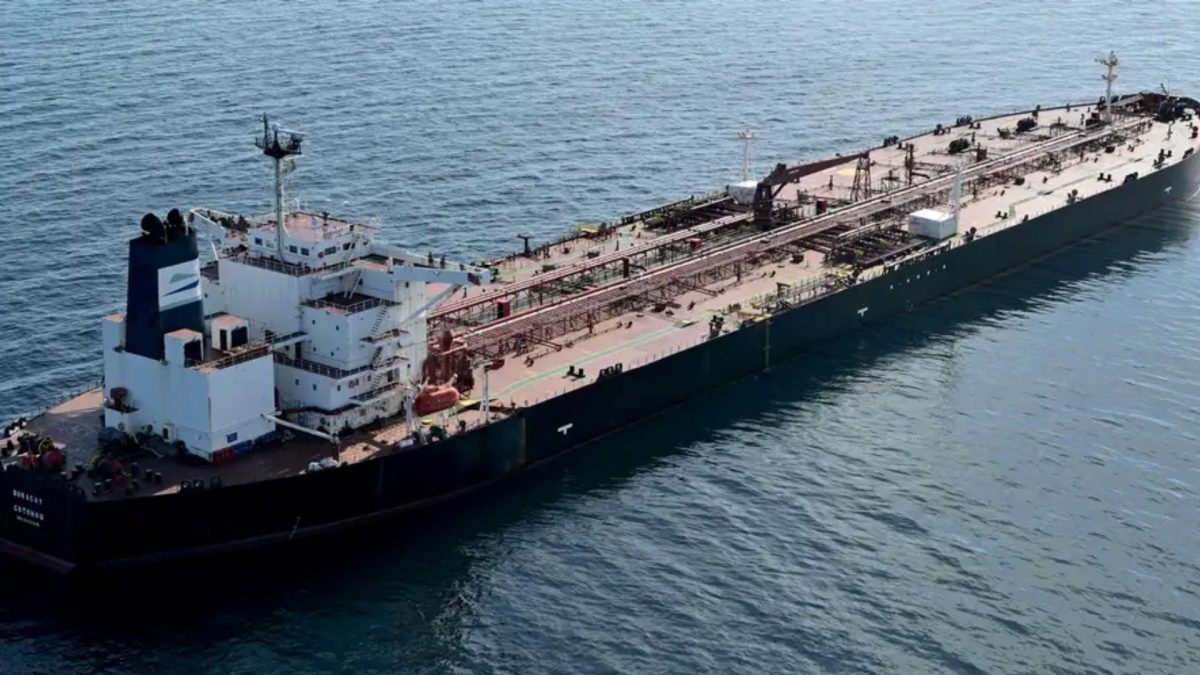
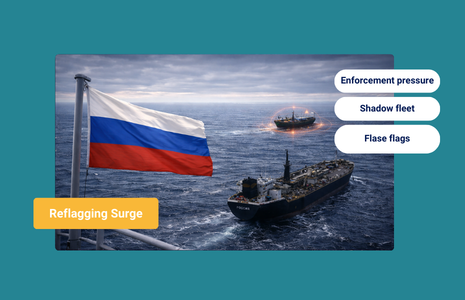
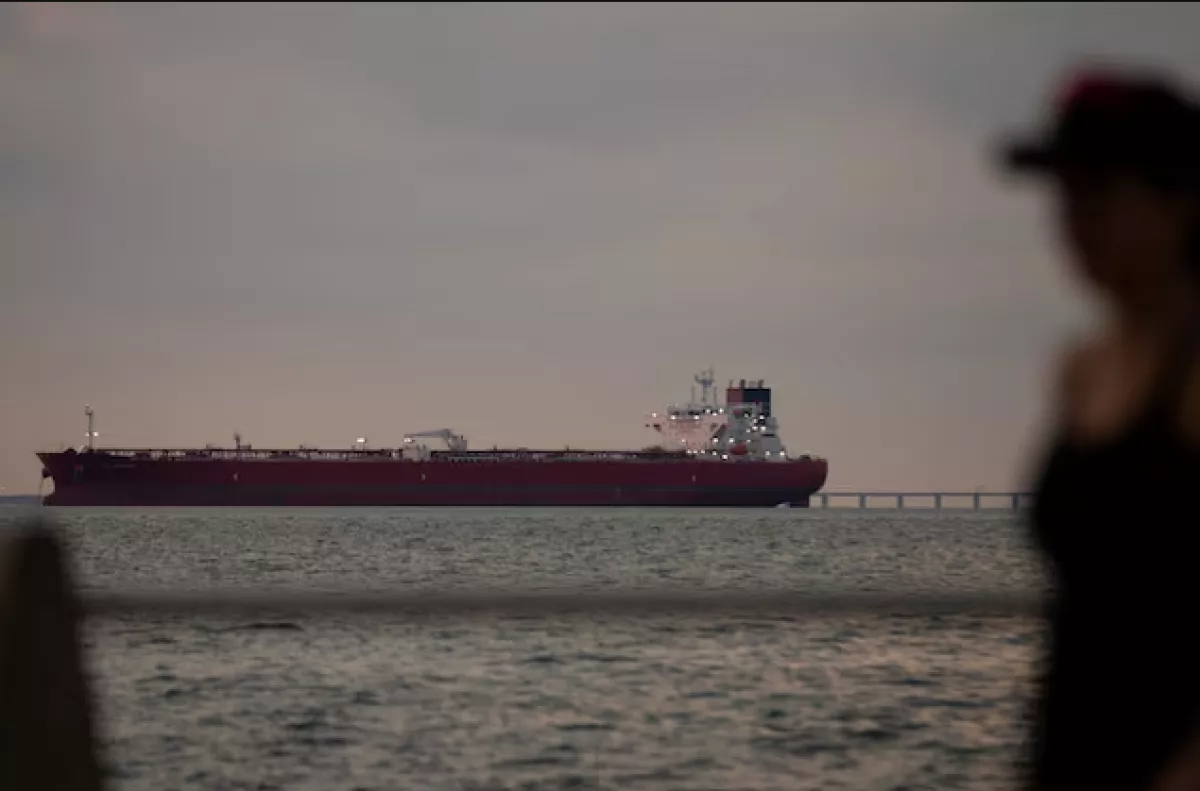
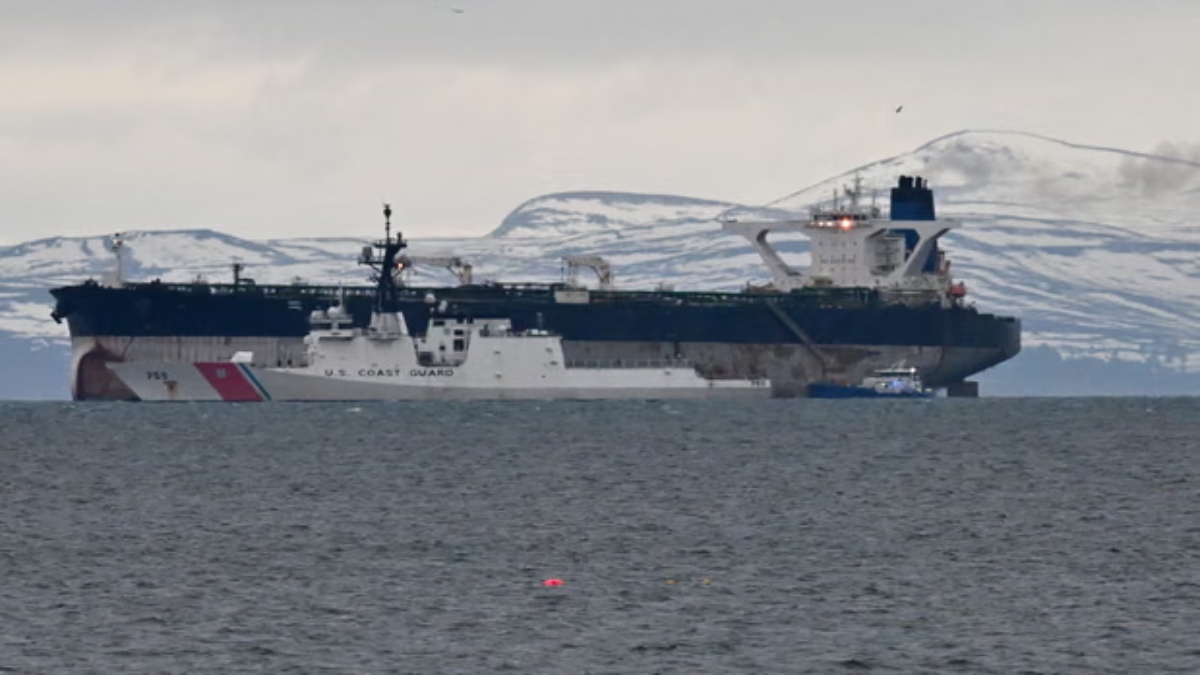
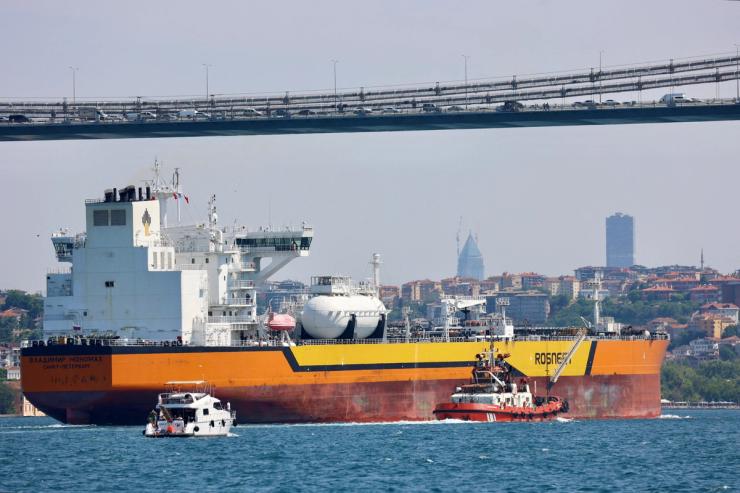
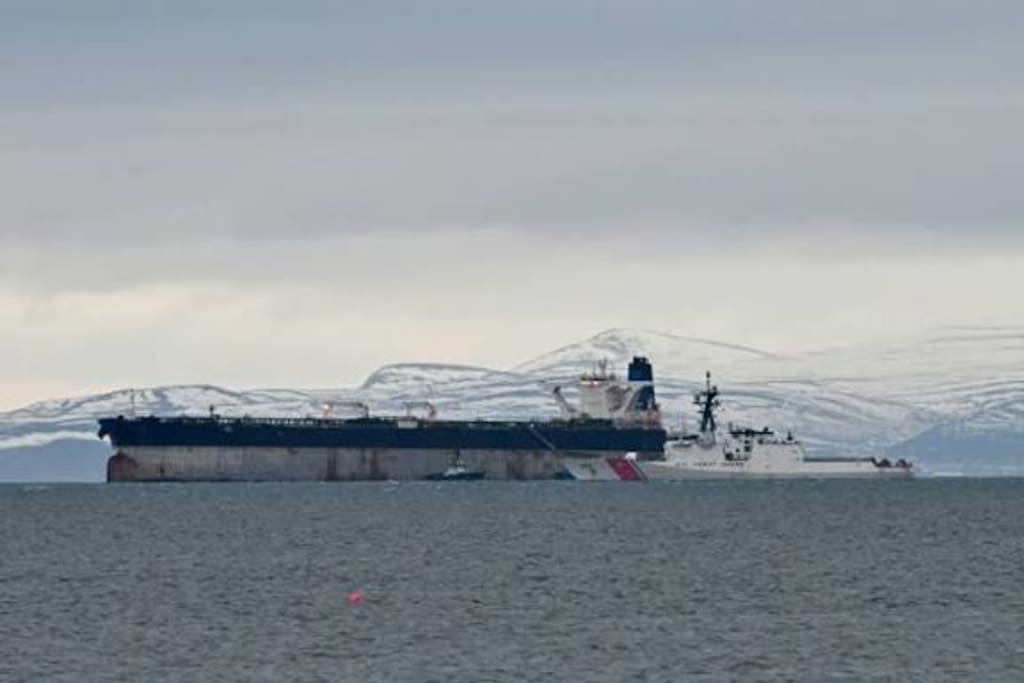
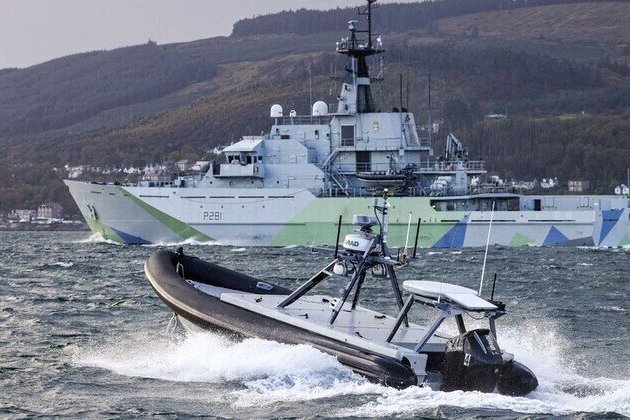
CRITICAL SHIPPING CORRIDOR DISRUPTION: Western governments are dramatically escalating enforcement against Russia's shadow fleet, with direct implications for global maritime commerce and cross-border e-commerce logistics. The UK is establishing a new Royal Navy surveillance base with autonomous drone technology to monitor the English Channel—a critical gateway for 2,700+ annual tanker transits. Simultaneously, the US has intensified boarding operations (Aquila II seizure on February 9, 2026), and 14 European nations issued coordinated warnings on January 26 regarding stateless vessels in the Baltic and North Sea. These enforcement actions target approximately 1,400 shadow fleet vessels, though only 1,100 have been formally sanctioned by the EU (600) and UK (500).
SHIPPING COST IMPLICATIONS FOR SELLERS: The escalation directly impacts e-commerce logistics through three mechanisms: (1) Insurance and certification costs rising 8-15% as maritime insurers tighten underwriting standards for vessels transiting high-enforcement zones; (2) Route diversification costs increasing as shipping lines avoid the English Channel (currently handling 2,720 transits annually) and reroute through longer, more expensive passages around Africa or via the Suez Canal alternative routes; (3) Port congestion and delays as enhanced screening procedures add 2-5 days to transit times through UK/EU waters. Sellers shipping to UK, EU, and Asia-Pacific markets via traditional European corridors face cumulative cost increases of $150-400 per 20-foot container by mid-2026.
MARKET-SPECIFIC IMPACTS: The enforcement pattern reveals critical market shifts. Russia's oil exports to India (£85.5B between 2022-2025) face disruption following Trump's trade deal with India, where PM Modi committed to halting Russian oil purchases—this signals India's pivot toward alternative energy suppliers and potential demand for energy-related products (solar equipment, generators, efficiency devices). China remains a primary destination (£21.1B in exports), but increased enforcement in the Indian Ocean (where Aquila II was boarded) creates uncertainty for sellers shipping to Chinese ports. The EU's consideration of a total ban on maritime services for Russian ships would create a precedent for broader sanctions enforcement, potentially affecting any seller using vessels with opaque ownership structures or weak compliance documentation.
COMPETITIVE ADVANTAGE WINDOW: Sellers currently using established 3PL providers with strong insurance relationships and direct port partnerships (DHL Supply Chain, Flexport, Agility) will maintain cost stability through 2026. However, smaller sellers relying on spot-market freight forwarding face 12-18 month cost pressures. The enforcement timeline creates a 60-90 day window (February-April 2026) for sellers to lock in shipping rates before insurance premiums fully adjust. Sellers shipping from Vietnam, India, and Southeast Asia to EU markets gain competitive advantage as alternative sourcing locations, as these routes avoid the English Channel enforcement zone entirely. The news indicates that maritime law enforcement is becoming increasingly militarized and coordinated—sellers should anticipate similar enforcement patterns expanding to other strategic chokepoints (Strait of Malacca, Suez Canal) within 12-18 months.
问题 7
How will UK maritime enforcement affect my shipping costs to European markets?
The Royal Navy's new surveillance base and coordinated NATO enforcement will increase maritime insurance premiums by 8-15% for vessels transiting the English Channel, adding $150-300 per 20-foot container to UK/EU shipments. Sellers should expect 2-5 day delays as enhanced screening procedures are implemented. To mitigate costs, consider rerouting through alternative ports (Rotterdam, Hamburg) or shifting to air freight for time-sensitive inventory. Lock in shipping rates with your 3PL provider before April 2026, as insurance adjustments will fully propagate by Q2.
What is the timeline for shipping cost increases to take full effect?
Insurance premium adjustments will propagate over 60-90 days (February-April 2026), with full cost impact visible by Q2 2026. Sellers have a narrow window through March 2026 to lock in current shipping rates with 3PL providers before premiums adjust. Port congestion and screening delays (2-5 days) will begin immediately as surveillance systems activate. Plan inventory replenishment accordingly—consider front-loading shipments to EU warehouses by end of March 2026 to avoid Q2 cost increases. Monitor your freight forwarder's rate cards weekly during this transition period.