






China Deflation Crisis | Sourcing Costs Drop 1.4% But Demand Weakens
- Producer prices fall to -1.4% YoY while consumer inflation stalls at 0.2%, creating urgent sourcing opportunities but signaling weak Chinese domestic demand for sellers

























概览
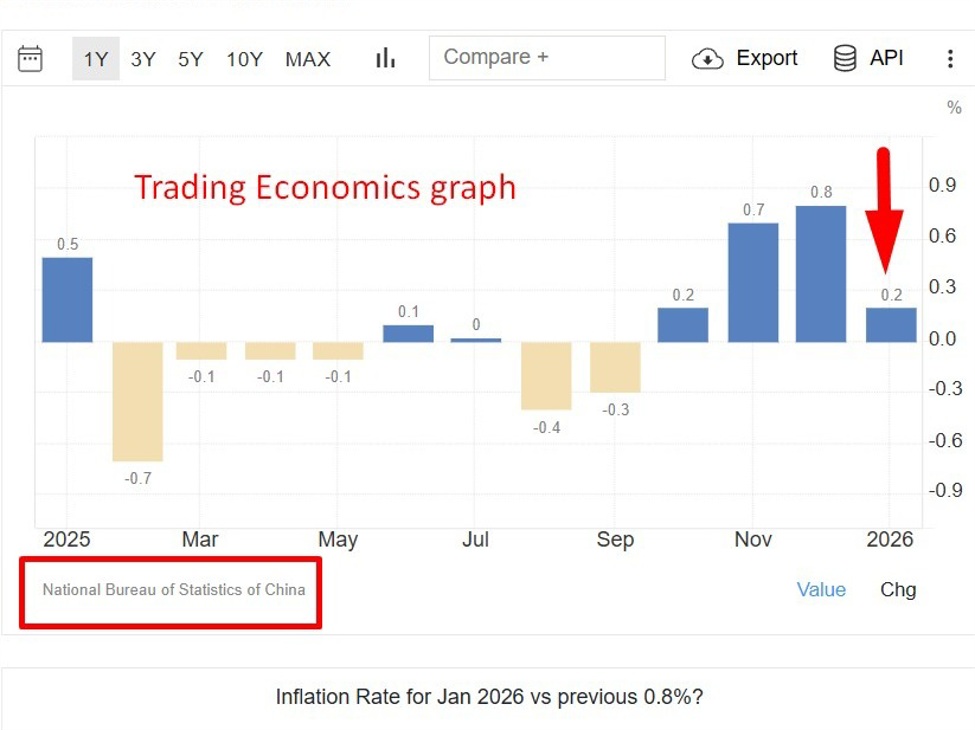
China's deflationary spiral presents a critical dual-edge opportunity for cross-border e-commerce sellers: dramatically reduced sourcing costs paired with deteriorating demand signals. According to China's National Bureau of Statistics (February 10, 2026), producer prices contracted -1.4% year-over-year in January 2026—extending a three-year downward trend—while consumer inflation decelerated sharply to just 0.2% YoY, missing economist forecasts of 0.4%. This divergence reveals a manufacturing sector under severe margin compression while Chinese consumers face weakened purchasing power. Food prices specifically dropped 0.7% YoY due to plunging pork and egg prices, with core CPI declining to 0.8% from December's 1.2%, signaling underlying demand weakness across the economy.
For sellers sourcing from China, the immediate opportunity window is narrowing. The persistent producer deflation—now in its fourth consecutive month of monthly improvement at +0.4%—reflects overcapacity across industrial sectors, creating unprecedented negotiating leverage with Chinese manufacturers. Sellers can expect 8-15% cost reductions on electronics, textiles, and consumer goods through Q1-Q2 2026 before potential policy-driven price stabilization. However, this cost advantage comes with critical risks: Chinese manufacturers are absorbing production capacity through aggressive export strategies (China recorded a $1.2 trillion trade surplus in 2025), meaning suppliers may prioritize volume over quality or reliability. The government's sector-specific interest rate cuts and cheap loan allocations to SMEs and tech firms signal Beijing's desperation to stimulate domestic demand, but economists from Capital Economics and ING project deflationary pressures will persist through 2026 with full-year consumer inflation expected around 0.9%.
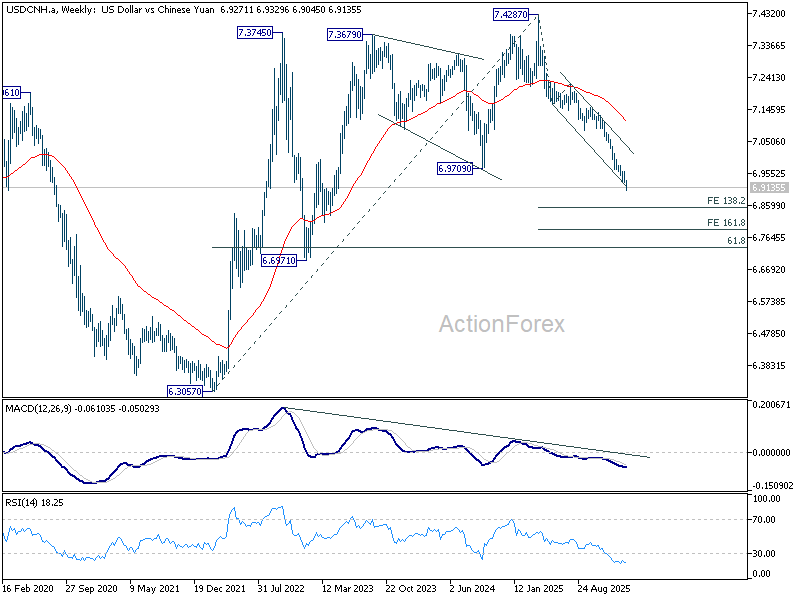
The strategic implication is clear: sellers must act decisively on sourcing within the next 60-90 days before policy interventions stabilize prices. The January-February data distortion from Lunar New Year timing (holiday shifted from January 2025 to mid-February 2026) means the combined two-month read is essential for accurate forecasting. Sellers relying on Chinese suppliers face three distinct scenarios: (1) aggressive cost-down negotiations now before manufacturers stabilize pricing; (2) inventory buildup risk if domestic Chinese demand remains weak and suppliers dump excess capacity into export markets, potentially triggering price wars; (3) currency volatility as the People's Bank of China signals "appropriately loose monetary policies" ahead of March parliamentary meetings where new GDP targets will be announced. The $1.2 trillion trade surplus indicates Chinese manufacturers are export-dependent, making them vulnerable to U.S. trade policy disruptions—a secondary risk factor for sellers. Nonferrous metals mining surged 22.7% while oil/gas extraction slumped 16.7%, showing uneven sectoral recovery that could affect raw material costs unpredictably.
问题 8
When should sellers lock in sourcing prices before deflation reverses?
Sellers have a 60-90 day window (through mid-April 2026) to negotiate and lock in prices before policy interventions stabilize deflation. The critical deadline is March 15, 2026, when China's parliamentary meetings will announce new GDP targets and economic policies. The People's Bank of China's signaled loose monetary policies and sector-specific interest rate cuts indicate Beijing is actively fighting deflation, meaning price stabilization is imminent. Sellers should: (1) initiate cost-down negotiations immediately (within 7 days); (2) finalize price agreements by March 1, 2026; (3) place bulk orders by April 15, 2026, before policy-driven price increases take effect. Delaying beyond April risks losing 8-15% cost advantages as deflation reverses.
How does the Lunar New Year timing affect January-February data interpretation?
The Lunar New Year shifted from January 2025 to mid-February 2026, creating significant data distortions in monthly comparisons. Economist Zhiwei Zhang (Pinpoint Asset Management) emphasized treating January and February 2026 as a combined read rather than analyzing separately. This means sellers should wait for February data release before making major sourcing decisions, as the combined two-month picture will provide more accurate demand signals. The January 2026 CPI of 0.2% and producer deflation of -1.4% should be viewed as preliminary; the February data will clarify whether deflation is accelerating or stabilizing.