



South Korea Crypto Collapse | Payment System Risk for Cross-Border Sellers
- Bithumb's $40B error exposes payment infrastructure vulnerabilities affecting 620,000+ Korean retail traders and cross-border settlement corridors


























概览
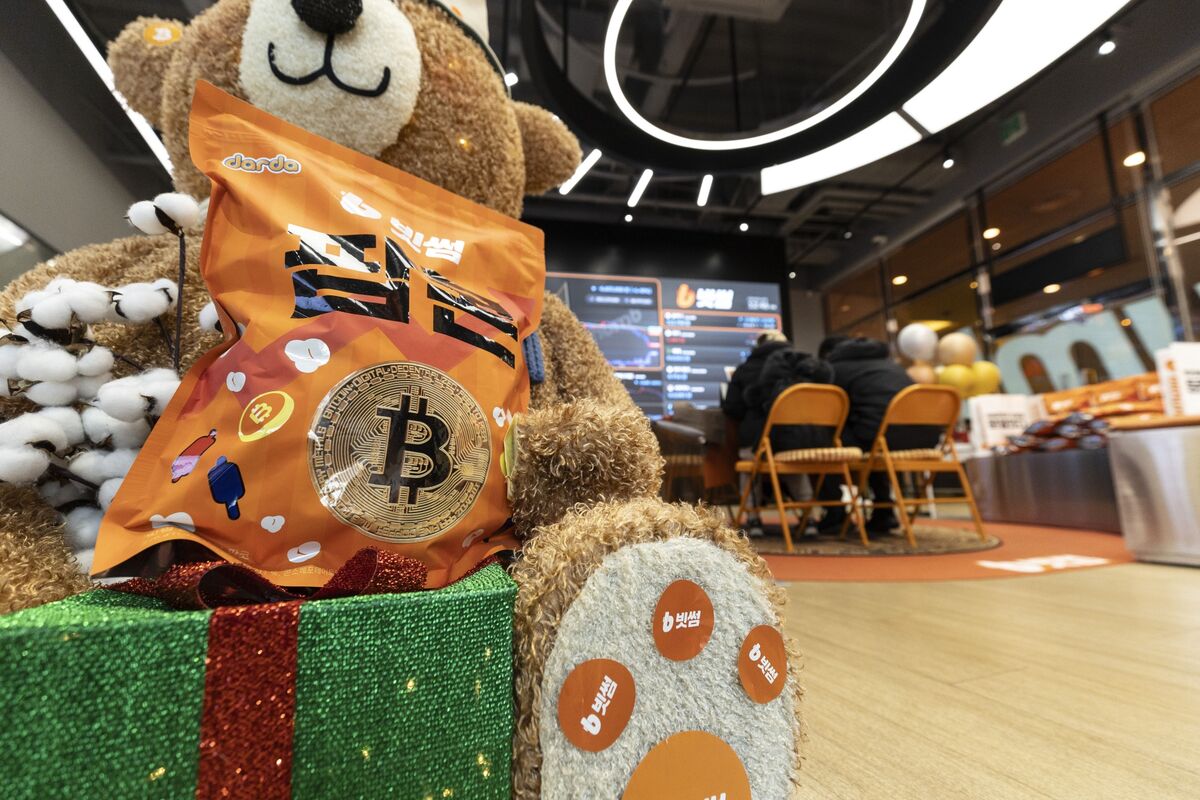
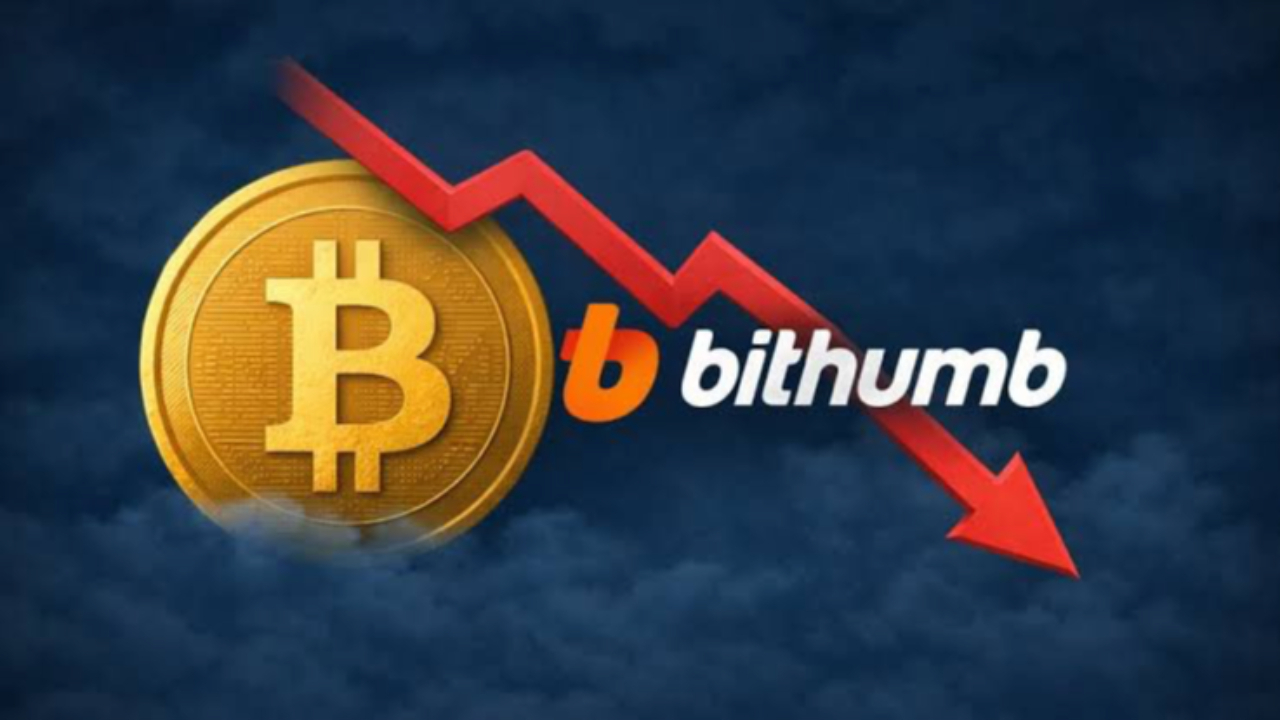
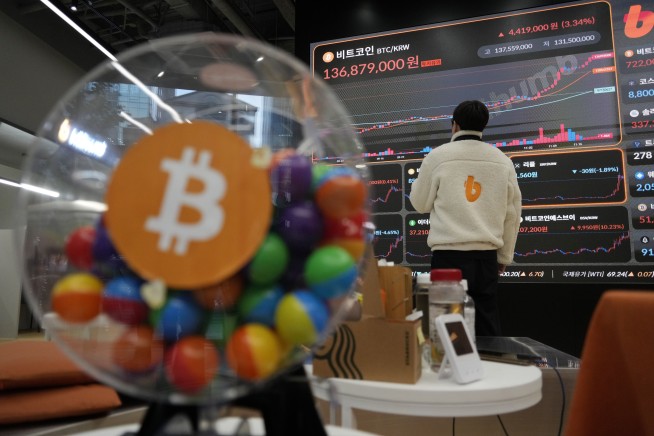
South Korea's Bithumb cryptocurrency exchange experienced a catastrophic $40 billion system failure on February 10-11, 2026, with critical implications for cross-border payment infrastructure and seller financial operations. During a promotional event, the exchange accidentally distributed 620,000 bitcoins (worth $40 billion) instead of 620,000 Korean won ($426) to customer accounts, triggering a 17% bitcoin price collapse and exposing severe deficiencies in transaction verification systems. The incident directly impacts cross-border sellers operating in South Korea's massive retail crypto market—where cryptocurrency trading now exceeds equity market participation—and reveals systemic risks in payment settlement corridors that sellers depend on for KRW-to-USD conversions.
The operational failures expose critical payment processing vulnerabilities that affect seller working capital cycles. Bithumb's 24-hour transaction processing lag prevented real-time balance updates, verification protocols failed to validate transfer amounts against actual holdings, and funds lacked segregation in security accounts. For cross-border sellers receiving payments through Korean payment gateways or crypto-enabled settlement platforms, this incident signals that transaction verification systems may lack adequate safeguards. The exchange recovered 99% of erroneous credits but 1,786 bitcoins (~$9 million) were sold before account freezes, demonstrating how quickly market volatility can cascade through payment networks. Sellers using Korean payment processors for KRW settlement should immediately audit their transaction verification procedures and consider implementing multi-step approval hierarchies for large transfers.
Regulatory tightening will reshape payment compliance requirements for sellers operating in South Korea. South Korean lawmakers initiated formal investigations and regulators signaled stricter licensing requirements, mandatory internal control standards, and enhanced customer protection regulations similar to traditional banking. The Financial Supervisory Service noted that virtual asset markets currently lack oversight standards applied to traditional institutions, despite South Korea's position as one of the world's most active cryptocurrency trading markets by volume. This regulatory shift will force Korean payment processors and crypto-enabled settlement platforms to implement enhanced compliance infrastructure, creating 60-90 day implementation windows for sellers. Sellers accepting cryptocurrency payments or using Korean payment gateways must prepare for stricter KYC/AML requirements, transaction monitoring, and potential settlement delays during compliance transitions.
Immediate financial optimization opportunities emerge from payment infrastructure uncertainty. The incident creates arbitrage windows as Korean won volatility spikes (17% bitcoin decline signals broader KRW instability) and payment processors implement emergency controls. Sellers should: (1) lock in KRW-to-USD forward contracts immediately to hedge against further volatility, (2) accelerate invoice financing for Korean customer receivables before payment processors tighten credit terms, and (3) shift settlement timing to avoid processing delays during regulatory transitions. Bithumb's $70 million Customer Protection Fund establishment signals incoming compliance costs that will increase payment processing fees by 8-15% for Korean settlement corridors within 90 days. Sellers with significant Korean revenue exposure should diversify to alternative payment processors (Stripe, Wise, PayPal) that operate under established regulatory frameworks, potentially reducing settlement costs by 3-5% while improving processing speed from 24 hours to 2-4 hours.
问题 8
How does the Bithumb incident affect cash conversion cycles for sellers with Korean customer bases?
The incident extends cash conversion cycles by 3-5 business days for sellers relying on Korean payment processors. Bithumb's 24-hour transaction processing lag is now under regulatory scrutiny, forcing processors to implement additional verification steps that will increase settlement times from 24 hours to 48-72 hours during the 60-90 day compliance transition. For sellers with $50,000 monthly Korean revenue, this 3-5 day extension ties up $5,000-8,000 in working capital. Immediate mitigation: (1) Shift to Wise or Stripe for 2-4 hour settlement, unlocking $5,000-8,000 working capital, (2) Implement invoice financing to convert 30-day receivables to 2-3 day cash, (3) Negotiate shorter payment terms with Korean customers (net-7 instead of net-30) to offset settlement delays. Combined impact: sellers can improve cash conversion cycles by 15-20 days and unlock $15,000-25,000 in working capital for every $100,000 monthly Korean revenue.
How should sellers structure entity locations to minimize payment processing risks from South Korea regulations?
Regulatory tightening in South Korea creates advantages for sellers operating through Singapore, Hong Kong, or US entities. Singapore-based entities can access DBS Bank's cross-border payment service with 2-hour KRW settlement and FSS-compliant compliance infrastructure, reducing regulatory implementation costs by 40-60%. Hong Kong entities benefit from HKMA-regulated payment processors that already meet South Korean regulatory standards, enabling faster settlement (4-6 hours) without additional compliance delays. US-based sellers should establish accounts with Wise or Stripe's US operations to access their Korean payment corridors, which operate under established regulatory frameworks and avoid 60-90 day implementation windows. Sellers with $200,000+ annual Korean revenue should consider establishing Singapore or HK entities to reduce payment processing costs by 8-12% and improve cash conversion cycles by 2-3 days.