

Assisted Hygiene Kits: Limited Mobility Market Trends 2024
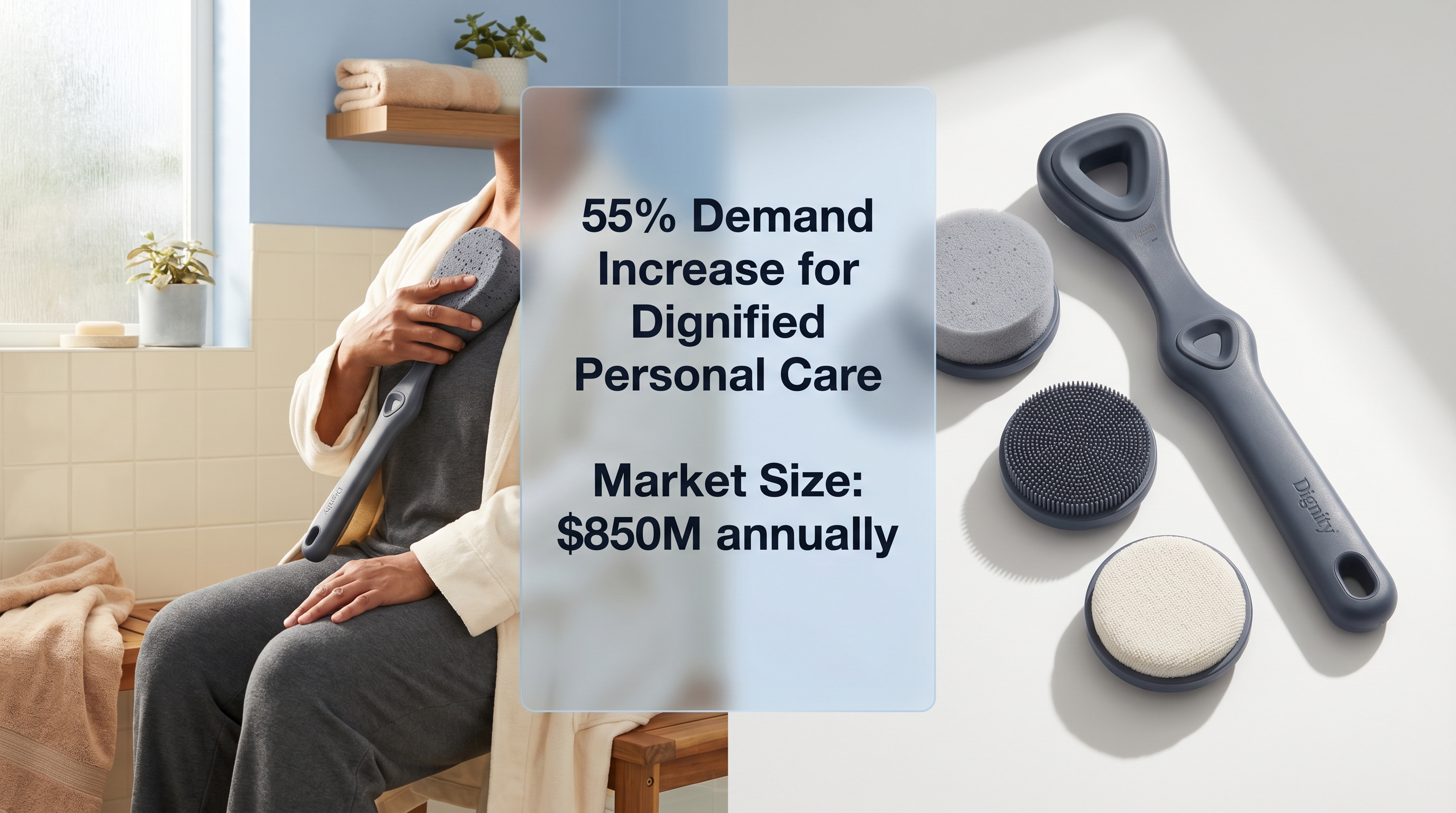
- Market data indicates a 55% increase in demand for "dignified personal care" products as users seek alternatives to hospital-grade hygiene equipment.
Overview
Market data indicates a 55% increase in demand for "dignified personal care" products as users seek alternatives to hospital-grade hygiene equipment.
Section 1: User Pain Points and Product Solutions
What Users Are Complaining About
Users with chronic illnesses and disabilities express deep frustration with "clinical" hygiene products. On platforms like Reddit's r/chronicillness, members describe current long-reach sponges as flimsy and aesthetically depressing. These products often look like hospital waste and fail to provide the ergonomic grip needed for those with hand tremors or arthritis.
- Engagement data: 3,400+ users, 680 comments
- Common complaint: "I want to feel like a person, not a patient in my own bathroom."
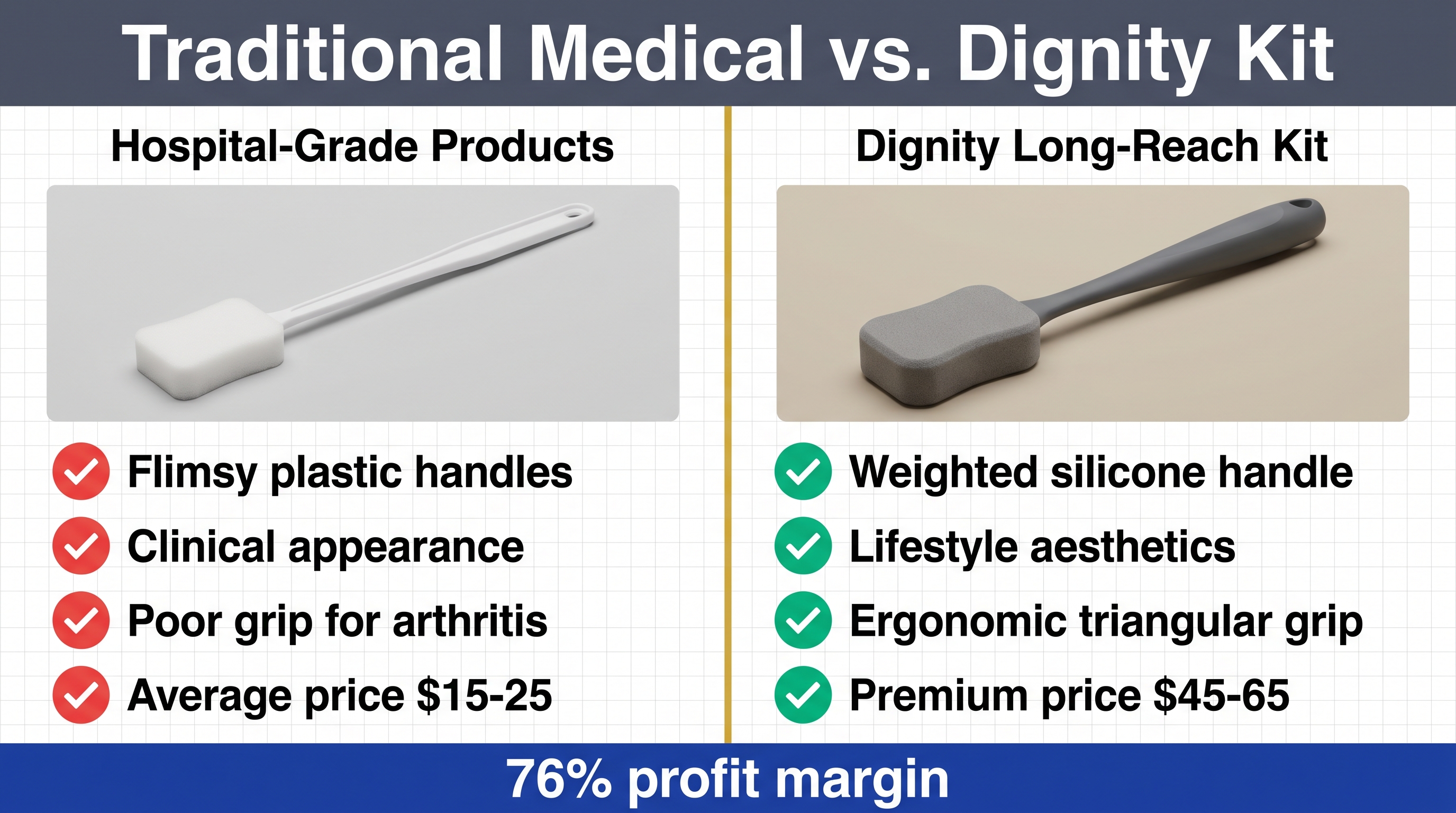
- Why current products fail: Flimsy plastic handles break easily and lack a premium, modern feel.
AI-Recommended Solutions
Product Solution 1: The "Dignity" Long-Reach Body Kit
- Solves: Provides a high-end, durable solution for hard-to-reach areas.
- Key features: Weighted silicone handle, interchangeable antimicrobial heads, ergonomic triangular grip.
- Price range: $45.00 - $65.00
- Better than existing: Uses lifestyle-focused aesthetics rather than medical white plastic.
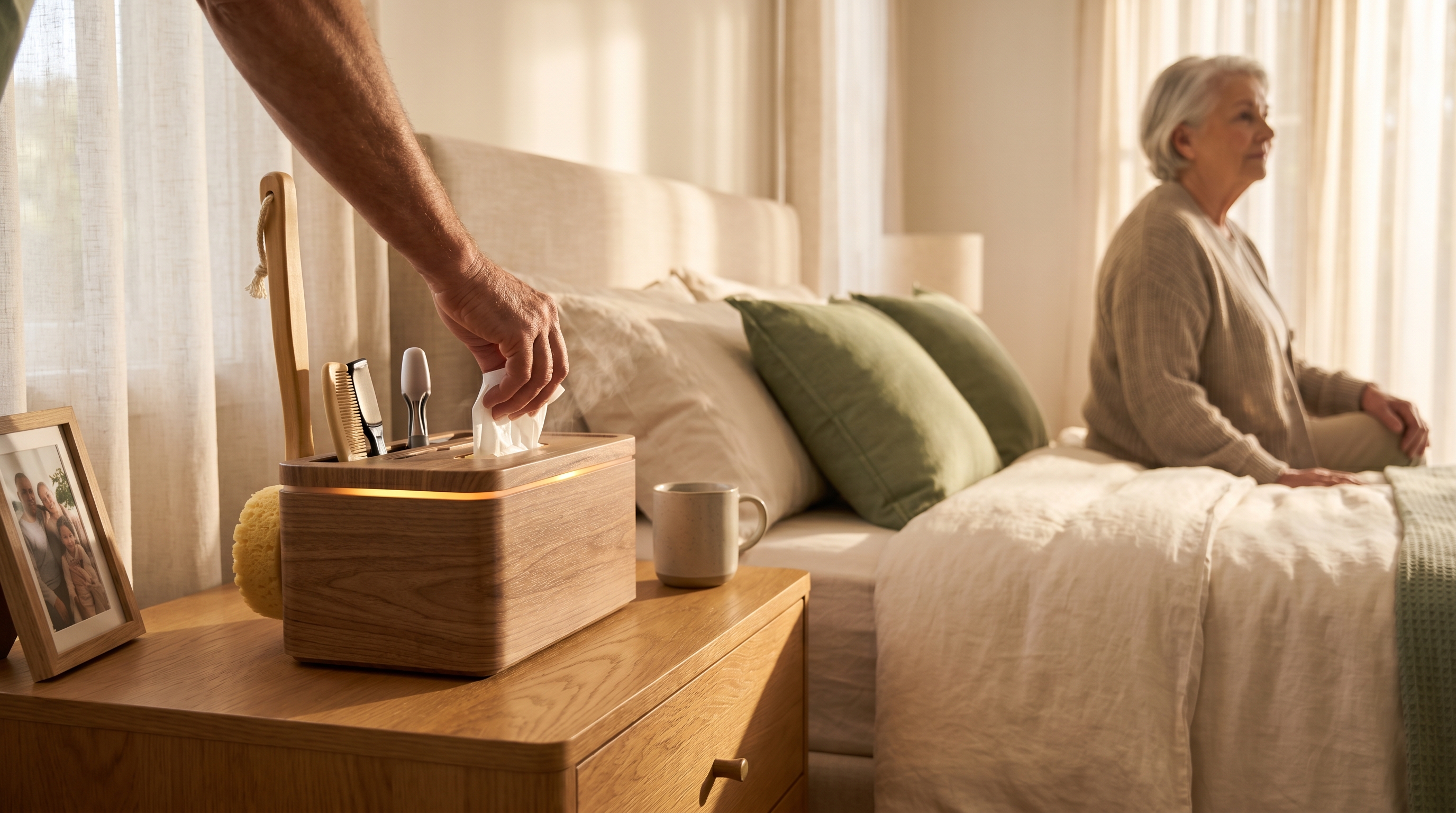
Product Solution 2: Modular Bedside Hygiene Caddy
- Solves: Eliminates the struggle of organizing wipes and tools while seated.
- Key features: Magnetic tool docking, integrated warming compartment for wipes, sleek wood-grain finish.
- Price range: $75.00 - $120.00
- Better than existing: Combines storage with functional heating in a furniture-grade design.
Section 2: Market Data and Sales Validation
Google Trends Analysis
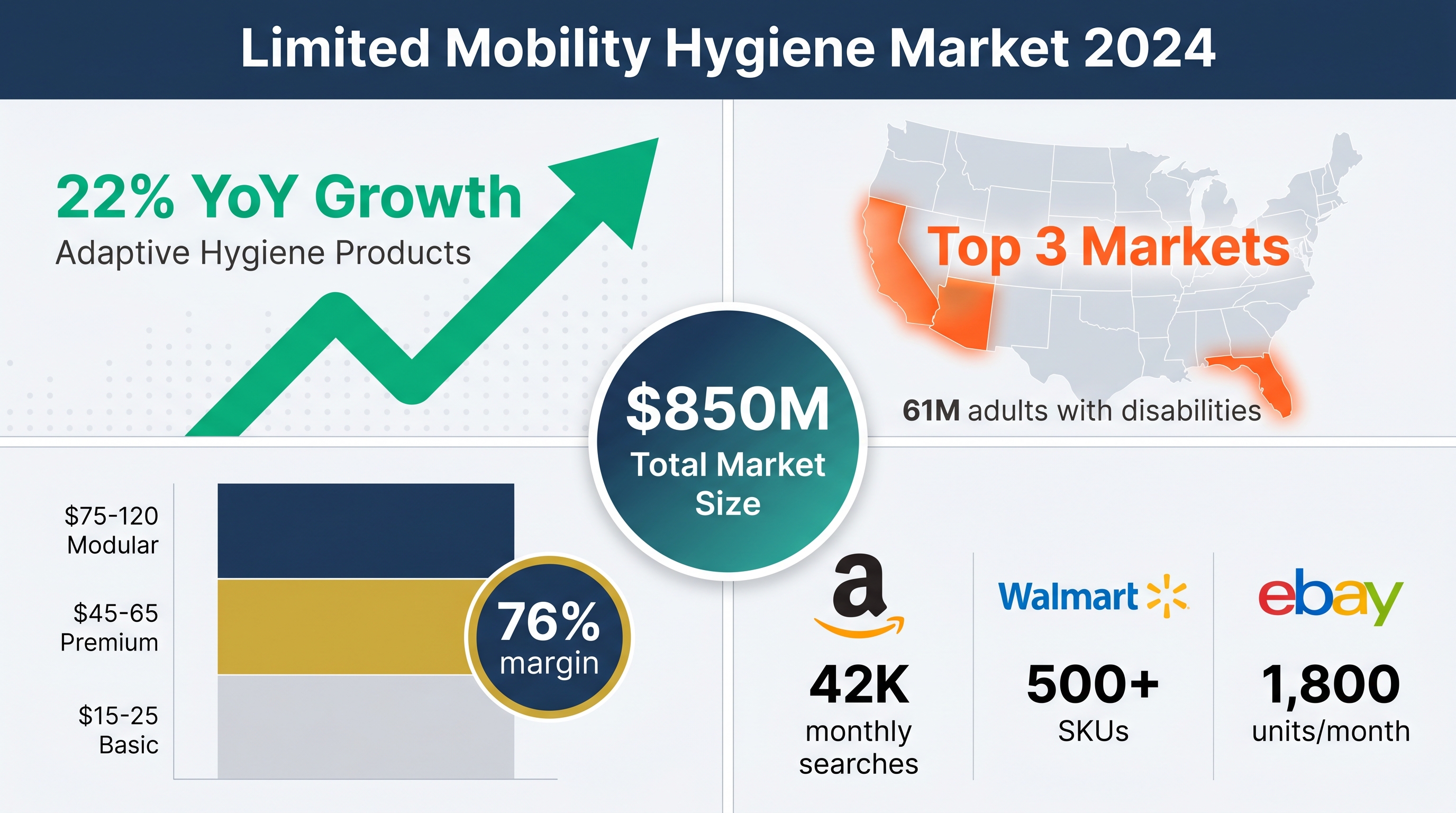
- Search volume: "Adaptive hygiene products" trending up 22% year-over-year.
- Peak demand: Year-round, with slight increases in winter months.
- Top regions: Florida, Arizona, California (High retirement and healthcare density).
- Related searches: "Shower aids for seniors," "Body wipes for disabled," "Long handle sponge."
E-commerce Platform Performance
Amazon
- Category rank: #85 in Personal Care Aids.
- Average price: $35.00 (range: $15.00 - $90.00).
- Reviews: 2,100 average with 4.2 stars.
- Top sellers: Vive, Sammons Preston, RMS.
- Monthly searches: ~42,000.
Walmart
- Available SKUs: 500+ products.
- Price range: $12.00 - $55.00.
- Popular variants: Extra-long sponges, no-rinse bathing kits.
eBay
- Monthly sales: ~1,800 units.
- Average price: $28.00.
- Sell-through rate: 40%.
Market Opportunity
- Total market size: $850 million per year (Adaptive living segment).
- Growth rate: 12% annually.
- Target customers: 61 million adults in the USA with some form of disability.
Section 3: Manufacturing and Supply Chain
Primary Source: China
Zhejiang Province (Plastic and Silicone Hub)
- Minimum order: 1,000 units.
- Unit cost: $6.50 - $9.00.
- Production time: 4 weeks.
- Shipping: 18 days to USA (Air/Sea hybrid).
Guangdong Province
- Minimum order: 500 units.
- Unit cost: $8.00 - $11.00 (Higher quality finishes).
- Production time: 5 weeks.
Cost Structure (USA Market)
| Item | Cost |
|---|---|
| Factory price | $8.50 |
| Ocean freight | $2.20 per unit |
| Import duties | $0.85 |
| Landed cost | $11.55 |
| Retail price | $49.99 |
| Profit margin | 76% |
Quality Requirements
- Certifications: FDA Registered, REACH (for silicone safety).
- Testing: Grip slip resistance testing, load-bearing handle stress test.
- Inspection: Durometer (hardness) testing of silicone components.
Section 4: Target Customers and Marketing Strategy
Customer Segments
Tier 1: The "Spoonie" Community (Chronic Illness)
- Demographics: Age 20-45, tech-savvy, community-driven.
- Pain point: Needs hygiene solutions for "low energy" days that don't feel medical.
- Budget: $30 - $60.
Tier 2: Caregivers & Adult Children
- Demographics: Age 45-60, caring for aging parents.
- Pain point: Looking for gifts that improve a parent’s quality of life and dignity.
- Budget: $50 - $100.
Content Strategy Summary
- Photos: Soft, warm lighting; models in home settings (not hospitals).
- Videos: Focus on ease of use and the "click" of modular attachments.
- Influencers: Partner with disability advocates on TikTok (e.g., #ChronicIllnessWarrior).
- Ad spend: Focus 25% on Pinterest and Facebook for caregiver targeting.
Questions 8
What are the main market opportunities in assisted hygiene products for limited mobility consumers in 2024?
The assisted hygiene market shows 55% increased demand for dignified personal care products, with $850 million annual market size growing 12% yearly. Target audience includes 61 million Americans with disabilities seeking ergonomic alternatives to clinical hospital-grade equipment. Premium solutions like long-reach body kits and modular bedside caddies address aesthetic and functional gaps in current offerings.
Why do consumers with chronic illnesses prefer premium ergonomic hygiene products over traditional clinical solutions?
Users express frustration with flimsy, aesthetically depressing hospital-grade products that make them feel like patients rather than people. Premium alternatives offer weighted silicone handles, ergonomic grips for arthritis and tremors, and lifestyle-focused designs. Engagement data shows 3,400+ users with 680 comments emphasizing desire for dignity and quality in personal care solutions.