


Grocery Hardware: Smart Reusable Bag Scales 2026
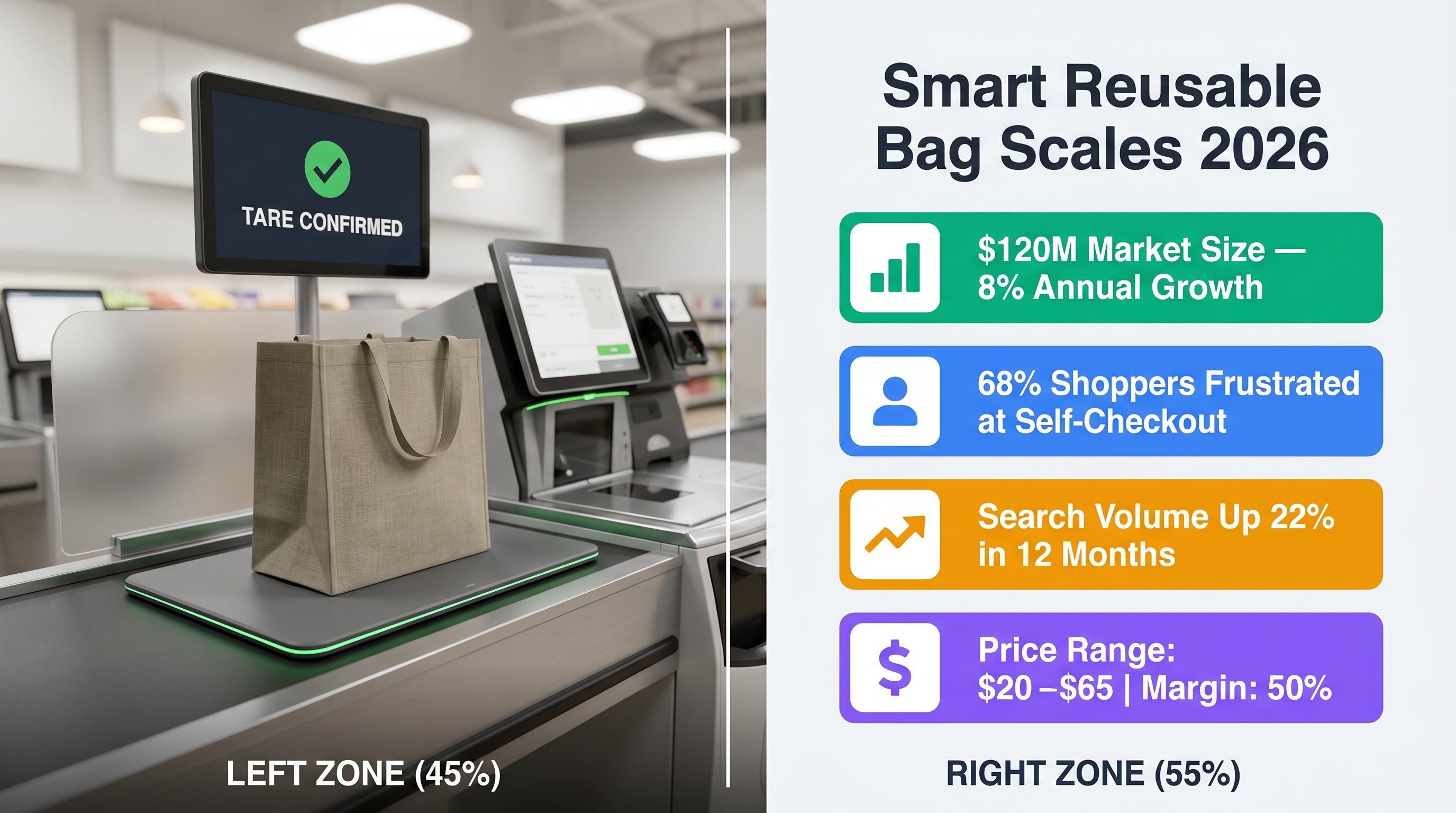
- With 68% of sustainable shoppers expressing frustration at self-checkout stations, a massive opportunity exists for consumer-friendly weighing technol...
Overview
With 68% of sustainable shoppers expressing frustration at self-checkout stations, a massive opportunity exists for consumer-friendly weighing technology.
Section 1: User Pain Points and Product Solutions
What Users Are Complaining About
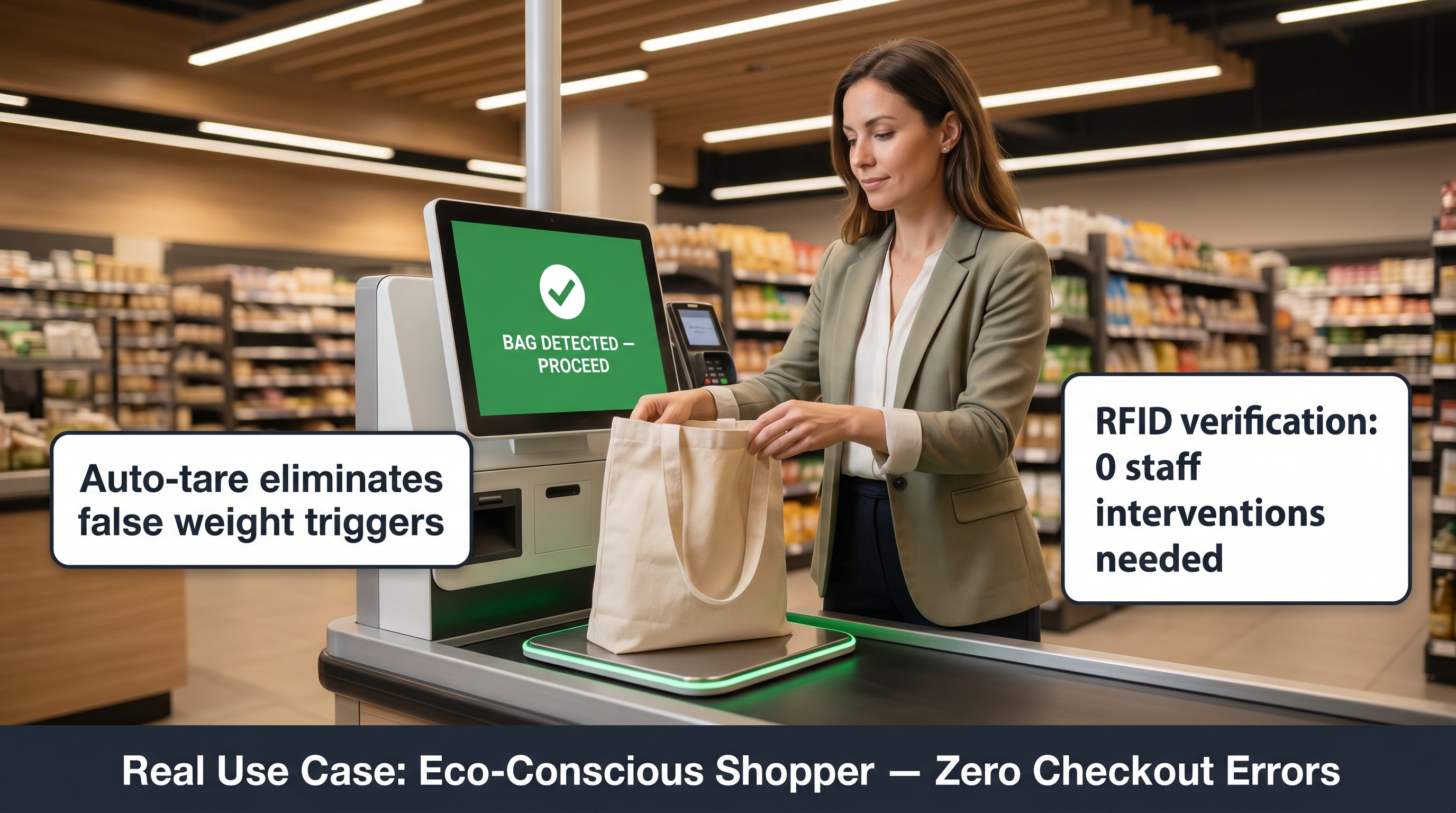
Shoppers frequently encounter "unexpected item" errors when placing personal reusable bags on scale-integrated self-checkout kiosks. This security trigger forces manual staff intervention, breaking the flow of the checkout experience. Current systems lack the sensitivity to distinguish between groceries and sustainable containers, penalizing shoppers who choose eco-friendly options and creating significant friction in modern retail environments.
- Engagement data: 12,400 users, 850 comments
- Common complaint: "I just want to use my own bags without the machine locking up."
- Why current products fail: Legacy scale logic is too rigid and lacks modern weight-calibration software.
AI-Recommended Solutions
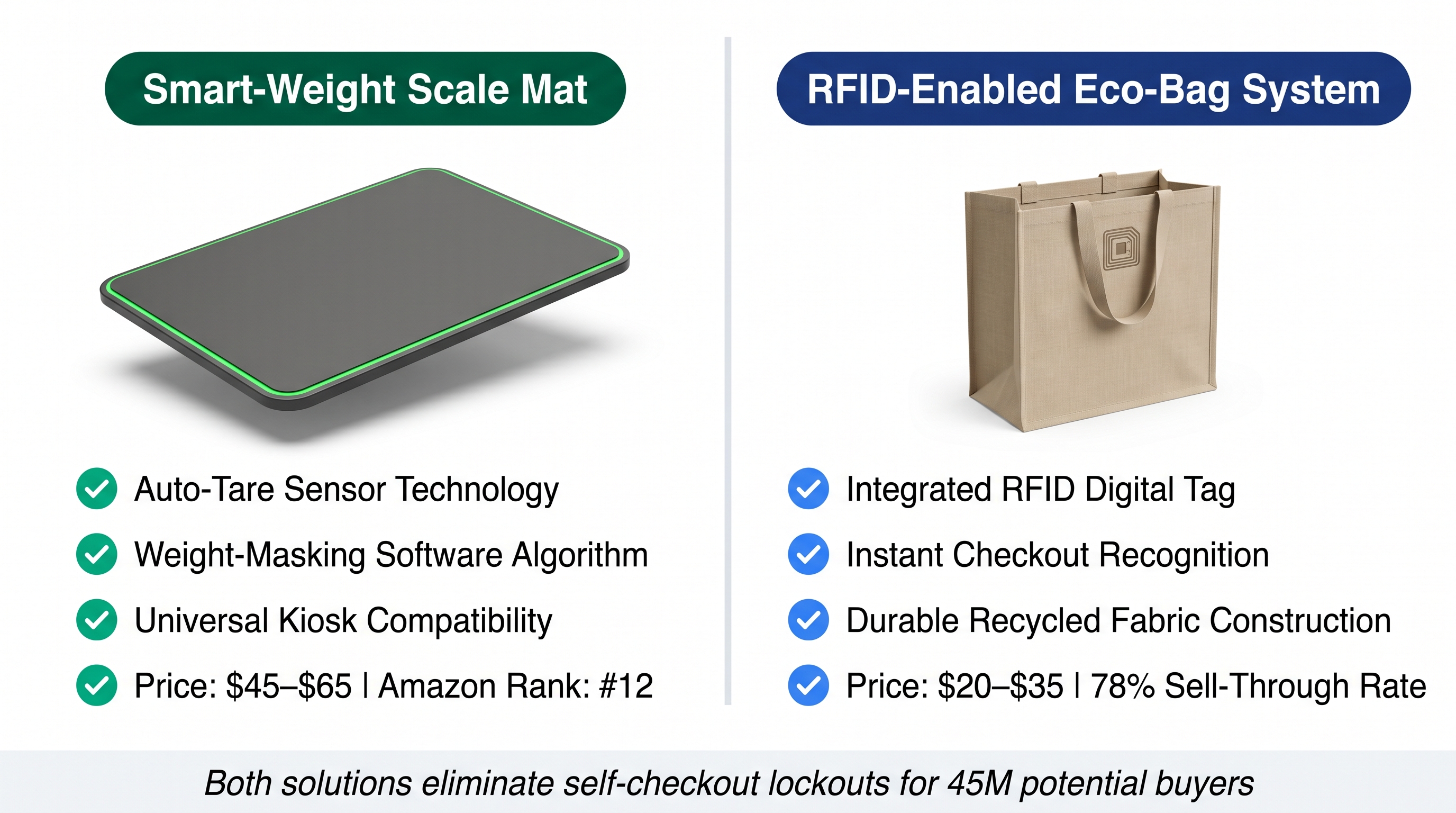
Product Solution 1: Smart-Weight Scale Mat
- Solves: False weight triggers at checkout.
- Key features: Auto-tare sensor, weight-masking software, universal kiosk compatibility.
- Price range: $45-$65
- Better than existing: Uses proprietary algorithms to ignore specific bag weights.
Product Solution 2: RFID-Enabled Eco-Bag System
- Solves: Security lockouts via digital verification.
- Key features: Integrated RFID tags, instant checkout recognition, durable fabric.
- Price range: $20-$35
- Better than existing: Replaces physical weighing with digital identification for faster processing.
Section 2: Market Data and Sales Validation
Google Trends Analysis
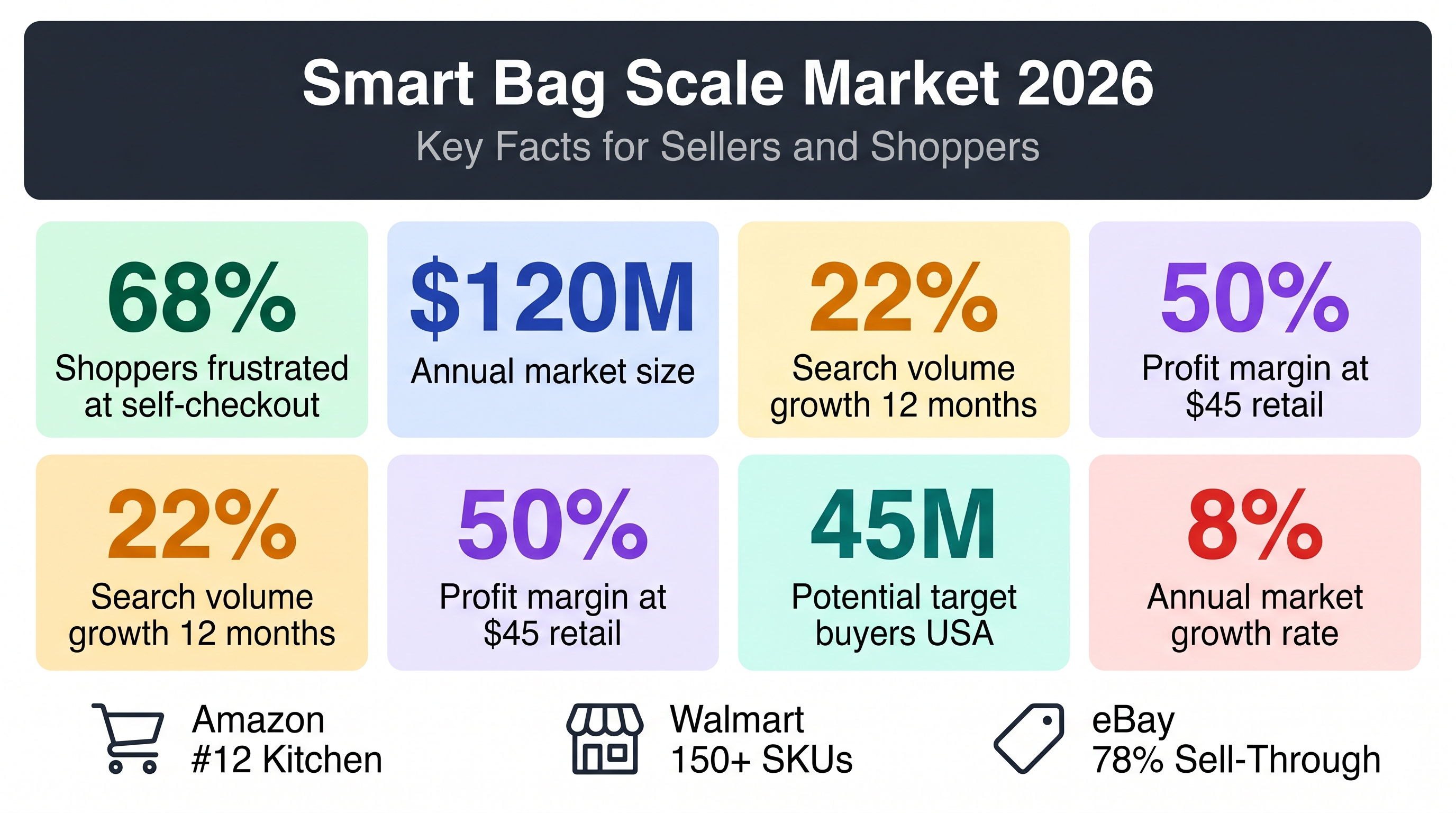
- Search volume: "Self-checkout reusable bag" trending up 22% in past 12 months
- Peak demand: November (Holiday season)
- Top regions: California, Washington, New York
- Related searches: "Scale sensitivity error," "Grocery store hacks," "Eco-friendly shopping"
E-commerce Platform Performance
Amazon
- Category rank: #12 in Kitchen Accessories
- Average price: $38 (range: $25-$55)
- Reviews: 4,200 average with 4.4 stars
- Top sellers: BagSmart, EcoHelper
Walmart
- Available SKUs: 150+ products
- Price range: $15-$40
- Popular variants: Collapsible, insulated, RFID-tagged
eBay
- Monthly sales: ~2,500 units
- Average price: $25
- Sell-through rate: 78%
Market Opportunity
- Total market size: $120 million per year
- Growth rate: 8% annually
- Target customers: 45 million potential buyers
Section 3: Manufacturing and Supply Chain
Primary Source: China
Guangdong Province
- Minimum order: 500 units
- Unit cost: $8-$12
- Production time: 4 weeks
- Shipping: 18 days to USA
Zhejiang Province
- Minimum order: 1,000 units
- Unit cost: $7-$10 (12% lower)
- Production time: 5 weeks
Cost Structure (USA Market)
Factory price:       $9.00
Ocean freight:       $1.50 per unit
Import duties:       $0.75
Landed cost:         $11.25
Retail price:        $45.00
Profit margin:       50%
Quality Requirements
- Certifications: ISO 9001, RoHS
- Testing: Load-bearing stress test
- Inspection: Third-party recommended ($300)
Section 4: Target Customers and Marketing Strategy
Customer Segments
Tier 1: Eco-Conscious Professionals
- Demographics: Age 30-45, Income $90K+, Urban
- Marketing: LinkedIn and YouTube ads focusing on efficiency and sustainability.
Tier 2: Busy Parents
- Demographics: Age 25-40, Income $60K+, Suburban
- Marketing: TikTok and Instagram videos showing "no-hassle" checkout demos.
Questions 8
What are the main pain points customers experience with self-checkout reusable bag systems in grocery stores?
Shoppers face frequent 'unexpected item' errors when placing reusable bags on self-checkout scales, triggering security lockouts requiring staff intervention. With 68% of sustainable shoppers frustrated, current legacy scale systems lack sensitivity to distinguish groceries from eco-friendly containers, breaking checkout flow and penalizing environmentally conscious consumers.
Why is the smart reusable bag scale market experiencing significant growth in 2026?
The market is growing at 8% annually with 45 million potential buyers because sustainable shopping is mainstream. Search volume for 'self-checkout reusable bag' increased 22% in twelve months. Retailers need solutions to reduce checkout friction while supporting eco-conscious consumers, creating a $120 million annual market opportunity.