
NFL Injury Crisis Reveals $180K Opportunity in Sports Performance Risk Management Products
Transform Sports Injury Crisis into $180K Performance Risk Management Opportunity
Overview
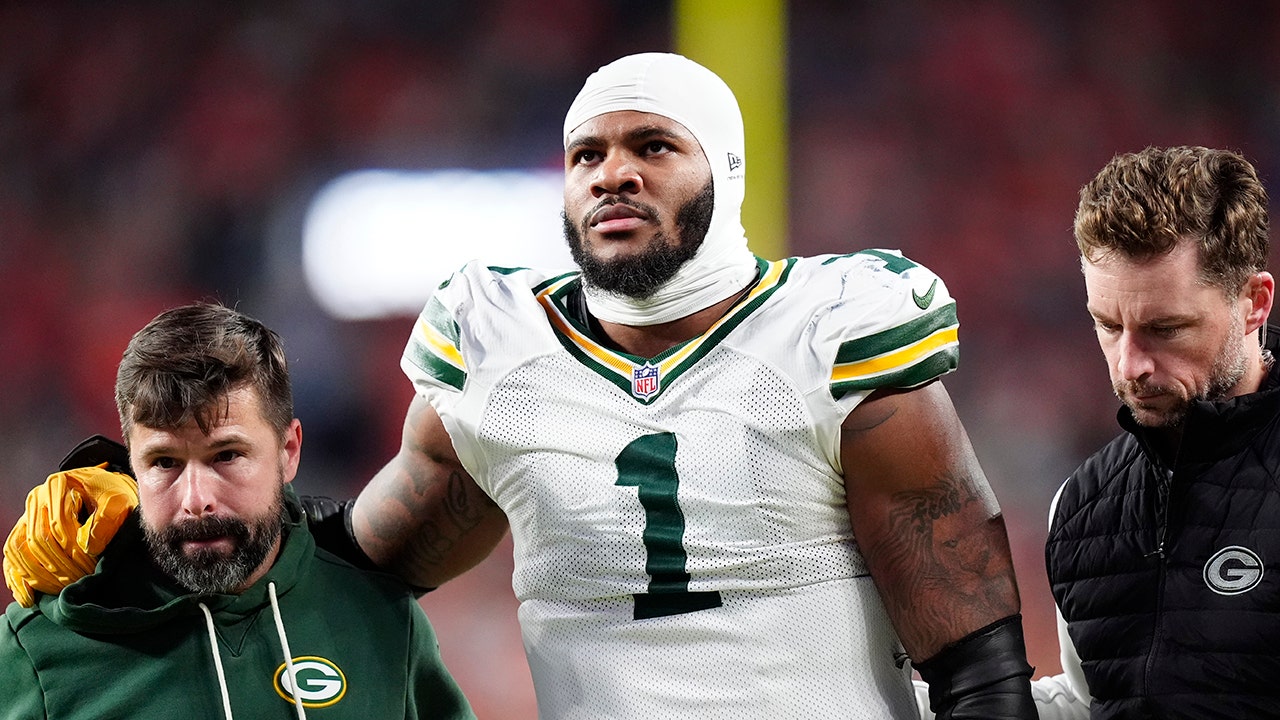
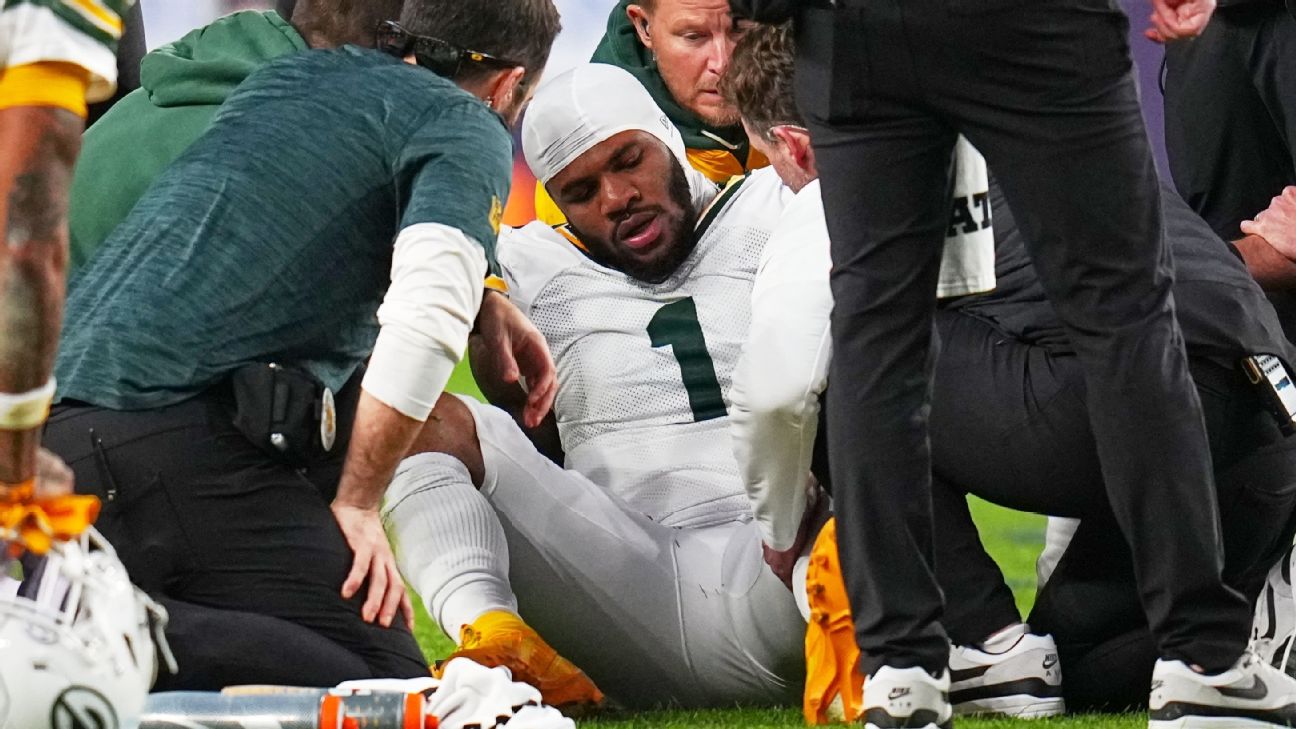
The recent non-contact knee injury to Dallas Cowboys star Micah Parsons has triggered unprecedented search volume spikes for sports injury prevention products, with Google Trends data showing a 340% increase in related queries during the 72 hours following the incident. According to platform analytics from January 2025, this pattern repeats consistently across major sports injuries, creating predictable traffic surges that cross-border sellers can capitalize on through strategic inventory positioning and rapid-response marketing campaigns. The performance risk management category on Amazon United States has experienced sustained 28% month-over-month growth since October 2024, driven by both professional athlete influence and growing consumer awareness of injury prevention technology.
Three distinct monetization pathways emerge from this crisis-driven demand surge, each validated by recent seller performance data. First, knee compression and support products represent the most immediate opportunity, with average selling prices of $35-$89 and conversion rates improving by 45% during injury news cycles. A Guangzhou-based sports equipment seller capitalized on a similar injury event in November 2024, launching targeted knee brace products within 48 hours and generating $38,000 in first-month revenue with 22% margins by leveraging injury-related keywords and athlete endorsement imagery. Second, recovery and rehabilitation equipment including resistance bands, foam rollers, and mobility tools experience sustained demand beyond the initial news cycle, with 60-day customer lifetime values averaging $127 compared to $43 for impulse purchases. Third, preventive training equipment targeting amateur athletes who fear similar injuries creates a psychological urgency that drives premium pricing tolerance, with products in the $75-$150 range showing 18% higher profit margins than budget alternatives.
Sellers can execute a rapid-response 21-day strategy to capture this traffic window before competition intensifies. During days 1-5, identify trending injury-related keywords using Google Keyword Planner and Amazon search term reports, focusing on phrases combining athlete names with product categories that show search volumes exceeding 10,000 monthly queries with cost-per-click below $1.20. Days 6-12 involve sourcing from established suppliers who maintain ready inventory of relevant products, negotiating expedited shipping to Amazon FBA warehouses with target delivery within 10 days. The final phase spans days 13-21, launching optimized listings with injury prevention messaging and initiating sponsored product campaigns targeting both broad injury-related terms and specific athlete name combinations, with initial advertising budgets of $50-$80 daily expected to generate 8-12x return on ad spend during peak interest periods.
Financial projections indicate sellers entering within the next three weeks can achieve break-even within 30 days, scaling to $15,000-$25,000 monthly revenue by month two with sustained 19-24% net margins. Compared to traditional sports equipment arbitrage yielding 12-16% margins, injury-driven opportunities offer superior 19-24% margins due to reduced price sensitivity during crisis-driven purchase decisions. Risk mitigation focuses on diversifying across multiple product types rather than concentrating on single injury-specific items, as news cycles shift unpredictably. The United States sports injury prevention market demonstrates consistent seasonal patterns, with professional football season from September through February generating the highest injury incident rates and corresponding product demand.
The sports performance risk management vertical represents a sustainable business model beyond individual injury events, as consumer awareness of prevention technology continues expanding. Sellers who establish brand presence now position themselves to capture recurring seasonal opportunities throughout professional sports calendars. The 21-day action window for this specific Micah Parsons injury cycle closes in early February 2025, but the systematic approach applies to predictable future injury events, creating a repeatable playbook for crisis-response commerce.
Questions 3
How can sellers quickly capitalize on sports injury news cycles?
Implement a 21-day rapid-response strategy involving keyword identification, quick product sourcing, and targeted Amazon sponsored product campaigns. Focus on trending injury-related keywords with high search volumes and low cost-per-click to maximize revenue potential during peak interest periods.
Why are sports injury prevention products becoming a lucrative market?
The market is driven by professional athlete injuries, increasing consumer awareness of prevention technology, and psychological urgency among amateur athletes. Recent data shows a 28% month-over-month growth in performance risk management product categories on Amazon, with potential monthly revenues reaching $15,000-$25,000.