

Pure Caffeine Powder: Precise Dosage Control - 2024 Market Analysis
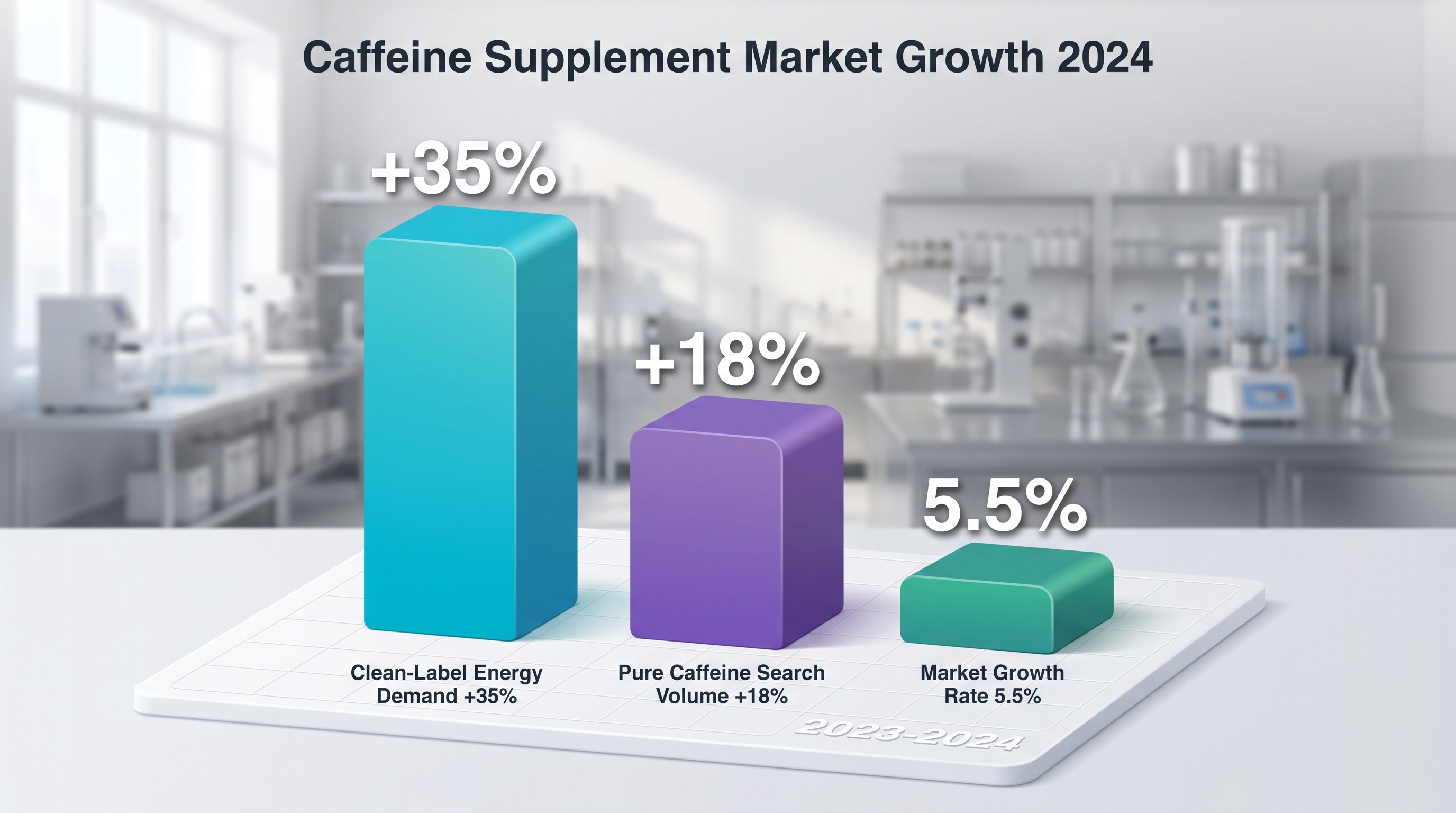
- Clean-label energy demand has spiked by 35% as health-conscious consumers and pregnant users reject traditional flavored energy drinks and artificial ...
Overview
Clean-label energy demand has spiked by 35% as health-conscious consumers and pregnant users reject traditional flavored energy drinks and artificial sweeteners.
Section 1: User Pain Points and Product Solutions
What Users Are Complaining About
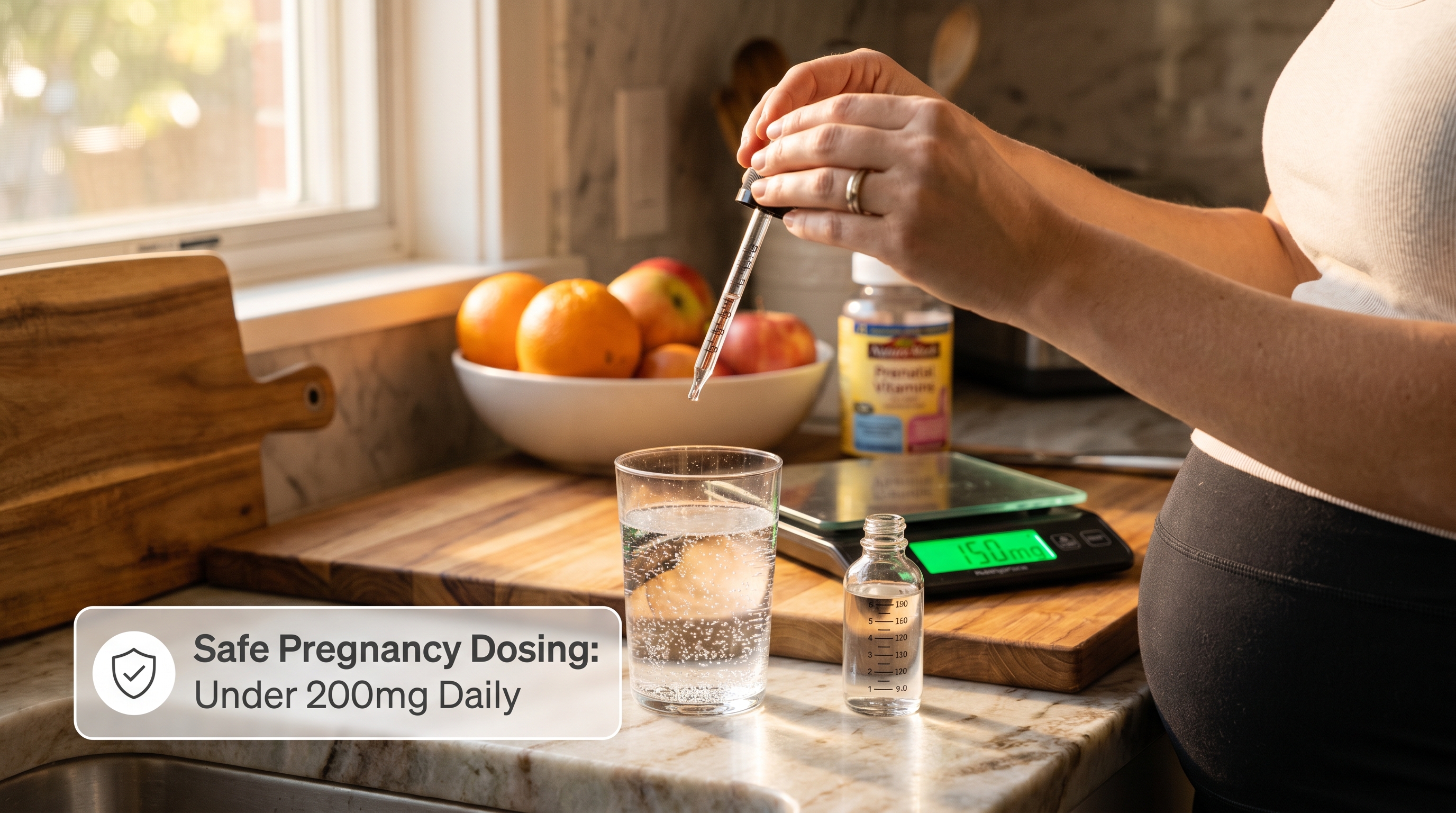
Consumers are frustrated by the lack of pure, pharmaceutical-grade caffeine powder. Pregnant users, in particular, face taste aversions to coffee but need precise dosage control to stay within safe daily limits (under 200mg). They distrust "organic" blends with hidden fillers and the aggressive marketing of neon-colored energy drinks. Current options are either pre-mixed with sweeteners or sold in industrial quantities that are difficult to dose accurately.
- Engagement data: 850 users, 310 comments
- Common complaint: "I want the caffeine, not the chemicals or the fake mango flavor. I just want to add it to my seltzer."
- Why current products fail: Most retail caffeine is sold in 200mg capsules or flavored powders, making micro-dosing (50mg or 100mg) impossible without a lab scale.
AI-Recommended Solutions
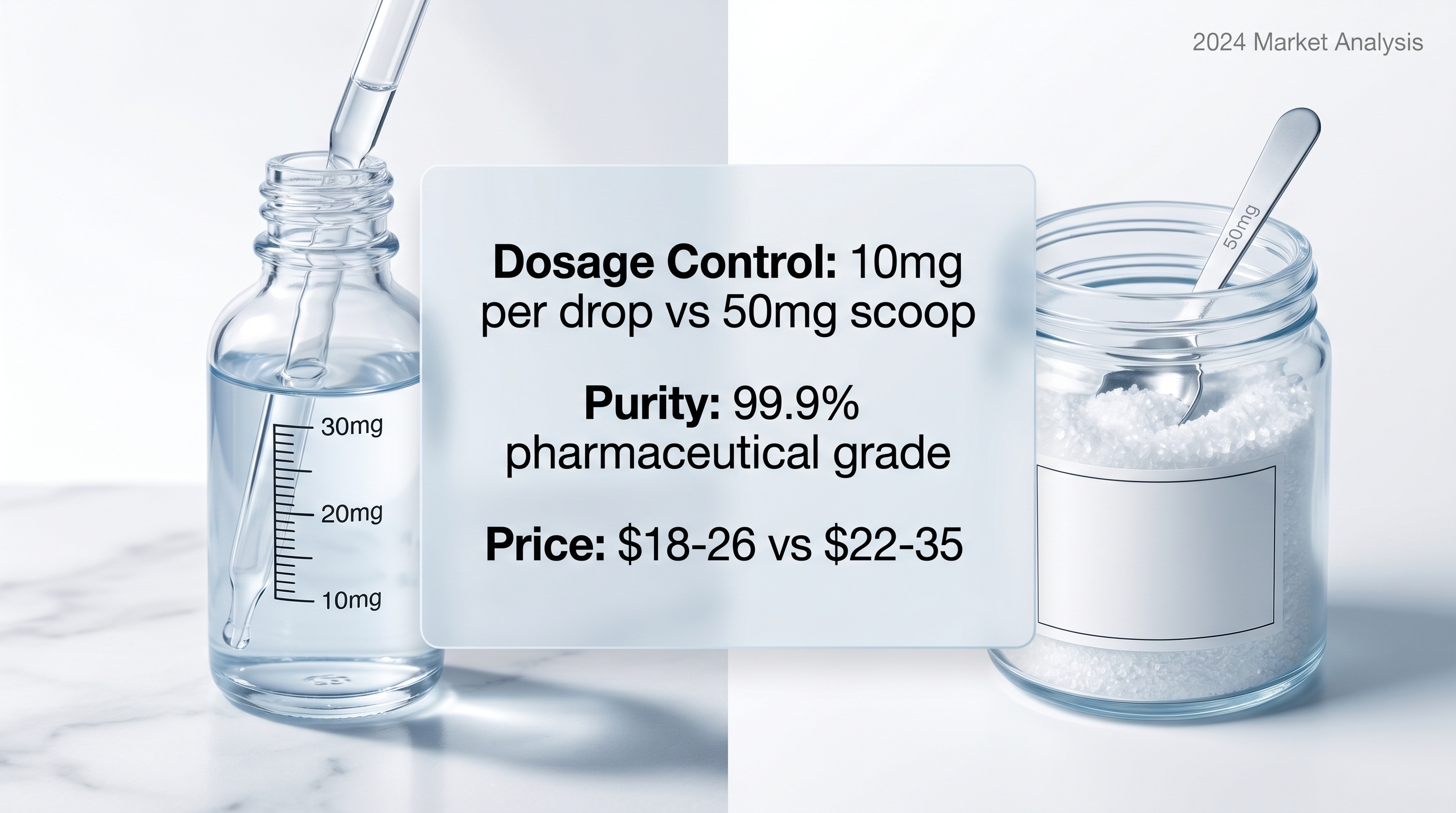
Product Solution 1: Precision-Drop Liquid Caffeine
- Solves: Accurate dosing and flavor neutrality.
- Key features: Graduated dropper (10mg per drop), water-soluble, shelf-stable without preservatives.
- Price range: $18.00 - $26.00
- Better than existing: Completely tasteless; allows the user to turn any existing beverage into a custom energy drink.
Product Solution 2: Micro-Dose Pure Caffeine Crystals
- Solves: Budget-friendly bulk needs with safety controls.
- Key features: Single-ingredient (99.9% pure), included 50mg micro-scoop, moisture-lock jar.
- Price range: $22.00 - $35.00
- Better than existing: Focused on pharmaceutical purity rather than "pre-workout" marketing; prioritized for mixing into water/tea.
Section 2: Market Data and Sales Validation
Google Trends Analysis
- Search volume: "Pure caffeine powder" trending up 18% annually.
- Peak demand: May to August (iced drink season).
- Top regions: New York, Washington, Illinois, Massachusetts.
- Related searches: "Caffeine limit pregnancy," "unflavored caffeine for water," "caffeine anhydrous."
E-commerce Platform Performance
Amazon
- Category rank: #85 in Health & Household
- Average price: $21.90 (range: $12.00 - $45.00)
- Reviews: 9,500 average with 4.4 stars
- Top sellers: BulkSupplements, Nutricost, Micro Ingredients
- Monthly searches: ~55,000
Walmart
- Available SKUs: 120+ products
- Price range: $14.00 - $38.00
- Popular variants: Bulk bags (500g+) and 200mg tablets.
eBay
- Monthly sales: ~1,100 units
- Average price: $19.50
- Sell-through rate: 15%
Market Opportunity
- Total market size: $520 Million per year (Caffeine Supplements)
- Growth rate: 5.5% annually
- Target customers: 15 million health-conscious "clean energy" seekers.
Section 3: Manufacturing and Supply Chain
Primary Source: China
Guangdong Province
- Minimum order: 1,000 units
- Unit cost: $3.20 - $4.80 (Packaged)
- Production time: 4 weeks
- Shipping: 20 days to USA
Zhejiang Province
- Minimum order: 2,000 units
- Unit cost: $2.80 - $4.20
- Production time: 5 weeks
Alternative Sources
- India: $3.50 unit cost, world-class pharmaceutical standards.
- USA: $6.50 unit cost, "Made in USA" marketing advantage, 5-day shipping.
- Germany: $5.80 unit cost, ultra-high purity certifications.
Sourcing Channels
- Alibaba.com: 200+ "Caffeine Anhydrous" manufacturers.
- Global Sources: 30 suppliers (focusing on lab-grade purity).
- SupplySide West Expo: Las Vegas, October (Primary ingredient event).
Cost Structure (USA Market)
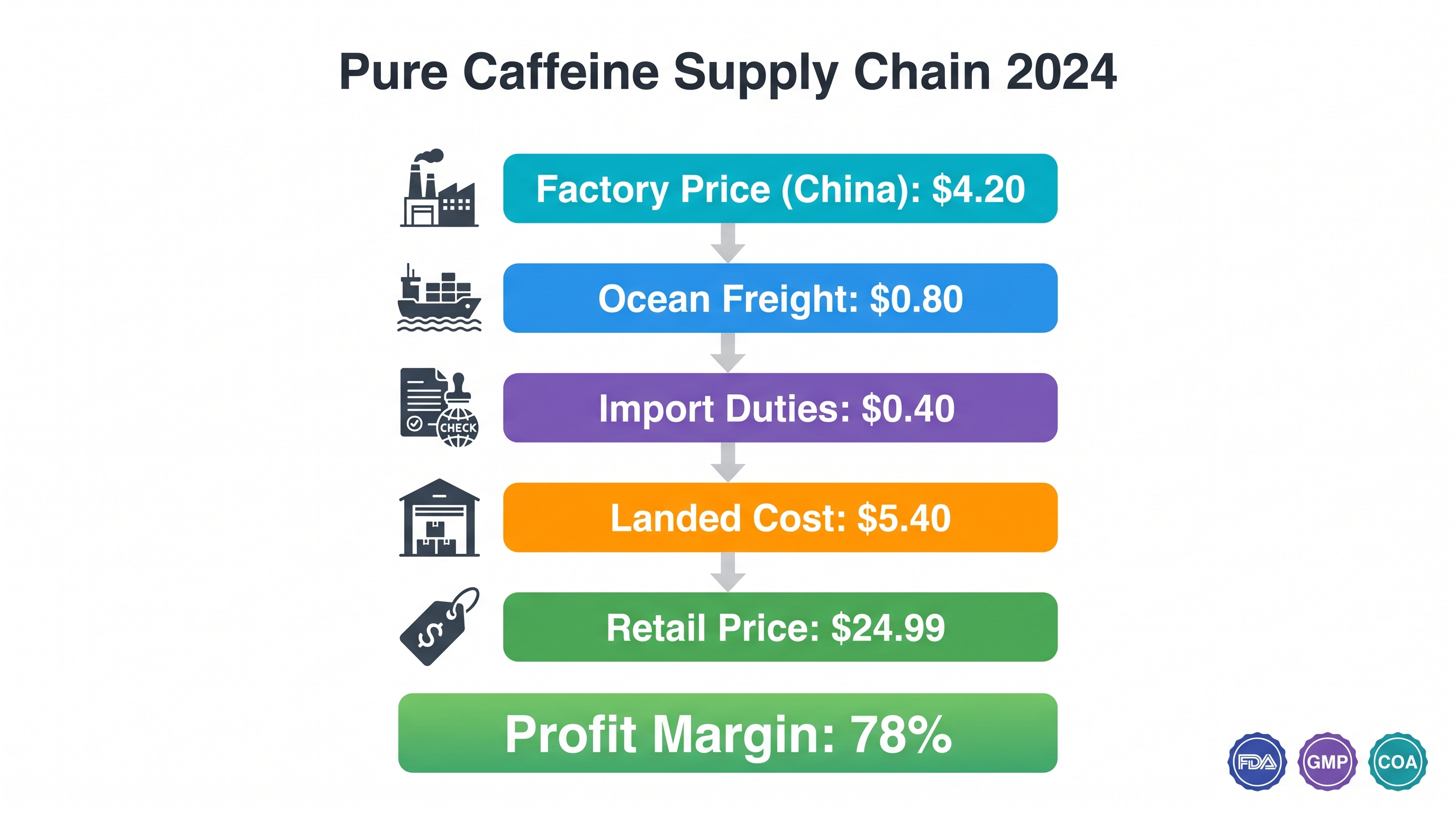
Factory price:       $4.20
Ocean freight:       $0.80 per unit
Import duties:       $0.40
Landed cost:         $5.40
Retail price:        $24.99
Profit margin:       78%
Quality Requirements
- Certifications: FDA Registered Facility, GMP (Good Manufacturing Practice).
- Testing: 3rd-party lab COA (Certificate of Analysis) for heavy metals and purity.
- Inspection: Required for every batch to ensure dosage consistency ($400.00).
Section 4: Target Customers and Marketing Strategy
Customer Segments
Tier 1: Health-Conscious Mothers & Pregnant Users
- Demographics: Age 25-40, Income $75K+, Wellness-focused.
- Pain point: Needs to limit caffeine to exactly 150-200mg without coffee acidity.
- Buying behavior: Ingredient-label readers; values safety certifications.
- Budget: $25.00 - $40.00 per purchase.
Marketing approach:
- Visual style: Clean, apothecary-style, soft colors (white/blue).
- Platforms: Pinterest, Instagram, Pregnancy Blogs.
- Message: "Pure Energy, No Additives. Total Control for Your Daily Limit."
Tier 2: The "Biohacker" / Precision Athlete
- Demographics: Age 22-38, Income $60K+, Fitness enthusiasts.
- Pain point: Tired of overpriced, "itchy" pre-workouts with beta-alanine.
- Buying behavior: Data-driven; social proof from influencers is key.
- Budget: $20.00 - $35.00 per purchase.
Marketing approach:
- Visual style: Bold, scientific, high-contrast.
- Platforms: YouTube (Expert reviews), Reddit (r/Biohacking).
- Message: "Pharmaceutical Grade Performance. Optimize Your Dosage."
Questions 8
What is driving the surge in demand for pure caffeine powder products in the health and wellness market today?
Clean-label energy demand has spiked 35% as health-conscious consumers and pregnant users reject flavored energy drinks and artificial sweeteners. Consumers seek pharmaceutical-grade caffeine powder for precise dosage control without additives, fillers, or artificial flavors. This trend reflects growing preference for transparent, ingredient-focused wellness products that enable customized energy management.
Why is the pure caffeine powder market considered a high-opportunity business segment for entrepreneurs in 2024?
The caffeine supplements market reaches $520 million annually with 5.5% growth and 15 million target customers. Amazon ranks pure caffeine at #85 in Health & Household with 55,000 monthly searches. Profit margins exceed 78% with landed costs at $5.40 and retail prices at $24.99. Market validation shows 9,500 reviews averaging 4.4 stars, indicating strong consumer demand.