

Seattle's Transit Revolution Reshapes Regional Mobility Landscape
- Transformative light rail expansion signals strategic infrastructure investment in South King County

































.png)













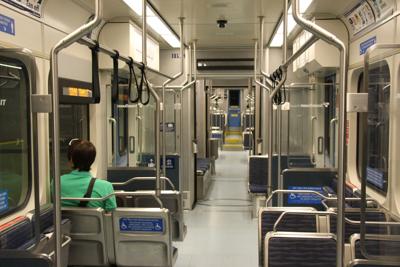
Overview
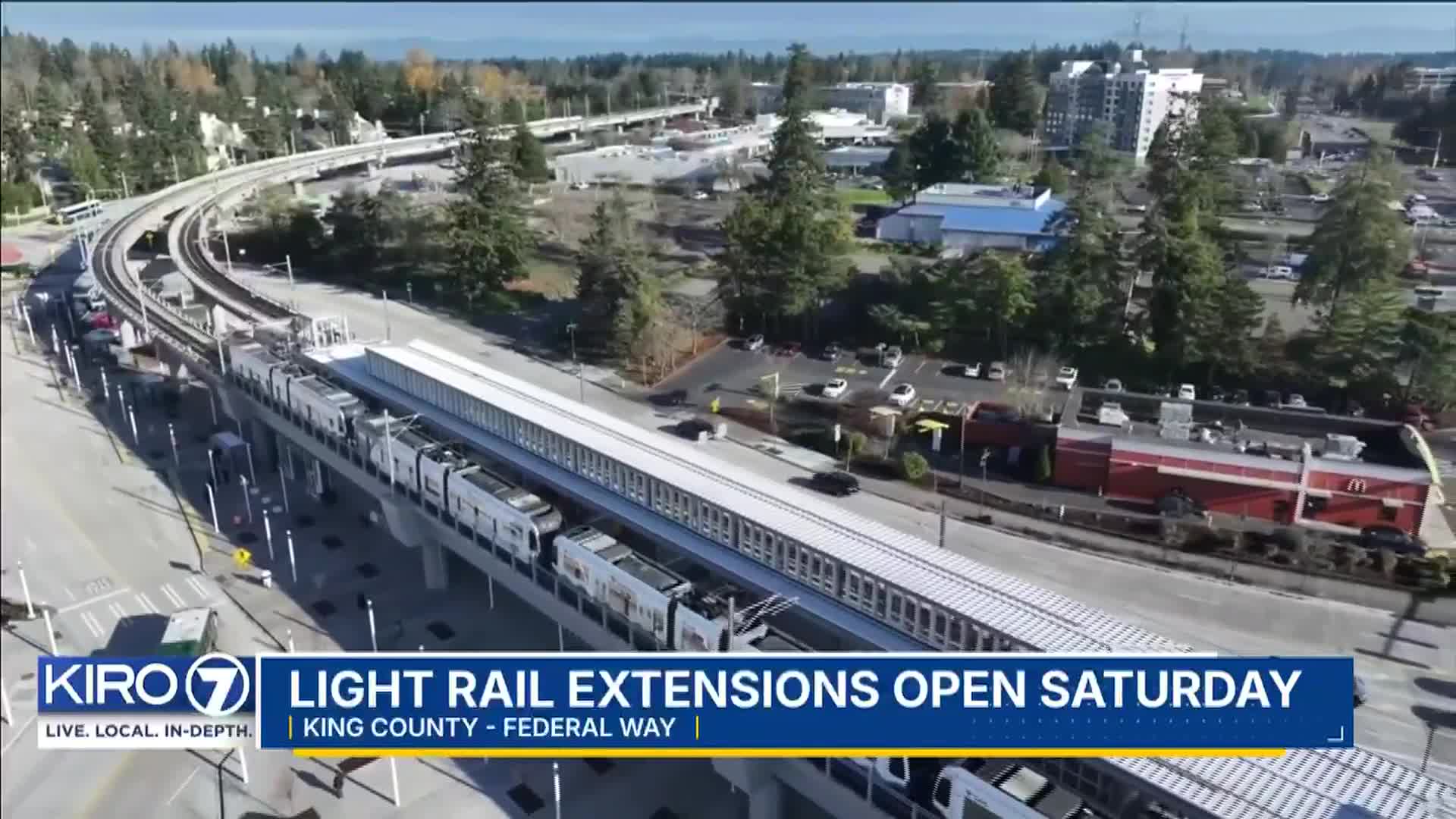
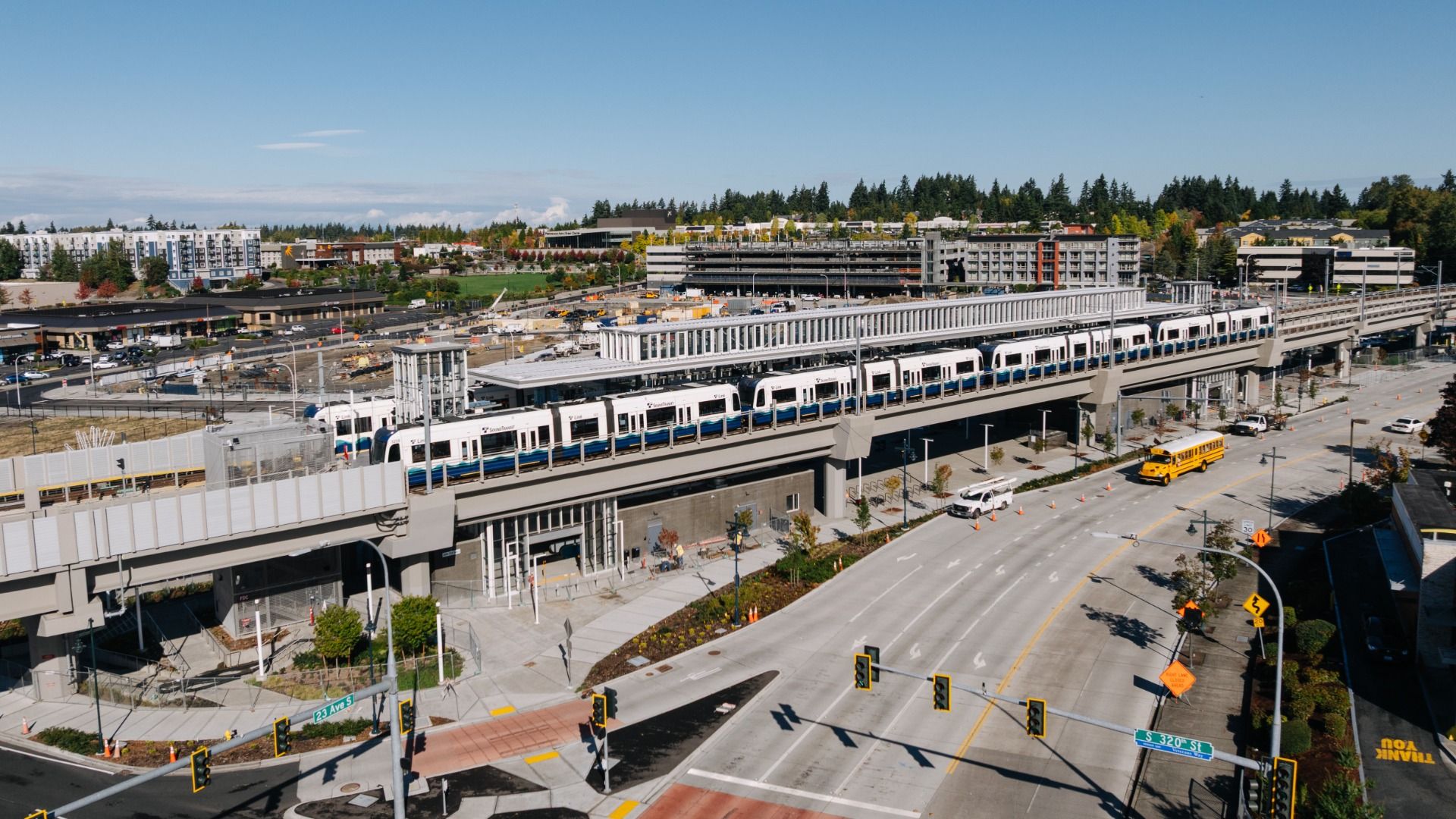
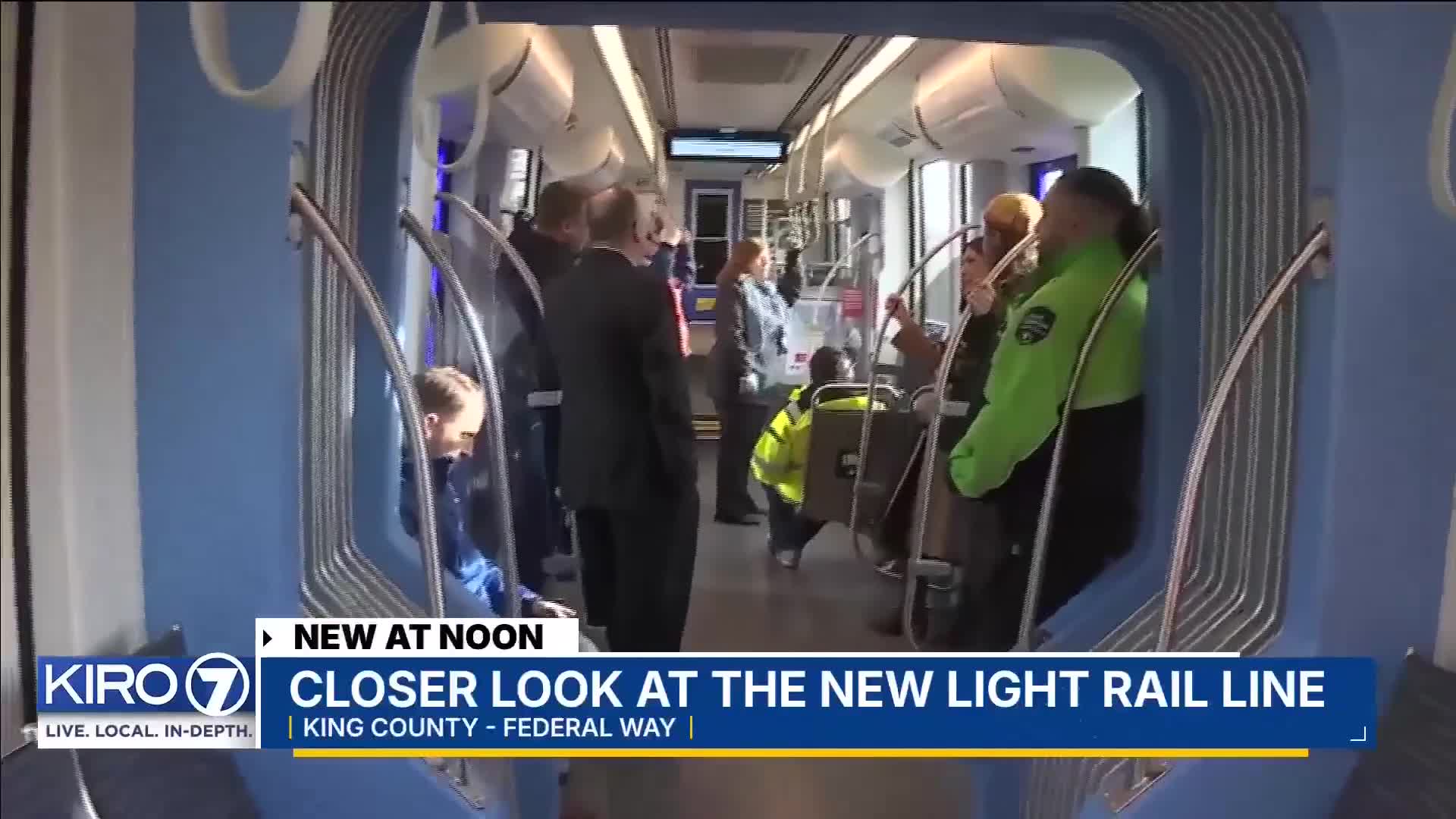
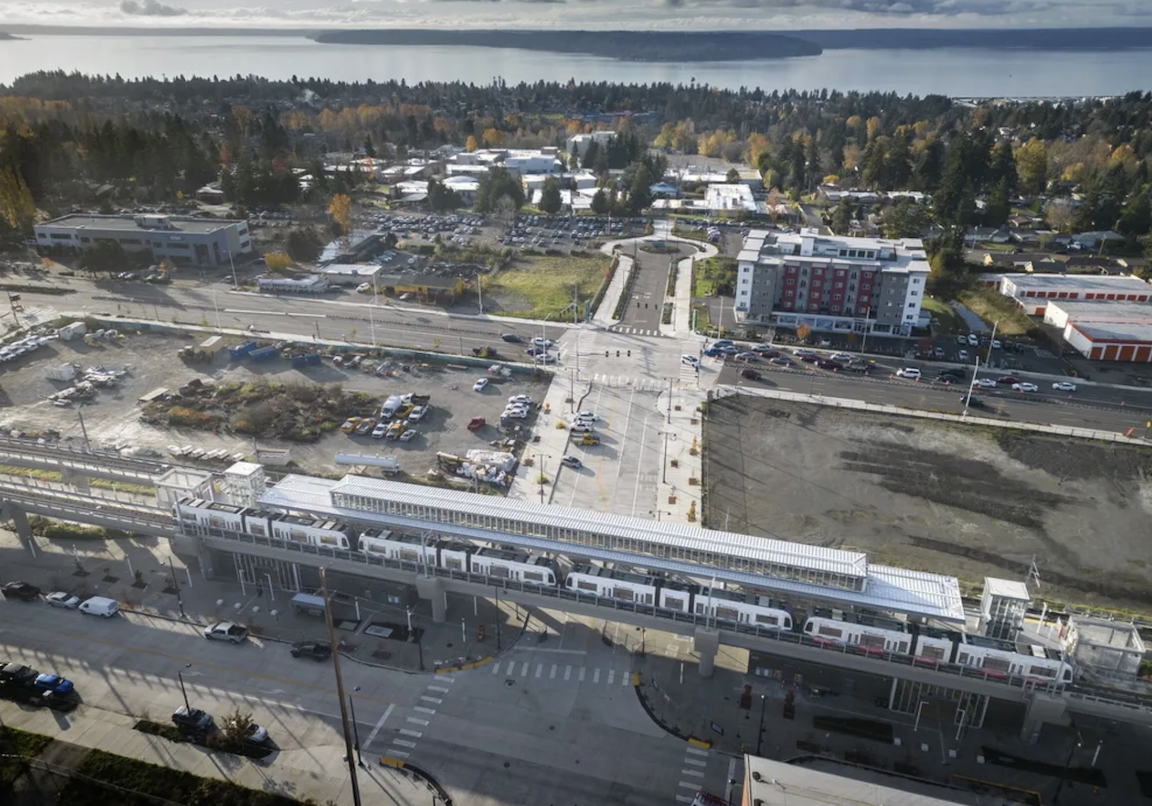
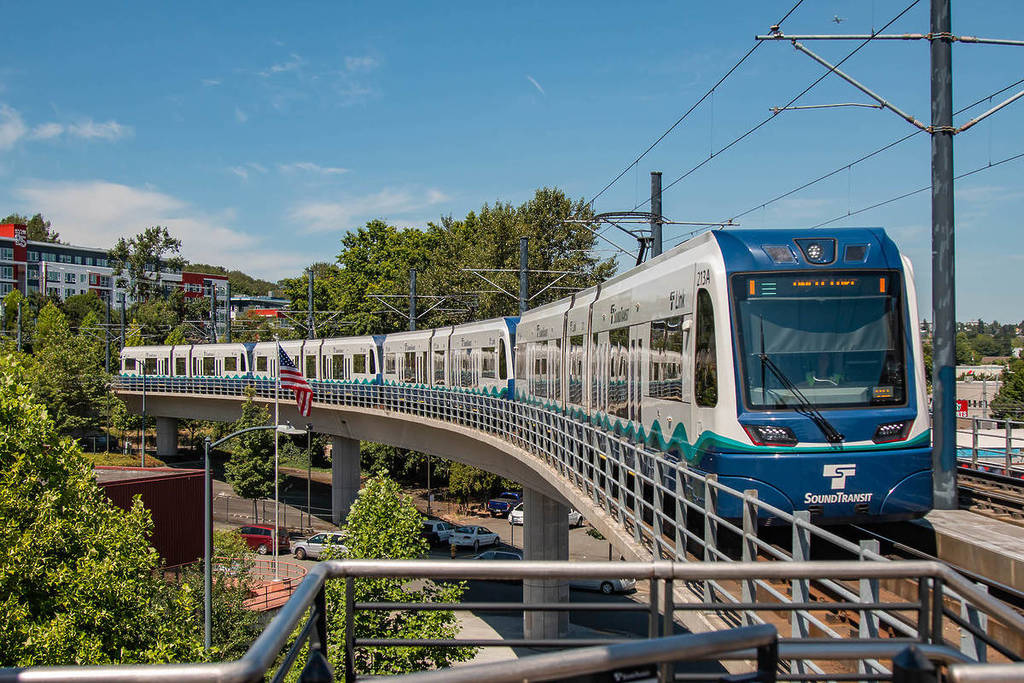
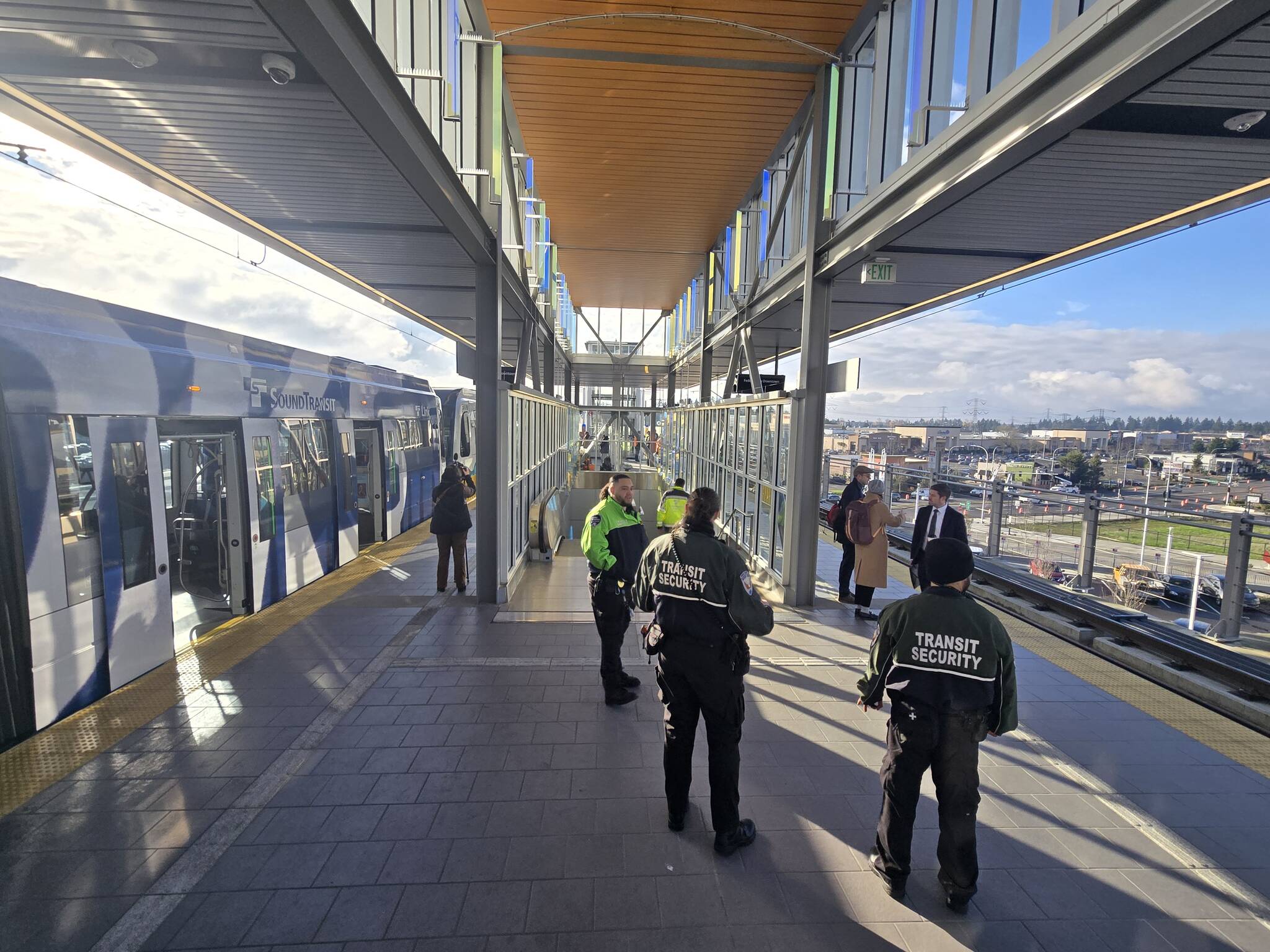
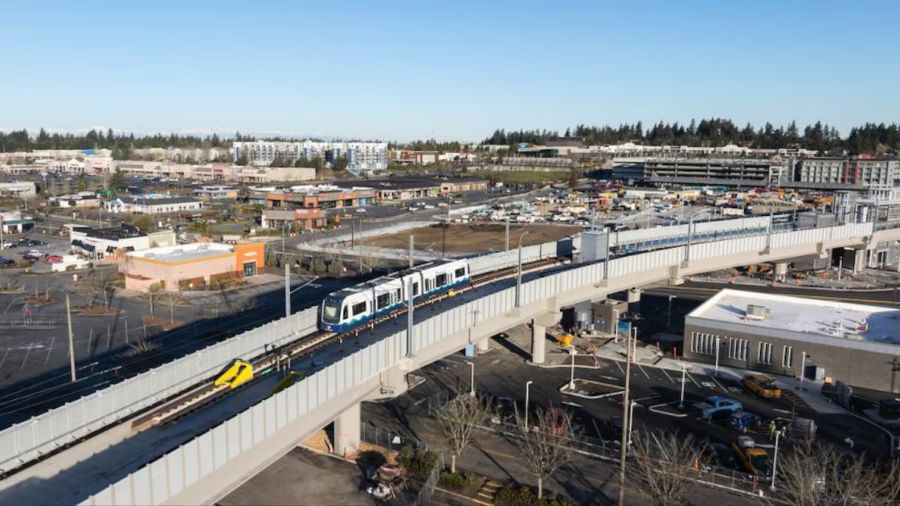
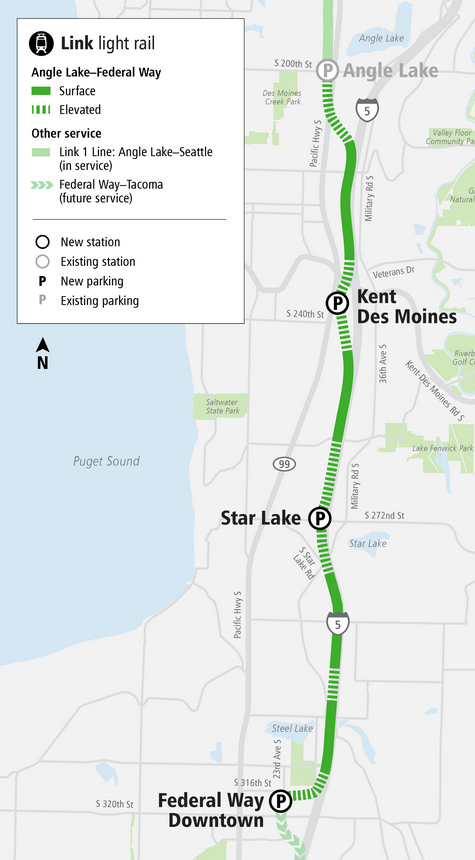
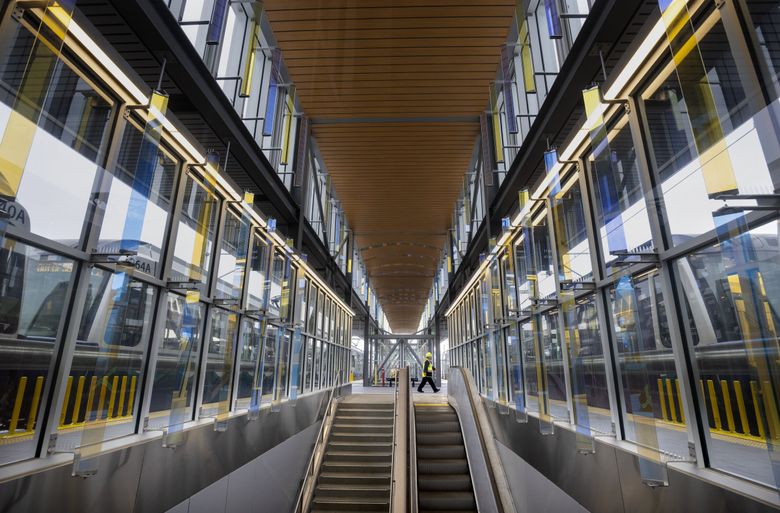
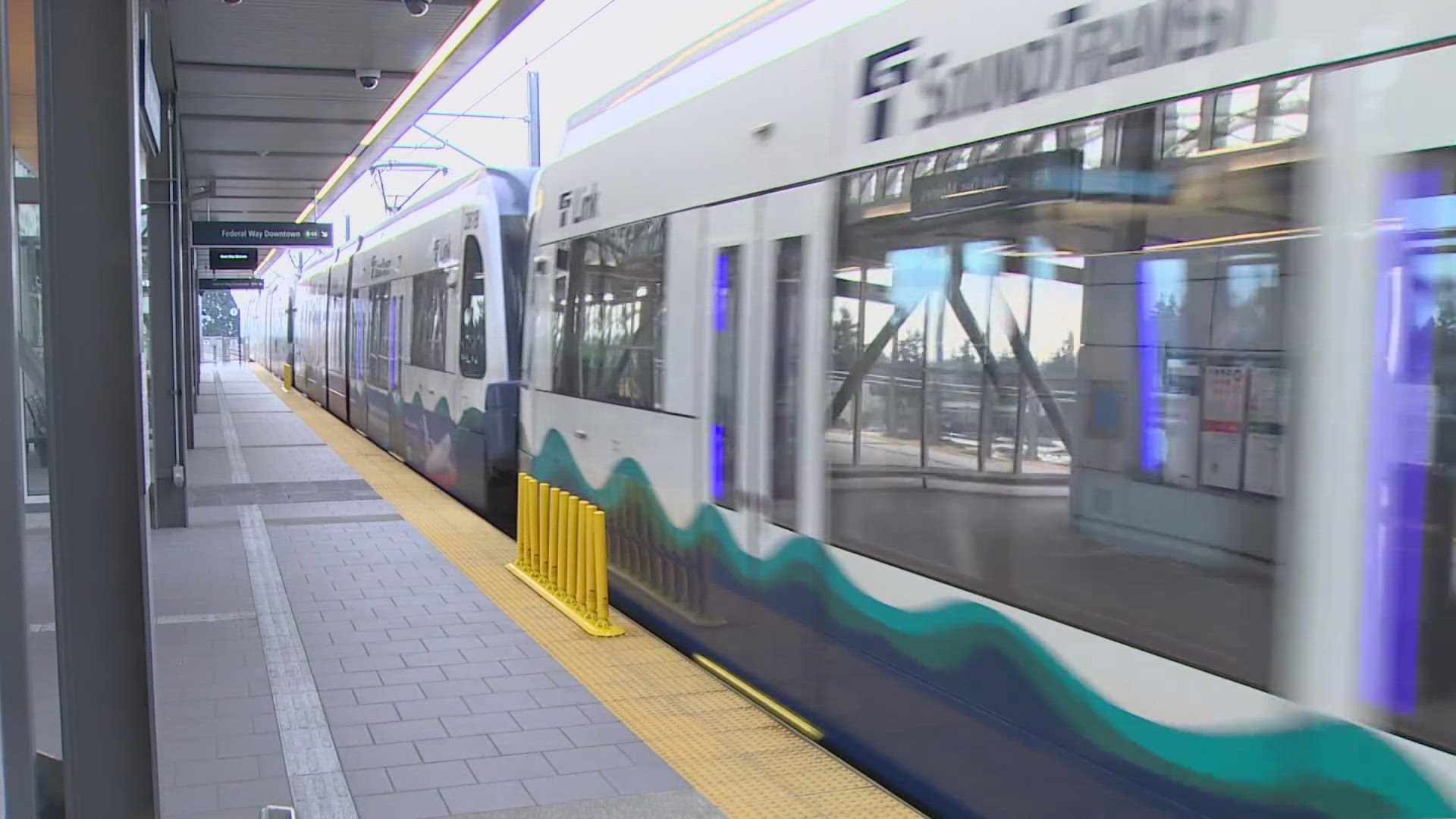
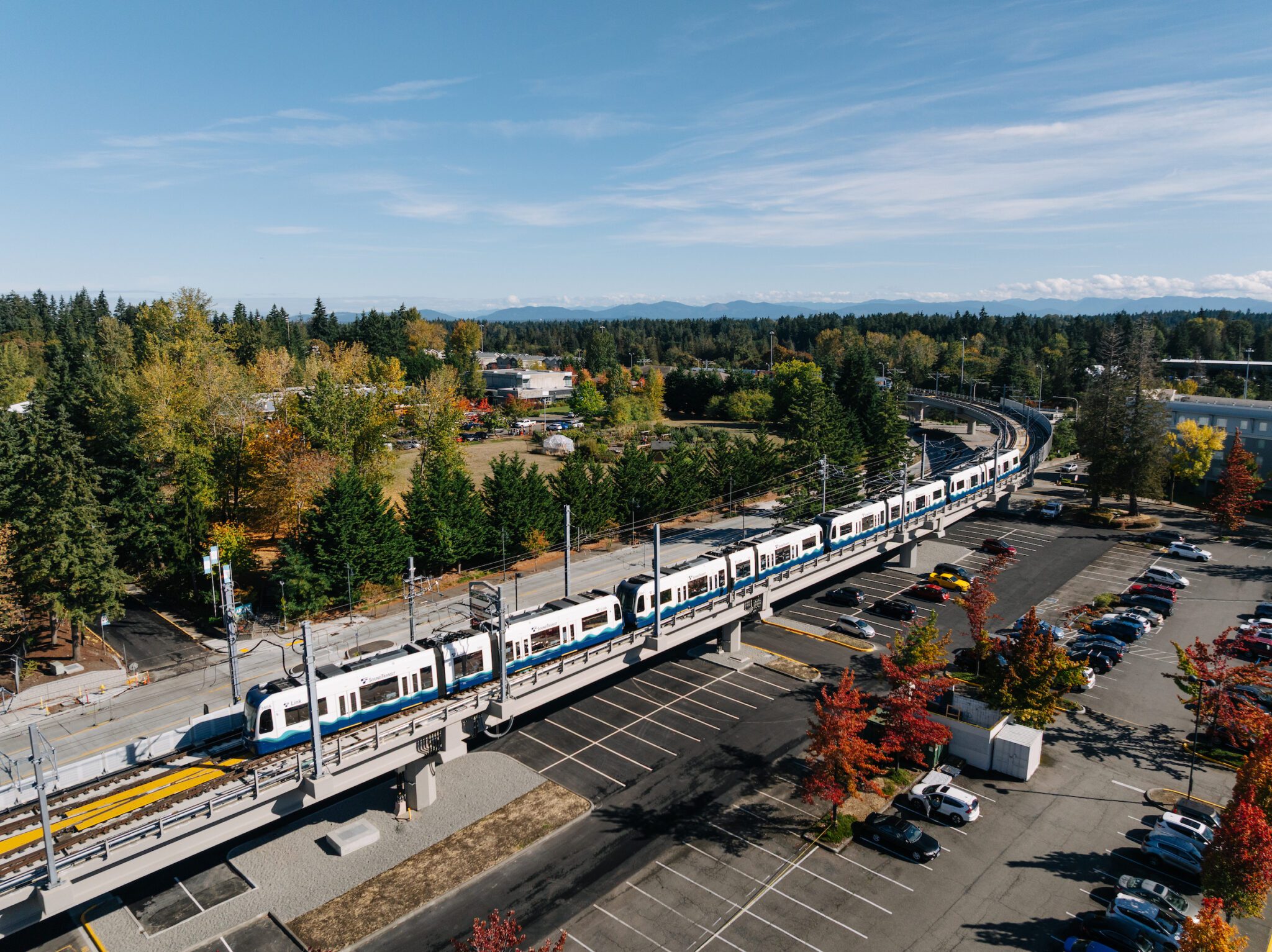
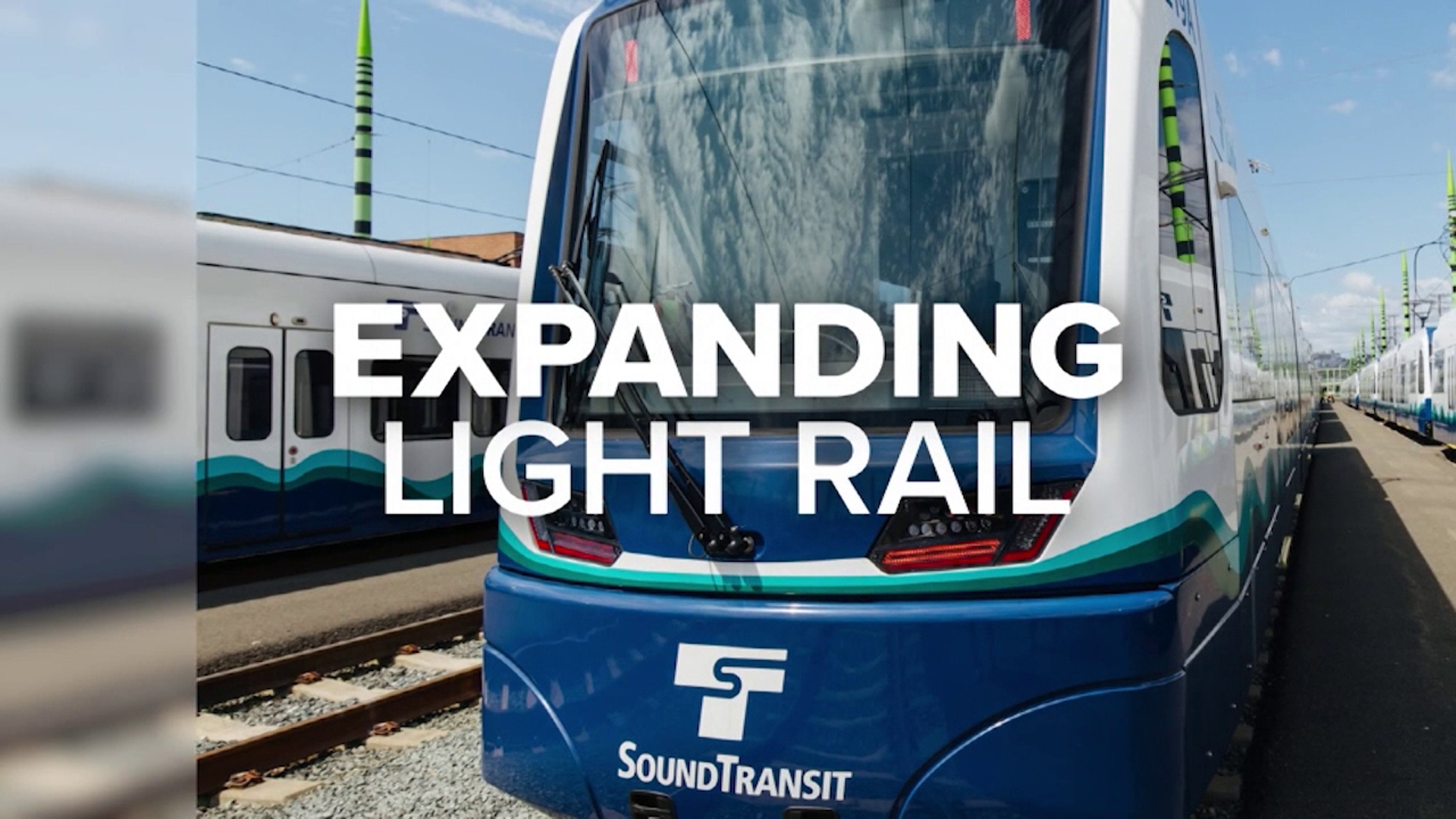
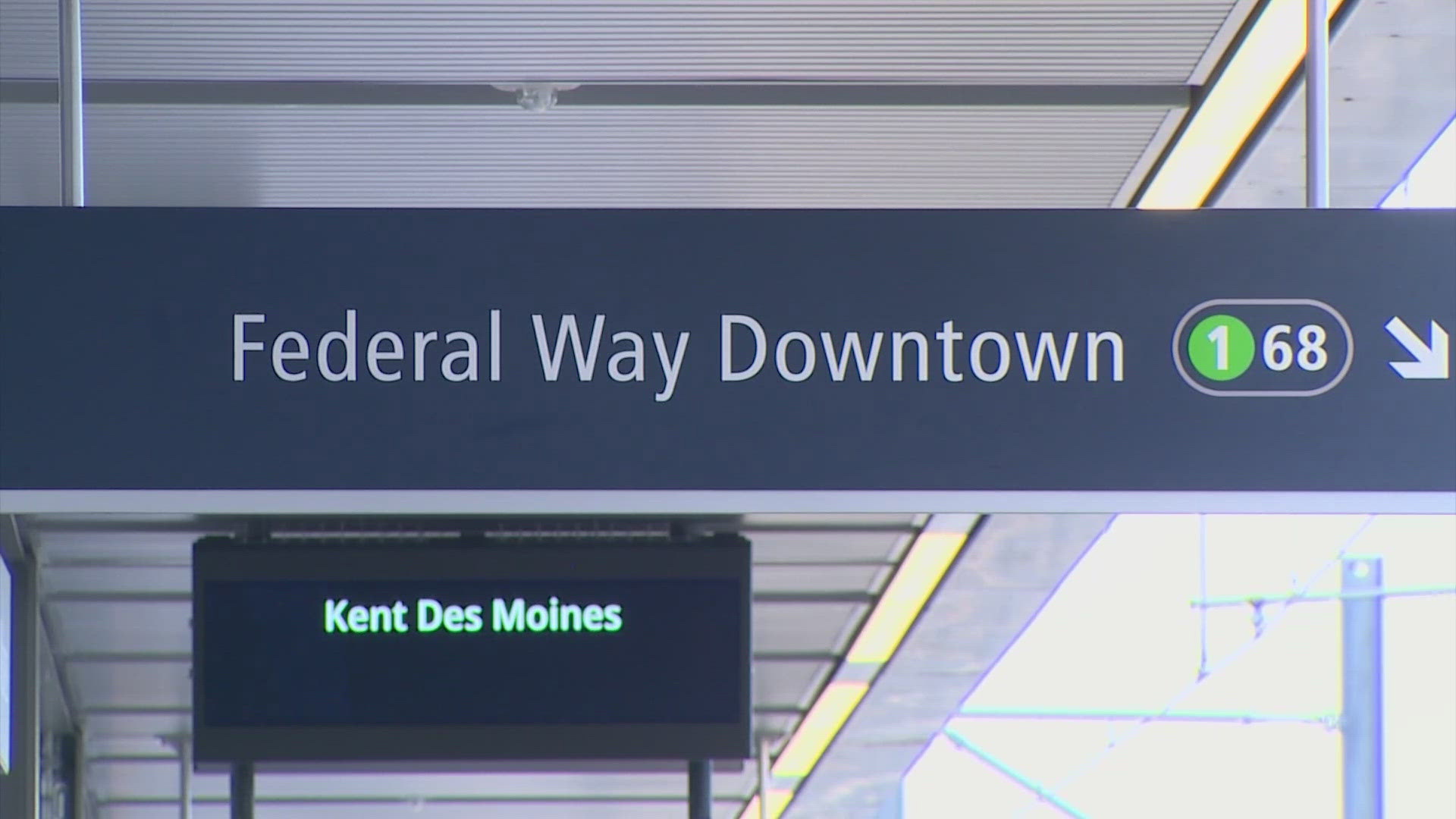
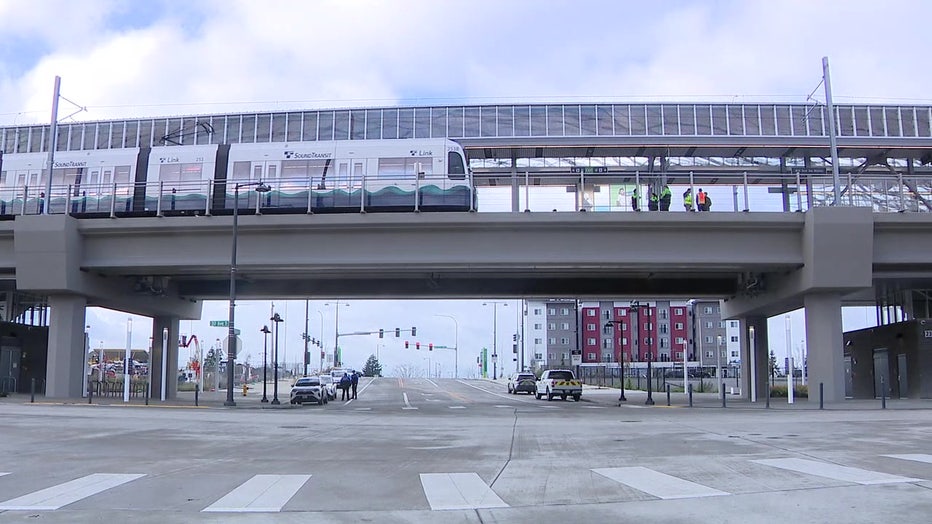
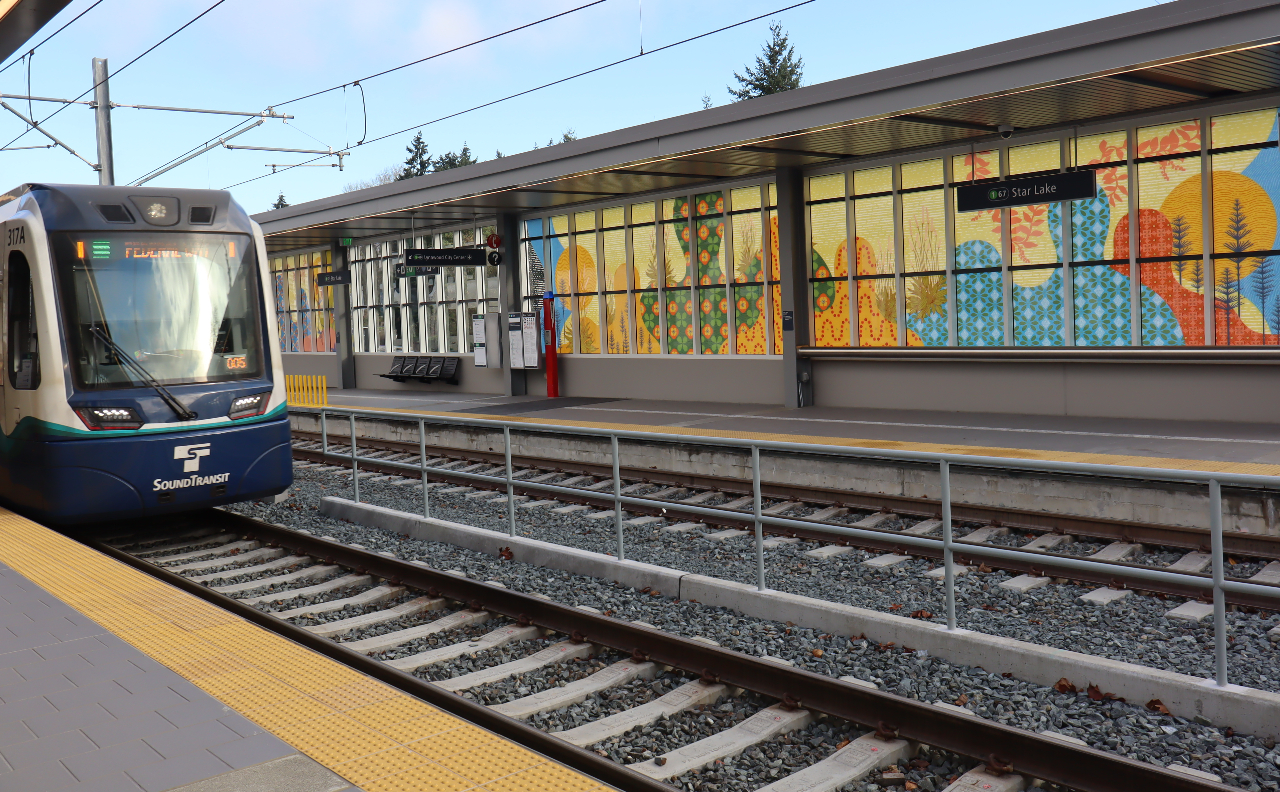
Sound Transit's Federal Way Link Extension represents a pivotal moment in regional transportation infrastructure, signaling a profound shift in how metropolitan areas approach urban connectivity. On December 6, the project will unveil three critical light rail stations spanning eight miles of new transit corridor: Kent Des Moines, Star Lake, and Federal Way Downtown. This strategic expansion goes far beyond mere transportation—it's a comprehensive urban development blueprint.
The project's most compelling aspect is its multifaceted approach to regional mobility. With an estimated 20,000-23,000 daily riders, these new stations are not just transit points but catalysts for broader urban transformation. The Kent Des Moines station exemplifies this vision, incorporating 230 affordable housing units—demonstrating how modern transit infrastructure interlinks transportation, housing, and community development.
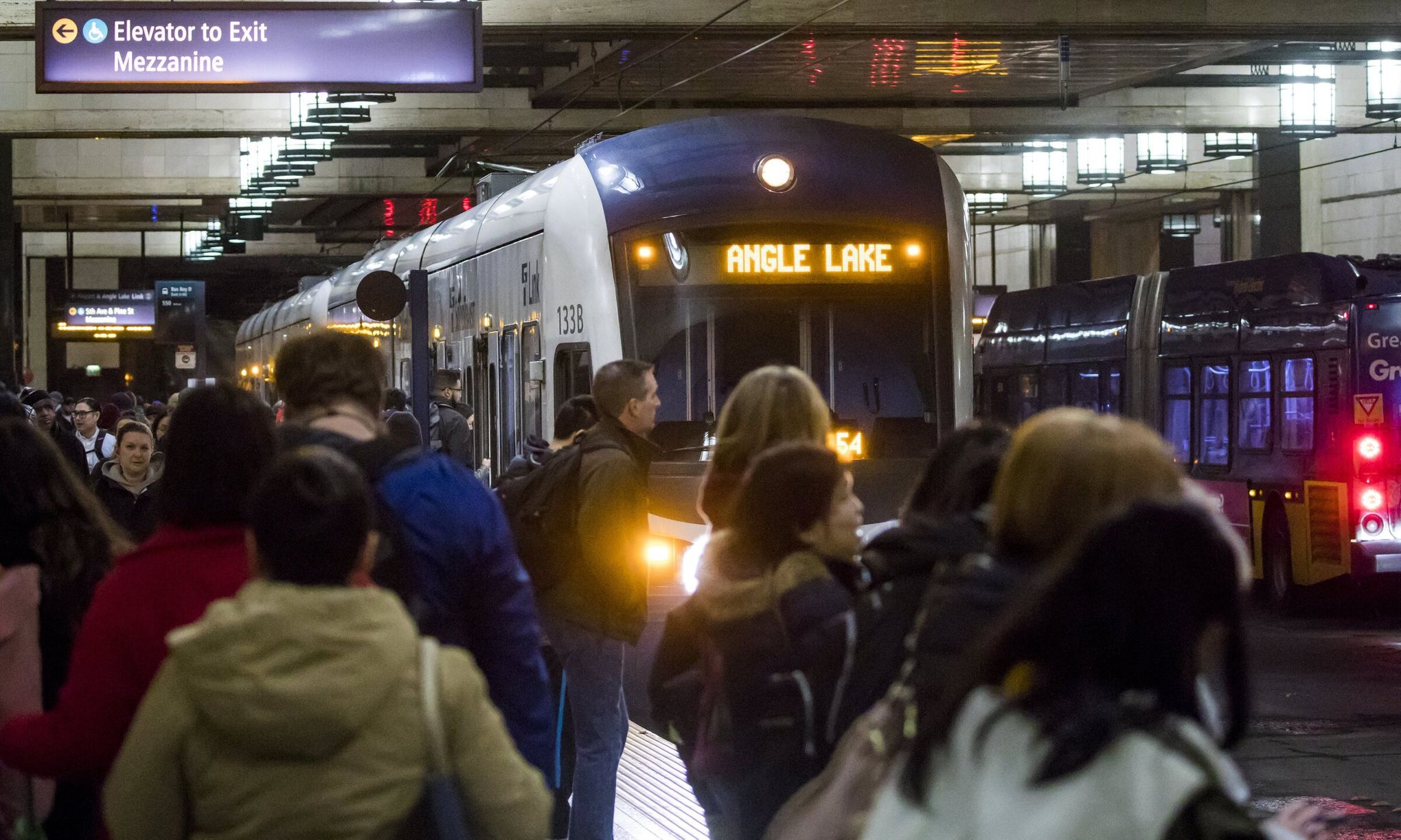
Operational efficiency emerges as a key strategic driver. Trains will run every 8-15 minutes, creating a robust transit network that dramatically reduces highway congestion and provides residents seamless access to critical destinations like downtown Seattle and the University of Washington. The Federal Way Downtown station, positioned near shopping areas with extensive bus route connections, represents a particularly strategic node in this emerging transit ecosystem.
However, the expansion isn't without challenges. Recent discussions about light rail reliability suggest that Sound Transit must simultaneously focus on service quality alongside infrastructure growth. The project's success will depend not just on new stations, but on maintaining consistent, dependable service that builds public trust in regional transit solutions.
For urban planners, policymakers, and community stakeholders, this extension represents more than infrastructure—it's a blueprint for sustainable, integrated urban development. By connecting communities, reducing automotive dependency, and creating multi-use transit hubs, Sound Transit is reimagining how metropolitan regions can create more connected, accessible, and efficient living environments.
Questions 3
What makes the Federal Way Link Extension significant for regional transportation?
The extension adds three new stations across eight miles, potentially serving 20,000-23,000 daily riders. It creates a more integrated transit network, reduces highway congestion, and connects key areas like downtown Seattle and the University of Washington with frequent, reliable service.
How does this project impact urban development beyond transportation?
The project demonstrates transit-oriented development by integrating affordable housing (230 units at Kent Des Moines station) and creating multi-use transit hubs near shopping areas. It represents a holistic approach to urban planning that connects transportation, housing, and community infrastructure.