



Middle East Geopolitical Tensions Reshape Trade Routes | Cross-Border Sellers Face Supply Chain Volatility
- Escalating US-Iran nuclear negotiations create shipping delays, tariff uncertainty, and market access risks for sellers in Middle East, Europe, and Asia-Pacific corridors through Q2 2026























Overview
Geopolitical Risk Window Opens for Cross-Border Sellers (February 10, 2026 onwards)
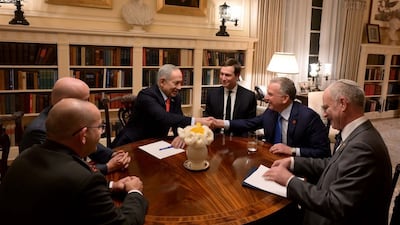
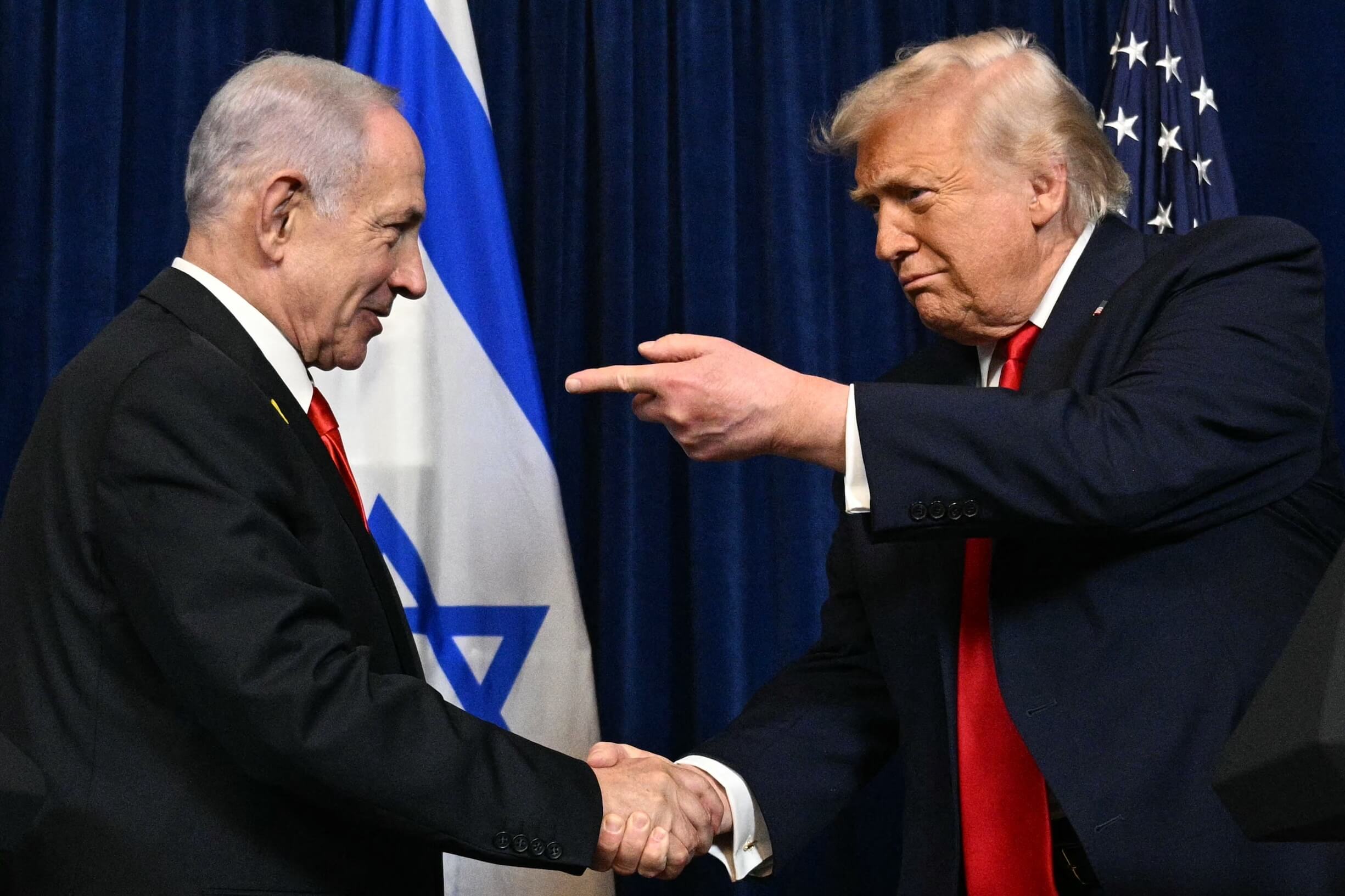
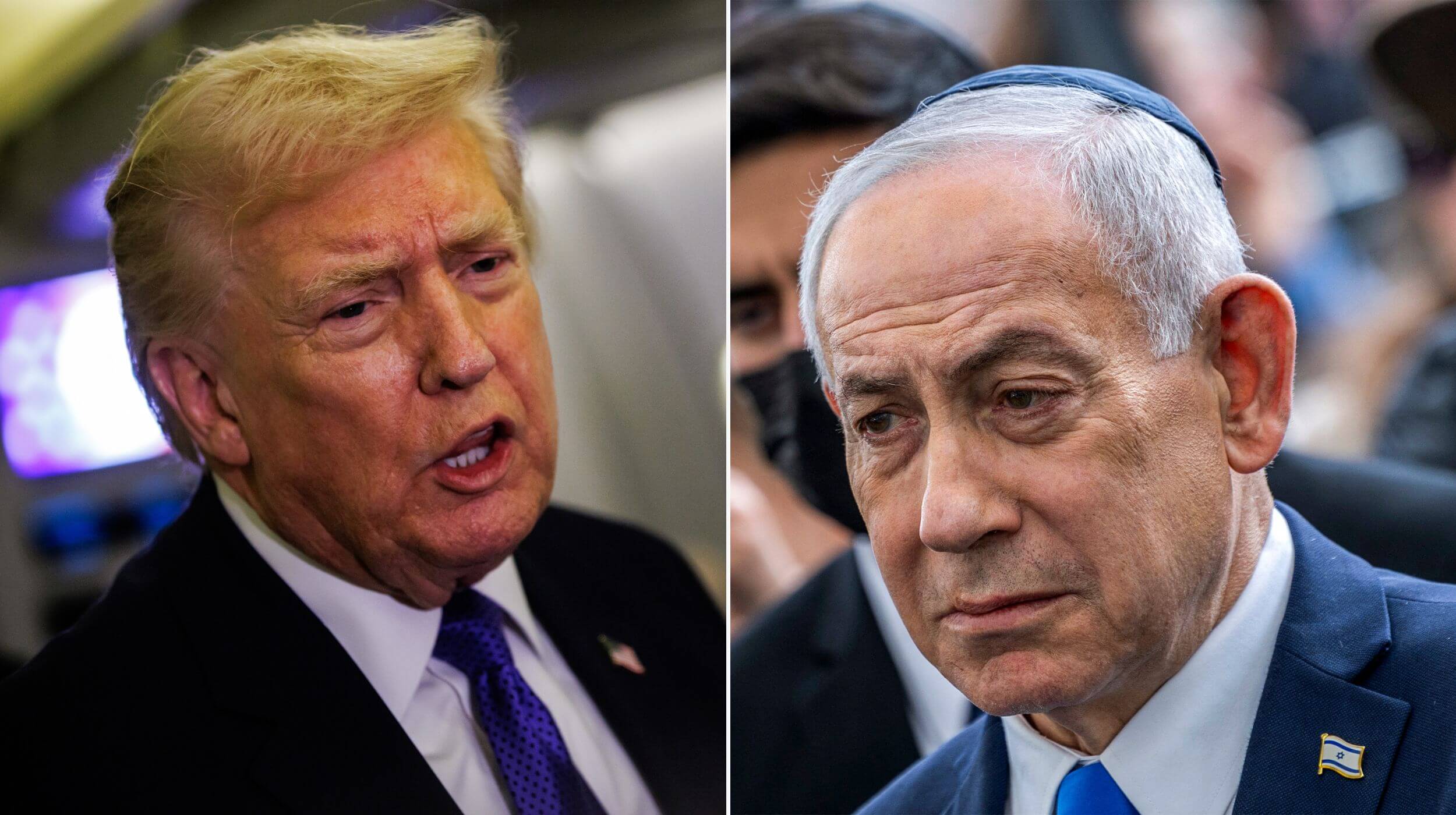
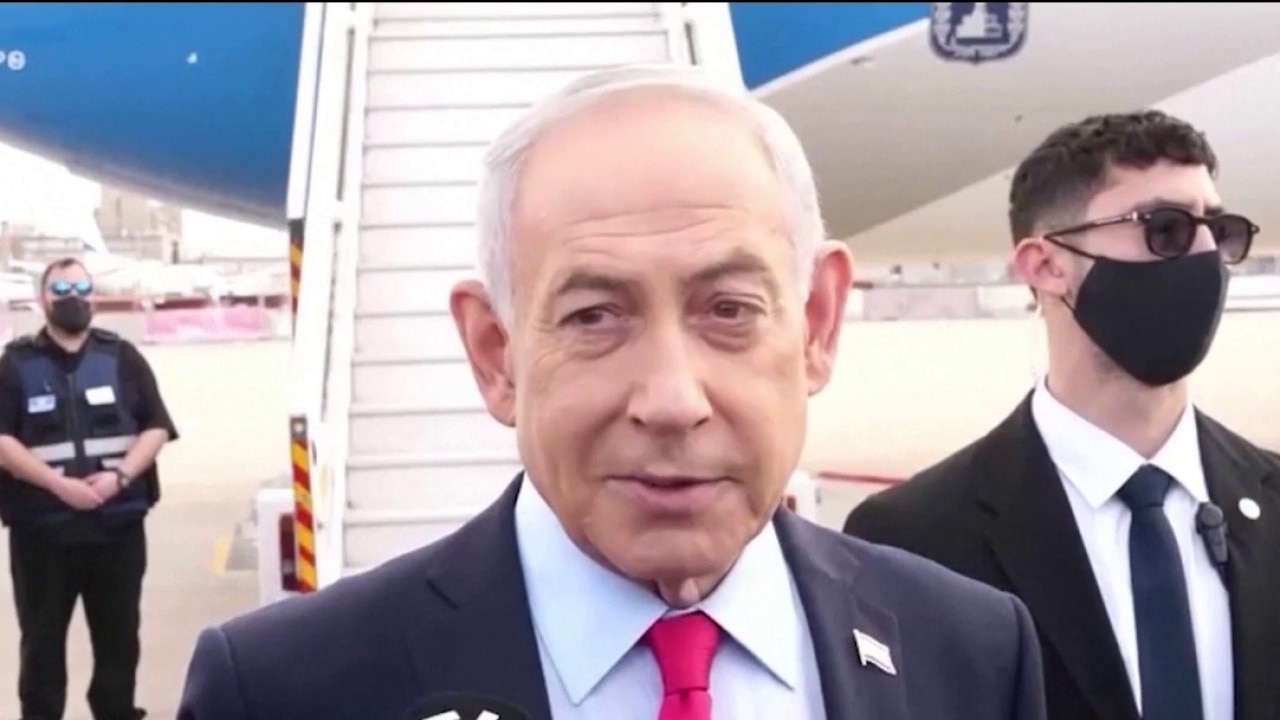
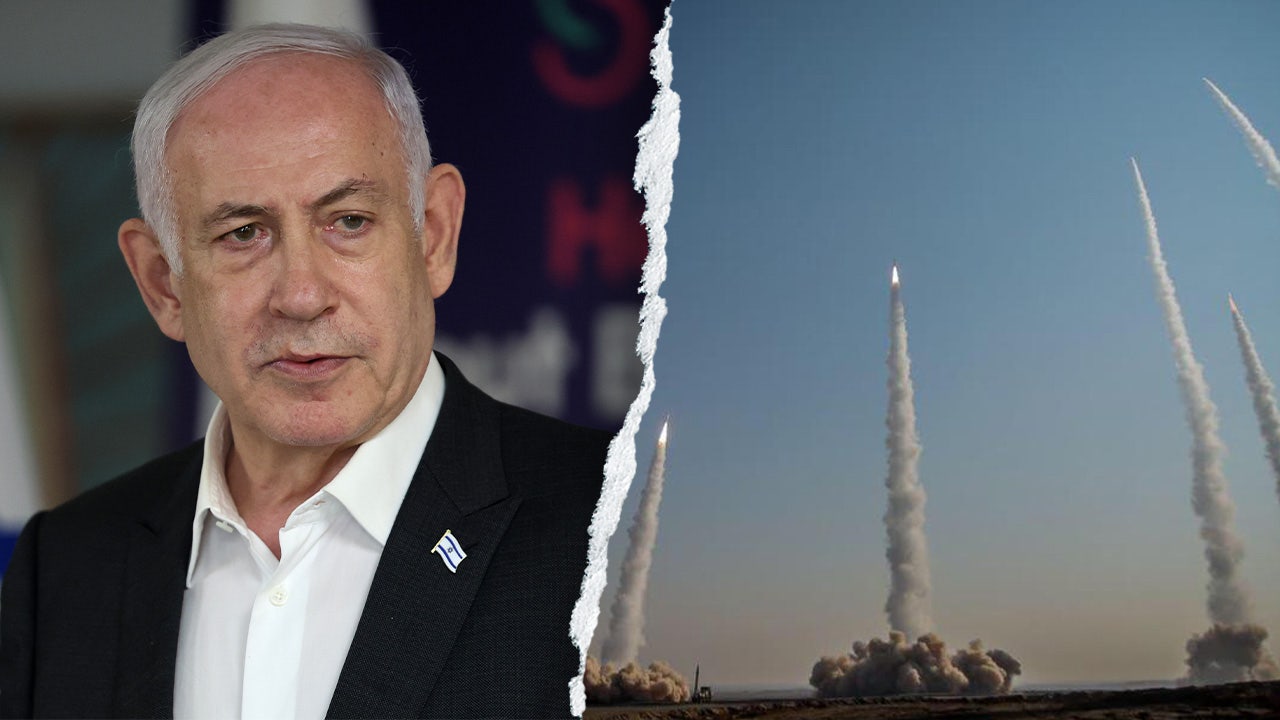
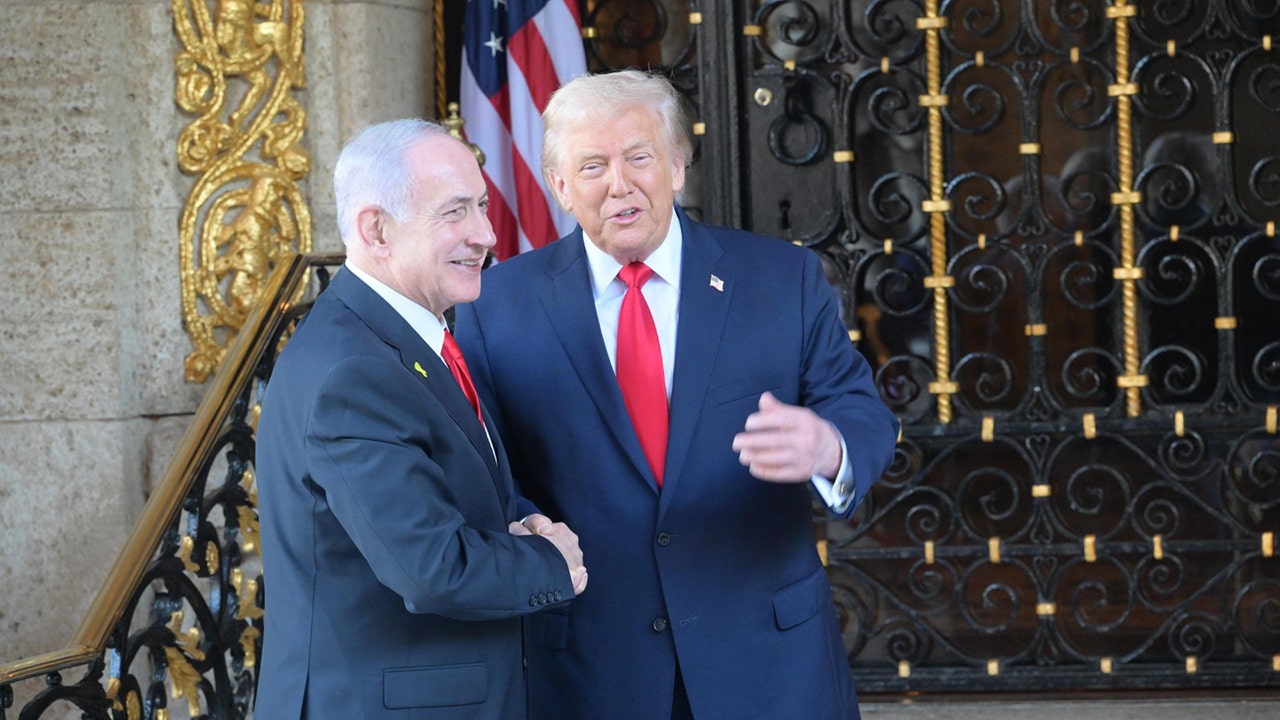
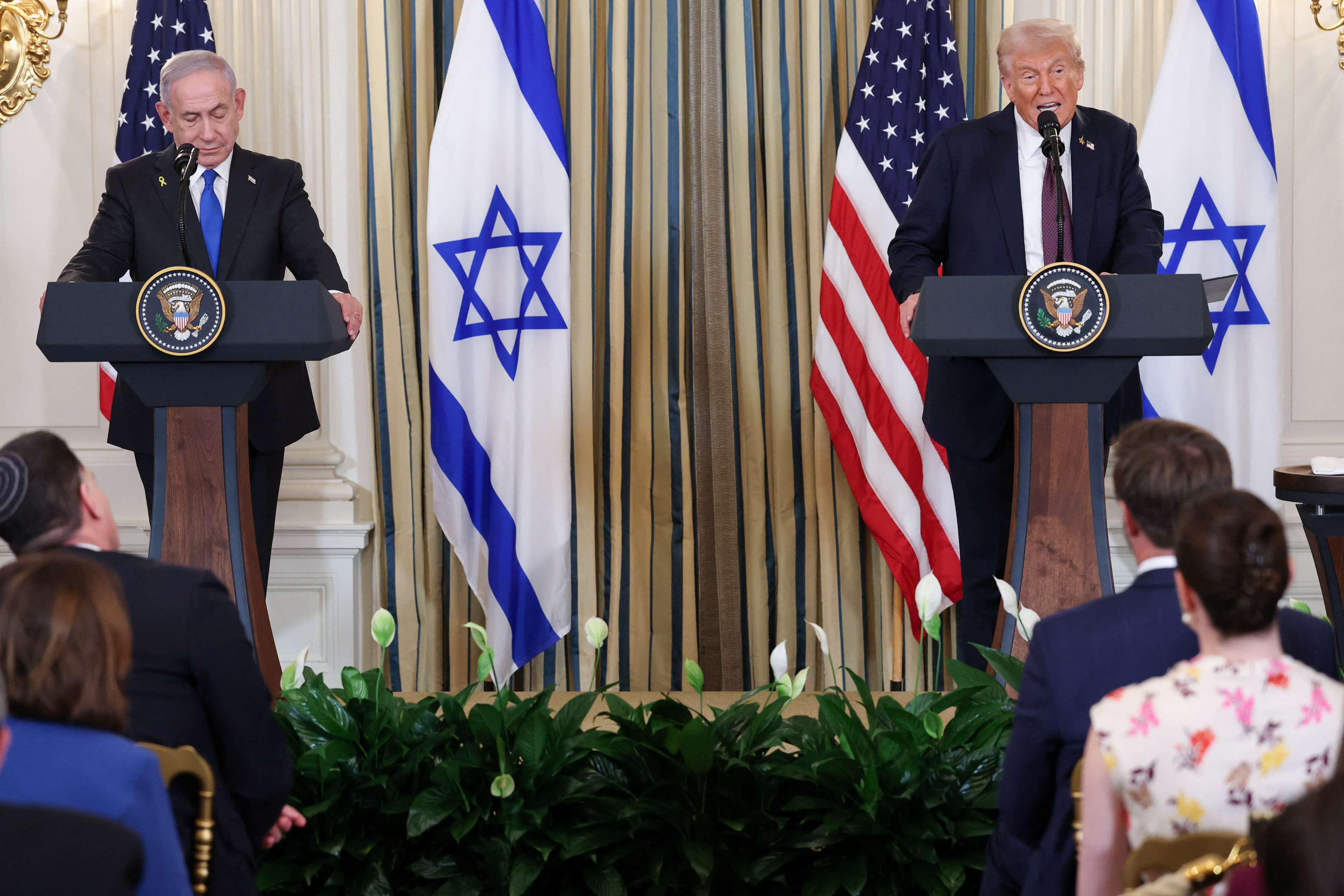
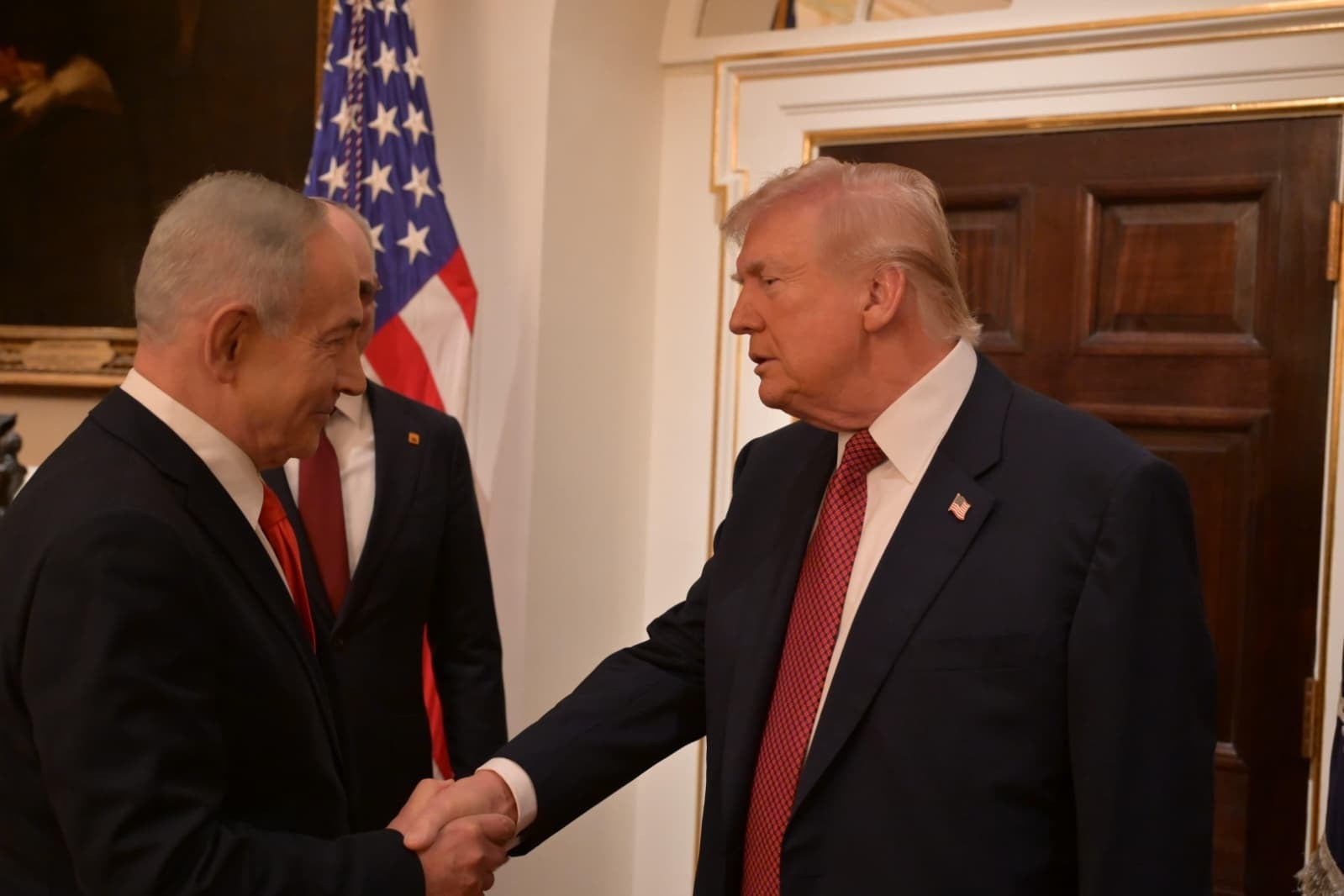
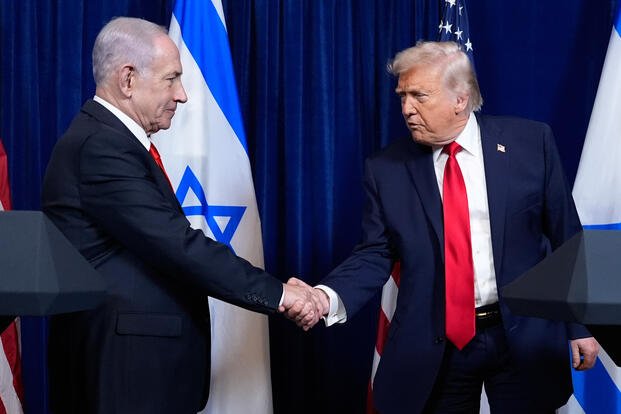
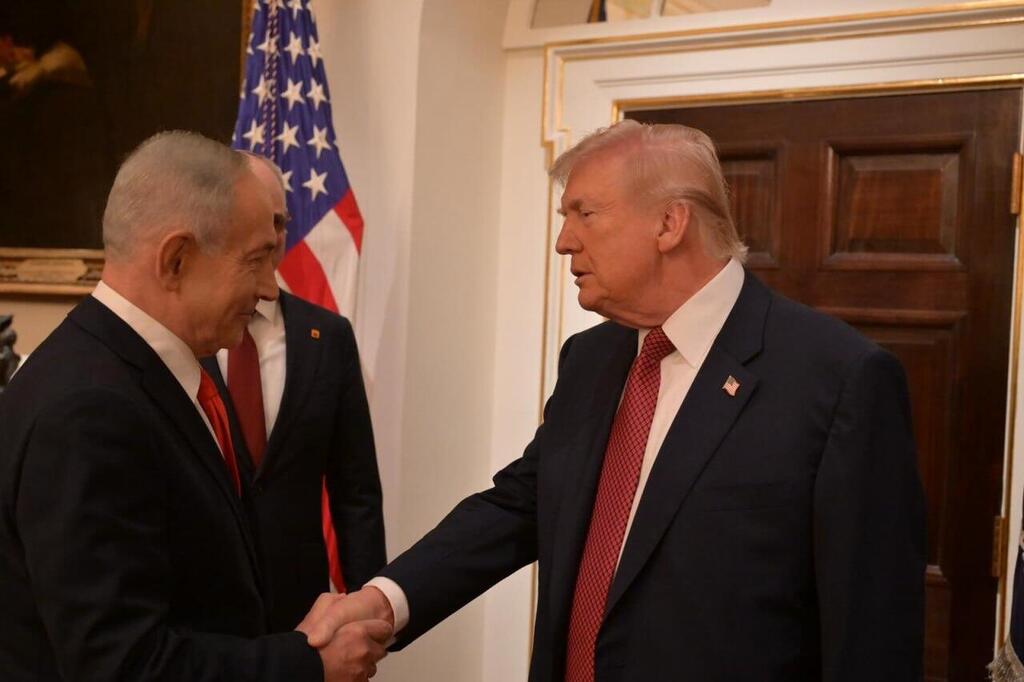
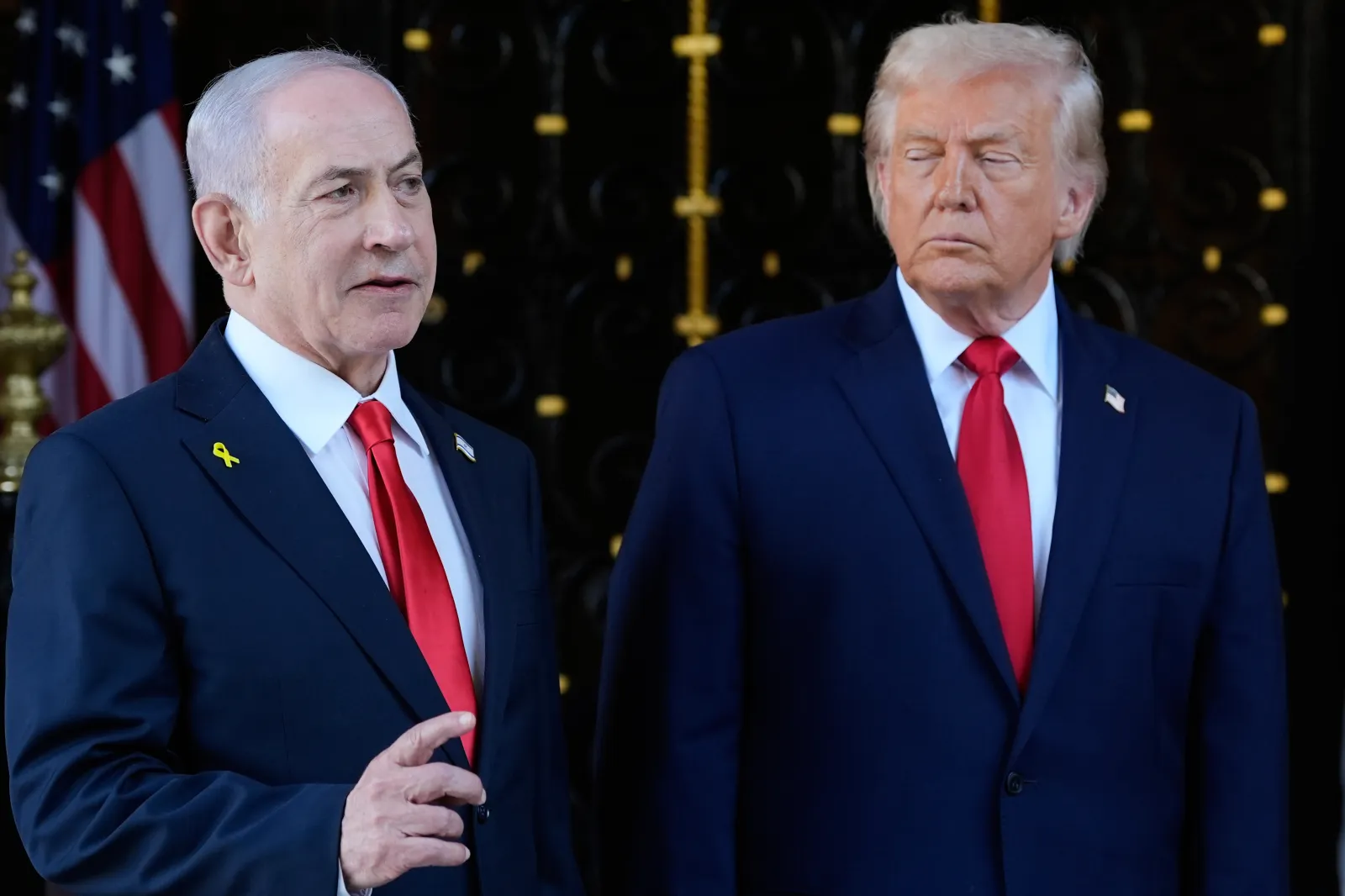
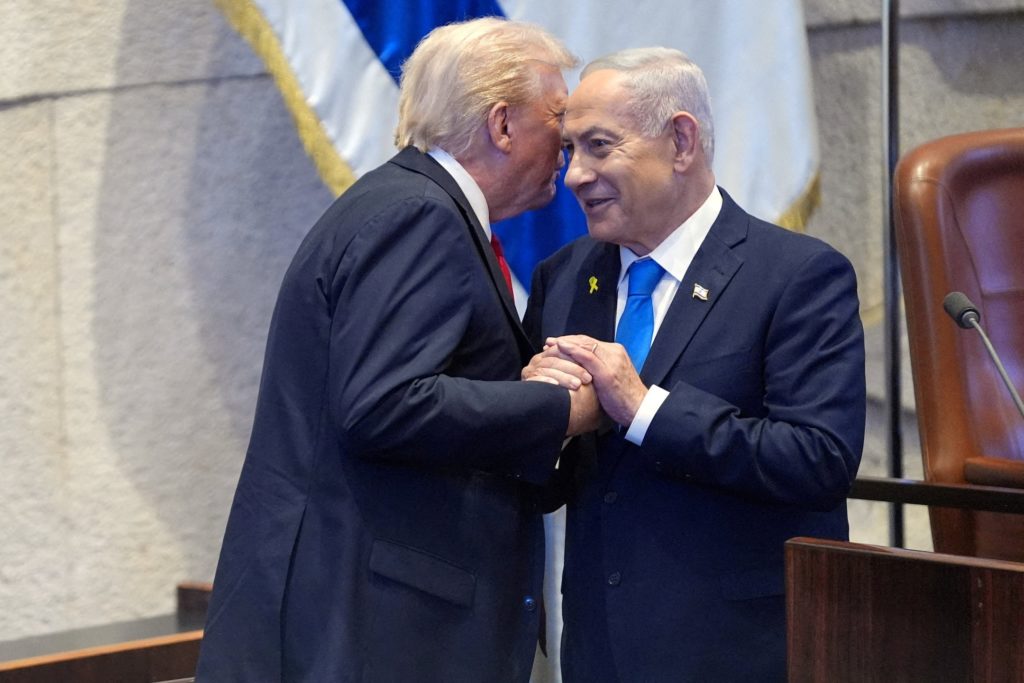
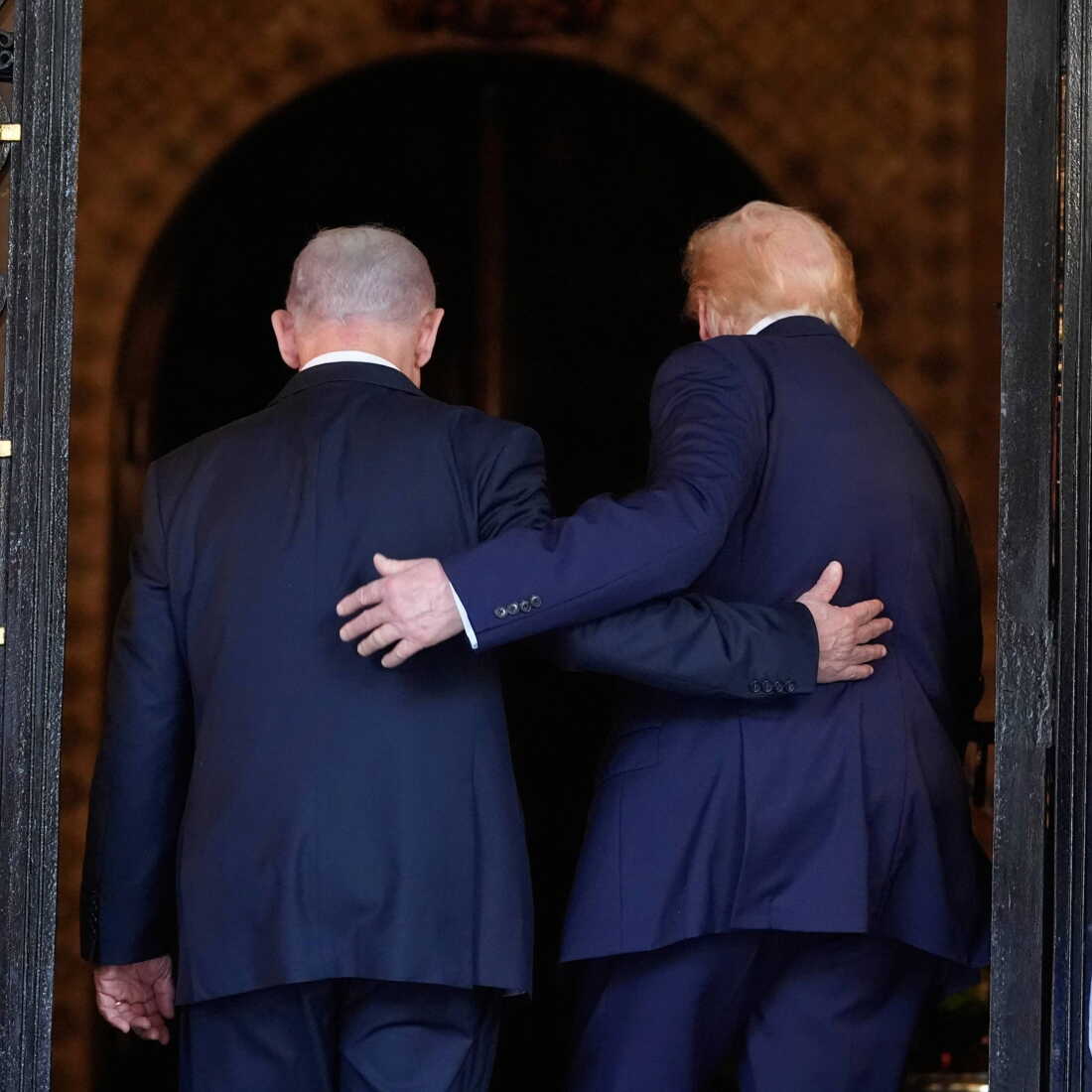
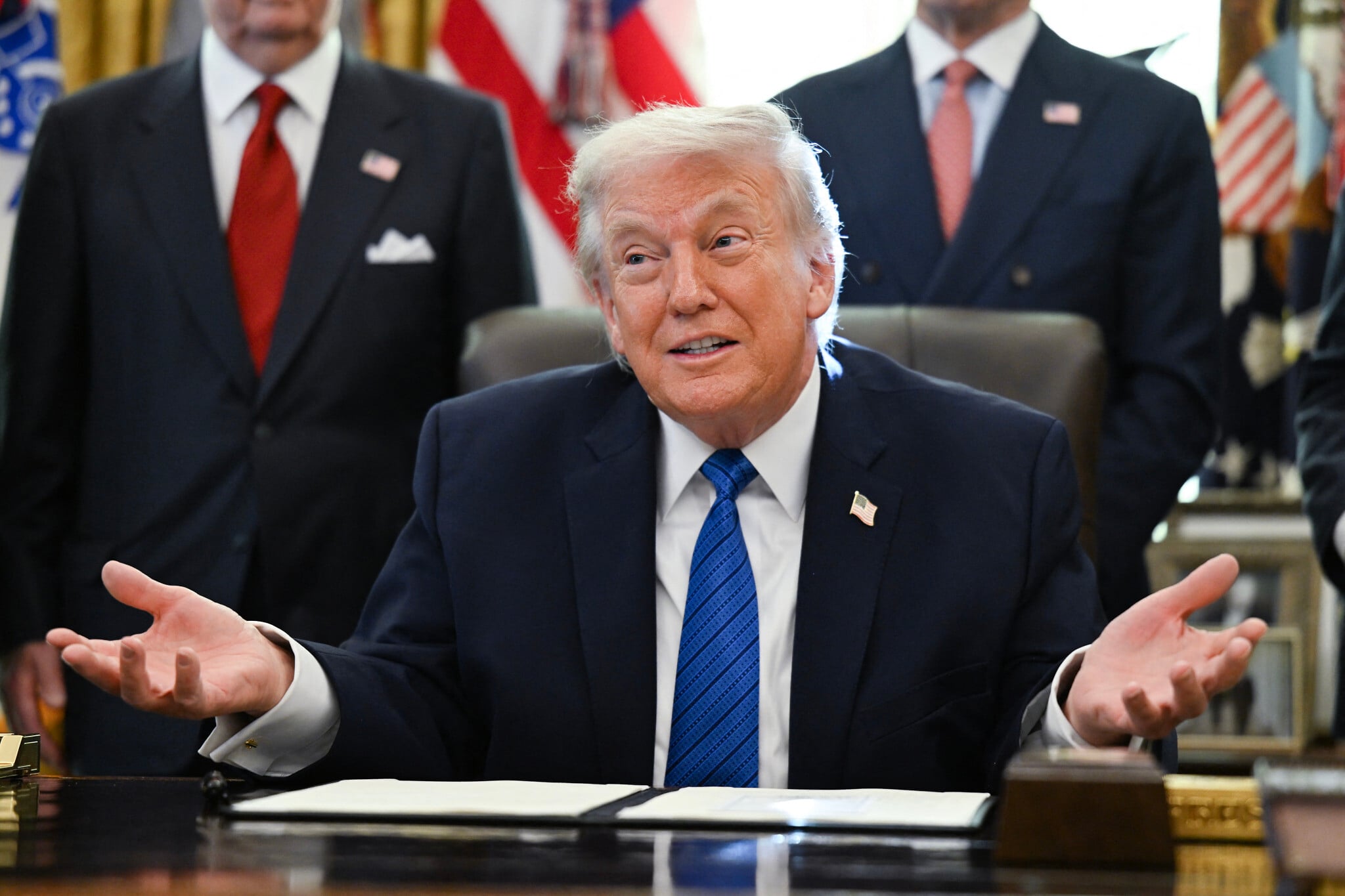
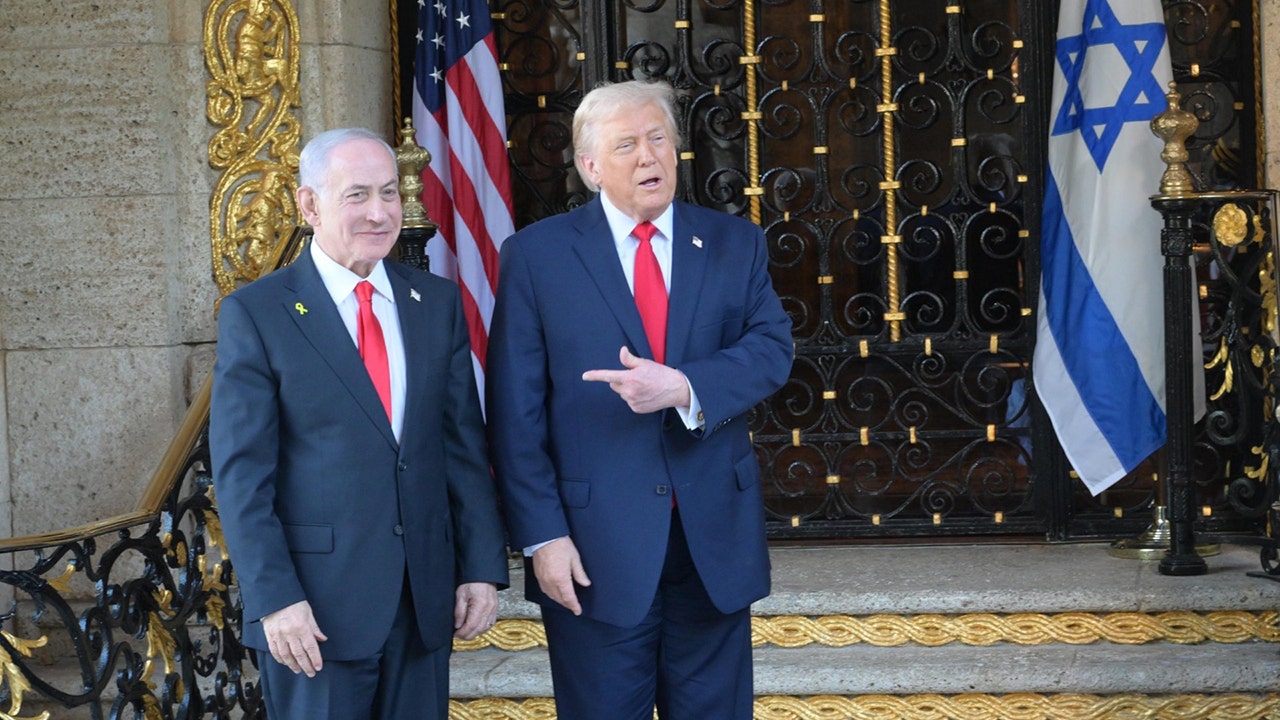
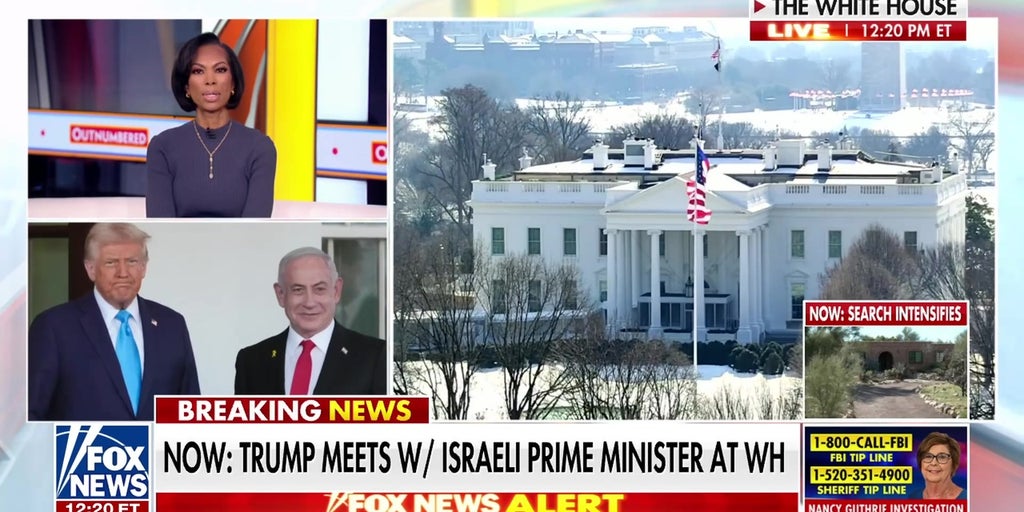
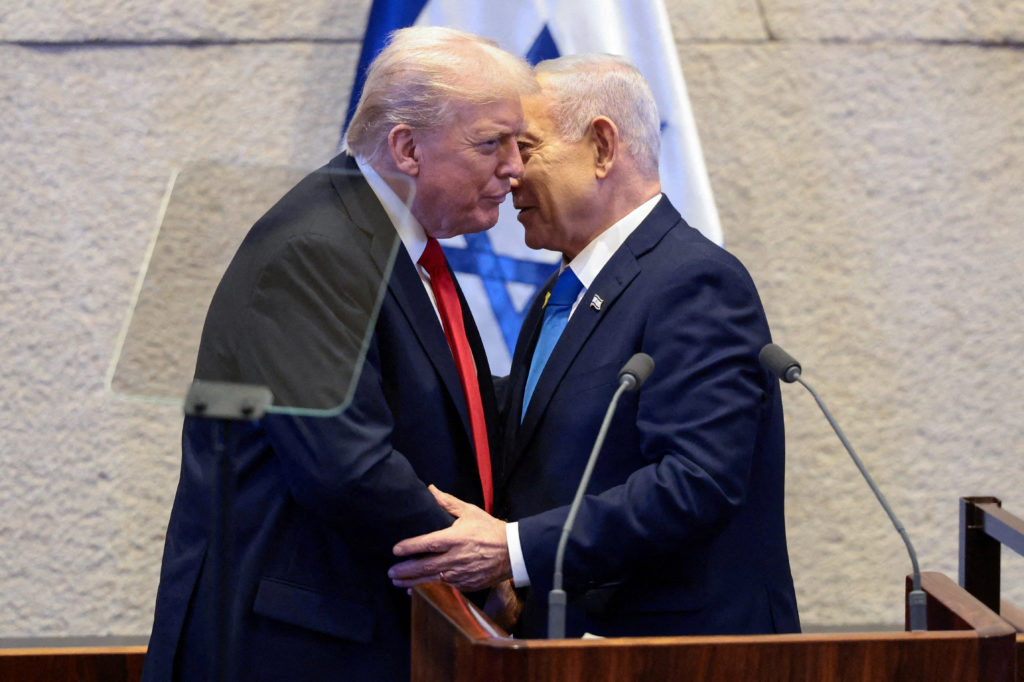
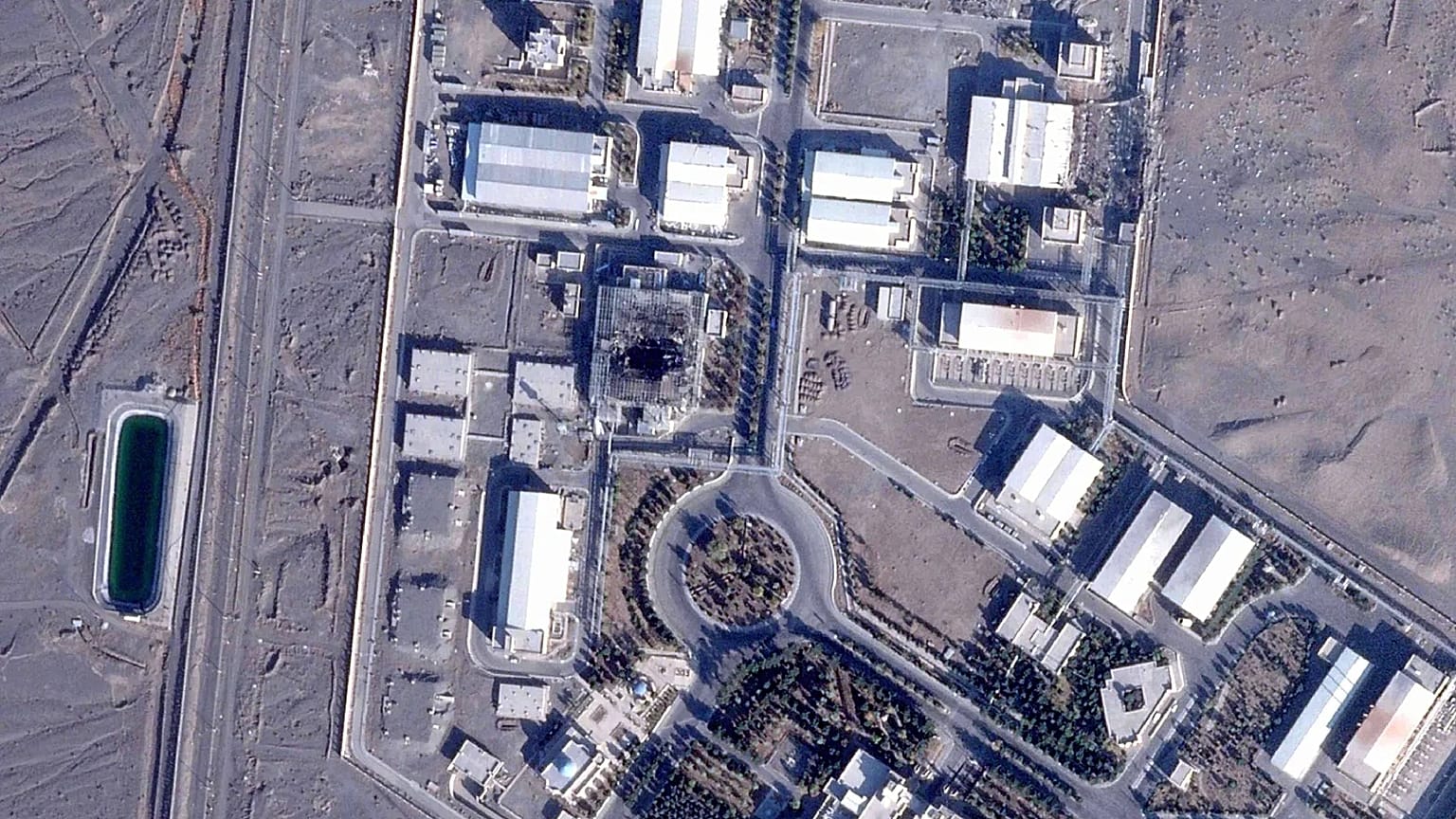
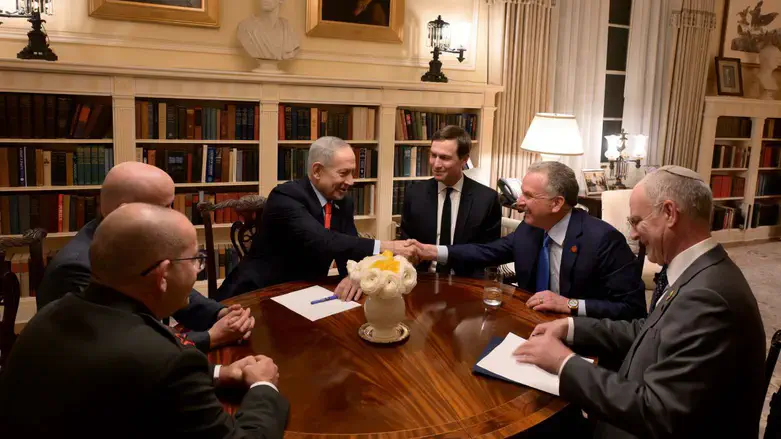
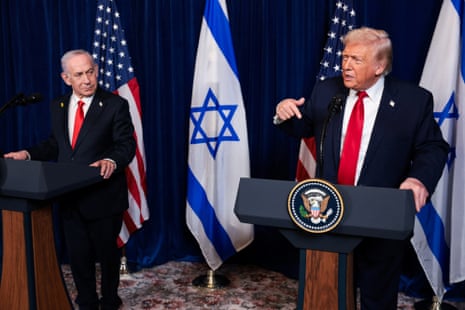
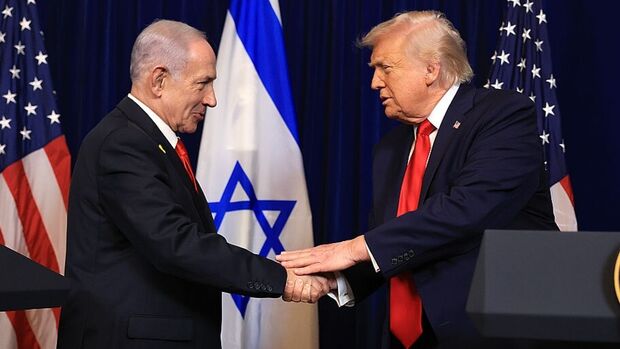
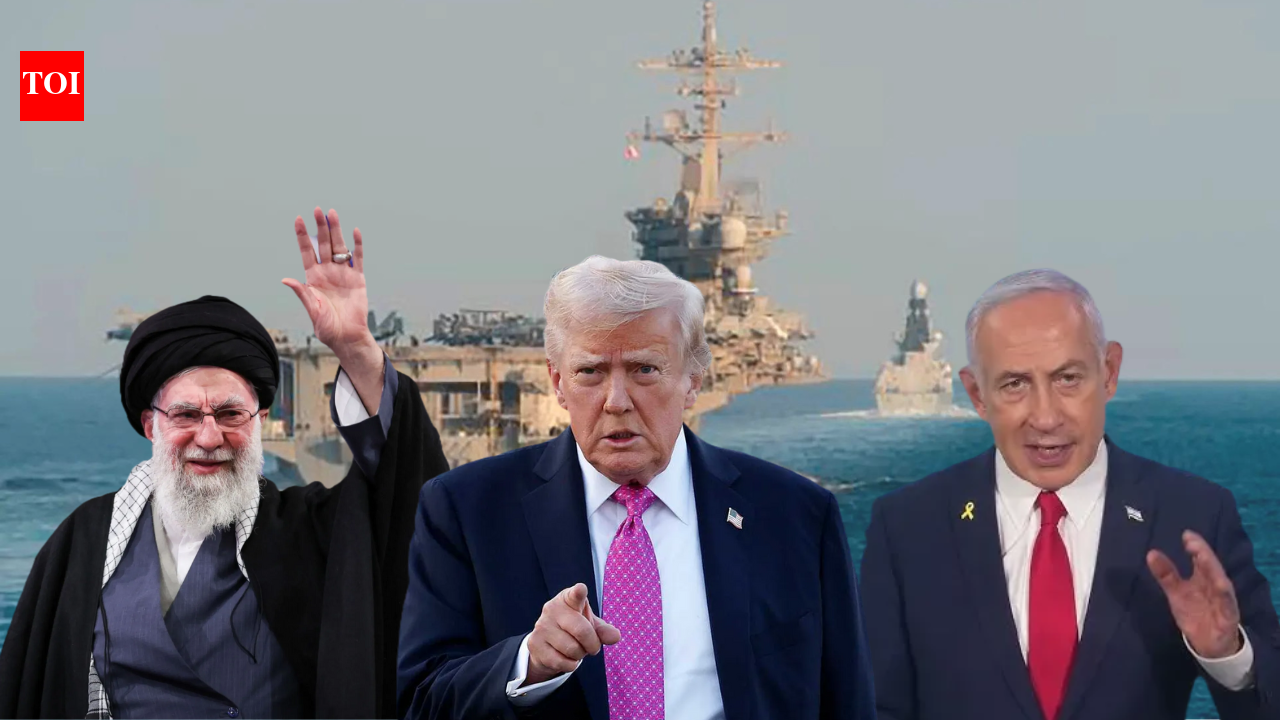
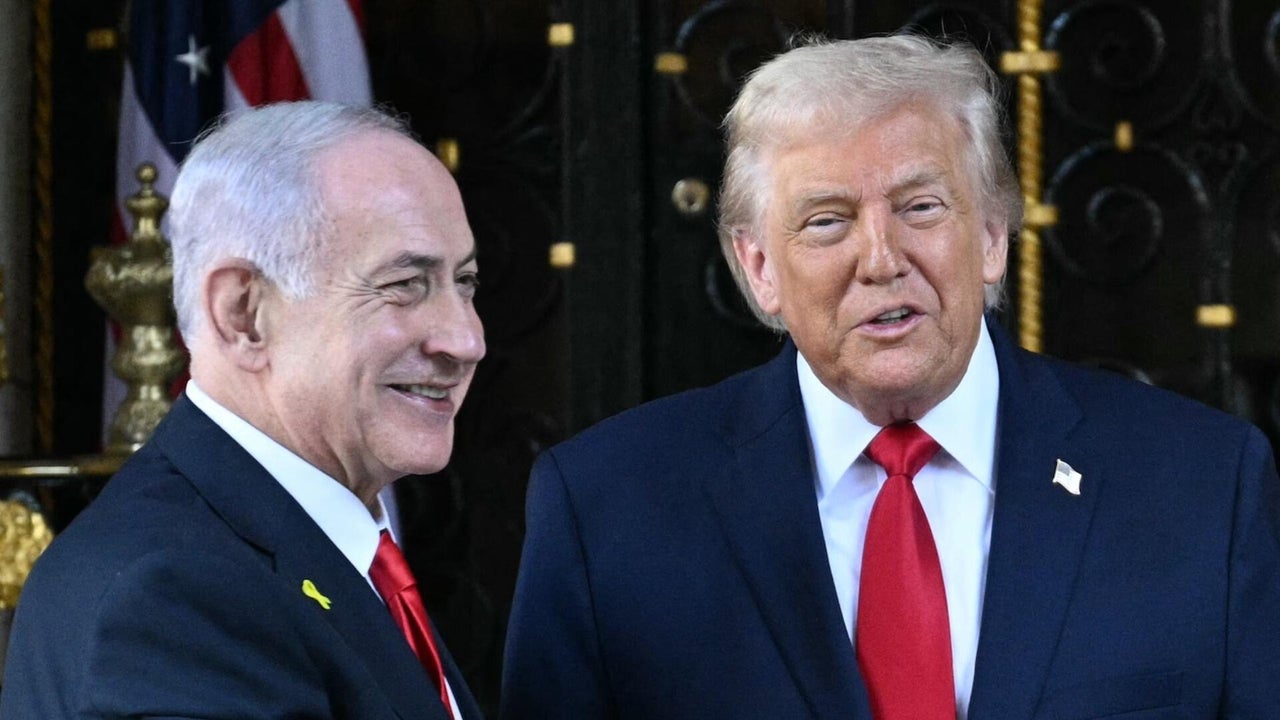
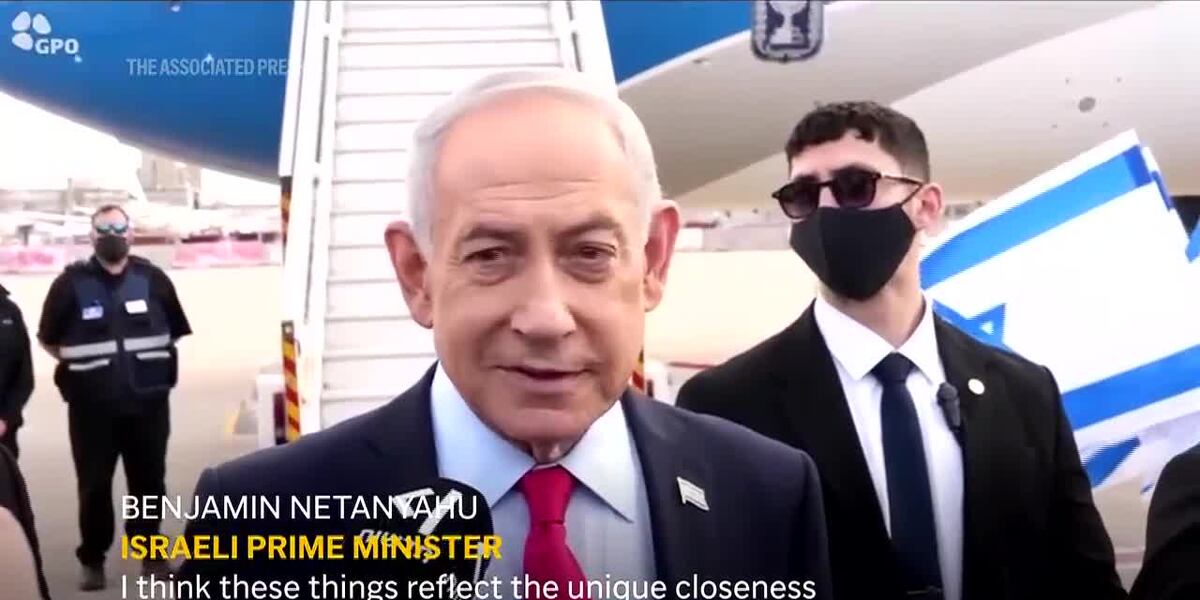
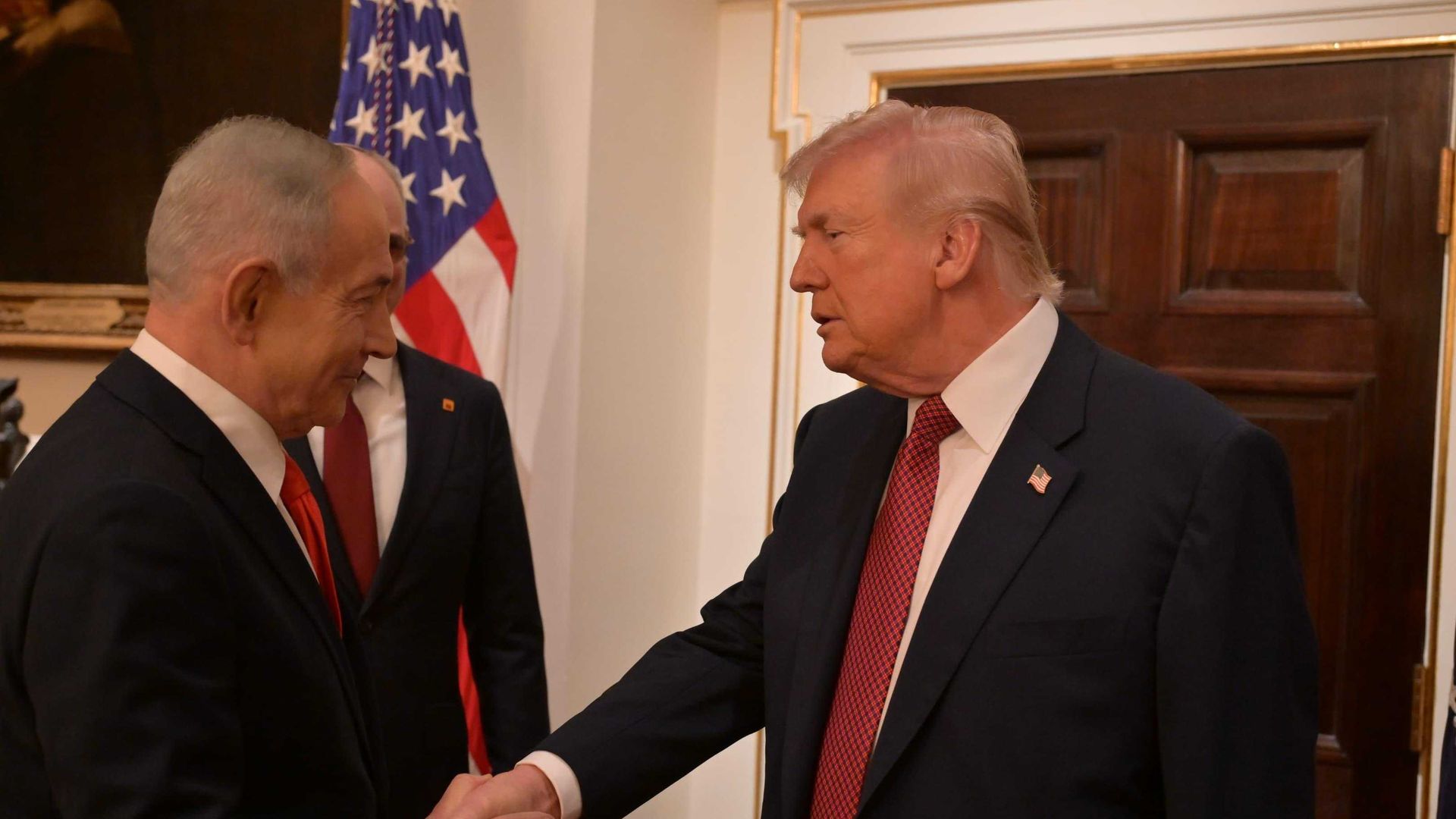
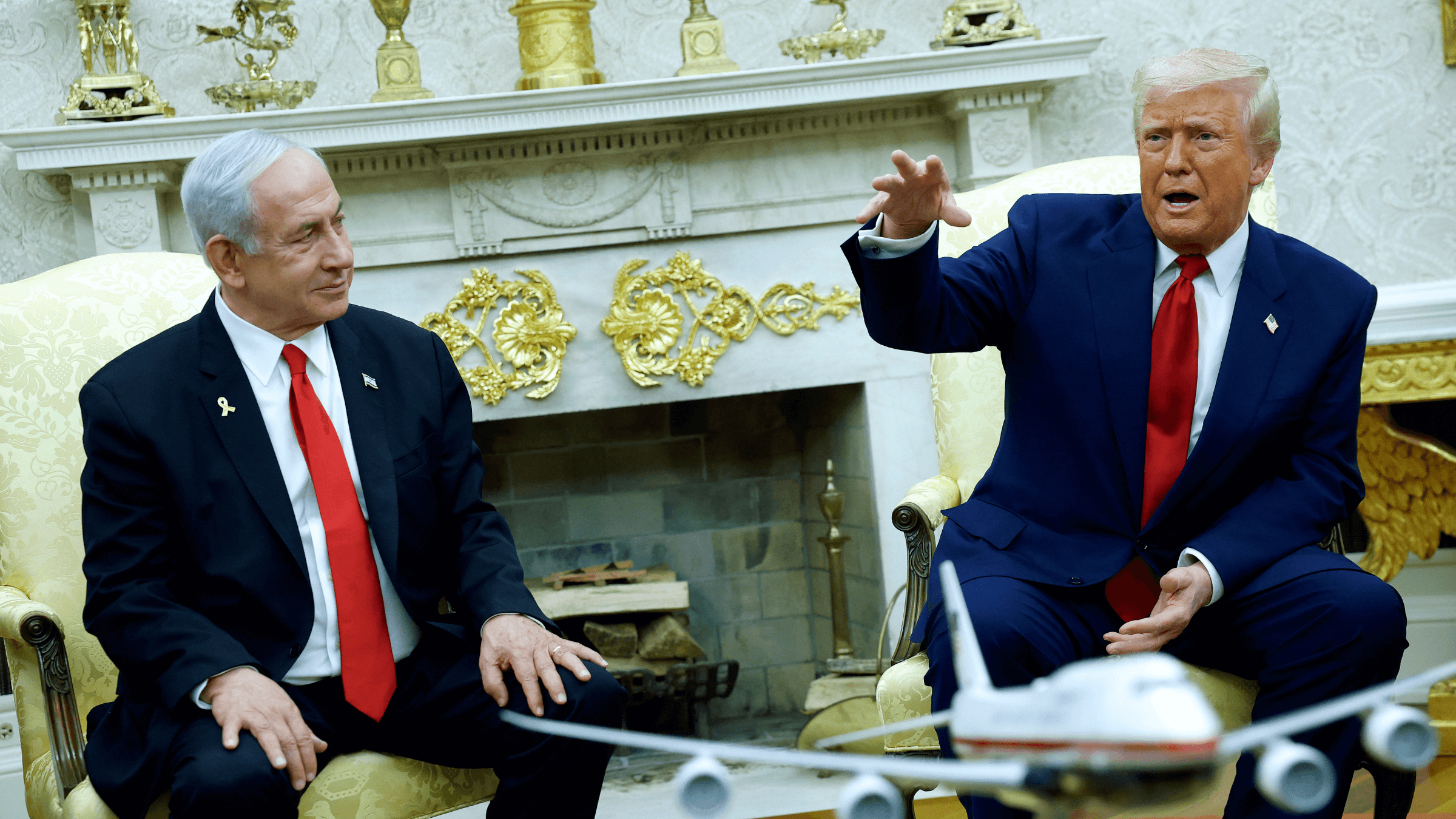
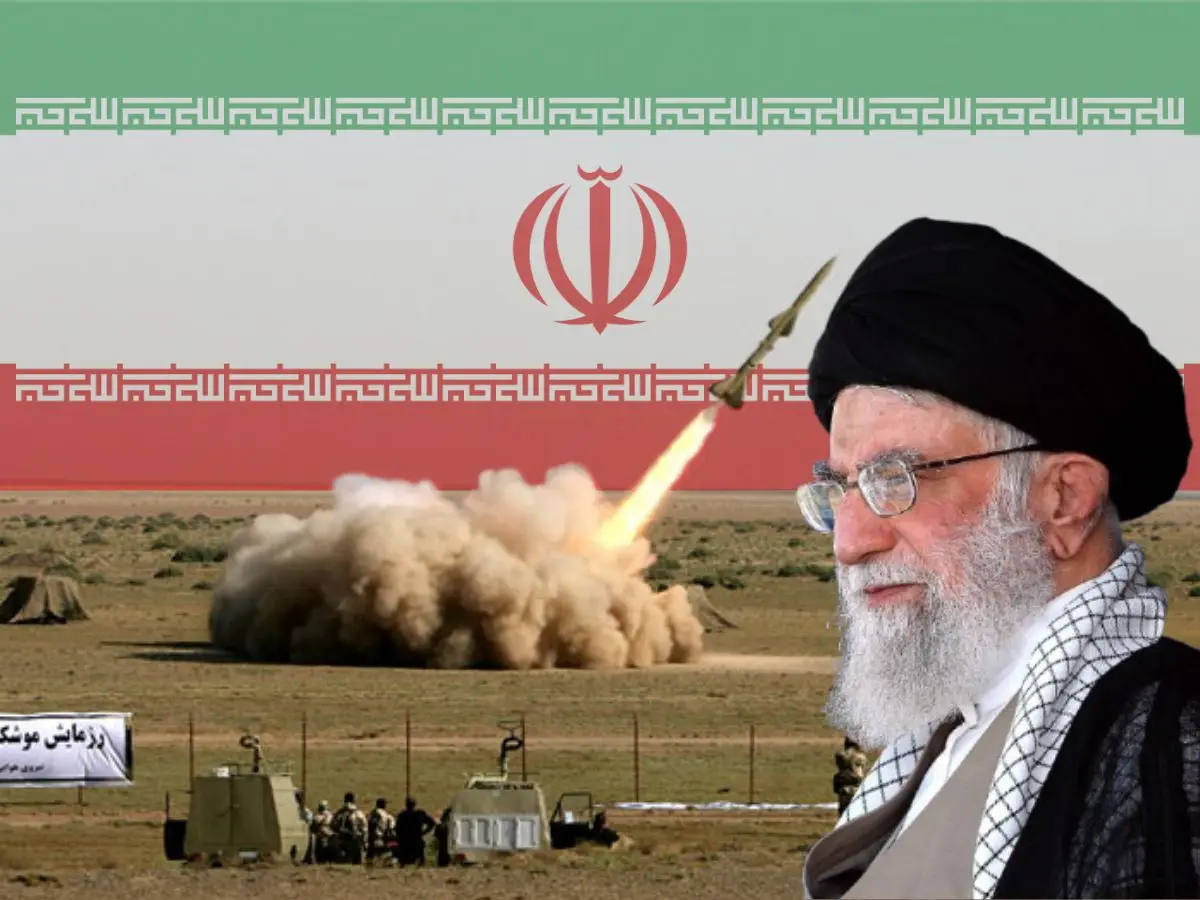
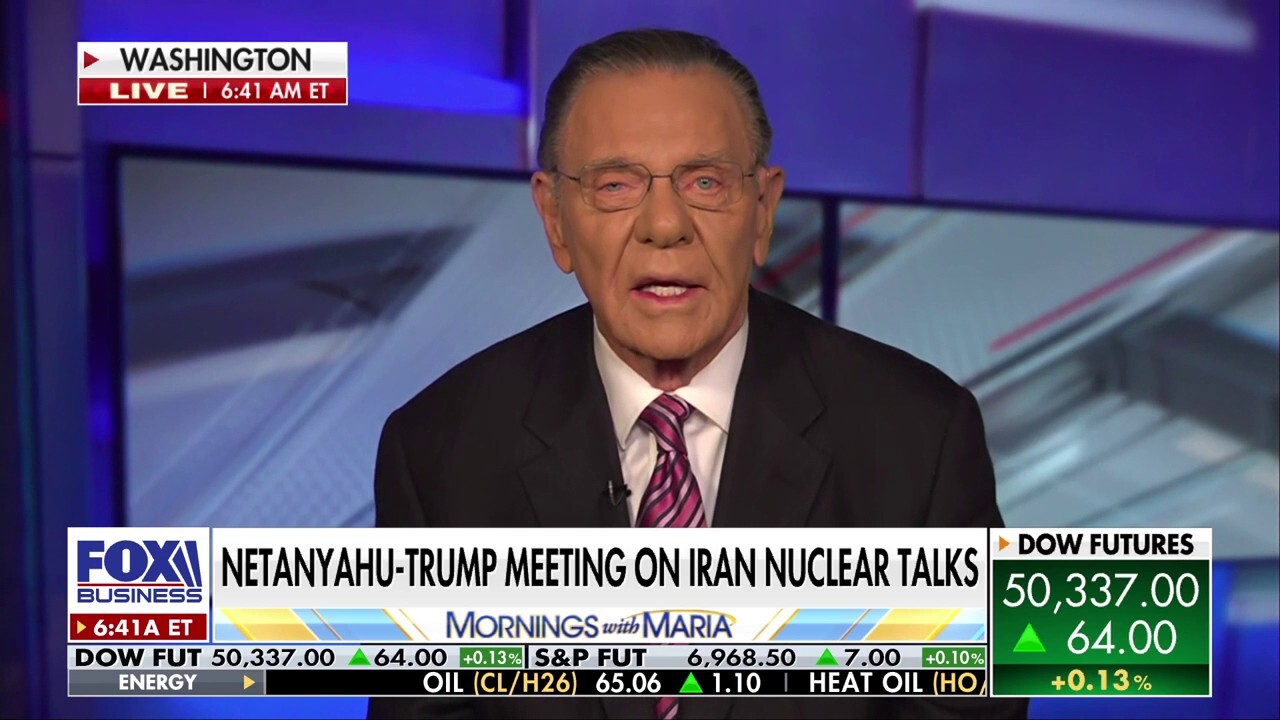
The escalating US-Iran nuclear negotiations—triggered by Netanyahu's urgent February 10, 2026 Washington visit to influence Trump administration positions—create a critical 90-180 day window of supply chain and tariff uncertainty for cross-border sellers. According to Wall Street Journal reporting, Netanyahu accelerated his diplomatic intervention following the commencement of US-Iran talks in Oman, fearing Washington might compromise on Israeli security requirements. This diplomatic standoff directly impacts sellers through three mechanisms: (1) Sanctions regime uncertainty affecting Iran-adjacent trade corridors, (2) Shipping route volatility through the Strait of Hormuz (20% of global oil passes through this chokepoint), and (3) Tariff policy shifts as Trump administration negotiating positions remain fluid through Q2 2026.
Supply Chain Volatility & Shipping Cost Implications
The ongoing negotiations create immediate operational risks for sellers sourcing from or shipping through Middle Eastern regions. Historical precedent shows that periods of heightened US-Iran tensions correlate with 8-15% increases in maritime insurance premiums for vessels transiting the Persian Gulf and Strait of Hormuz. Sellers currently operating 3PL networks with Middle East distribution hubs (particularly in UAE, Saudi Arabia, and Israel) face potential route disruptions. The Trump administration's discussion of deploying additional aircraft carrier strike groups signals military posturing that typically precedes shipping lane restrictions. For sellers with inventory in transit through these corridors, expect 5-10 day delays and 12-18% cost increases on freight forwarding through Q2 2026. Specifically, sellers shipping electronics, machinery, and industrial components—categories with high Middle East demand—should immediately audit their supply chain dependencies on Iran-adjacent sourcing or transit routes.
Tariff Arbitrage Opportunities & Policy Uncertainty
Netanyahu's push for "tougher limits" on Iran's nuclear program and ballistic missiles (per Trump's meeting notes) signals potential expansion of US sanctions architecture. This creates a critical timing window for sellers to lock in tariff rates before new restrictions take effect. Currently, HS codes 8471-8517 (electronics/telecommunications) and 7208-7326 (steel/metals) face potential tariff increases if Iran sanctions expand to secondary suppliers. Sellers should immediately: (1) Review current tariff classifications for products with Iran-adjacent supply chains, (2) Accelerate inventory purchases before potential tariff increases (estimated 5-8% rate increases if new sanctions pass), and (3) Shift sourcing to Vietnam, India, and Mexico alternatives where tariff rates remain stable. The policy implementation timeline is critical—negotiations continue through Q2 2026, with potential executive orders possible within 30-60 days if talks stall.
Market Access Shifts in Israel & Arab Markets
The diplomatic tensions create divergent market opportunities. Israel-focused sellers should expect increased demand for security-related products, surveillance equipment, and defensive technologies as Israeli consumers respond to heightened regional tensions. Historical data shows Israeli consumer spending on security products increases 25-40% during periods of elevated Iran tensions. Conversely, Arab market access faces compression—sellers with significant UAE, Saudi Arabia, or Qatar operations should prepare for potential market access restrictions if US-Iran tensions escalate to military action. The Gaza ceasefire negotiations (mentioned in multiple news summaries) remain fragile, and any breakdown could trigger secondary sanctions affecting Arab market access. Sellers should immediately diversify their Middle East exposure: reduce reliance on single-country distribution hubs, establish backup logistics partners in non-aligned regions (Turkey, Indonesia), and monitor Arab Boycott of Israel implications for cross-border operations.
Questions 7
What is the timeline for policy changes affecting Middle East trade?
Netanyahu's February 10, 2026 Washington visit signals a critical 90-180 day policy window. US-Iran negotiations continue through Q2 2026, with potential executive orders on sanctions possible within 30-60 days if talks stall. The Gaza ceasefire negotiations remain fragile and could trigger secondary market access restrictions if they break down. Sellers should treat Q2 2026 as a high-volatility period: lock in tariff rates by March 31, 2026; diversify Middle East distribution hubs by April 30, 2026; and establish backup logistics partners in non-aligned regions by May 31, 2026.
How should sellers adjust their Middle East market strategy during this period?
Israel-focused sellers should expect 25-40% increased demand for security-related products, surveillance equipment, and defensive technologies as consumer spending on security products rises during elevated Iran tensions. Conversely, Arab market sellers (UAE, Saudi Arabia, Qatar) should prepare for potential market access compression if US-Iran tensions escalate. Immediate actions: (1) Increase inventory of security products for Israeli market by 30-40%, (2) Reduce reliance on single-country Arab distribution hubs, (3) Establish backup logistics partners in Turkey and Indonesia, (4) Monitor Arab Boycott implications for cross-border operations, and (5) Diversify geographic exposure to reduce geopolitical concentration risk.