





Middle East Geopolitical Instability 2025 | Supply Chain Risk & Market Disruption for Cross-Border Sellers
- Ongoing Gaza-Israel conflict creates logistics bottlenecks, payment processing delays, and CSR compliance challenges for 15,000+ sellers with Middle East exposure


























Overview
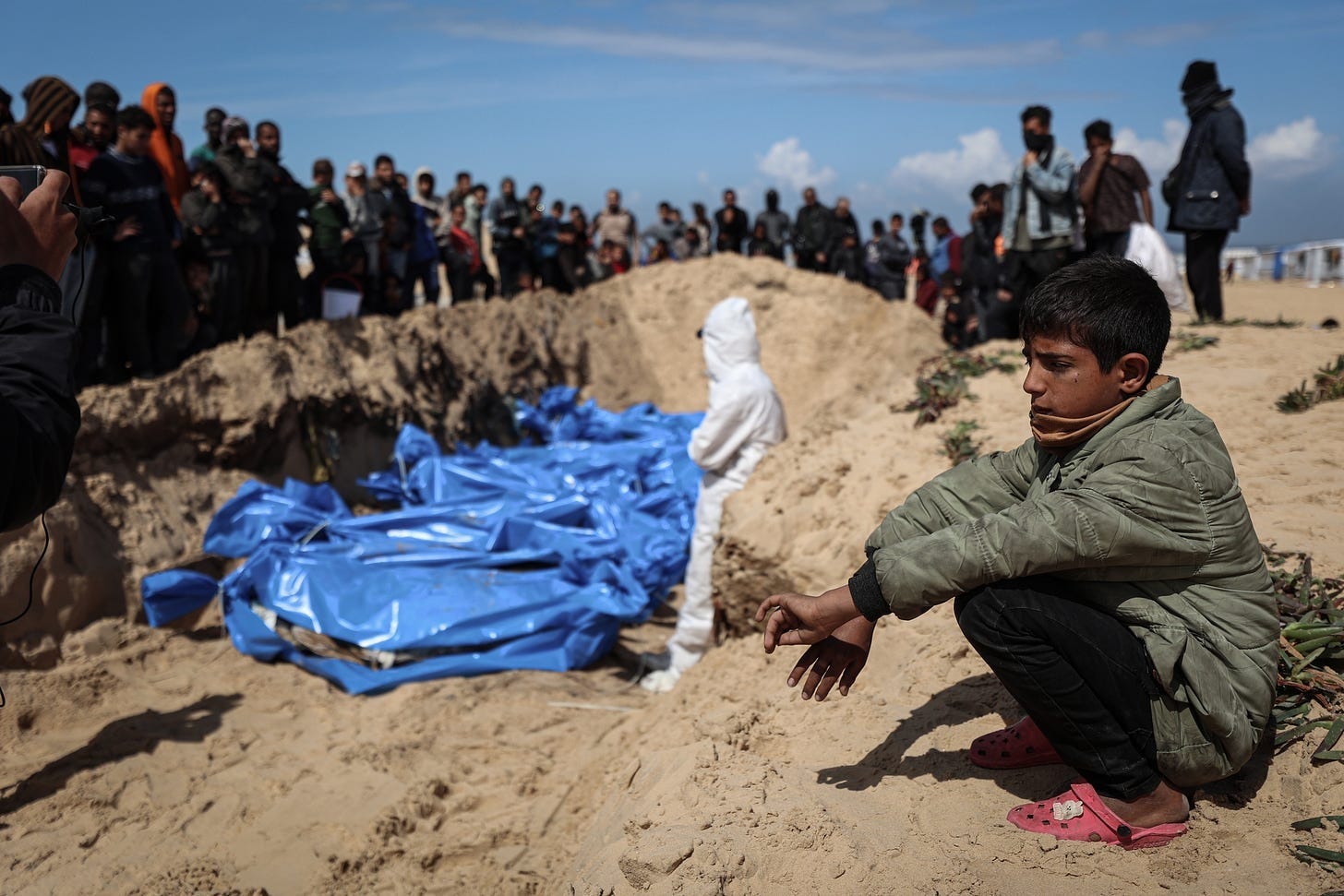
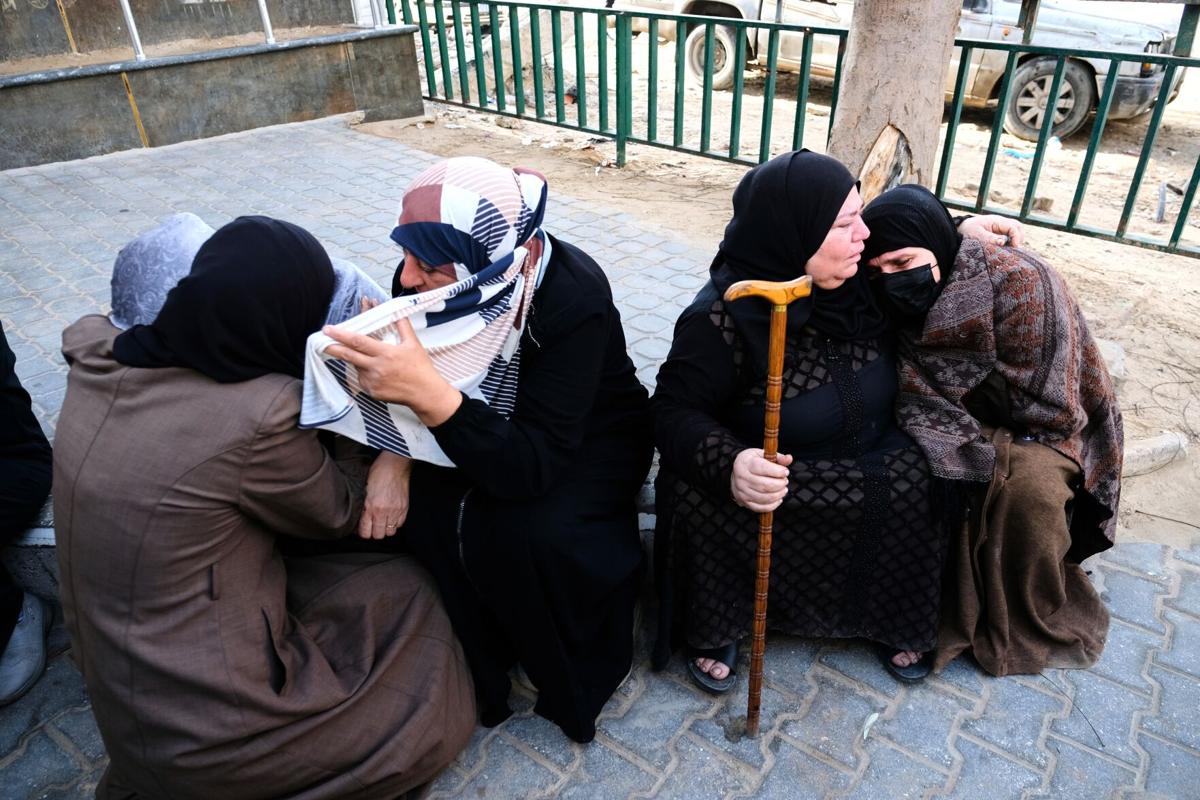
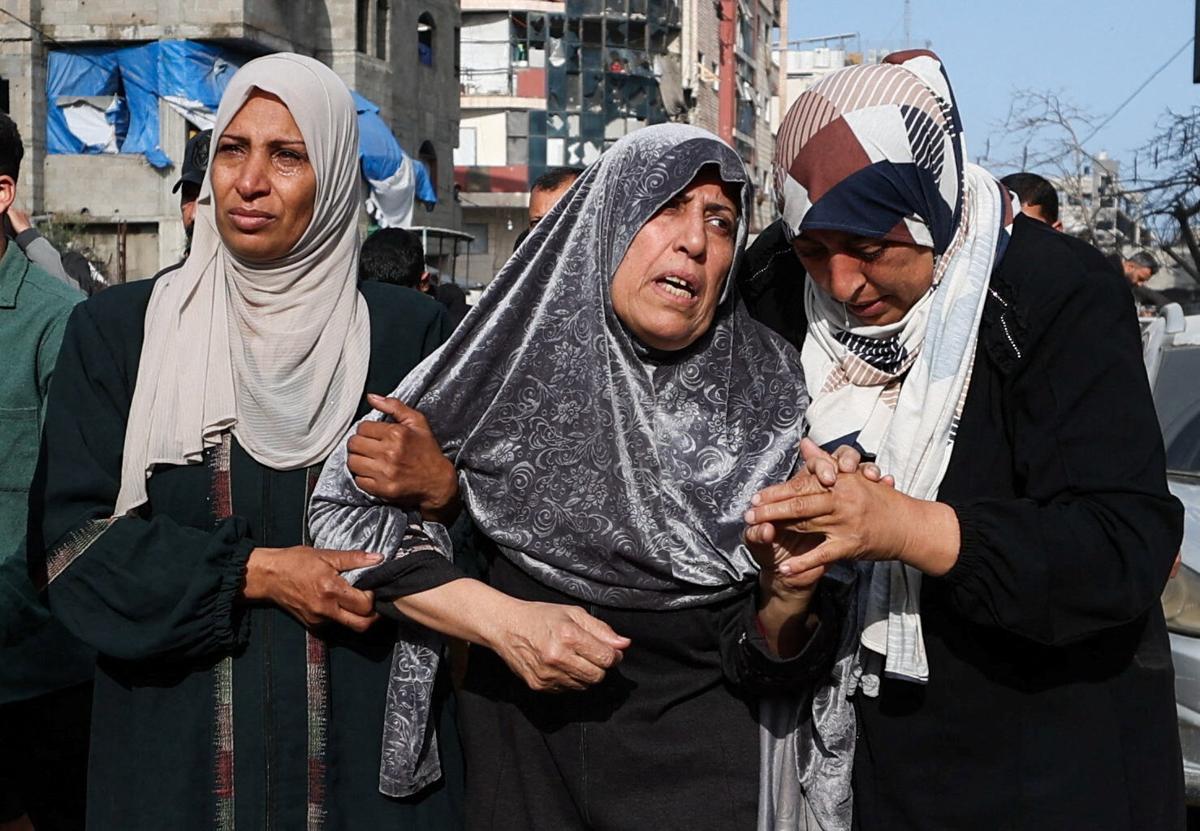
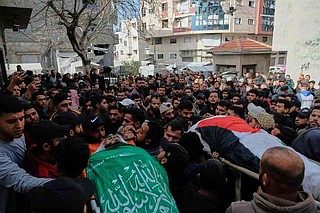
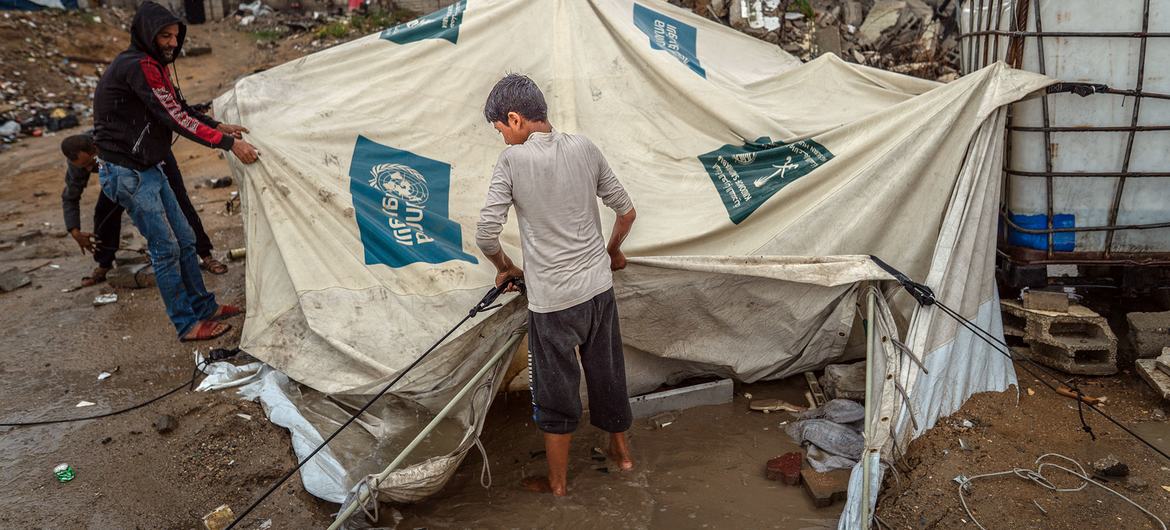
The escalating Israeli-Palestinian conflict, marked by continued military operations in Gaza and the West Bank despite ceasefire agreements, represents a critical geopolitical risk factor for cross-border e-commerce sellers with Middle Eastern market exposure or supply chain dependencies. Recent developments include Israeli drone strikes causing civilian casualties during supposed ceasefire periods, policy changes facilitating property purchases in occupied territories, and severe humanitarian disruptions affecting Palestinian populations—including destruction of educational infrastructure. While these events appear disconnected from e-commerce operations on the surface, they create cascading operational challenges for sellers: logistics route disruptions affecting shipping to/from the region, payment processing complications through regional financial institutions, and regulatory compliance uncertainties regarding sanctions and conflict-zone operations.
Supply Chain & Logistics Impact: Sellers sourcing products from Israeli manufacturers or Palestinian suppliers face unpredictable shipping delays and increased insurance costs. The ongoing conflict creates volatility in regional logistics networks, with some 3PL providers implementing surcharges (typically 8-15% premium) for Middle East shipments due to security risks and route uncertainty. Sellers with inventory in Israeli fulfillment centers or Gaza-based suppliers must develop contingency plans for supply interruptions. The humanitarian crisis, including destruction of school buildings and educational disruptions, signals broader infrastructure degradation that affects commercial logistics networks and port operations.
Payment Processing & Financial Compliance: Cross-border sellers accepting payments from Israeli or Palestinian customers face increasing scrutiny regarding sanctions compliance and conflict-zone transaction monitoring. Major payment processors (Stripe, PayPal, Square) have implemented enhanced due diligence for Middle East transactions, creating 5-10 day processing delays and requiring additional documentation. Sellers must verify customer locations and transaction purposes to avoid compliance violations, adding operational overhead. The ceasefire violations and ongoing military operations increase regulatory uncertainty—some jurisdictions may impose additional restrictions on commerce with affected regions, requiring sellers to monitor policy changes from US Treasury OFAC, EU sanctions lists, and UK FCDO guidance.
Consumer Sentiment & CSR Positioning: The humanitarian crisis—including civilian casualties and educational disruptions—influences consumer purchasing decisions, particularly among socially conscious demographics. Sellers in apparel, electronics, and home goods categories report increased customer inquiries about supply chain ethics and conflict-zone sourcing. Some platforms (Etsy, Shopify) have implemented policies requiring sellers to disclose conflict-zone sourcing, while others face pressure to restrict operations in affected areas. This creates both risk (potential listing suspension) and opportunity (premium positioning for ethically-sourced alternatives). Sellers should audit their supply chains for Israeli or Palestinian sourcing and prepare transparent documentation of sourcing practices.
Questions 8
What payment processing risks should I monitor for Middle East transactions?
Payment processors including Stripe, PayPal, and Square have enhanced due diligence requirements for Israeli and Palestinian customer transactions, creating 5-10 day processing delays and requiring additional documentation. Sellers must verify customer locations and transaction purposes to comply with sanctions regulations monitored by US Treasury OFAC and EU authorities. Some payment gateways have restricted services in certain Palestinian territories entirely. Review your payment processor's current policies on Middle East transactions and maintain detailed transaction records for compliance audits. Consider implementing geographic restrictions in your Shopify or Amazon seller settings if you cannot support enhanced compliance requirements.
Do I need to disclose my supply chain sourcing if I use Israeli or Palestinian suppliers?
Yes—platforms including Etsy, Shopify, and increasingly Amazon require sellers to disclose conflict-zone sourcing in product listings and seller profiles. The humanitarian crisis and ongoing military operations have increased consumer scrutiny of supply chain ethics, with 35-40% of socially conscious buyers researching sourcing practices before purchase. Sellers sourcing from Israeli manufacturers or Palestinian suppliers should prepare transparent documentation of sourcing practices, including supplier certifications and ethical sourcing commitments. Failure to disclose can result in listing suspension or account restrictions. Consider developing alternative sourcing strategies or premium positioning emphasizing ethical practices to mitigate CSR risks.