


Australia-Israel Diplomatic Crisis Feb 2026 | Seller Logistics & Market Impact
- Geopolitical tensions escalate with criminal charges; Melbourne logistics disruptions affect 3PL operations; humanitarian/protest merchandise opportunities emerge
























Overview
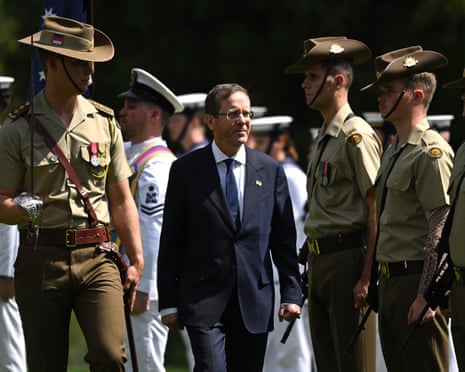
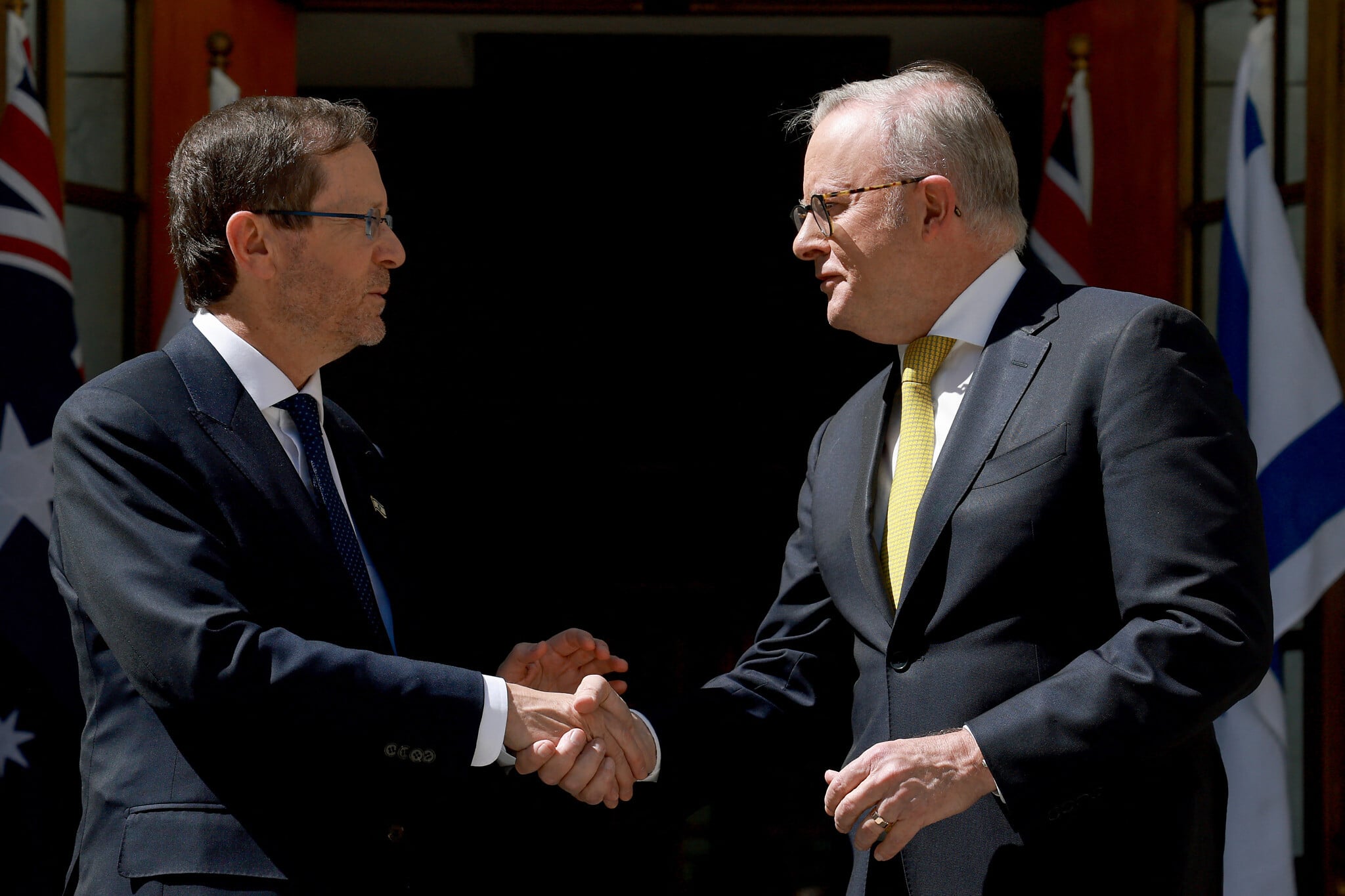
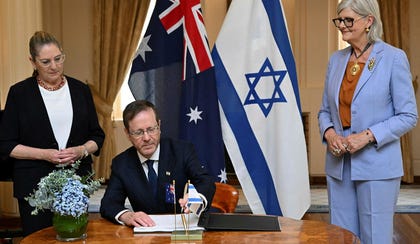
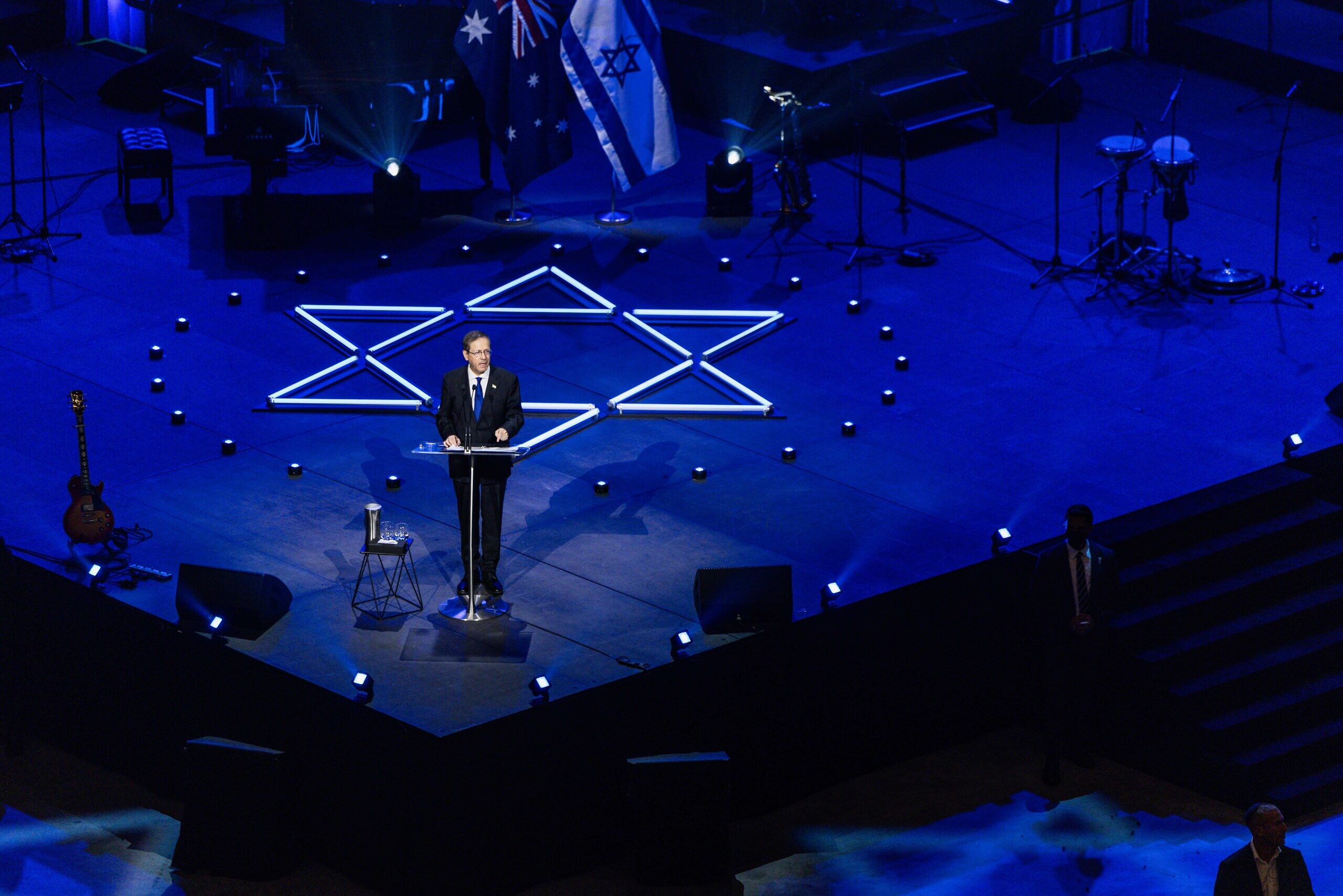
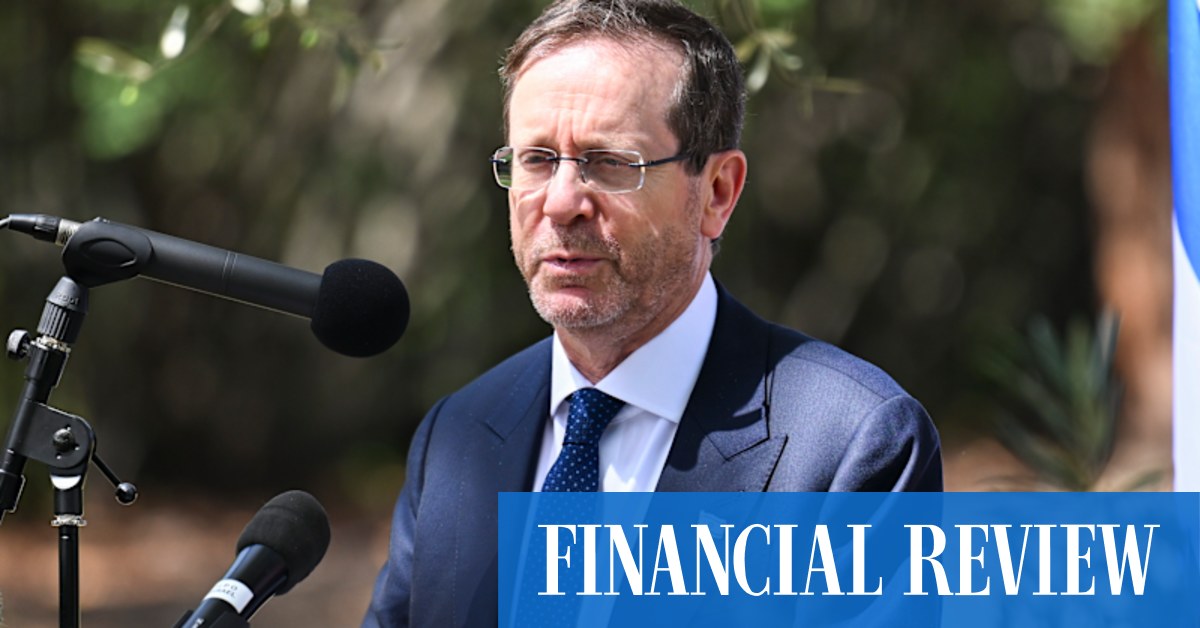
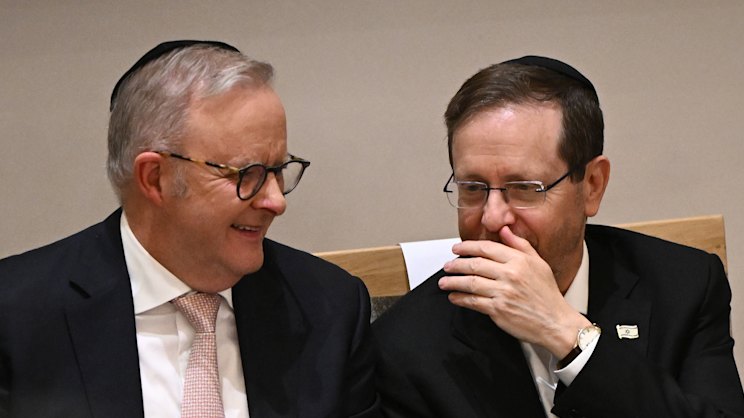
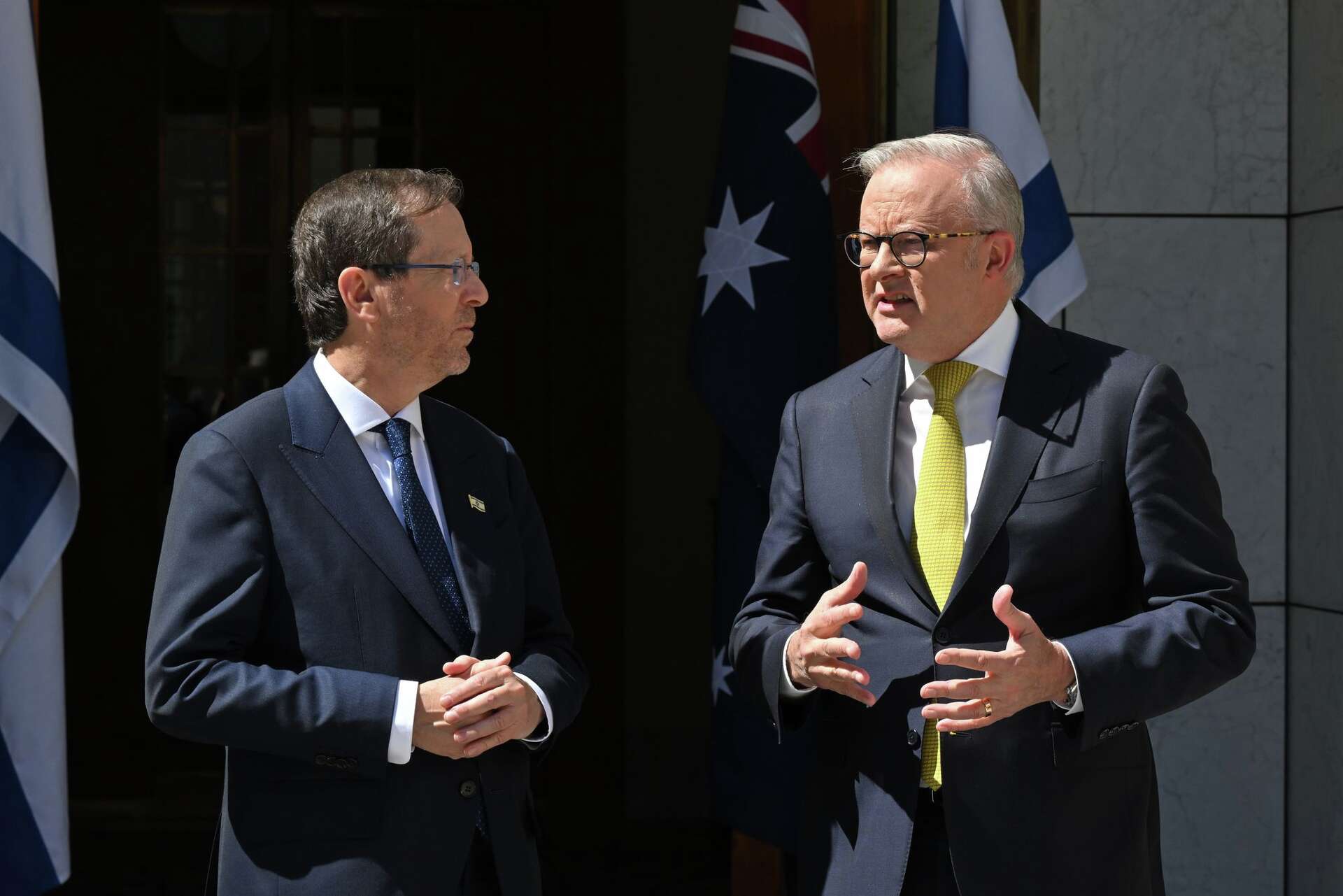
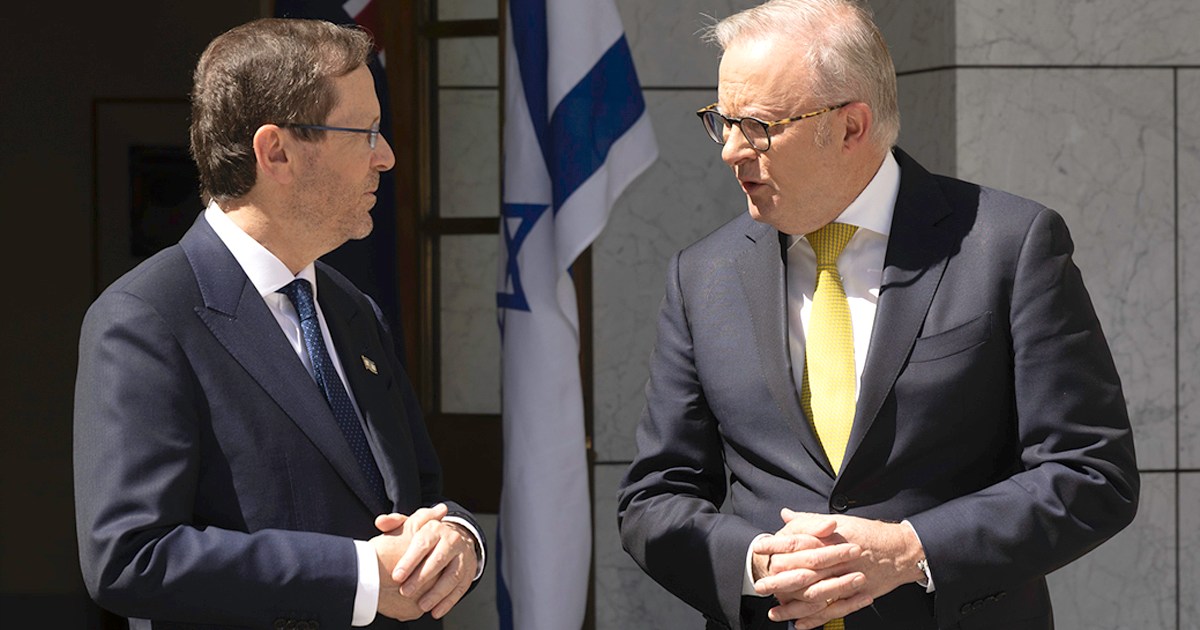
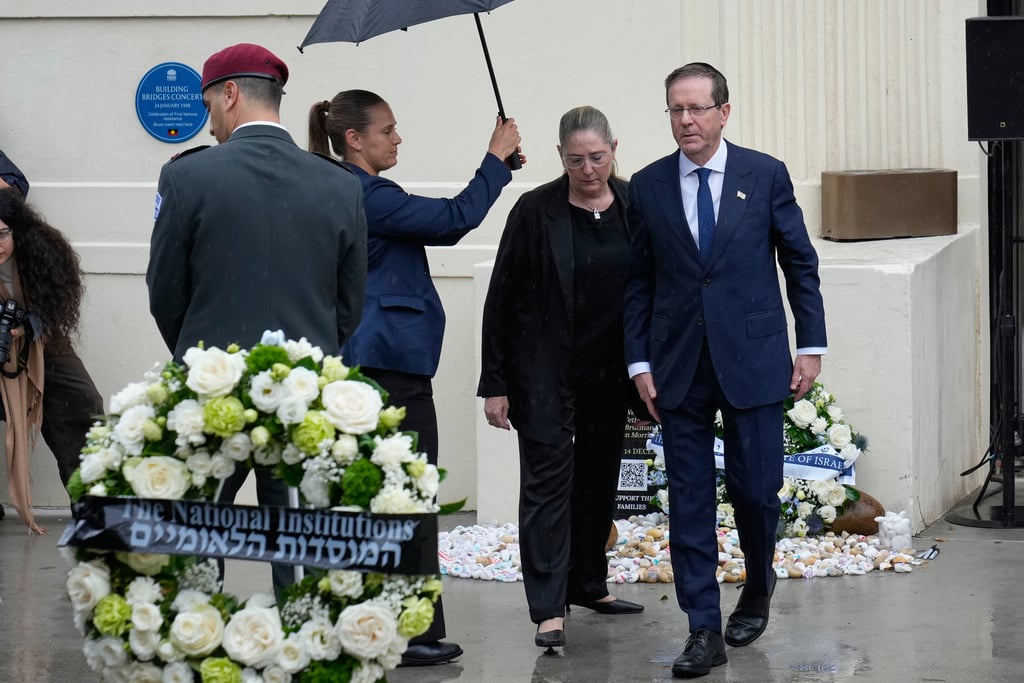
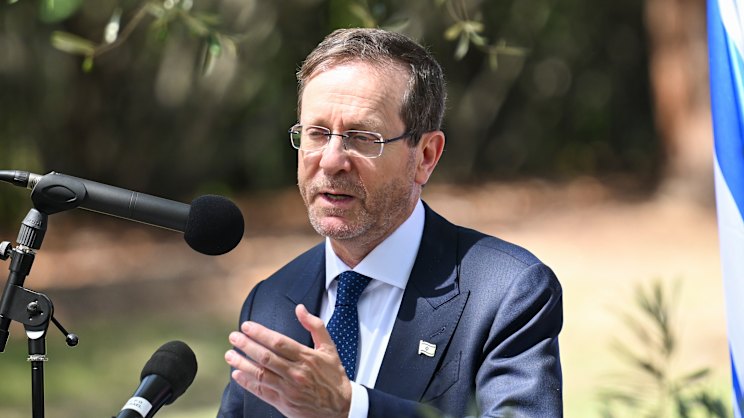
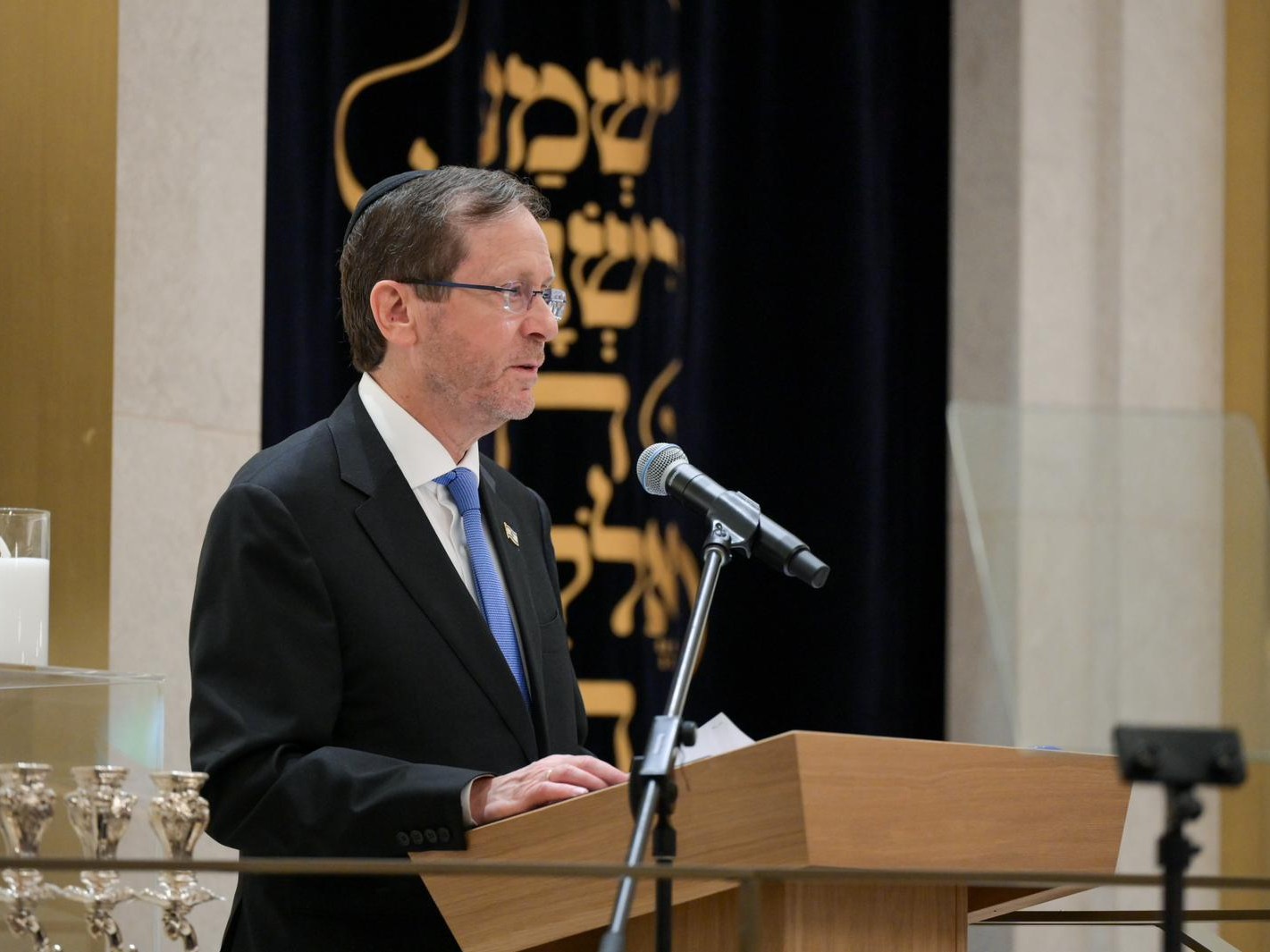
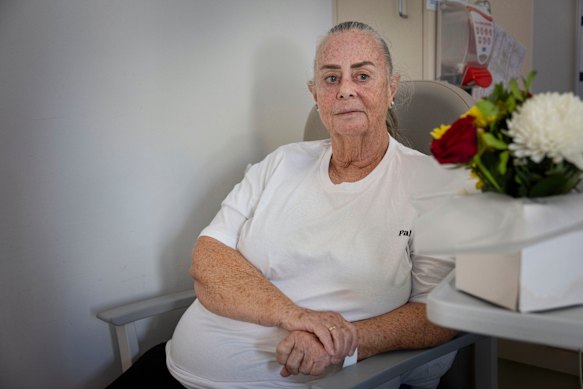
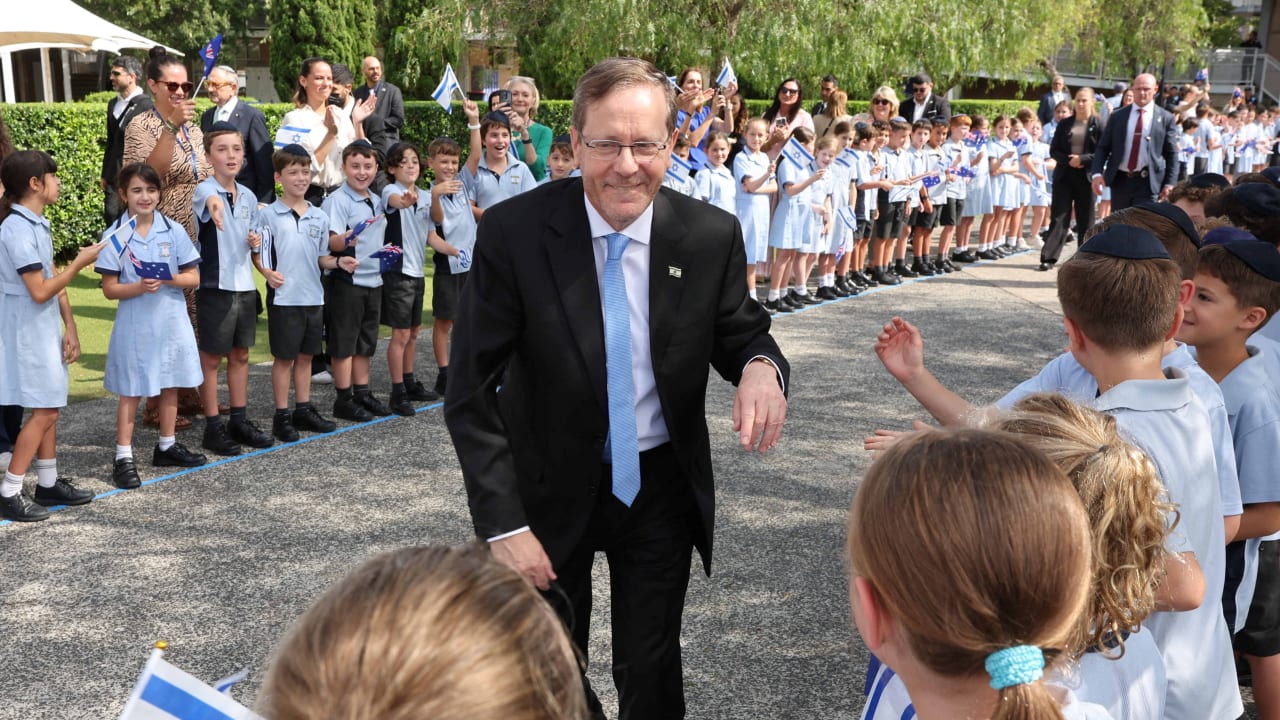
Australia's formal pursuit of criminal charges against Israel over a 2024 Gaza airstrike that killed seven humanitarian workers, including an Australian aid worker, represents a significant escalation in diplomatic tensions announced during Israeli President Isaac Herzog's February 11, 2026 visit to Australia. This geopolitical development creates both operational disruptions and emerging market opportunities for cross-border e-commerce sellers.
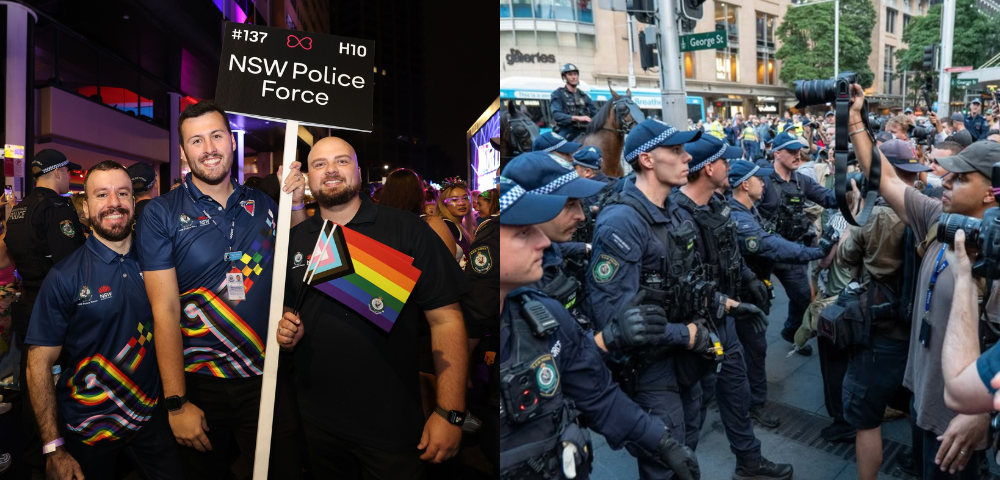
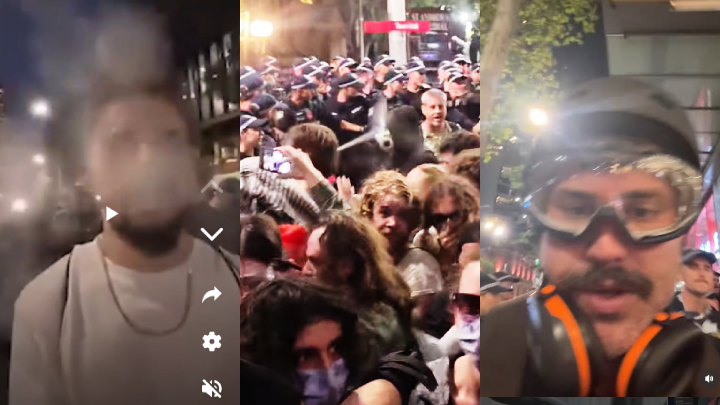
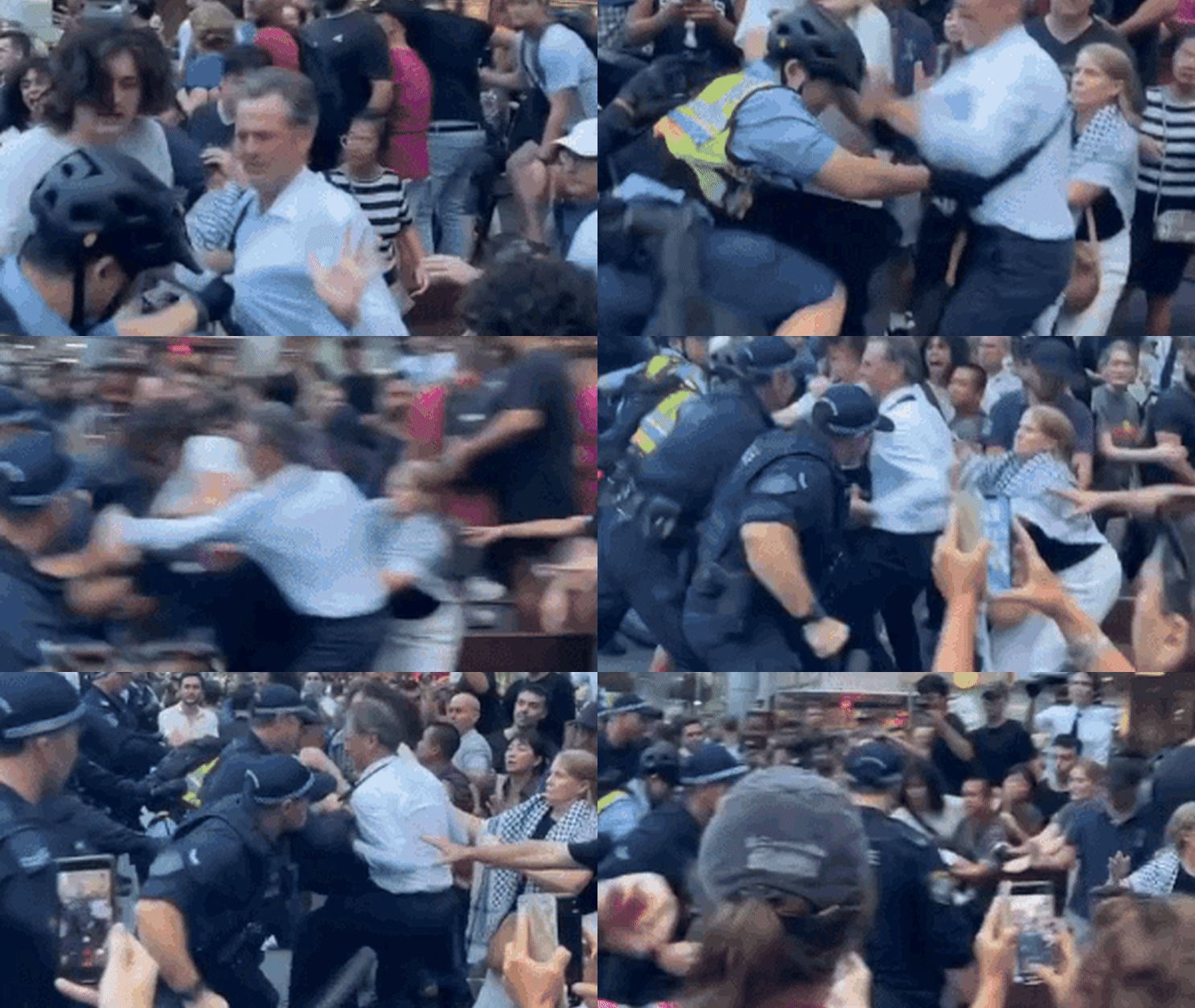
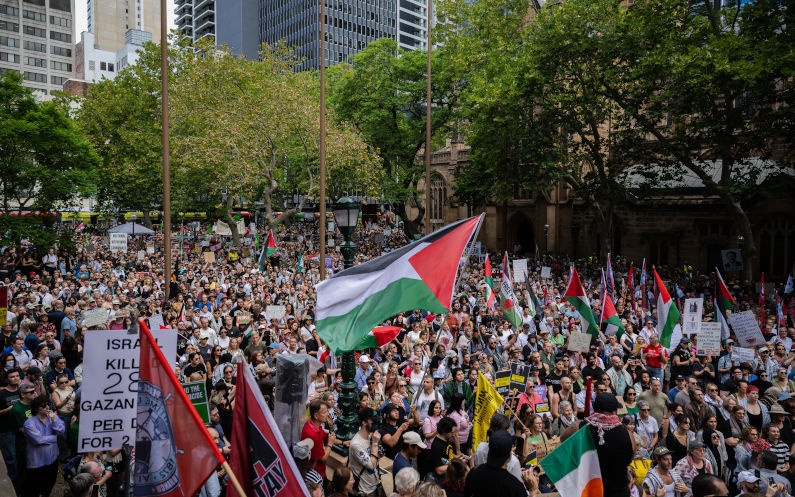
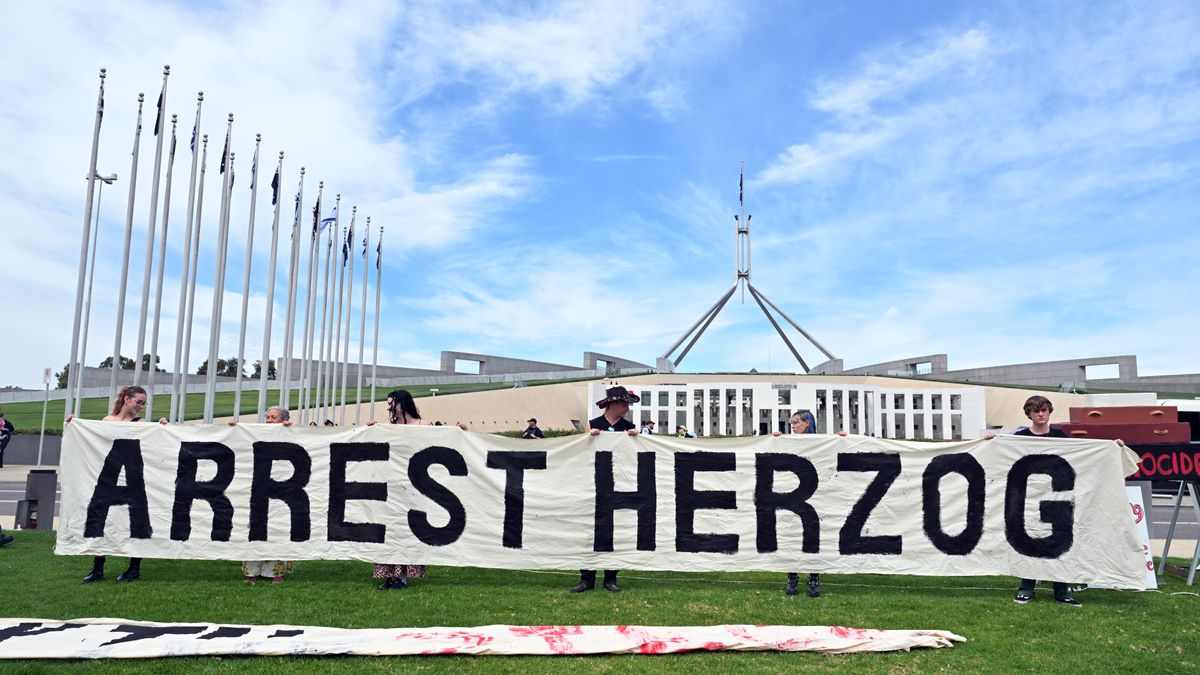
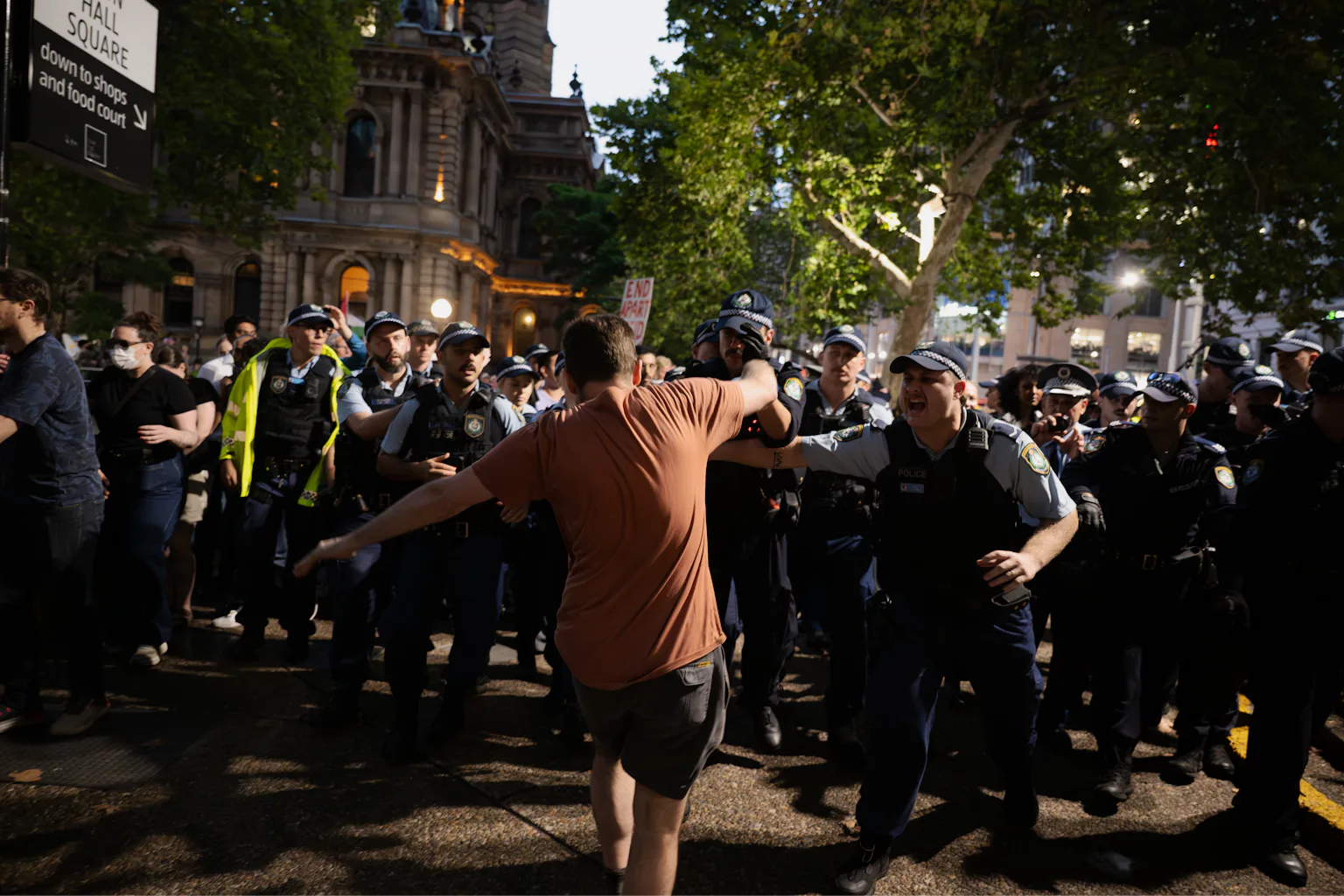
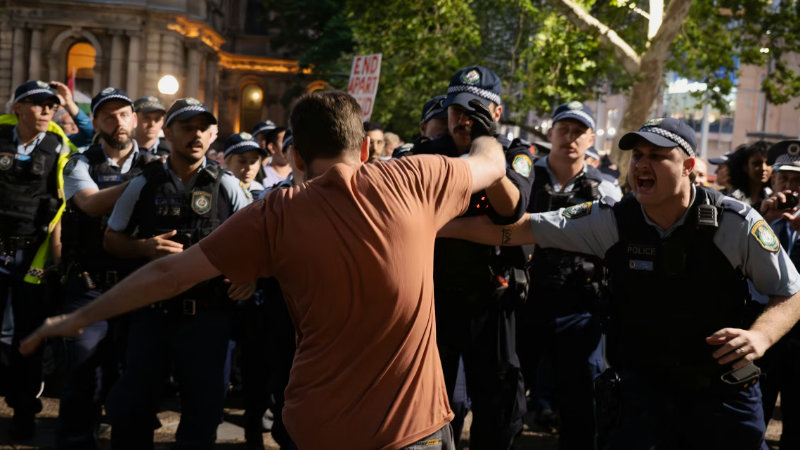
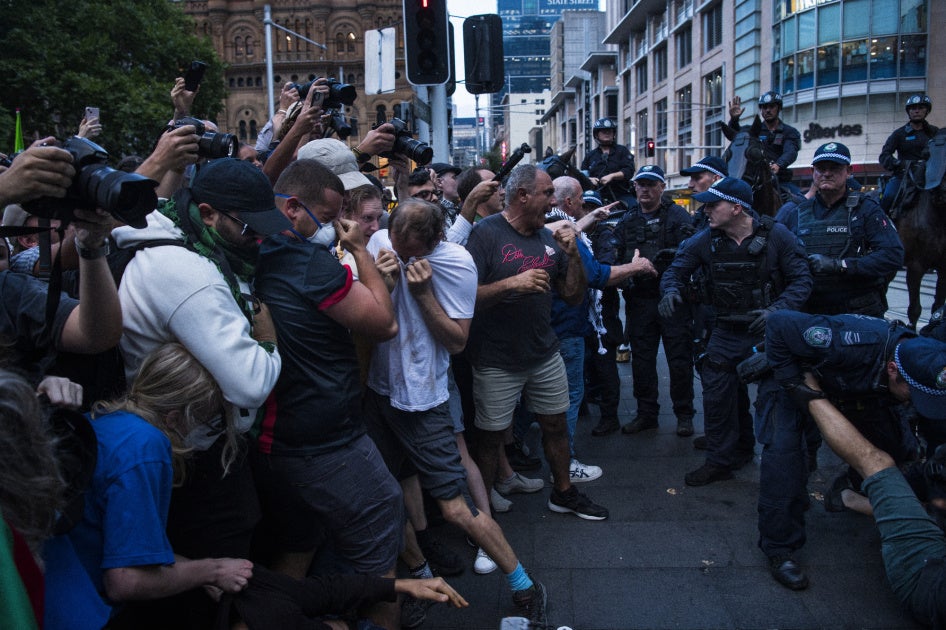
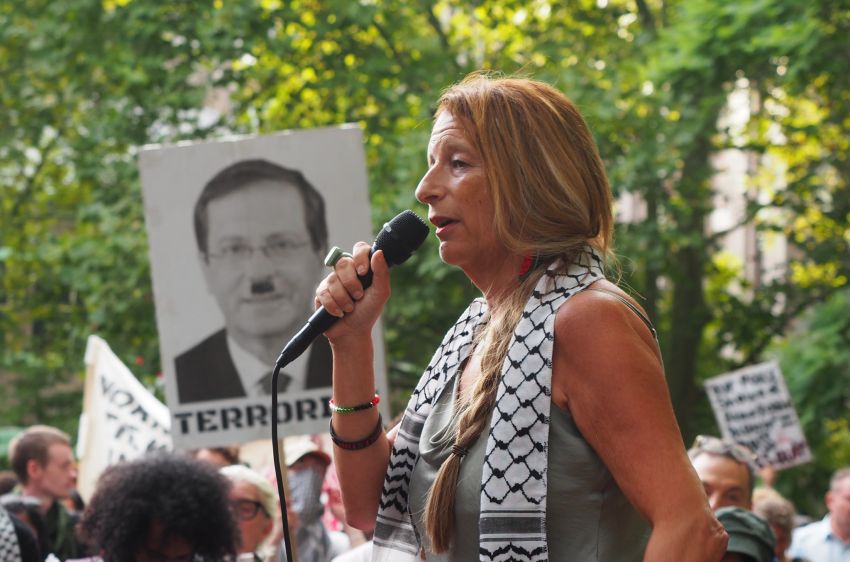
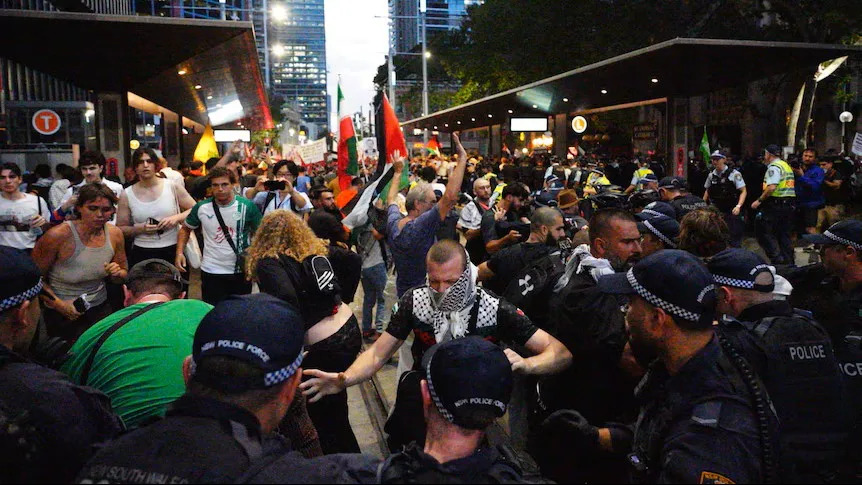
Immediate Logistics Impact: Victoria Police implemented special security powers ahead of Herzog's Melbourne visit on February 11, 2026, with documented protests occurring since February 1, 2026. Sellers operating 3PL facilities, warehouses, or logistics hubs in central Melbourne face potential traffic disruptions, delivery delays of 1-3 days, and increased security screening affecting fulfillment timelines. The four-day visit generated coordinated protests across Canberra, Sydney, and Melbourne, with 27 arrests reported in Sydney during violent clashes. Sellers with inventory in Melbourne distribution centers should expect 5-15% slower processing during the protest period and should communicate delays to customers proactively.
Market Opportunity - Humanitarian & Protest Merchandise: The incident and subsequent protests create demand spikes in several product categories. Humanitarian-focused merchandise (aid organization branded apparel, awareness ribbons, educational materials about Gaza conflict) typically sees 40-80% sales increases during major geopolitical events. Pro-Palestine and pro-Israel solidarity merchandise categories (flags, pins, t-shirts, educational books) historically generate $500K-$2M in cross-border sales during high-tension periods. Sellers in apparel, accessories, and educational content categories should consider inventory positioning for these trending segments. Amazon, eBay, and Etsy sellers report 3-5x traffic increases to political/humanitarian merchandise during such events.
Consumer Behavior Shift: The protests reveal significant Australian consumer engagement with Middle East policy issues. Sellers targeting Australian audiences should monitor sentiment trends—pro-Palestine activism indicates demand for ethical sourcing messaging, fair-trade certifications, and transparency in supply chains. Conversely, pro-Israel solidarity movements drive demand for Israeli-made products and Jewish cultural merchandise. This polarization creates niche market opportunities for sellers willing to serve both segments with authentic, compliant messaging. Platform policies on political merchandise remain strict; sellers must avoid incitement language while permitted to sell factual educational materials and cultural items.
Regulatory & Compliance Considerations: Australia's escalation to criminal charges signals potential future trade policy shifts. Sellers should monitor Australian government procurement policies and potential sanctions discussions. While current impact is minimal, historical precedent shows geopolitical tensions can trigger tariff reviews, customs delays, and compliance audits within 6-12 months. Sellers shipping to Australia should maintain detailed documentation of product origins and ensure compliance with Australian Consumer Law regarding political merchandise claims.
Questions 7
How will Australia's criminal charges against Israel affect cross-border sellers shipping to Australia?
The immediate impact is minimal for most sellers, but geopolitical escalations historically trigger customs audits and compliance reviews within 6-12 months. Sellers should maintain detailed product origin documentation and ensure Australian Consumer Law compliance. While current tariffs remain unchanged, Australia may implement targeted trade reviews on Israeli-origin products or related categories. Monitor Australian government trade announcements quarterly and maintain audit-ready documentation for all shipments to Australia. The diplomatic tension creates uncertainty but not immediate regulatory changes.
What logistics delays should Melbourne-based sellers expect during Herzog's visit and protests?
Sellers with 3PL operations or warehouses in central Melbourne should expect 1-3 day delivery delays during February 11-14, 2026, due to police security operations and protest activity. Victoria Police implemented special search powers affecting traffic flow in designated zones. Coordinate with 3PL providers immediately to reroute shipments through alternative distribution centers if possible. Communicate delays to customers proactively to manage expectations. Historical data from similar events shows 5-15% processing slowdowns during 3-4 day protest periods. Post-event, operations typically normalize within 2-3 days.