





Arctic Infrastructure Disruption & Eastern Europe Conflict | Supply Chain Risk for Cross-Border Sellers
- 20+ subsea cable damages threaten EU-Nordic logistics; Ukraine winter crisis signals 6-12 month supply chain volatility for sellers shipping to/from Eastern Europe
















)




Overview
Critical Infrastructure Vulnerability Emerges as Major Supply Chain Risk for Cross-Border Sellers
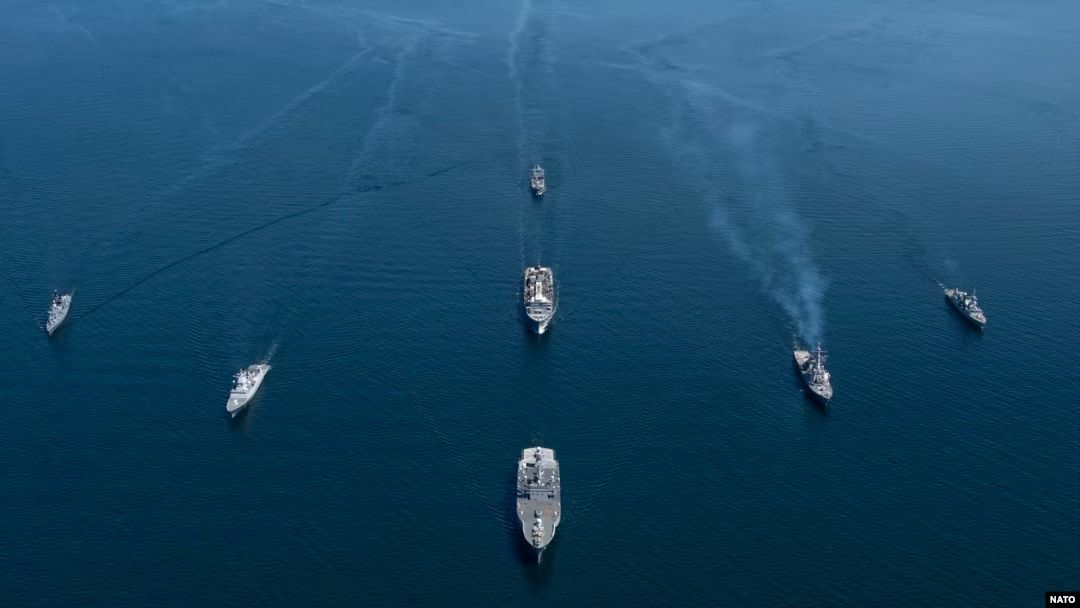
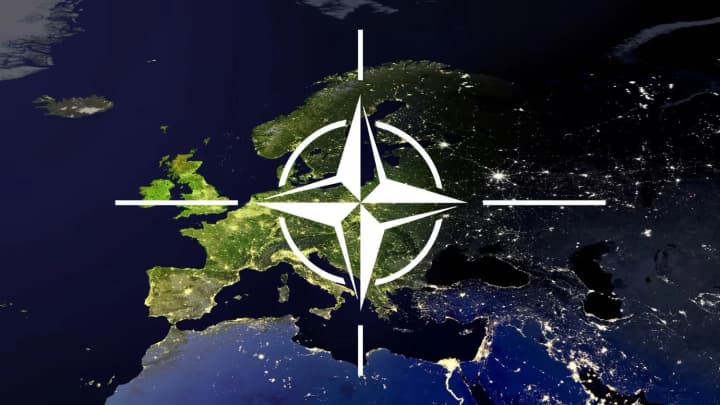
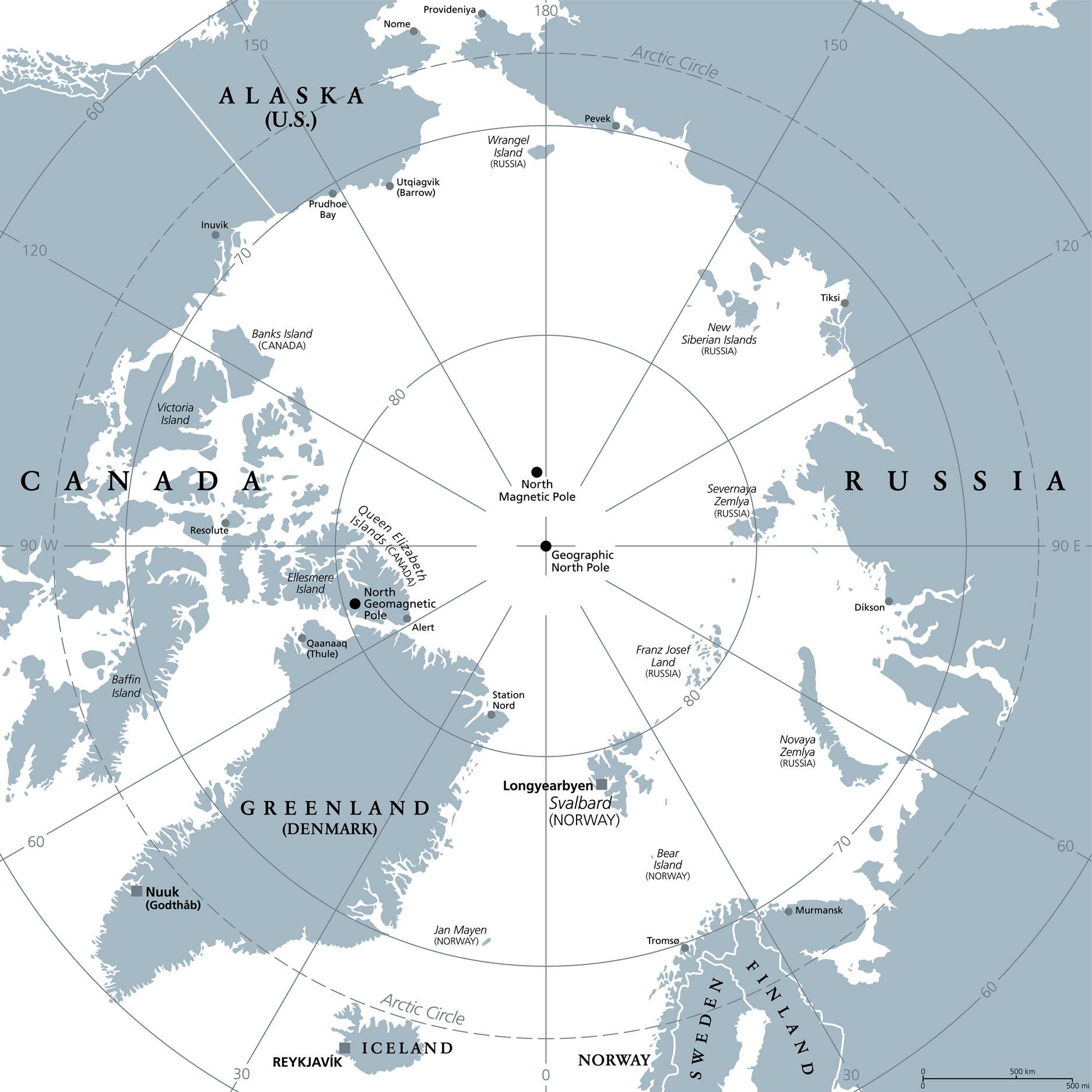
The convergence of Arctic telecommunications sabotage and escalating Eastern European conflict creates unprecedented supply chain disruption risks for e-commerce sellers operating in EU and Nordic markets. Between late 2024 and early 2026, over 20 subsea cables in Baltic and Arctic regions sustained damage, with a January 2025 incident involving a Finnish-detained vessel suspected of damaging the Helsinki-Estonia telecom cable. This infrastructure degradation directly impacts data transmission, payment processing, and real-time inventory management for sellers relying on Nordic and Baltic logistics hubs—critical nodes for cross-border EU commerce.
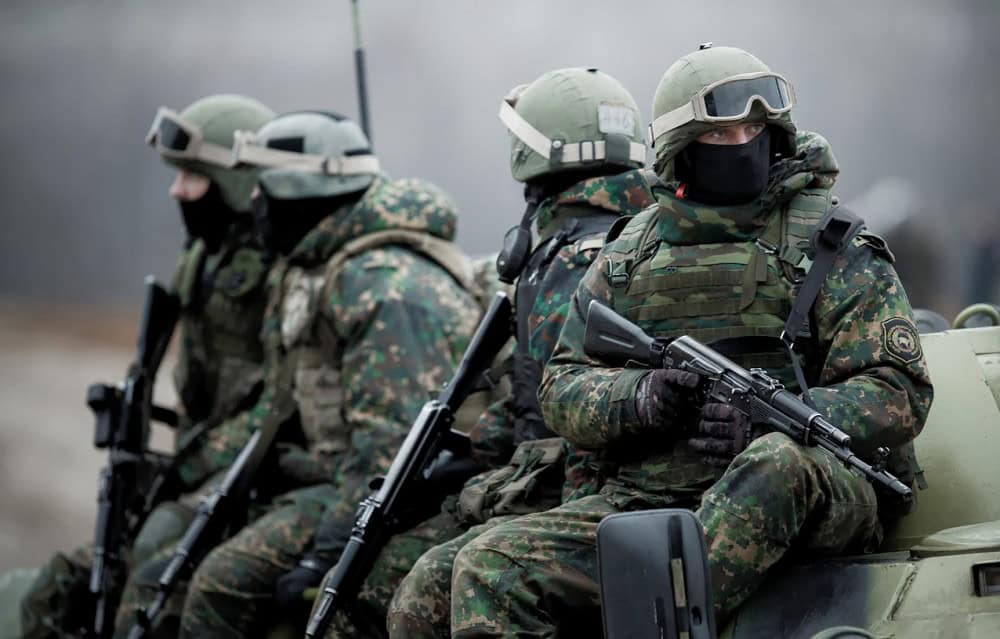
Operational Impact on Seller Infrastructure: The sabotage pattern reflects Russia's Defense Ministry and FSB-coordinated hybrid warfare targeting European Arctic telecommunications. For sellers using 3PL providers in Finland, Estonia, Latvia, and Lithuania, these cable disruptions create latency risks in order processing, inventory synchronization, and customer communication. Sellers shipping through Nordic ports (Oslo, Stockholm, Tallinn) face potential routing delays as maritime operators navigate geopolitical uncertainty. Additionally, Ukraine's documented winter crisis—temperatures reaching -26°C with widespread power outages affecting Kharkiv, Dnipropetrovsk, and Sumy regions—directly impacts manufacturing and fulfillment operations in Eastern Europe. Ukrainian President Zelensky's announcement of elections and peace negotiations scheduled for February 24, 2026, with a June deadline for finalization, introduces 4-6 month uncertainty for sellers with supply chain dependencies in Ukraine. Railway infrastructure damage from drone strikes on Dnipropetrovsk and Sumy stations compounds logistics challenges, potentially increasing shipping times by 2-4 weeks for goods transiting through Ukraine to EU markets.
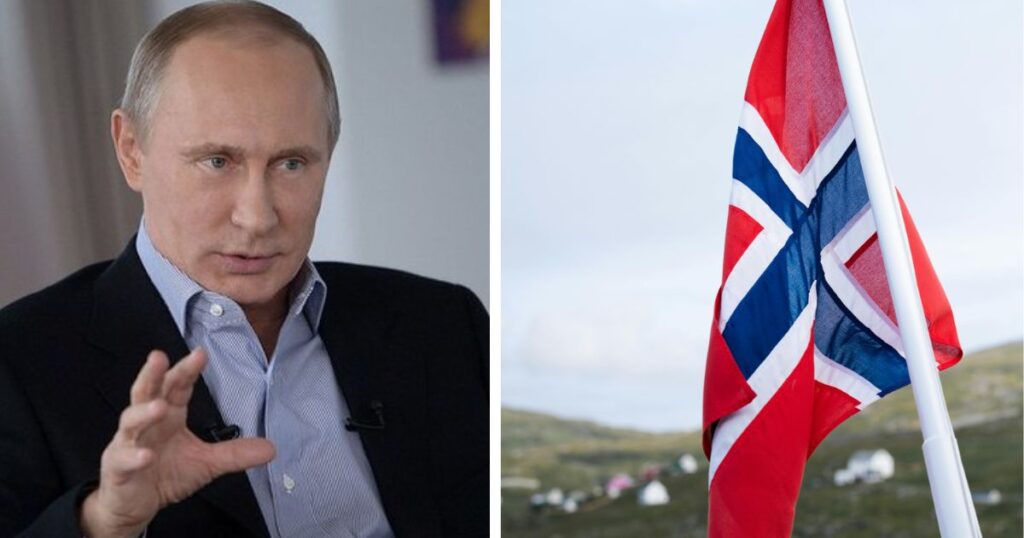
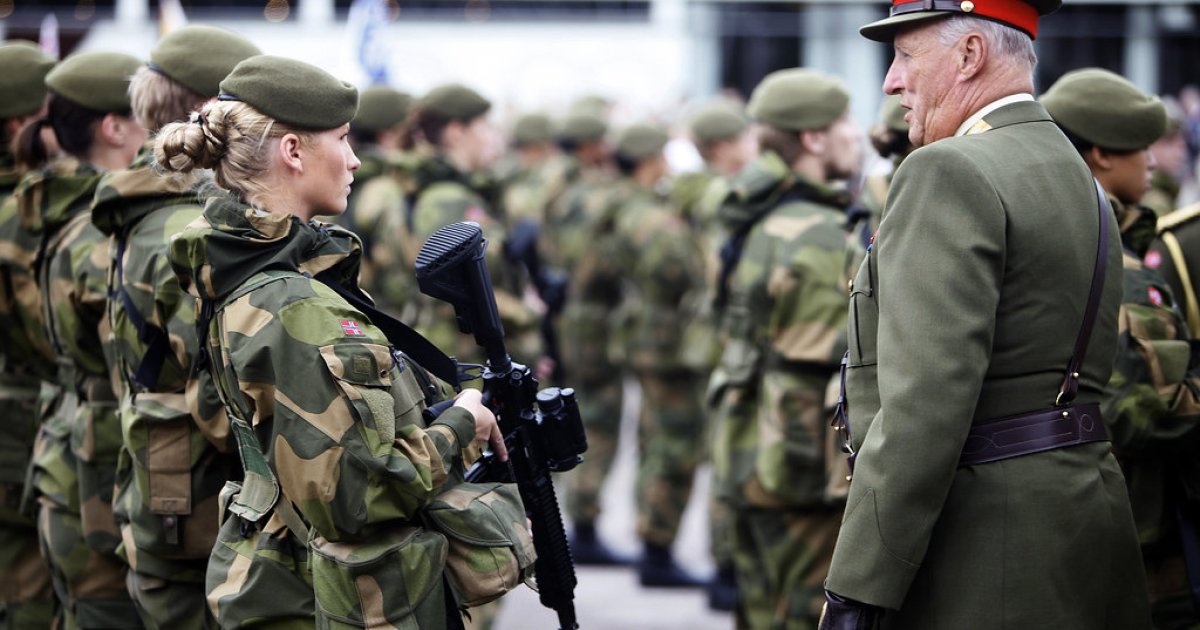
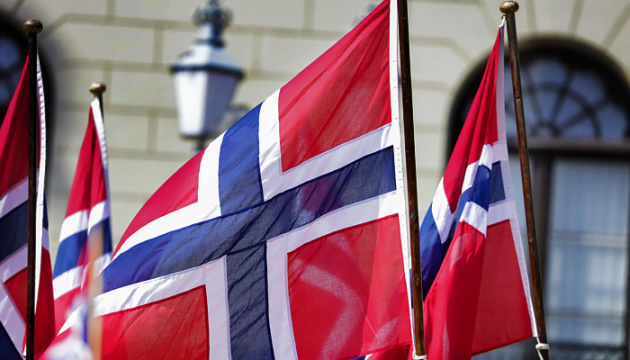
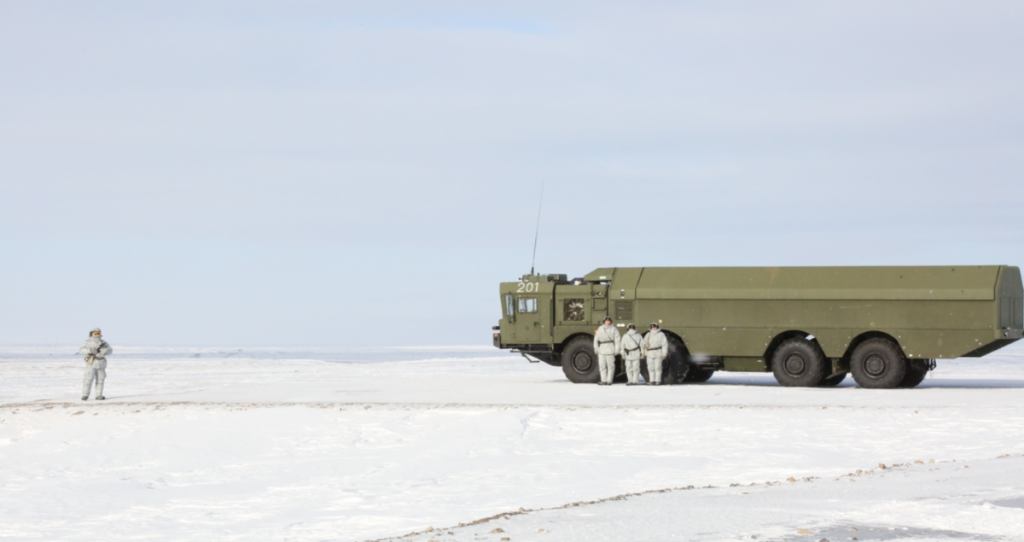
Market Implications for Seller Categories: Cold-weather product categories (thermal apparel, heating equipment, emergency supplies) show elevated demand signals from Ukraine's humanitarian crisis, with temperatures -26°C creating urgent consumer need. Sellers in outdoor gear, winter clothing, and emergency preparedness categories can capitalize on EU humanitarian purchasing trends and potential NGO bulk orders. Conversely, sellers dependent on Eastern European manufacturing (electronics components, textiles, machinery parts) face supply chain compression, with production delays likely extending 8-12 weeks. Arctic logistics disruption particularly affects sellers using Scandinavian distribution centers for EU fulfillment—cable damage creates redundancy risks in payment processing and real-time tracking systems. Norway's defense chief statements about potential Russian Arctic operations signal long-term geopolitical risk to Nordic supply chain stability, suggesting sellers should diversify logistics away from single-point-of-failure Arctic routes.
Strategic Seller Actions: Immediate diversification of logistics routing away from Arctic/Baltic corridors is critical. Sellers should evaluate alternative EU fulfillment centers in Germany, Poland, or Czech Republic to reduce Nordic dependency. For sellers with Ukrainian suppliers, establish 6-month inventory buffers and identify alternative sourcing in Poland or Romania. Monitor peace negotiation timelines (February-June 2026) as potential inflection points for supply chain normalization. Consider temporary price increases (5-8%) for products dependent on Eastern European sourcing to offset extended lead times and logistics premiums.
Questions 8
What alternative sourcing regions should sellers prioritize to replace Ukrainian supply chain dependencies?
Poland, Czech Republic, and Romania emerge as primary alternatives to Ukrainian sourcing, offering established manufacturing infrastructure and lower geopolitical risk. Poland's manufacturing sector is particularly strong in electronics, textiles, and machinery—categories heavily dependent on Ukrainian suppliers. Czech Republic provides precision manufacturing and automotive components. Romania offers textile and apparel production. Sellers should conduct supplier audits by February 2026 and establish relationships with 2-3 alternative providers per critical SKU. Lead times to alternative suppliers typically extend 4-6 weeks initially but stabilize within 8-12 weeks. Diversification reduces single-country risk exposure and improves supply chain resilience through 2027.
How do Arctic subsea cable disruptions affect cross-border sellers shipping through Nordic logistics hubs?
Over 20 subsea cables in Baltic and Arctic regions sustained damage between late 2024 and early 2026, directly impacting data transmission and payment processing for sellers using Finnish, Estonian, and Latvian 3PL providers. Cable damage creates latency in real-time inventory synchronization and order processing, potentially delaying shipments by 2-4 days. Sellers relying on Nordic fulfillment centers should immediately evaluate redundancy in payment gateway routing and consider backup data transmission protocols. The January 2025 Helsinki-Estonia cable incident demonstrates ongoing vulnerability, making logistics diversification critical for Q1-Q2 2026 operations.