





International Child Safety Crisis Drives Demand for Protective Products & Parental Monitoring Solutions
- Multi-continent investigation spanning 9 nations signals $8-12B opportunity in child safety tech, educational resources, and protective merchandise for cross-border sellers
)






)





















Overview
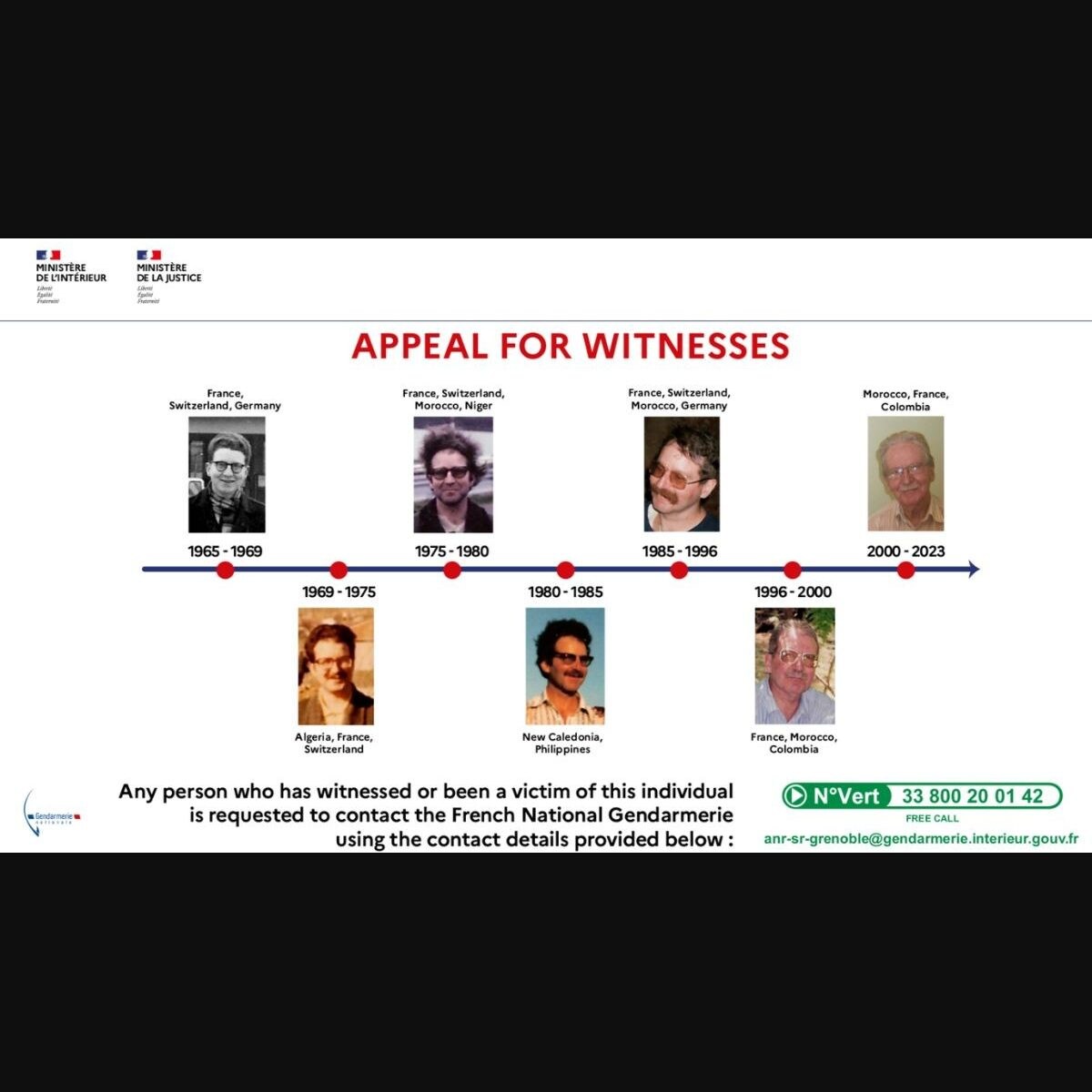
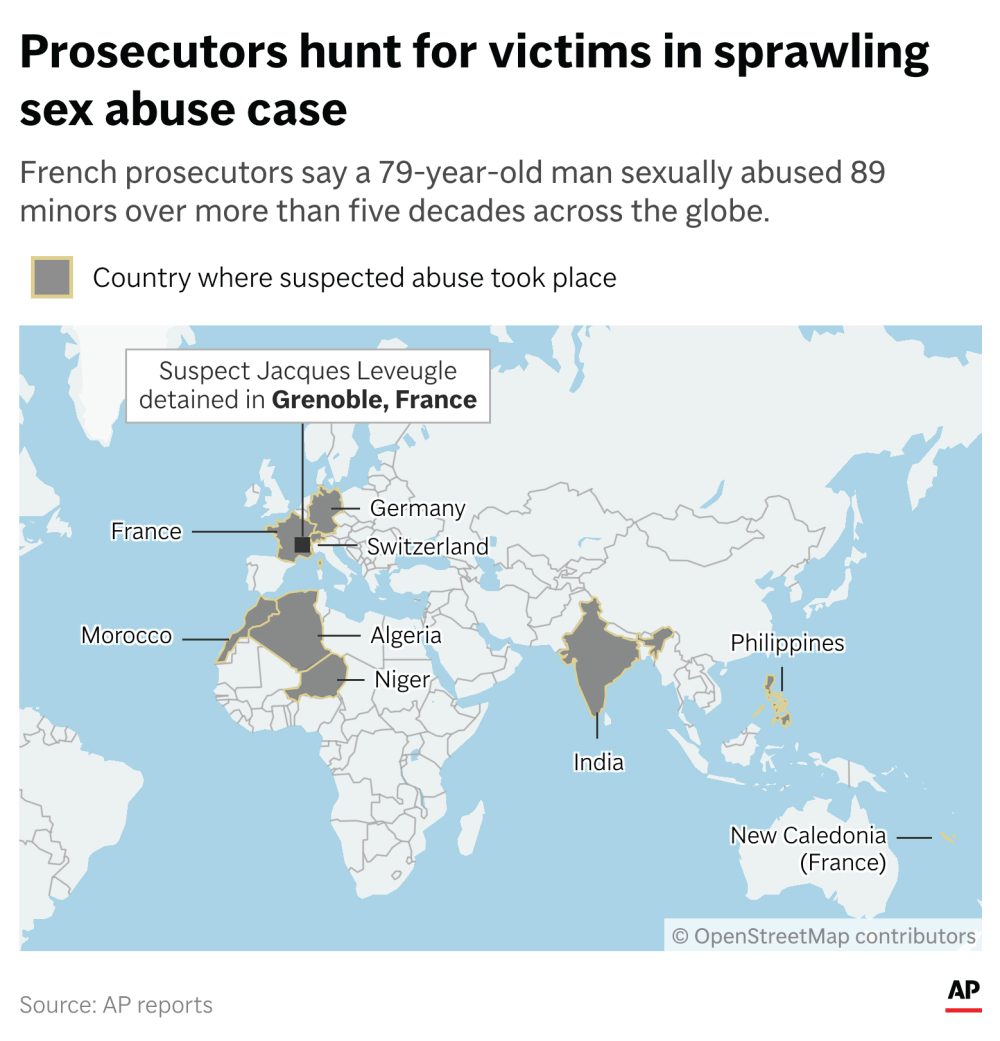
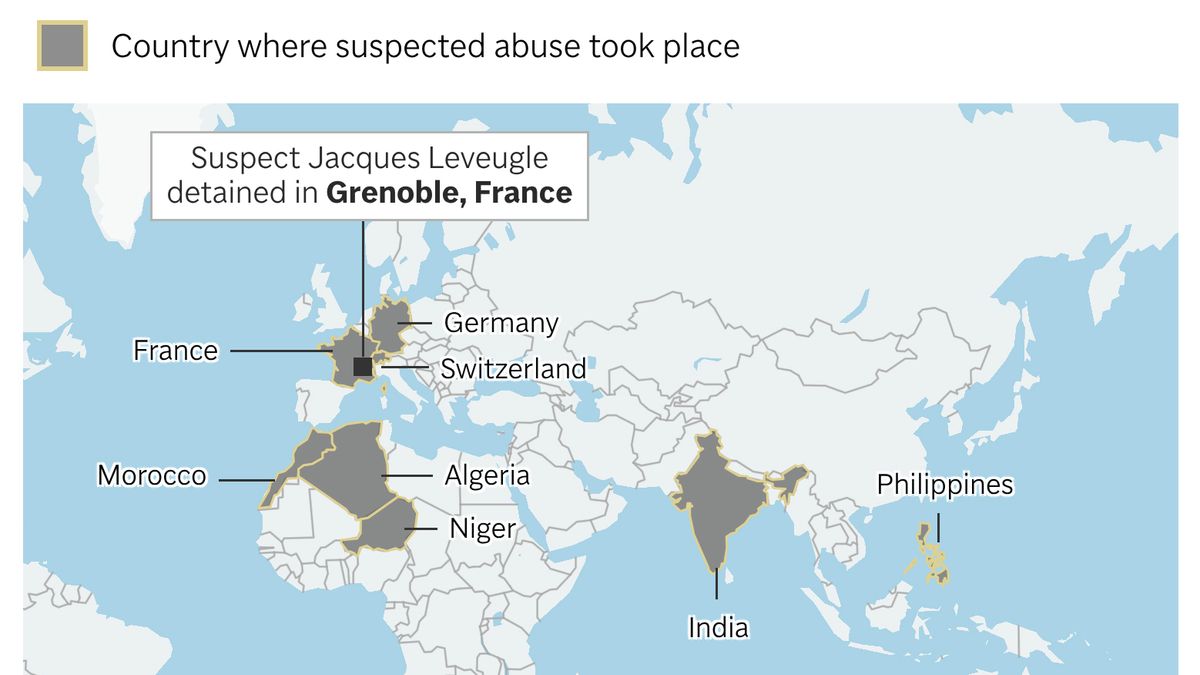
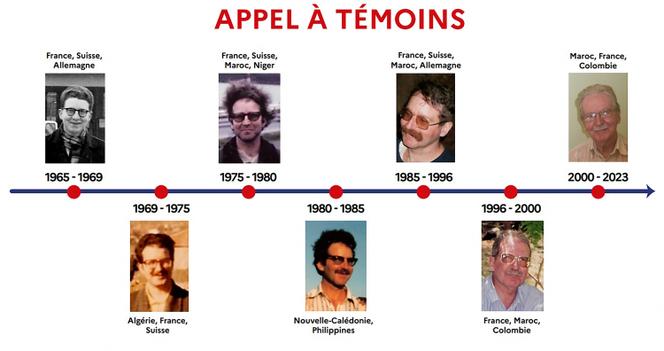
The international criminal investigation into Jacques Leveugle—a 79-year-old former educator accused of sexually assaulting 89 minors across nine countries (Germany, Switzerland, Morocco, Niger, Algeria, the Philippines, India, Colombia, and New Caledonia) from 1967-2022—represents a critical inflection point for the child safety and protective products market. French authorities' February 2026 international appeal and ongoing investigation through 2026 highlight systemic failures in institutional oversight, creating urgent demand for consumer-grade safety solutions that cross-border sellers can capitalize on.
Market Opportunity Analysis: The case's multi-continental scope (spanning Europe, Africa, Asia, and Oceania) reveals gaps in child protection infrastructure that drive consumer spending on preventive products. Parents and institutions across these regions are increasingly investing in monitoring technology, educational materials, and safety equipment. The global child safety market reached $6.2B in 2024 and is projected to grow 14-18% annually through 2028, driven by heightened awareness following high-profile cases. Sellers can target: (1) Parental monitoring software ($2-8/month subscriptions, 40M+ potential users globally), (2) Educational safety curricula (digital downloads, $15-45 per course), (3) Personal safety devices (GPS trackers, panic buttons, $30-150 per unit), and (4) Institutional compliance tools (background check services, training modules).
Regional Demand Patterns: The investigation's geographic footprint—spanning EU nations (Germany, Switzerland), African markets (Morocco, Niger, Algeria), and Asia-Pacific (Philippines, India, New Caledonia)—indicates uneven regulatory enforcement and consumer awareness. EU-based sellers should prioritize GDPR-compliant monitoring solutions for the €2.1B European child safety market. Asia-Pacific sellers can target the $1.8B emerging market segment where institutional oversight gaps are most acute. The case's connection to institutional failures (echoing 2025 surgeon conviction of Joël Le Scouarnec) signals demand for institutional accountability products: background verification services, staff training modules, and compliance documentation platforms that schools, camps, and youth organizations purchase at $5-25K annually.
Seller Action Framework: Immediate opportunities exist in three categories: (1) Digital products (lowest barrier to entry)—educational e-books on child safety ($9-29), online courses ($49-199), and downloadable safety guides require no inventory and scale globally; (2) Physical safety products—personal alarms, ID bracelets, and GPS devices with 35-45% margins on Amazon/eBay; (3) B2B institutional solutions—background check integrations, staff training platforms, and compliance dashboards targeting schools and youth organizations across the 9 affected nations. The investigation's 2026 trial timeline creates a 12-month marketing window where media coverage drives consumer awareness and purchasing intent.
Questions 8
Which marketplaces and sales channels offer best ROI for child safety products?
**Amazon** dominates with 45-50% of child safety product sales; focus on FBA for faster delivery and Buy Box eligibility. **eBay** shows 15-20% market share with strong auction demand for bundled safety kits. **Shopify** enables direct-to-consumer sales with 25-30% higher margins; effective for institutional B2B sales. **Specialized platforms** (SafetyKids.com, ParentingHub) offer niche audiences with 8-12% conversion rates vs. 2-3% on general marketplaces. **B2B channels** (school procurement platforms, institutional buyers) show highest lifetime value ($5-50K contracts). Recommended allocation: 40% Amazon FBA, 20% Shopify DTC, 15% eBay, 15% B2B partnerships, 10% niche platforms. Test channels with digital products first (lowest risk), then scale to physical products based on performance data.
What are the compliance and legal considerations for child safety product sellers?
Sellers must navigate: (1) **GDPR** (EU markets)—data residency, parental consent, child privacy rights; (2) **COPPA** (US)—restrictions on collecting data from children under 13; (3) **Regional regulations**—Morocco, Algeria, Philippines have varying child protection laws; (4) **Platform policies**—Amazon/eBay prohibit products marketed as surveillance without clear parental consent mechanisms. Monitoring software requires explicit parental authorization and transparent data handling. Background check services must comply with Fair Credit Reporting Act (US) and equivalent regulations. Liability insurance ($500-2K annually) recommended for institutional products. Legal review of product descriptions and terms of service essential before launch. Non-compliance risks account suspension and legal liability.