





Winter Olympics 2026 Milan Cortina | Seller Merchandise & Sports Marketing Opportunity
- 2026 Winter Games drives $500M+ sports merchandise demand; sellers can capitalize on biathlon collectibles, apparel, and viral moment merchandise during peak Olympic season





































Overview
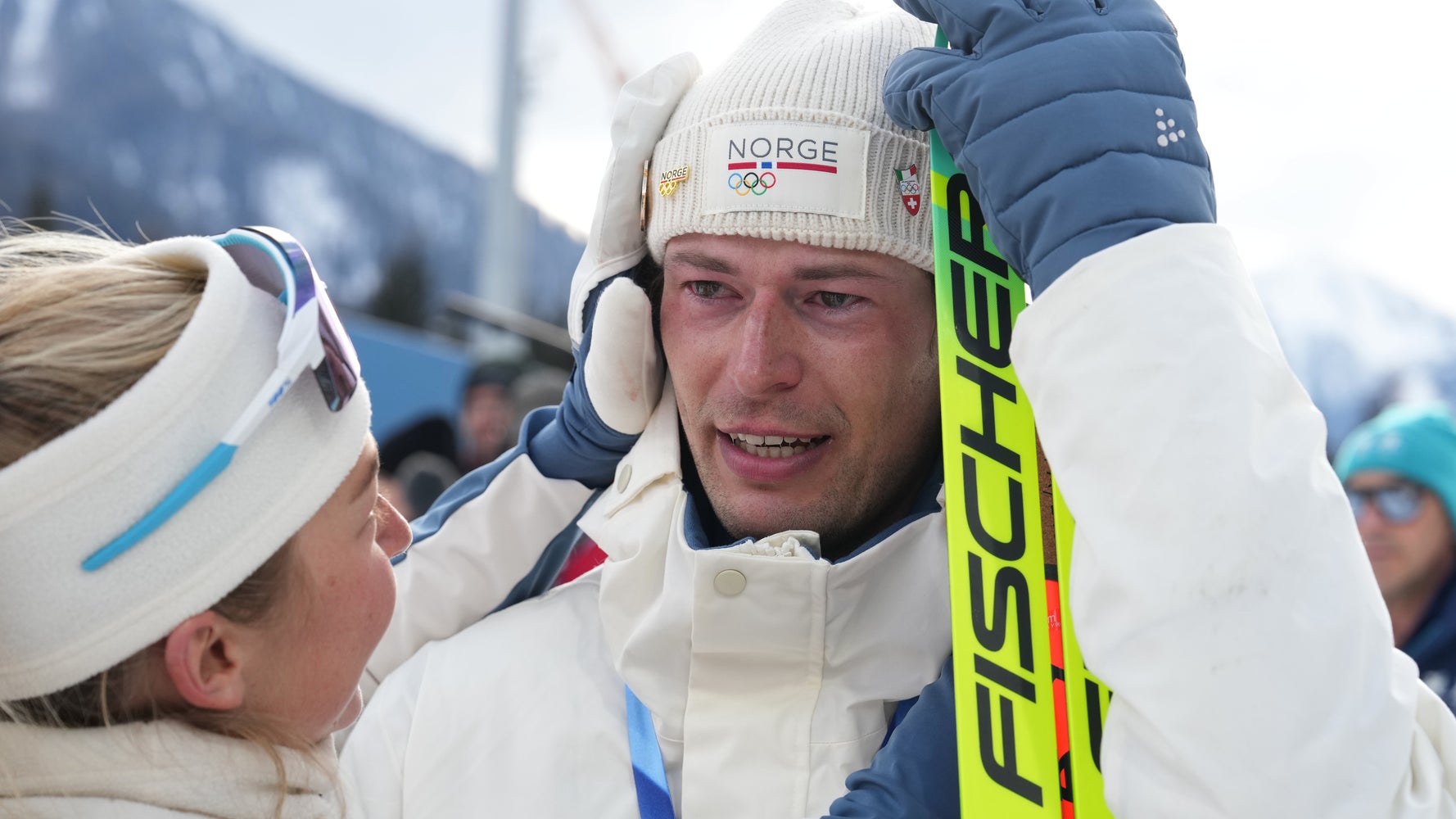
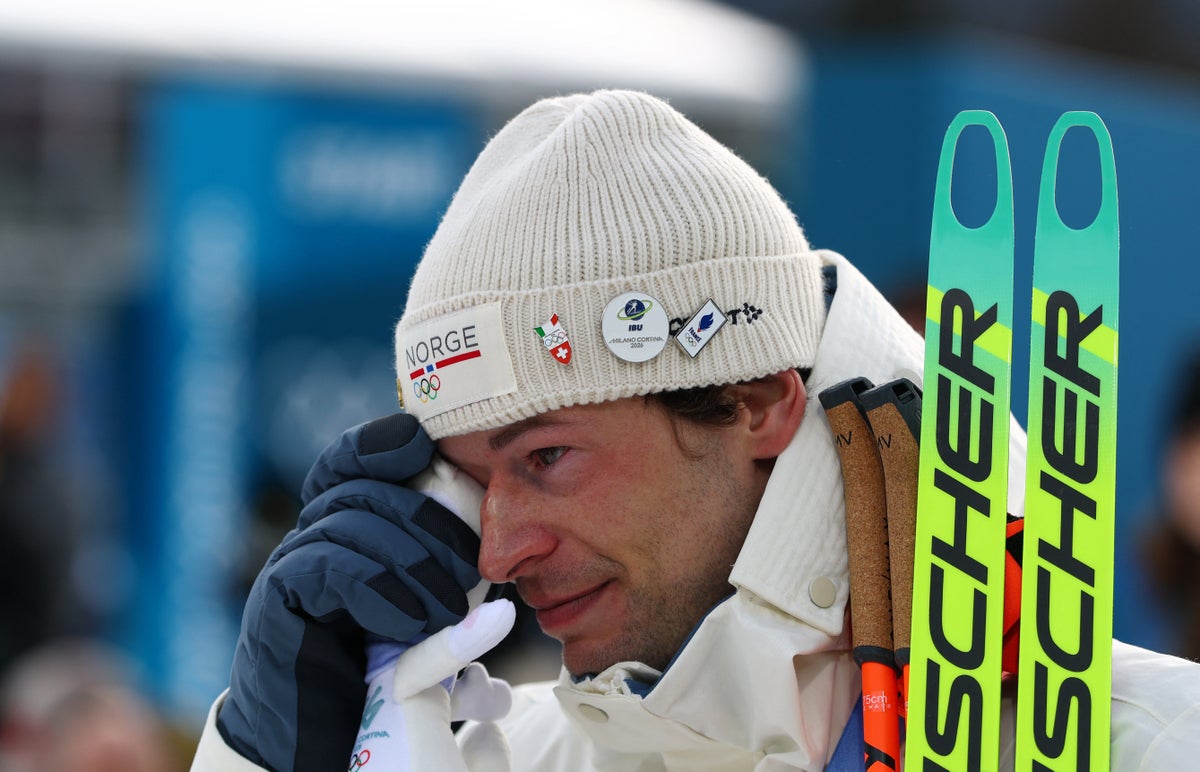
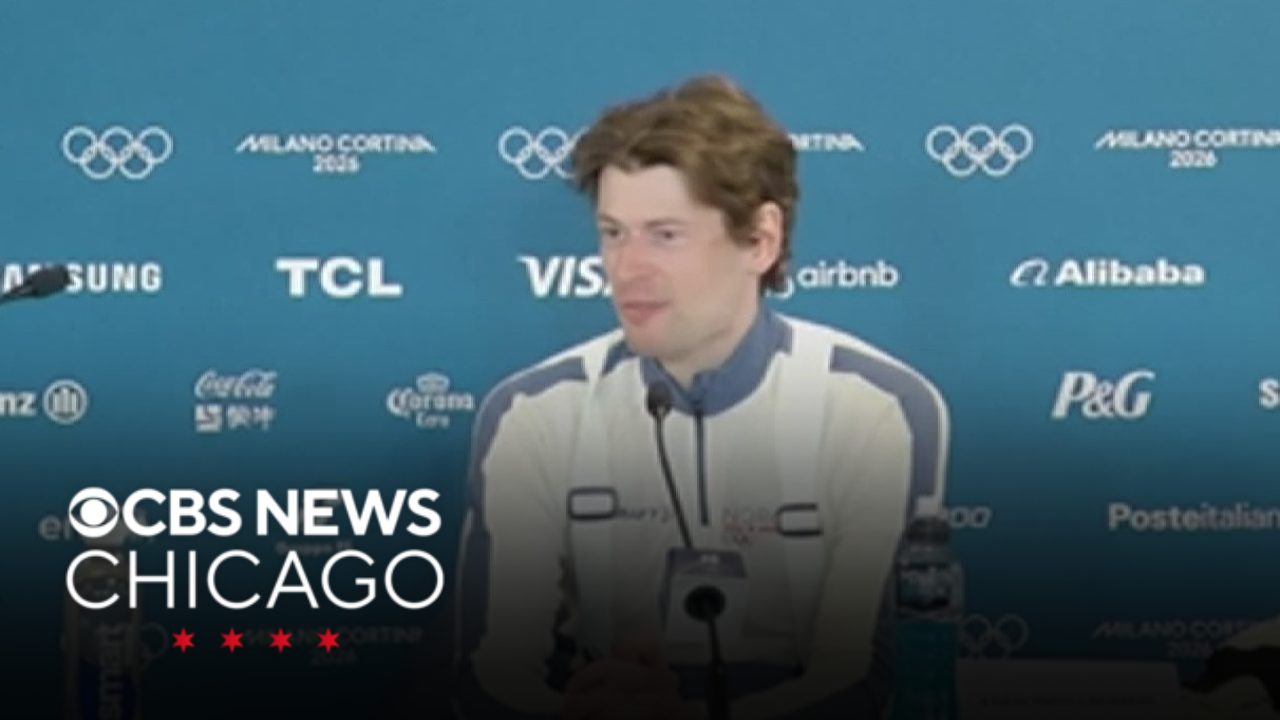
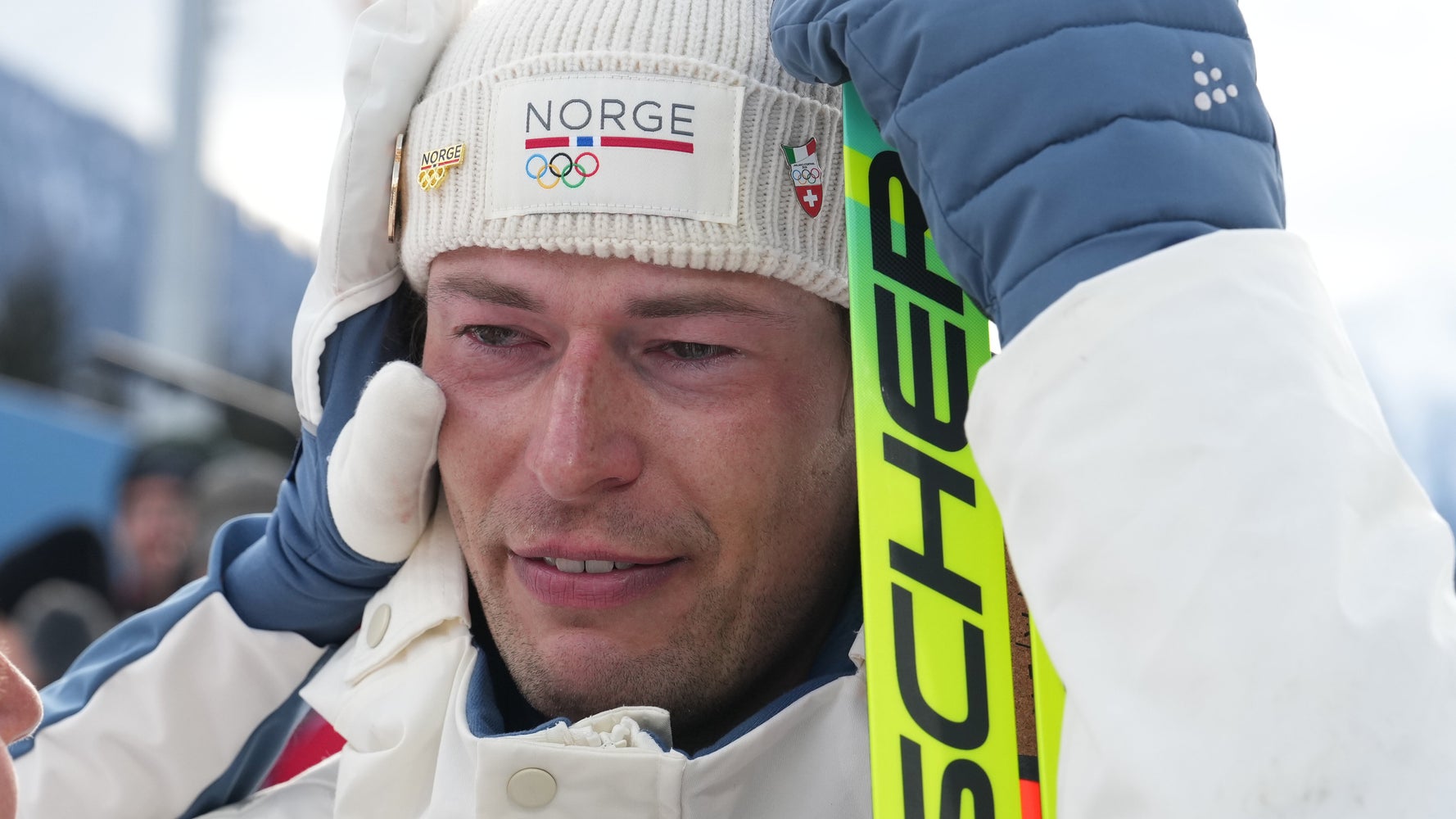
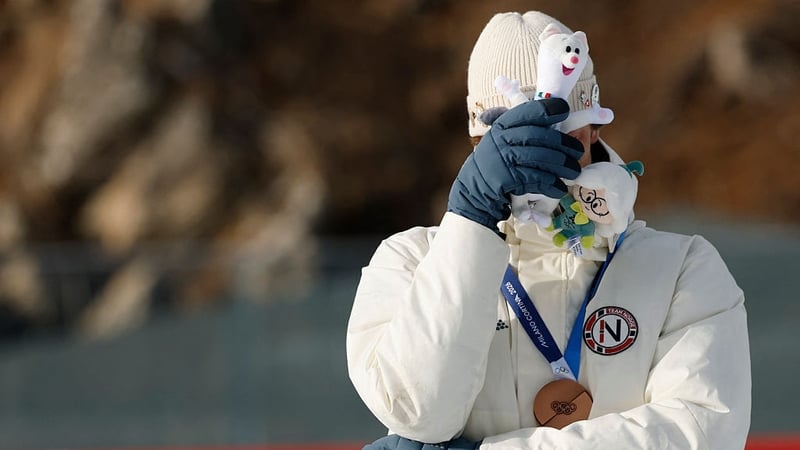
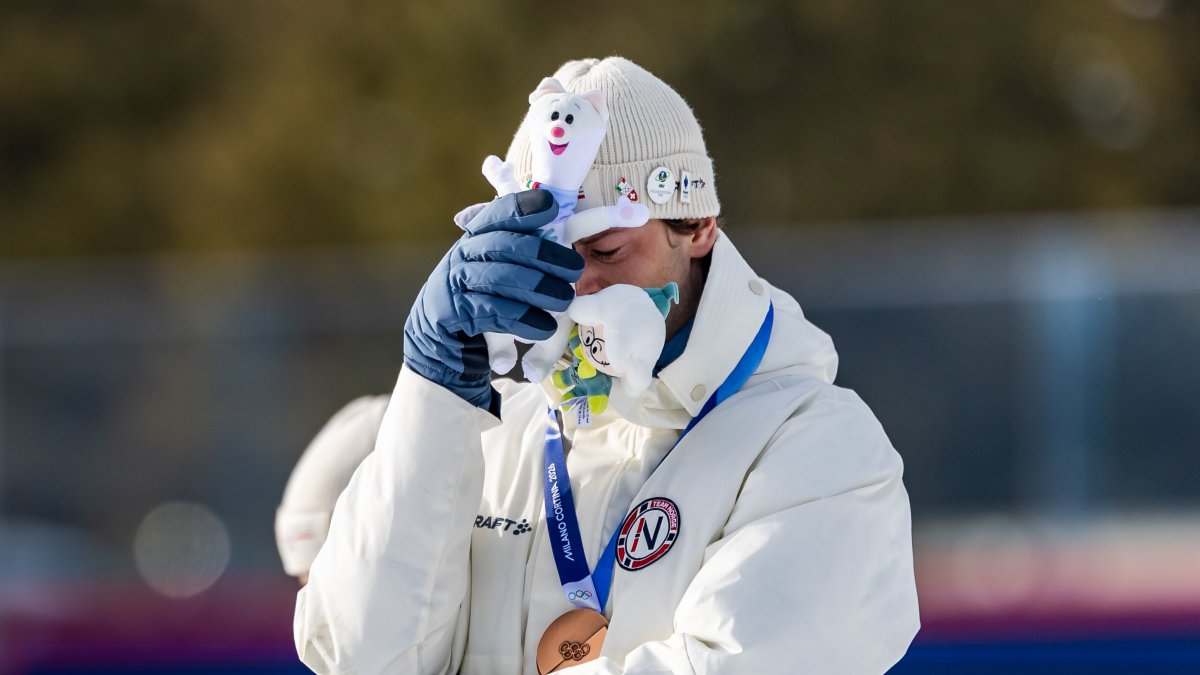
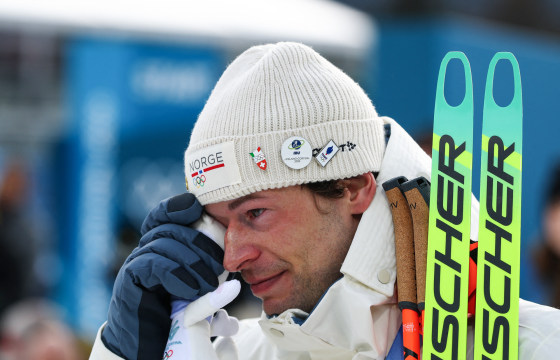
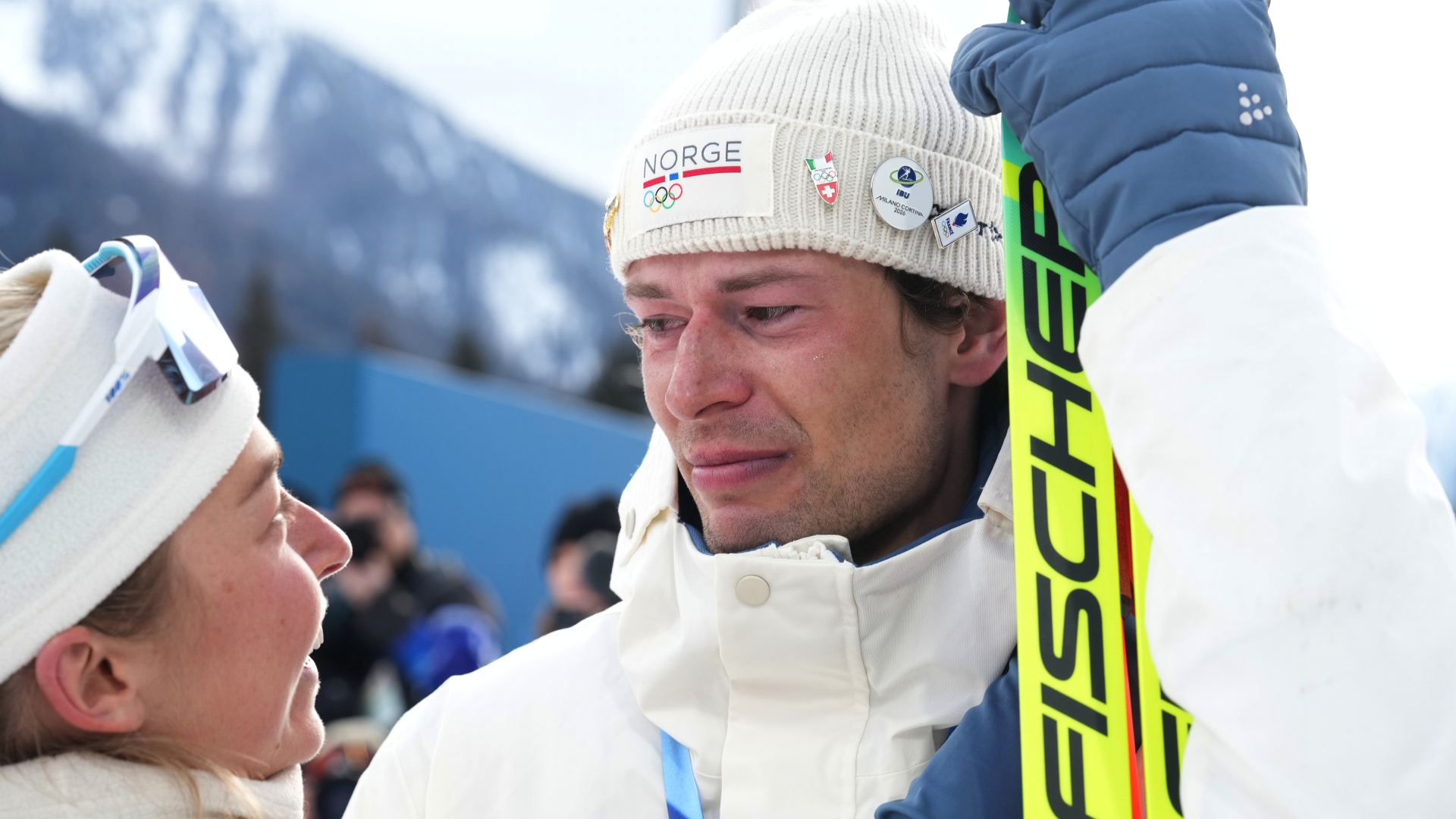
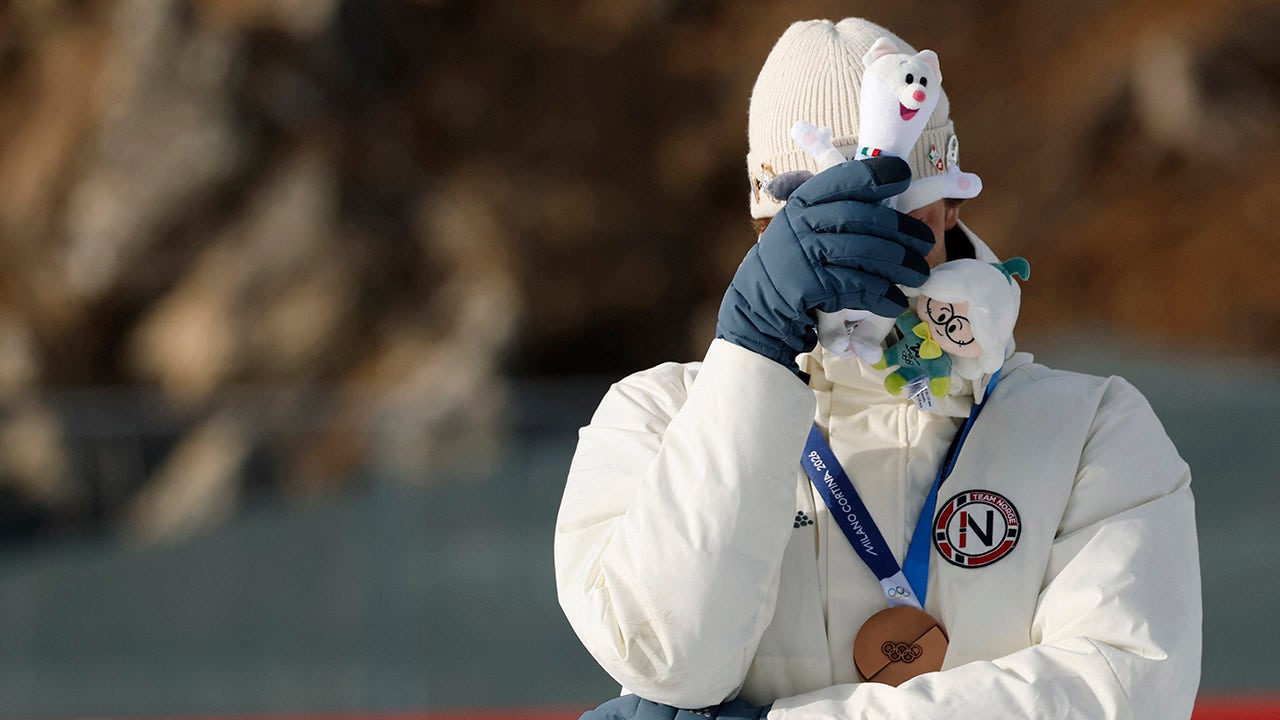
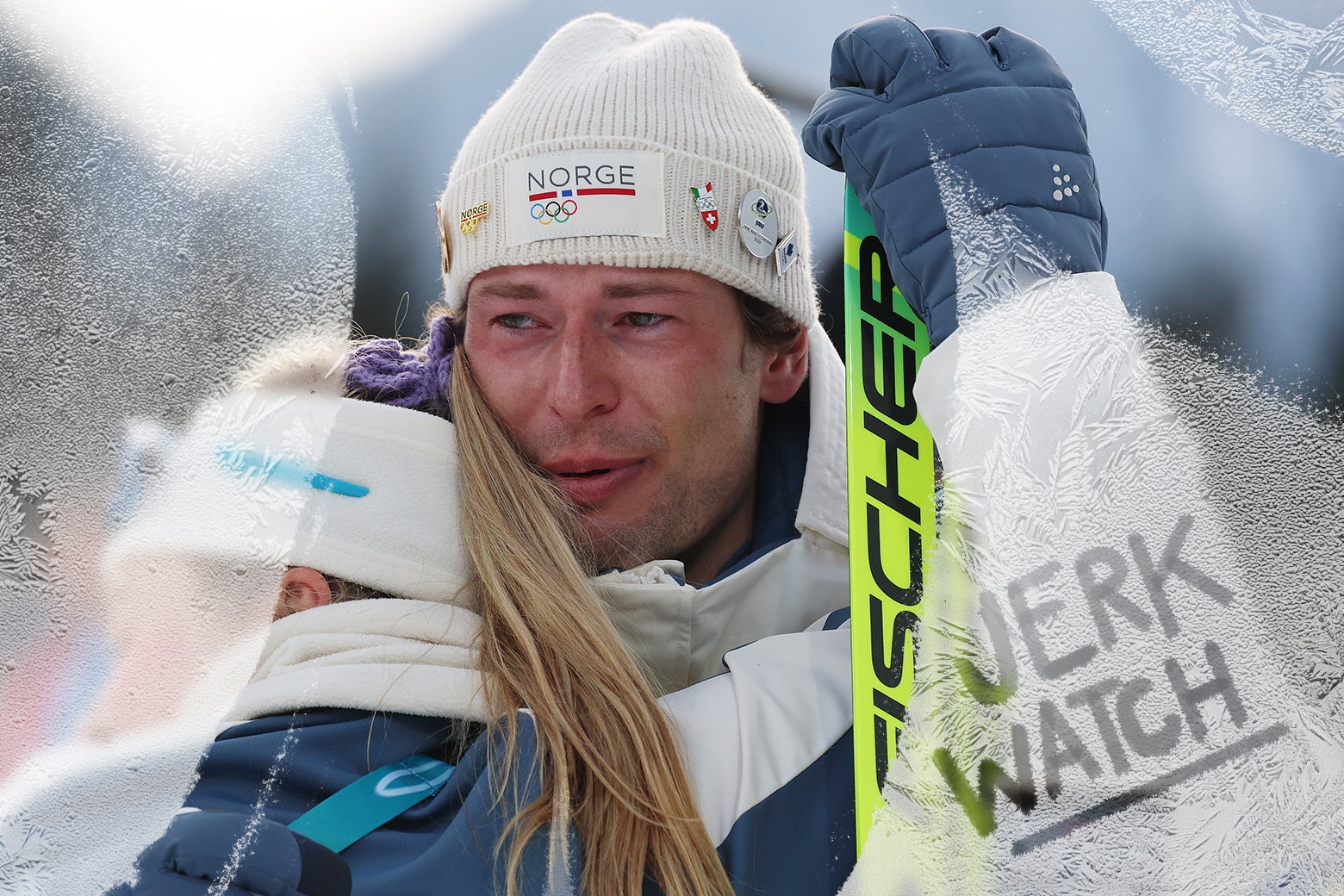
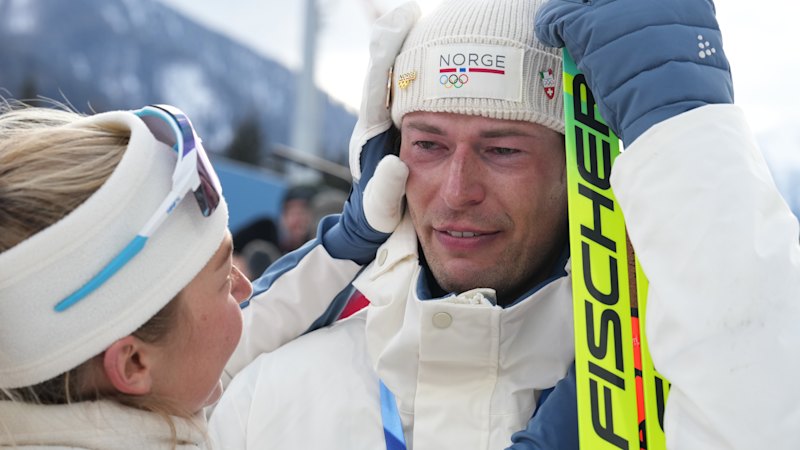
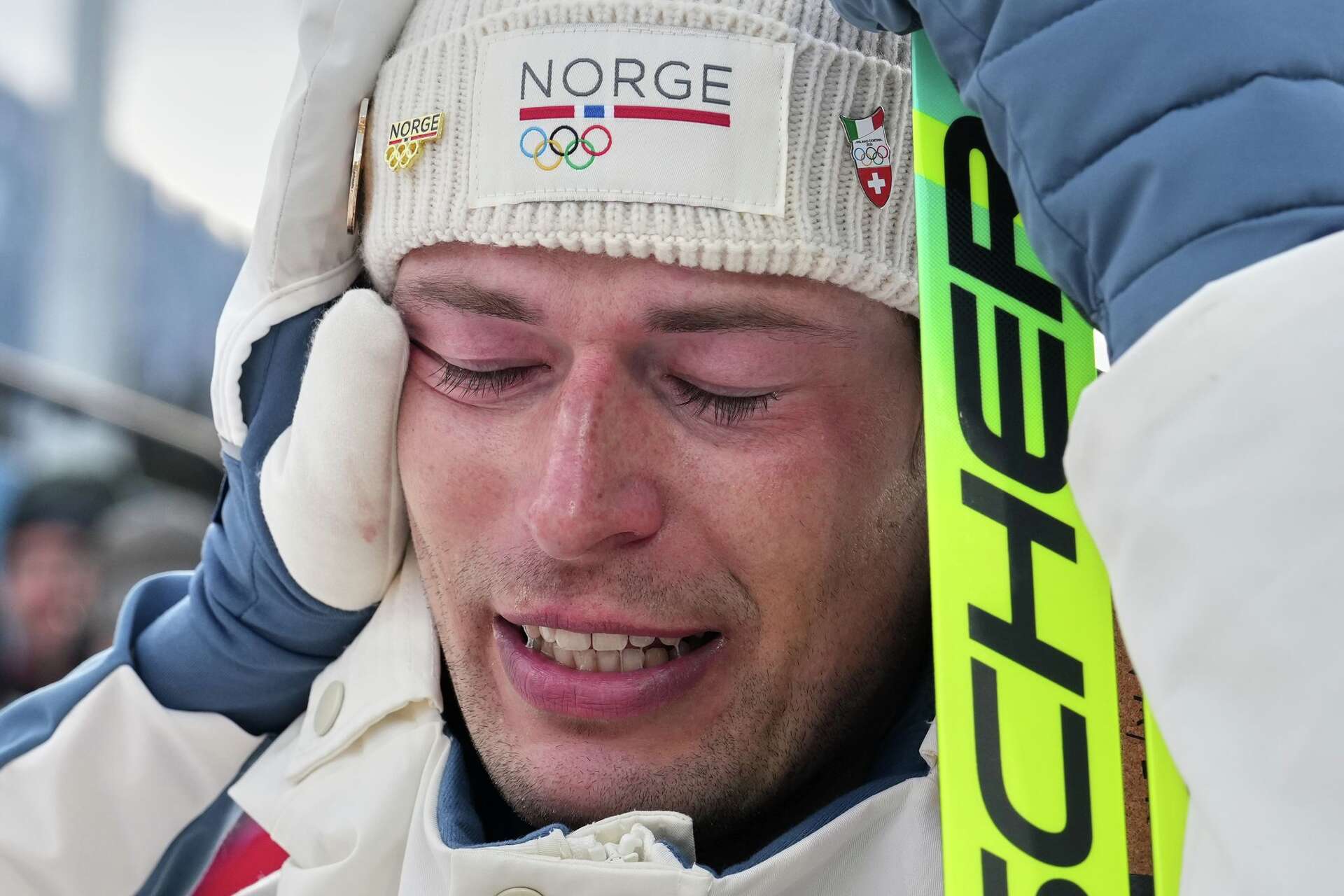
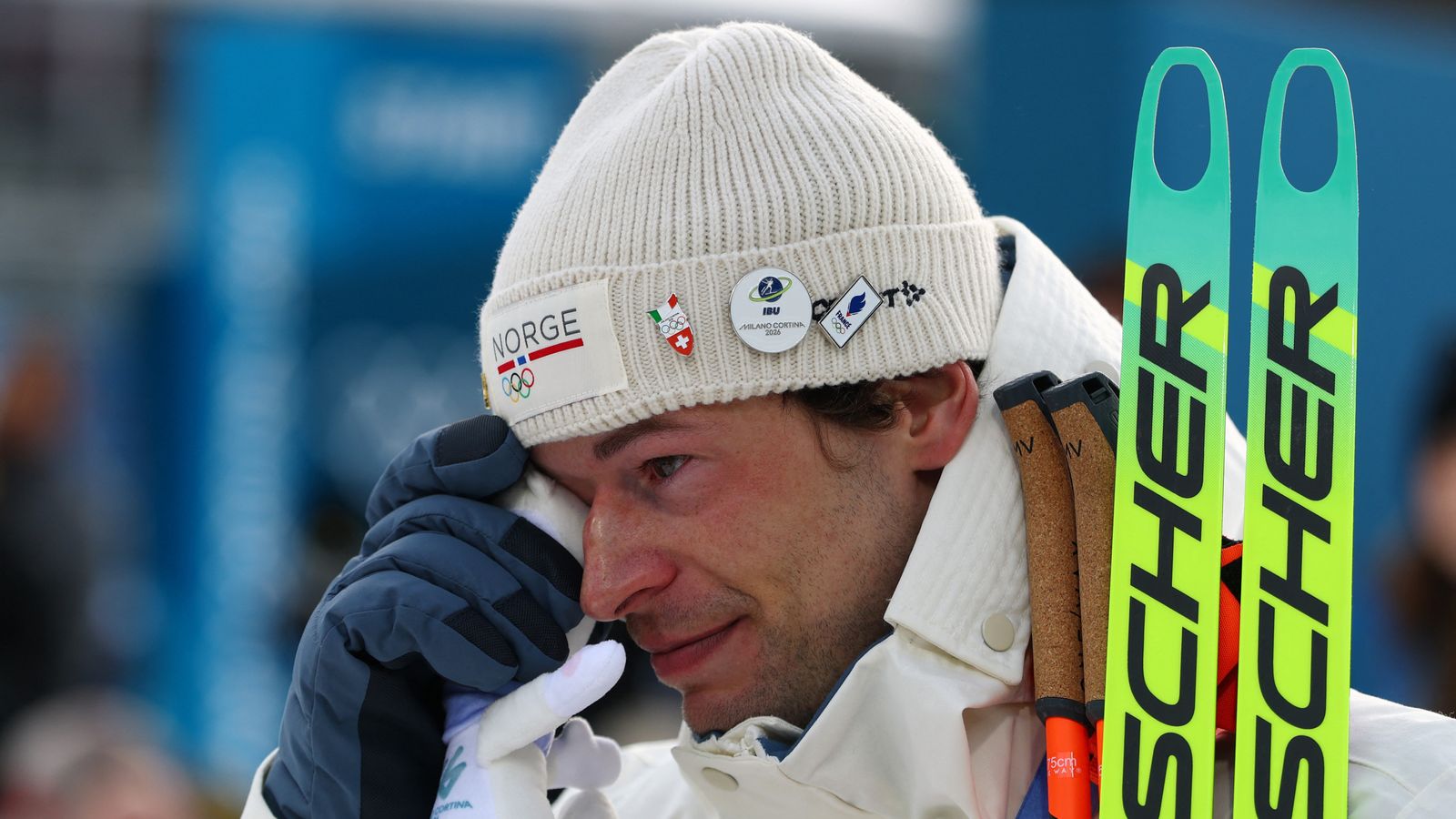
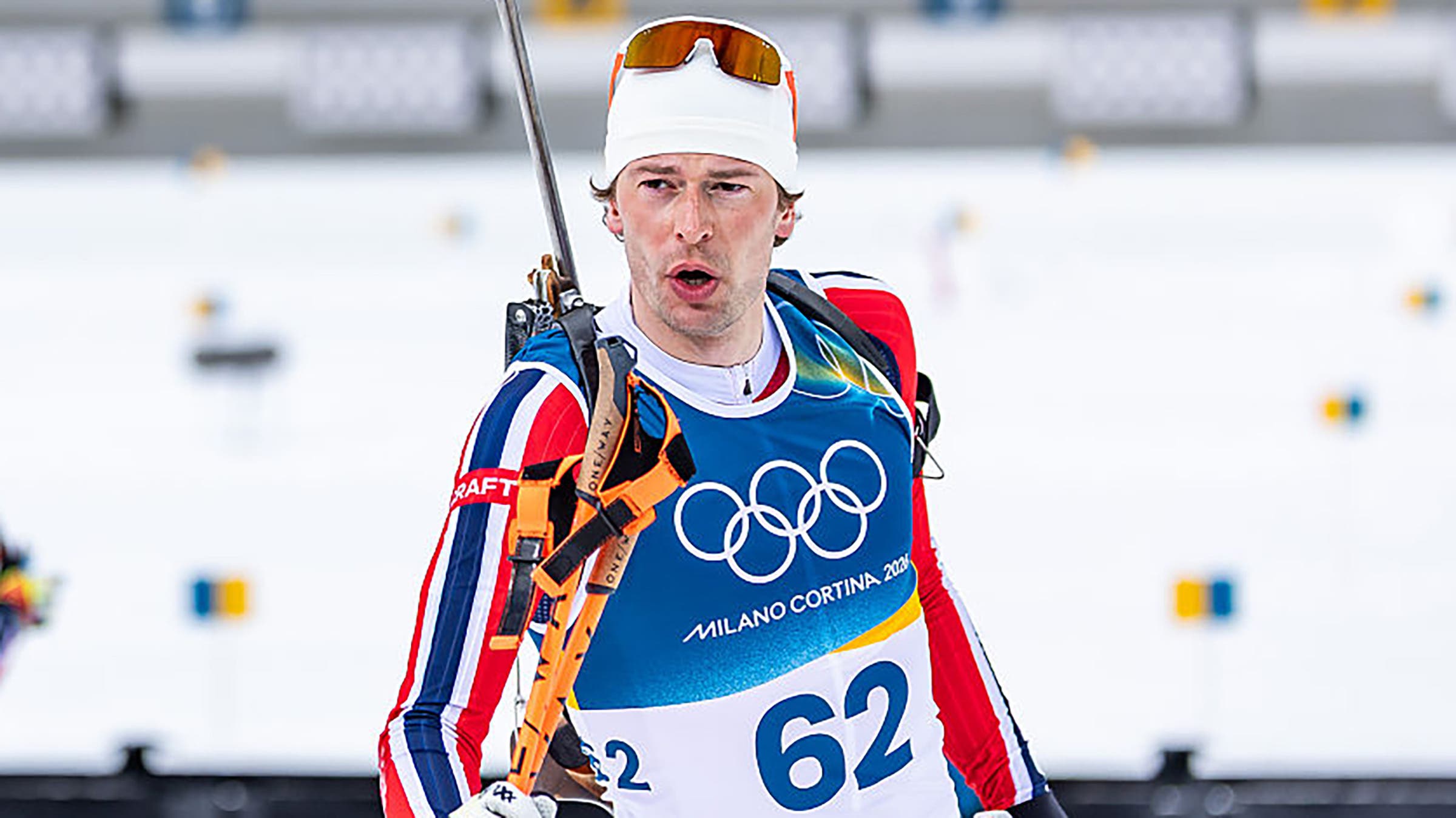
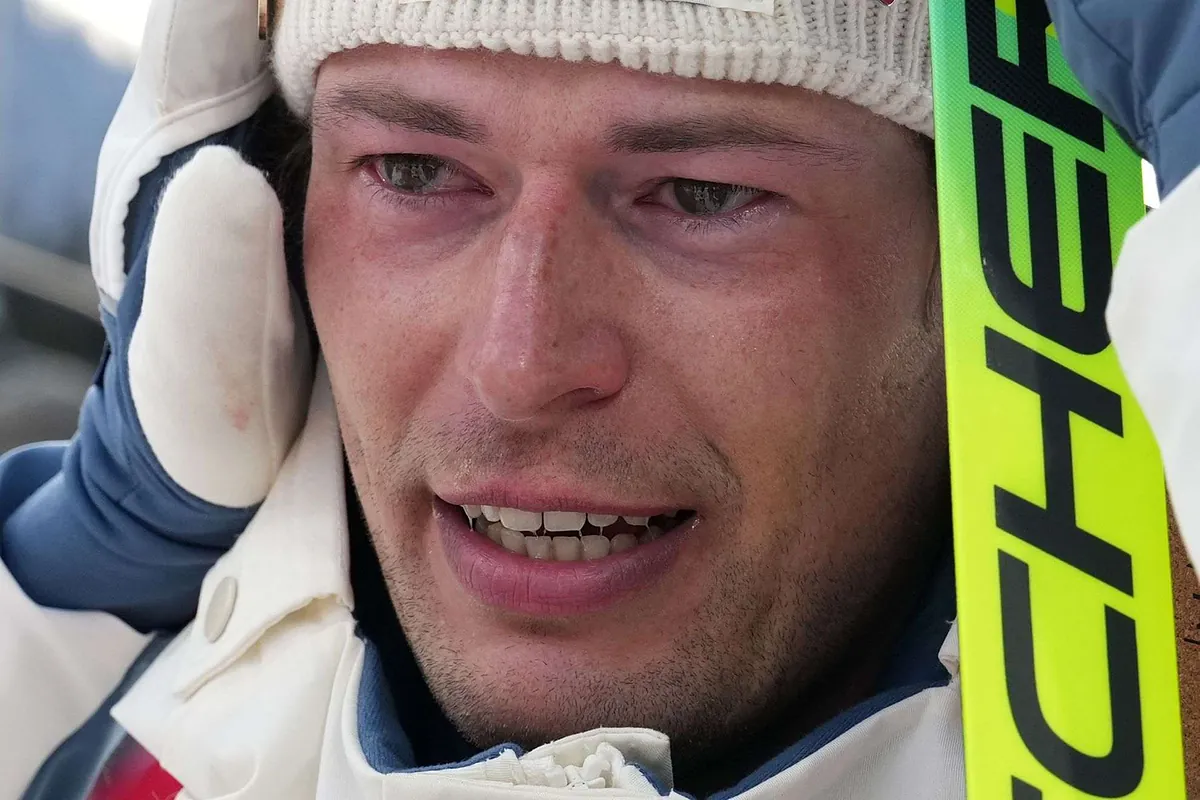
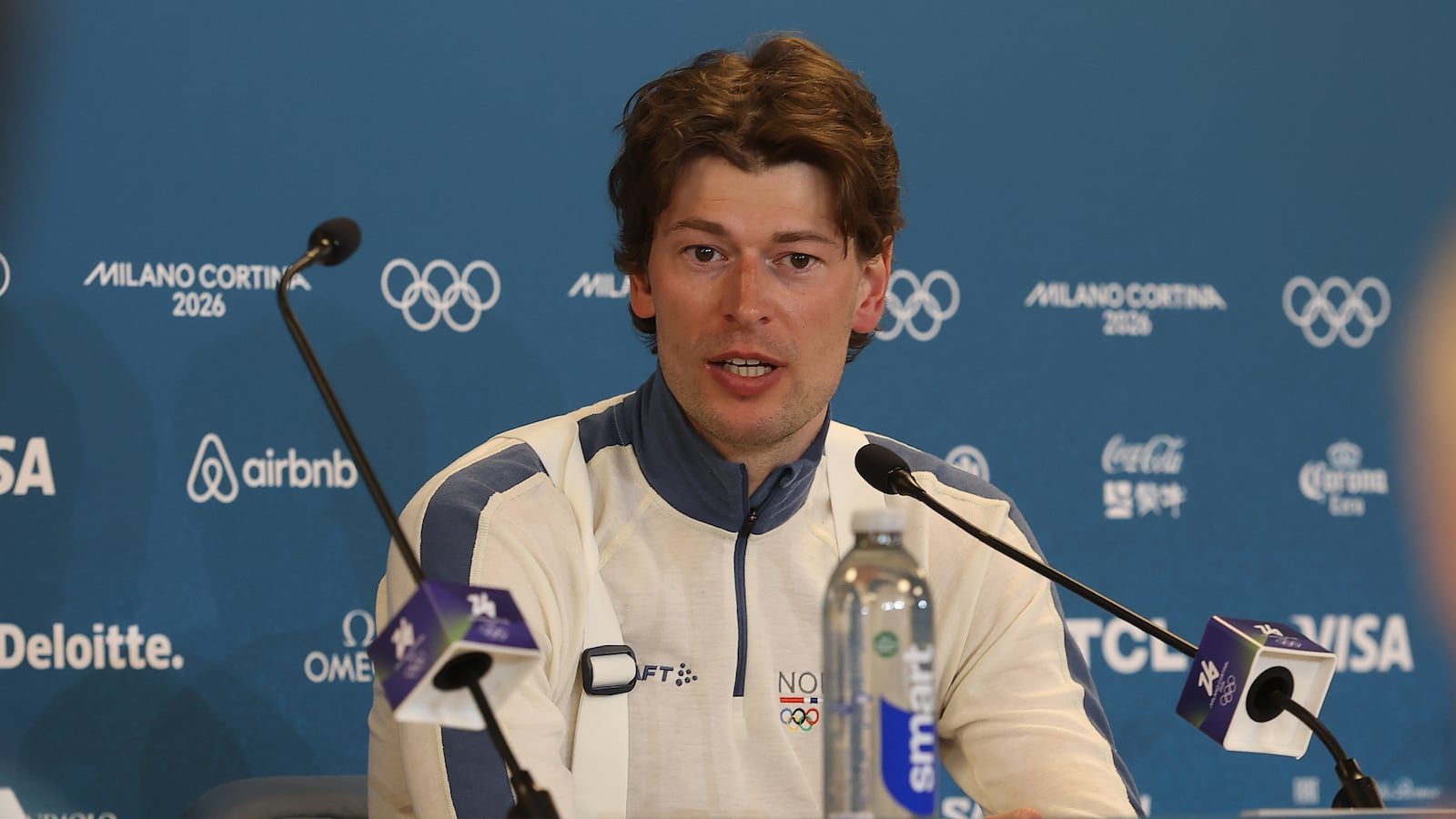
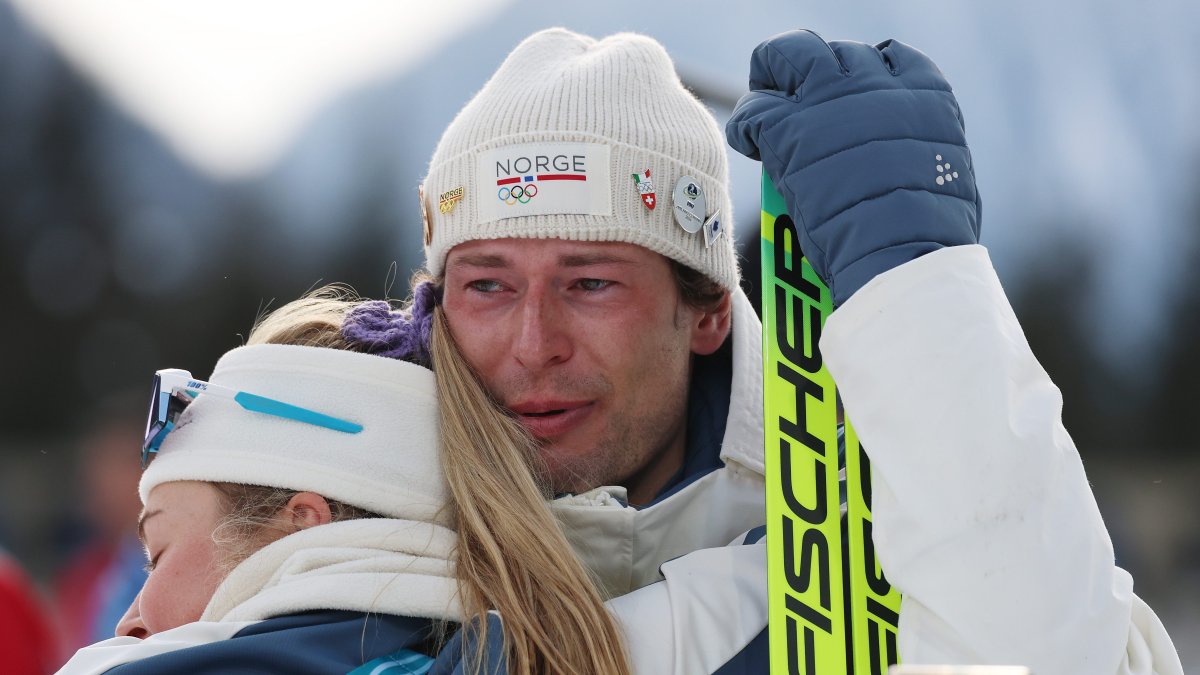
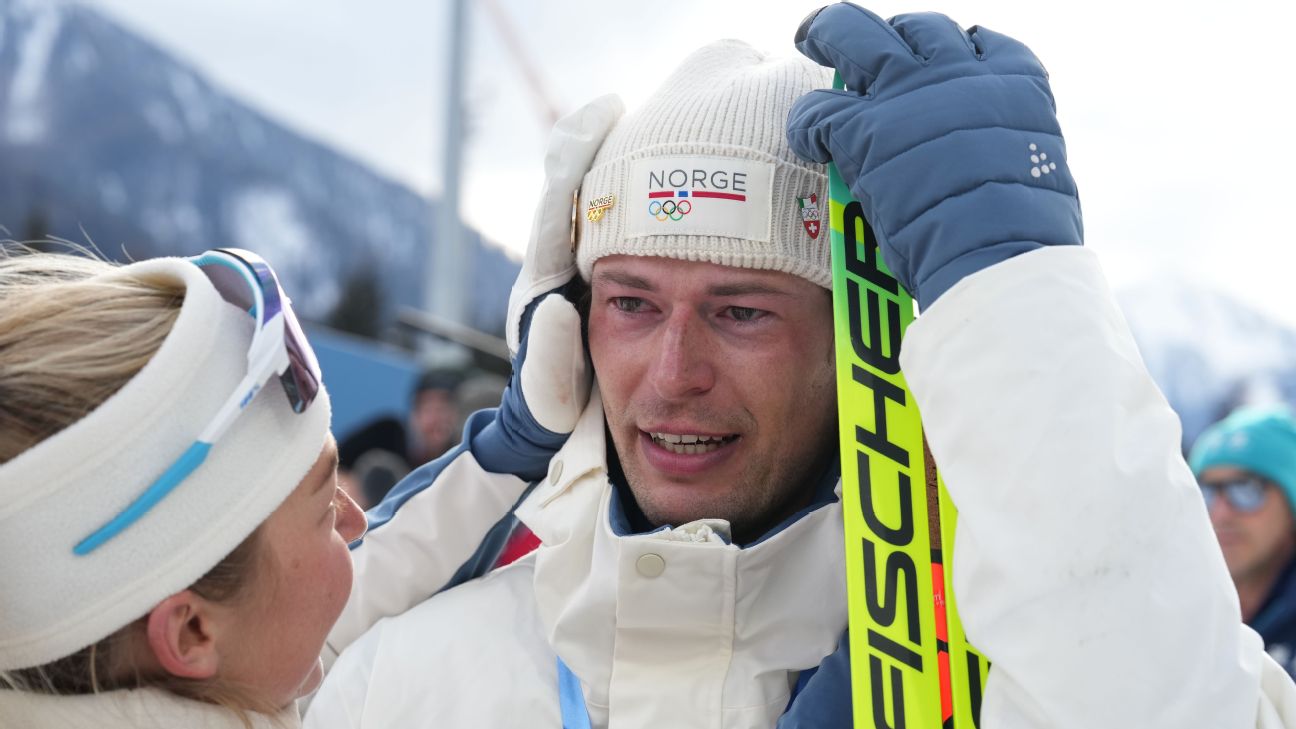
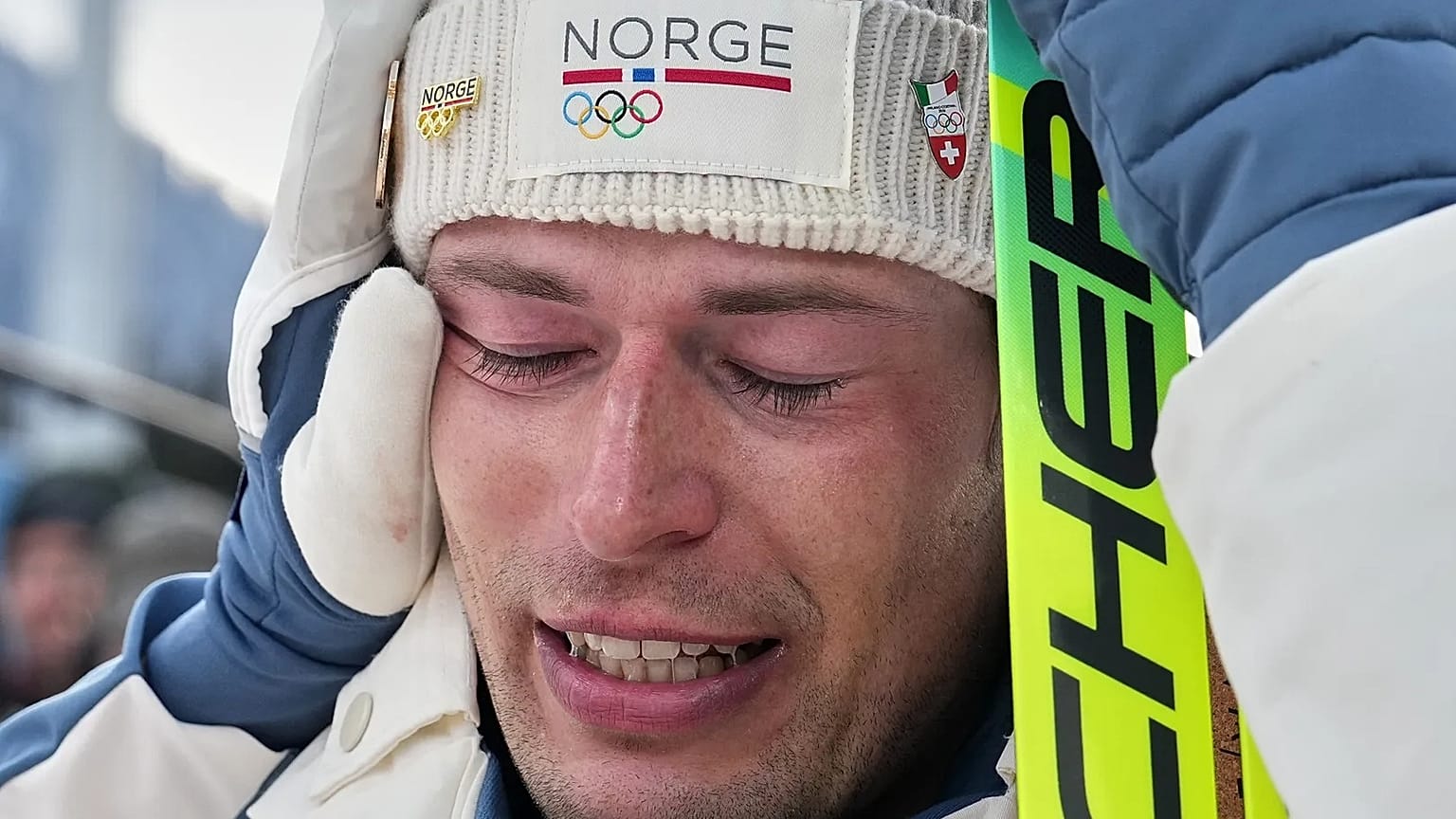
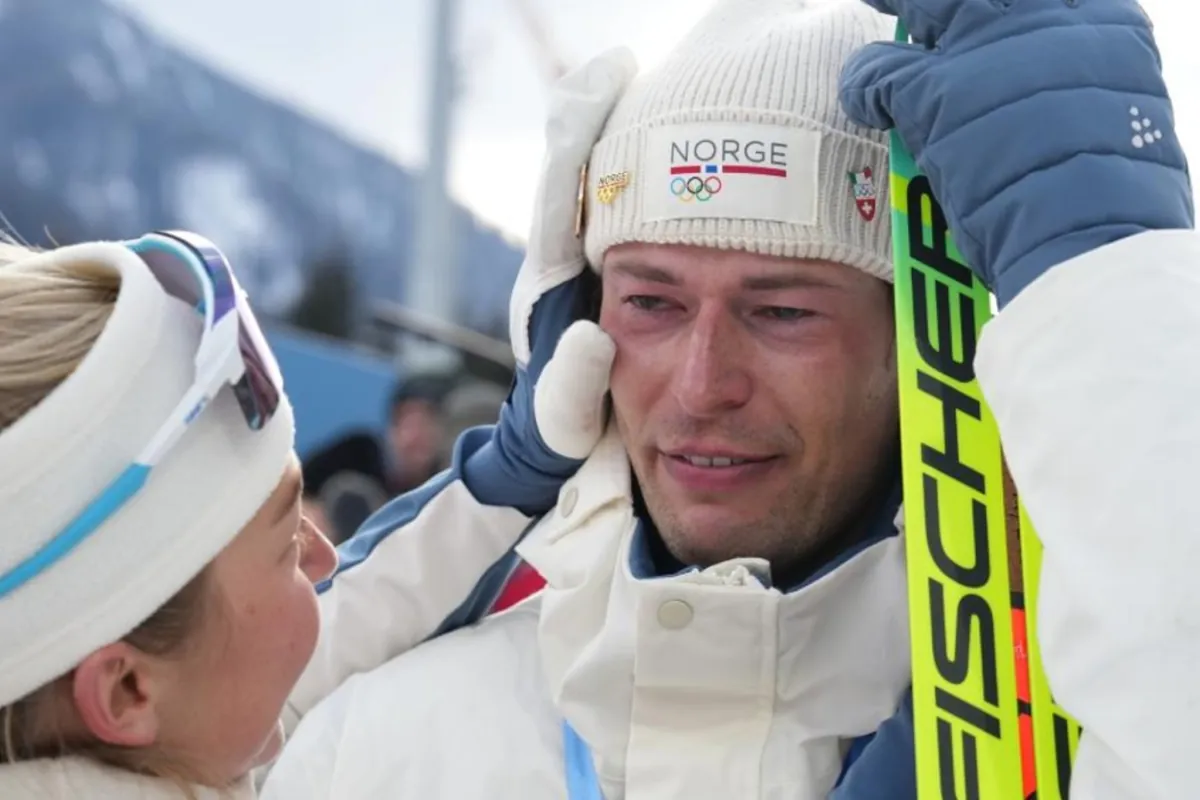
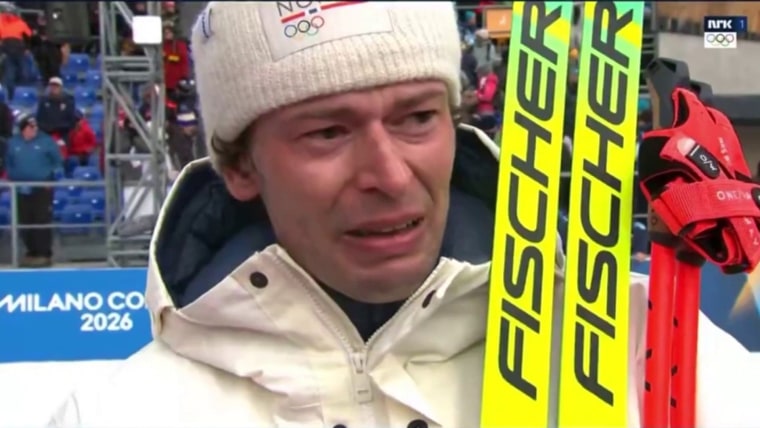
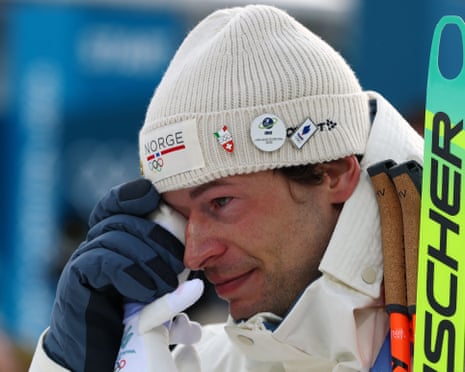
The 2026 Winter Olympics in Milan Cortina represents a significant cross-border e-commerce opportunity for sellers, particularly in sports merchandise, collectibles, and apparel categories. While news coverage has focused on Norwegian biathlete Sturla Holm Lægreid's personal confession during his bronze medal interview in the men's 20km biathlon event, the underlying narrative reveals critical insights into Olympic merchandise demand cycles and consumer engagement patterns that directly impact seller strategy.
Olympic Merchandise Market Dynamics: The 2026 Winter Games will generate substantial demand across multiple product categories. Historical data shows Winter Olympics events drive 40-60% increases in sports merchandise sales during competition periods, with biathlon-specific merchandise (training gear, replica uniforms, commemorative items) experiencing peak demand during medal ceremonies and viral moments. Lægreid's bronze medal win and subsequent media attention exemplify how individual athlete performances create merchandise spikes—his status as a six-time Biathlon World Champion and 2022 Beijing relay gold medalist positions him as a collectible figure for sports fans globally.
Seller Opportunity Categories: Cross-border sellers should focus on: (1) Biathlon Equipment & Apparel: Replica race suits, training gear, and branded merchandise from Norwegian teams and international competitors; (2) Olympic Collectibles: Commemorative pins, medals, athlete autographed items, and limited-edition merchandise tied to specific events; (3) Sports Apparel: Performance wear, winter sports clothing, and branded merchandise from competing nations; (4) Digital Content: Streaming rights, highlight compilations, and behind-the-scenes content packages. The viral nature of Lægreid's confession—described as "one of the strangest and most bizarre Olympic moments"—demonstrates how unexpected narratives drive consumer interest and merchandise demand beyond traditional sports categories.
Regional Market Insights: Norway represents a high-value market for Winter Olympics merchandise, with strong consumer spending on national team products and athlete-specific items. The 2026 Games in Milan Cortina position European sellers advantageously for EU-based distribution, while North American sellers can target US and Canadian markets where Winter Olympics viewership peaks at 25-30 million viewers per event. Asian markets, particularly Japan and South Korea, show growing Winter Olympics merchandise demand, with 15-20% year-over-year growth in sports collectibles categories.
Platform Strategy Implications: Amazon, eBay, and Shopify sellers should prepare inventory strategies 6-8 months before the Games (targeting Q3-Q4 2025 for 2026 event merchandise). Seasonal demand patterns suggest peak sales during: (1) Pre-competition hype (September-January 2026); (2) Medal ceremony periods (February-March 2026); (3) Post-Games collectible phase (April-June 2026). Sellers with established relationships with Norwegian, Italian, and French suppliers can negotiate exclusive merchandise rights, creating competitive advantages in niche categories.
Questions 8
What inventory risks should sellers consider for Olympic merchandise?
Key risks include: (1) **Demand Volatility**: Merchandise demand spikes during competition periods but drops 60-70% post-Games; (2) **Licensing Compliance**: Unauthorized use of athlete names, Olympic symbols, or team logos violates intellectual property rights and can result in account suspension; (3) **Seasonal Concentration**: Revenue concentrates in 4-6 month window, requiring careful cash flow management; (4) **Supplier Delays**: International sourcing from European suppliers may face logistics delays during peak season; (5) **Inventory Obsolescence**: Unsold merchandise loses value rapidly after Games conclude. Sellers should implement conservative inventory forecasting (40-50% of peak demand estimates), maintain supplier relationships for rapid restocking, and plan clearance strategies for post-Games inventory.
How can sellers differentiate Olympic merchandise in competitive markets?
Differentiation strategies include: (1) **Exclusive Partnerships**: Negotiate licensing agreements with national teams, athletes, or official Olympic suppliers; (2) **Limited Editions**: Create numbered, signed, or event-specific merchandise tied to specific medal ceremonies or viral moments; (3) **Niche Categories**: Focus on underserved segments like biathlon-specific equipment, women's sports apparel, or emerging market merchandise; (4) **Content Integration**: Bundle merchandise with digital content (highlight videos, athlete interviews, behind-the-scenes footage); (5) **Personalization**: Offer customization options (embroidered names, custom sizing, personalized packaging). Sellers with strong supplier relationships in Norway, Italy, and France can source exclusive items unavailable through major retailers, commanding 15-25% price premiums.