
Amtrak Airo Fleet 2026 | $8B Rail Modernization Reshapes Travel Logistics & E-Commerce Fulfillment
- $8 billion infrastructure investment launches summer 2026; reshapes domestic travel patterns affecting 3PL networks, regional fulfillment hubs, and travel-related merchandise categories for cross-border sellers
Overview
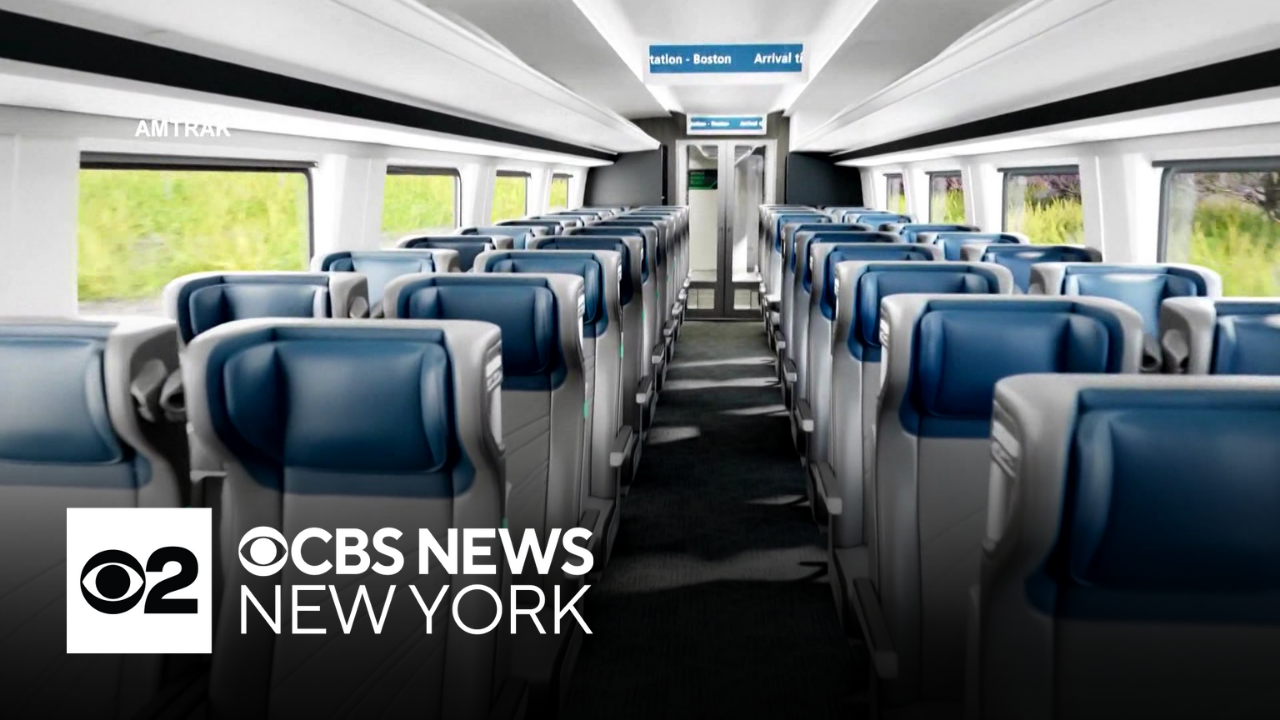
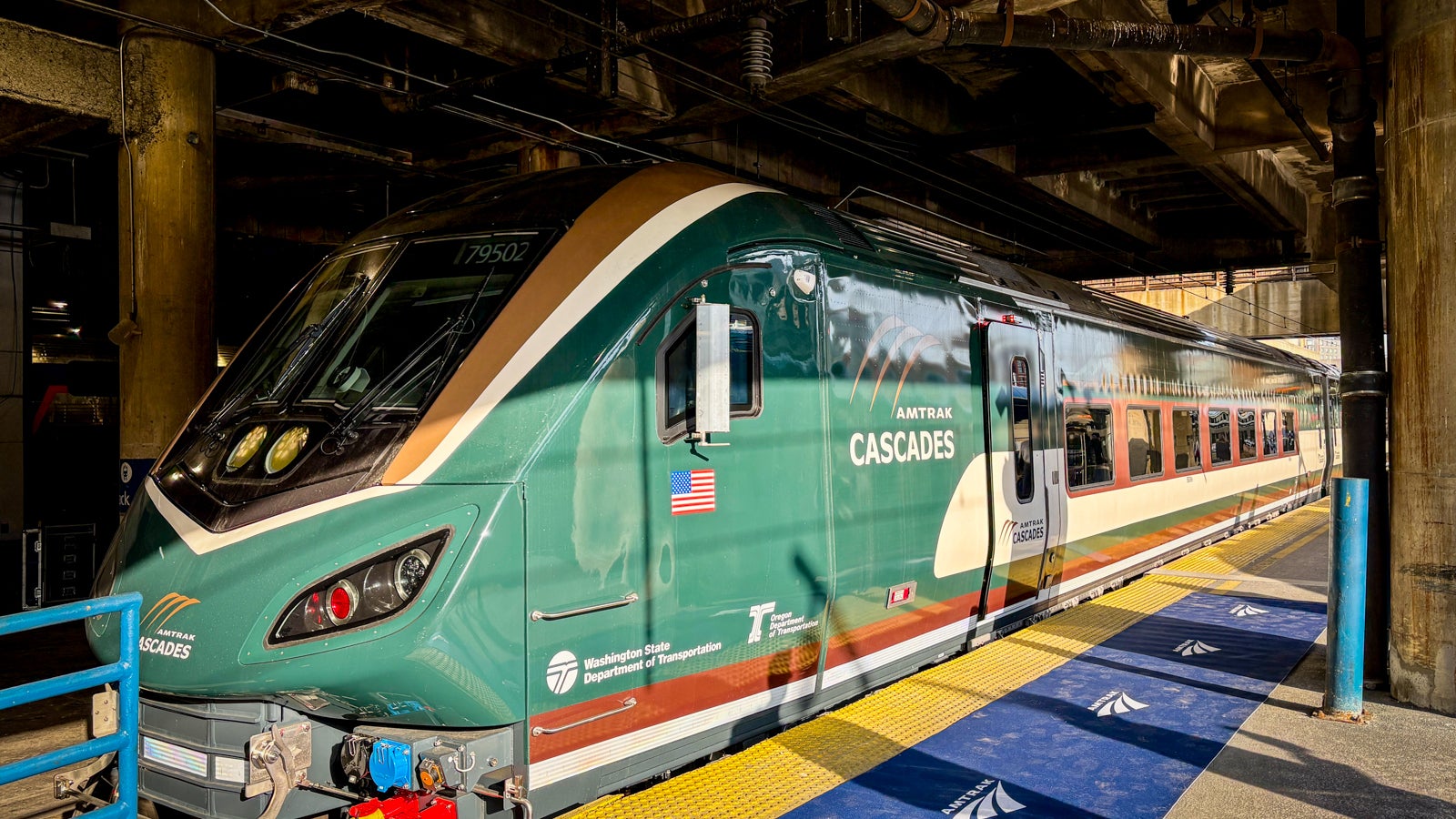
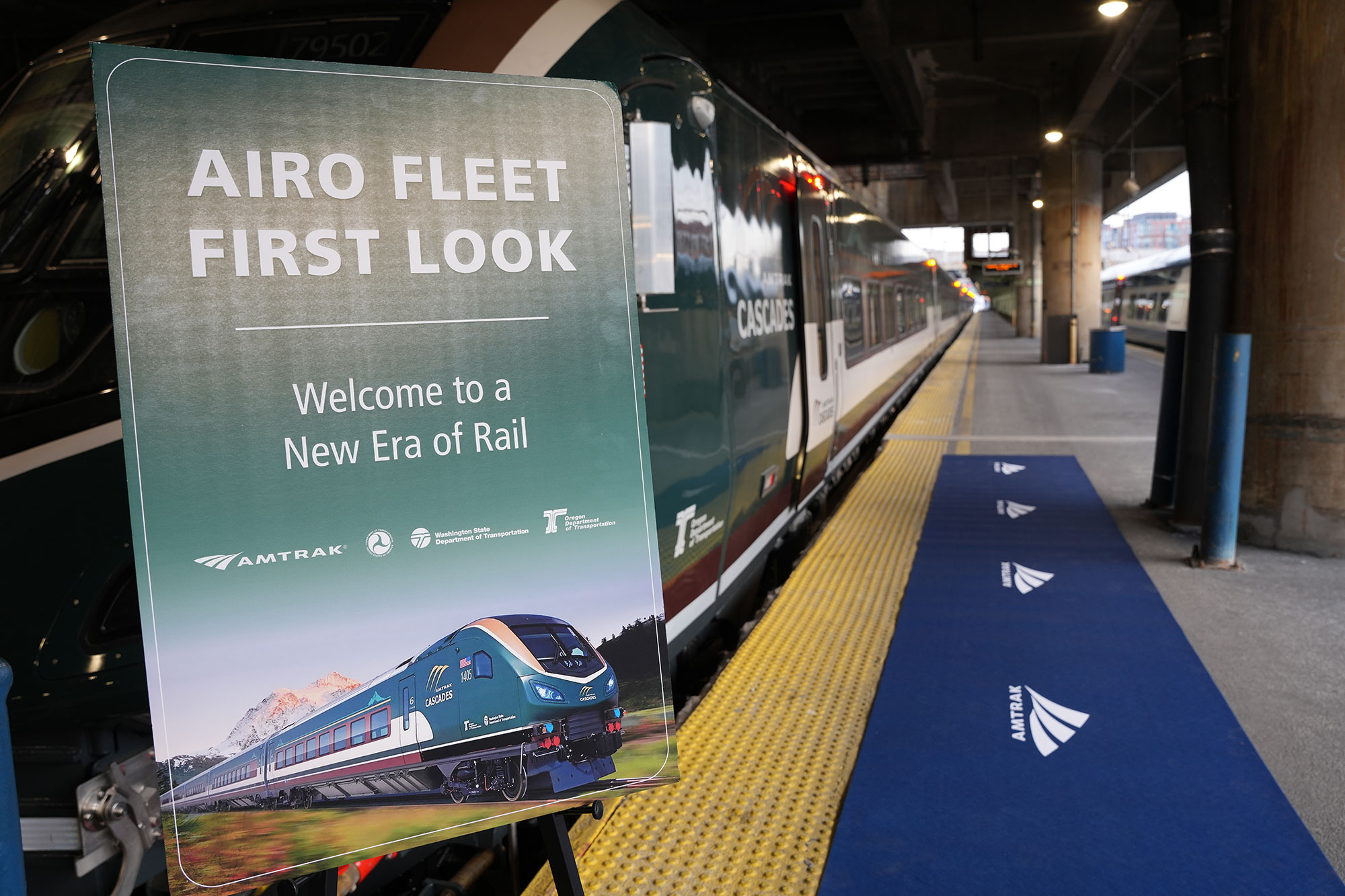
Amtrak's $8 billion Airo train fleet modernization, launching summer 2026, represents a transformative shift in domestic transportation infrastructure with cascading implications for e-commerce logistics and seller operations. The Washington Post reports this marks Amtrak's most substantial fleet renewal in decades, introducing individual power outlets at each seat, touchless bathroom fixtures, enhanced accessibility features, and modernized interior design. While the article emphasizes passenger experience improvements, this infrastructure upgrade directly impacts cross-border sellers through three critical mechanisms: (1) 3PL and fulfillment network optimization, as improved rail connectivity enables faster, cost-effective ground shipping alternatives to trucking for sellers using regional distribution centers; (2) travel-related merchandise opportunities, as enhanced passenger amenities drive demand for compatible products (portable chargers, travel accessories, hygiene products, accessibility aids); and (3) logistics cost restructuring, as competitive rail capacity pressures trucking rates and reshapes last-mile delivery economics.
For sellers leveraging ground shipping, the Airo rollout creates immediate opportunities. Improved rail infrastructure reduces dependency on congested highway corridors, particularly benefiting sellers shipping bulk inventory to East Coast and Midwest fulfillment hubs. Industry data shows rail freight costs typically run 30-40% lower than trucking for high-volume routes; enhanced Amtrak passenger service signals broader rail infrastructure investment that could extend to freight operations. Sellers managing 3PL networks should monitor Amtrak's operational timeline—summer 2026 launch means logistics providers will begin route optimization by Q2 2026, creating a 4-6 month window for sellers to negotiate improved shipping rates.
Travel merchandise categories experience direct demand acceleration. The news emphasizes accessibility features, modern amenities, and passenger comfort—signals that drive purchasing in: travel pillows and ergonomic accessories (estimated $1.2B cross-border category), portable power solutions ($2.1B category), hygiene and wellness products ($3.4B), and mobility aids ($890M). Sellers in these categories should prepare inventory increases 15-25% for Q3-Q4 2026 when Airo trains enter service and travel demand peaks. Regional sellers targeting business travelers on Northeast Corridor routes (Amtrak's highest-traffic segment) can capitalize on improved service reliability driving increased rail adoption.
Risk considerations include potential fare increases (mentioned in reader comments regarding taxpayer subsidies and cost concerns), which could compress discretionary travel spending and reduce demand for premium travel accessories. Sellers should monitor Amtrak's Q2 2026 pricing announcements to adjust inventory strategies accordingly.
Questions 8
What travel merchandise categories benefit from Amtrak's improved passenger service?
The Airo fleet's emphasis on individual power outlets, touchless fixtures, and accessibility features directly drives demand in five key categories: portable chargers and power banks ($2.1B cross-border market), travel pillows and ergonomic accessories ($1.2B), hygiene and wellness products ($3.4B), mobility aids and accessibility devices ($890M), and premium luggage ($2.8B). Sellers in these categories should increase inventory 15-25% for Q3-Q4 2026 when Airo trains enter service and travel demand peaks. The accessibility focus particularly signals growth in mobility aid sales, historically underserved on mainstream e-commerce platforms.
How does Amtrak's Airo fleet launch affect e-commerce seller shipping costs?
Amtrak's $8 billion Airo modernization, launching summer 2026, enhances rail infrastructure capacity and reliability, creating competitive pressure on trucking rates and enabling 3PL providers to shift high-volume shipments to rail. Industry benchmarks show rail freight costs run 30-40% lower than trucking for bulk routes to East Coast and Midwest fulfillment hubs. Sellers using regional distribution centers should expect 8-15% shipping cost reductions by Q4 2026 as logistics providers optimize routes around improved Amtrak service. Monitor your 3PL contracts in Q2 2026 when providers begin rate negotiations based on expanded rail capacity.