

Smartphone Camera Innovation Drives Premium Device Demand | Seller Opportunity in Photography Accessories
- Samsung's variable aperture revival signals 2026-2027 flagship upgrade cycle, creating demand surge for camera accessories, phone cases, and content creation tools targeting professional mobile photographers











Overview
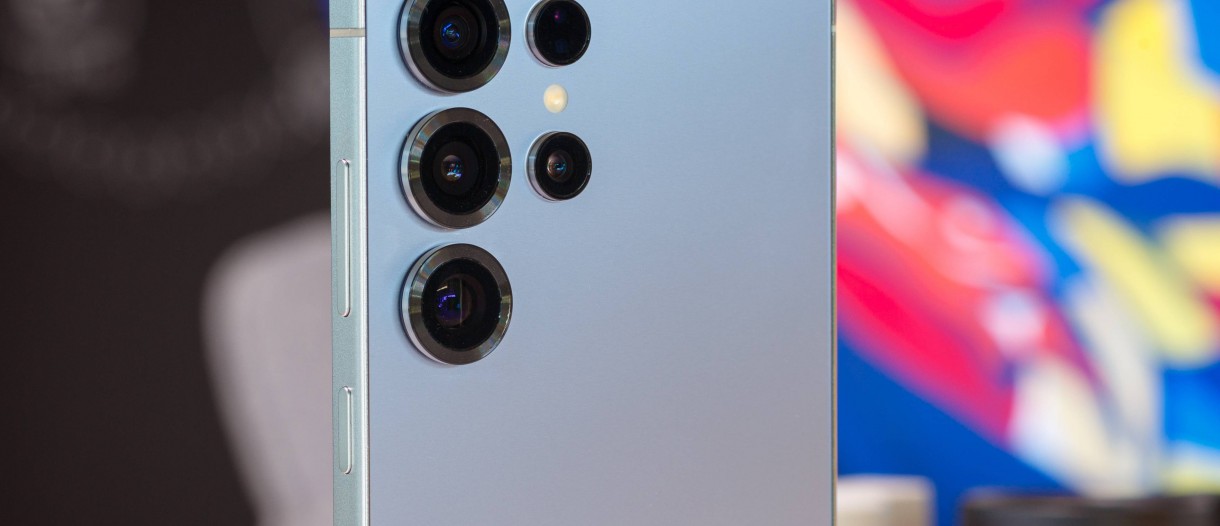
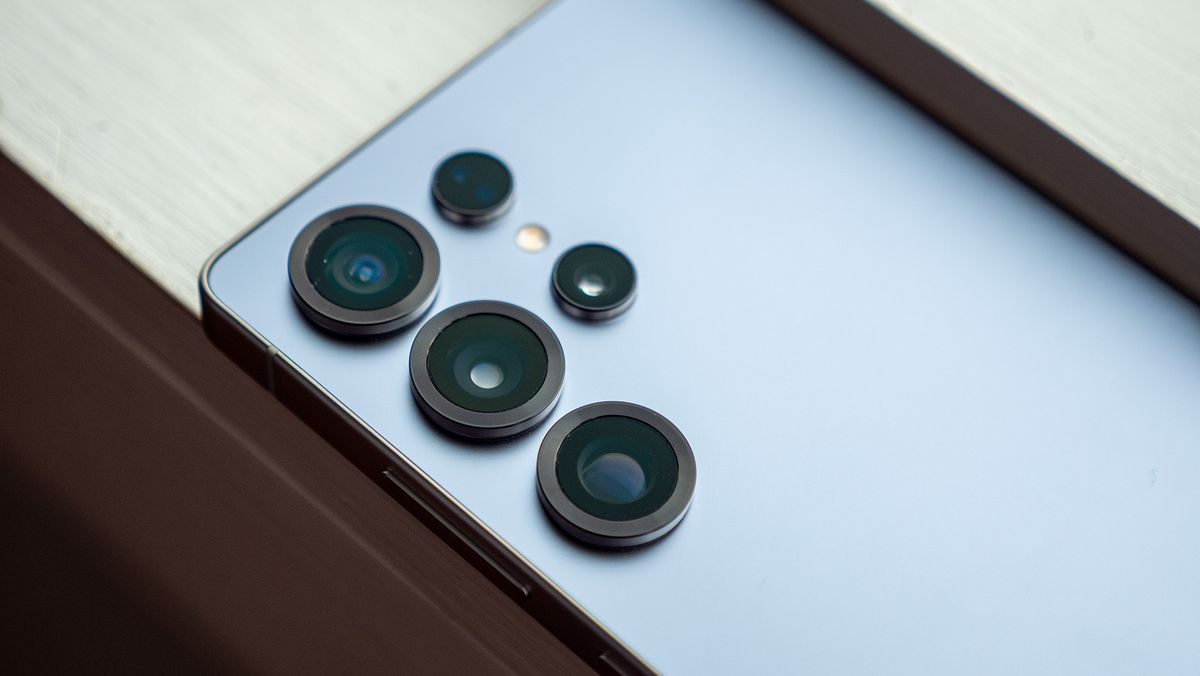
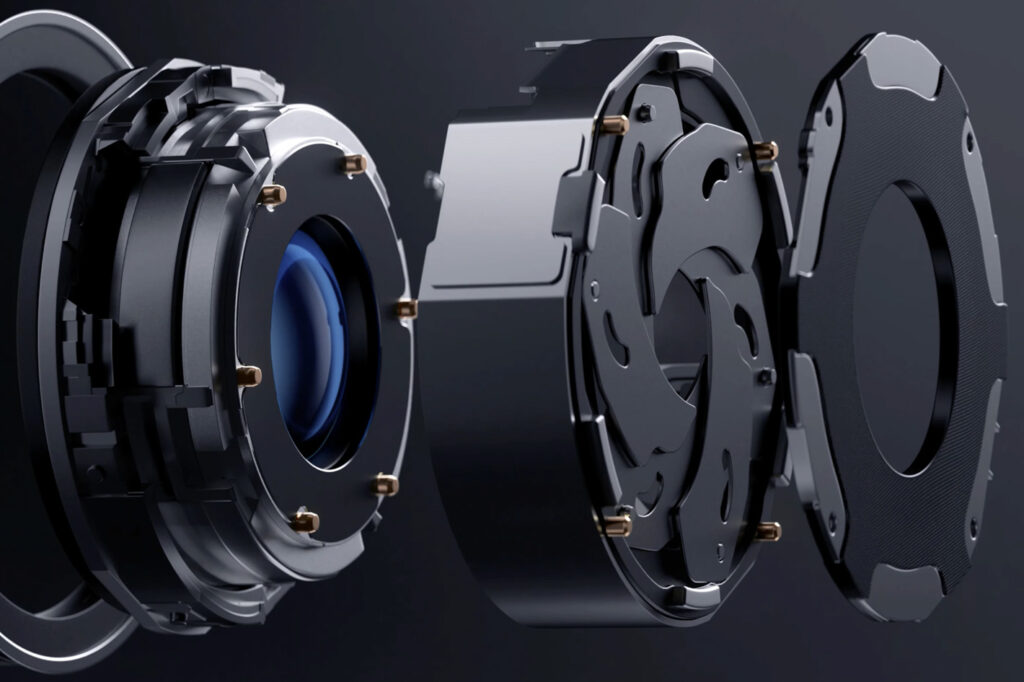
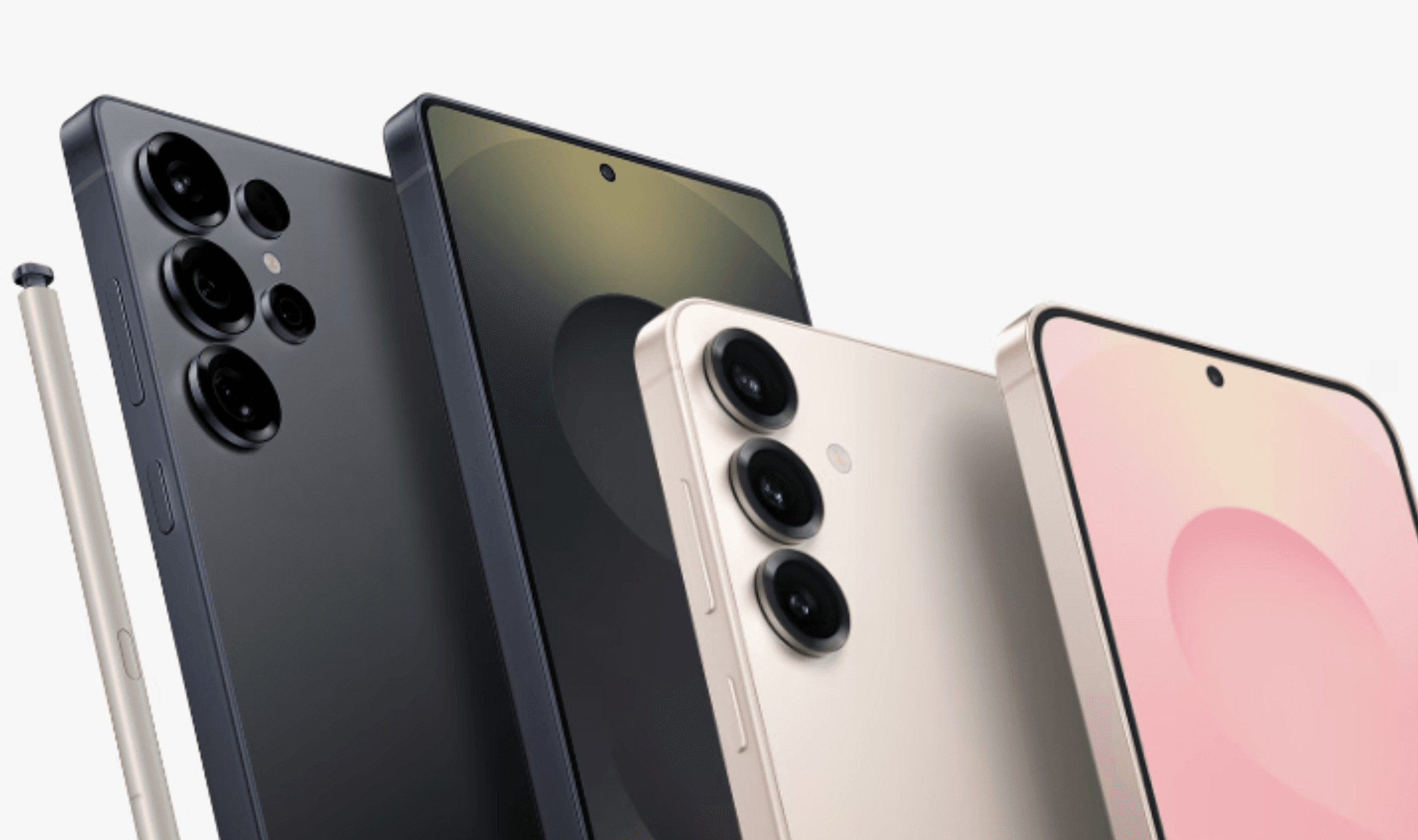
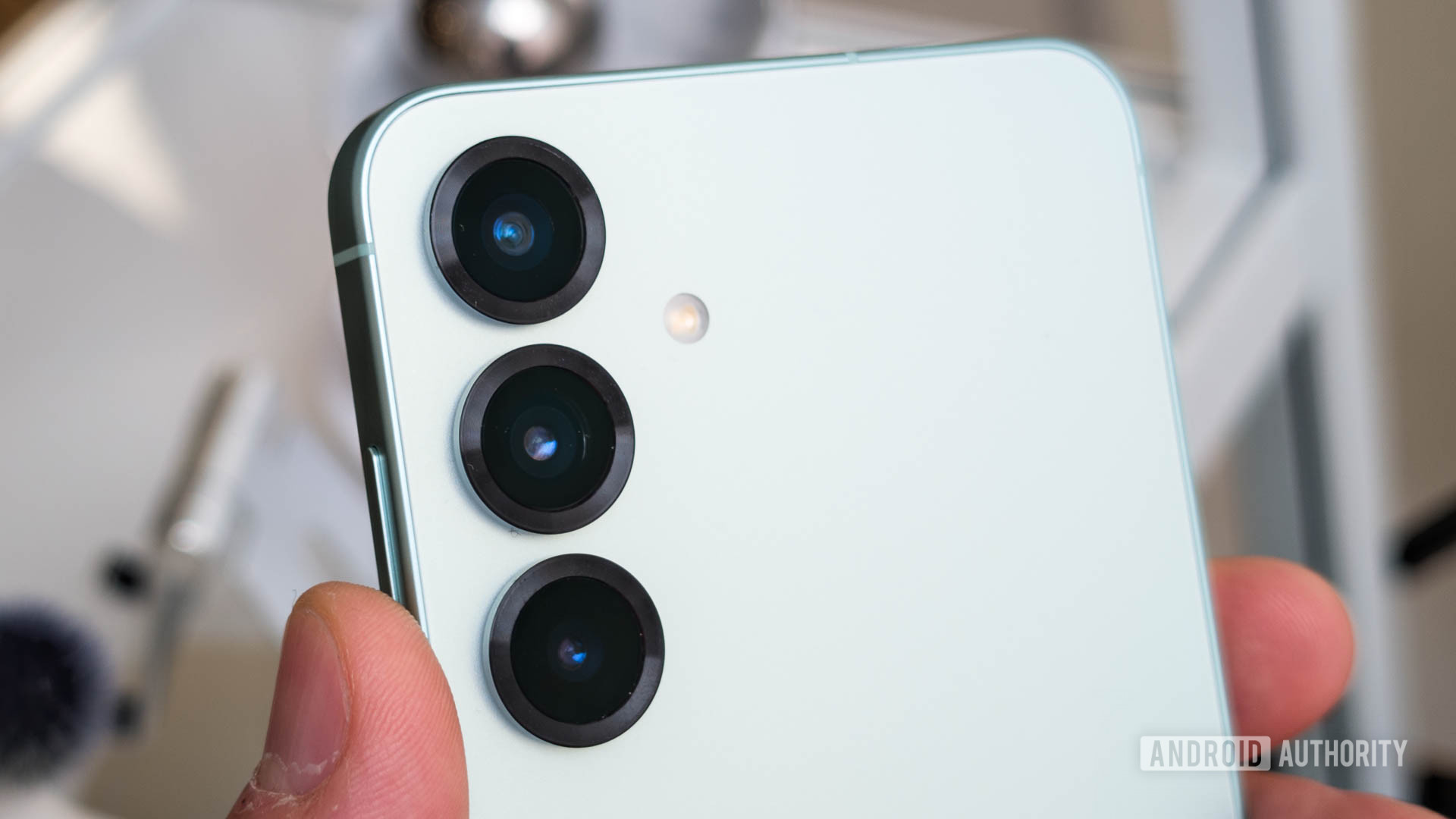
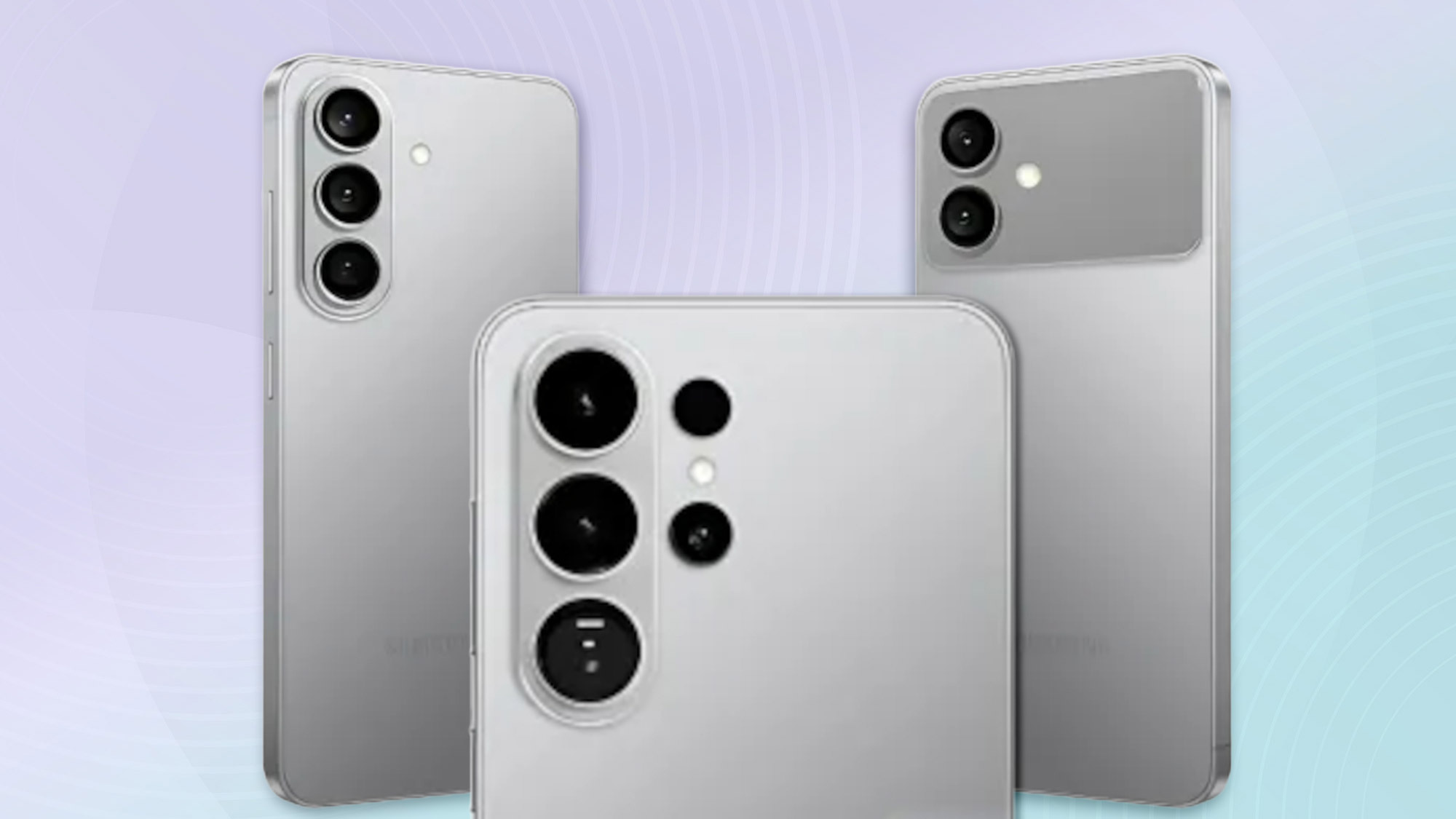
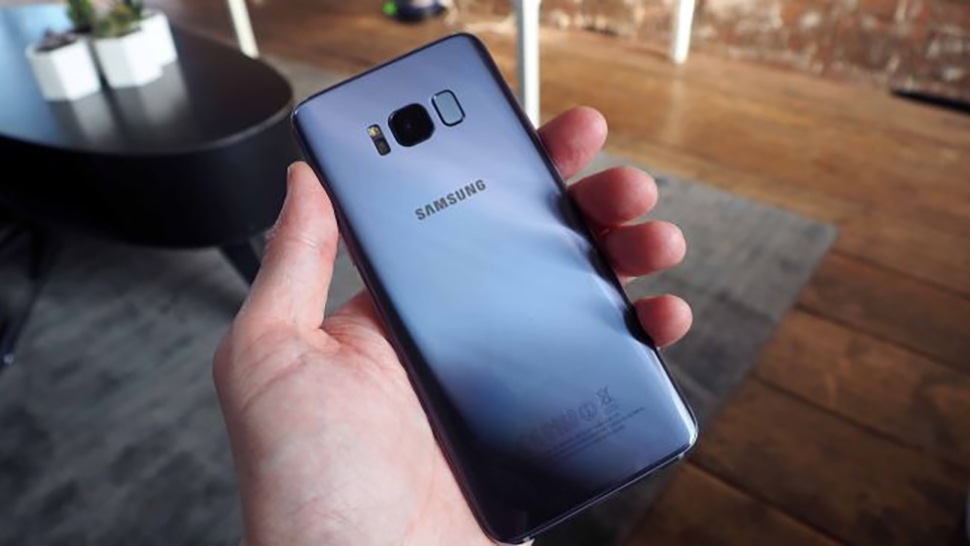
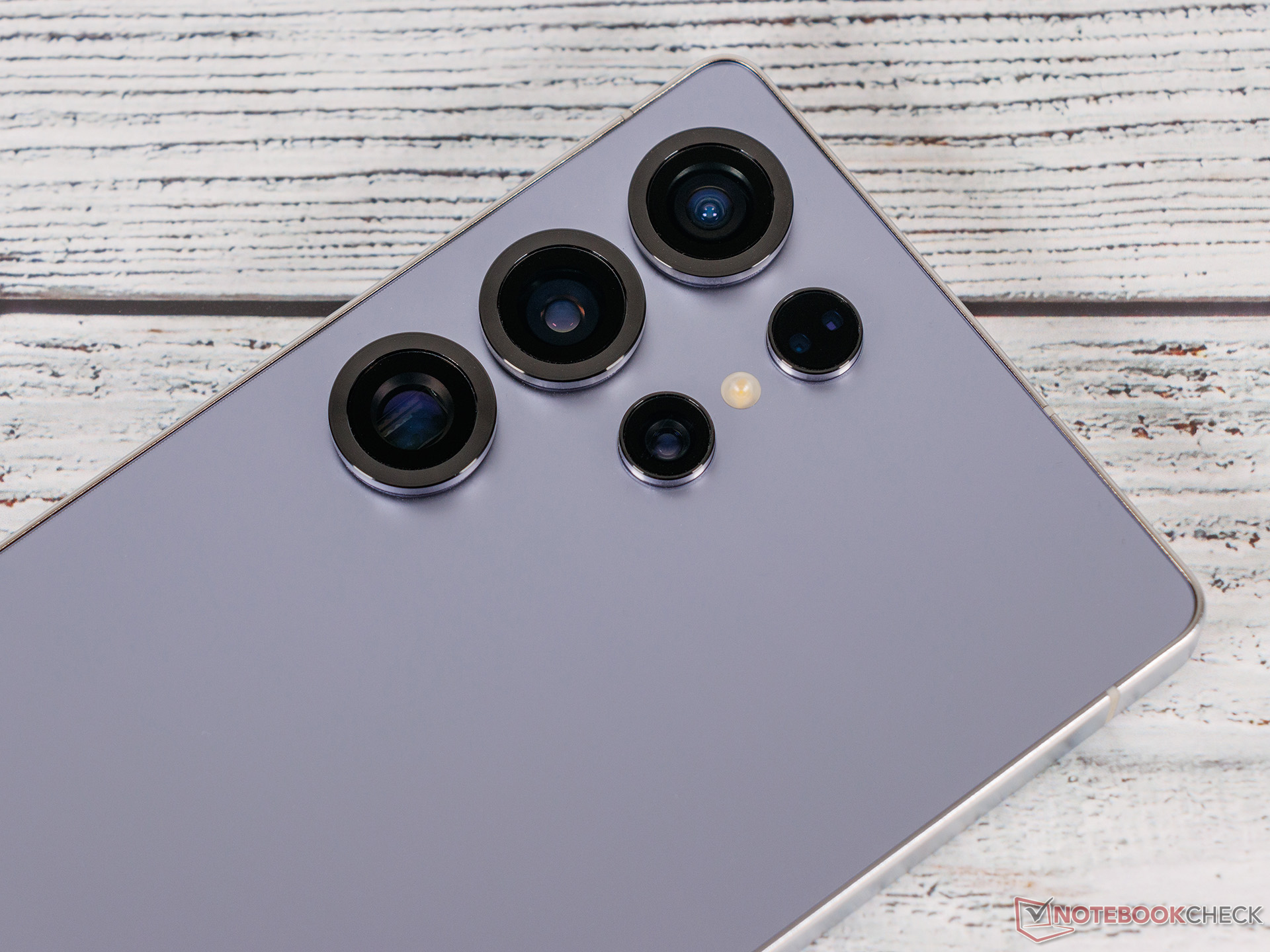
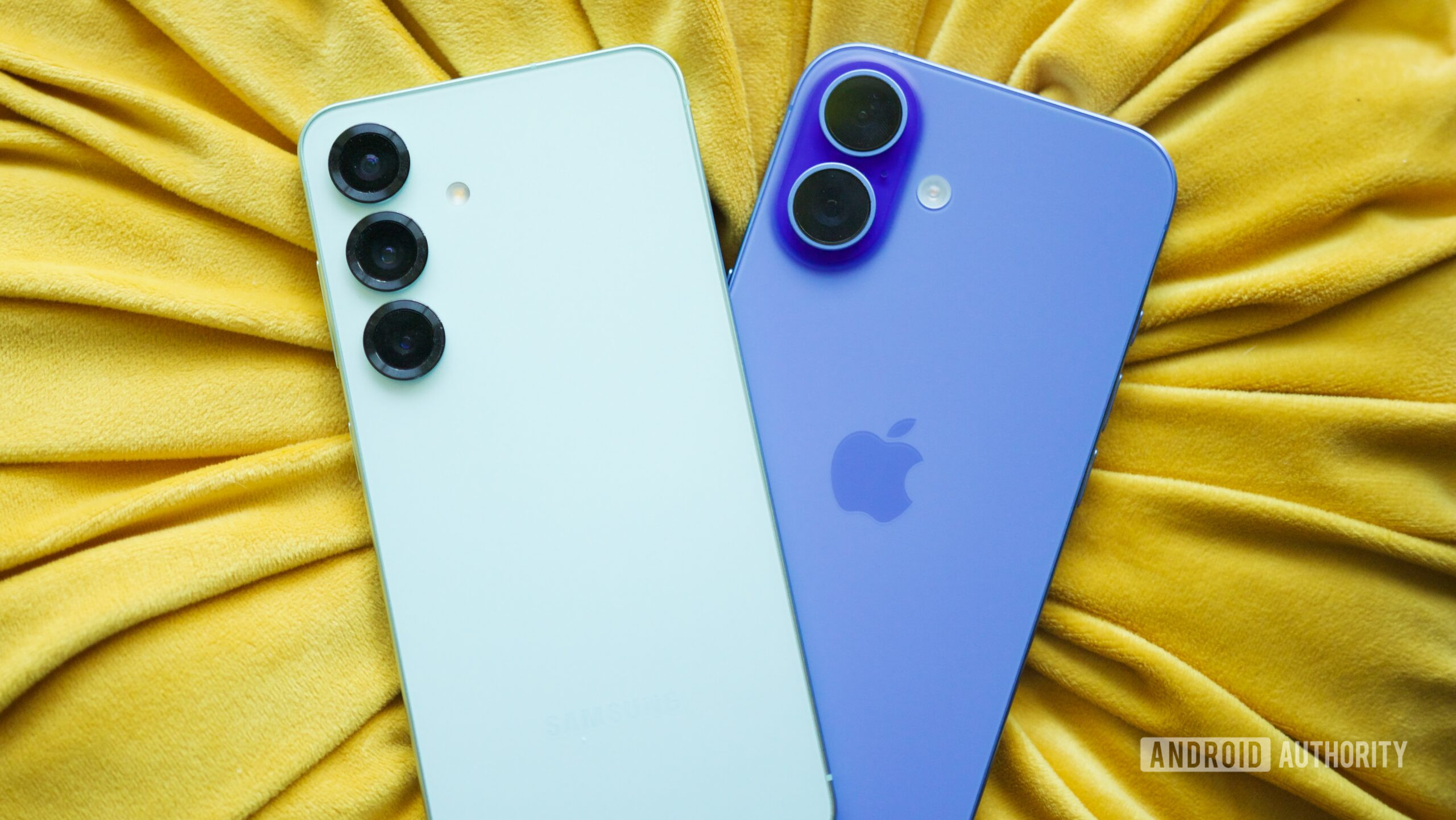
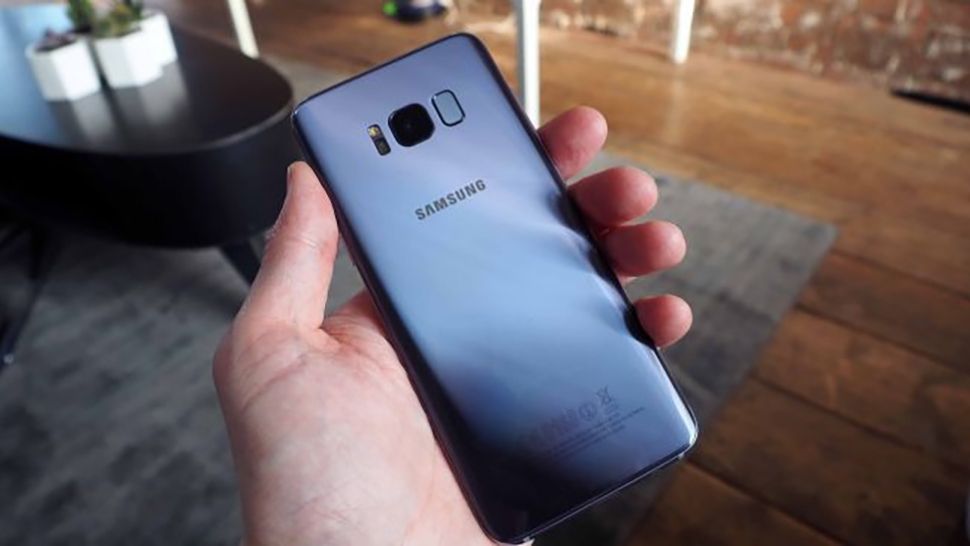
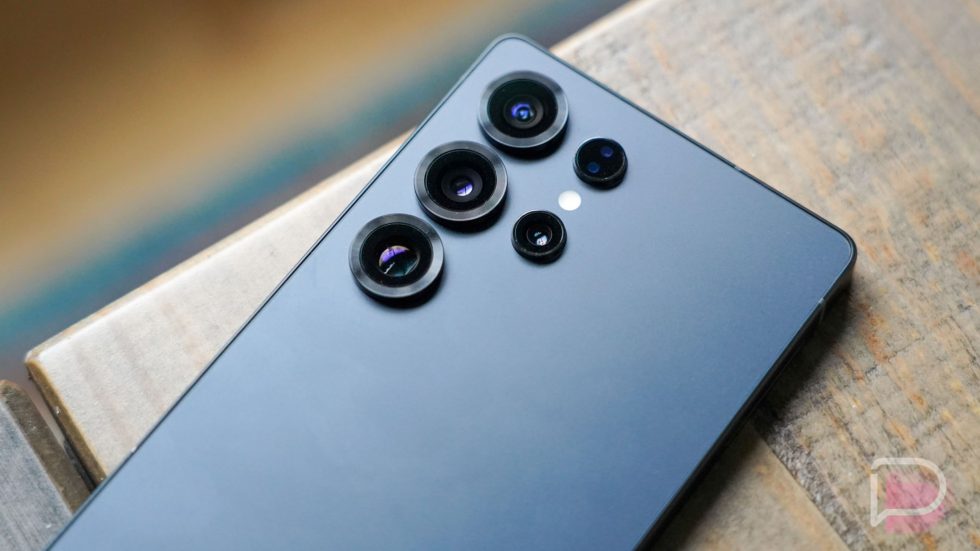
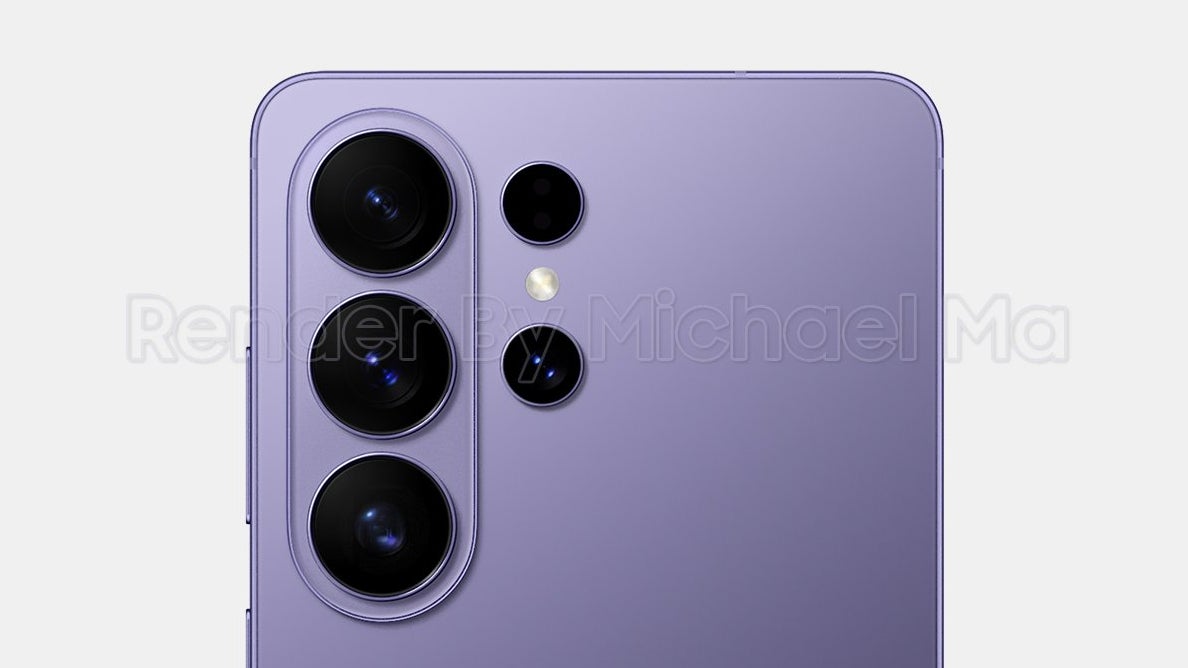
Samsung's strategic pivot toward variable aperture technology in the Galaxy S26/S27 series (launching 2026-2027) represents a significant shift in smartphone camera competition that directly impacts e-commerce seller opportunities. According to ET News reports from February 2026, Samsung has submitted formal requests to suppliers Samsung Electro-Mechanics and MCNEX for variable aperture camera modules, signaling serious development commitment. This mechanical aperture system—capable of switching between f/1.5 and f/2.4 apertures—marks Samsung's return to hardware-level camera innovation after abandoning the technology in 2019 following the Galaxy S10 series. The revival is directly driven by Apple's iPhone 18 Pro/Pro Max variable aperture implementation, demonstrating how flagship manufacturer announcements cascade through the entire smartphone ecosystem and create predictable consumer upgrade cycles.
For cross-border e-commerce sellers, this development creates three distinct opportunity windows. First, the 12-18 month development timeline (February 2026 through late 2027) creates demand for professional mobile photography accessories—premium phone cases with camera protection, lens cleaning kits, tripod mounts, and gimbal stabilizers designed for advanced camera control. Second, the technology's focus on manual aperture control and depth-of-field precision targets content creators and photography enthusiasts, a high-value demographic willing to spend $50-300+ on complementary tools. Third, the competitive validation from both Apple and Samsung signals market-wide recognition that hardware camera improvements outperform AI-driven features, shifting consumer purchasing priorities toward optical performance over computational photography—a trend that benefits sellers of optical accessories, external lenses, and professional photography equipment.
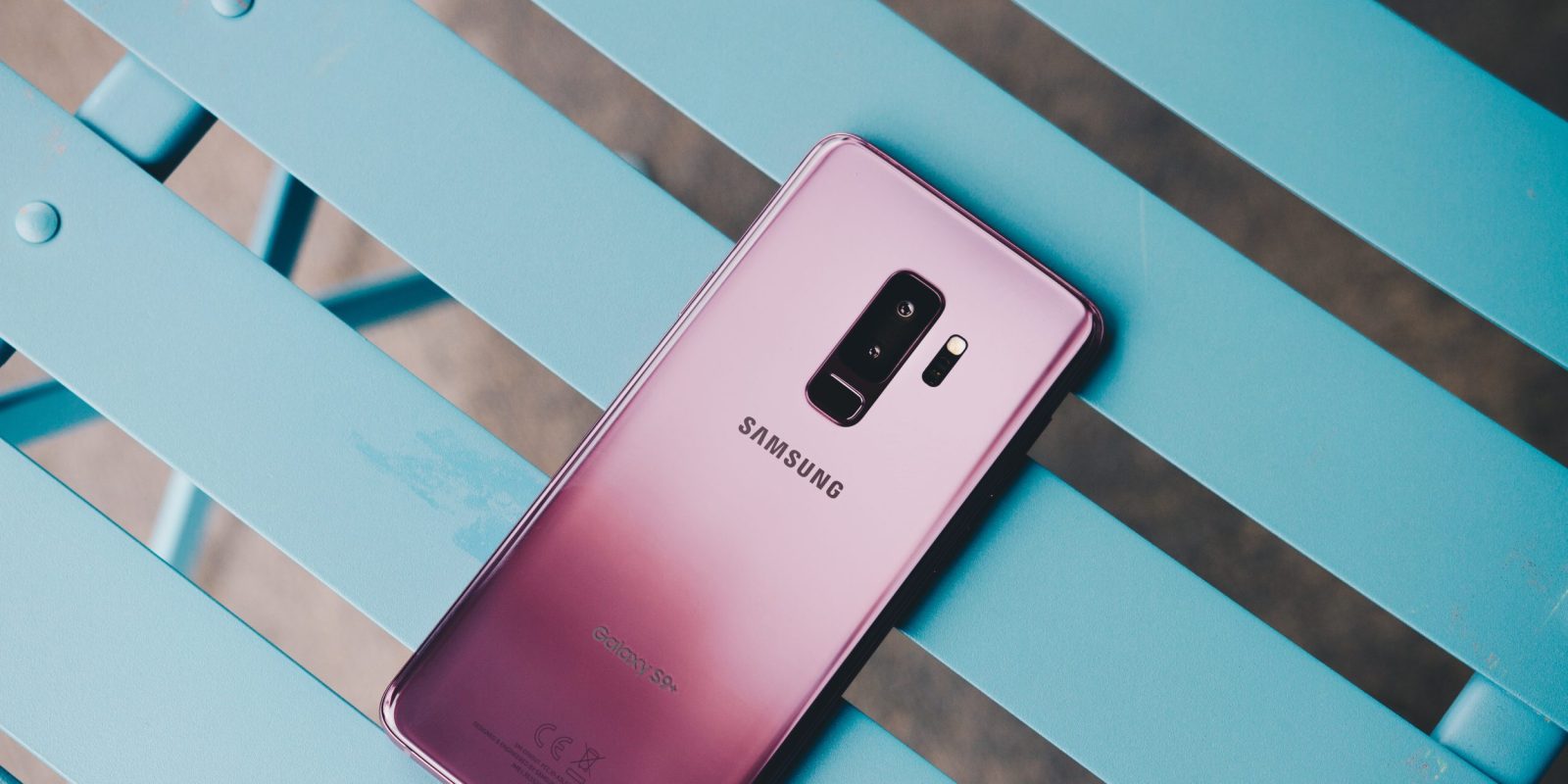
The broader market context reveals critical timing advantages for sellers. Samsung's previous variable aperture implementation on the Galaxy S9 (2018) was noted as "underutilized" by reviewers, suggesting the 2026-2027 generation will benefit from improved engineering and reduced manufacturing costs (per industry sources). This positions sellers to capitalize on early-adopter demand when Galaxy S26/S27 units launch, with peak accessory sales typically occurring 2-4 weeks post-launch. Additionally, the technology's reintroduction addresses long-standing user demands for enhanced manual controls, indicating pent-up demand among professional mobile photographers who have been underserved by fixed-aperture systems since 2019. The competitive race between Apple and Samsung also signals that battery capacity remains underaddressed—creating secondary opportunities in portable chargers, power banks, and fast-charging accessories as consumers balance extended camera usage with power management concerns.
Questions 8
What types of products should sellers focus on for the variable aperture camera trend?
Sellers should prioritize three product categories: (1) Premium protective cases with reinforced camera lens protection ($25-80 price point), (2) Professional mobile photography tools including tripod mounts, gimbal stabilizers, and lens cleaning kits ($40-300 range), and (3) Content creation accessories like external microphones, lighting rigs, and ND filters designed for manual aperture control. The variable aperture technology specifically targets professional mobile photographers and content creators—a high-value demographic with 3-5x higher accessory spending than casual users. Samsung's emphasis on 'manual control' and 'creative flexibility' in marketing materials indicates this segment values optical quality over AI features, making premium-positioned accessories more viable than budget alternatives.
When will Samsung's variable aperture camera technology launch and how does this affect accessory sellers?
Samsung's variable aperture technology is expected to debut on the Galaxy S27 series in late 2027, with Galaxy S26 (2026) featuring only wider fixed apertures. According to ET News reports from February 2026, Samsung has entered serious development phase with suppliers, placing implementation 12-18 months away. This timeline creates a critical opportunity window for sellers to develop and launch complementary accessories 4-8 weeks before official product announcements. Historical data from Galaxy S9 launch (2018) shows camera accessory sales peak 2-4 weeks post-launch, suggesting sellers should begin inventory planning by mid-2027 to capture early-adopter demand.