


NFL Team Roster Dynamics Reveal Subtle Strategic Complexity
- Navigating Uncertainty in Player Availability and Performance Management


























Overview
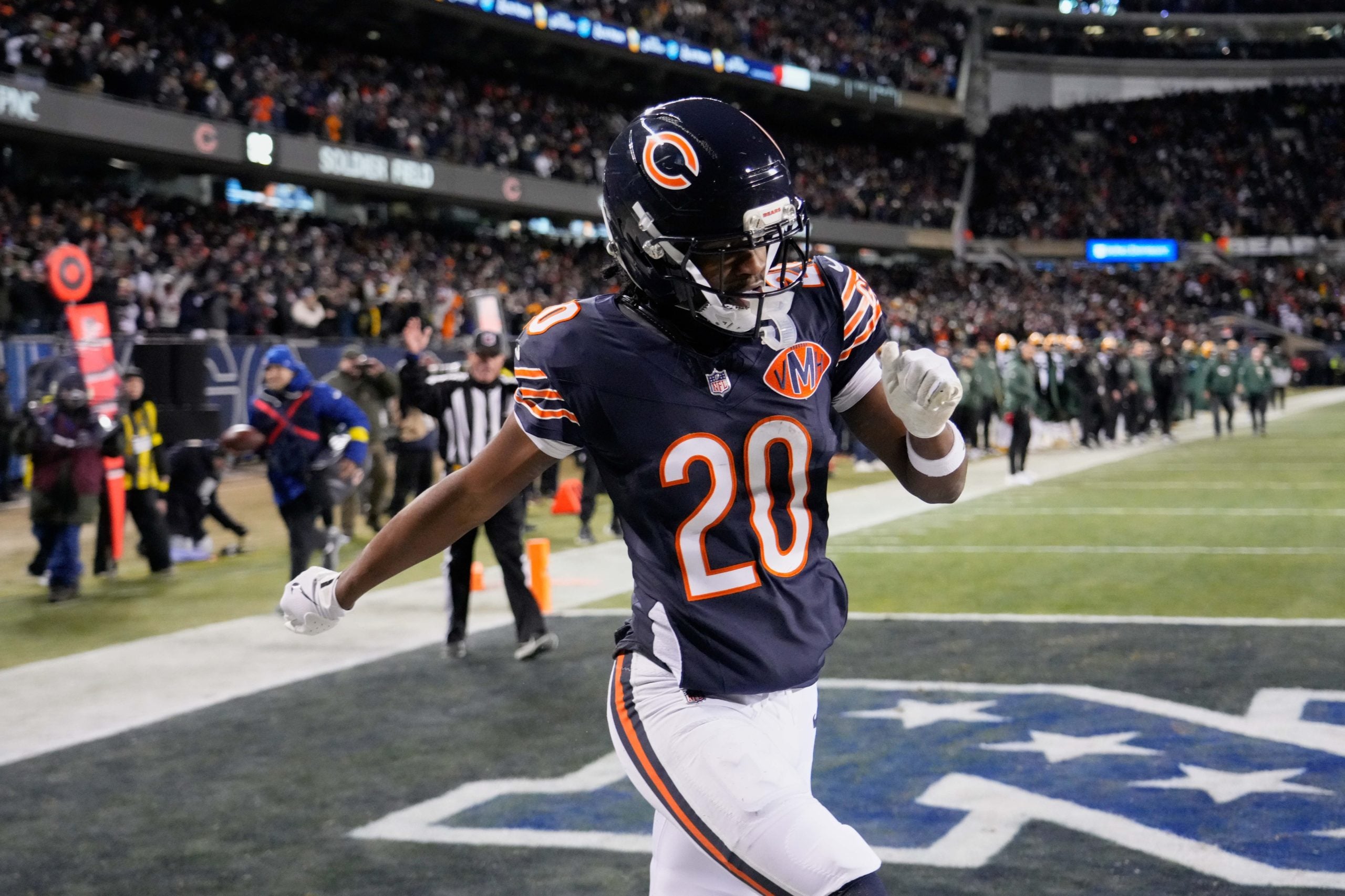
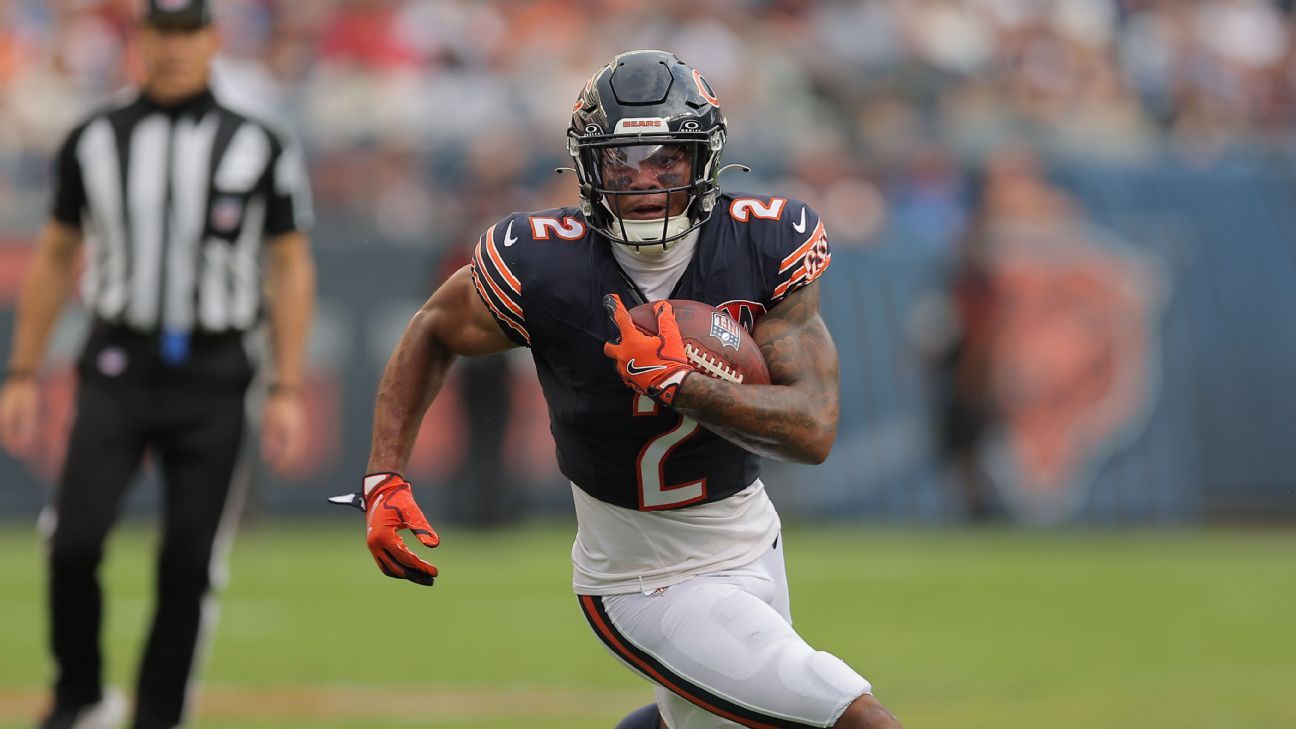
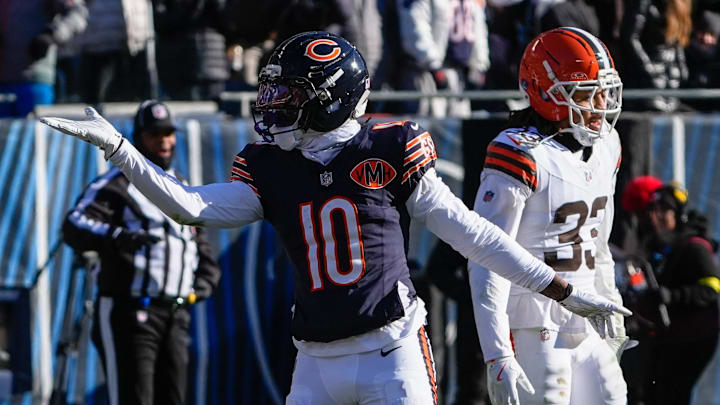
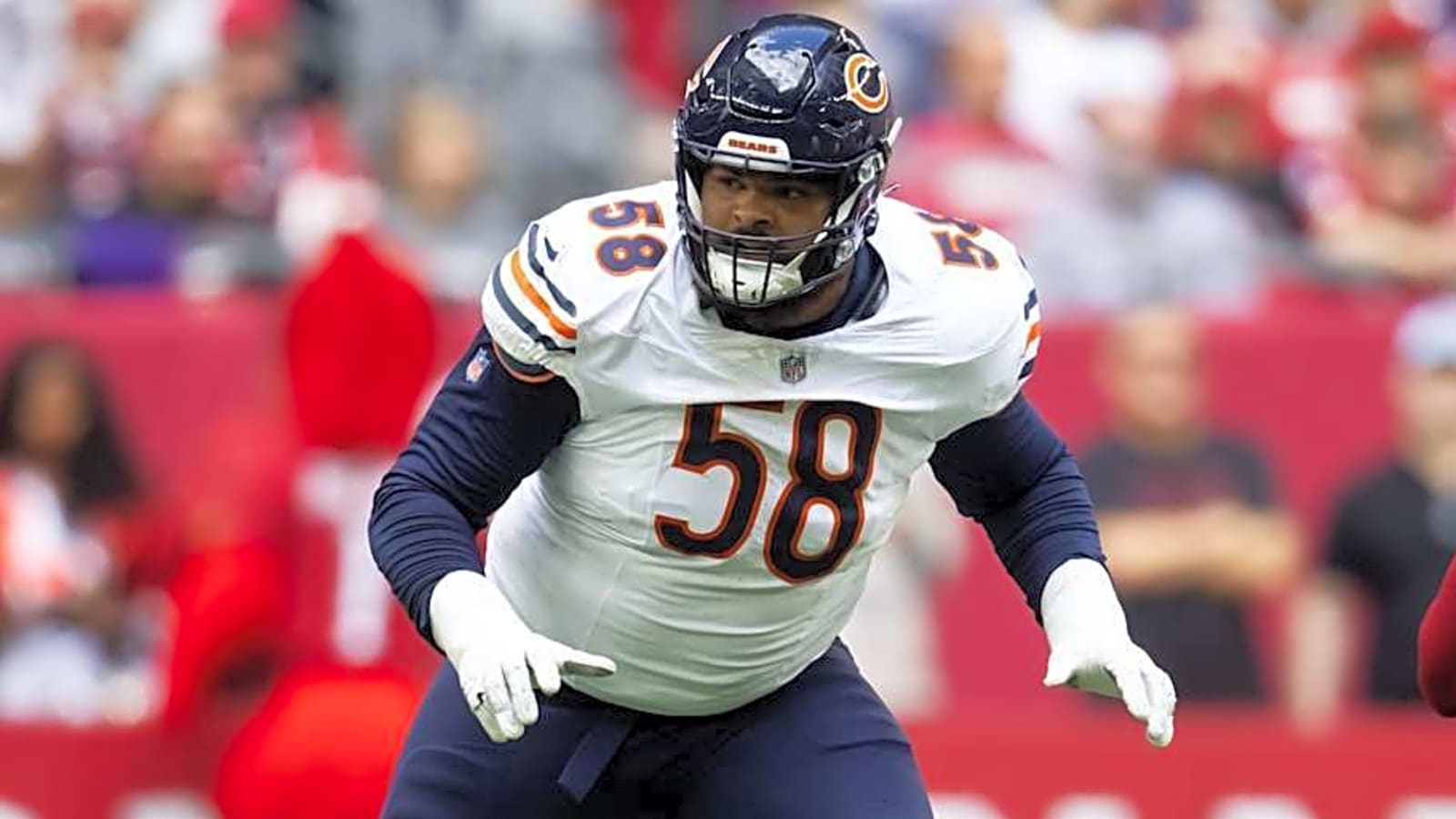
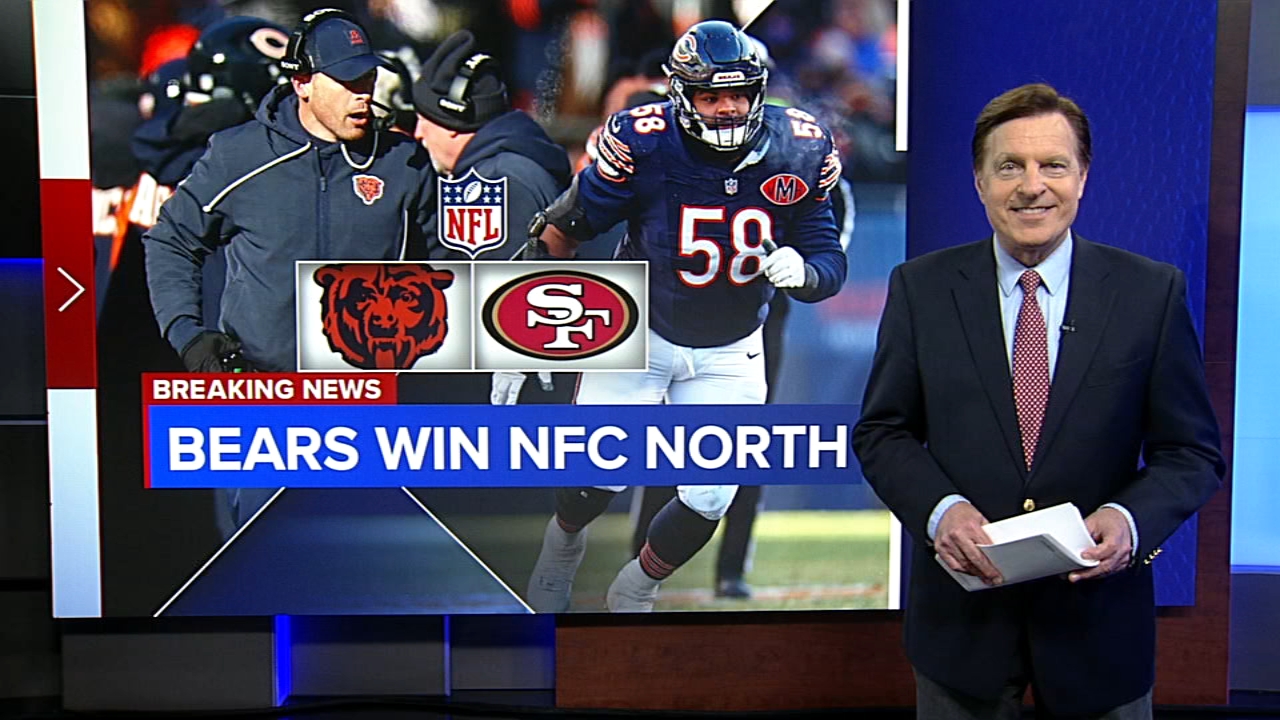
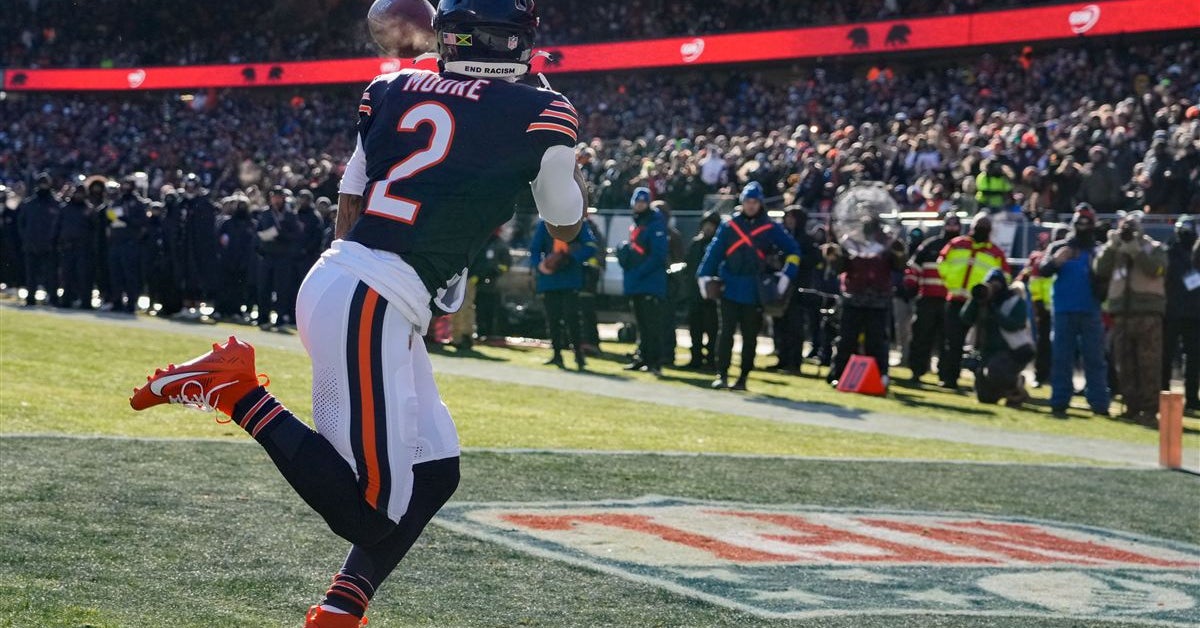
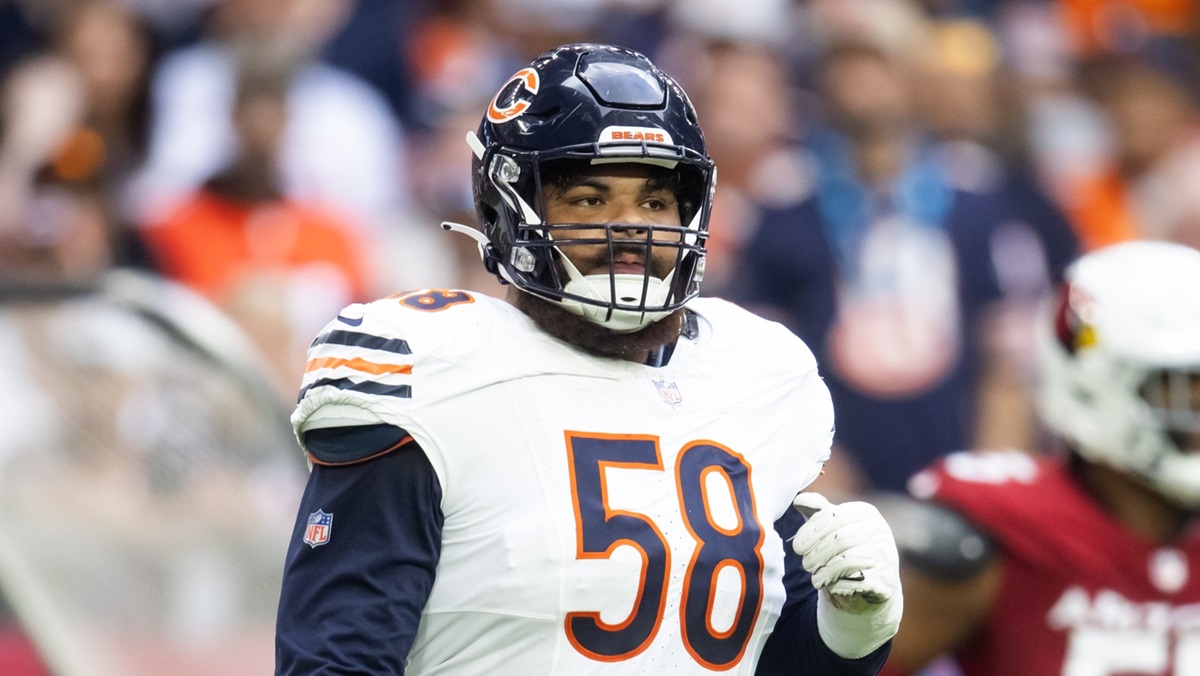
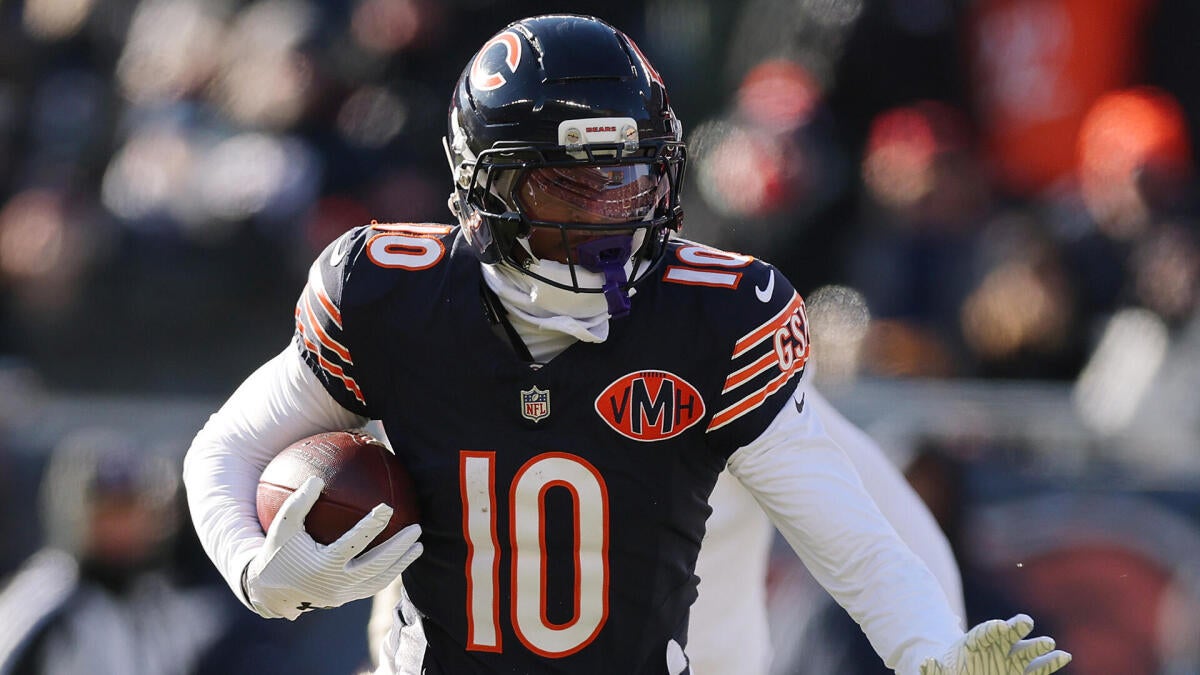
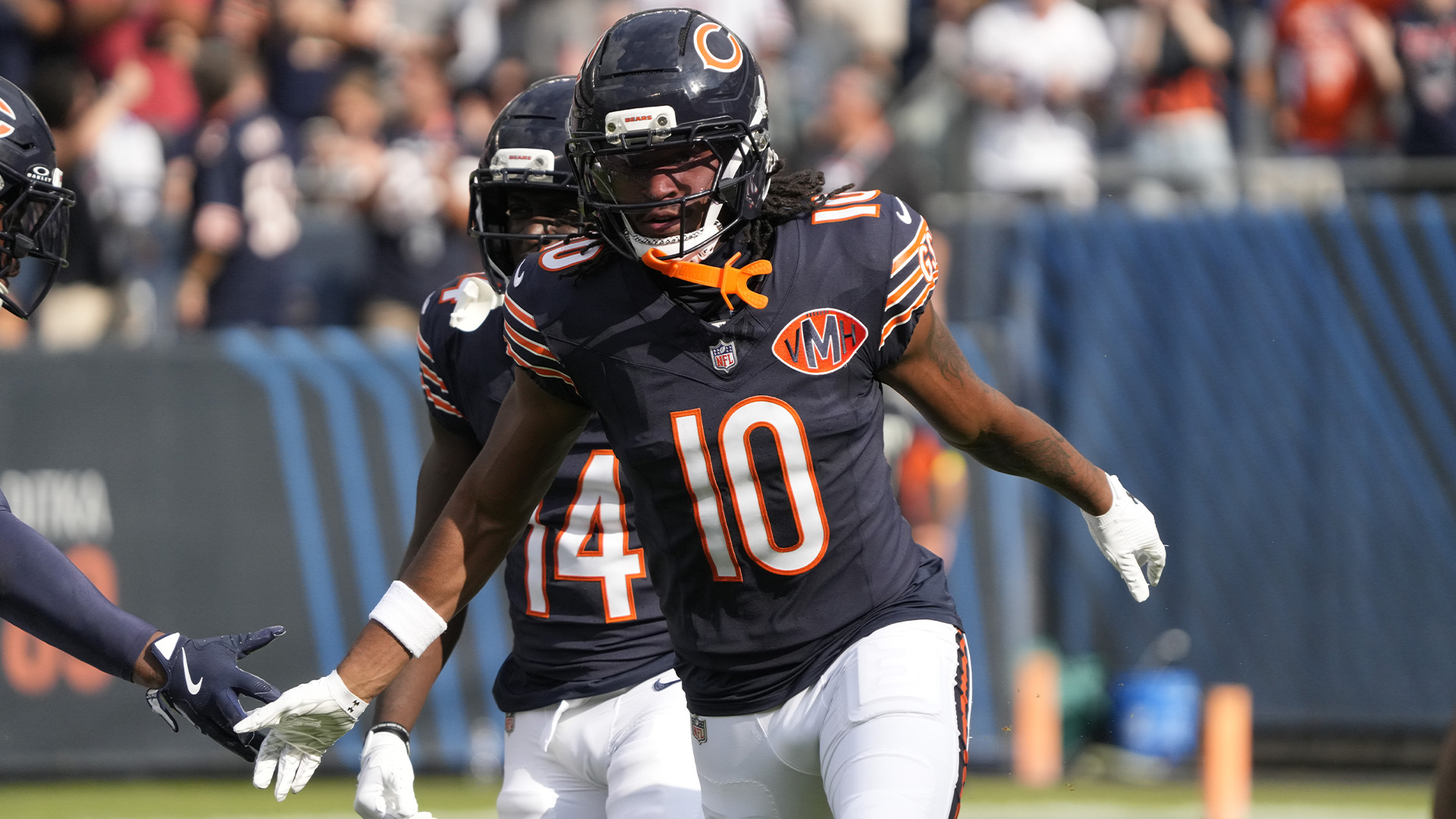
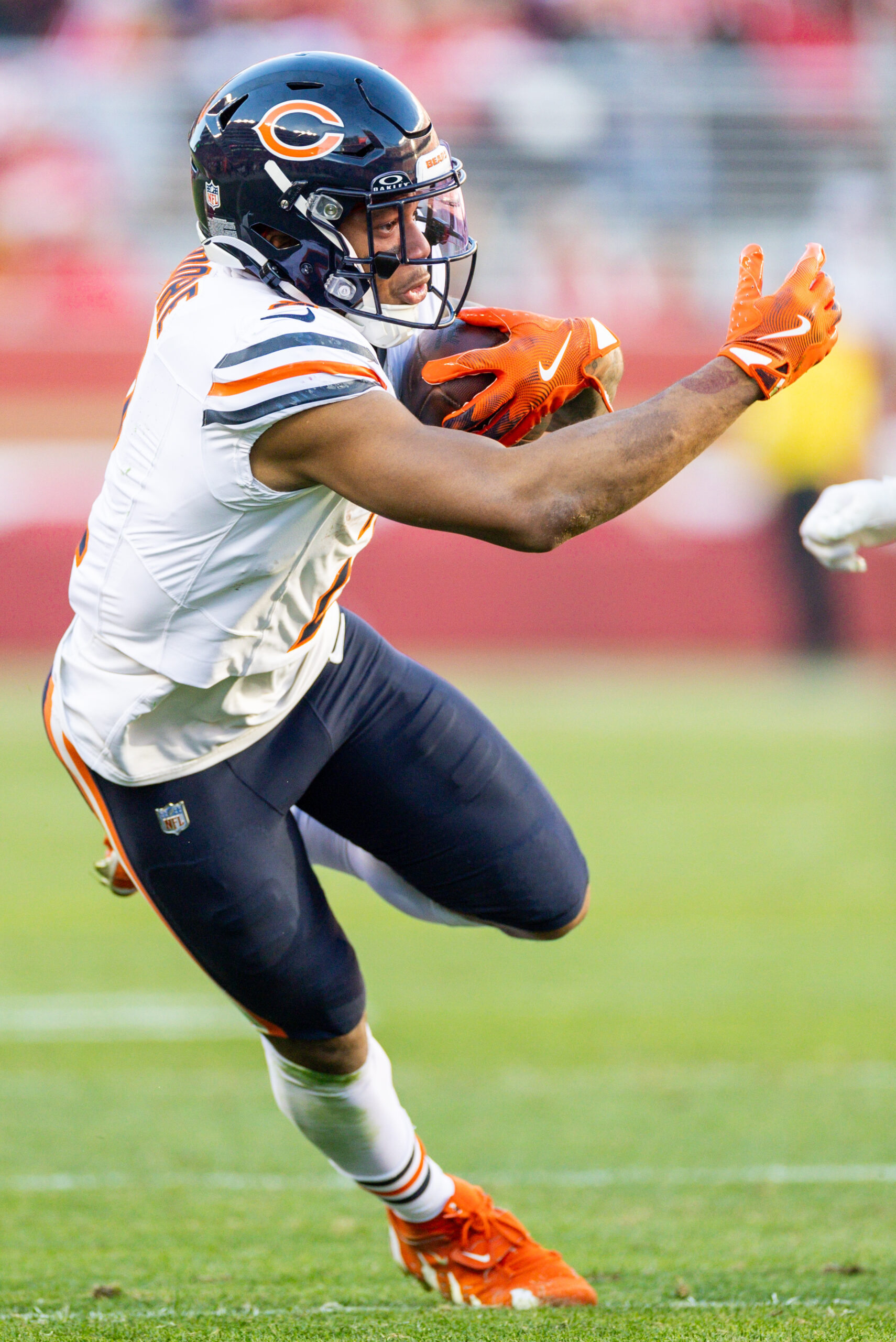
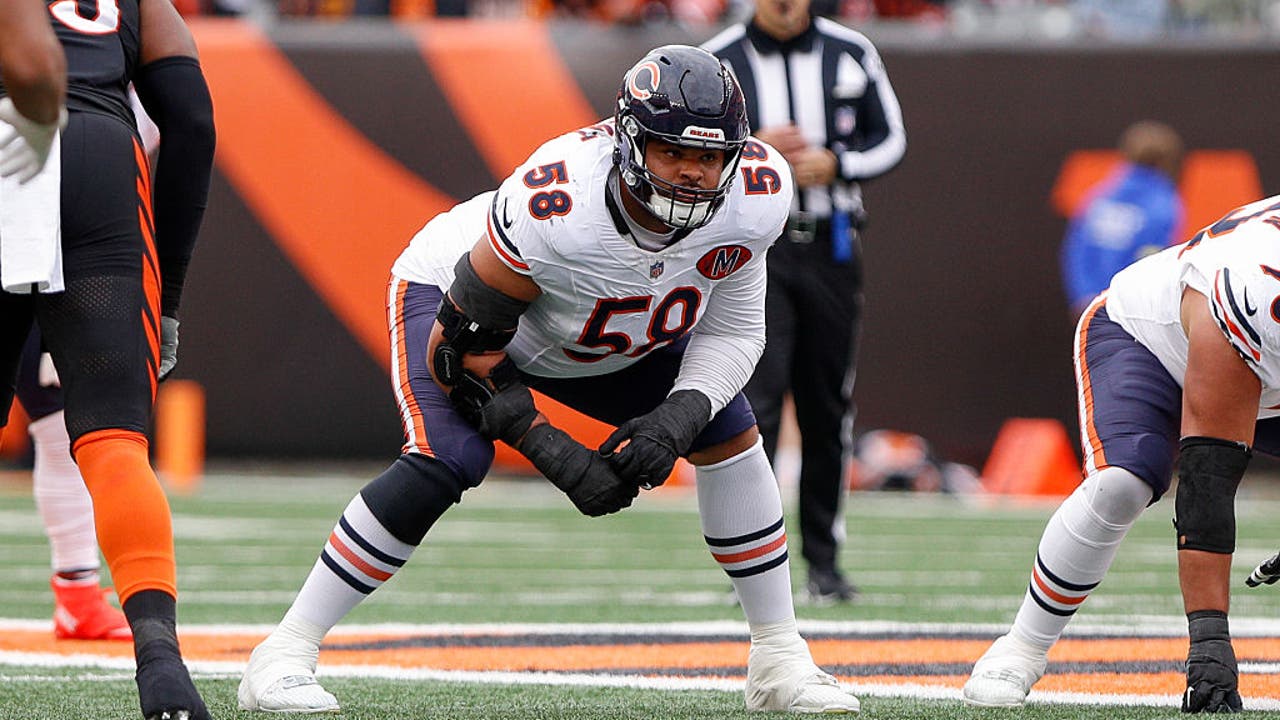
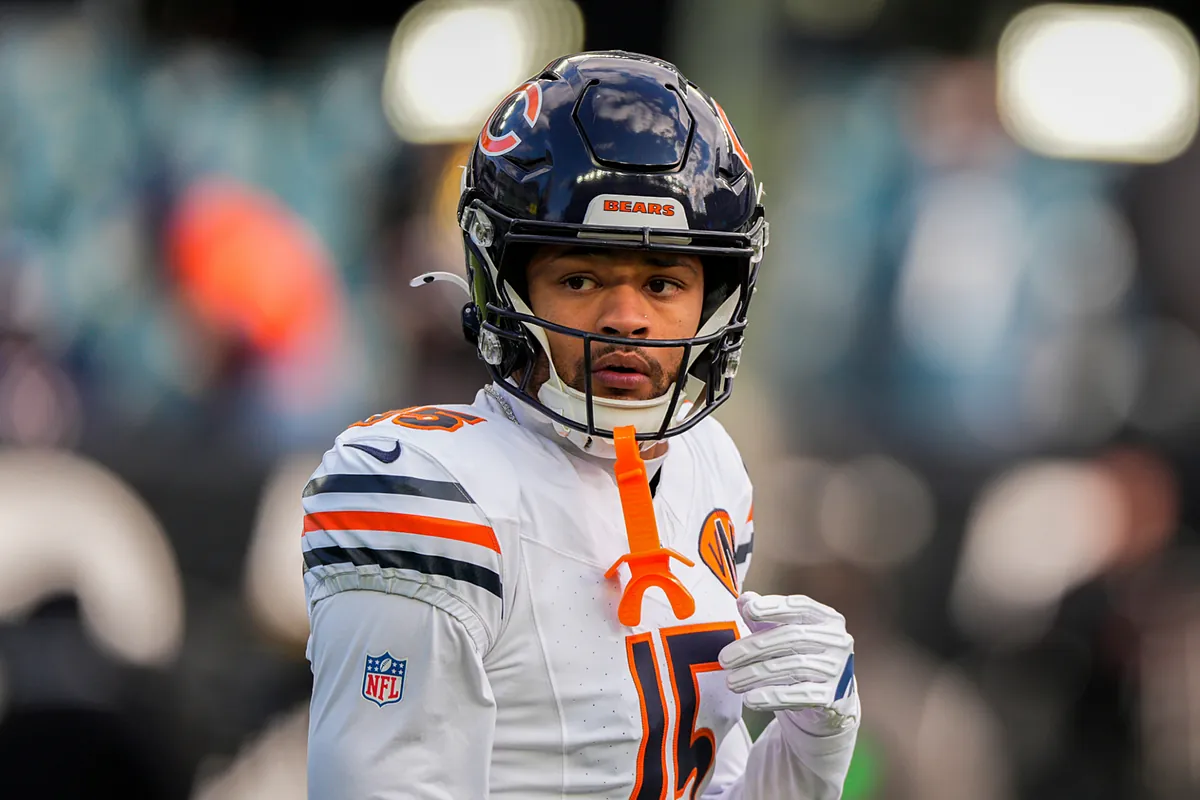
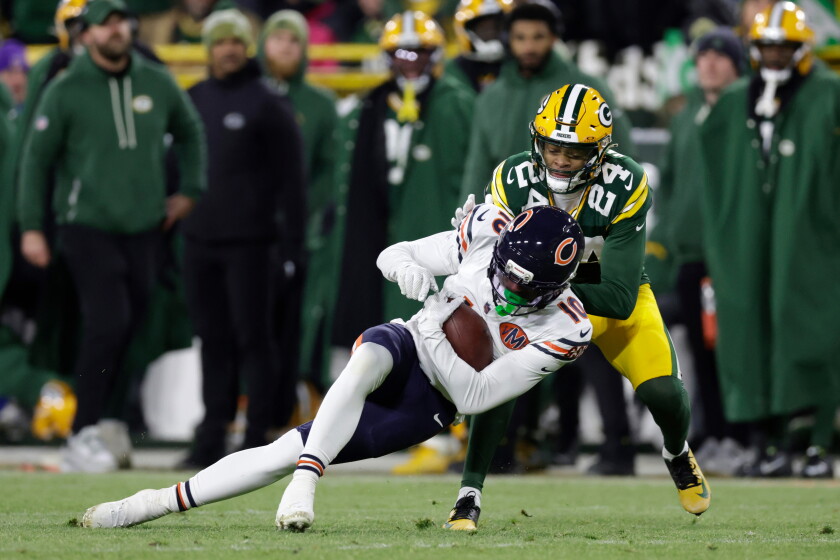
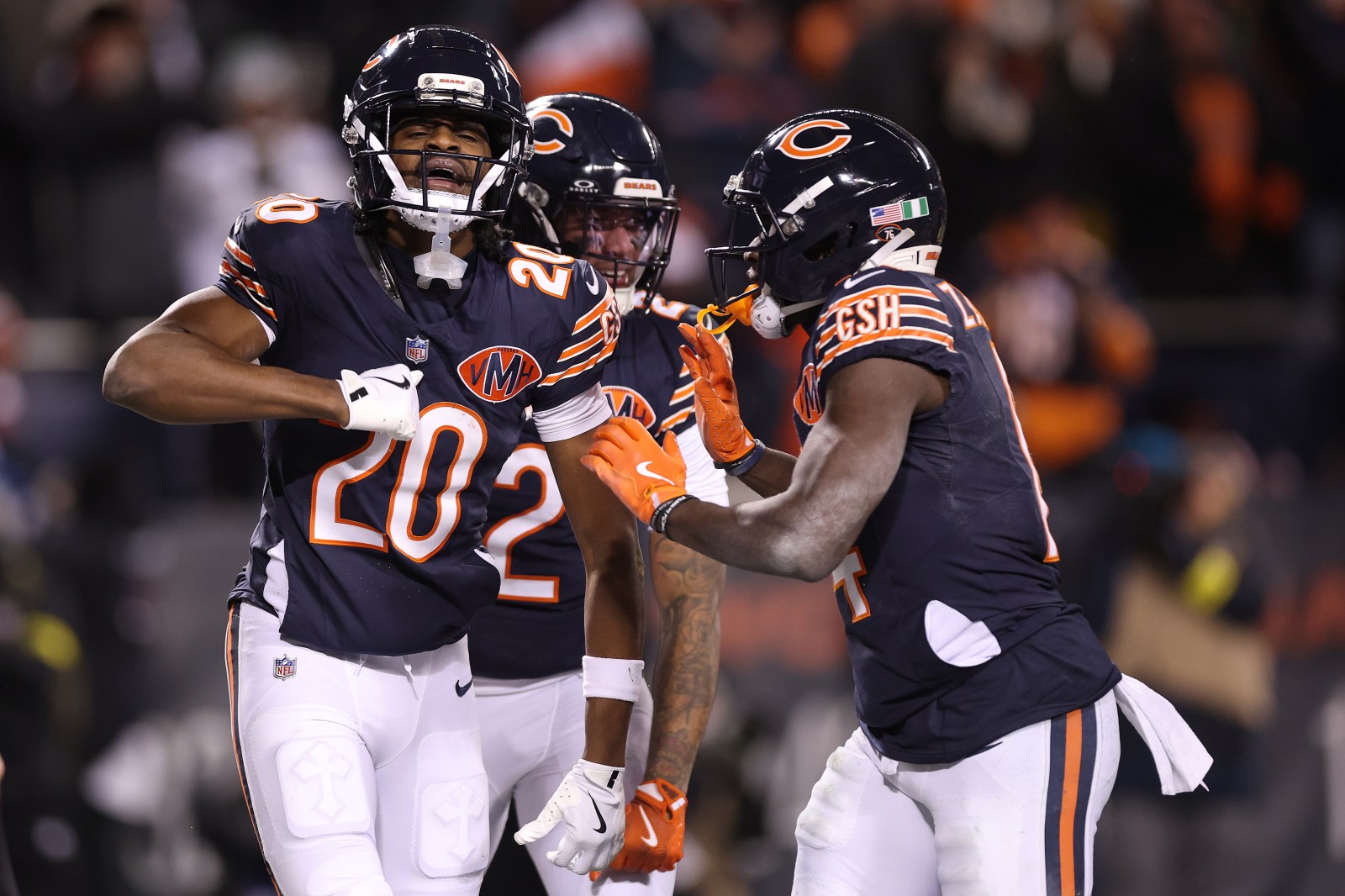
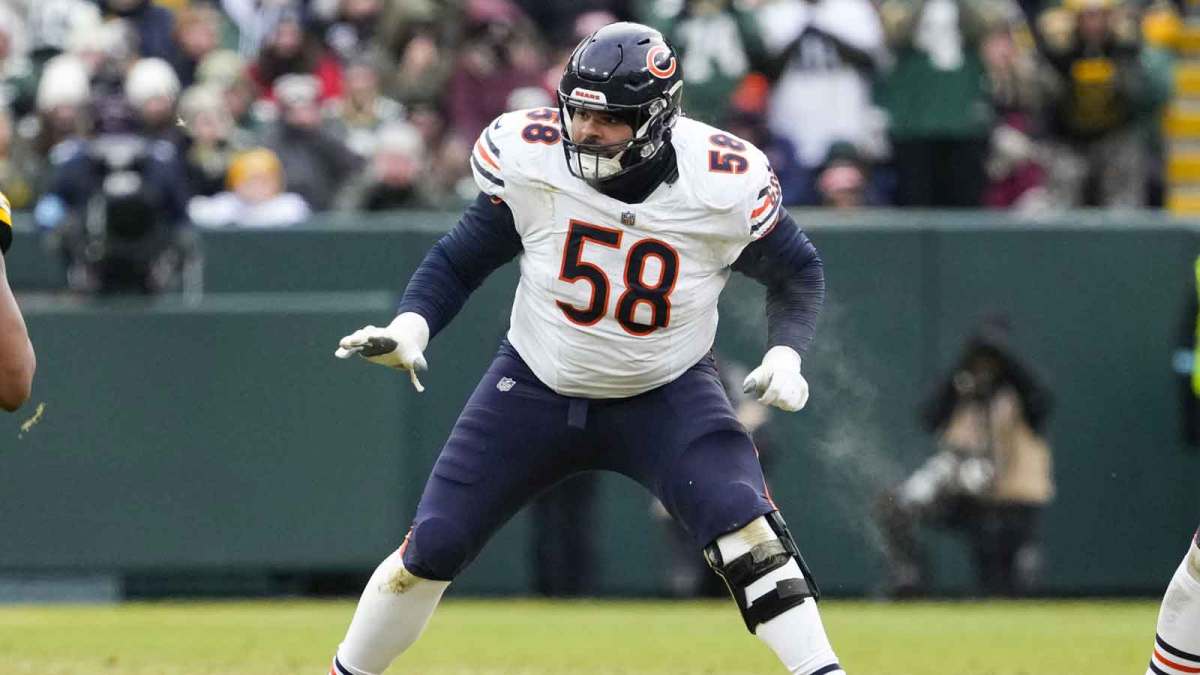
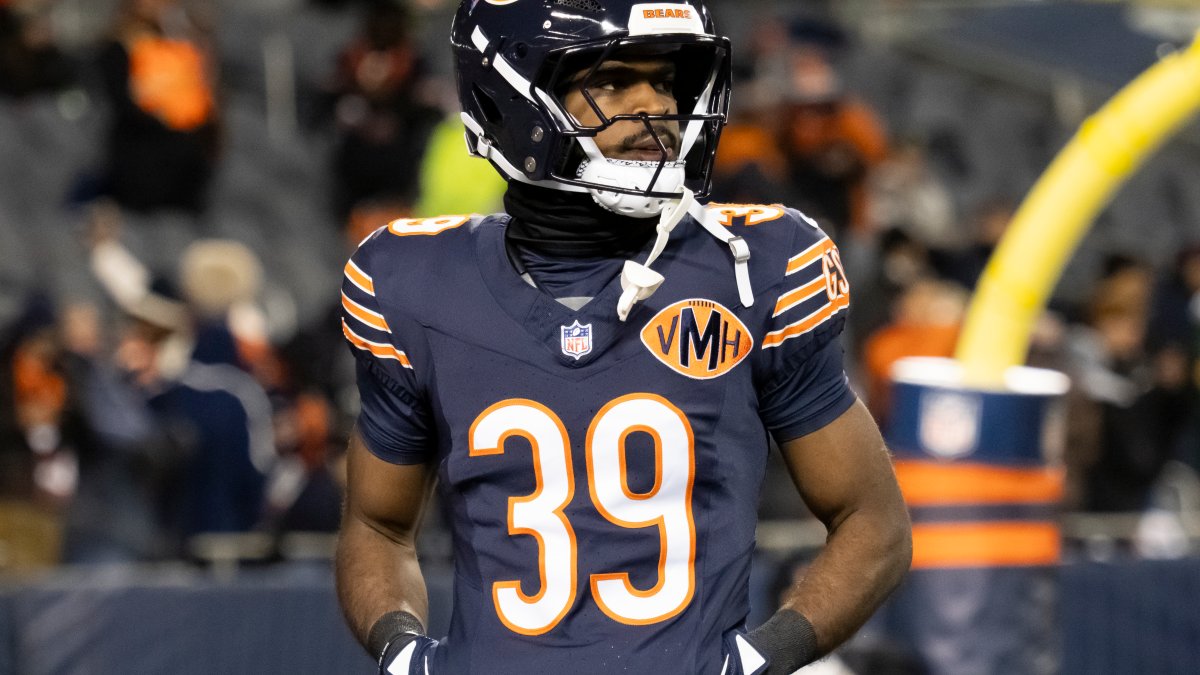
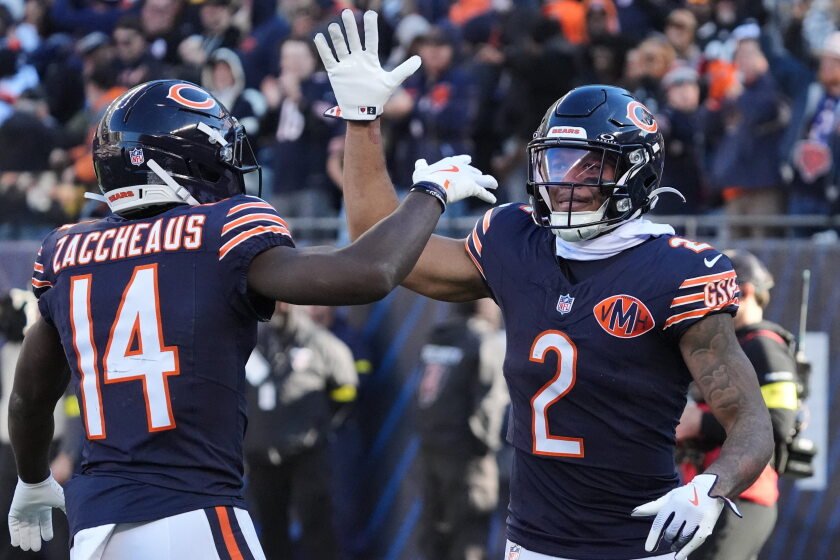
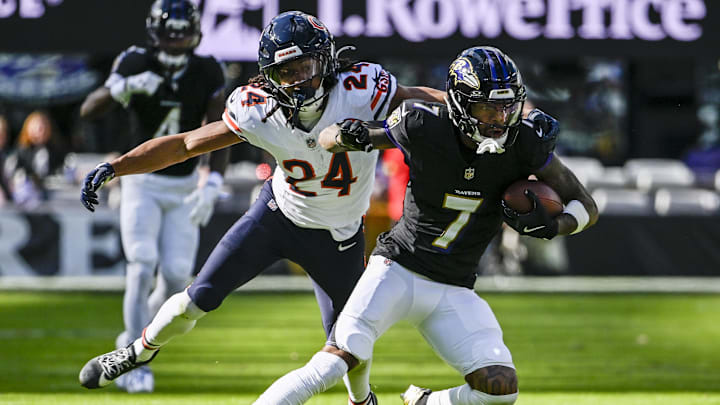
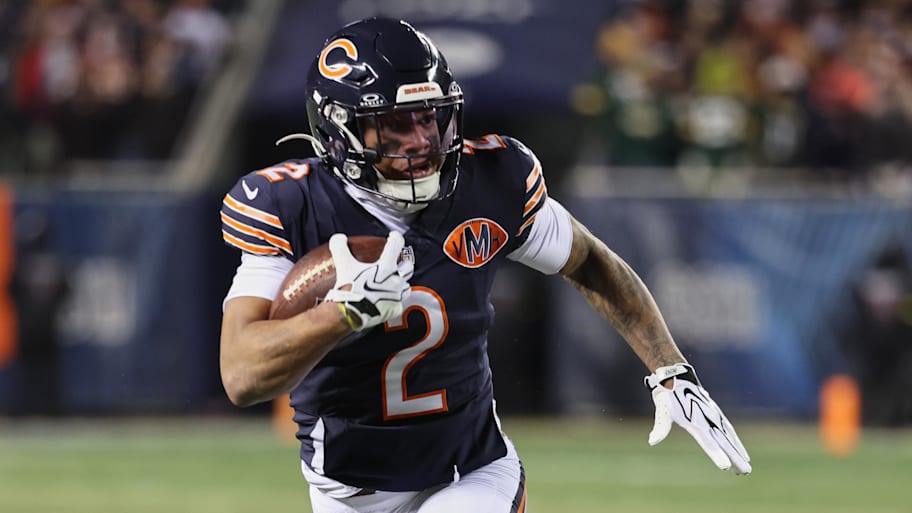
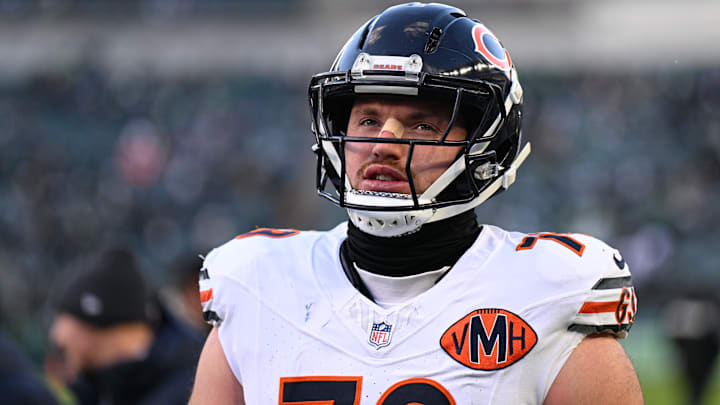
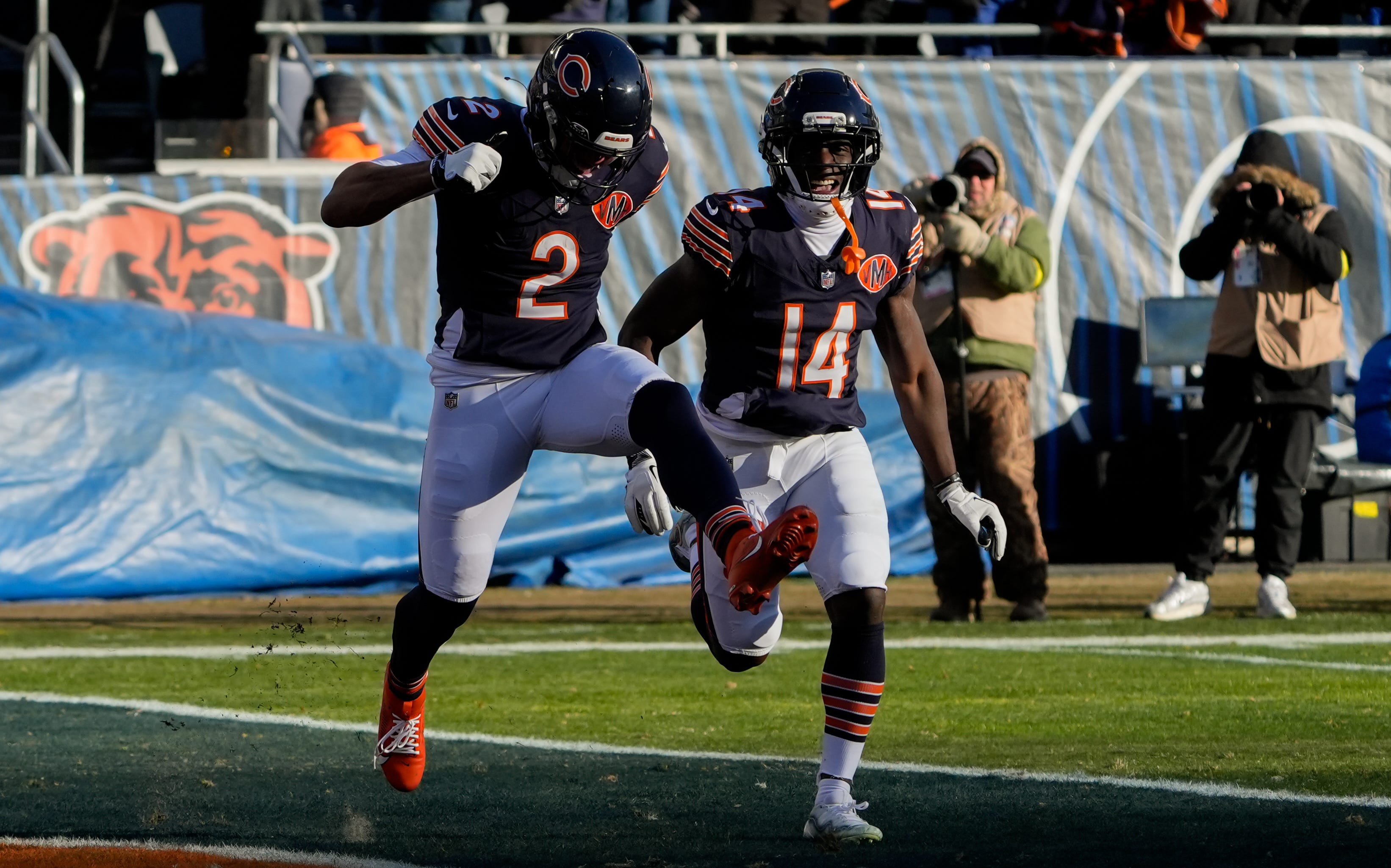
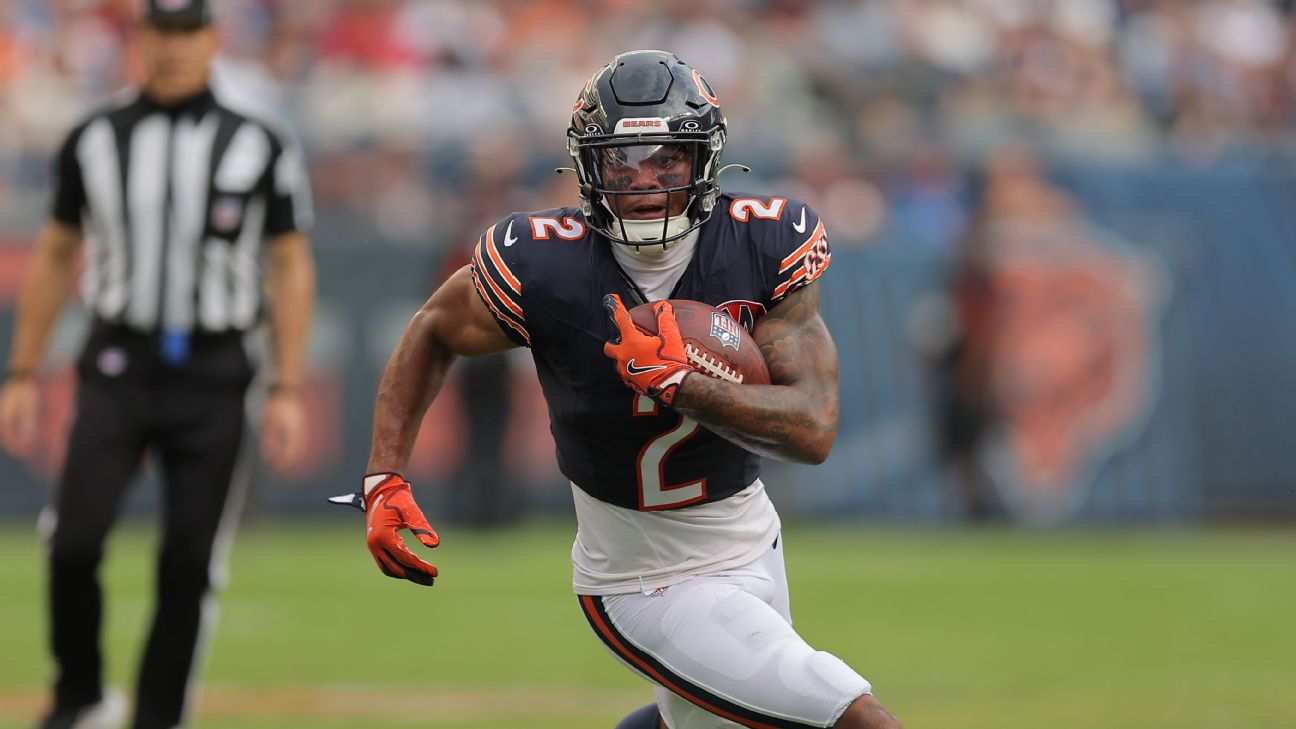
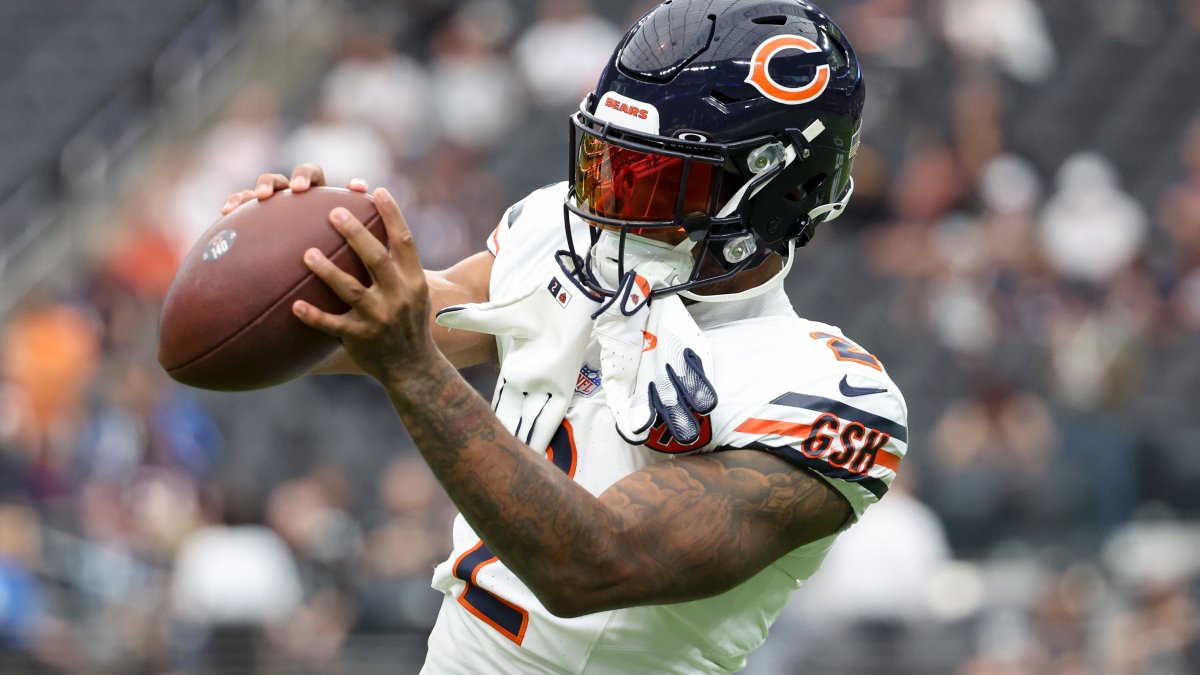
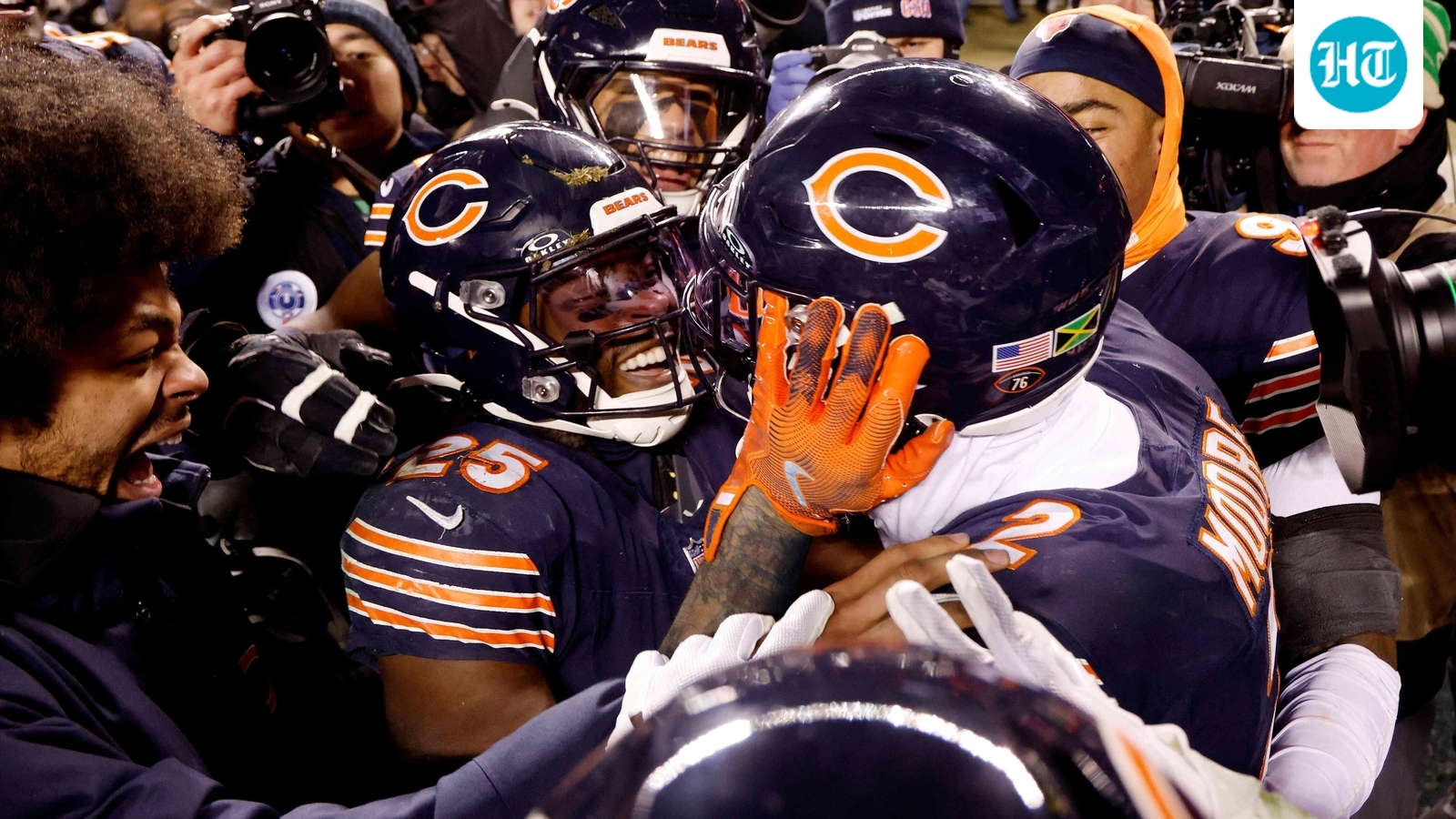
In the intricate world of professional sports, the Chicago Bears vs San Francisco 49ers matchup unveils a nuanced narrative of strategic adaptability that extends far beyond the football field. The recent news surrounding player availability—with DJ Moore, Darnell Wright, and other key athletes listed as questionable or inactive—demonstrates the delicate balance teams must maintain in high-stakes competitive environments.
Roster Management as a Complex Decision Matrix: The detailed injury and availability reports reveal a sophisticated decision-making process. With both teams holding an impressive 11-4 record, each player's status becomes a critical strategic variable. The Bears' situation, featuring multiple players like Rome Odunze and Olamide Zaccheaus facing health challenges, illustrates the razor-thin margins between optimal performance and potential vulnerability. This granular approach to team composition mirrors complex organizational management strategies seen in dynamic business ecosystems.
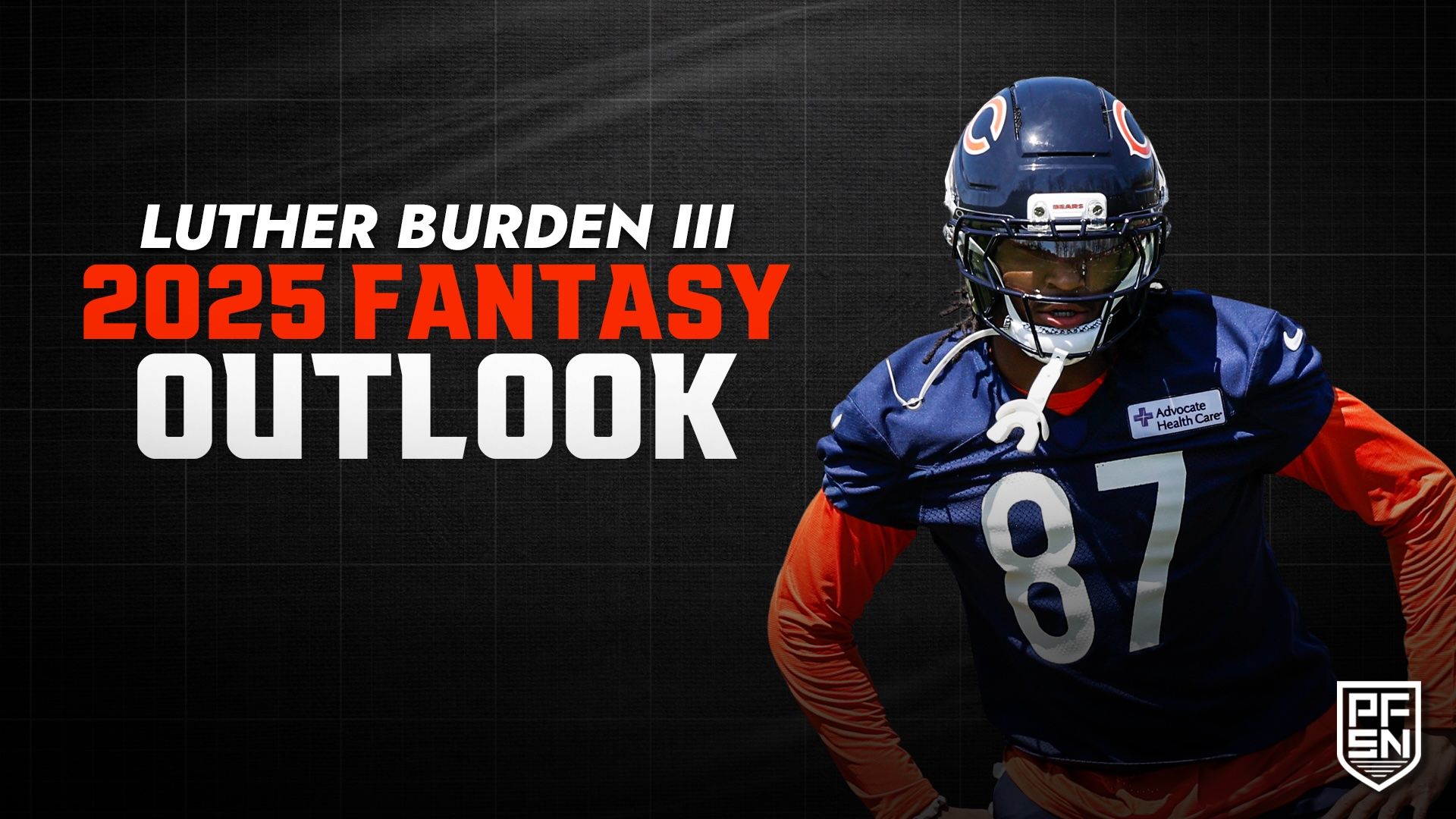
Resilience Through Depth and Adaptability: The presence of alternative players such as Luther Burden, Jahdae Walker, and Devin Duvernay underscores a fundamental organizational principle: building robust systems that can absorb individual uncertainties. Just as successful businesses maintain flexible talent pools, professional sports teams create depth charts that allow seamless transitions when primary performers are unavailable. The 49ers and Bears demonstrate this principle by having practice squad members and backup athletes ready to step into critical roles.
The broader implication transcends sports, offering a metaphorical lens into strategic resilience. Organizations across domains—whether in technology, finance, or creative industries—can learn from this approach of maintaining flexible human capital strategies that prioritize collective performance over individual dependency.
Strategic recommendations emerge from this analysis: cultivate deep talent benches, develop robust contingency protocols, and view temporary setbacks as opportunities for systemic adaptation. The most successful teams and organizations are not those without challenges, but those most adept at navigating uncertainty with composure and strategic intelligence.
Questions 3
What can businesses learn from NFL team roster strategies?
Businesses can learn the importance of building organizational resilience through talent depth, creating flexible human capital strategies, and developing robust contingency protocols. The ability to seamlessly transition and maintain performance when key personnel are unavailable is a critical competitive advantage.
Why are player health updates significant in professional sports?
Player health updates are crucial because they directly impact team performance, strategic planning, and competitive positioning. Each player's availability can shift the dynamics of a game, making detailed health monitoring and adaptive roster management essential for success.