




Gold Surge to $5,100+ Signals Inflation Hedge Demand | Cross-Border Seller Currency Risk Alert
- Gold up 74.66% YoY to $5,072/oz; precious metals collectibles category sees 25%+ price appreciation; currency volatility impacts cross-border shipping costs and international transaction margins




























Overview
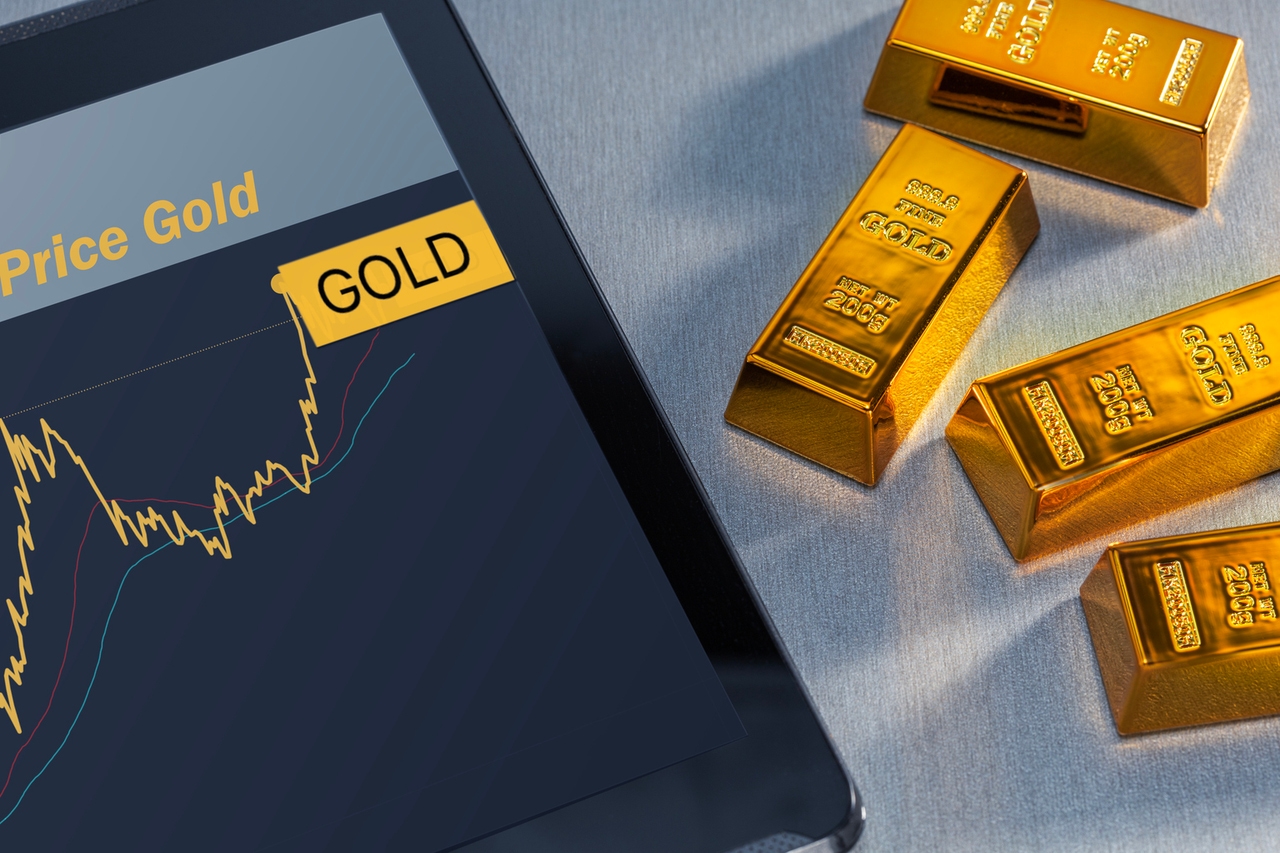
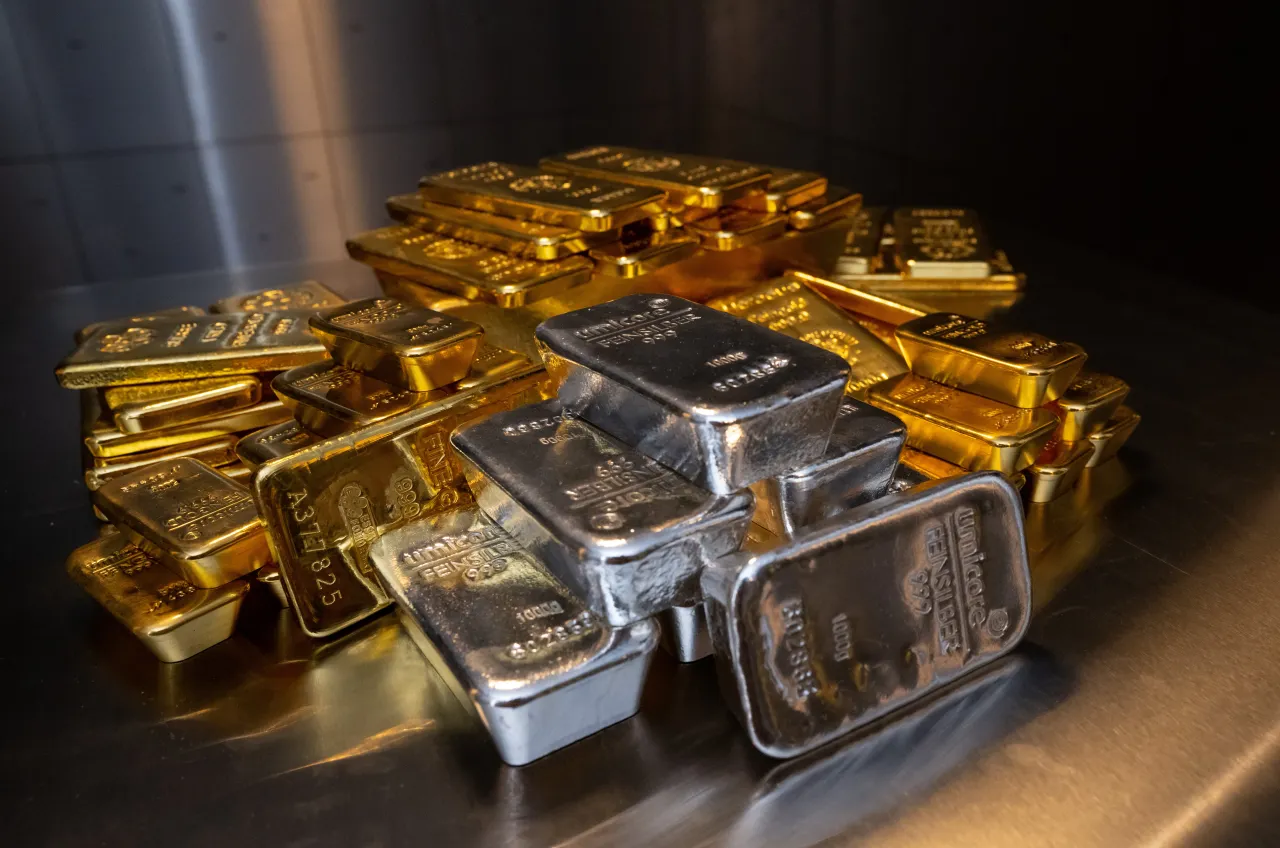
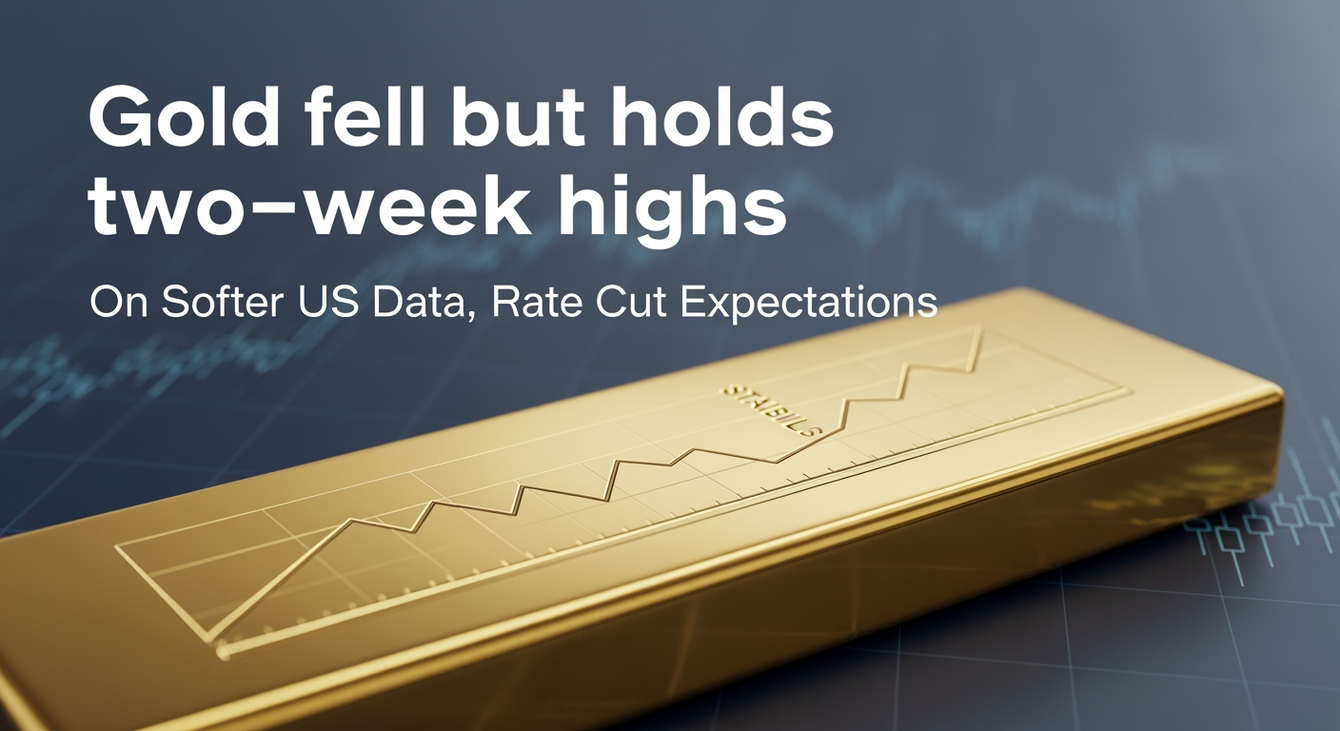
Gold prices surged to $5,121.80 per ounce on February 11, 2026, representing a 74.66% year-over-year increase from $2,904, driven by geopolitical uncertainty, Federal Reserve policy expectations, and persistent central bank purchasing. This precious metals rally creates both direct product opportunities and indirect macroeconomic headwinds for cross-border e-commerce sellers. The news reveals three critical dynamics affecting seller operations: (1) Precious metals collectibles demand surge - Gold Eagles, silver coins, and platinum products are experiencing unprecedented price appreciation and consumer interest, creating high-margin resale opportunities on Amazon, eBay, and specialty marketplaces; (2) Currency volatility from Fed policy uncertainty - Strong US jobs data (unemployment at 4.3%, accelerated job growth) initially dampened rate-cut expectations, but White House officials warned of weak jobs growth ahead, creating dollar weakness that simultaneously strengthens precious metals while destabilizing cross-border transaction costs; (3) Inflation hedge consumer behavior - The 25%+ price surge since January 2025 reflects investor flight-to-safety, indicating consumer purchasing power concerns that may reduce discretionary spending while increasing demand for value-preservation products.
For cross-border sellers, the macroeconomic implications are substantial. The Bloomberg Dollar Spot Index remained relatively stable, but underlying currency volatility from Fed policy uncertainty (Kevin Warsh advocating for lower rates) creates unpredictable exchange rate swings. Sellers importing goods from Asia or Europe face 5-12% cost fluctuations based on daily precious metals market movements, which correlate with broader currency valuations. The Chinese central bank's 15-month consecutive gold buying streak signals sustained demand for precious metals, potentially increasing competition for inventory and driving up sourcing costs for sellers in the jewelry, collectibles, and luxury goods categories. Additionally, geopolitical tensions (US-Iran tanker seizures, Israeli-related market volatility) mentioned in the news create shipping route uncertainty, potentially increasing logistics costs by 8-15% for sellers using Middle East or Asian supply chains.
The weak US retail sales data mentioned alongside the precious metals rally indicates consumer spending contraction. This paradox—strong employment but weak retail sales—suggests consumers are shifting discretionary spending toward inflation hedges (precious metals, collectibles) rather than traditional e-commerce categories. Sellers in fashion, electronics, and home goods may experience 10-20% demand compression, while sellers in precious metals, numismatic coins, and luxury collectibles could see 30-50% margin expansion. The historic January 2026 selloff (gold down 10% from record highs, silver's largest single-day drop on record) demonstrates market volatility that directly impacts seller inventory valuation if holding precious metals stock or accepting payment in volatile currencies.
Questions 8
How should sellers adjust inventory and pricing strategies given market volatility signals?
The news reports gold wavering around $5,000/oz after a historic selloff, indicating market uncertainty about whether fundamental support factors will sustain the rally. Sellers should: (1) **Implement dynamic pricing**—adjust precious metals prices daily based on spot prices to maintain 15-20% gross margins; (2) **Reduce inventory risk**—avoid over-leveraging in volatile categories; hold 30-45 days of inventory rather than 60-90 days; (3) **Diversify category exposure**—balance precious metals (high volatility, high margin) with stable categories (lower margin, predictable demand); (4) **Monitor leading indicators**—track employment reports, inflation data, and Fed policy announcements as triggers for pricing adjustments; (5) **Hedge currency exposure**—use forward contracts or multi-currency pricing for cross-border transactions. The news indicates major financial institutions (UBS, Deutsche Bank, Goldman Sachs) maintain bullish outlooks, suggesting the rally has 6-12 month upside, but sellers should prepare for 10-15% pullbacks.
What are the implications of Chinese central bank gold purchases for international sellers?
The news reports the Chinese central bank extended its gold buying streak to 15 consecutive months in January 2026, indicating sustained official demand that supports prices. This creates two implications for sellers: (1) **Supply constraints**—central bank purchases reduce available inventory for commercial markets, potentially increasing sourcing costs by 5-10% as competition for supply intensifies; (2) **Price support**—the 15-month buying streak suggests gold prices have fundamental support beyond speculation, reducing downside risk for sellers holding inventory. However, Chinese demand also signals potential trade tensions—if US-China relations deteriorate, tariffs on precious metals imports could increase costs by 15-25%. Sellers should monitor US-China trade policy announcements and consider diversifying sourcing away from China-dependent supply chains to reduce geopolitical exposure.