


Kraft Heinz Pauses Split, Invests $600M in Turnaround | Food Seller Competitive Dynamics Shift
- Major packaged food conglomerate reverses spinoff plans, signals aggressive pricing and marketing strategy that reshapes competitive landscape for food e-commerce sellers on Amazon, Walmart Marketplace













Overview
Kraft Heinz announced on February 11, 2026, a major strategic reversal: pausing its previously announced company split and instead committing $600 million to a turnaround focused on revitalizing its U.S. business. New CEO Steve Cahillane, appointed in January 2026 after successfully leading Kellogg's 2023 separation, determined that operational improvements must precede structural changes. The company's decision signals a fundamental shift in competitive strategy that directly impacts food and beverage sellers on major e-commerce platforms.
The competitive landscape for food sellers is tightening significantly. Kraft Heinz's $600 million investment targets marketing, sales, R&D, product innovation, and strategic price reductions—mirroring PepsiCo's recent price-cut announcements. This indicates broader industry trends toward affordability and aggressive promotional spending. For e-commerce sellers competing in condiments, boxed goods, and specialty foods categories, this means increased price competition on Amazon and Walmart Marketplace as Kraft Heinz deploys resources to recapture market share from private-label alternatives and emerging health-conscious brands. The company's focus on underperforming brands like Oscar Mayer, Maxwell House, and Lunchables—which have experienced significant sales declines since the 2015 Buffett-orchestrated merger—suggests targeted promotional campaigns and potential advertising cost inflation on major platforms.
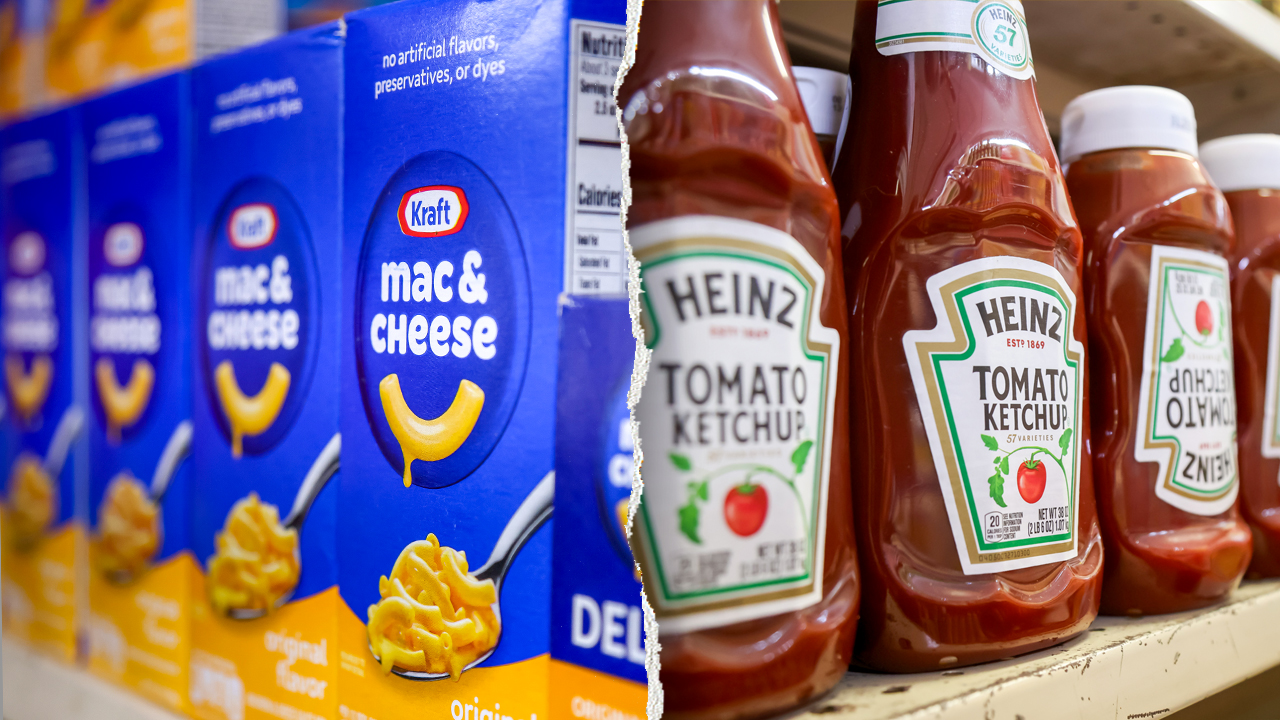
Consumer sentiment deterioration and market headwinds create both risks and opportunities for sellers. Cahillane explicitly cited "worsening consumer sentiment, softened industry trends, and geopolitical volatility" as factors making recovery "steeper." The news reports two consecutive years of organic sales declines for Kraft Heinz, driven by consumer shifts toward healthier options, private-label alternatives, and GLP-1 drug impacts on snack demand. For sellers, this environment means: (1) increased price sensitivity among buyers, creating opportunities for value-positioned products; (2) higher advertising costs as major brands compete for visibility; (3) potential margin compression in direct competition with Kraft Heinz's price-reduced offerings. The company's product innovation strategy—including higher-protein Kraft Mac and Cheese variants and expanded Heinz condiment applications—signals category expansion that may create adjacent selling opportunities for complementary products.
Market reaction reveals investor skepticism about standalone turnaround feasibility. Stock initially fell 5% before stabilizing, with TD Cowen analyst Robert Moskow expressing concern that the reversal indicates "insufficient standalone business strength." This skepticism matters for sellers because it suggests Kraft Heinz may face capital constraints if turnaround execution falters, potentially limiting their ability to sustain aggressive pricing long-term. Conversely, Berkshire Hathaway's support under new CEO Greg Abel provides financial backing for the $600 million commitment. Sellers should monitor quarterly earnings (the announcement coincided with earnings that beat profit expectations but missed revenue targets) to assess whether Kraft Heinz's turnaround gains traction or faces continued headwinds.
Questions 8
How will Kraft Heinz's marketing expansion impact advertising costs on Amazon and Walmart Marketplace?
Kraft Heinz's $600 million investment explicitly includes expanded sales and marketing staff and targeted brand investment. This signals increased advertising spend on major e-commerce platforms as the company competes for visibility in food categories. Sellers should anticipate higher PPC costs and increased competition for sponsored product placements in condiments, boxed goods, and specialty foods categories through Q2 2025 (when Kraft Heinz projects investment impact). The company's focus on 'brand investment and marketing expansion' mirrors PepsiCo's recent strategy, indicating industry-wide trend toward higher advertising spend. Sellers should budget 10-15% higher advertising costs in affected categories and consider shifting to long-tail keywords with lower competition.
What product innovation opportunities emerge from Kraft Heinz's turnaround focus?
Kraft Heinz is pursuing product innovation including higher-protein Kraft Mac and Cheese variants and expanded Heinz brand applications in pasta sauce and chicken/fish condiments. This signals category expansion and potential gaps for complementary products. Sellers can capitalize by offering: (1) protein-enhanced alternatives in pasta/boxed goods categories; (2) specialty condiments and sauces that complement Heinz's expanded applications; (3) health-focused alternatives to reformulated products. The company's success with Philadelphia cream cheese and Heinz Simply ketchup when given increased resources suggests consumer demand for premium/health-positioned variants. Sellers should monitor Kraft Heinz's new product launches and develop complementary offerings targeting the same health-conscious buyer segments.