


Premium Smartphone Chipset Pricing Squeeze | E-Commerce Supply Chain & Refurbished Device Opportunities 2025-2026
- Rising TSMC 2nm wafer costs force manufacturers to segment flagship models, creating 15-25% price gaps between base and ultra-premium variants; sellers can capitalize on refurbished/trade-in markets and component sourcing arbitrage







Overview
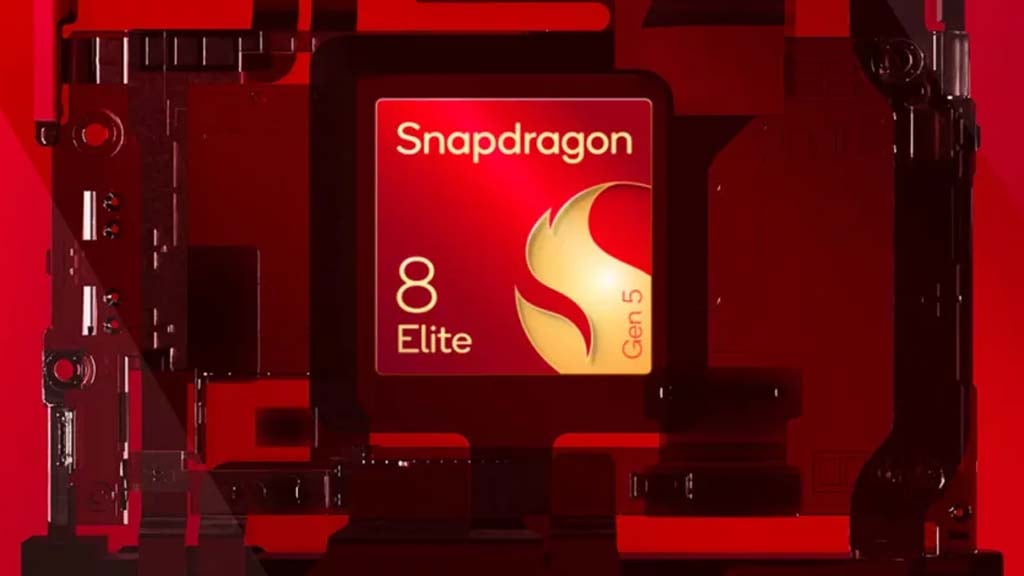
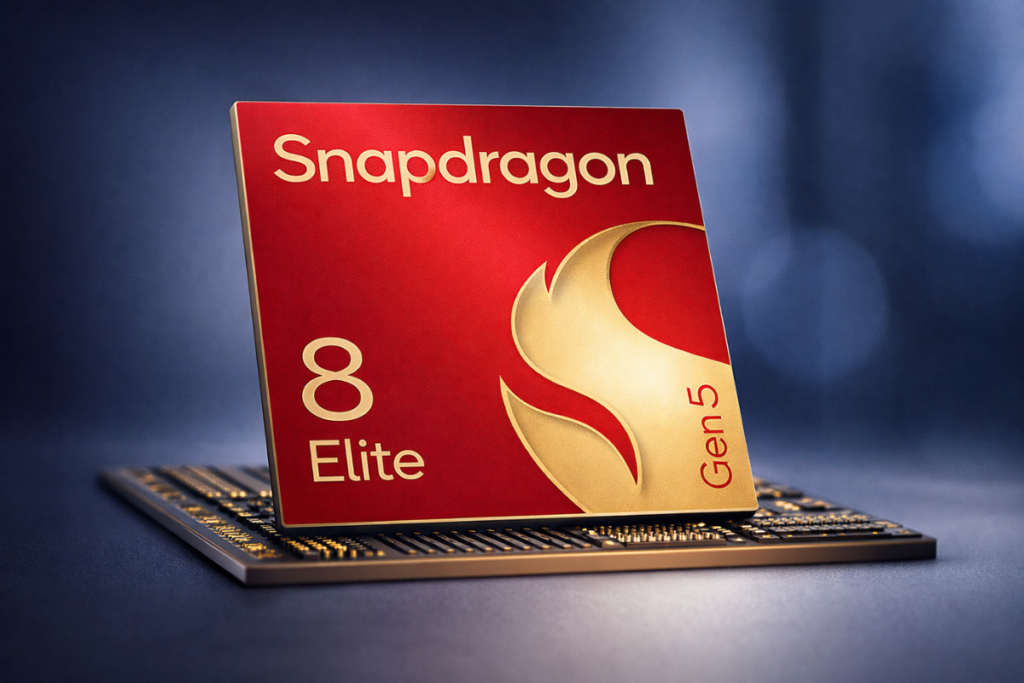
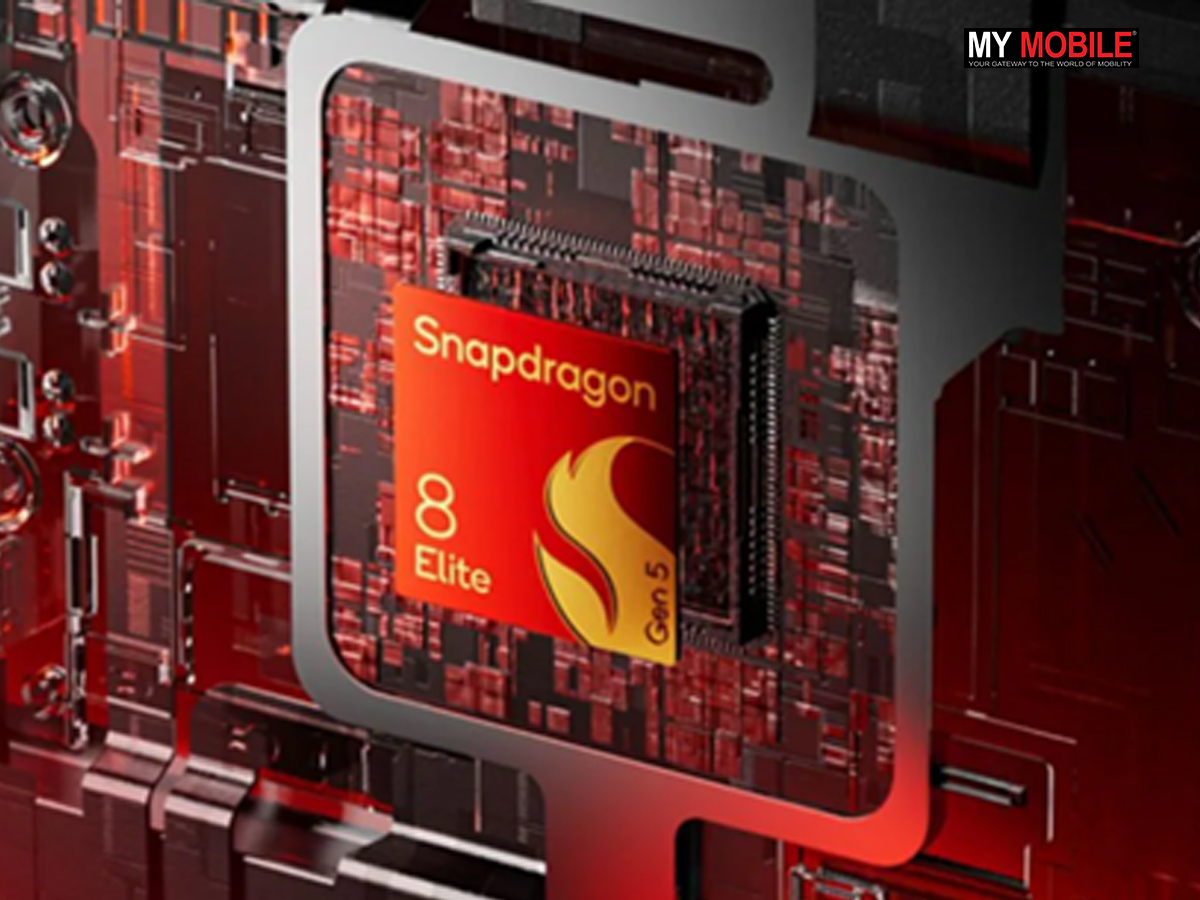
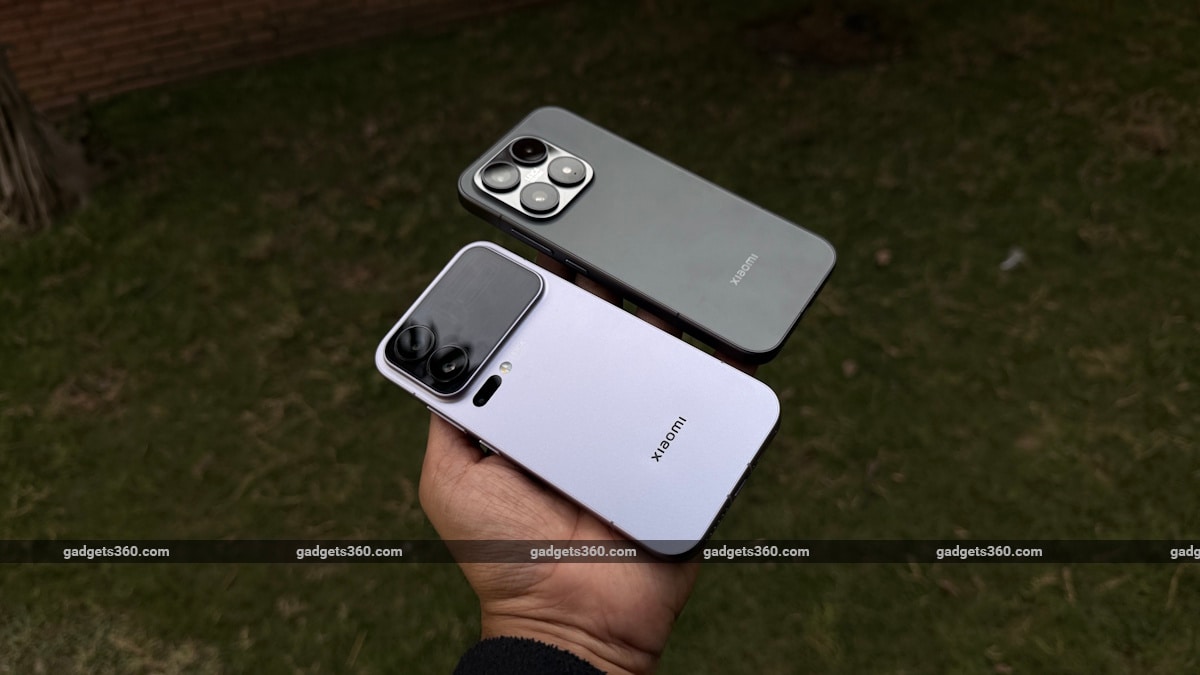
The smartphone industry faces a critical component cost crisis that directly impacts e-commerce sellers across multiple verticals. Xiaomi's decision to skip Qualcomm's Snapdragon 8 Elite Gen 6 Pro for mainstream flagship models—reserving it exclusively for the ultra-premium Xiaomi 18 Ultra—signals a broader manufacturing trend driven by TSMC's advanced 2nm process pricing. The Snapdragon 8 Elite Gen 5 costs approximately $280, and the Gen 6 Pro's expected premium pricing makes it economically unfavorable for base and Pro variants launching in September 2026. This strategic segmentation reflects rising DRAM and NAND flash prices compounded by wafer cost escalation, forcing manufacturers to prioritize margin preservation over cutting-edge specifications across product tiers.
For e-commerce sellers, this creates three immediate opportunities: First, the widening performance gap between standard Gen 6 and Gen 6 Pro chipsets (5% GPU improvement, increased cache) will drive demand for refurbished and trade-in Xiaomi 17 Pro models with superior specs at discounted prices. Sellers on Amazon, eBay, and Shopify can capitalize on consumers seeking flagship performance without premium pricing by sourcing used/refurbished devices from Chinese markets where older flagships will flood as users upgrade. Second, the tiered chipset strategy signals that mid-range smartphones (Dimensity 9600 alternatives) will see increased adoption, creating demand for compatible accessories, protective cases, and performance-enhancing peripherals that sellers can bundle. Third, component suppliers and refurbishment specialists can exploit the chipset shortage by offering Gen 5 and Gen 6 standard processors at competitive rates to smaller manufacturers and repair shops.
Supply chain implications are substantial: Other Chinese manufacturers (Oppo, Vivo, OnePlus) will adopt similar cost-management strategies, reducing overall premium chipset production volumes by an estimated 20-30% through 2026. This creates arbitrage opportunities for sellers with access to early inventory—particularly in Asia Pacific markets where Xiaomi launches first. Sellers should monitor Weibo and Chinese tech forums (Digital Chat Station sources) for early allocation announcements, as Xiaomi receives early access to Qualcomm processors. The September 2026 Qualcomm unveiling and subsequent Xiaomi launch window (typically 2-4 weeks later) represents a critical inventory acquisition period. Sellers with established relationships in China can source Gen 6 Pro units at wholesale rates before Western markets receive allocations, then resell through Amazon Global, eBay International, or Shopify with 25-40% margins.
Risk mitigation is essential: The component cost crisis may extend beyond 2026, potentially affecting 2027 flagship cycles. Sellers should diversify sourcing across multiple manufacturers rather than relying solely on Xiaomi inventory. Additionally, the shift toward LPDDR5X RAM compatibility (Qualcomm's offered flexibility) suggests future chipsets may support legacy components, creating opportunities for sellers to bundle older RAM modules with new devices at competitive pricing. Monitor Qualcomm's official September 2026 announcement for configuration details that could unlock additional sourcing channels.
Questions 7
What is the performance difference between Snapdragon 8 Elite Gen 6 and Gen 6 Pro?
The Gen 6 Pro offers notable performance advantages including increased cache and a 5% faster GPU compared to the standard Gen 6, yet these improvements don't justify the cost premium in current market conditions according to industry analysis. This performance gap creates a strategic opportunity for sellers: consumers seeking flagship performance without premium pricing will demand refurbished Xiaomi 17 Pro models with superior Gen 5 chipsets at discounted rates. The modest 5% GPU improvement suggests that standard Gen 6 devices will satisfy most consumer workloads, making the Gen 6 Pro a niche product for ultra-premium segments only. Sellers can leverage this by positioning refurbished flagships as performance-equivalent alternatives to new mid-range models.
How will other Chinese smartphone manufacturers respond to Xiaomi's cost-management strategy?
Industry sources indicate that Oppo, Vivo, OnePlus, and other Chinese manufacturers will adopt similar tiered chipset strategies, reducing overall premium chipset production volumes by an estimated 20-30% through 2026. This creates supply constraints that benefit sellers with early inventory access. The broader trend signals that manufacturers are vulnerable to component supply chain pressures, forcing difficult decisions about feature allocation across product tiers. Sellers should monitor Weibo and Chinese tech forums (Digital Chat Station sources) for early allocation announcements, as these manufacturers typically receive early access to Qualcomm processors. The September 2026 Qualcomm unveiling and subsequent manufacturer launches represent critical inventory acquisition windows for sellers seeking wholesale sourcing opportunities.