




Windows Secure Boot Certificate Expiration June 2026 | Critical Device Security Update for Sellers
- Affects millions of Windows devices globally; creates urgent upgrade demand for refurbished/used PC sellers; impacts device compatibility through October 2026













Overview
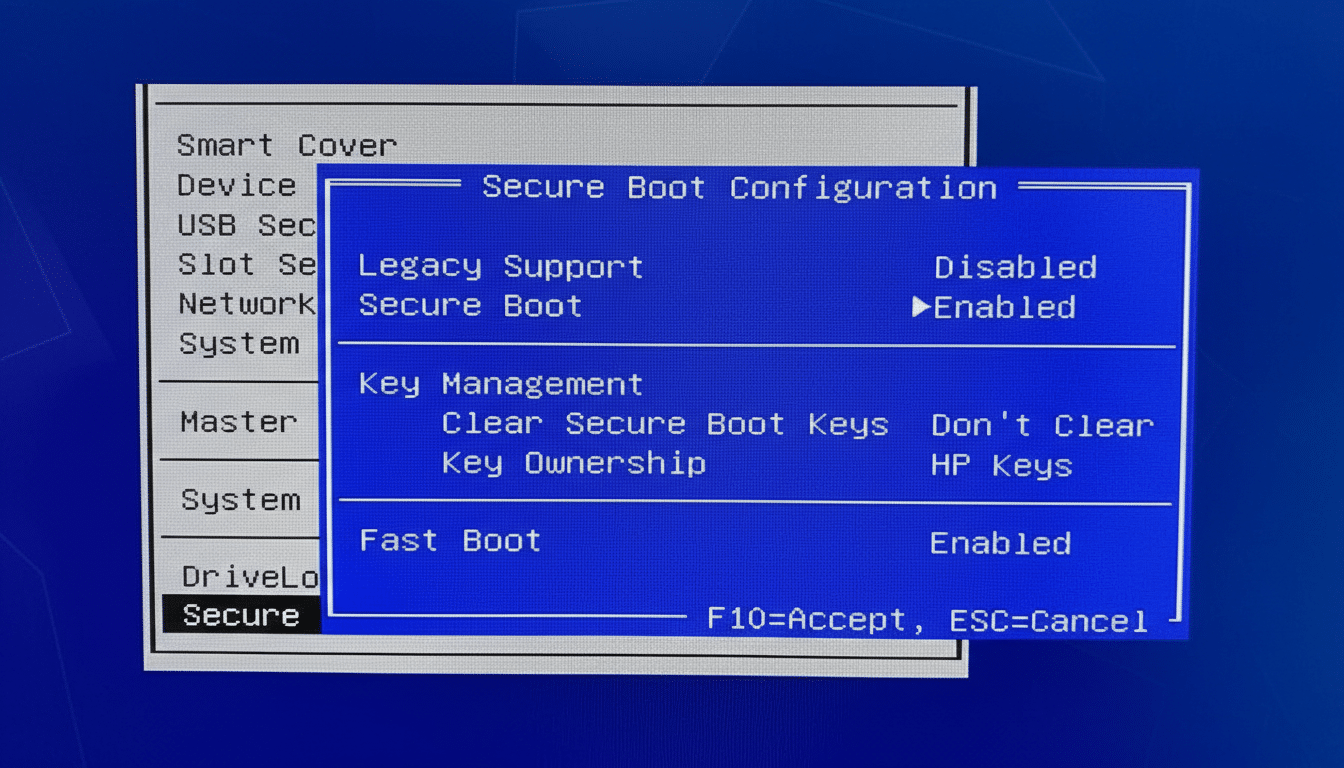
Microsoft's Secure Boot certificate expiration in late June 2026 represents a critical infrastructure event affecting millions of Windows devices worldwide, with significant implications for e-commerce sellers in the refurbished electronics, PC components, and device upgrade categories. The original certificates, introduced in 2011 with a planned 15-year lifecycle, will expire on June 30, 2026, placing unsupported devices into a "degraded security state" that limits future boot-level protections and creates compatibility risks with newer operating systems and firmware.
For e-commerce sellers, this event creates multiple revenue opportunities across distinct market segments. First, the refurbished and used PC market will experience heightened demand as millions of Windows 10 users (officially unsupported since 2025) seek to upgrade to Windows 11 devices before the certificate expiration deadline. Sellers specializing in refurbished laptops and desktops from Dell, HP, and Lenovo—the three major OEMs actively coordinating the update—can capitalize on this upgrade cycle. Nearly all PCs shipped in 2025 already include the new certificates, making 2025-2026 inventory particularly valuable. Second, the Extended Security Updates (ESU) program creates a secondary market for Windows 10 device support through October 13, 2026, extending the useful life of older devices and creating demand for complementary security products (antivirus software, security suites, VPN services) that sellers can bundle with refurbished systems.
The operational impact varies significantly by seller segment and device age. Sellers offering refurbished Windows 11 PCs can emphasize pre-installed updated certificates as a competitive advantage, requiring zero customer action. Sellers with Windows 10 inventory must clearly communicate the ESU enrollment requirement and the October 2026 deadline to buyers, positioning ESU enrollment as a value-added service. The coordinated rollout through monthly Windows updates means Windows 11 users face minimal disruption, but Windows 10 users not enrolled in ESU will face increasing security vulnerabilities and potential compatibility issues with new software and hardware drivers. This creates a 16-month window (June 2026 to October 2026) where sellers can market ESU-eligible devices as "extended support" solutions to cost-conscious buyers.
Strategic seller opportunities emerge across three timelines. Immediate actions (through May 2026) should focus on inventory positioning: highlight Windows 11 devices with pre-installed certificates, bundle Windows 10 devices with ESU enrollment assistance, and stock complementary security products. Mid-term actions (June-September 2026) capitalize on the upgrade surge as certificate expiration approaches and Windows 10 users face degraded security warnings. Long-term positioning (October 2026 onward) targets the post-ESU market where Windows 10 devices become obsolete, creating demand for Windows 11 upgrades and potentially opening opportunities in the refurbished enterprise/education sectors where Microsoft's coordinated OEM partnerships (Dell, HP, Lenovo) ensure firmware availability.
Questions 7
What are the financial implications of the certificate expiration for sellers with Windows 10 inventory?
Windows 10 devices will enter a 'degraded security state' after June 2026, potentially reducing resale value by 20-35% as buyers perceive increased security risks. However, the ESU program extends support through October 2026, creating a 4-month window where sellers can market Windows 10 devices as 'ESU-eligible' at moderate discounts (10-15% below Windows 11 pricing). Sellers should calculate the cost of bundling ESU enrollment assistance and security software ($25-50 per device) against the value preservation benefit. Devices not sold by June 2026 will require aggressive discounting or repositioning toward budget-conscious segments, potentially reducing margins by 30-50%. Strategic sellers should accelerate Windows 10 inventory turnover by May 2026 to maximize margins.
How should sellers communicate the certificate expiration to Windows 10 buyers on Amazon, eBay, or Shopify?
Sellers must provide transparent, non-alarming communication in product listings and descriptions. Recommended messaging: 'This Windows 10 device is eligible for Extended Security Updates (ESU) through October 13, 2026, providing continued security patches and Secure Boot certificate updates.' Include a link to Microsoft's ESU enrollment page and clarify that devices continue functioning normally but enter a 'degraded security state' for future boot-level protections. For Windows 11 devices, emphasize 'Pre-installed 2026 Secure Boot certificates—no action required.' Sellers should add FAQ sections addressing the June 2026 deadline, ESU enrollment process, and upgrade paths. Clear communication reduces return rates (typically 15-25% higher for security-related concerns) and builds buyer trust, potentially increasing conversion rates by 10-15%.