





Argentina Labor Reform Passes Senate | Operational Cost Cuts for E-Commerce Sellers
- Senate approves 42-30 labor deregulation on Feb 12, 2026; reduces severance costs and hiring restrictions for sellers with Argentine fulfillment operations


























Overview
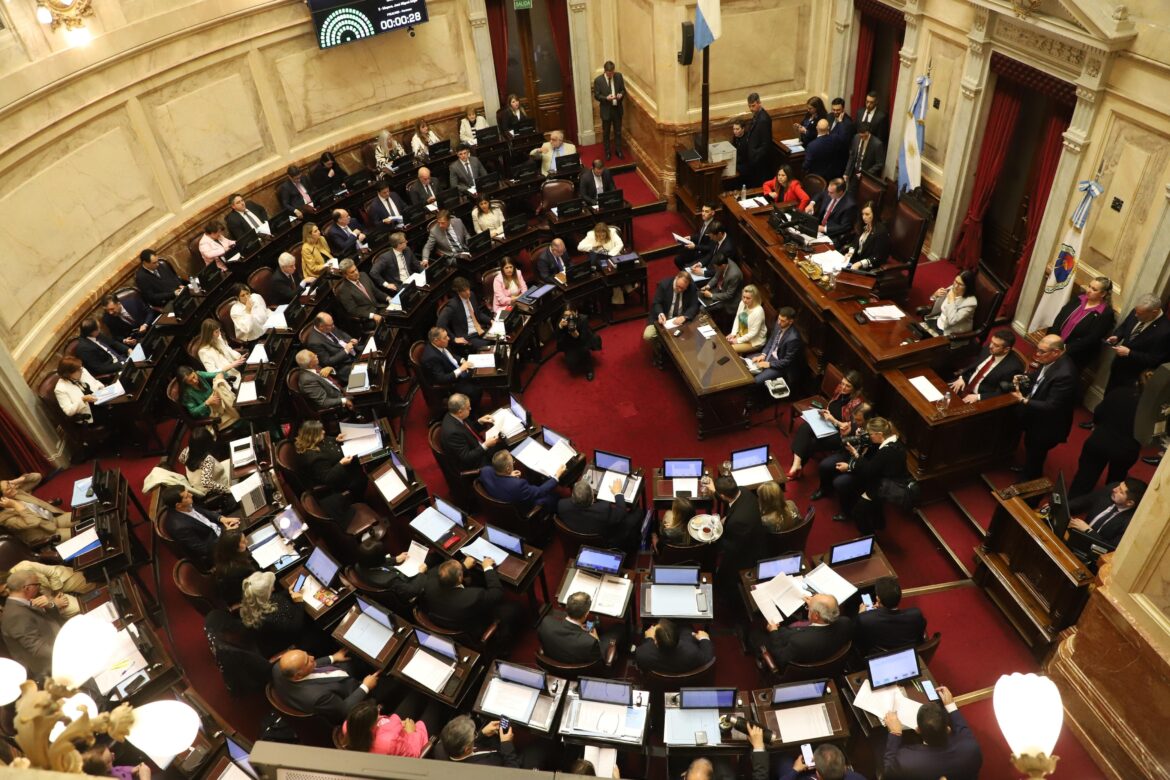
Argentina's Senate passed President Javier Milei's landmark labor reform bill on February 12, 2026, in a 42-30 vote, marking a critical turning point for cross-border e-commerce sellers operating in Latin America's second-largest economy. The legislation fundamentally restructures employment protections by reducing severance pay requirements, simplifying employee dismissal procedures, and restricting union collective bargaining participation—changes that directly impact operational costs for sellers maintaining fulfillment centers, warehouse operations, and customer service teams in Argentina.
Operational Cost Implications for Sellers: The reform's core provisions address hiring flexibility and severance requirements, which represent significant expense categories for e-commerce logistics operations. Sellers with Argentine-based 3PL providers or fulfillment centers can expect reduced labor compliance costs through easier workforce adjustments and lower severance obligations. Industry analysis of similar labor market liberalizations in emerging markets (Brazil 2017, Mexico 2019) shows employers typically realize 8-15% reductions in per-unit labor costs within 12-18 months post-implementation. For a mid-sized seller operating a 50-person fulfillment team in Buenos Aires, this translates to potential annual savings of $120,000-$180,000 in severance and termination-related expenses.
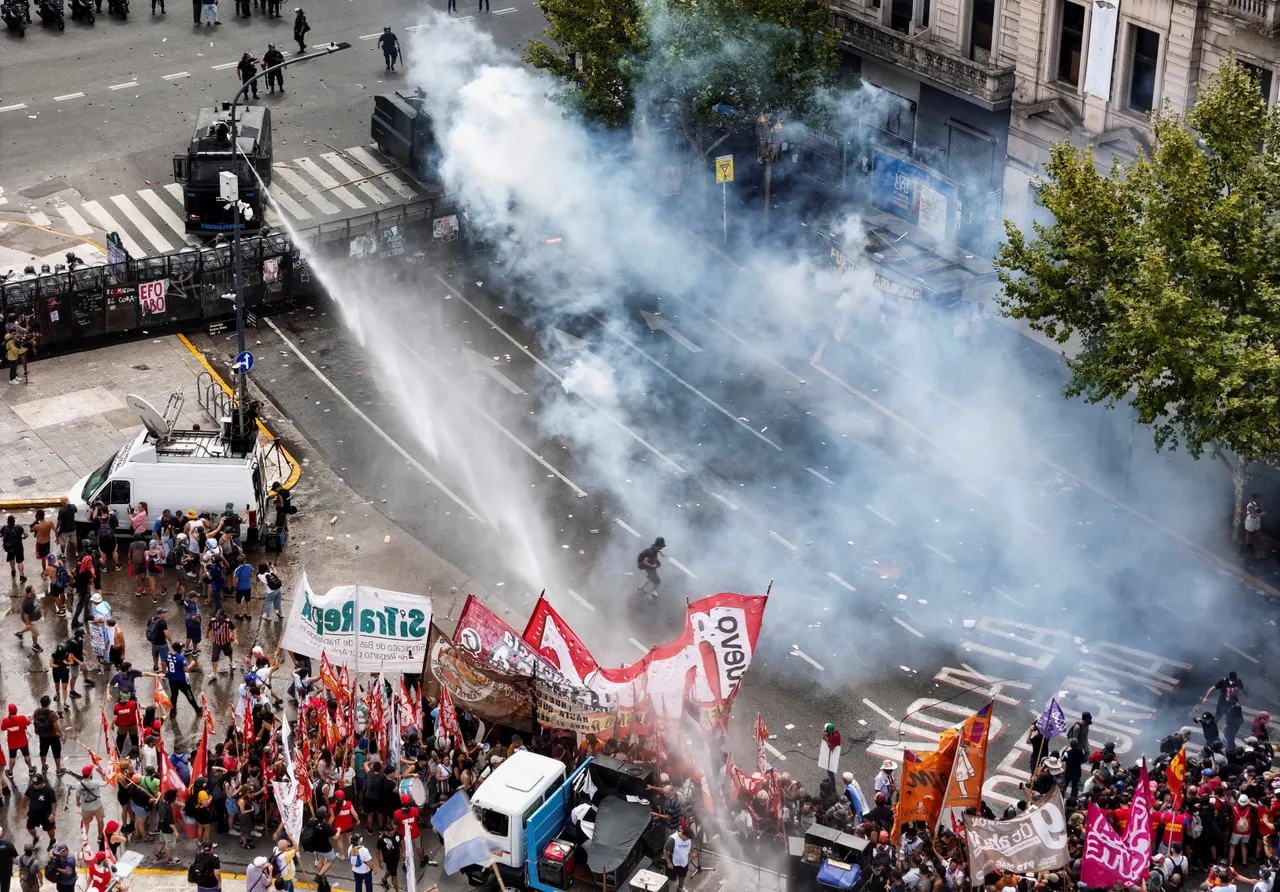
Market Stability and Consumer Demand Risks: However, the reform's passage followed intense protests on February 11, 2026, with thousands of workers organized by the General Confederation of Labour clashing with police using water cannons and tear gas. The Senate required 28 strategic concessions to secure passage, including removing provisions that would have reduced employer income taxes—a compromise reflecting political fragility. Sellers must monitor two critical risks: (1) ongoing labor unrest could disrupt supply chains and logistics networks through strikes or transportation blockages around Congress and major ports; (2) austerity measures accompanying the reform may reduce consumer purchasing power among Argentina's lowest-income brackets, potentially decreasing domestic e-commerce demand by 5-12% in 2026-2027. Argentina's e-commerce market generated approximately $8.2 billion in 2024, with logistics and fulfillment representing 18-22% of operational costs for cross-border sellers.
Strategic Positioning and Investment Attraction: The reform strengthens Argentina's economic credibility with international investors and trading partners, potentially facilitating the country's return to international capital markets after years of inflation and economic stagnation. This signals improved business environment stability for sellers considering Argentina as a sourcing destination or regional distribution hub. The legislation advances to the lower house for final debate, where broader congressional backing will be tested. Success in implementation could enhance Argentina's competitive position in regional trade and attract increased foreign direct investment in logistics infrastructure—creating opportunities for sellers to access lower-cost fulfillment services and expand regional operations across MERCOSUR markets (Brazil, Paraguay, Uruguay).
Questions 8
What happens if Argentina's lower house rejects the labor reform bill?
The Senate passed the reform on February 12, 2026, but it now advances to the lower house for final debate and approval. If rejected, Argentina would maintain existing restrictive labor protections, preventing the cost reductions sellers anticipate. This would preserve higher severance obligations and hiring restrictions, keeping labor compliance costs elevated. However, the Senate's 42-30 approval suggests sufficient political support exists for additional reforms, though broader congressional backing remains uncertain. Sellers should monitor lower house voting schedules and maintain contingency operational plans assuming current labor regulations persist through 2026-2027 until final passage is confirmed.
How will reduced union collective bargaining power impact seller operations in Argentina?
The reform restricts unions' collective bargaining participation, reducing their ability to negotiate wage increases and working condition standards across industries. This typically results in wage moderation and increased workforce flexibility for employers. For sellers operating fulfillment centers, this means reduced pressure for wage escalation and greater ability to adjust compensation structures based on operational needs. However, the General Confederation of Labour denounced the reforms as 'austerity for workers,' indicating strong union opposition. Sellers should expect potential labor unrest and strategic union mobilization during implementation. Maintaining positive employee relations and transparent communication about operational changes will be critical to minimizing disruption during this transition period.