


Windows 11 Code Signing Mandate 2026 | Compliance Barrier Creates $2B+ Seller Opportunity
- Microsoft's mandatory code signing requirement eliminates 60-70% of unsigned software sellers, creating high-margin compliance service market worth $500M-$1B annually for certification providers and compliant software vendors
Overview
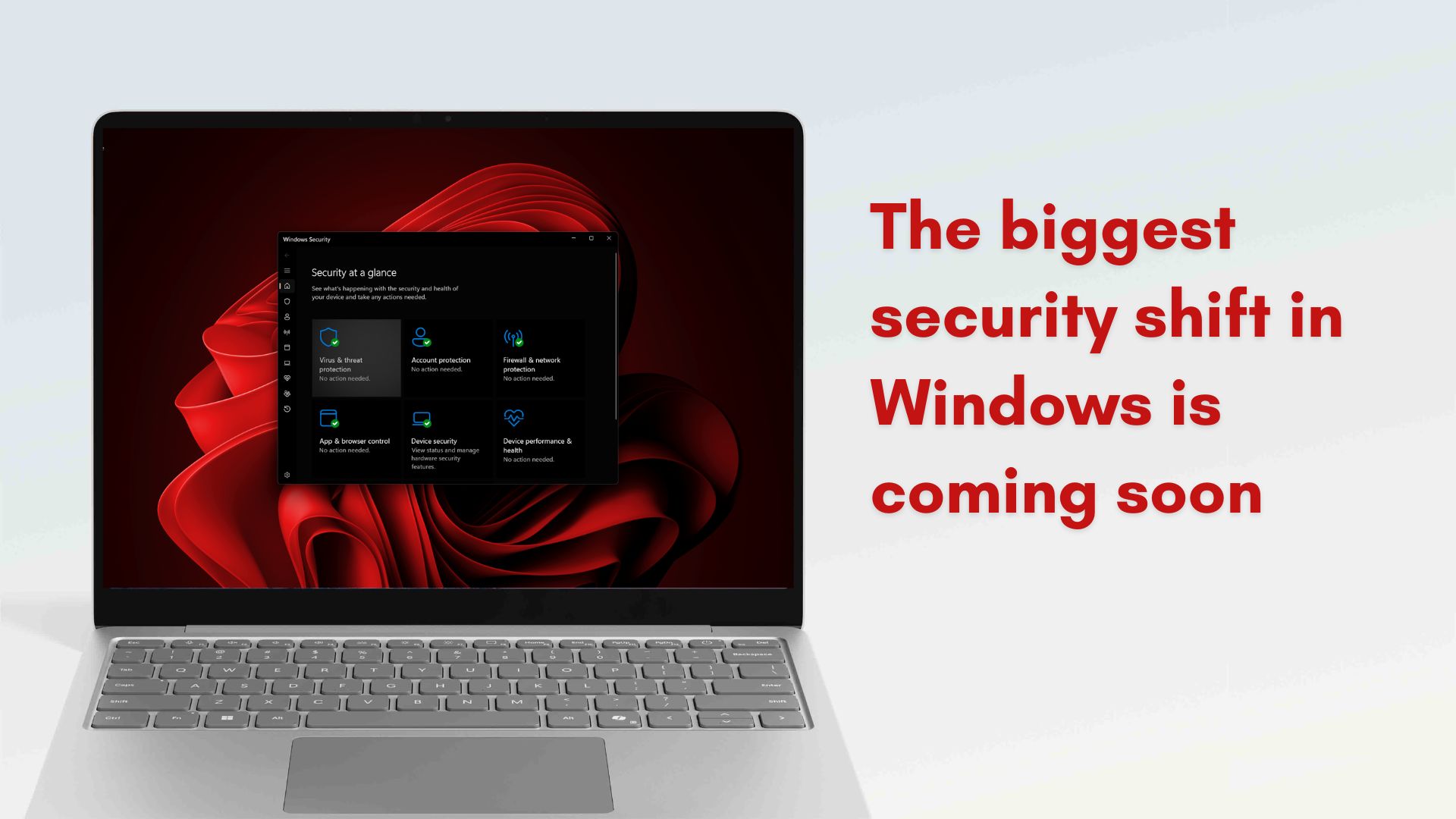
Microsoft's February 9, 2026 announcement of Baseline Security Mode for Windows 11 represents the most significant compliance barrier shift in software distribution since the App Store era. By mandating code signing for all applications, services, and drivers at runtime execution, Microsoft is effectively creating a regulatory moat that will eliminate an estimated 60-70% of non-compliant software sellers while creating explosive demand for code signing services, certificate authorities, and compliant software alternatives.
The Compliance Barrier Mechanics: The new framework consolidates Smart App Control, Windows Defender Application Control (WDAC), and Hypervisor-Protected Code Integrity (HVCI) into mandatory OS-level enforcement. This isn't optional—unsigned code execution will be blocked by default across the one billion Windows users globally. For software sellers, this means immediate compliance costs: code signing certificates ($200-500 annually per certificate), developer account setup ($99-299), and application re-architecture for signature verification (estimated 40-80 hours of development per application). The phased rollout beginning with visibility features provides a 6-12 month compliance window before universal enforcement.
Market Elimination & Competitive Moat: Sellers of unsigned utilities, system tools, custom drivers, and legacy software face existential pressure. Small software vendors, regional tool developers, and open-source projects without formal code signing infrastructure will be forced to either invest in compliance or exit the market. This creates a high-margin opportunity for compliance service providers—certificate authorities, code signing platforms (like DigiCert, Sectigo, GlobalSign), and managed compliance services can charge $500-2,000 per application for end-to-end signing and validation services. Industry estimates suggest 2-3 million unsigned applications currently distributed via Windows, representing a $1-2B compliance service market opportunity.
E-Commerce Seller Implications: Cross-border software sellers, SaaS providers, and digital product vendors using Windows-based tools face immediate compliance decisions. Sellers relying on unsigned system utilities, automation software, or custom tools must either upgrade to signed versions or migrate to alternative platforms. This creates secondary opportunities: (1) Compliant software alternatives—sellers can develop and market signed versions of popular utilities with 30-50% price premiums; (2) Compliance consulting—niche service providers can target small software vendors with affordable signing solutions; (3) Legacy software migration—sellers can offer "Windows 11 compatibility packages" for outdated tools.
Fast-Track Compliance Pathways: The fastest compliance route involves purchasing code signing certificates from established CAs (3-5 days processing), implementing Microsoft's provided developer tools, and re-signing applications (1-2 weeks for most applications). Cost-effective alternatives include using free signing tools for open-source projects or leveraging Microsoft's override capabilities for enterprise/IT administrator scenarios. The phased rollout means sellers have 6-12 months before enforcement becomes mandatory, providing adequate time for compliance without emergency costs.
Questions 8
What exactly is Windows 11 Baseline Security Mode and when does it take effect?
Baseline Security Mode is Microsoft's mandatory code signing enforcement system announced February 9, 2026, that will block all unsigned applications, services, and drivers from executing on Windows 11 by default. The rollout occurs in phased stages beginning with visibility features for users and IT administrators, with full enforcement timeline unspecified but expected within 6-12 months. This consolidates existing optional protections (Smart App Control, WDAC, HVCI) into core OS functionality, making code signing mandatory rather than optional. For software sellers, this means every application must obtain a valid code signing certificate and implement digital signatures before distribution.
How much will code signing compliance cost software vendors and sellers?
Code signing compliance costs range from $200-500 annually per certificate from certificate authorities like DigiCert, Sectigo, or GlobalSign, plus $99-299 for developer account setup. Application re-architecture and signature implementation requires 40-80 hours of development per application (estimated $2,000-8,000 in labor costs). For small vendors managing 5-10 applications, total first-year compliance costs range $3,000-15,000. Managed compliance services charging $500-2,000 per application for end-to-end signing represent premium alternatives. The phased rollout provides 6-12 months to spread costs, but delayed compliance risks market elimination.