


)


Russia WhatsApp Block 2025 | Critical Seller Communication Crisis
- Affects 100M+ Russian users; forces sellers to abandon Western platforms by 2026; creates compliance burden for cross-border e-commerce operations













































Overview
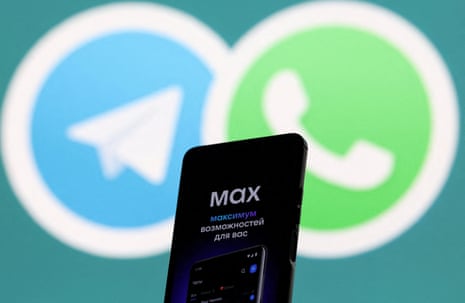
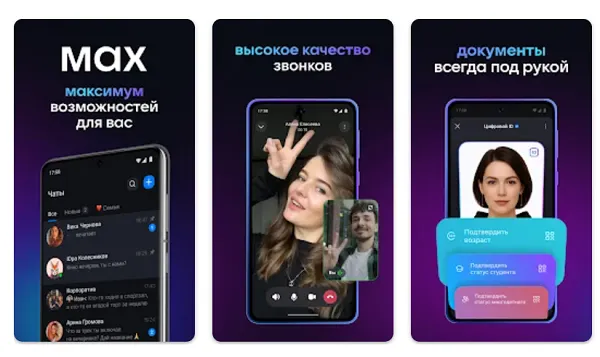
Russia's complete blockade of WhatsApp and forced migration to state-controlled Max app represents a critical operational disruption for cross-border e-commerce sellers with Russian market exposure. The Russian government, through Roskomnadzor, has escalated its "digital sovereignty" initiative by attempting to fully block WhatsApp (serving 100+ million Russian users) and mandating pre-installation of the state-sponsored Max app on all new devices sold in Russia since 2025, with permanent blocking expected by 2026. This follows December 2024 restrictions on Snapchat and Apple FaceTime, and earlier blocks of Facebook and Instagram. The Kremlin's strategy mirrors China's WeChat super-app model, positioning Max (currently 55 million users) as the mandatory communication platform for Russian citizens and businesses.
For cross-border e-commerce sellers, this creates three immediate operational challenges: First, sellers relying on WhatsApp for customer communication with Russian clients face service disruptions and forced migration to Max, a state-monitored platform that compromises customer privacy and violates international data protection standards (GDPR, CCPA). Second, the mandatory Max pre-installation requirement creates compliance burdens—public sector employees, teachers, and students are already required to use Max, signaling expansion to mandatory business use. Third, alternative communication channels (email, local Russian platforms like VK or Viber) lack the real-time efficiency of WhatsApp, potentially increasing customer service response times by 20-40% and reducing conversion rates for time-sensitive transactions.
The strategic implication extends beyond Russia: This regulatory pattern signals broader fragmentation of global communication infrastructure. Similar restrictions are expanding in authoritarian markets (Iran's failed Telegram ban, China's WeChat monopoly), indicating that sellers operating in multiple restricted markets must develop region-specific communication protocols. The 2026 permanent blocking deadline creates a 12-month window for sellers to transition customer communication infrastructure, implement alternative platforms (Telegram still functions but faces restrictions; email/SMS require higher operational costs), and potentially reassess Russian market viability. Sellers with significant Russian revenue exposure should immediately audit their customer communication dependency on Western platforms and develop contingency strategies to avoid service disruptions that could impact customer retention and repeat purchase rates.
Questions 7
How does Russia's digital sovereignty strategy compare to other restricted markets?
Russia's WhatsApp block mirrors similar patterns in China (WeChat monopoly), Iran (failed Telegram ban), and increasingly in other authoritarian markets. All follow the same model: block Western platforms, mandate state-controlled alternatives, and prioritize government surveillance over user privacy. This signals that sellers operating in multiple restricted markets must develop region-specific communication protocols rather than global standardized systems. The fragmentation creates competitive disadvantages for sellers without resources to manage multiple platforms. Sellers should map their market exposure across restricted regions and develop tiered communication strategies: Western platforms for open markets, local alternatives for restricted markets, and encrypted channels for sensitive data.
What alternative communication channels should sellers use instead of WhatsApp in Russia?
Sellers have three primary alternatives: (1) Email—most reliable but slower response times (4-8 hours vs. WhatsApp's real-time); (2) SMS/Viber—faster than email but higher costs ($0.05-0.15 per message vs. WhatsApp's data-based model); (3) Telegram—still functional but faces increasing restrictions and potential future blocking. Max app is not recommended due to data protection violations. Email remains the safest option for GDPR/CCPA compliance but requires investment in email automation infrastructure. SMS/Viber provides faster response times but increases operational costs by 20-30% compared to WhatsApp. Sellers should implement hybrid approach: email for order confirmations and documentation; SMS/Viber for time-sensitive updates; Telegram as secondary channel while it remains accessible.