




Arctic Geopolitical Tensions Drive NATO Coordination | Cross-Border Seller Implications
- NATO's Arctic Sentry initiative (launched Feb 12, 2026) signals regional instability affecting supply chains, logistics routes, and market access for sellers shipping to Nordic/European territories















Overview
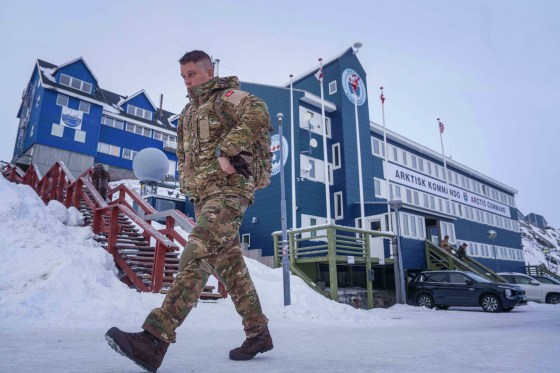
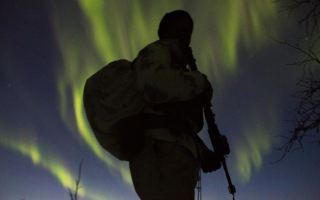
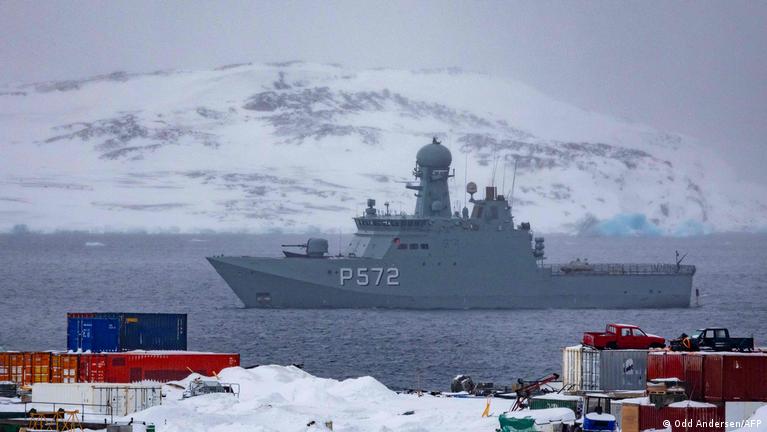
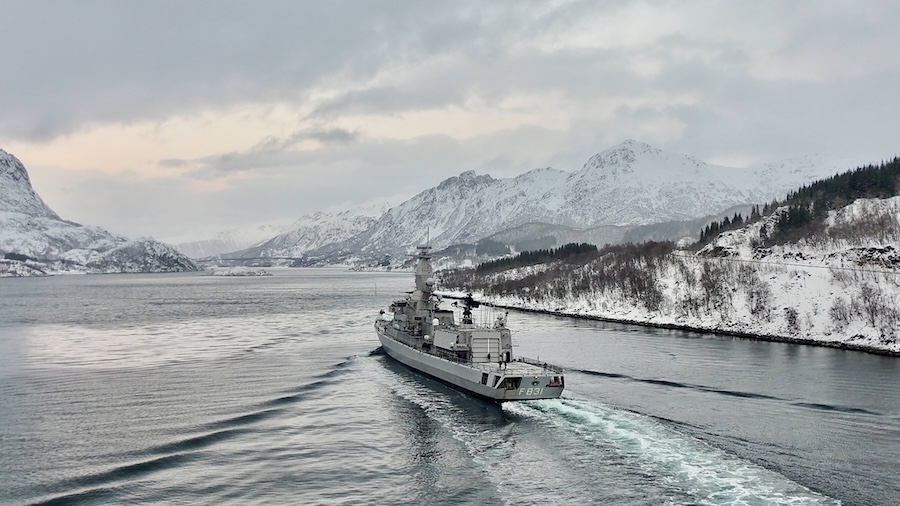
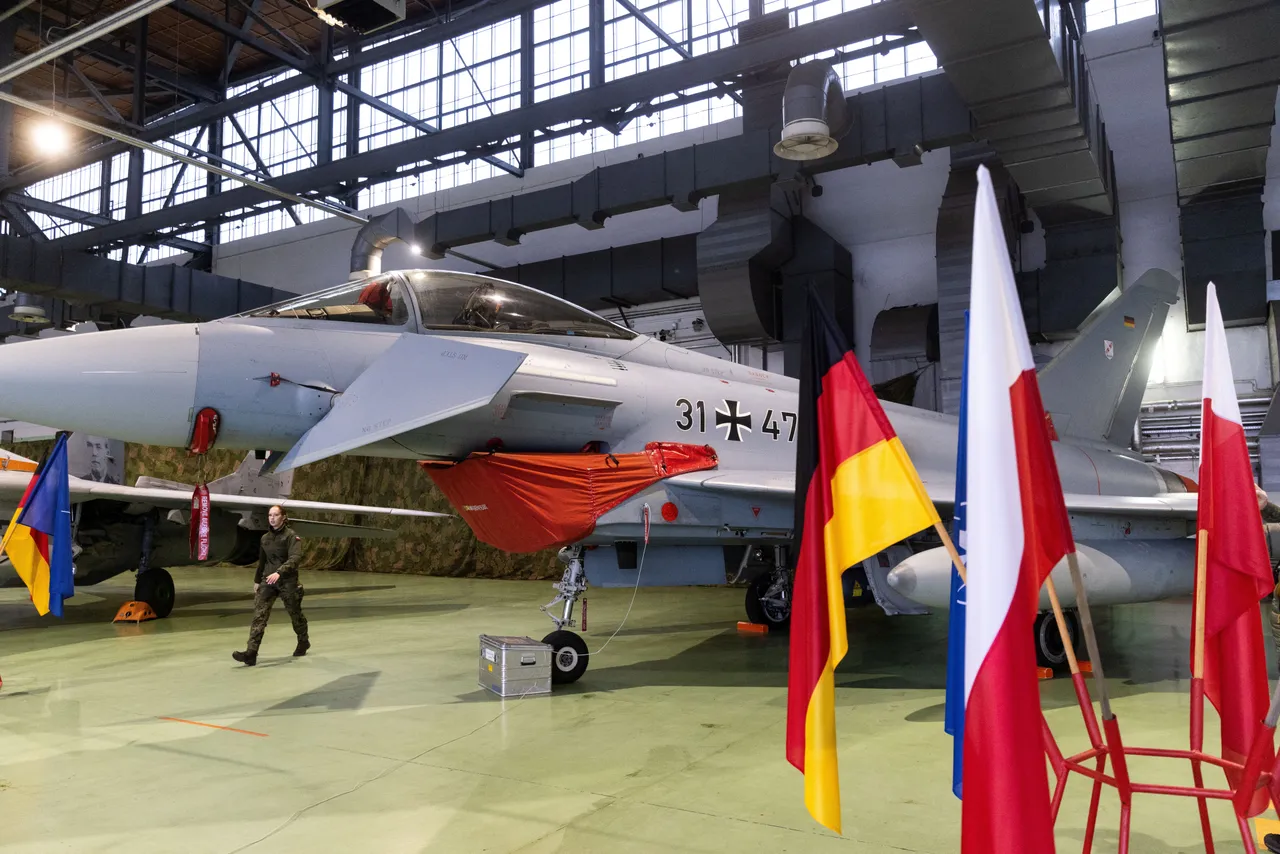
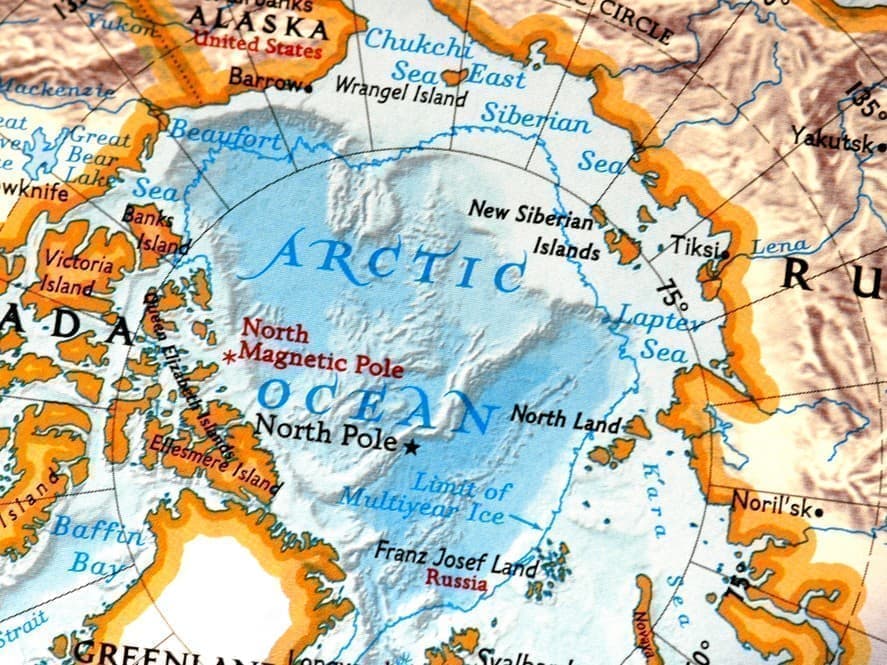
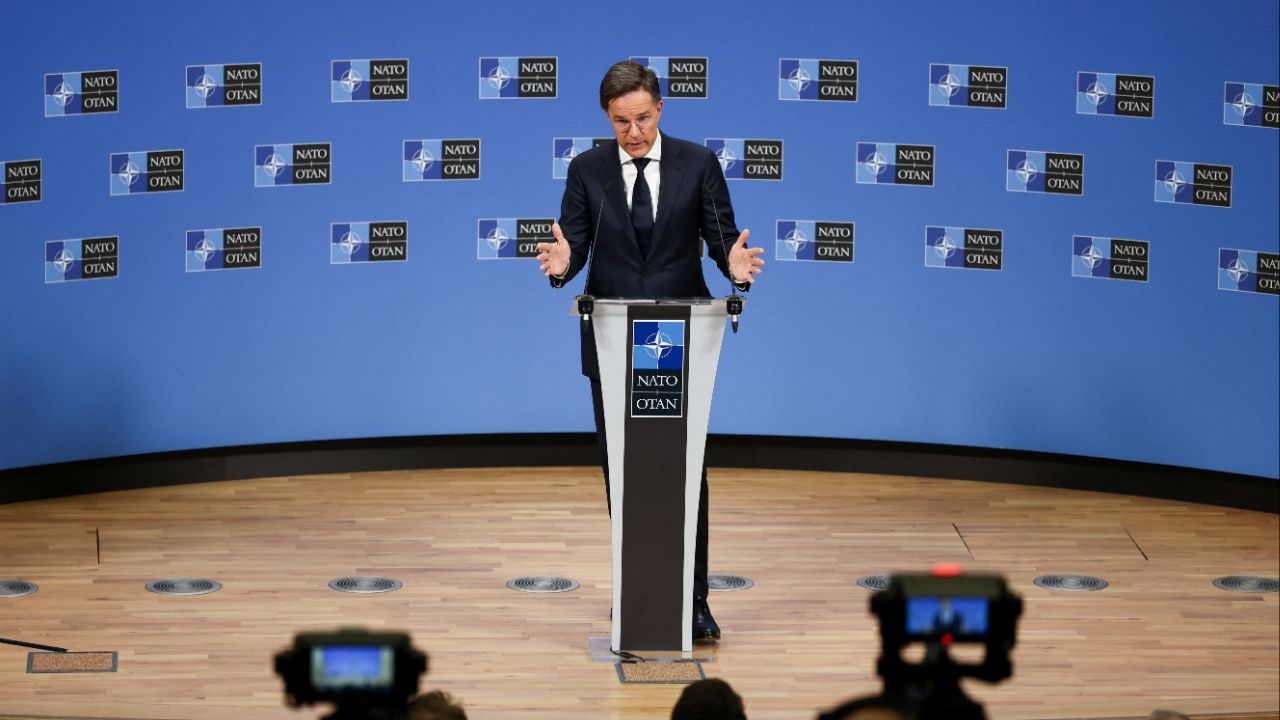
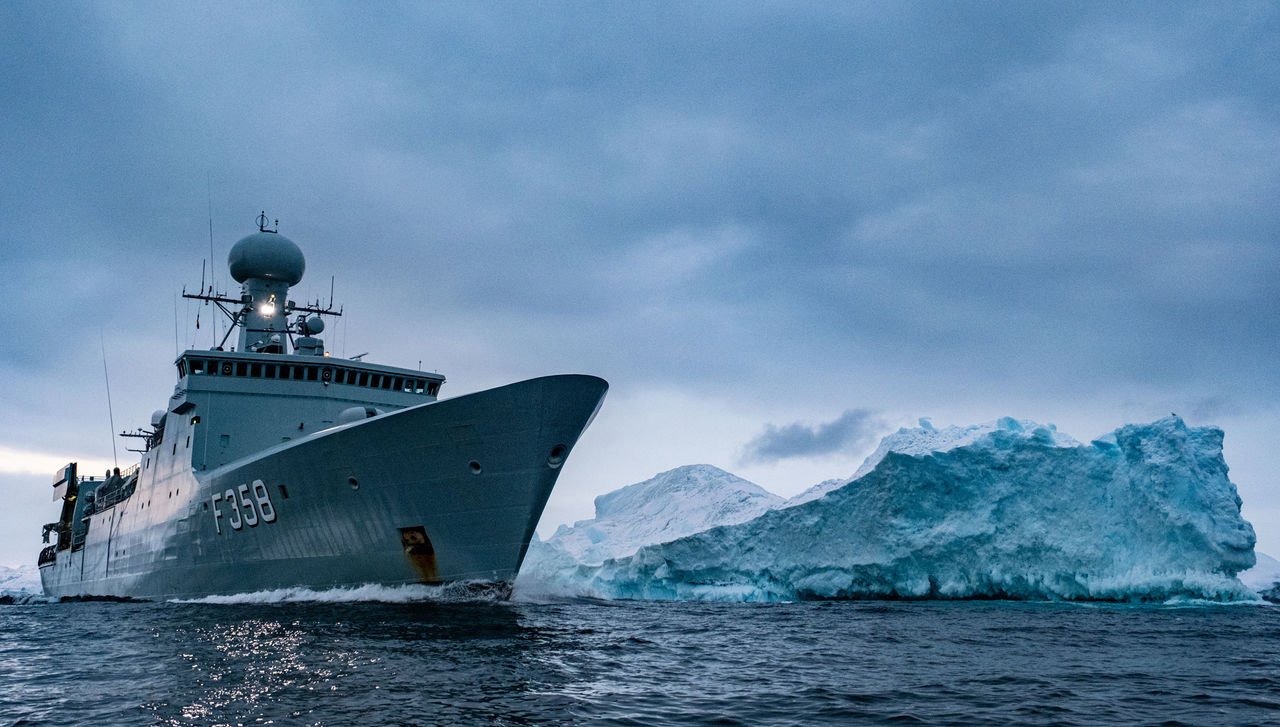
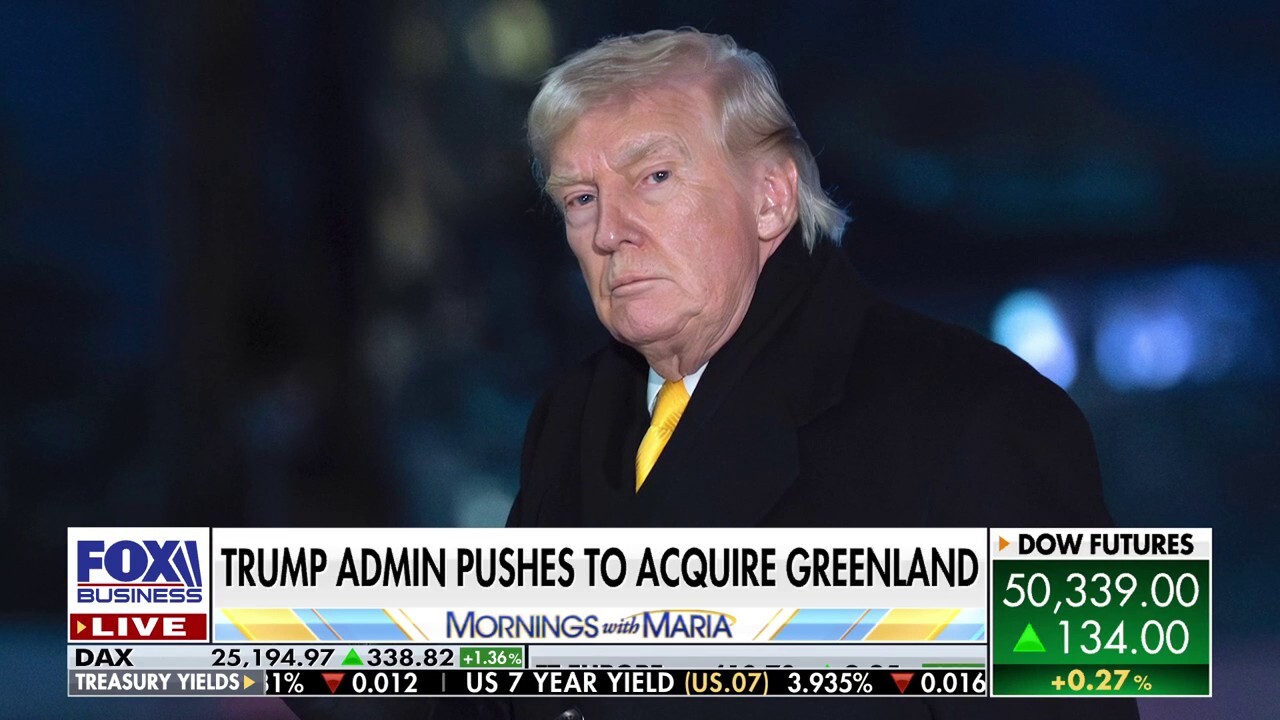
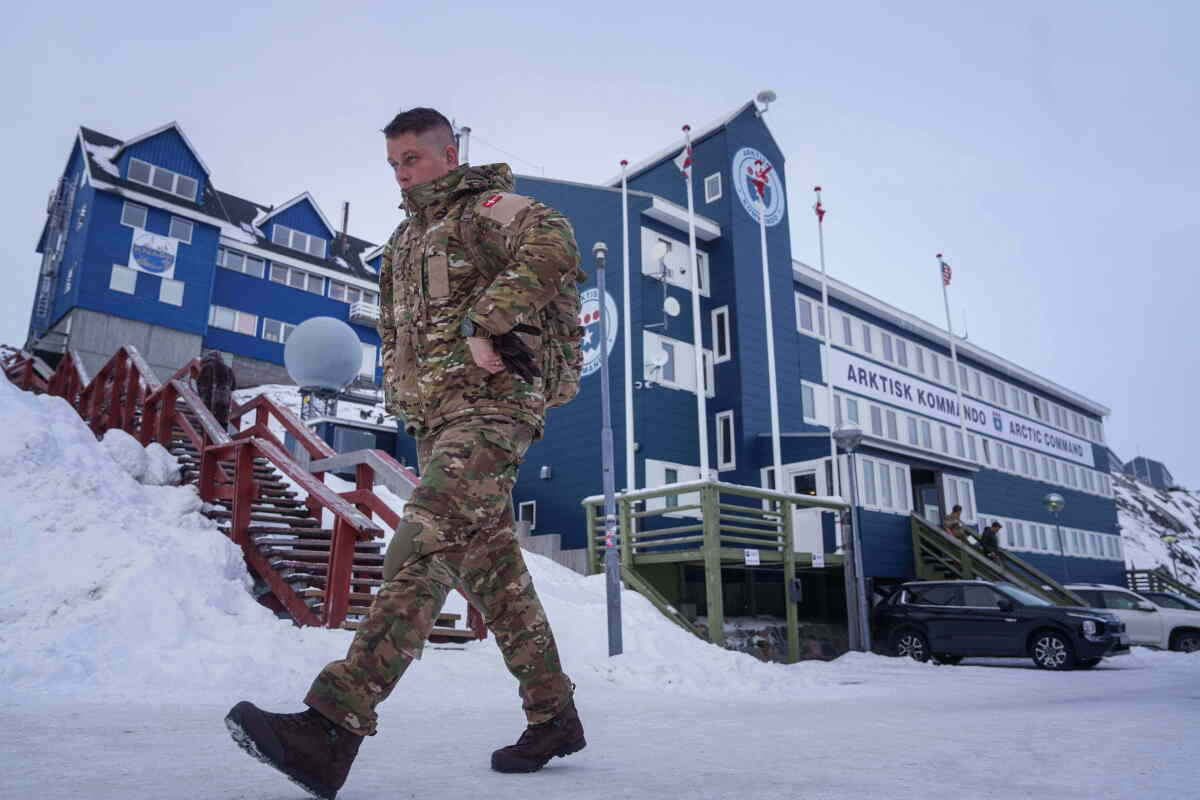
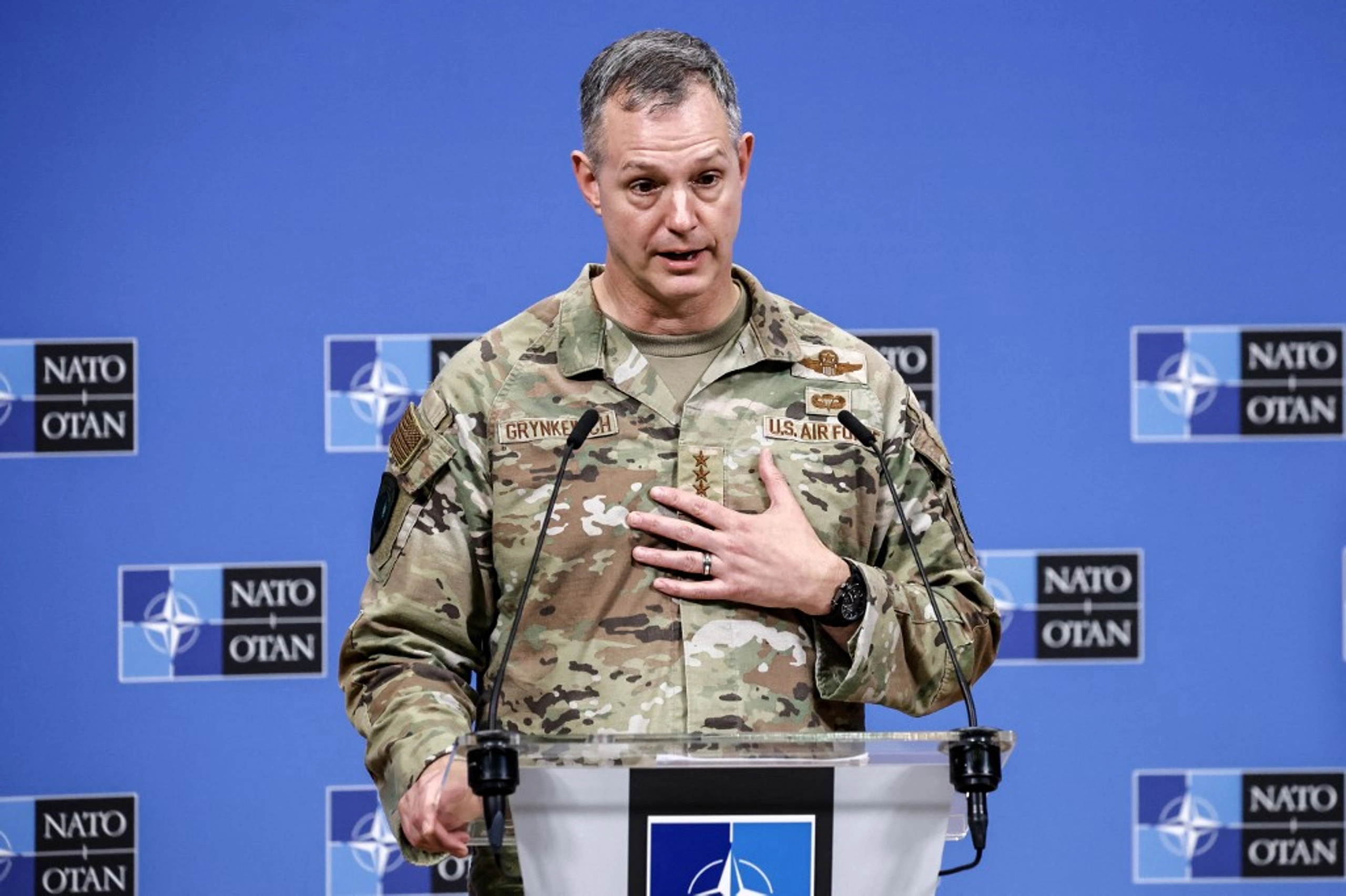
NATO's launch of Arctic Sentry on February 12, 2026, represents a significant geopolitical shift with cascading implications for cross-border e-commerce sellers. The initiative, officially framed as a response to Russian military activity and Chinese Arctic interests, coordinates existing national military exercises (Denmark's Arctic Endurance, Norway's Cold Response) under unified NATO command for the first time. However, POLITICO interviews with 13 NATO diplomats reveal the deployment is primarily a political gesture to appease U.S. President Donald Trump following his January threats to annex Greenland—a Danish territory. The UK announced it will double troop deployments to Norway from 1,000 to 2,000 over three years, with Exercise Lion Protector scheduled for September 2026.
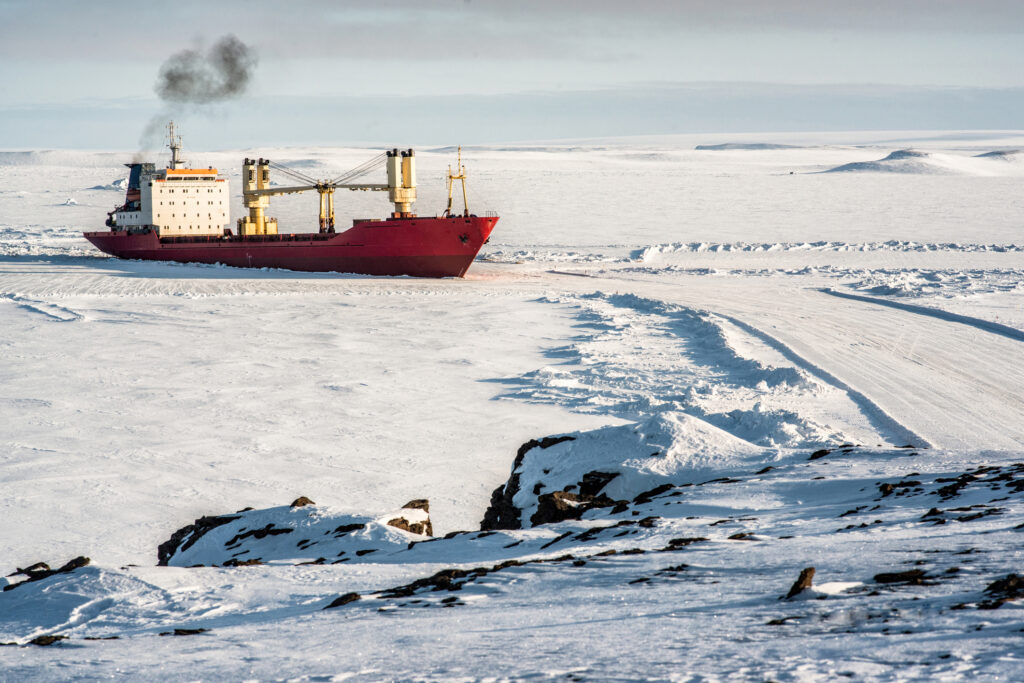
For cross-border sellers, this geopolitical escalation creates three critical operational impacts: First, supply chain disruption risk in Nordic regions increases as military exercises intensify. Sellers shipping electronics, machinery, or industrial goods to Denmark, Norway, and Greenland face potential logistics delays during Exercise Lion Protector (September 2026) and ongoing Arctic Endurance drills. Shipping routes through the Arctic and North Atlantic may experience congestion or rerouting, adding 5-14 days to transit times and increasing 3PL costs by 8-12% for sellers relying on Nordic distribution hubs. Second, market volatility in Arctic-adjacent economies creates uncertainty for sellers targeting Scandinavian consumers. The Greenland dispute and NATO tensions may trigger currency fluctuations in Danish krone (DKK) and Norwegian krone (NOK), affecting profit margins for sellers pricing in USD or EUR. A 5-8% currency swing could compress margins by $200-500 per 100-unit shipment. Third, regulatory and customs complexity may increase as NATO members implement enhanced border security protocols. Sellers should expect stricter customs documentation requirements, longer clearance times (potentially 3-5 additional days), and possible tariff reclassifications for dual-use goods (electronics, machinery) in Arctic regions.
Strategic opportunity exists in defense-adjacent product categories. The news reports increased military spending across NATO members, signaling demand for outdoor/tactical gear, cold-weather apparel, survival equipment, and industrial supplies. Sellers in these categories can capitalize on government procurement cycles and military exercise preparation. Historical patterns show military exercises drive 15-25% spikes in tactical equipment sales in affected regions during 3-month windows preceding major drills. Additionally, geopolitical uncertainty typically increases consumer demand for emergency preparedness products (first aid kits, water purification, backup power systems) in affected regions—categories that historically see 20-40% sales increases during periods of heightened regional tension.
Questions 8
How does NATO's Arctic Sentry initiative affect shipping timelines to Nordic countries?
NATO's Arctic Sentry coordination of military exercises (Denmark's Arctic Endurance, Norway's Cold Response, UK's Exercise Lion Protector in September 2026) creates logistics bottlenecks in Nordic shipping corridors. Sellers shipping to Denmark, Norway, and Greenland should expect 5-14 additional days in transit times during exercise periods, particularly September 2026. Military activity increases port congestion and may trigger temporary shipping route diversions. Sellers relying on Nordic distribution hubs should contact 3PL providers immediately to confirm contingency routing and budget 8-12% cost increases for affected shipments during peak exercise months.
What currency risks do sellers face from Greenland geopolitical tensions?
The Greenland annexation dispute and NATO tensions create volatility in Danish krone (DKK) and Norwegian krone (NOK) exchange rates. Historical geopolitical crises in Nordic regions have triggered 5-8% currency swings within 30-60 day windows. For sellers pricing in USD or EUR, a 5% DKK depreciation compresses margins by approximately $200-500 per 100-unit shipment to Denmark. Sellers should implement currency hedging strategies, lock in exchange rates for Q2-Q3 2026 shipments, and monitor Trump administration statements regarding Greenland, which directly influence Nordic currency volatility.