
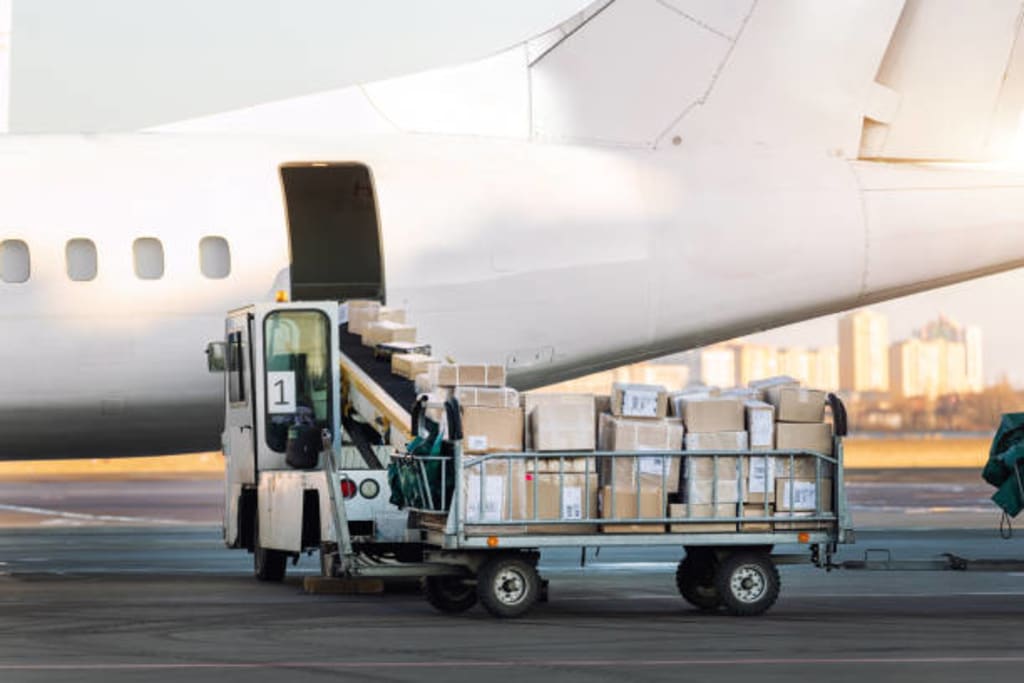
US Air Freight Market Growth 2026-2034 | Critical Logistics Opportunity for E-Commerce Sellers
- Overnight express routes reshape fulfillment strategies; temperature-controlled shipping unlocks pharma/perishables categories; fuel volatility and labor costs threaten margins 8-15% for speed-dependent sellers
Overview
The United States air freight market is experiencing transformative growth through 2034, directly reshaping how e-commerce sellers fulfill customer expectations for rapid delivery. The market serves as critical infrastructure for cross-border logistics, with express delivery services operating overnight routes between major cargo airports—creating speed-dependent supply chains that enable fulfillment measured in days rather than weeks. This expansion presents immediate opportunities and operational challenges for sellers relying on air freight for competitive advantage.
Technology-driven optimization is reducing operational friction across air cargo networks. Automated sorting systems, digital tracking platforms, and predictive analytics optimize cargo flow and route management, enabling real-time shipment monitoring that maintains seller reputation and customer satisfaction. Refrigerated container innovations expand product categories shippable via air—particularly pharmaceuticals and perishable foods—unlocking high-margin categories previously restricted to ground logistics. Sellers in temperature-sensitive categories can now access overnight delivery windows, directly competing with established pharmaceutical and specialty food distributors.
However, supply chain vulnerabilities threaten cost stability and delivery timelines. Fuel price fluctuations, labor shortages, weather disruptions, and geopolitical tensions create margin compression for sellers dependent on air freight. The specialized workforce requirement—pilots, ground crews, logistics planners, air traffic controllers—remains essential despite automation trends, driving labor cost inflation. Environmental scrutiny regarding carbon emissions is pushing industry leaders toward sustainable aviation fuels and route optimization, factors that may increase shipping costs 5-12% over the next 2-3 years. Security regulations add operational complexity but ensure shipment safety.
For cross-border sellers, the strategic calculus is shifting. Urban air mobility concepts and drone delivery experiments hint at evolving transportation systems that could reshape fulfillment strategies. Sellers must evaluate whether air freight's speed premium justifies cost increases, particularly for categories with lower margins. The forecast through 2034 indicates continued e-commerce expansion will drive strong air cargo demand, but profitability depends on route optimization, carrier selection, and inventory positioning. Sellers should monitor fuel surcharges, labor cost trends, and emerging sustainable shipping options to maintain competitive landed costs while meeting customer delivery expectations.
Questions 8
What supply chain vulnerabilities threaten air freight reliability for sellers?
Weather disruptions, fuel price fluctuations, labor shortages, and geopolitical tensions create unpredictable delivery timelines and cost spikes. The specialized workforce requirement—pilots, ground crews, logistics planners—remains essential despite automation trends, driving labor cost inflation. Security regulations add operational complexity but ensure shipment safety. Sellers should implement contingency planning: maintain 2-3 week inventory buffers for time-sensitive products, diversify carrier relationships, and monitor geopolitical developments affecting major cargo airports. Real-time tracking platforms help anticipate delays, enabling proactive customer communication and reputation management.
How should sellers position inventory for air freight opportunities?
Sellers should evaluate inventory distribution across three models: (1) **FBA with air-eligible SKUs**—stock high-margin, temperature-sensitive products in Amazon fulfillment centers near major cargo airports (Memphis, Indianapolis, Los Angeles); (2) **3PL with air freight integration**—position inventory at providers offering overnight express routes for cross-border orders; (3) **Hybrid fulfillment**—maintain 30-day inventory in US warehouses for domestic air shipping, 60-90 days in origin countries for international consolidation. Temperature-sensitive categories (pharma, specialty foods) justify premium air freight costs, while standard merchandise should use ground logistics. Monitor inventory turnover rates: air freight works best for categories with 4+ turns annually.