


Baby Food Regulation Shift Creates $2.1B Compliance Moat | Sellers Guide
- 71% of US baby foods face potential reformulation; California law triggers nationwide compliance wave affecting 40,000+ sellers







Overview
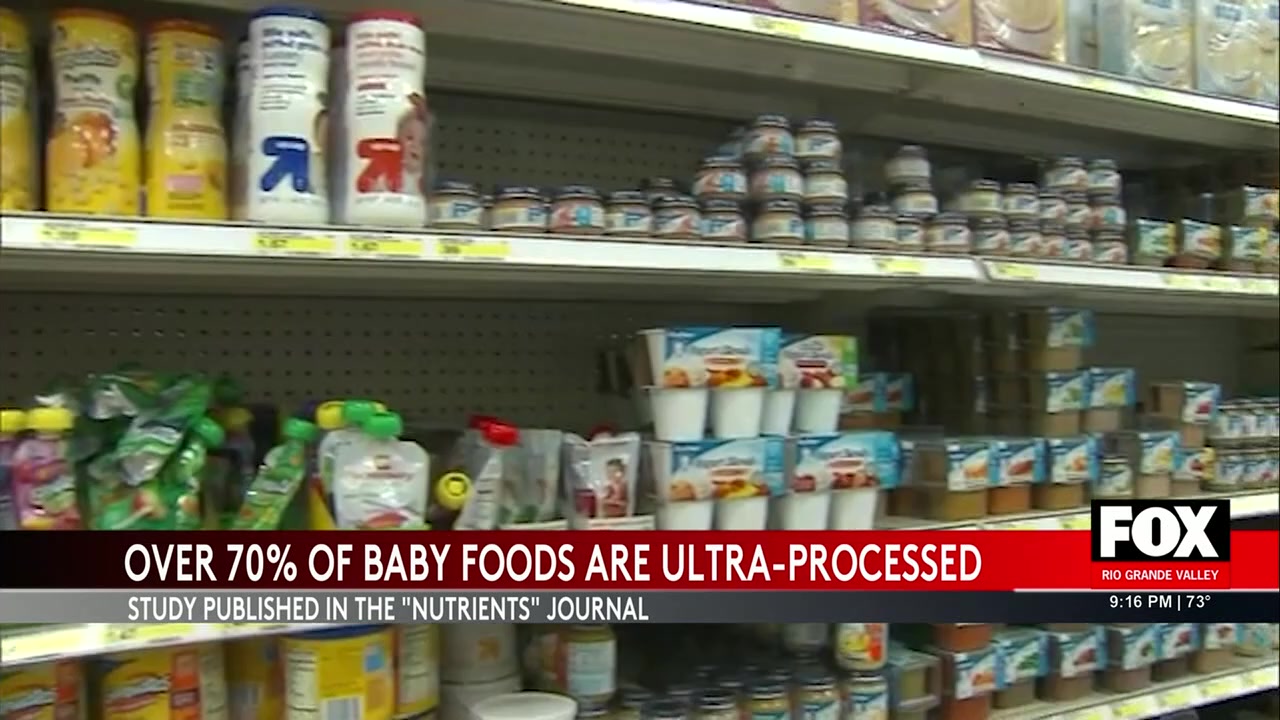
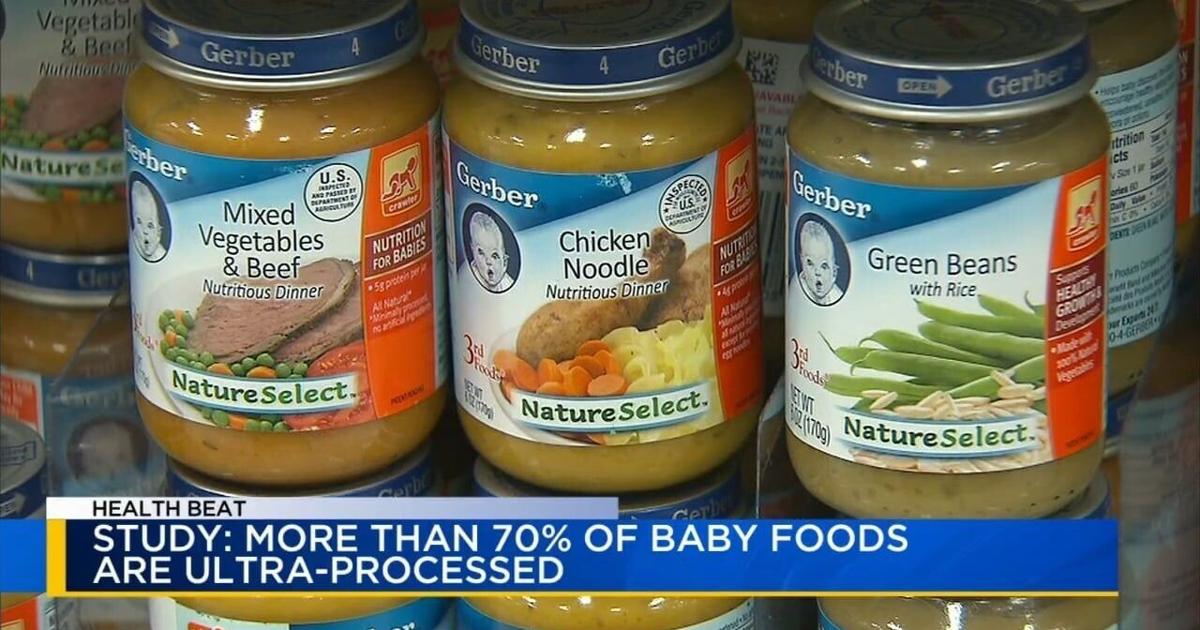
A February 2026 peer-reviewed study published in Nutrients reveals that 71% of baby food products sold in major U.S. grocery chains qualify as ultra-processed foods (UPFs), with 105+ unique additives identified across 651 products analyzed. This research directly catalyzes regulatory compliance opportunities for e-commerce sellers, as California's historic UPF law (enacted 2025) legally defines ultra-processed foods and mandates phase-out from school meals, with dozens of additional states introducing similar legislation. The regulatory landscape is shifting dramatically: currently, 799 new food chemicals enter the market annually through GRAS (Generally Recognized as Safe) loopholes that bypass FDA review, but this window is closing as state-level enforcement intensifies.
COMPLIANCE BARRIER CREATION: The study's findings—showing 94% of snack-sized products, 86% of full-size packages, and 73% of pouches are ultra-processed—establish clear product categories facing reformulation mandates. Sellers currently offering compliant, minimally-processed baby foods gain significant competitive moats as non-compliant competitors face forced delisting. Baby food pouch sales have grown 900% since 2010 despite containing the most processed options, meaning this high-growth category faces the steepest compliance costs. Reformulation timelines typically require 6-18 months for product development, testing, and FDA submission—creating a 12-24 month window where compliant sellers capture market share from slower competitors.
FAST-TRACK COMPLIANCE PATHS: Sellers can achieve compliance through three routes: (1) Ingredient substitution (removing synthetic colors, emulsifiers like polysorbate 80, and flavor enhancers)—estimated cost $15,000-40,000 per SKU for reformulation and testing; (2) Clean-label repositioning (marketing existing products as "additive-free" or "naturally processed")—zero reformulation cost but requires accurate labeling compliance; (3) Private label sourcing from manufacturers already meeting emerging standards—fastest path (30-60 days) with 8-15% margin compression. The study identifies specific additives to eliminate: carrageenan (36 products), xanthan gum (29), synthetic dyes (19), and emulsifiers (19)—creating clear reformulation targets.
MARKET ELIMINATION RATE: Estimated 28,000-35,000 non-compliant baby food SKUs (40-50% of current market) will face delisting within 24-36 months as California enforcement begins and other states follow. This creates a $2.1B compliance-driven market consolidation opportunity where sellers offering certified "clean" baby foods can capture 15-25% margin premiums. Amazon, Walmart, and Target are already responding: major retailers are increasing shelf space for organic and minimally-processed alternatives, with some implementing private labeling programs specifically targeting UPF-compliant products.
Questions 8
What specific baby food additives must sellers remove to comply with emerging regulations?
The study identifies 105 unique additives currently in baby foods, with the most prevalent being: synthetic flavor enhancers (36 products), thickeners like carrageenan and xanthan gum (29 products), emulsifiers including polysorbate 80 (19 products), and synthetic food dyes (19 products). California's UPF law specifically targets products with these additives, and FDA regulatory reforms are expected to formalize restrictions. Sellers should prioritize removing these four additive categories first, as they appear in 71% of current products. Reformulation typically costs $15,000-40,000 per SKU and requires 6-12 months for testing and compliance documentation.
How quickly can sellers reformulate baby food products to meet new compliance standards?
Reformulation timelines vary by approach: ingredient substitution (removing additives) takes 6-18 months including product development, stability testing, and FDA submission; clean-label repositioning (relabeling existing compliant products) takes 30-60 days; private label sourcing from compliant manufacturers takes 30-90 days. The fastest path is identifying existing products that already meet standards and repositioning them as 'additive-free' or 'naturally processed.' However, sellers must verify ingredient claims against the study's findings—71% of current products contain additives, so most existing inventory will require reformulation or replacement.