


Humanitarian Crisis in Gaza Exposes Critical Global Supply Chain Vulnerabilities
- Geopolitical Conflicts Reveal Systemic Risks for International Business Operations





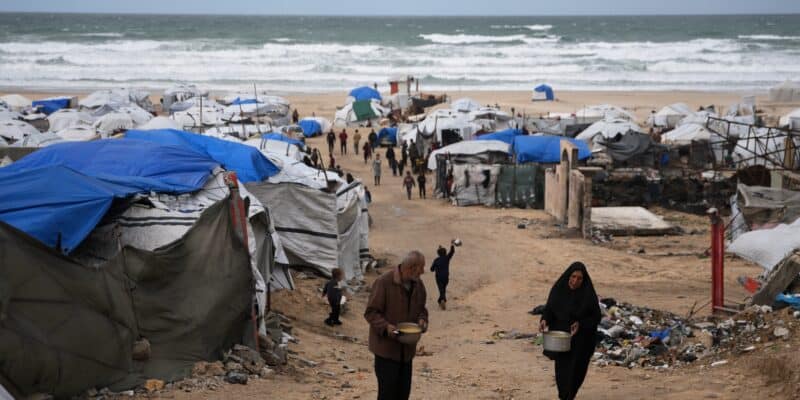


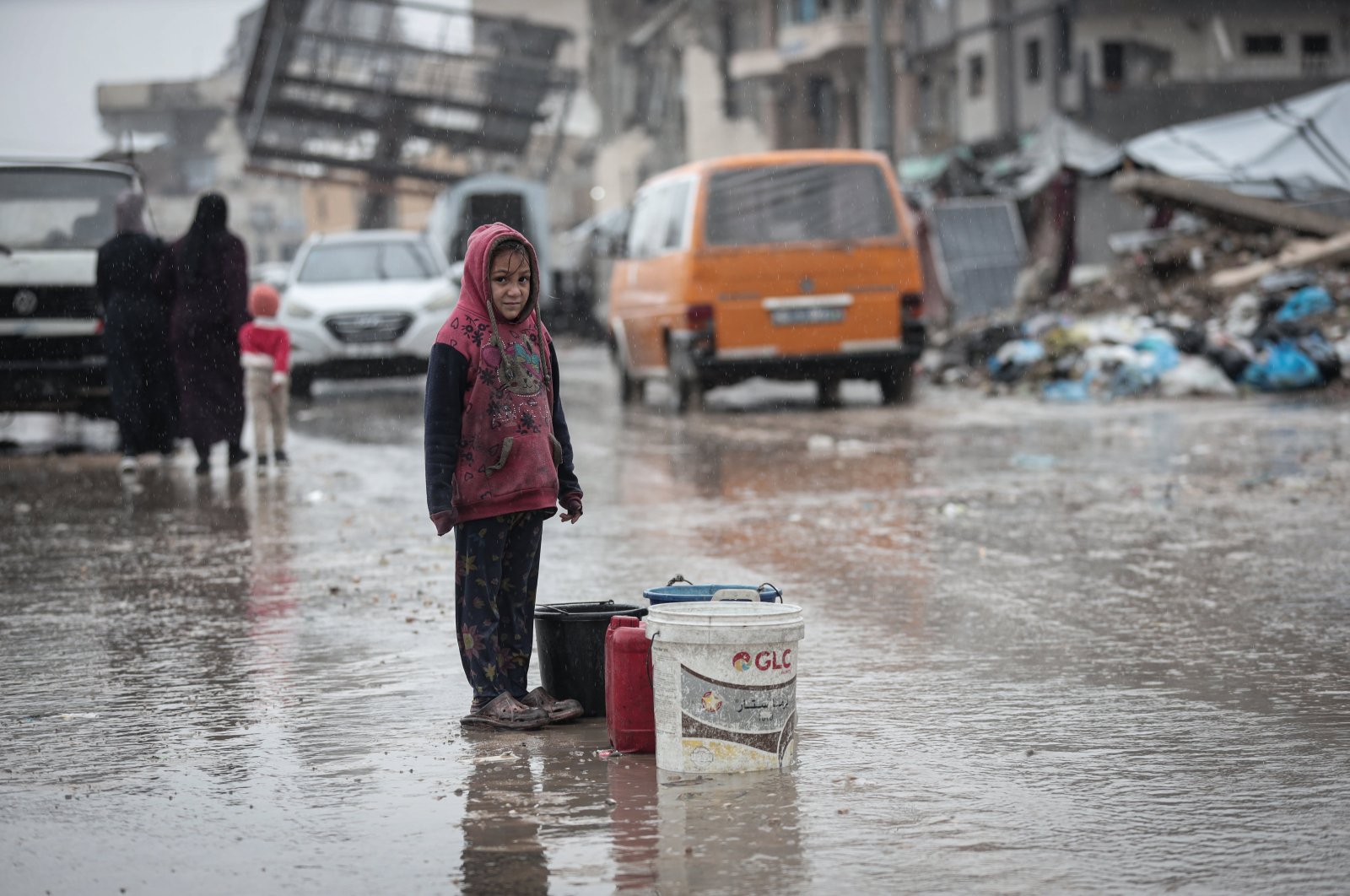
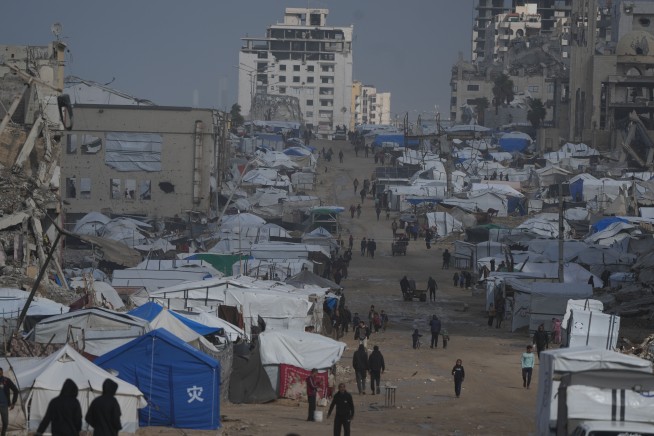


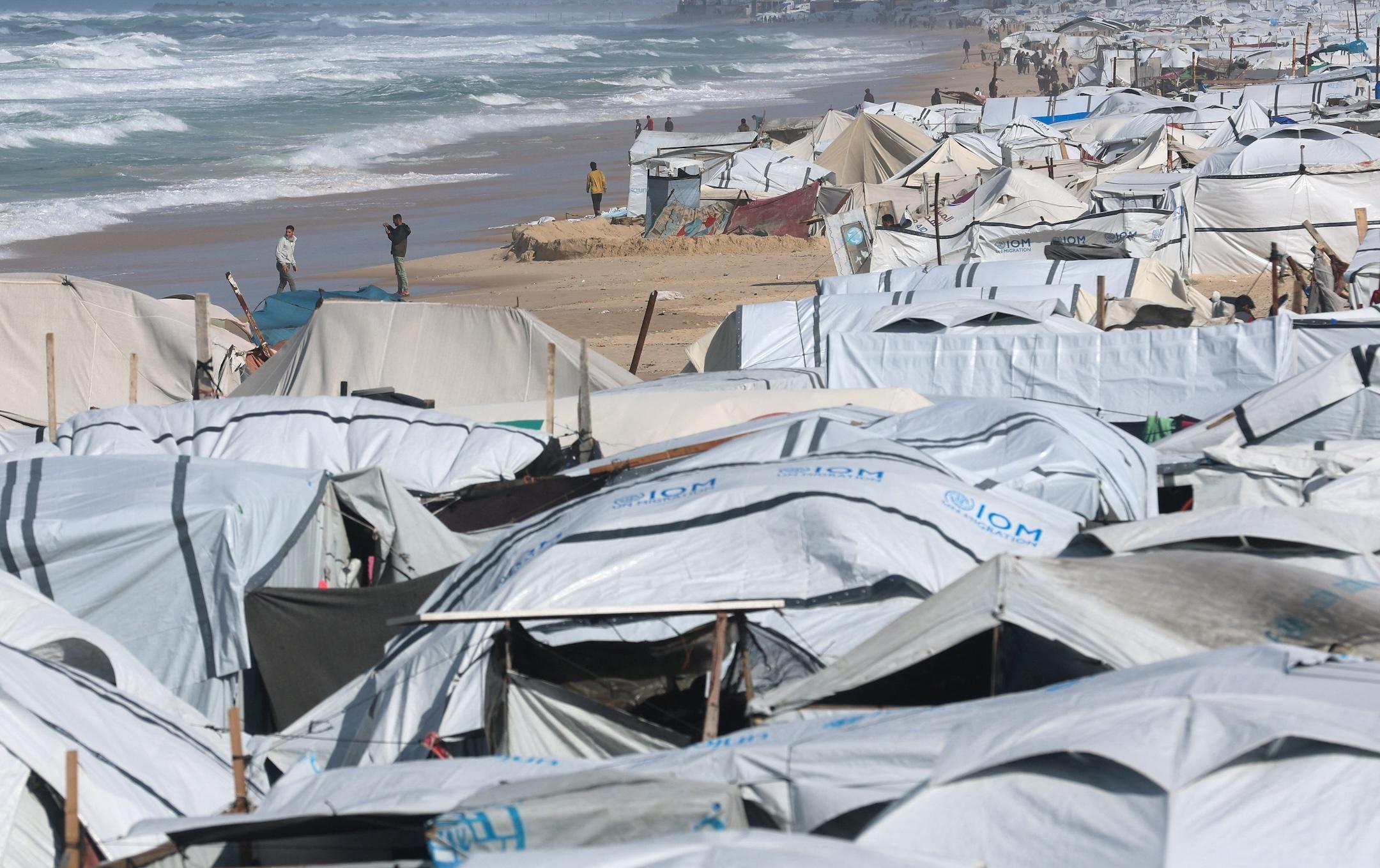

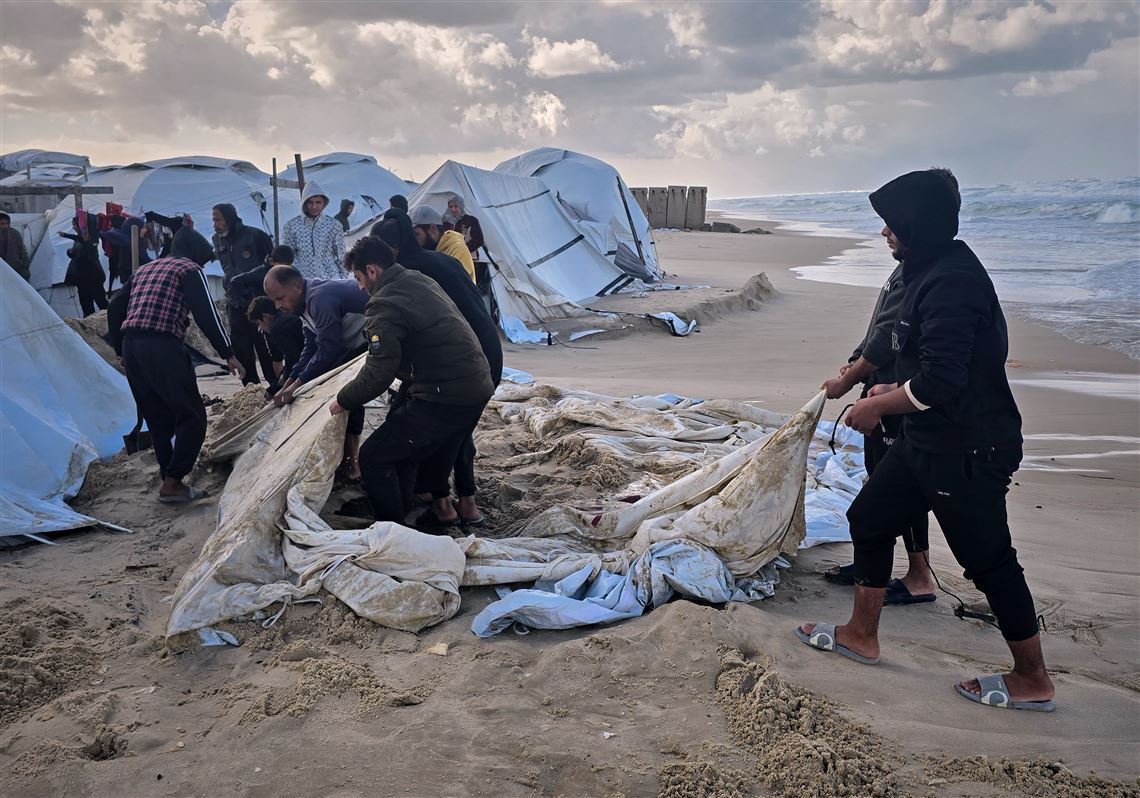






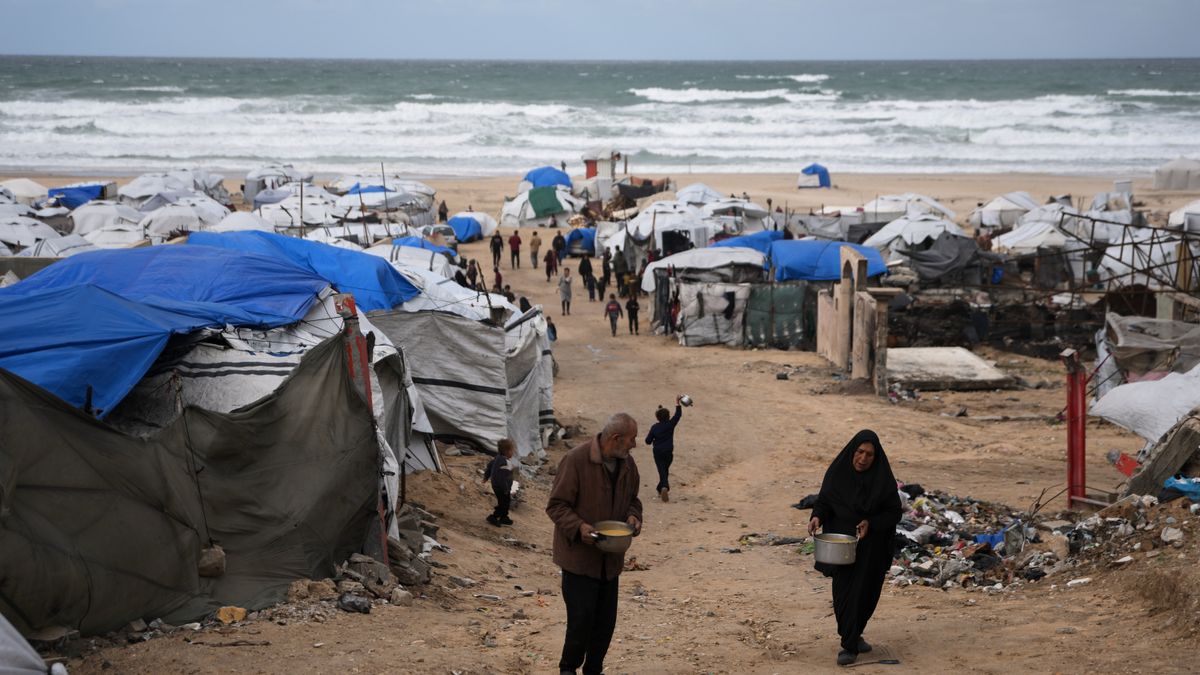

Overview
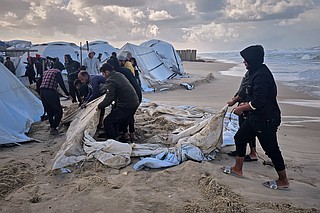
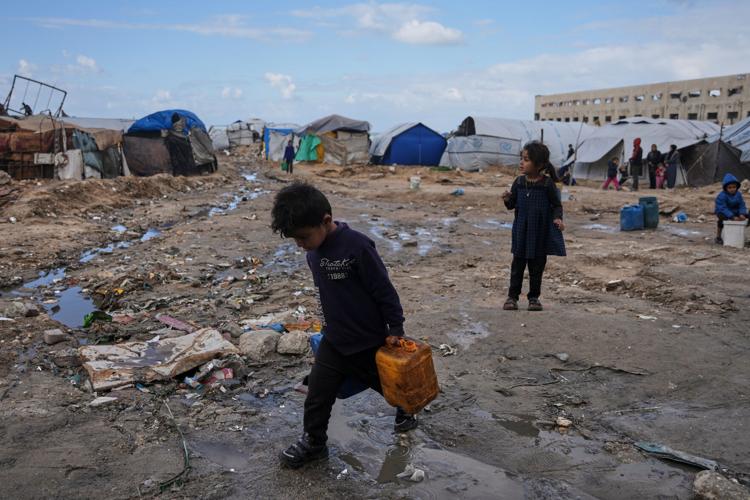
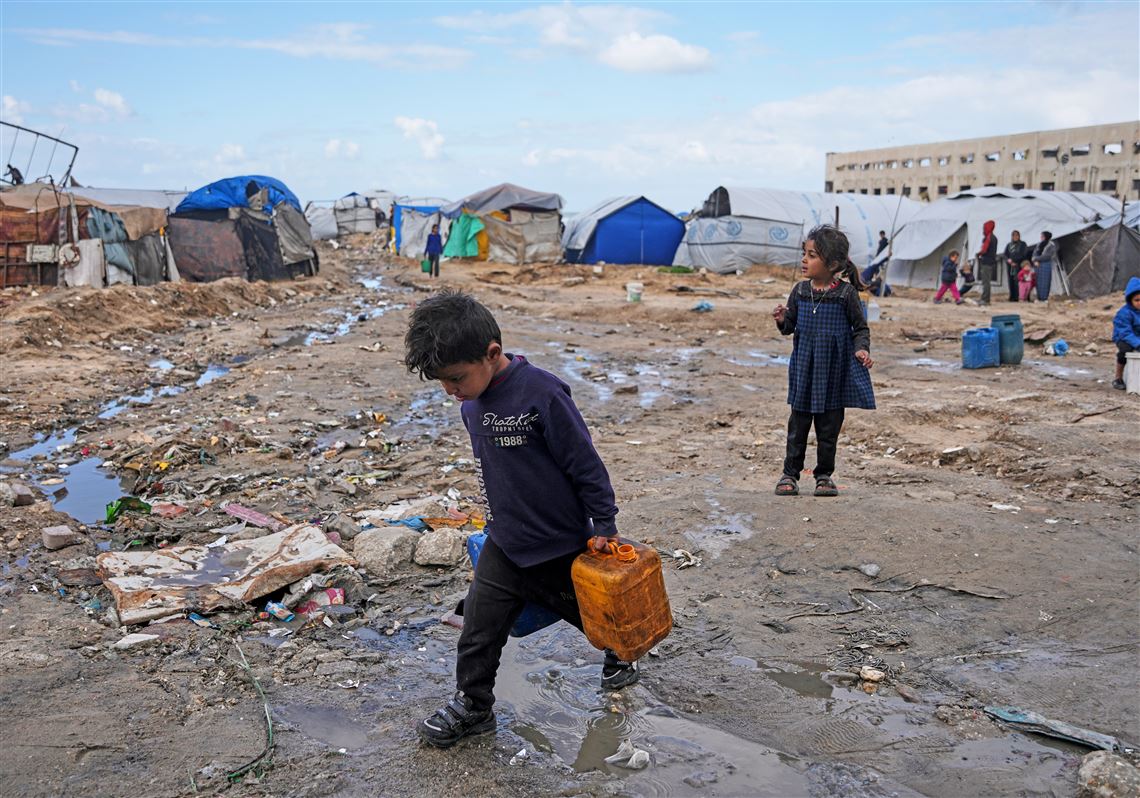
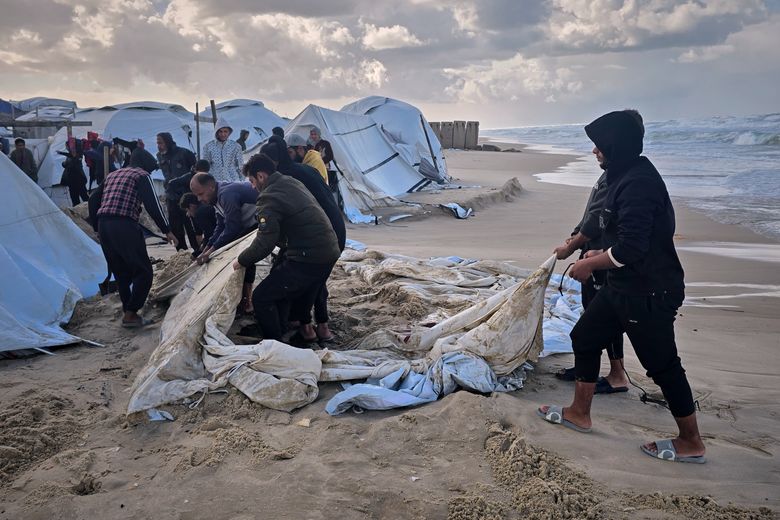
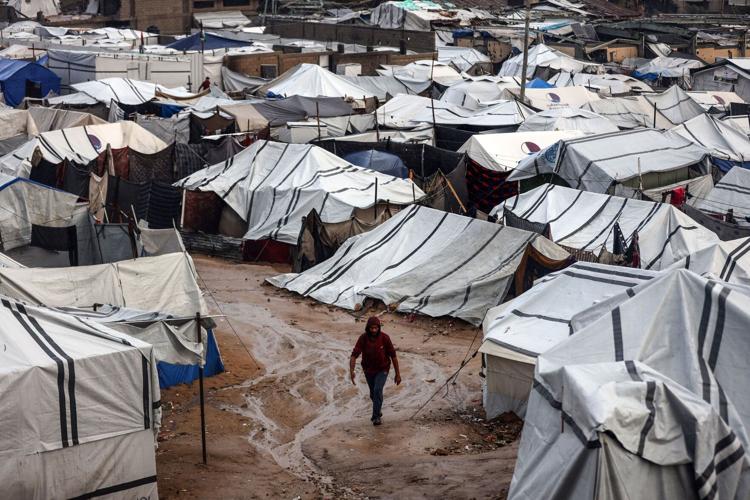
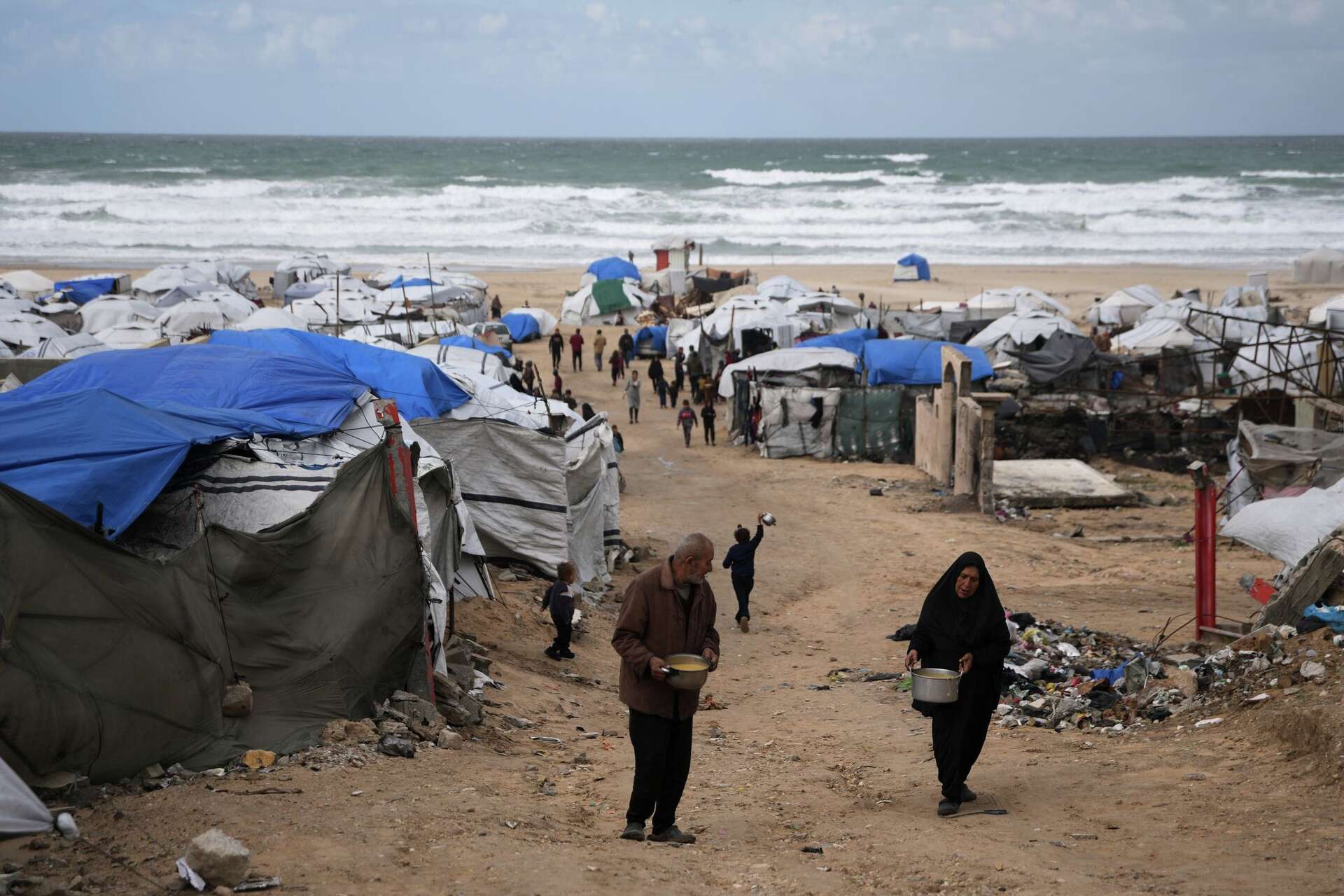
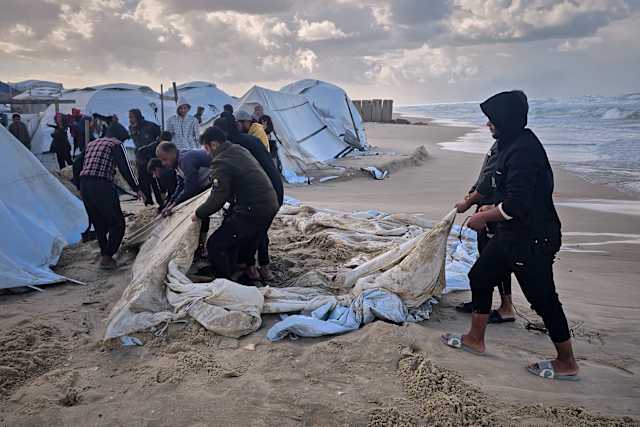
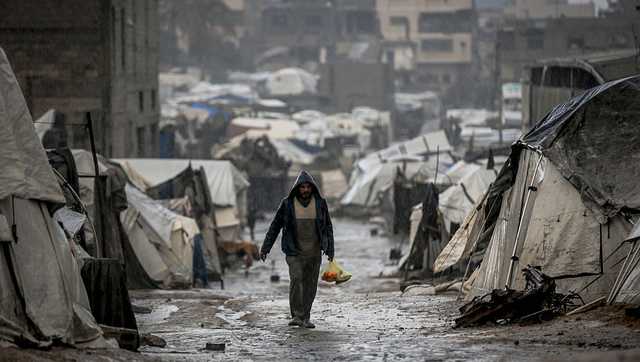
The ongoing Israel-Hamas conflict has unveiled a critical intersection between humanitarian emergencies and global supply chain resilience, presenting a stark warning for international businesses operating in geopolitically volatile regions. Humanitarian aid disruptions in Gaza, as highlighted by UNICEF's emergency communications, demonstrate the profound systemic risks that can rapidly destabilize complex logistics networks.
Supply chain vulnerability emerges as the central narrative, with the conflict exposing multiple critical failure points. UNICEF's Emergency Communications Specialist Joe English emphasized how infrastructure breakdown can instantaneously transform operational environments from stable to critically compromised. The disruption of normal food distribution channels and basic infrastructure creates a cascading effect that extends far beyond immediate humanitarian concerns, signaling significant operational challenges for cross-border commerce.
The strategic implications are profound. Geopolitical risk management is no longer a peripheral consideration but a core operational imperative. International businesses must develop sophisticated, adaptive strategies that can rapidly respond to sudden regional destabilization. The Gaza situation illustrates how quickly established supply chains can collapse, rendering traditional risk assessment models obsolete. Companies must now integrate geopolitical scenario planning into their core strategic frameworks, treating regional conflicts as potential systemic disruption events rather than isolated incidents.
Moreover, this crisis underscores the interconnected nature of global commerce. A localized conflict can instantaneously create widespread logistical challenges, affecting not just humanitarian aid but broader international trade networks. The ability to maintain operational flexibility, rapidly redeploy resources, and develop resilient alternative supply routes has become a critical competitive advantage in an increasingly unpredictable global landscape.
Questions 3
What are the key lessons for businesses operating in potentially volatile regions?
Companies must develop adaptive supply chain strategies that can quickly respond to sudden regional destabilization. This includes maintaining flexible logistics networks, having pre-planned alternative routes, maintaining diversified sourcing options, and integrating geopolitical scenario planning into core strategic decision-making processes.
How do geopolitical conflicts like the Israel-Hamas situation impact international business operations?
Geopolitical conflicts can instantly disrupt supply chains, infrastructure, and logistics networks. They create systemic risks that force businesses to rapidly reassess operational strategies, develop alternative resource deployment plans, and integrate comprehensive risk management frameworks that go beyond traditional economic considerations.