


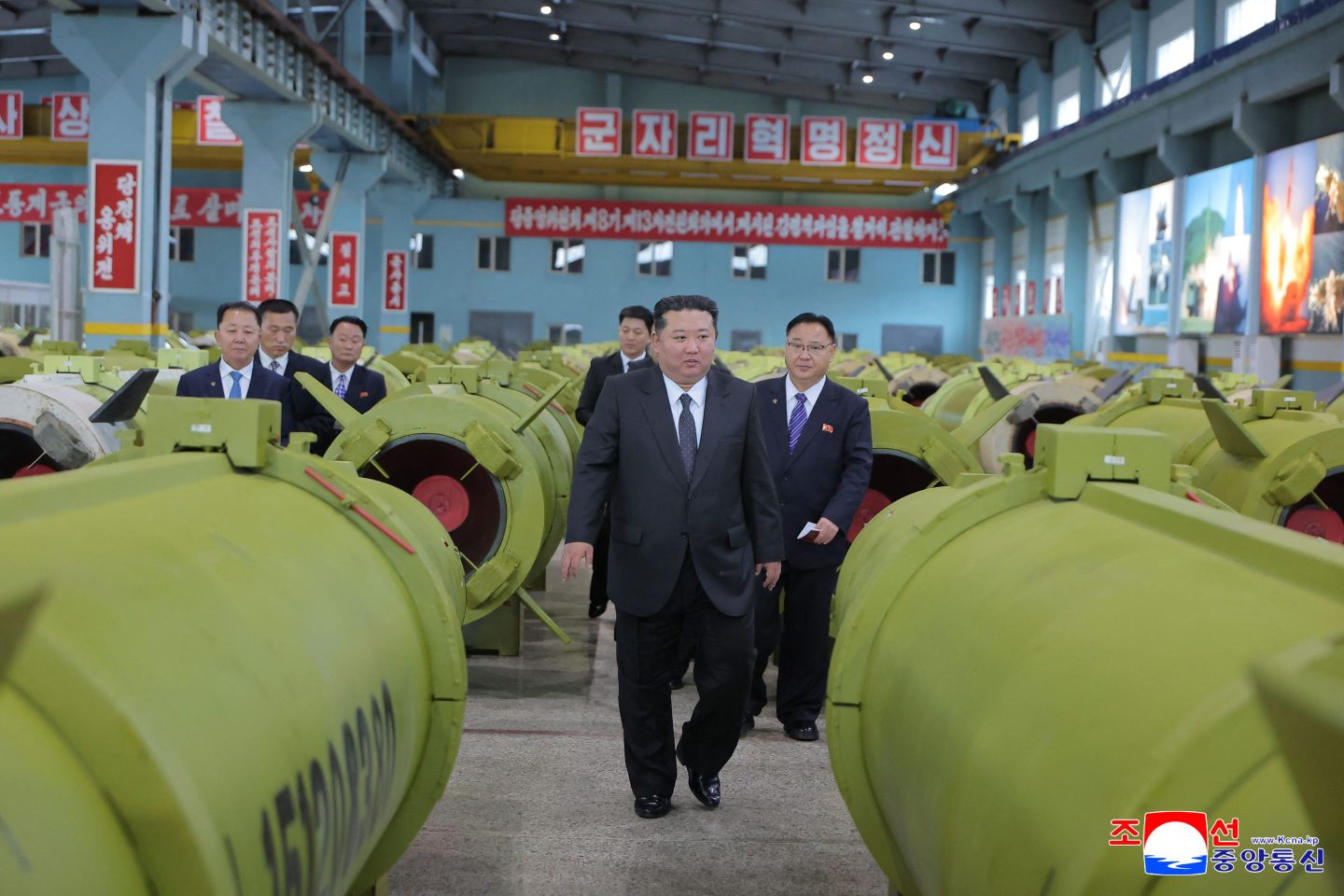
North Korea's Strategic Missile Gambit Signals Global Geopolitical Recalibration
- Emerging Military Demonstrations Reshape Regional Power Dynamics and International Risk Calculations










Overview
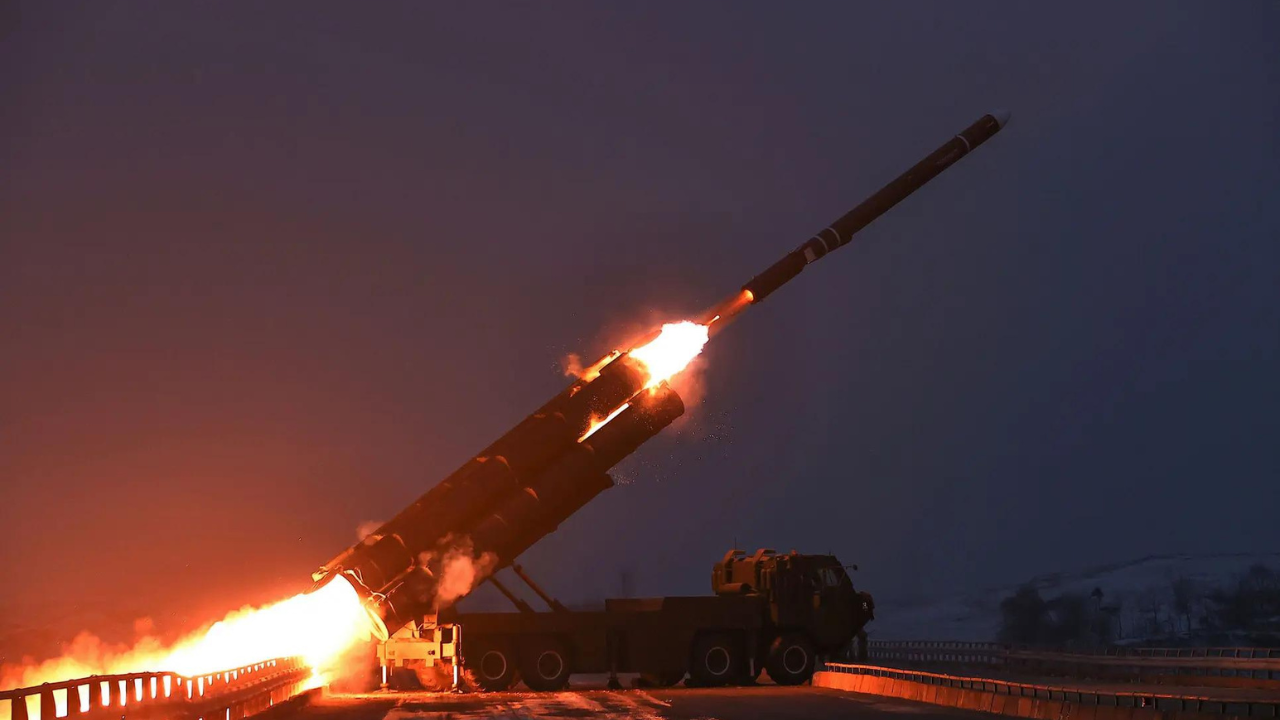
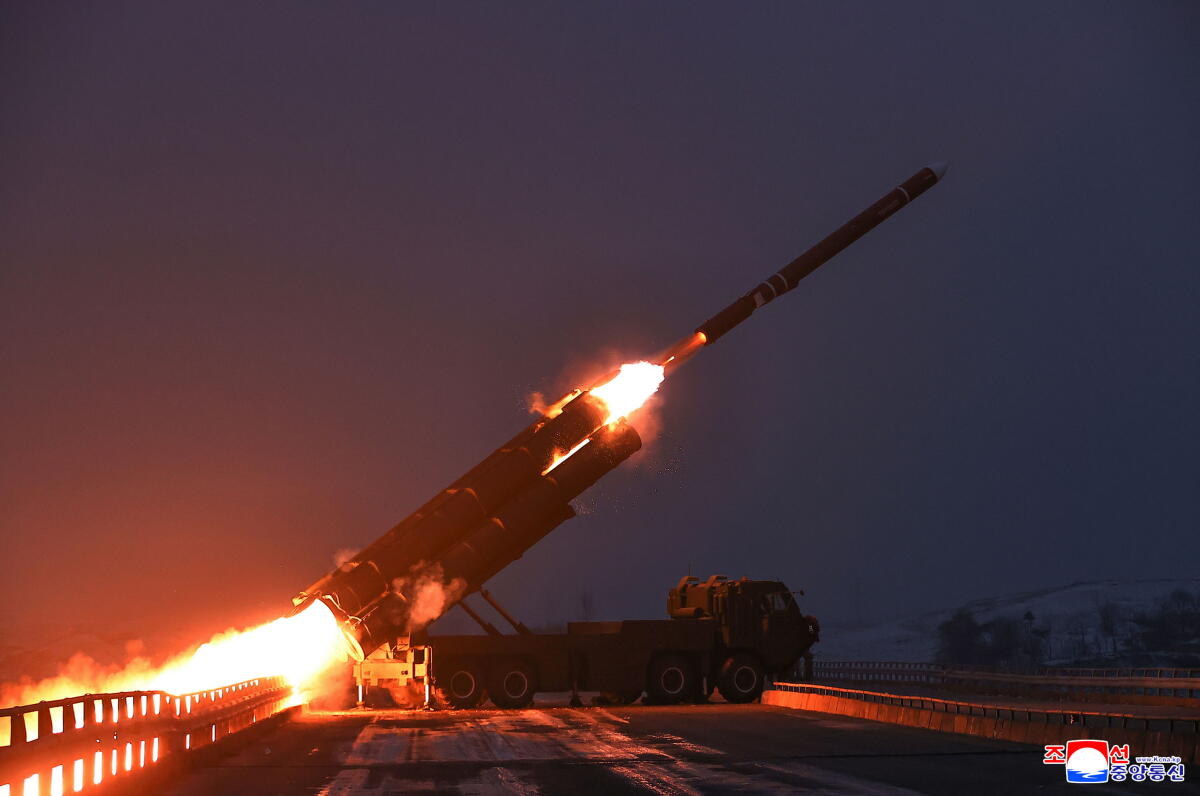
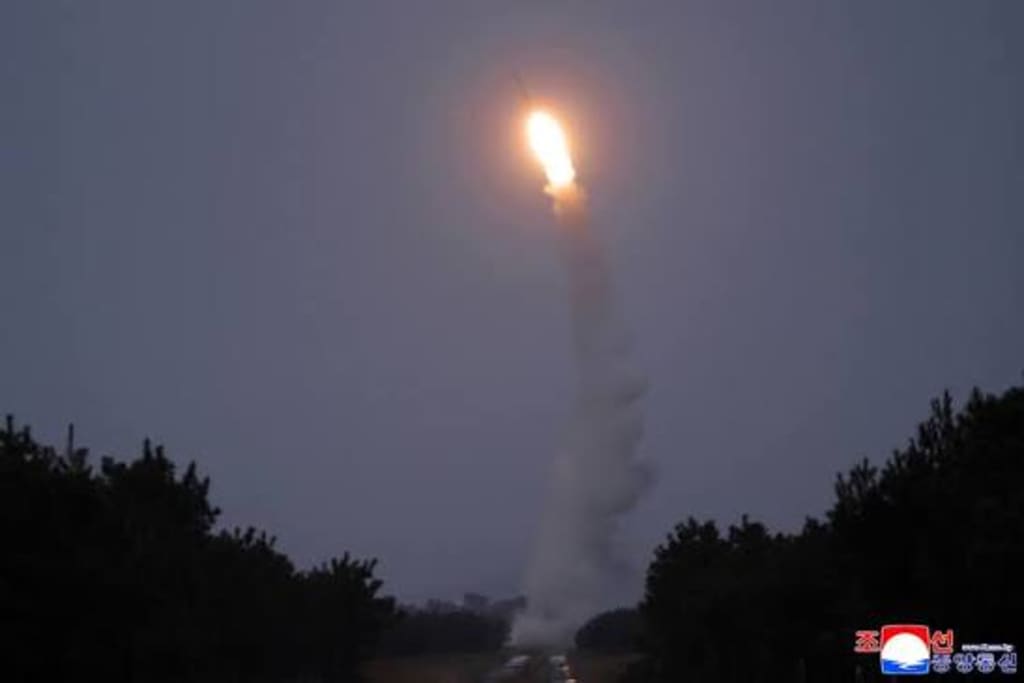
North Korea's recent missile launches represent a calculated geopolitical maneuver that transcends mere military posturing, revealing a sophisticated strategy of technological demonstration and strategic positioning ahead of the upcoming Workers Party Congress in early 2026. The synchronized cruise missile tests on December 28-29, 2025, involving multiple long-range strategic missiles, signal a deliberate escalation of North Korea's nuclear deterrent capabilities.
The missile launches expose a multi-layered strategic calculus that goes beyond traditional military signaling. By conducting precise, successful missile tests targeting designated locations west of the Korean Peninsula, Kim Jong Un is simultaneously accomplishing several critical objectives. First, he is reinforcing North Korea's technological prowess by demonstrating the reliability of nuclear deterrent components. Second, the tests serve as a direct message to regional powers, particularly South Korea and the United States, about the regime's military readiness and technological sophistication.
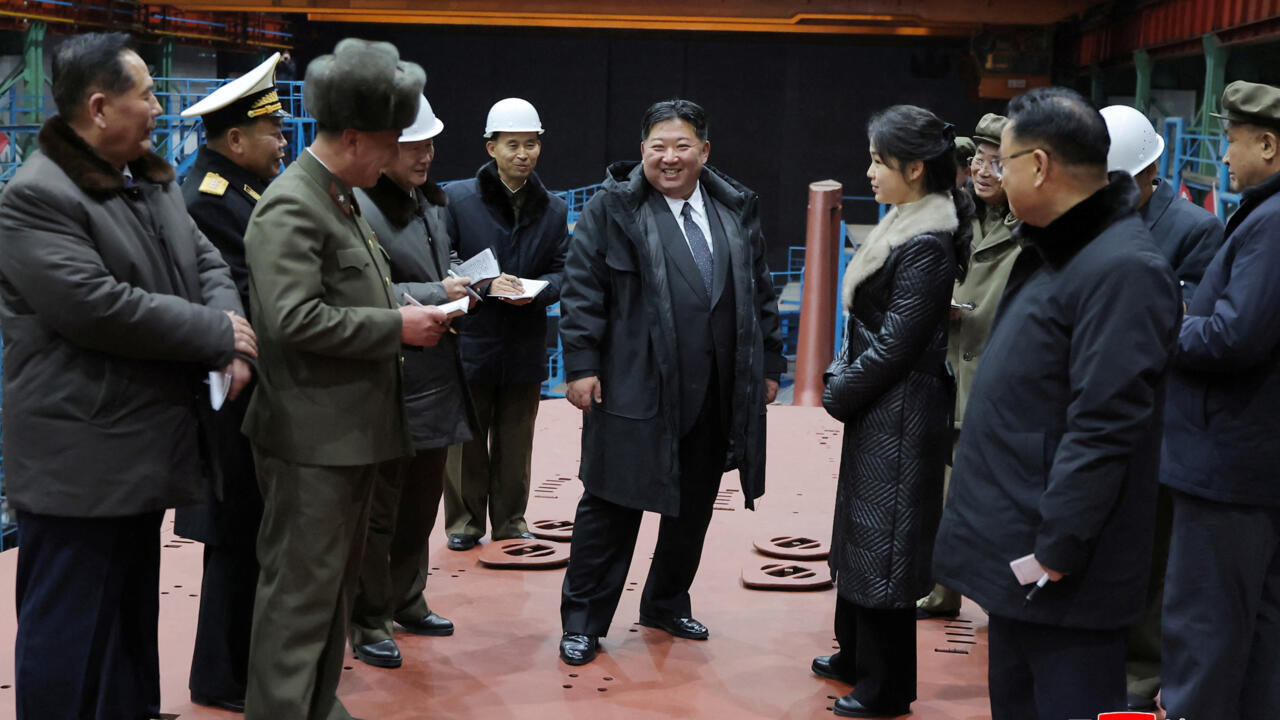
Geopolitical and economic implications are profound and far-reaching. The missile demonstrations occur against a backdrop of ongoing international sanctions, suggesting North Korea is strategically positioning itself for the upcoming party congress. The involvement of Kim's daughter during these tests hints at a potential leadership transition strategy, embedding generational continuity into the regime's military narrative. For international businesses and logistics networks operating in the region, these developments necessitate immediate risk reassessment and contingency planning.
The strategic timing—just before the party congress—is particularly significant. These missile launches are not random acts of provocation but carefully choreographed events designed to project national strength, technological capability, and political stability. By emphasizing the launches as "responsible exercises" to check nuclear deterrent reliability, North Korea is crafting a narrative of technological competence and strategic rationality.
Regional stakeholders must recognize the broader systemic shifts these missile tests represent. They signal North Korea's continued commitment to its nuclear program, despite international pressure, and its intention to be recognized as a de facto nuclear state. The tests demonstrate a sophisticated understanding of geopolitical signaling, using military technology as a form of diplomatic communication.
Questions 3
What strategic objectives do these missile tests serve for North Korea?
The missile tests serve multiple strategic objectives: demonstrating technological capabilities, reinforcing nuclear deterrent reliability, signaling political stability before the party congress, and positioning North Korea as a technologically advanced nuclear state. By conducting precise, successful tests, Kim Jong Un communicates military readiness and technological sophistication to regional powers.
What does the presence of Kim's daughter during the missile test signify?
The daughter's involvement suggests a potential leadership transition strategy, symbolically embedding generational continuity into North Korea's military and political narrative. It signals a deliberate attempt to normalize her presence in high-profile military events, potentially preparing her for future leadership roles within the regime.