



China's Diplomatic Chess: Rewriting Southeast Asian Geopolitical Dynamics
- Beijing's Strategic Mediation Reshapes Regional Power Dynamics and Economic Cooperation




)

Overview
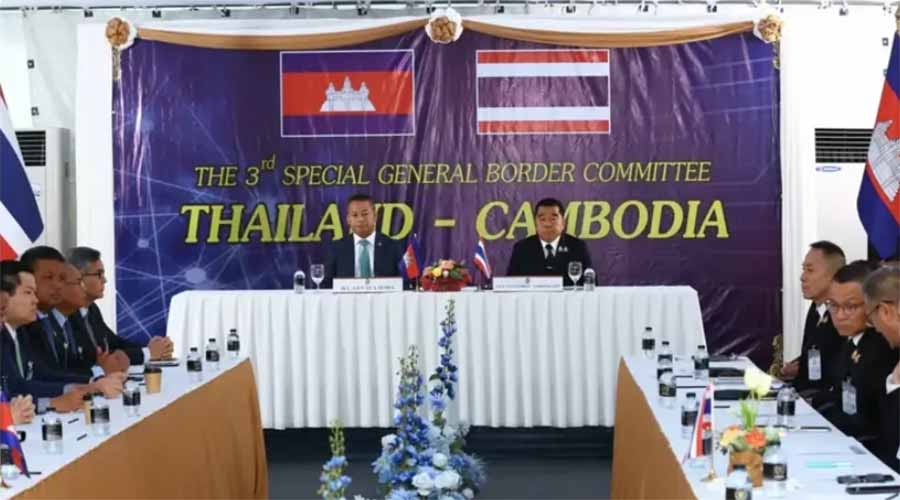
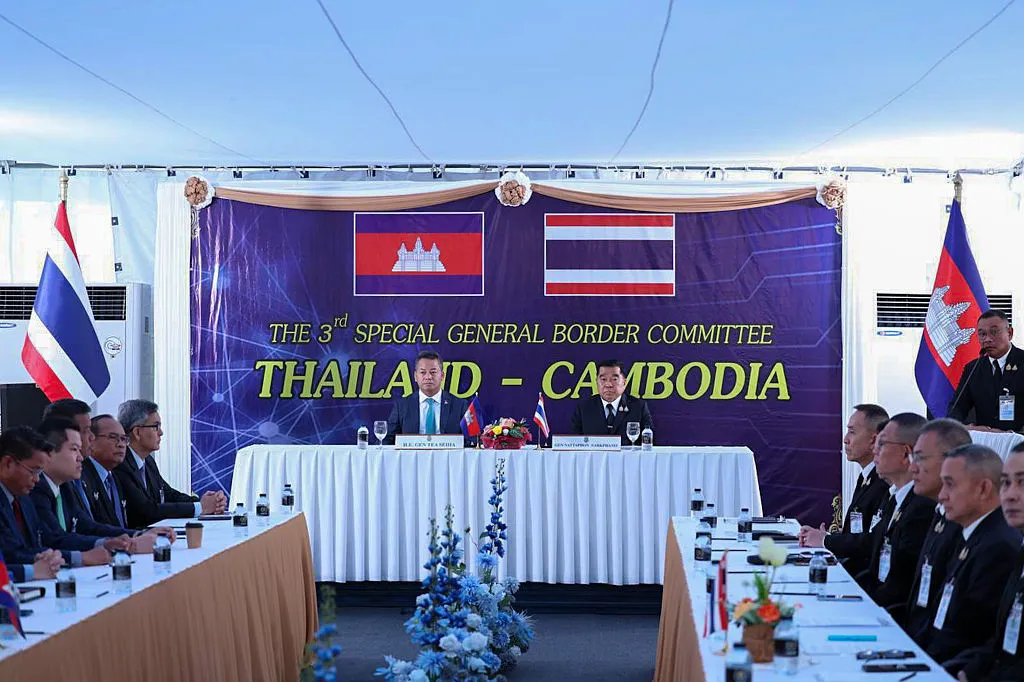
In a pivotal diplomatic intervention, China has strategically positioned itself as the key mediator in the complex Thailand-Cambodia border conflict, revealing a sophisticated approach to regional influence that extends far beyond traditional diplomatic engagement. The recent trilateral talks in Yunnan province represent more than a simple ceasefire negotiation—they signal a fundamental recalibration of geopolitical power dynamics in Southeast Asia.
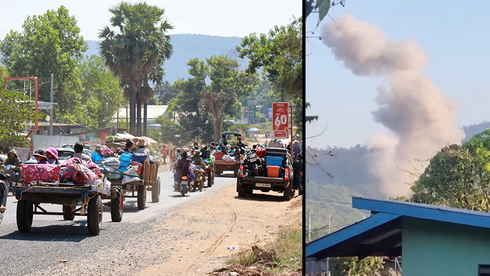
The conflict's scale is stark: over 101 lives lost and half a million people displaced in border clashes that threatened regional stability. By facilitating a diplomatic resolution, China has demonstrated a nuanced strategy of soft power projection that deliberately contrasts with previous U.S. diplomatic approaches. Chinese Foreign Minister Wang Yi's emphasis on the "hard-won" nature of the ceasefire underscores the delicate diplomatic maneuvering required to bring Thailand and Cambodia to the negotiating table.
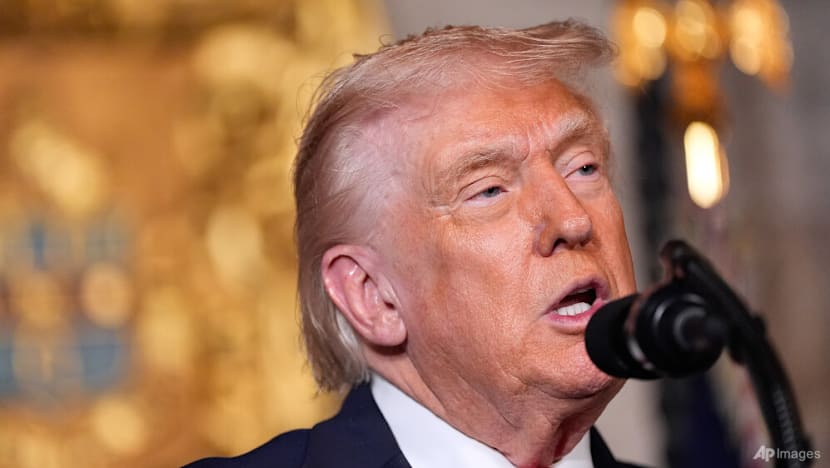
What makes this intervention particularly significant is China's calculated positioning. By offering mediation services, Beijing is not merely resolving an immediate conflict but systematically expanding its regional influence. The diplomatic approach subtly critiques the more confrontational strategies associated with previous U.S. administrations, presenting China as a constructive regional power capable of nuanced conflict resolution.
For cross-border stakeholders, this development signals profound implications. The potential stabilization of regional tensions creates unprecedented opportunities for renewed economic cooperation and more predictable business environments. Companies operating in Southeast Asian markets must recognize that geopolitical negotiations are no longer just political events—they are critical infrastructure for economic strategy.
The long-term significance lies in China's emerging role as a diplomatic architect. By facilitating dialogue between Thailand and Cambodia, Beijing is reshaping the regional diplomatic ecosystem, transforming historical tensions into opportunities for collaborative engagement. This represents a sophisticated form of strategic diplomacy that goes beyond traditional conflict resolution, positioning China as an indispensable regional stakeholder.
Questions 3
What are the potential economic implications of this diplomatic resolution?
The ceasefire and diplomatic engagement could unlock significant economic opportunities by stabilizing the Thailand-Cambodia border region. Reduced tensions may lead to increased cross-border trade, improved investment environments, and more predictable business conditions for regional and international stakeholders.
Why is China investing significant diplomatic capital in mediating this conflict?
China is strategically expanding its regional influence by demonstrating its capability as a constructive diplomatic power. By successfully mediating between Thailand and Cambodia, Beijing enhances its soft power, challenges U.S. diplomatic approaches, and positions itself as an indispensable regional stakeholder.