


Middle East Diplomacy at a Crossroads: Trump and Netanyahu's Strategic Gambit in Gaza Peace Negotiations
- Geopolitical Realignment Signals Critical Turning Point for Regional Stability and Economic Reconstruction













Overview
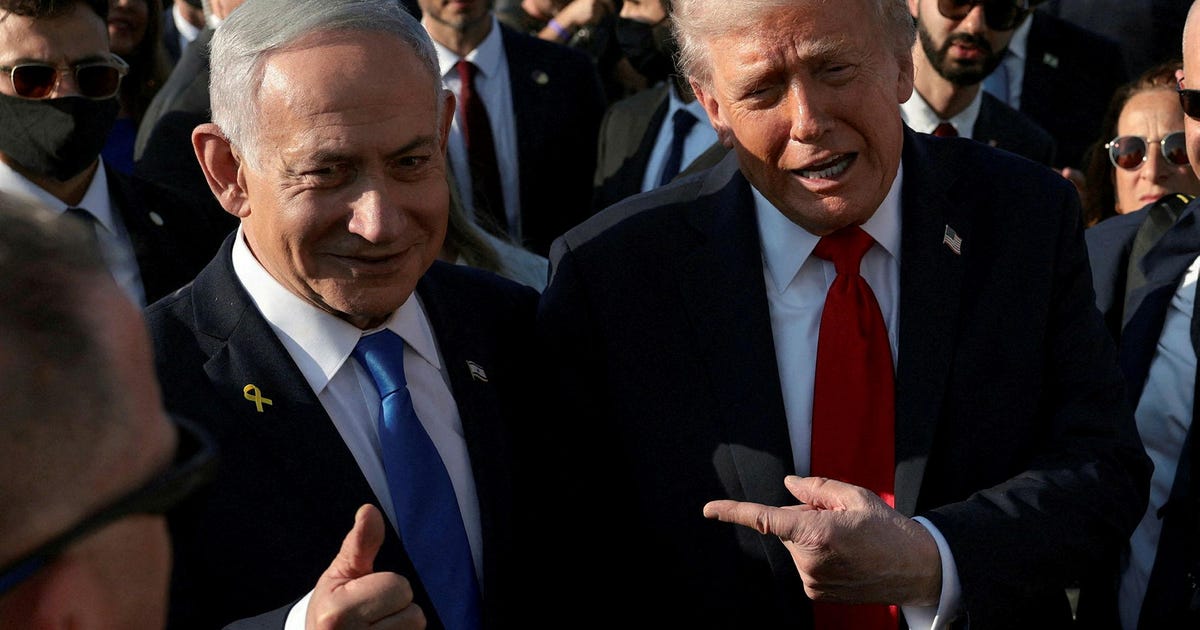
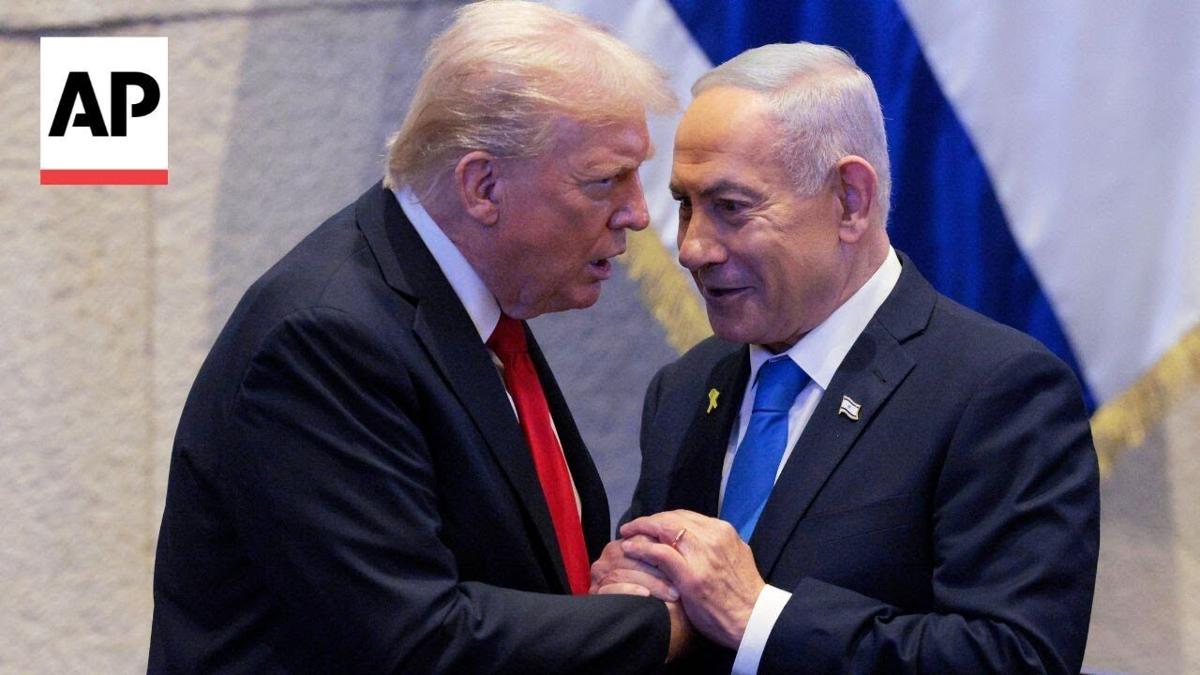
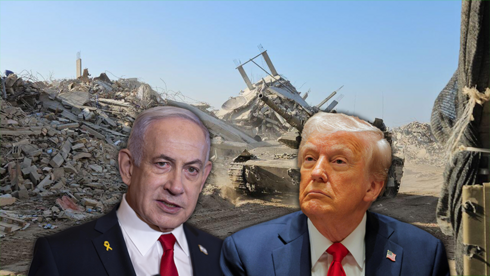
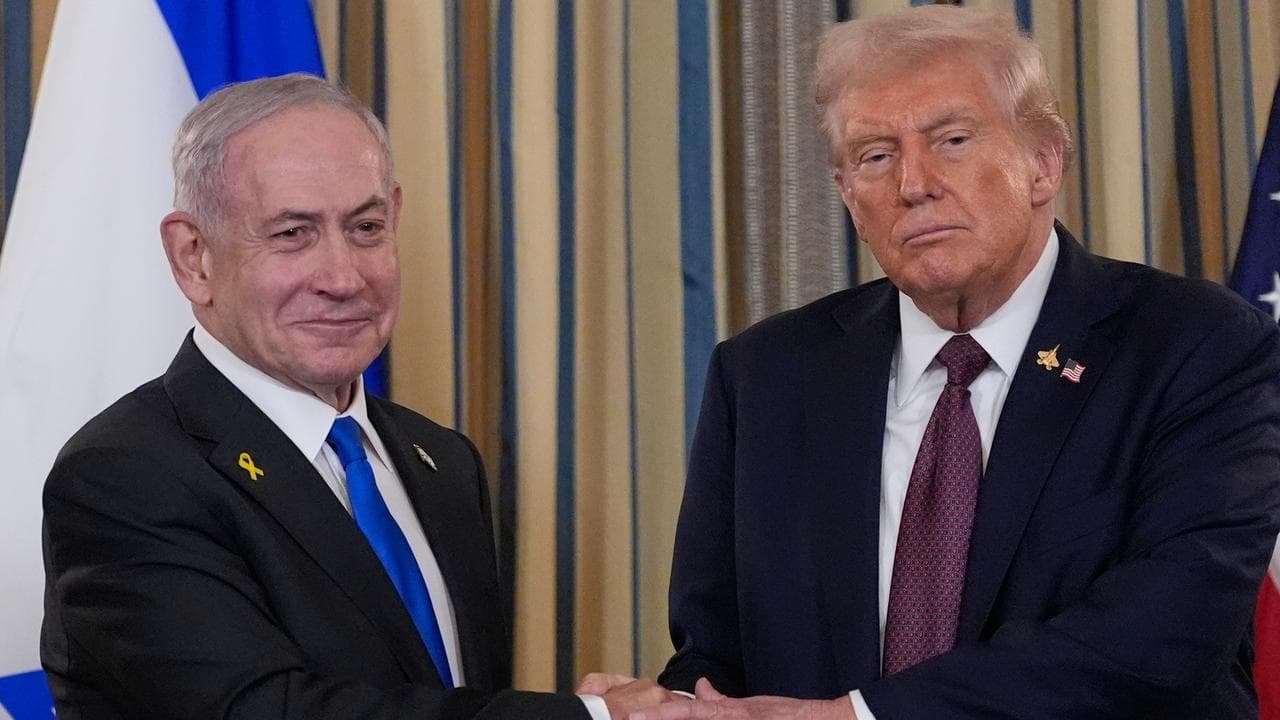
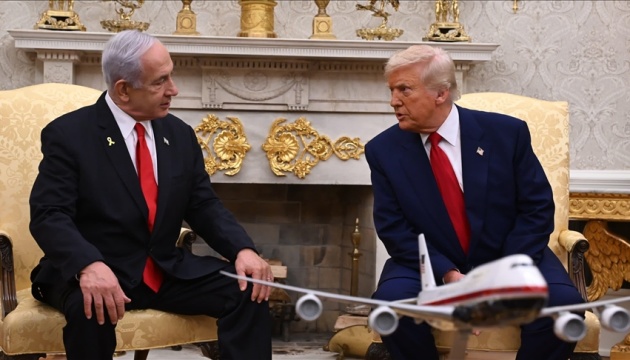
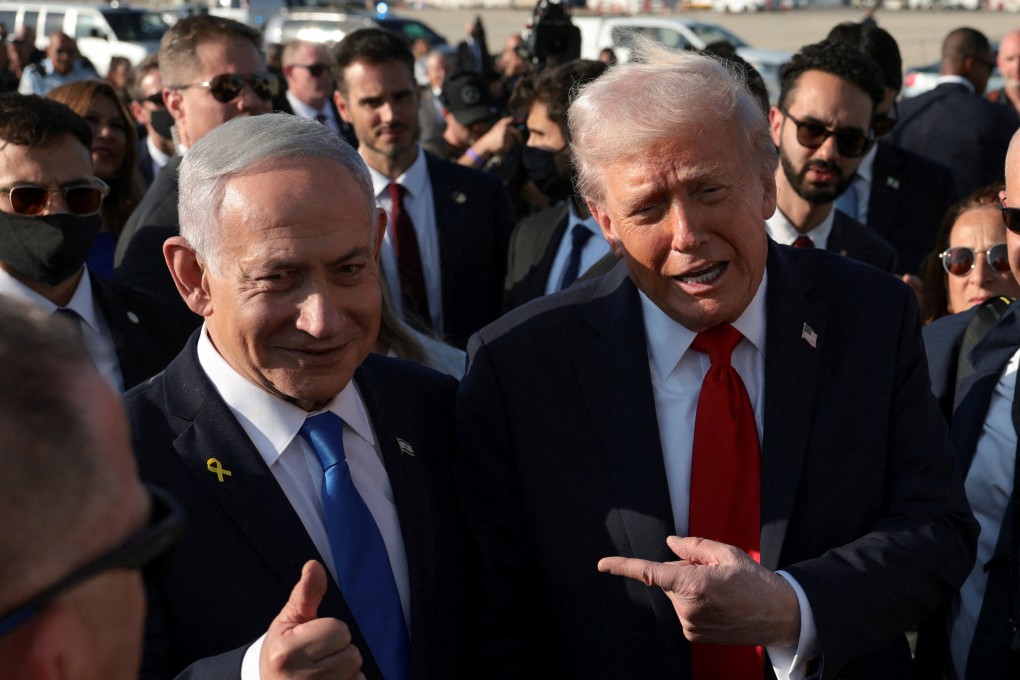
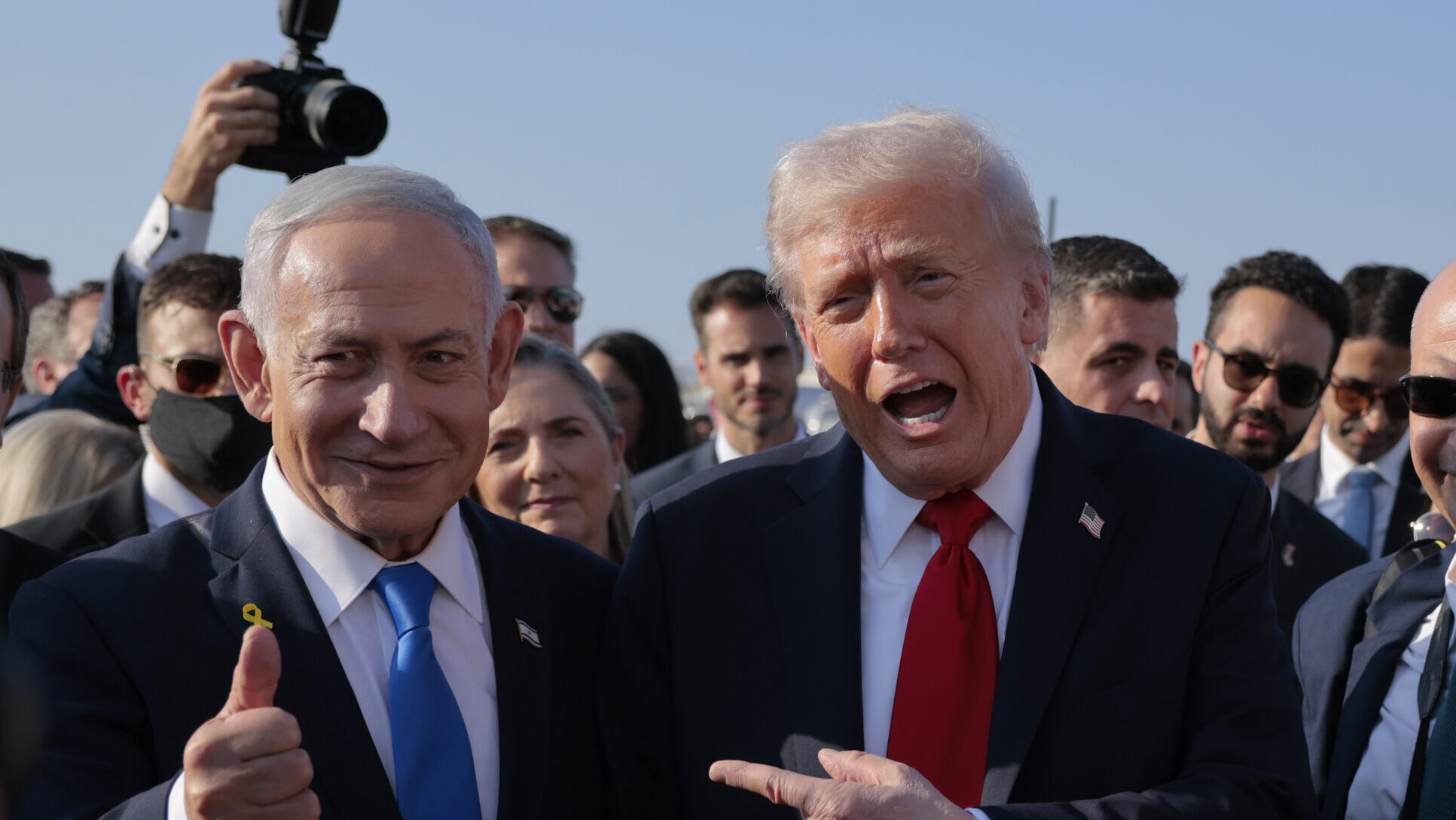
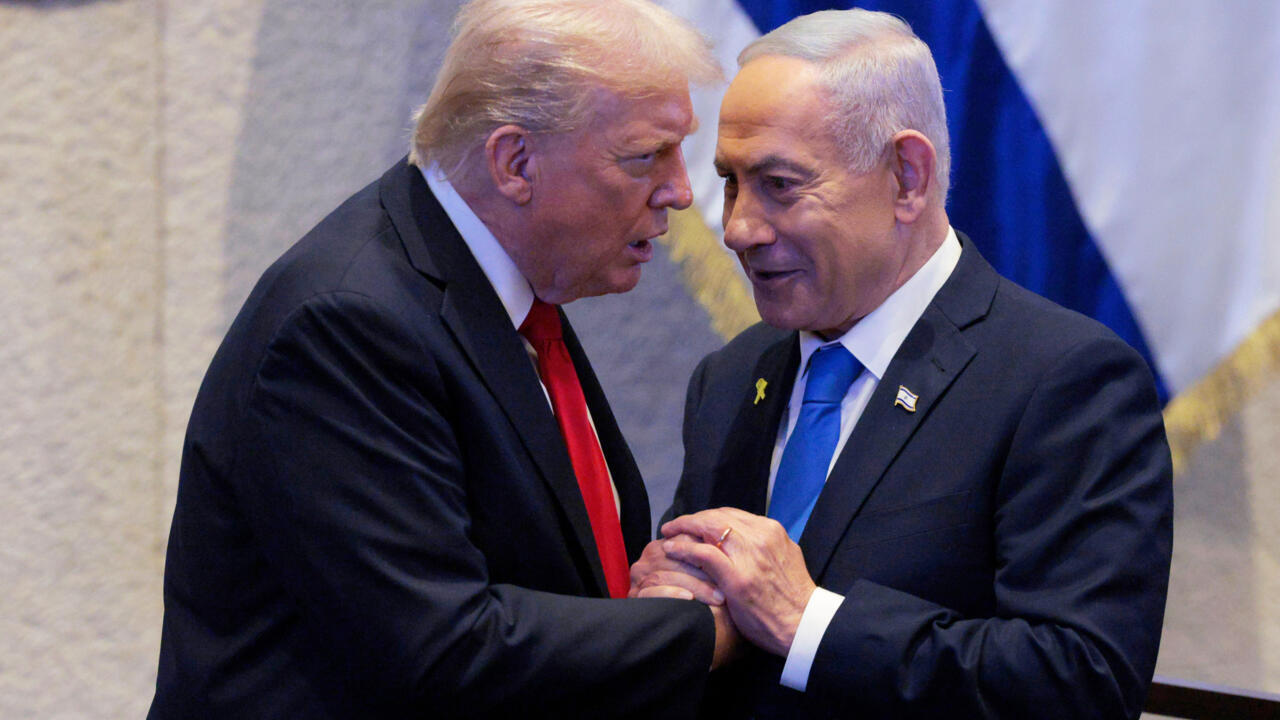
The ongoing Gaza peace negotiations represent a pivotal moment of diplomatic recalibration, where geopolitical strategy intersects with complex regional dynamics. At the heart of this critical juncture, former U.S. President Donald Trump and Israeli Prime Minister Benjamin Netanyahu are converging at Mar-a-Lago to architect a nuanced approach to resolving the protracted Middle East conflict.
Strategic Diplomatic Reconfiguration: The proposed 20-point U.N. Security Council strategy reveals a sophisticated multilateral framework aimed at fundamentally transforming Gaza's governance. By proposing a demilitarized Gaza under international supervision, the plan signals a radical departure from previous conflict management approaches. The strategy's core innovation lies in creating a technocratic Palestinian committee and establishing an International Stabilization Force, which represents a structured pathway to potential long-term regional stability.
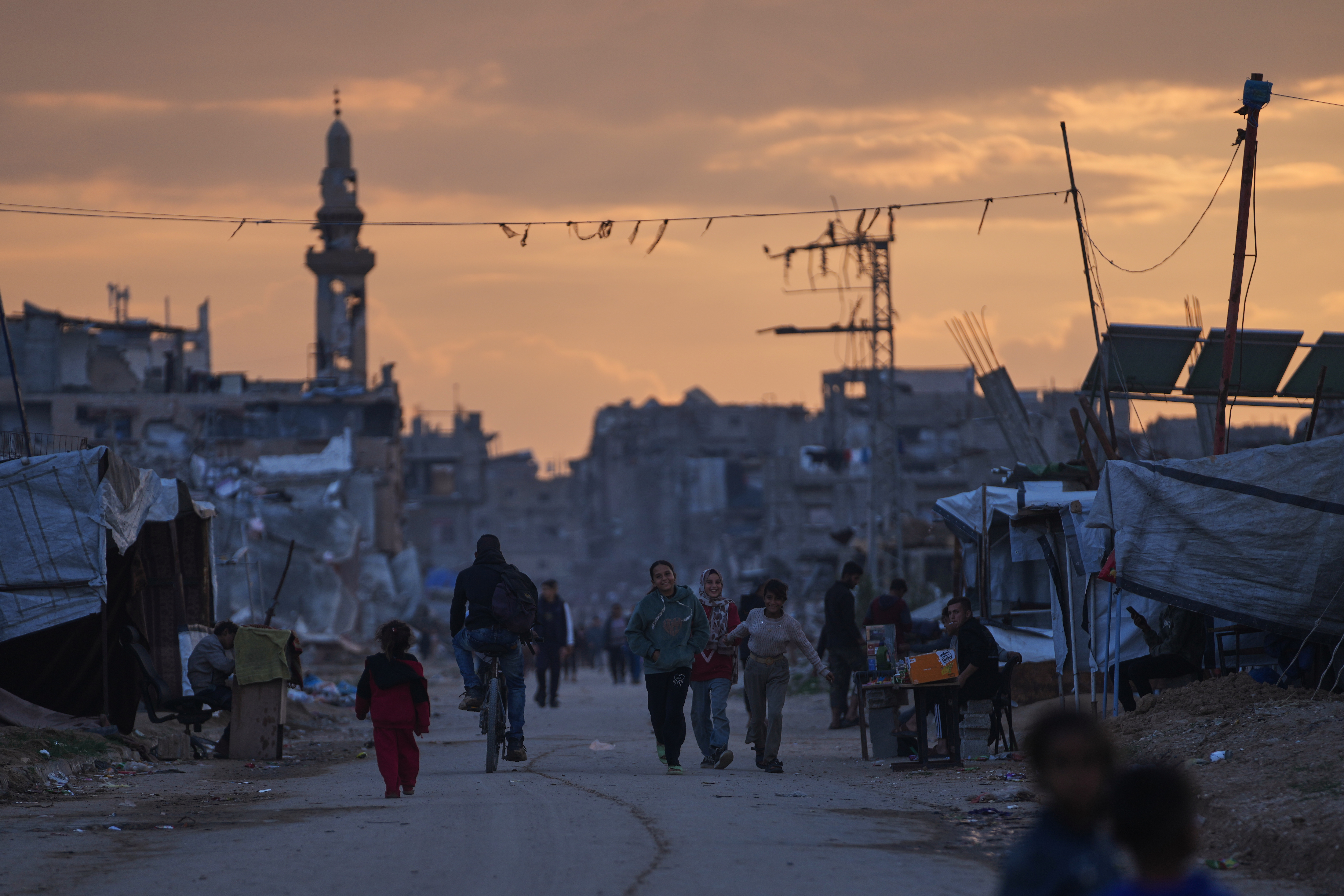
Economic Reconstruction Opportunities: Beneath the diplomatic maneuvering, significant economic implications emerge. The UAE's consideration of housing complex funding in Gaza hints at a broader reconstruction economic ecosystem taking shape. For cross-border businesses and humanitarian organizations, this represents a potential $multi-billion reconstruction market with intricate geopolitical dynamics. Sellers operating in Middle Eastern markets must prepare for potential seismic shifts in economic and political landscapes.
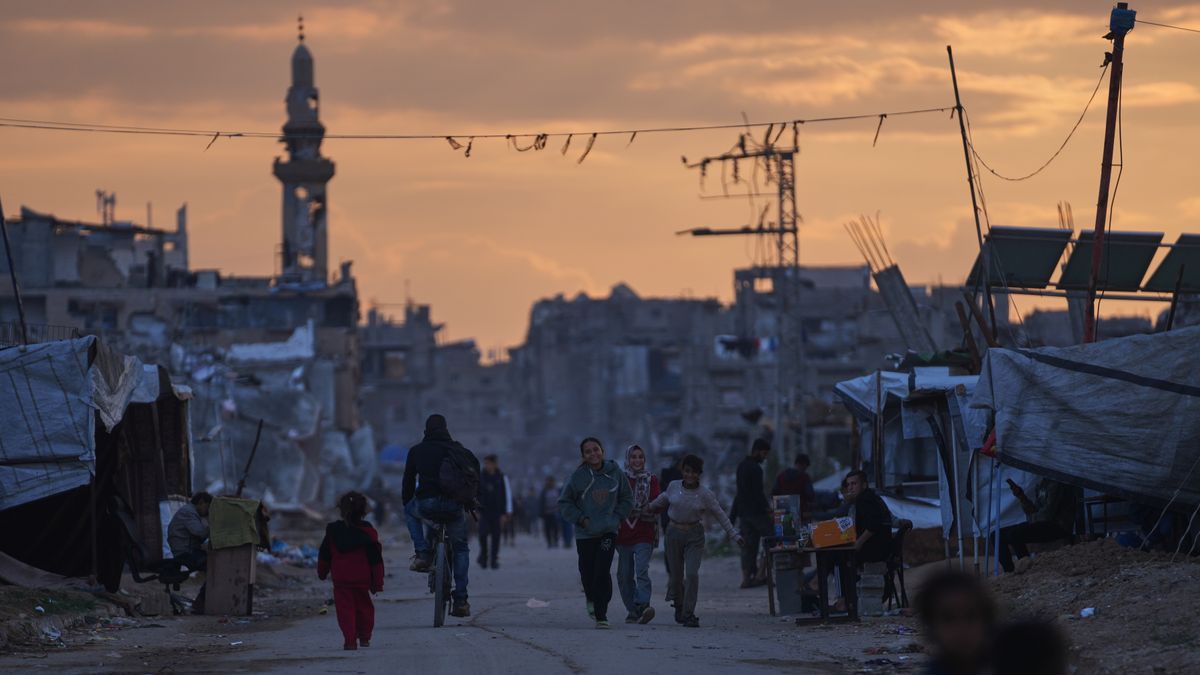
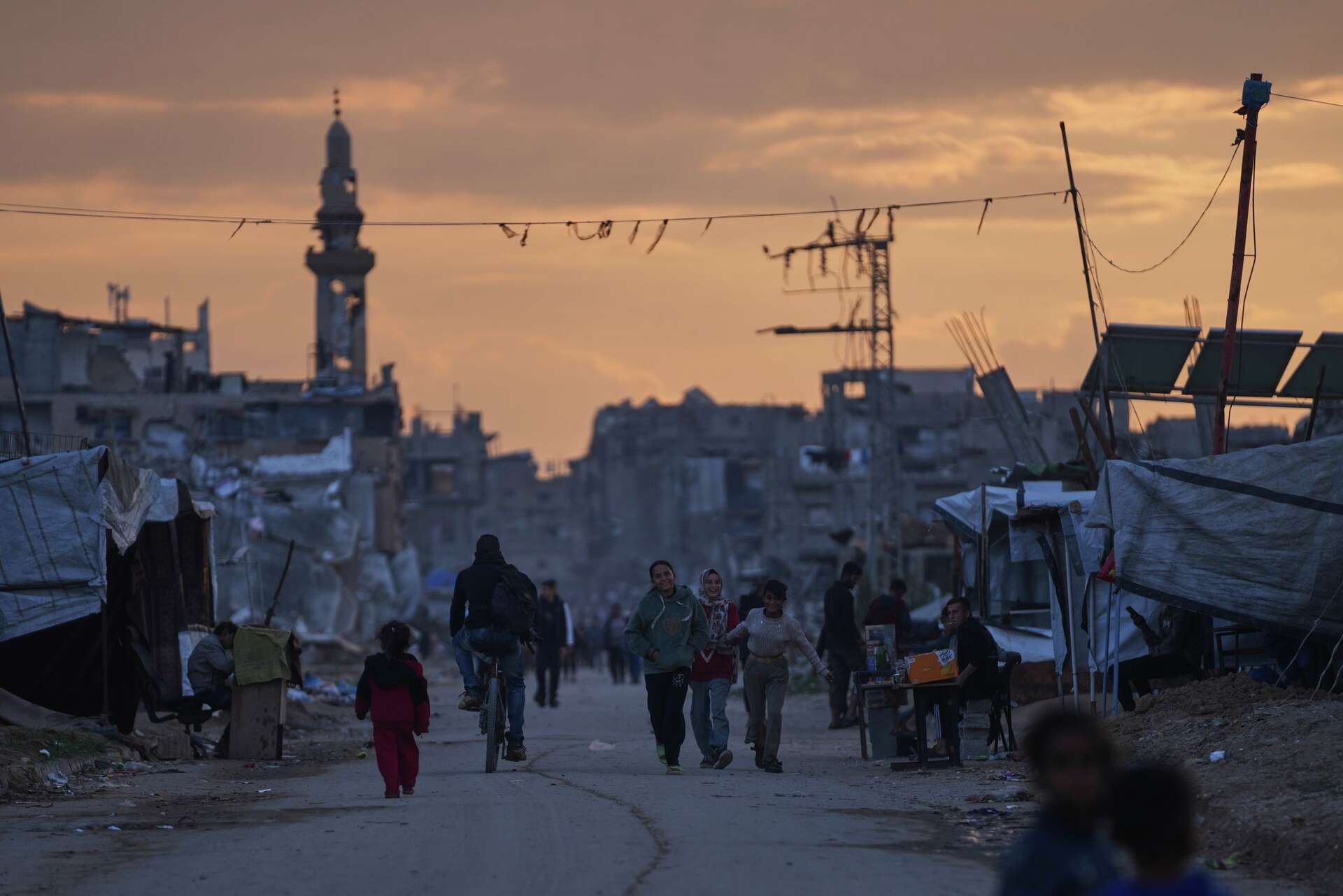
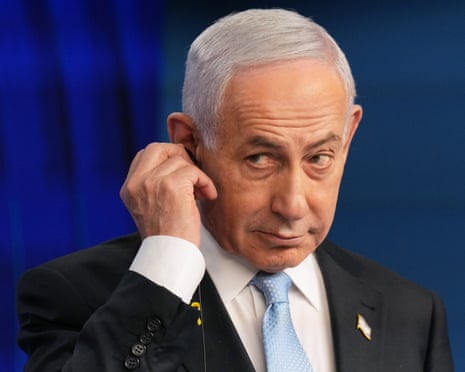
Geopolitical Risk Calculus: The negotiations occur against a backdrop of profound human cost—over 70,000 Palestinians have died during the conflict, with approximately 400 additional deaths since the October ceasefire. This tragic context underscores the urgent need for a sustainable peace framework. Netanyahu's domestic political challenges and upcoming elections add another layer of complexity, suggesting that these negotiations are simultaneously a diplomatic and political high-stakes chess match.
The outcome of these discussions could fundamentally reshape economic and trade relationships in the Middle East, potentially creating new market access corridors and redefining regional economic interdependencies. Businesses and policymakers must view this moment not just as a conflict resolution effort, but as a potential blueprint for future regional economic integration.
Questions 3
What are the key components of the proposed Gaza peace plan?
The plan includes a 20-point U.N. Security Council strategy focusing on creating a demilitarized Gaza under international supervision, forming a technocratic Palestinian committee, and establishing an International Stabilization Force. Key challenges involve vetting committee members, continuing Israeli military operations, and developing a multinational security approach.
How might these negotiations impact cross-border businesses in the Middle East?
Businesses should anticipate potential reconstruction opportunities, particularly in infrastructure and housing projects. The UAE's consideration of funding housing complexes suggests a nascent market for international contractors and suppliers. However, companies must carefully navigate complex geopolitical risks and potential supply chain disruptions.