


Middle East Diplomacy at a Crossroads: Trump and Netanyahu's Strategic Gambit in Gaza Peace Negotiations
- Geopolitical Realignment Signals Critical Turning Point for Regional Stability and Economic Reconstruction























)







Overview
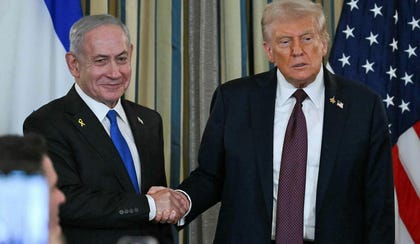
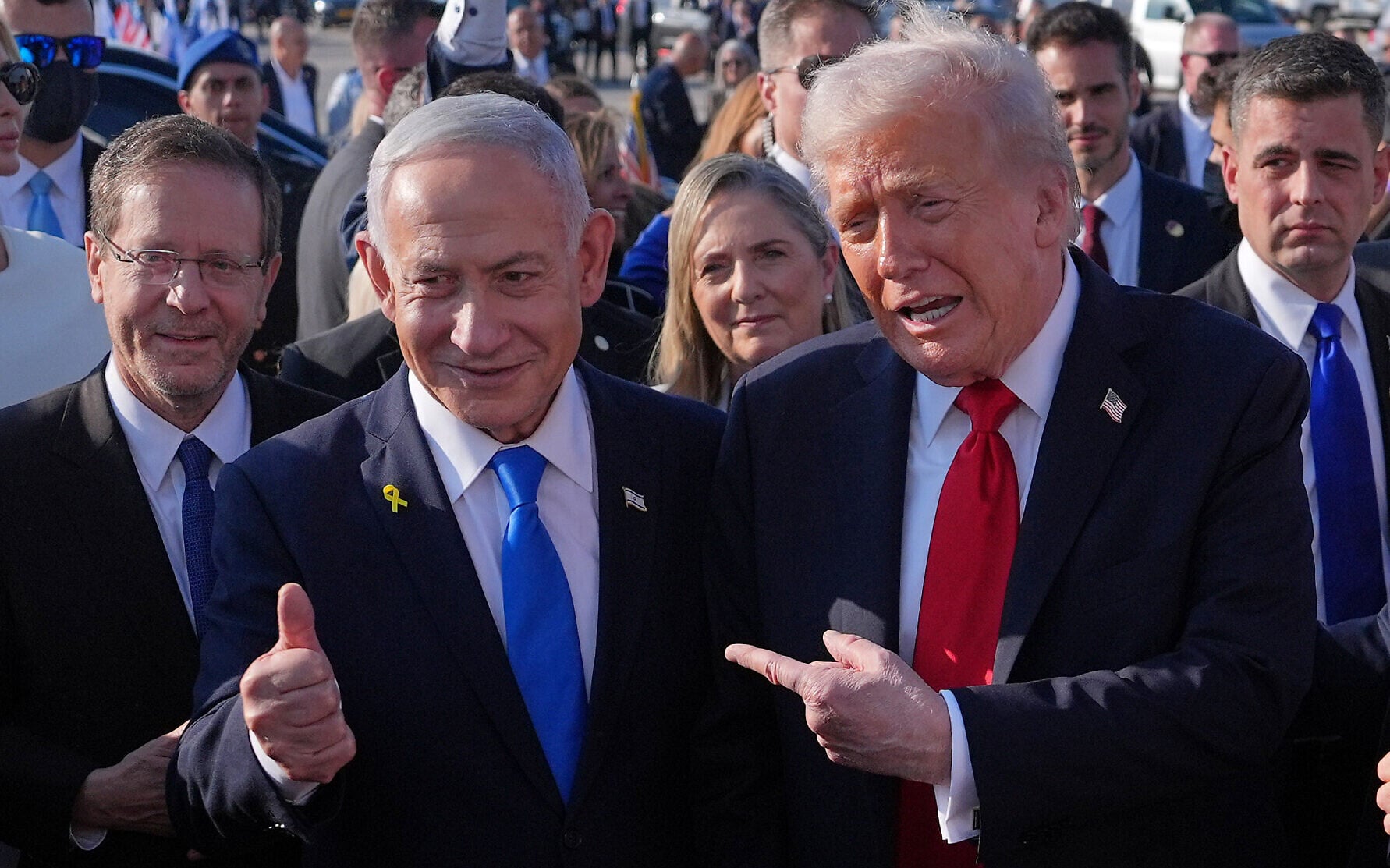
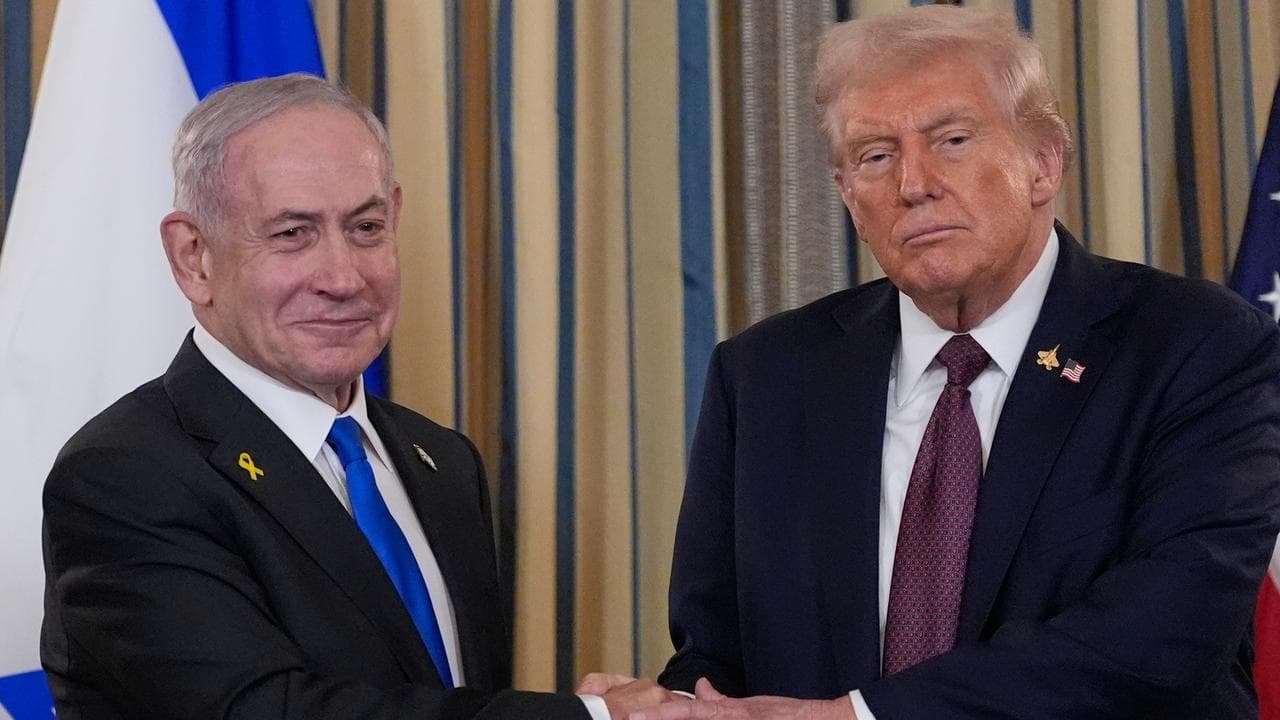
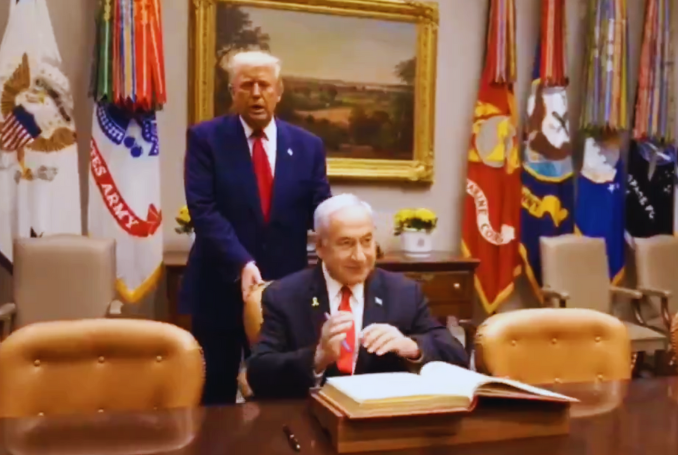
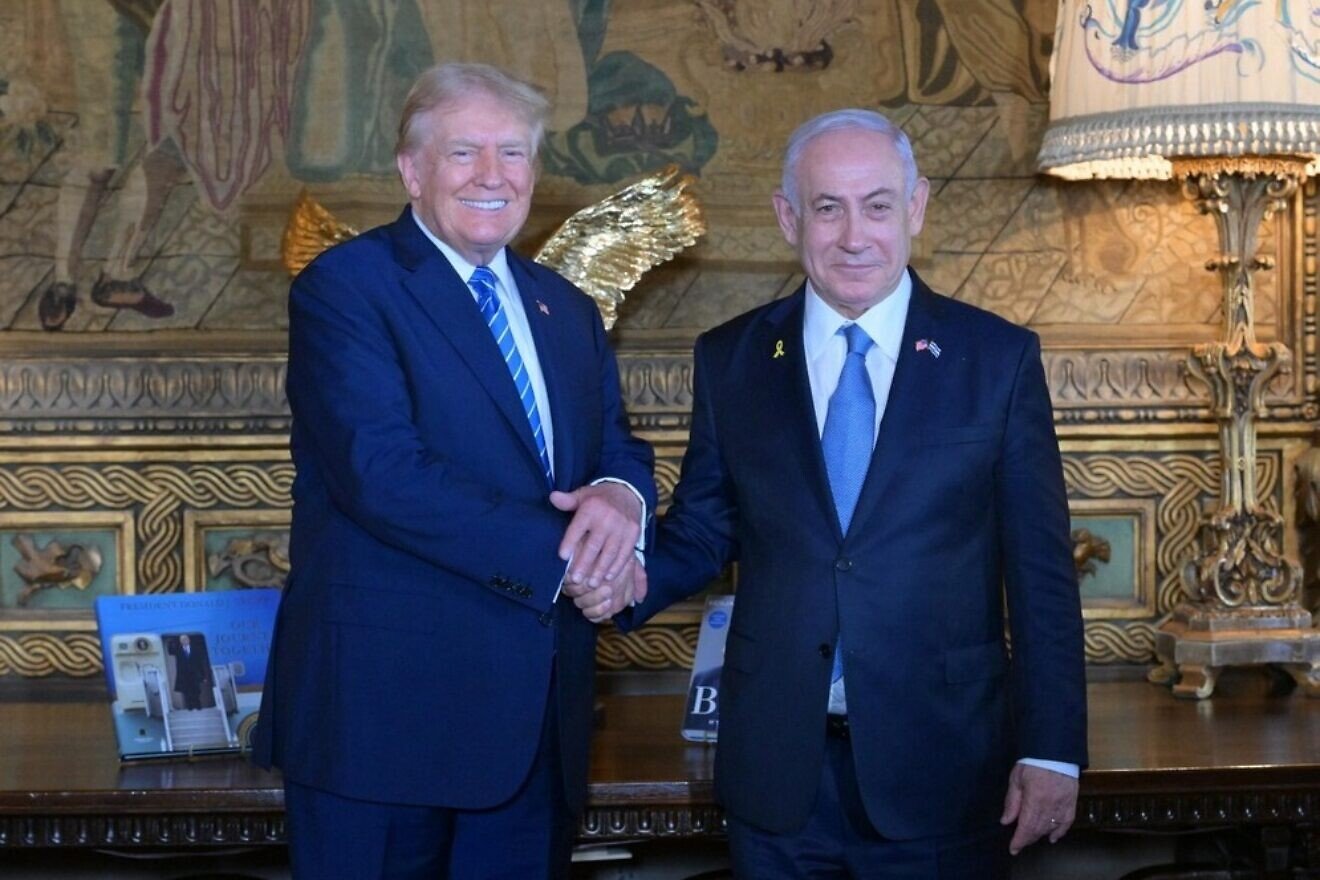
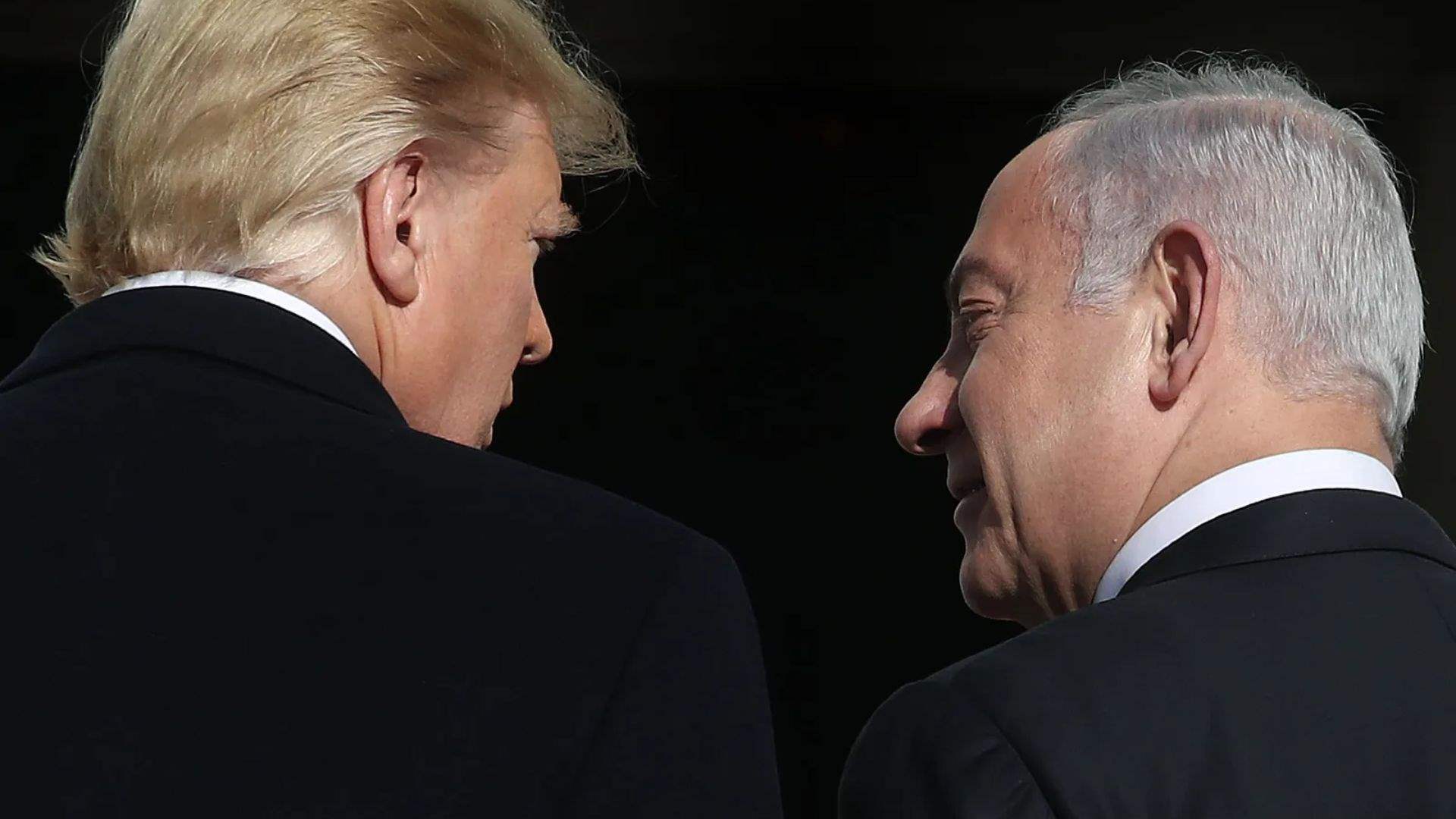
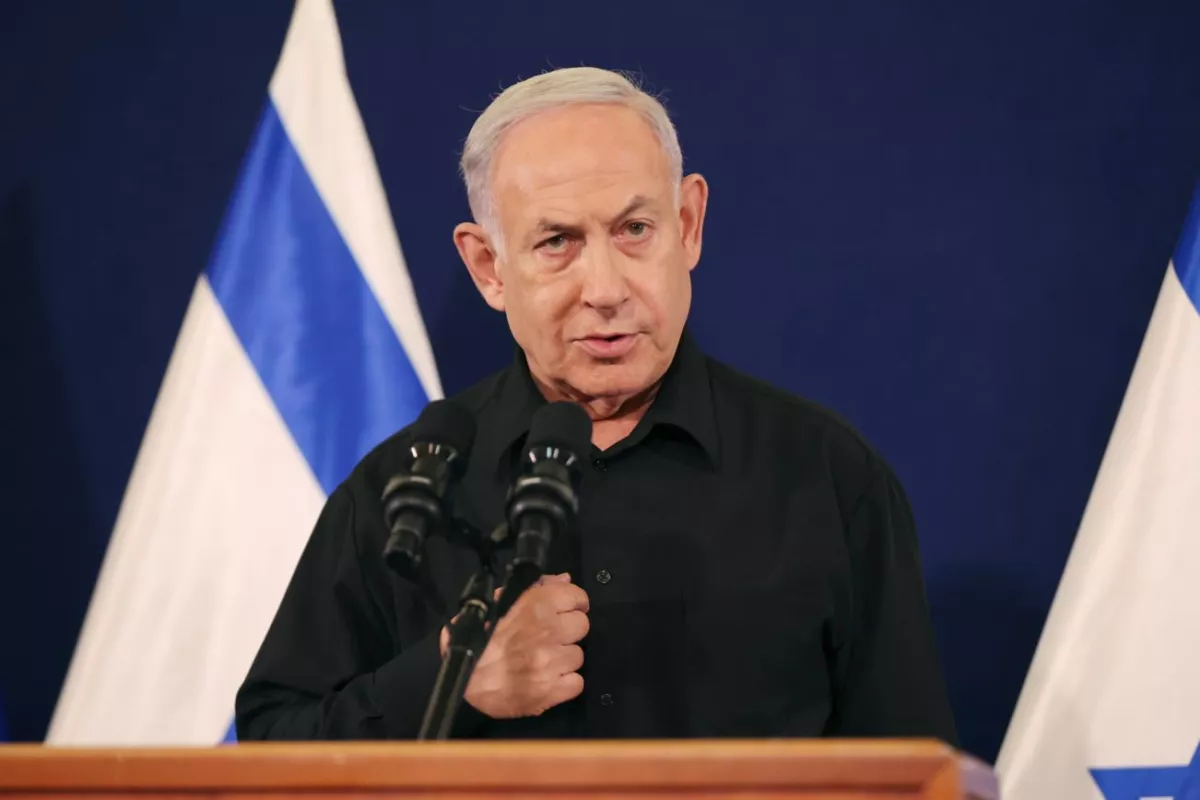
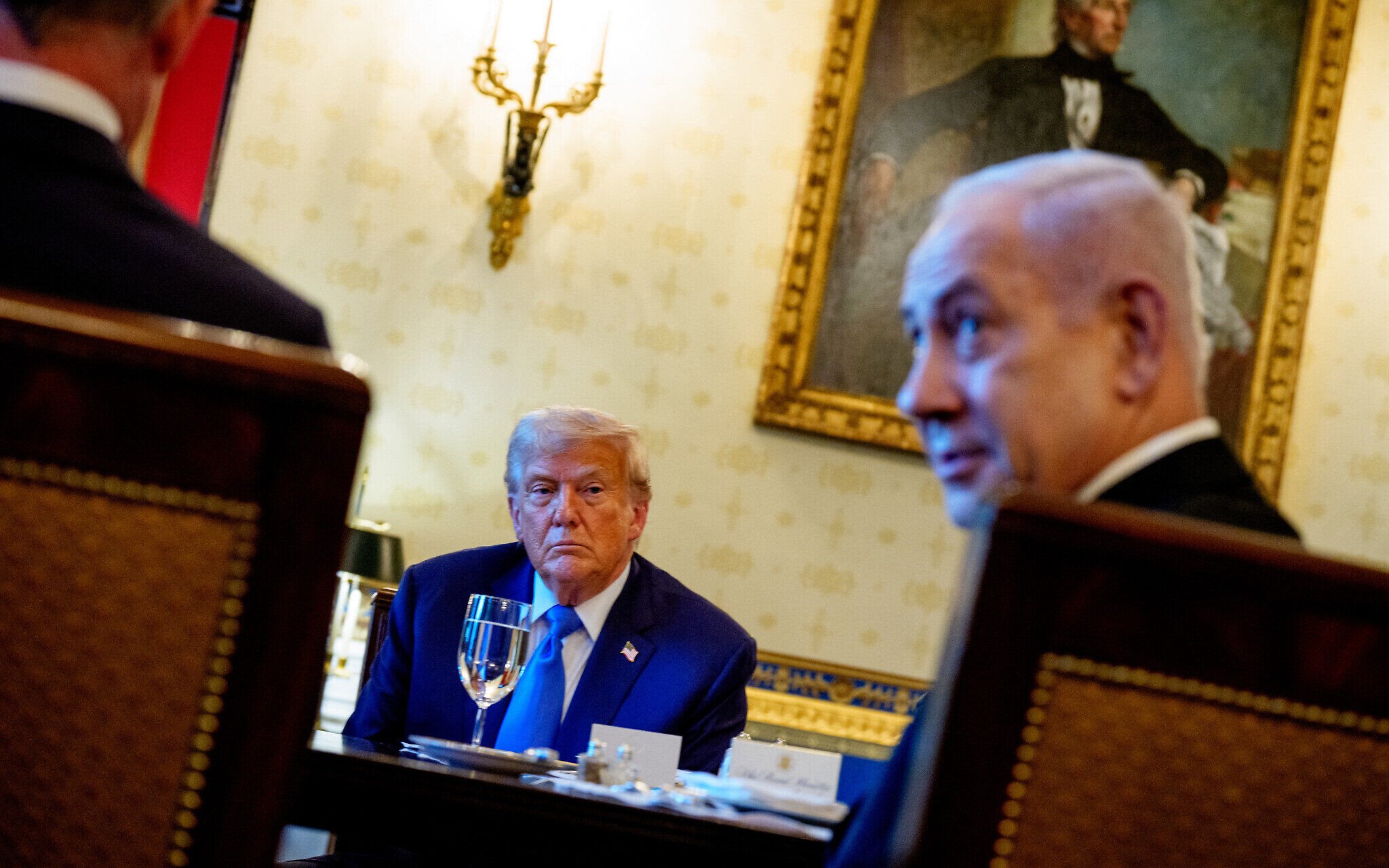
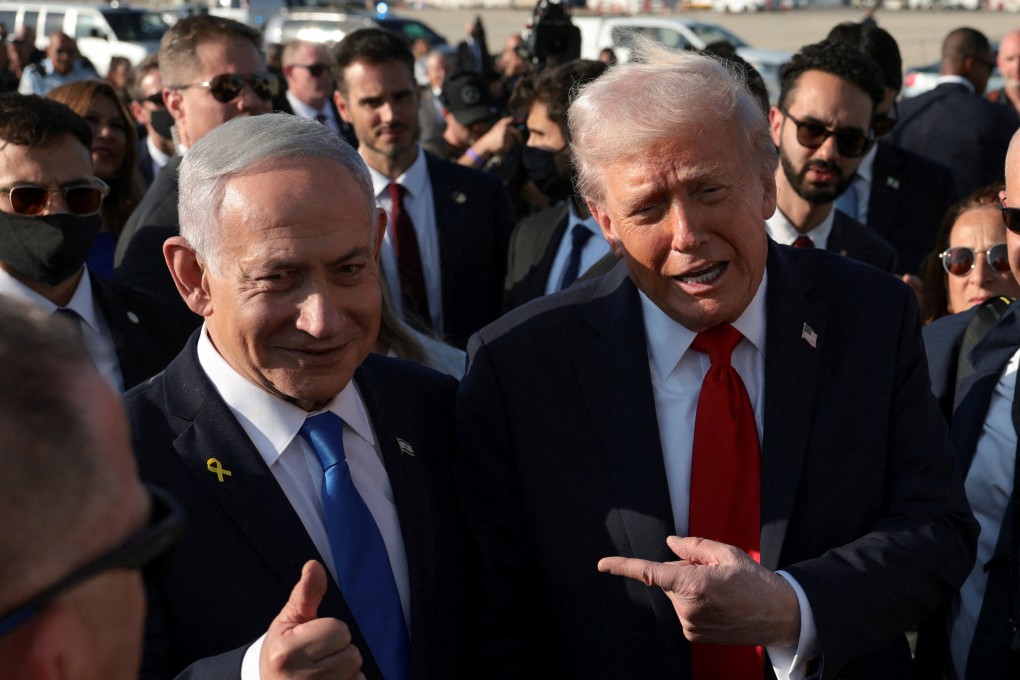
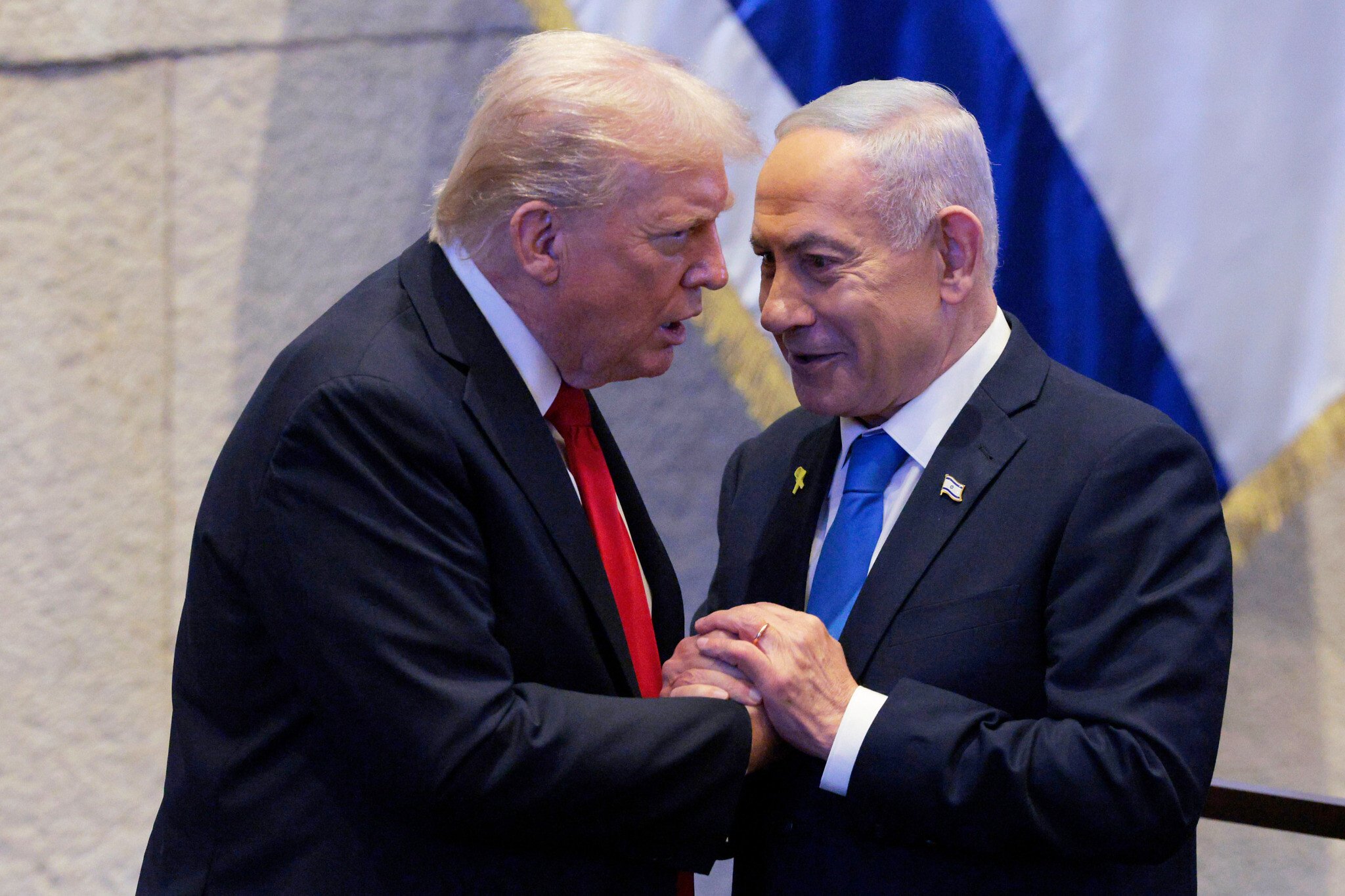
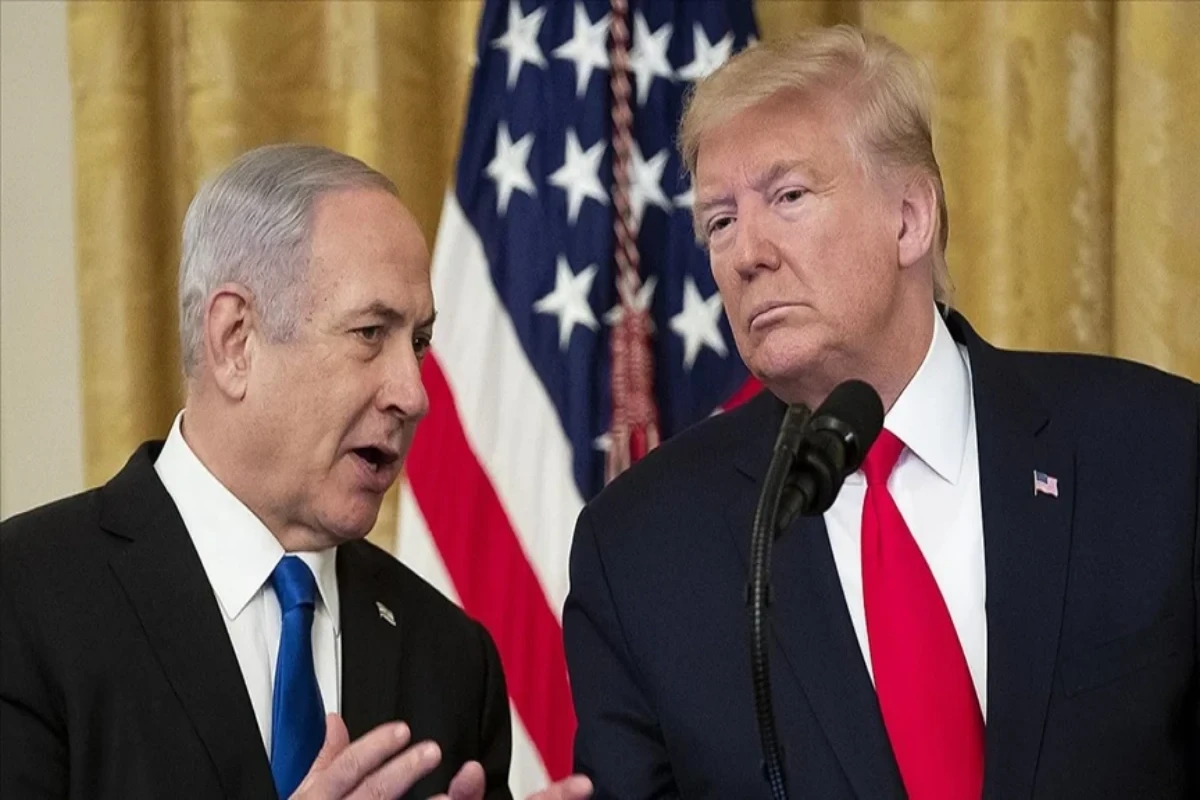
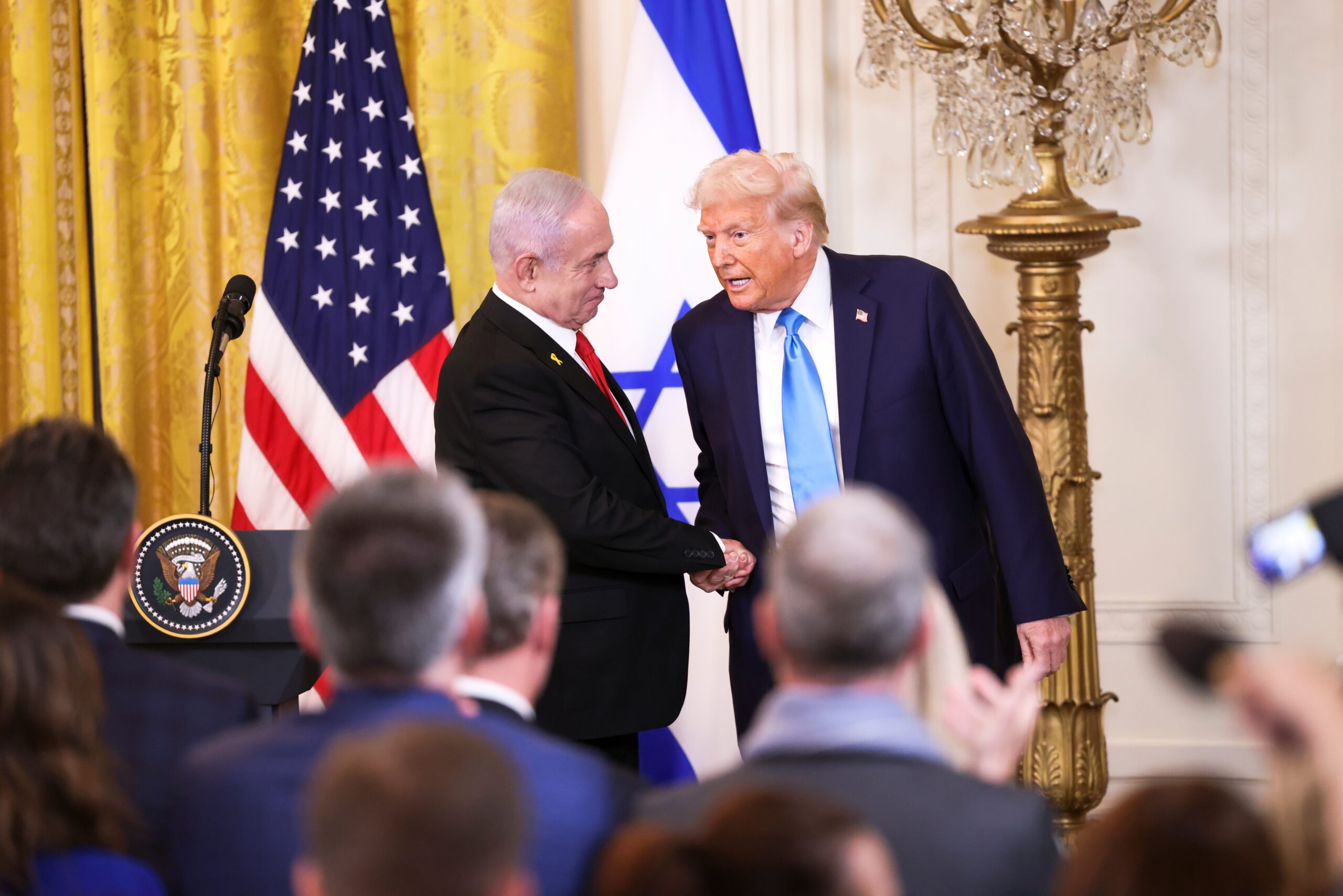
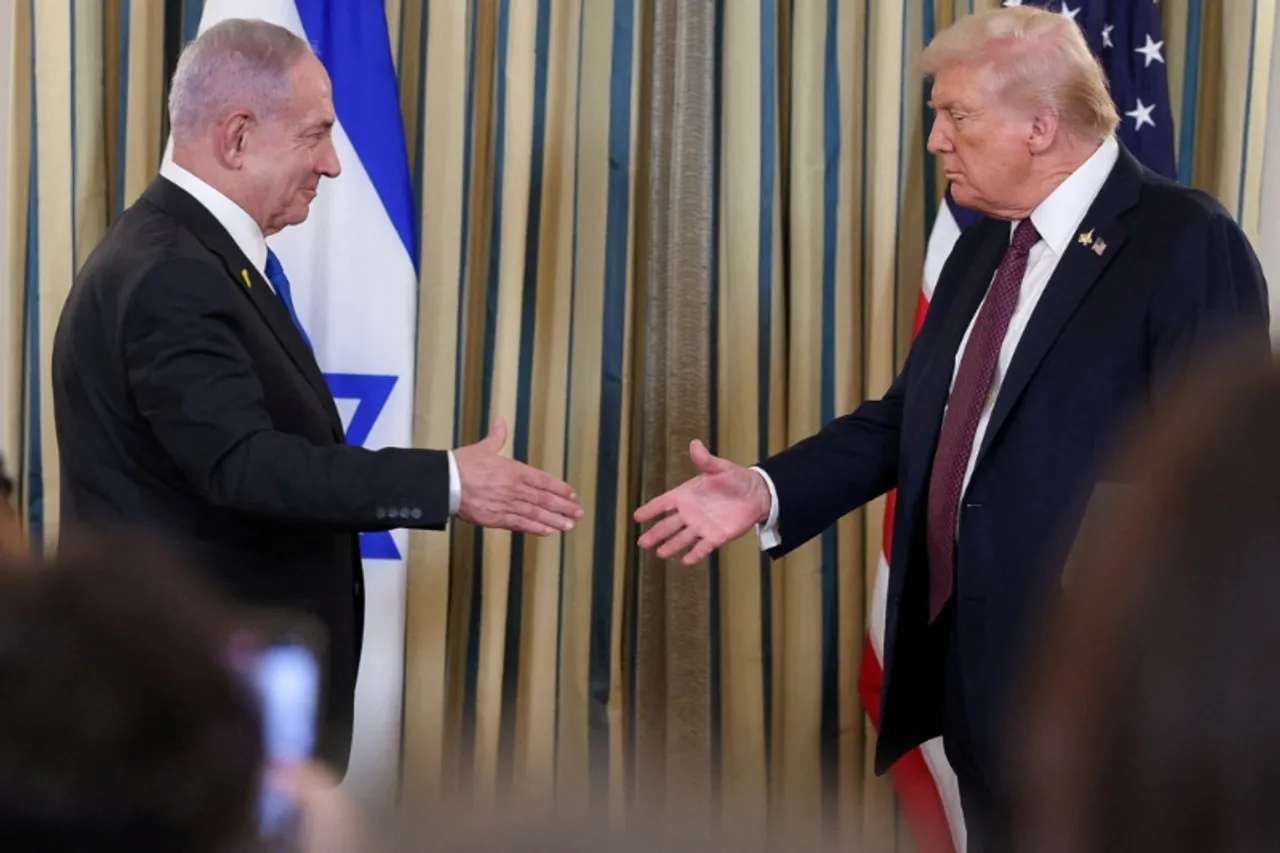
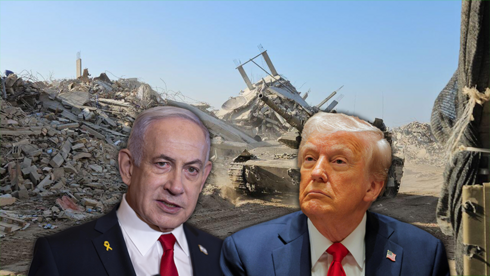
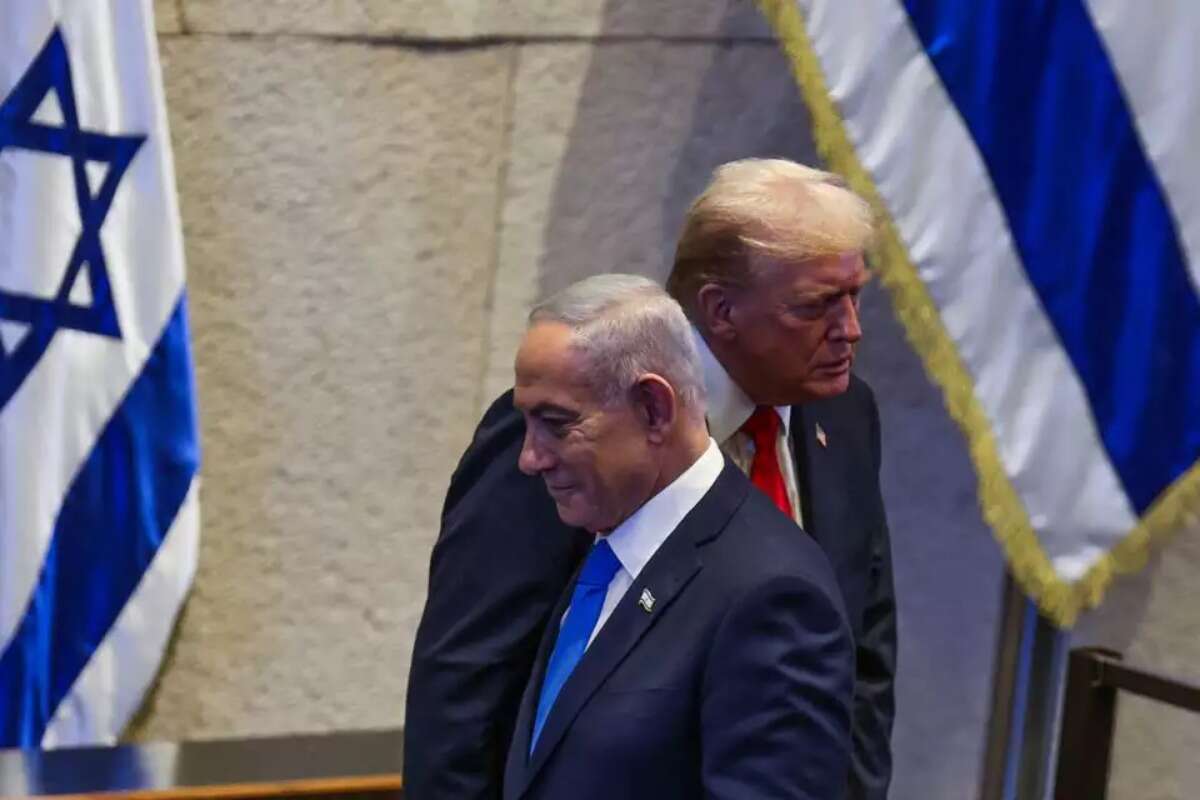
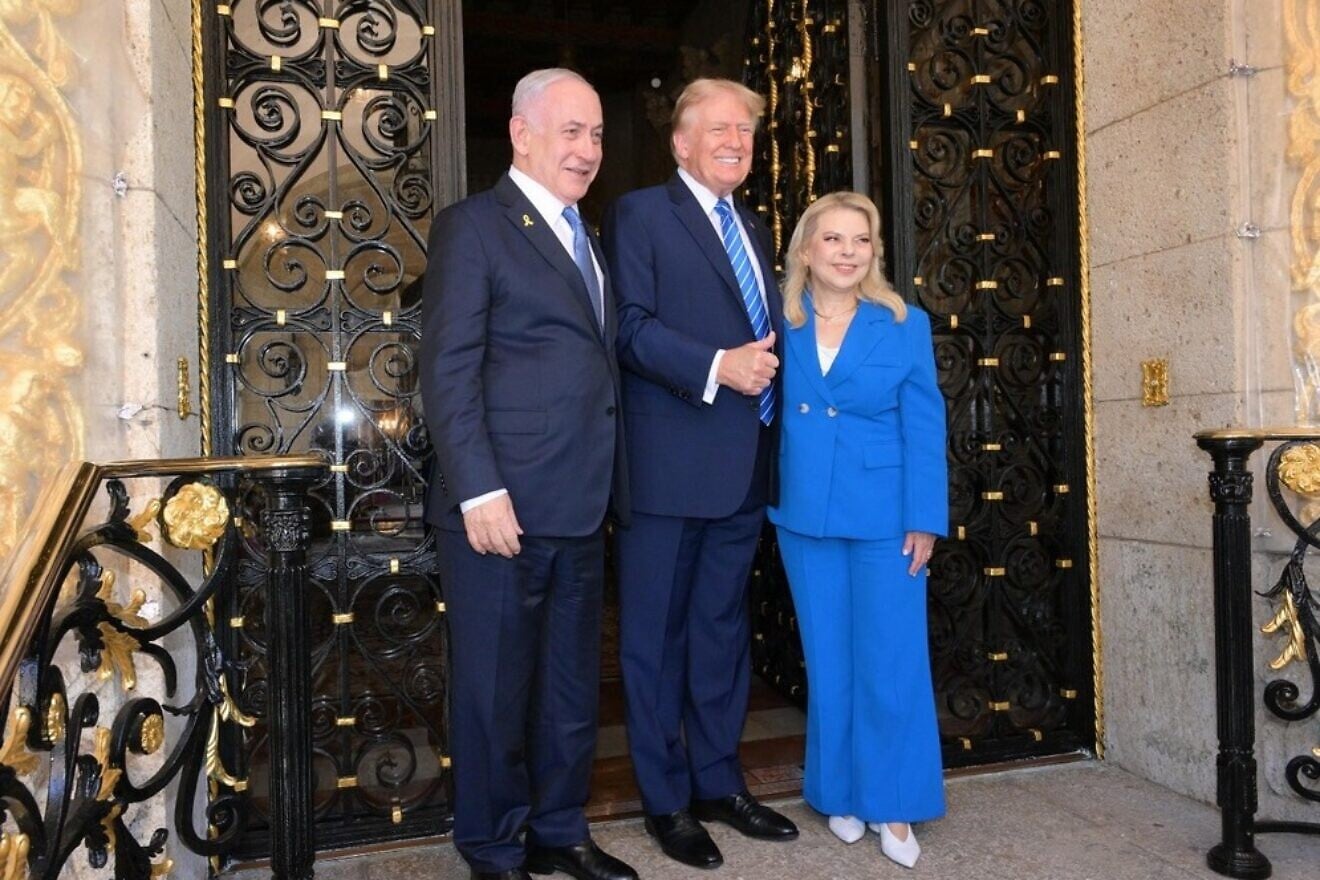
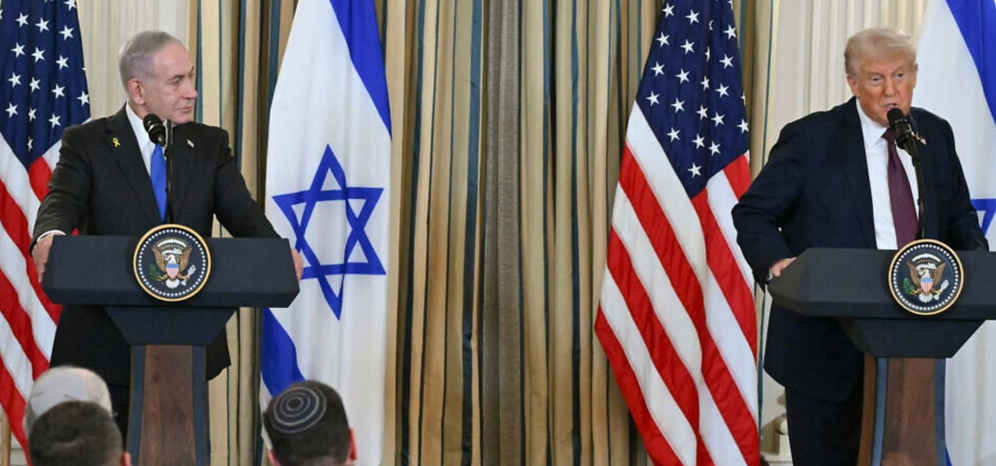
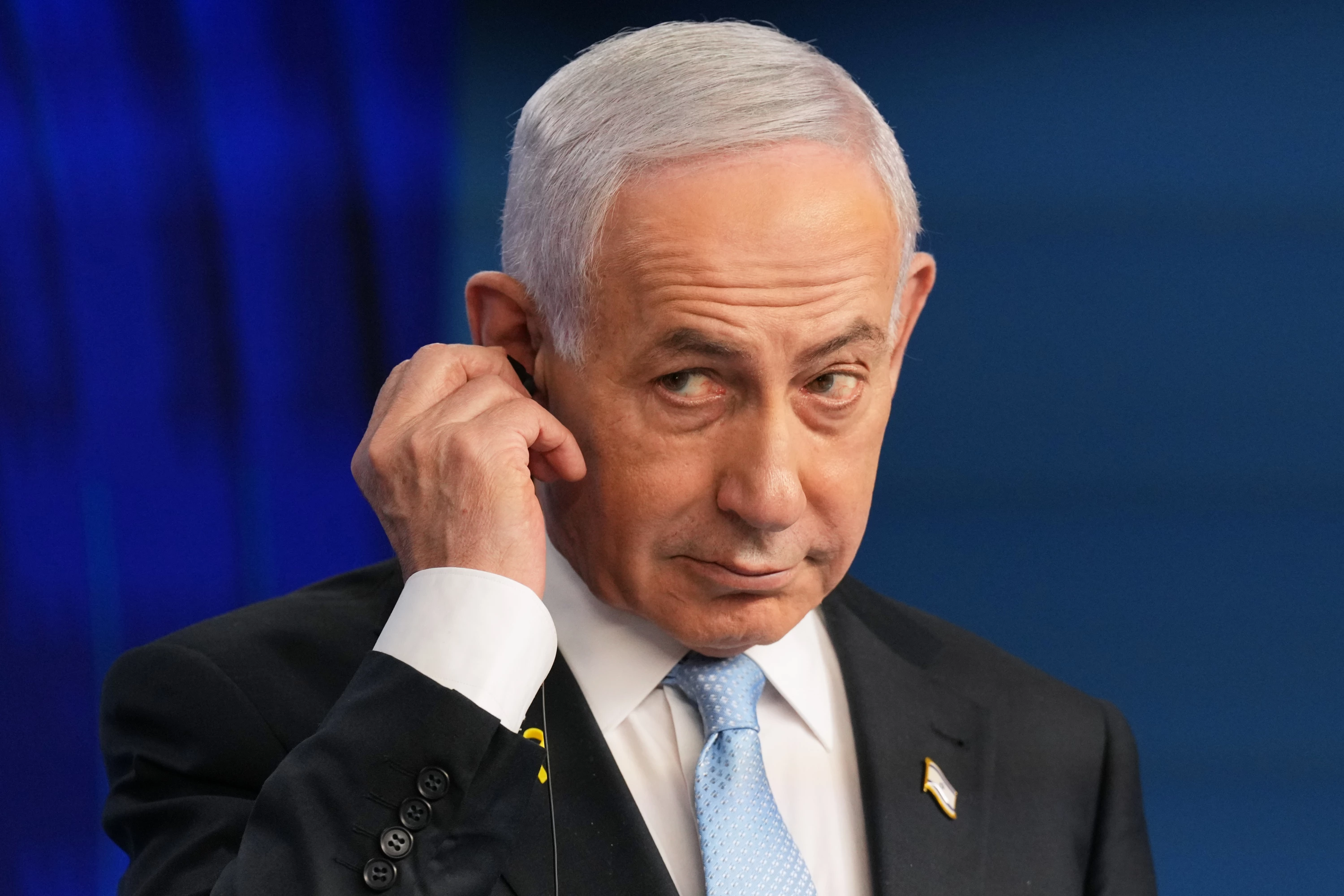
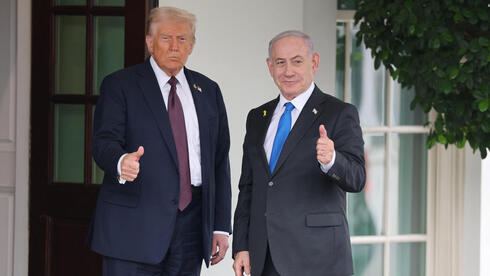
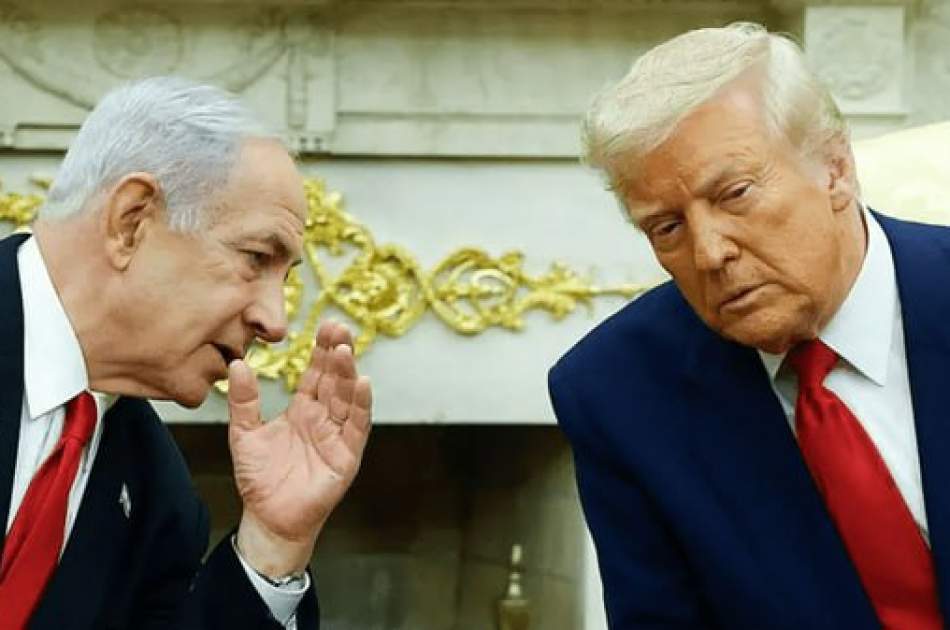
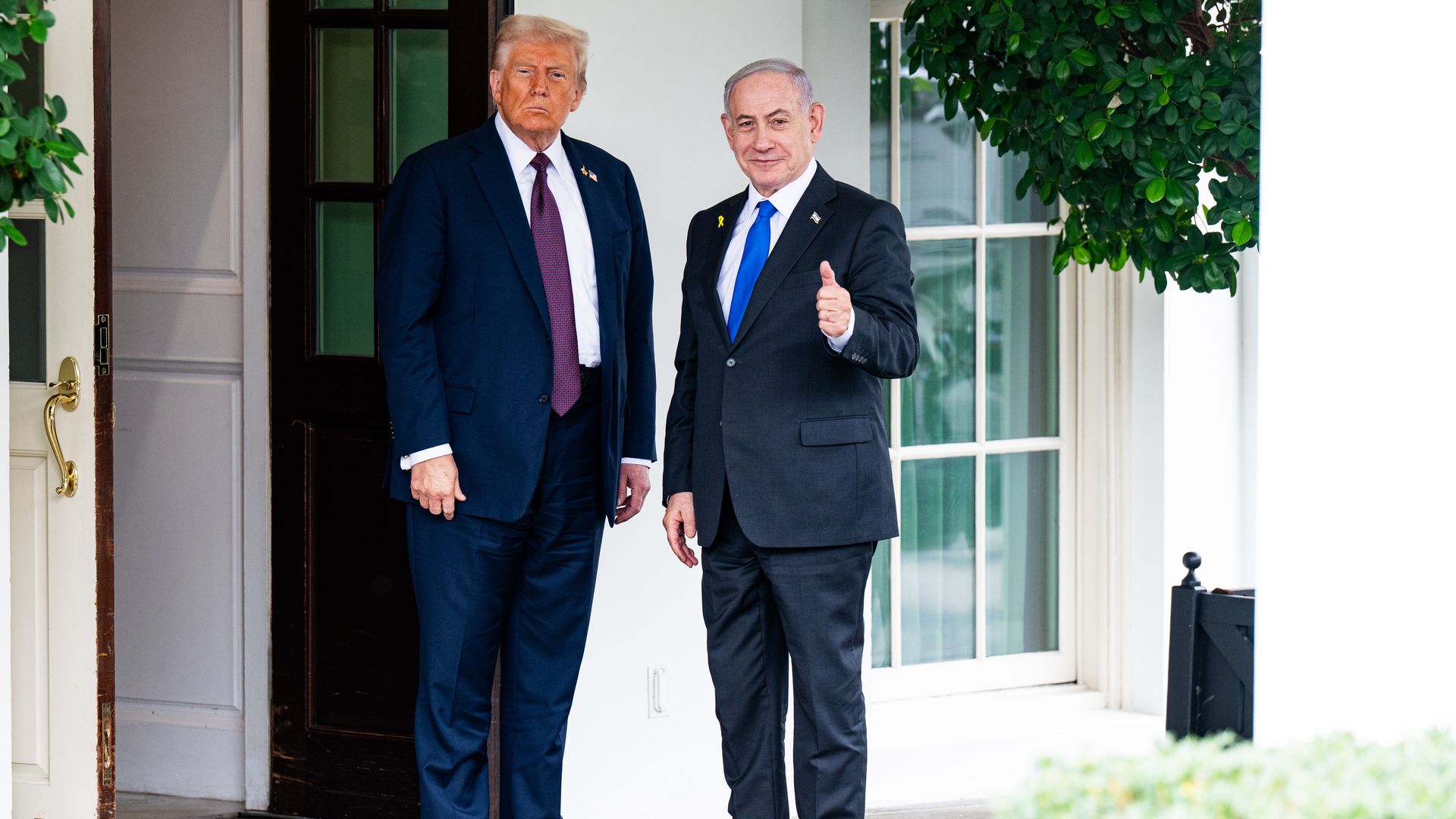
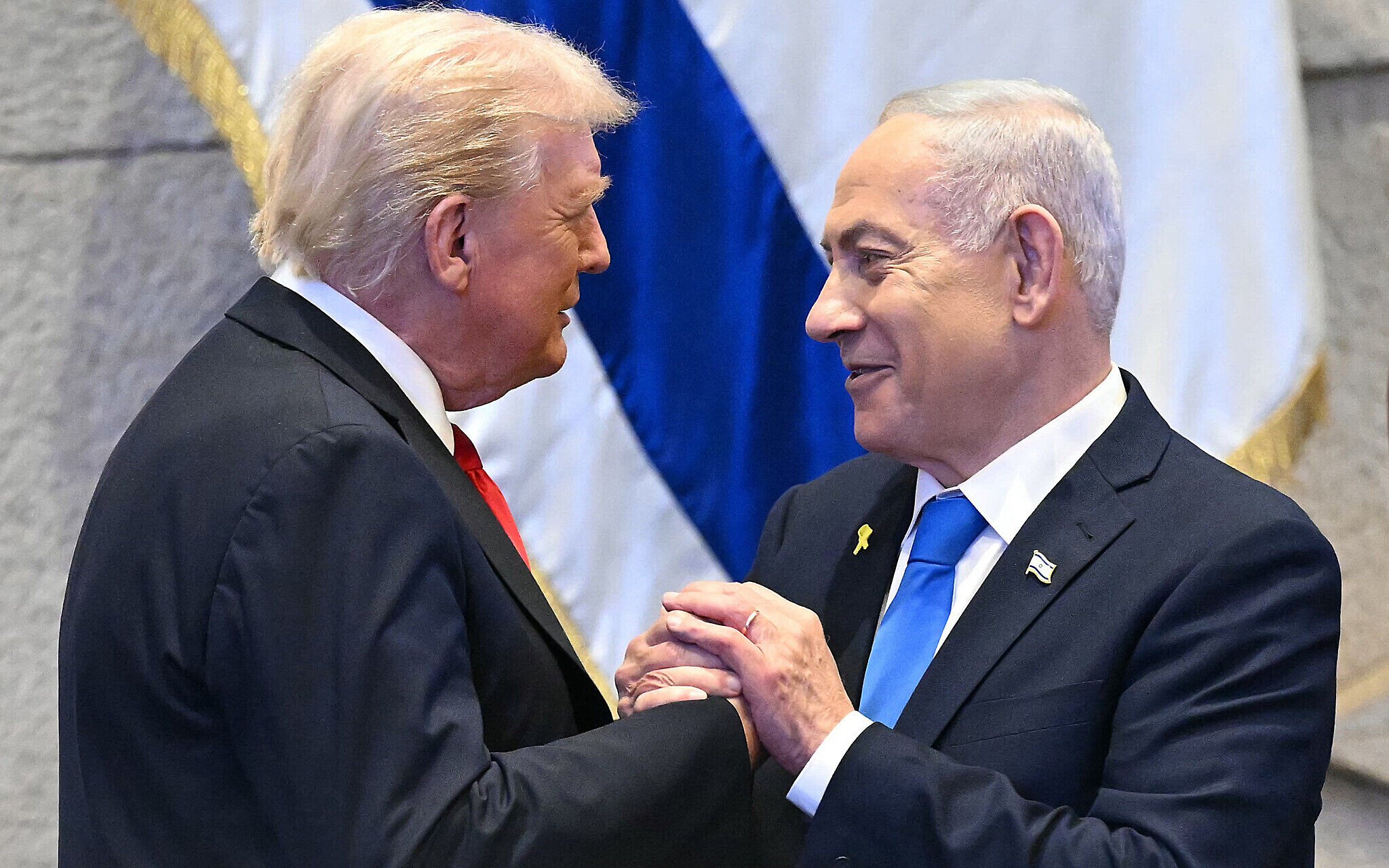
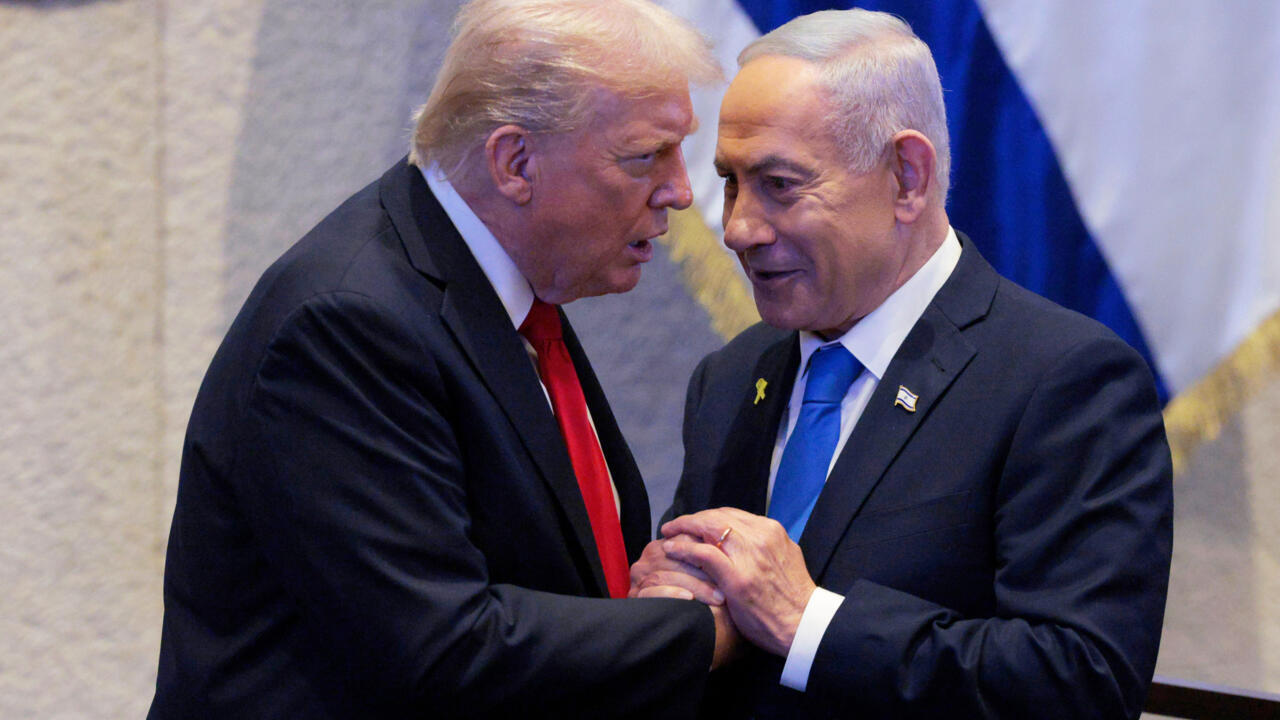
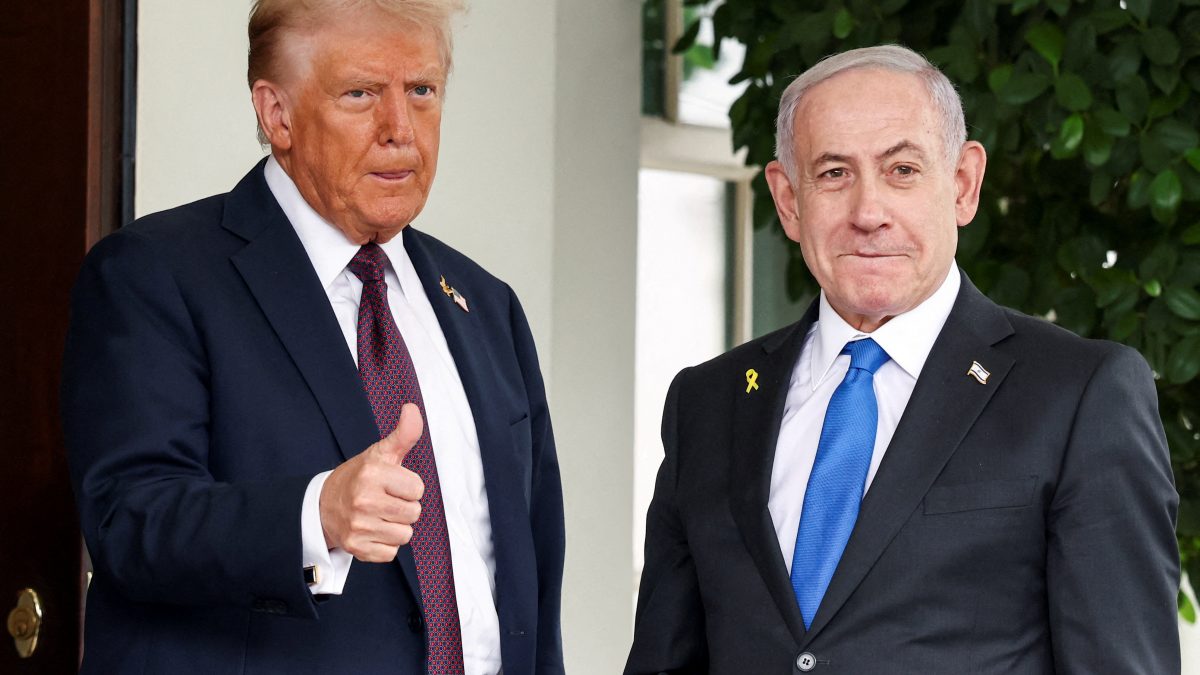
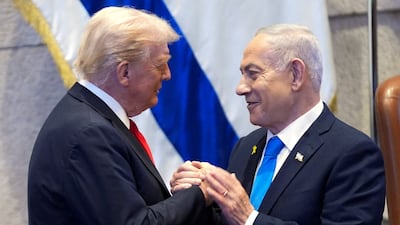
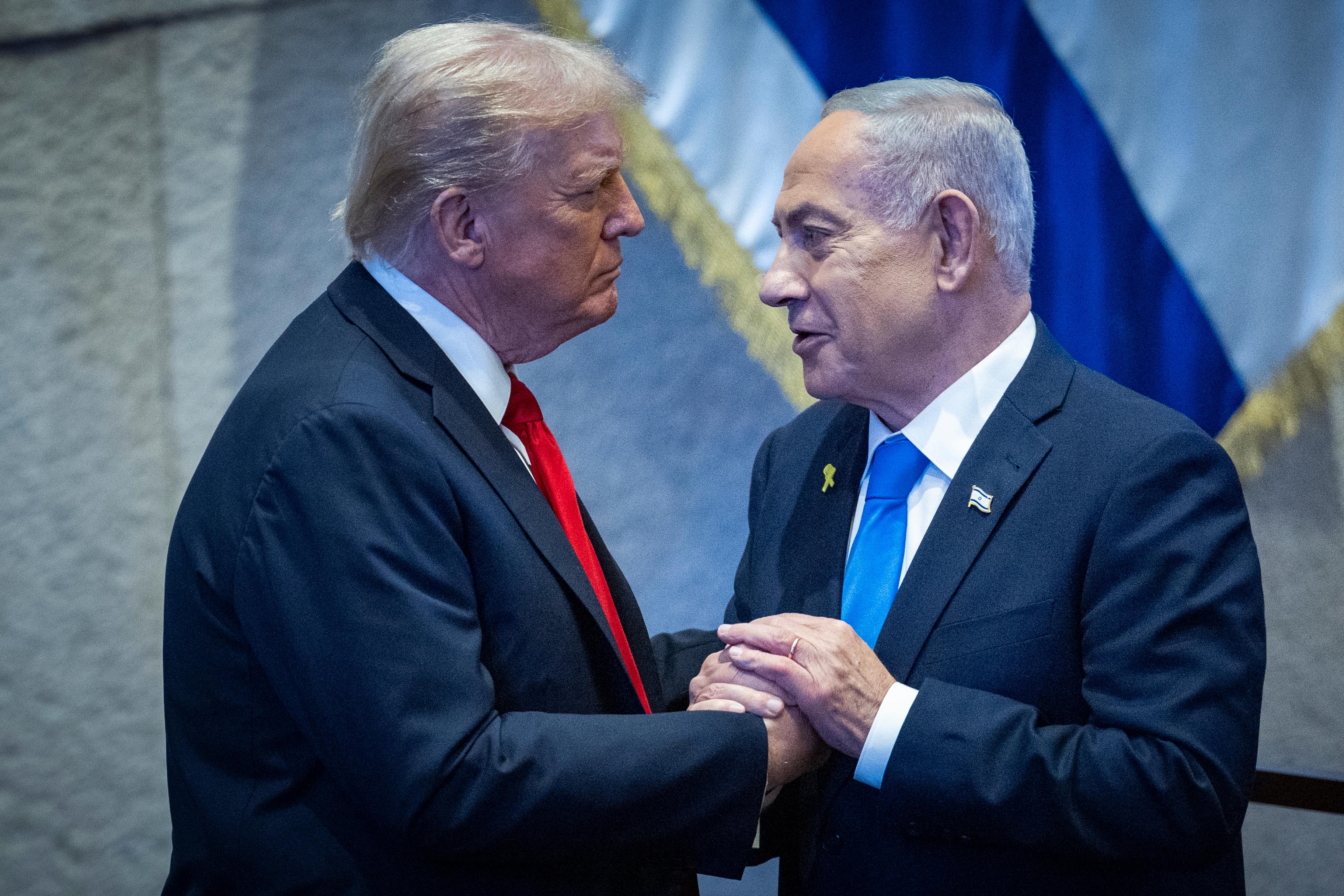
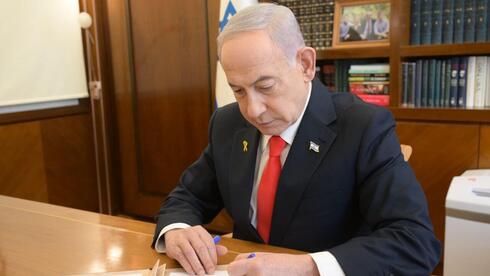
The ongoing Gaza peace negotiations represent a pivotal moment in Middle Eastern geopolitics, where diplomatic maneuvering could fundamentally reshape regional dynamics. At the heart of this complex landscape, former US President Donald Trump and Israeli Prime Minister Benjamin Netanyahu's meeting at Mar-a-Lago signals a critical intervention in the U.N. Security Council's 20-point peace strategy.
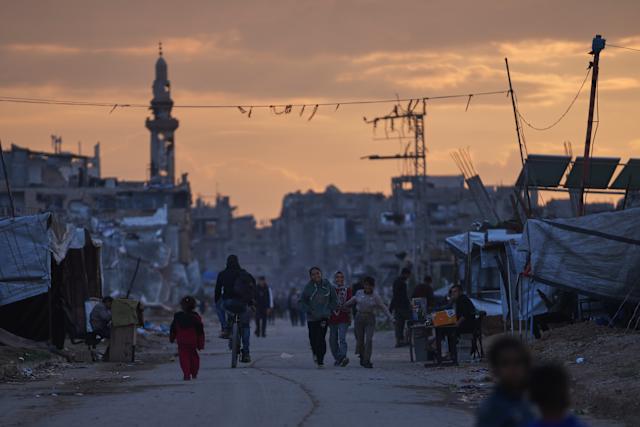
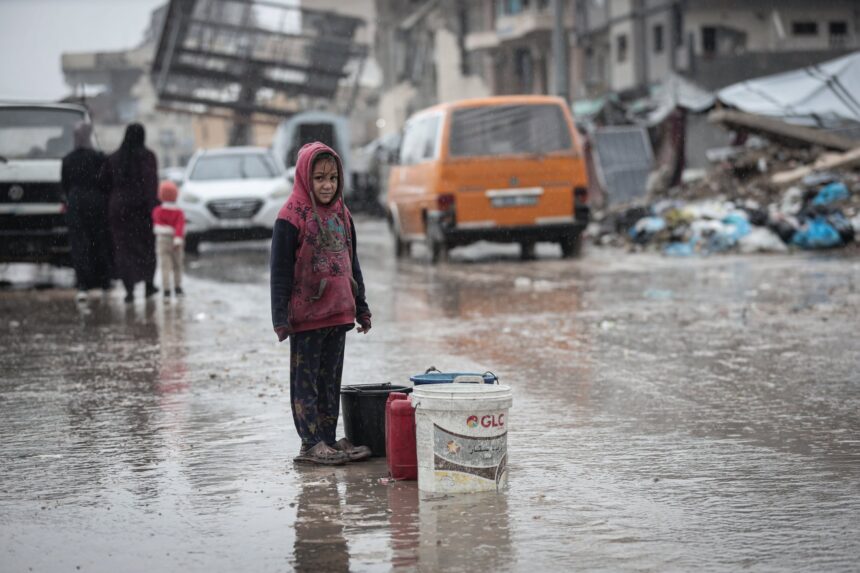
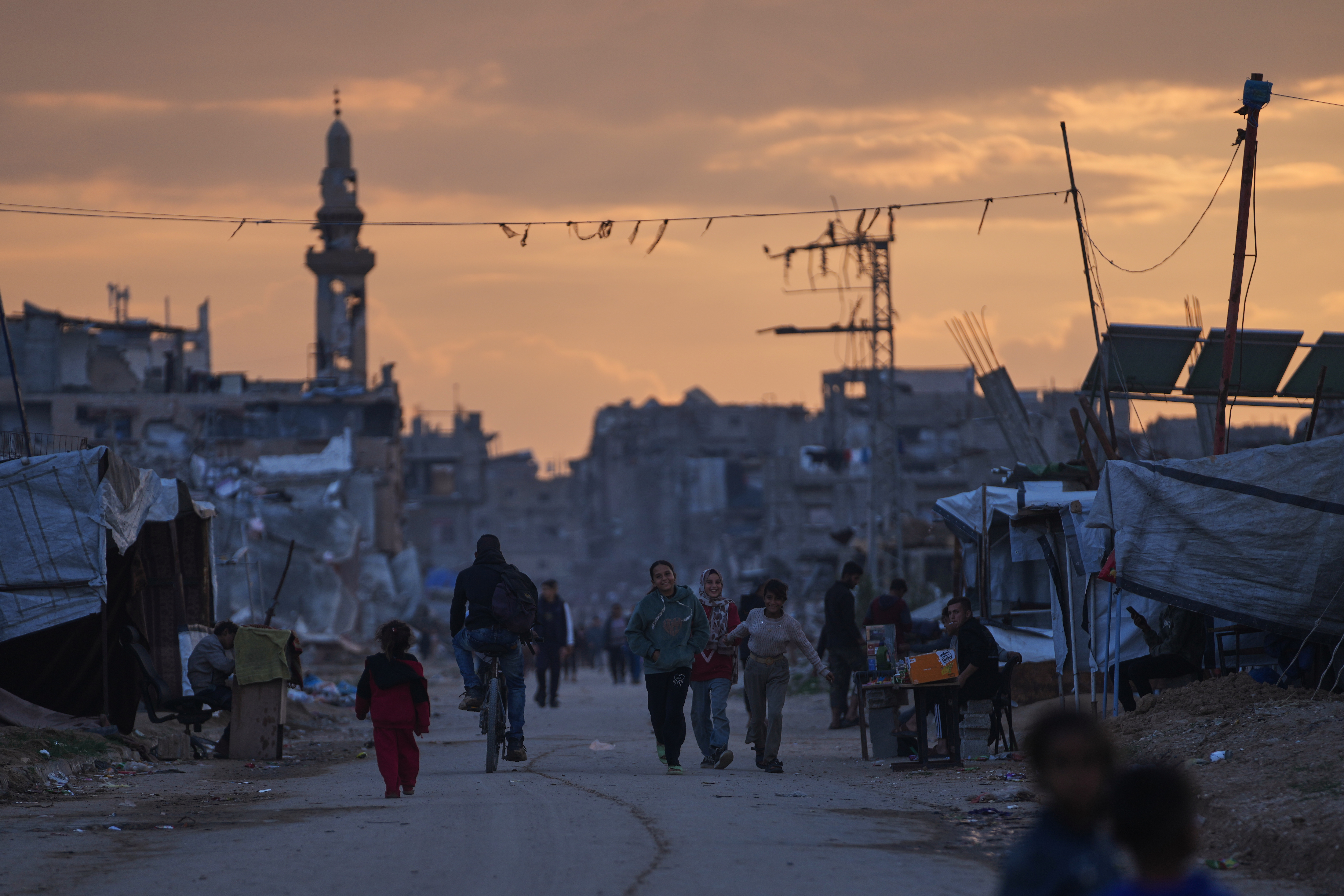
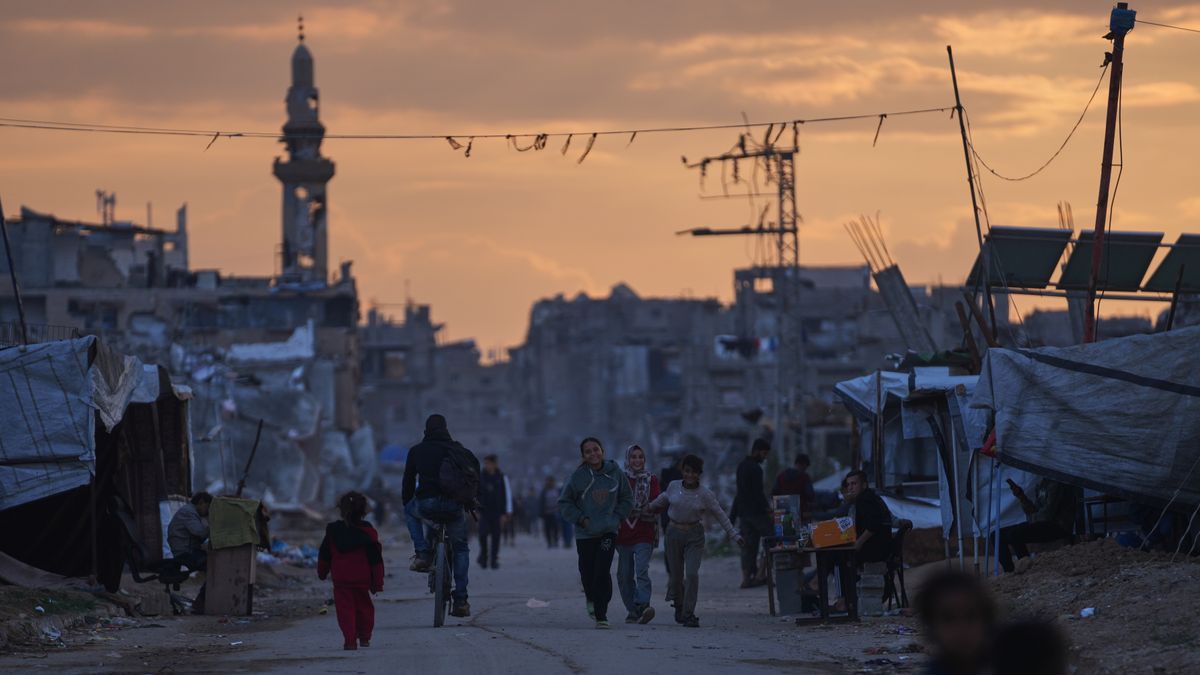
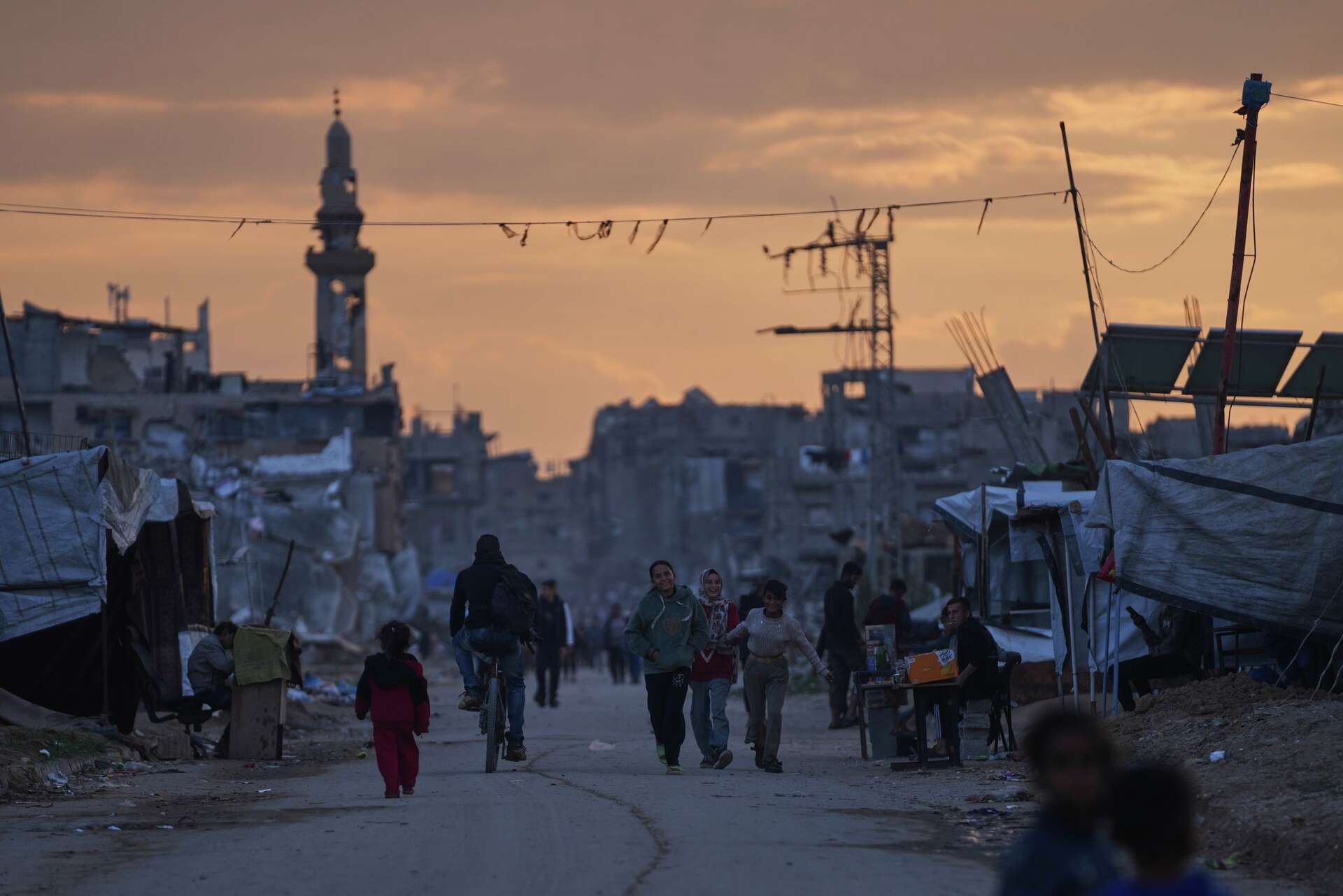
Strategic Diplomatic Recalibration: The proposed peace plan goes beyond traditional conflict resolution, aiming to create a demilitarized Gaza under international supervision. With approximately 70,000 Palestinians affected by the conflict and over 1,200 casualties from initial hostilities, the stakes are extraordinarily high. The plan's innovative approach involves establishing an International Stabilization Force and forming a technocratic Palestinian committee—a nuanced strategy that seeks to address root causes rather than merely suppress symptoms.
Economic Reconstruction Opportunities: Beneath the diplomatic negotiations lies a significant economic dimension. The UAE's consideration of housing complex funding in Gaza hints at potential reconstruction markets. For cross-border businesses and humanitarian organizations, this represents a strategic inflection point. The peace process could unlock substantial infrastructure and development opportunities, particularly in sectors like construction, logistics, and sustainable urban development.
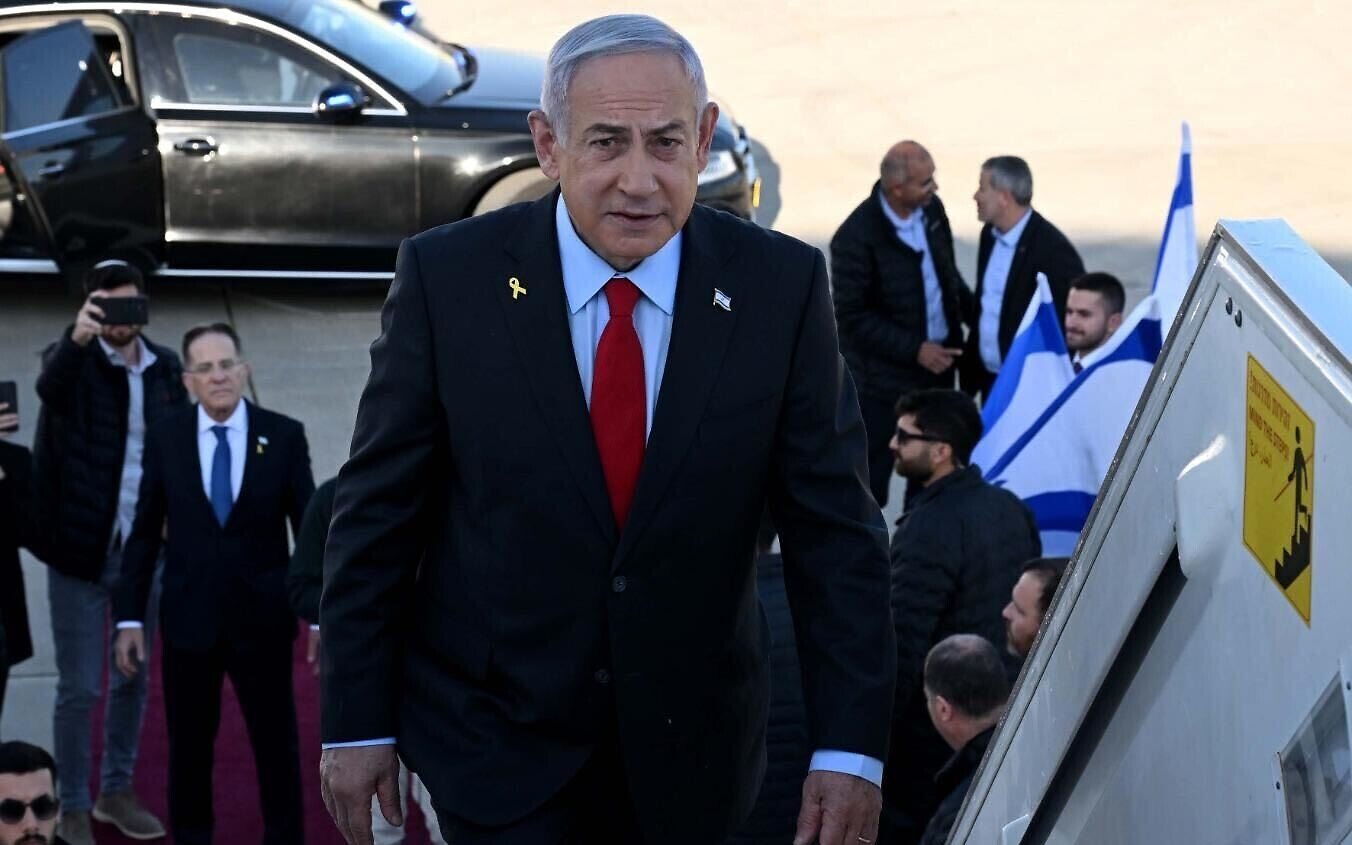
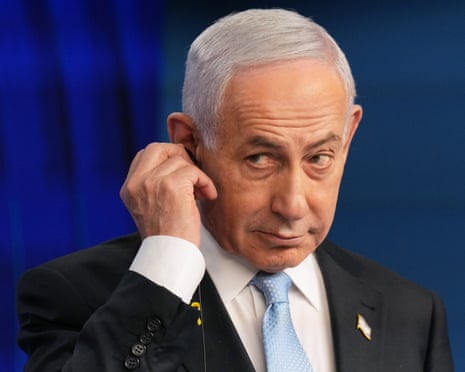
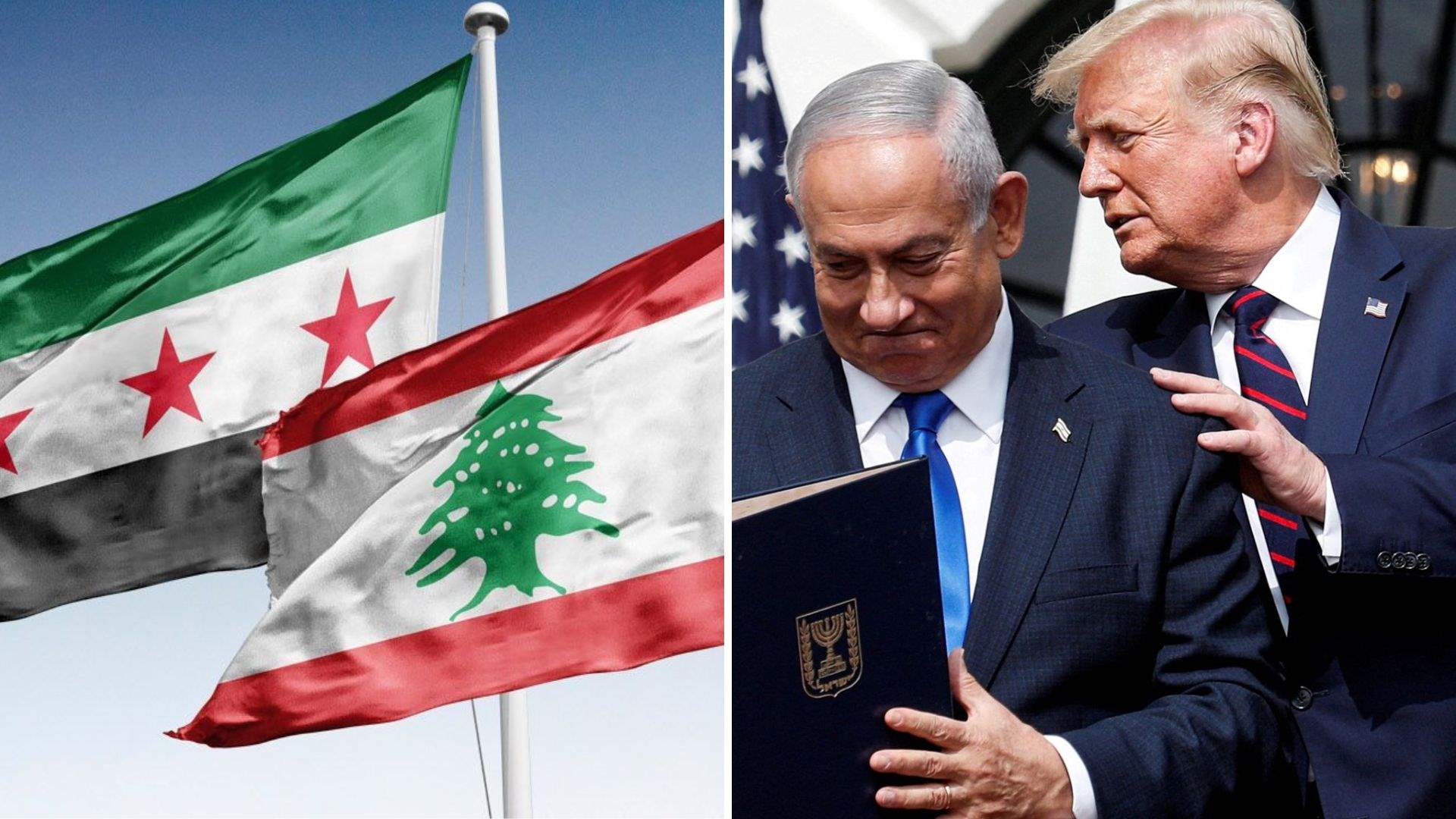
Geopolitical Risk Landscape: The negotiations occur against a backdrop of complex regional tensions. Netanyahu's fifth US visit this year, amid concerns about potential military offensives against actors like Hezbollah and Iran, underscores the multifaceted challenges. The US administration's reported frustration with Netanyahu's approach suggests deep strategic disagreements that could significantly impact future Middle Eastern economic and political relationships.
The outcome of these negotiations will likely determine not just immediate conflict resolution, but the long-term economic and strategic reconfiguration of the entire region. Businesses and policymakers must watch these developments closely, as they represent a potential watershed moment in Middle Eastern geopolitics.
Questions 3
How might businesses prepare for potential economic opportunities in post-conflict Gaza?
Cross-border businesses should monitor reconstruction efforts, particularly in infrastructure, housing, and urban development. The UAE's consideration of funding housing complexes suggests potential investment opportunities. Companies should develop flexible market entry strategies, focusing on sectors critical to rebuilding economic infrastructure.
What are the primary geopolitical risks in the current negotiation landscape?
Key risks include potential military escalations involving regional actors like Hezbollah and Iran, ongoing tensions between the US administration and Netanyahu's government, and the complex challenge of implementing a multinational security approach. Businesses must carefully assess supply chain resilience and political risk exposure in Middle Eastern markets.