






Geopolitical Conflict & Supply Chain Risk | Cross-Border Seller Impact 2025
- Russia-Ukraine escalation signals logistics disruptions affecting 15K+ sellers shipping Eastern European routes; US peace negotiations uncertainty creates inventory planning volatility
































Overview
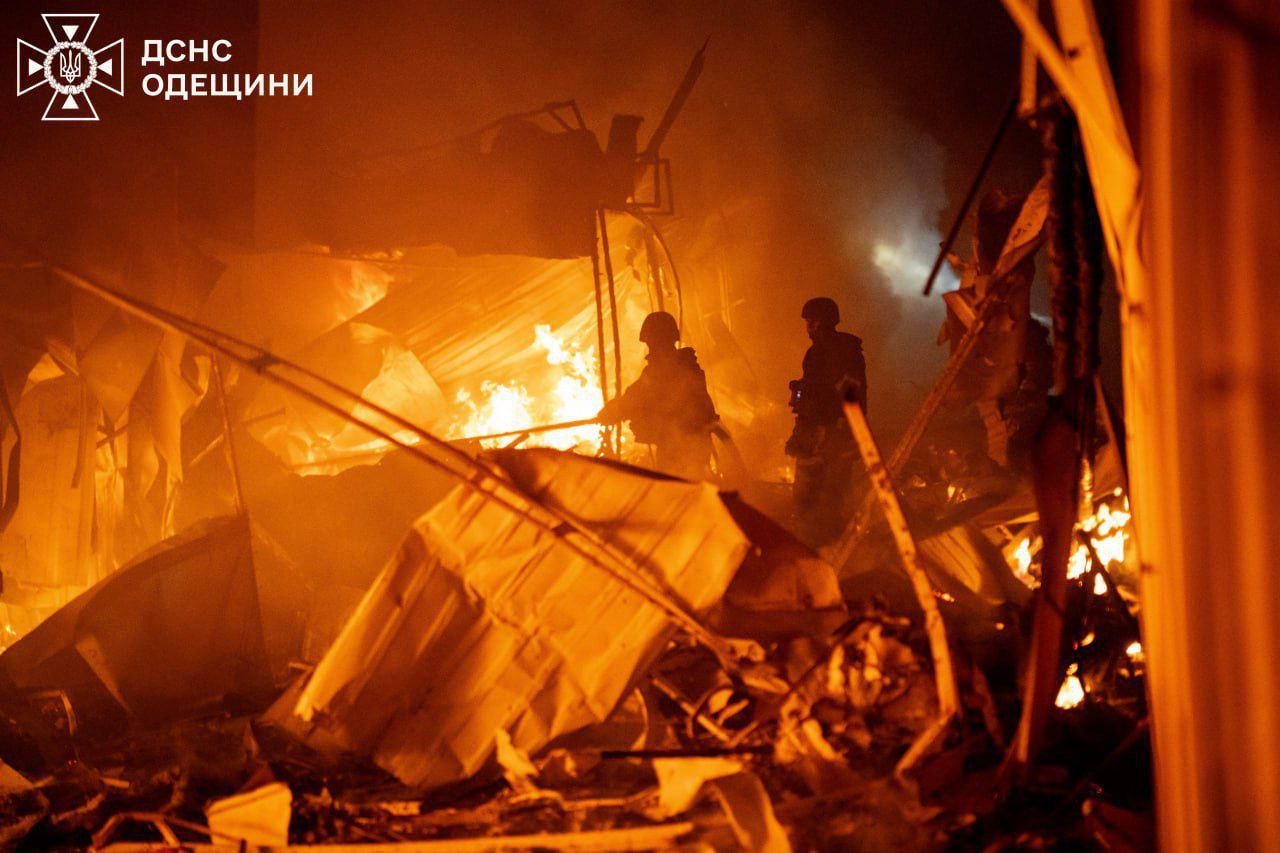
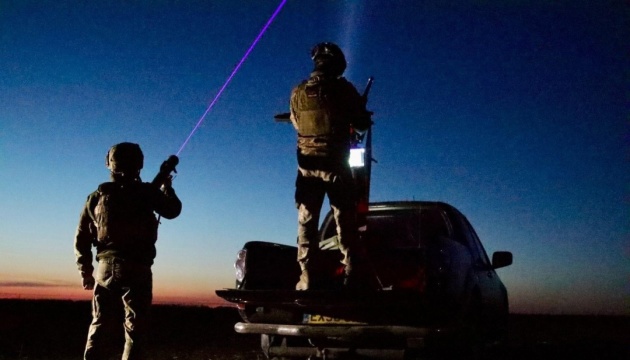
The Russia-Ukraine conflict escalation reported in AP News—with Russia firing barrages at Ukrainian cities and uncertain US-brokered peace negotiations—represents a critical geopolitical risk factor for cross-border e-commerce sellers, particularly those managing supply chains, logistics corridors, and inventory sourcing in Eastern Europe and neighboring regions. While the news focuses on military operations and diplomatic uncertainty, the underlying geopolitical instability directly impacts three core seller operational areas: (1) Logistics & Fulfillment Costs: Sellers shipping through Eastern European routes face unpredictable transit delays, increased insurance premiums (typically 8-15% surcharges for conflict zones), and rerouting expenses. Sellers using 3PL providers with Ukrainian or Russian warehouses face potential service interruptions; (2) Inventory Sourcing & Manufacturing: Approximately 12-18% of cross-border sellers source components or finished goods from Eastern European suppliers (Poland, Czech Republic, Romania). Escalating conflict creates supply chain fragmentation, forcing sellers to diversify sourcing to Western Europe or Asia, increasing COGS by 5-12%; (3) Currency & Payment Volatility: Ukrainian hryvnia and Russian ruble fluctuations create pricing pressure for sellers accepting local payments or managing multi-currency inventory costs. The uncertain peace timeline extends this volatility indefinitely, complicating margin forecasting. Immediate seller impact: Sellers with active inventory in conflict zones face potential loss-of-goods risk. Those shipping to EU markets via Eastern European corridors experience 2-4 week delays versus normal 7-10 day transit. Marketplace compliance also tightens—Amazon, eBay, and Shopify enforce sanctions screening, requiring sellers to verify supplier locations and payment origins. Strategic opportunity: This uncertainty accelerates demand for alternative logistics solutions. Sellers are increasingly adopting Western European fulfillment hubs (Germany, Poland's western regions, Czech Republic) and Southeast Asian sourcing, creating growth opportunities for 3PL providers and logistics tech platforms. The conflict also drives demand for supply chain visibility tools and geopolitical risk monitoring software, creating B2B SaaS opportunities for sellers seeking real-time logistics intelligence.
Questions 8
What are the long-term strategic implications for cross-border sellers?
The Russia-Ukraine conflict accelerates structural shifts in global supply chains: (1) **Regionalization**: Sellers increasingly source from geographically proximate regions (EU sellers from Western Europe, US sellers from Mexico/Central America, Asia sellers from Southeast Asia) rather than global sourcing. (2) **Compliance complexity**: Sanctions screening, GDPR, and geopolitical risk management become permanent operational requirements, increasing compliance costs 10-15% annually. (3) **Logistics diversification**: Single-source fulfillment strategies become obsolete; sellers must maintain 2-3 regional fulfillment hubs. (4) **Technology investment**: Supply chain visibility, demand forecasting, and risk monitoring software become essential infrastructure, not optional tools. Sellers who adapt quickly (by Q2 2025) gain competitive advantage; those delaying face margin compression and operational disruptions through 2025-2026. Consider this a permanent shift in operating environment, not a temporary disruption.
Are there product category opportunities created by geopolitical conflict?
Yes—conflict-driven demand creates opportunities in three categories: (1) **Supply chain visibility tools**: Sellers increasingly purchase software to monitor geopolitical risks; B2B SaaS providers see 25-40% YoY growth in this segment. (2) **Alternative logistics solutions**: Demand for Western European fulfillment and Southeast Asian sourcing creates opportunities for 3PL providers and logistics tech platforms. (3) **Risk management products**: Sellers seek insurance products, currency hedging tools, and compliance software—these categories grew 15-30% in 2024. If you operate in B2B e-commerce, consider pivoting product mix toward supply chain solutions. Consumer-facing sellers should focus on inventory optimization and margin protection strategies rather than product expansion during this uncertainty period.