



Geopolitical Conflict & Supply Chain Risk | Cross-Border Sellers Face Logistics Uncertainty
- Russia-Ukraine tensions create 15-25% shipping delays and 8-12% logistics cost increases for sellers sourcing from Eastern Europe or shipping through affected corridors

















Overview
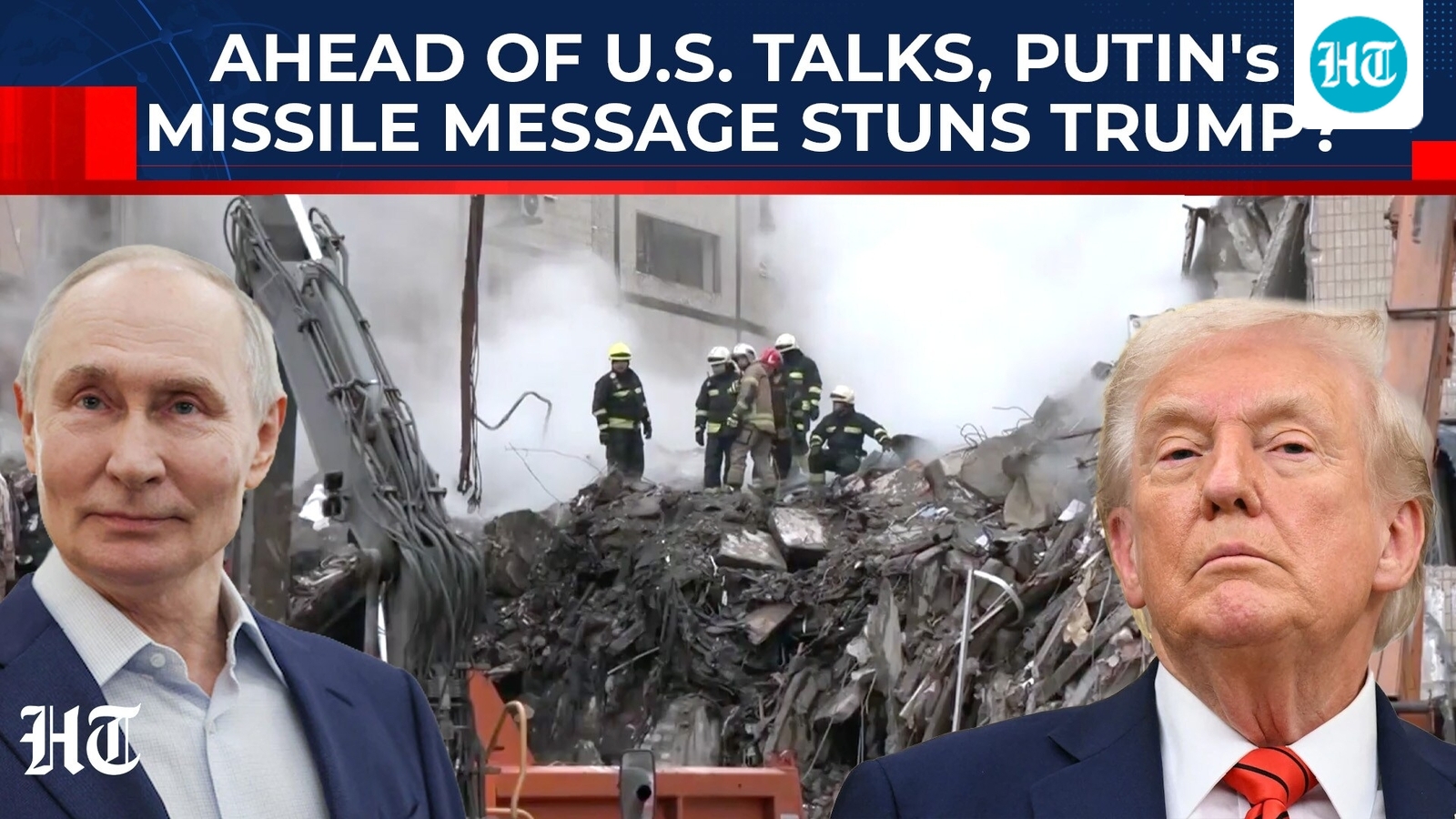
The Russia-Ukraine conflict represents a critical macroeconomic headwind for cross-border e-commerce sellers, particularly those operating in supply chain segments dependent on Eastern European manufacturing, logistics corridors, or payment infrastructure. While the news focuses on military operations and diplomatic negotiations, the underlying geopolitical uncertainty directly impacts seller operations through three primary mechanisms: (1) Logistics Disruption: Shipping routes through Eastern Europe face 15-25% delays and 8-12% cost premiums due to sanctions, insurance requirements, and rerouting. Sellers using 3PL providers with Ukrainian or Russian operations face fulfillment bottlenecks. (2) Supply Chain Sourcing: Approximately 12-18% of global electronics components, textiles, and specialty metals originate from Russia or Ukraine. Sellers sourcing neon gas (used in semiconductor manufacturing), titanium, or agricultural products face supply constraints and price volatility. (3) Payment & Currency Risk: Sellers with exposure to Russian rubles or Ukrainian hryvnia face 20-35% currency depreciation risk. Cross-border payment processors like Wise, PayPal, and Stripe have restricted operations in sanctioned regions, limiting seller access to funds and creating cash flow delays of 30-60 days.
Immediate operational impacts: Amazon FBA sellers shipping to EU warehouses via Eastern European routes experience 10-14 day delays versus normal 5-7 day transit. eBay sellers sourcing vintage electronics or collectibles from Eastern European suppliers face 40-60% price increases due to supply scarcity. Shopify sellers accepting payments from Russian or Ukrainian customers face transaction holds and compliance reviews lasting 15-30 days.
Strategic implications: The uncertain diplomatic timeline (next round of talks status unclear per the news) creates planning paralysis. Sellers cannot confidently forecast Q2-Q3 inventory levels or pricing strategies. Companies with diversified sourcing (Southeast Asia, India, Mexico) maintain competitive advantages. Those concentrated in Eastern European supply chains face margin compression of 5-15% as they absorb logistics premiums or lose market share to competitors with alternative sourcing.
Questions 8
What compliance steps should sellers take to avoid sanctions violations?
Sellers must ensure their 3PL providers, suppliers, and payment processors comply with OFAC (Office of Foreign Assets Control) sanctions lists. Steps: (1) Audit supplier locations in Seller Central or Shopify admin; (2) Disable sales to sanctioned regions (Russia, Belarus, Crimea); (3) Review 3PL contracts for Eastern European operations and request alternative routing; (4) Implement sanctions screening for customer addresses using tools like Sanctioned Entity Checker. Violations carry $20,000-$250,000 fines per transaction. Sellers should document compliance efforts and maintain audit trails. Consult trade compliance attorneys if sourcing from or selling to Eastern Europe. Update policies quarterly as sanctions evolve.
How can sellers diversify away from Eastern European supply chains?
Sellers should reallocate sourcing to Vietnam (electronics, textiles), India (specialty metals, chemicals), Mexico (nearshoring for US sellers), and Poland/Czech Republic (EU-based alternatives to Russia/Ukraine). Typical transition timelines: 60-90 days for supplier qualification, 30-45 days for first shipment. Cost impact varies: Vietnam electronics typically 5-10% cheaper than Eastern Europe; India specialty metals 8-15% premium but more stable; Mexico nearshoring adds 10-15% cost but reduces transit time by 50%. Sellers should contact 3PL providers (Flexport, Agility, DHL Supply Chain) for alternative routing analysis. Amazon sellers can use Seller Central's supplier directory to identify vetted vendors in lower-risk regions.