



QuitGPT Boycott Signals Major AI Tool Disruption | Sellers Must Diversify AI Workflows
- 36M Instagram views, 17K+ sign-ups drive ChatGPT cancellations; sellers face critical dependency risk on single AI platform for product descriptions, customer service, and content generation












Overview
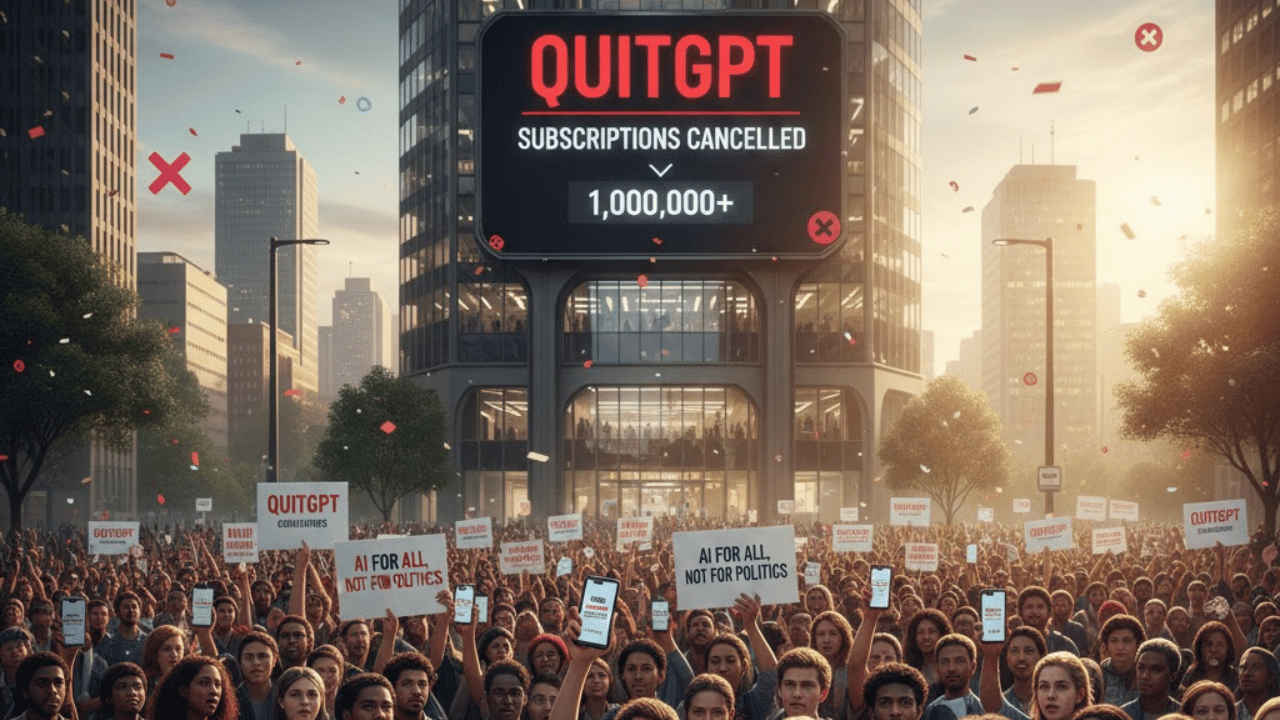
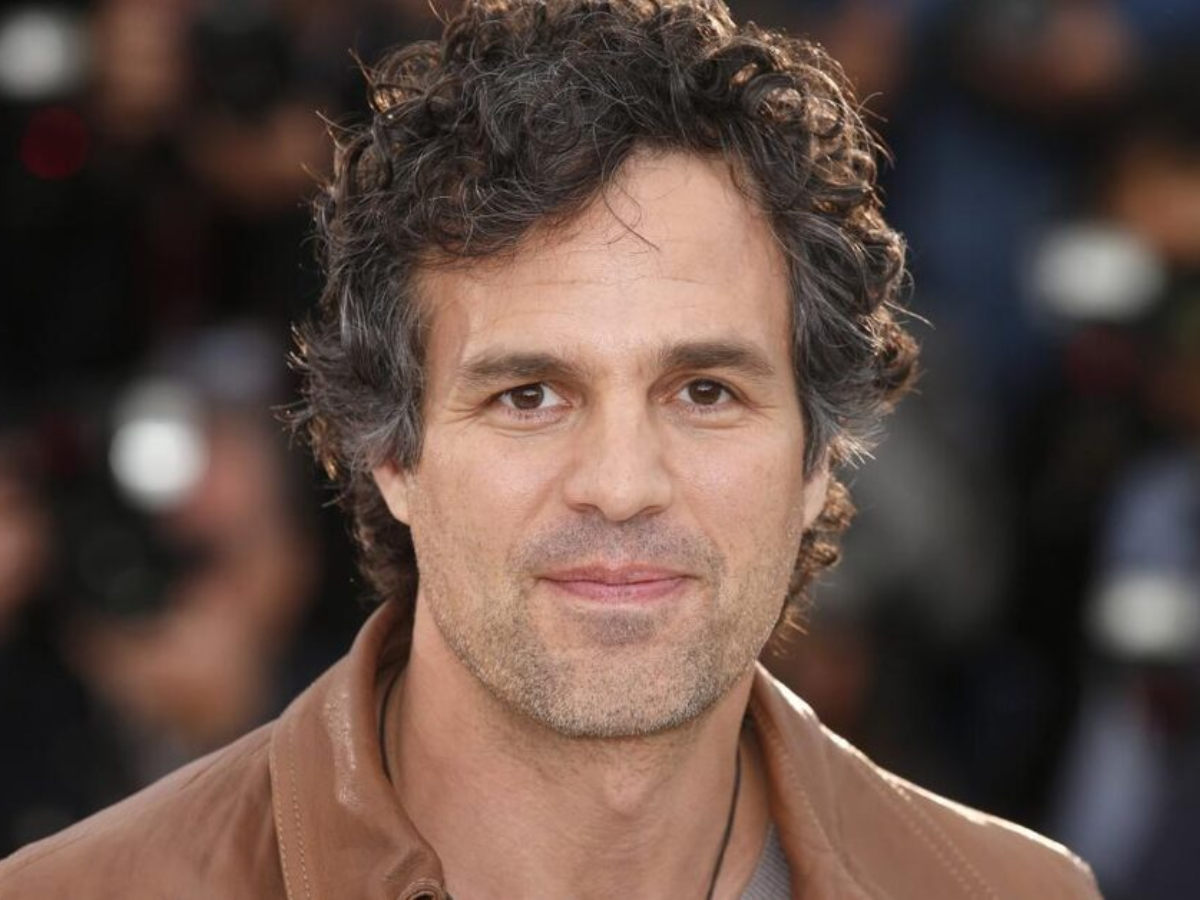
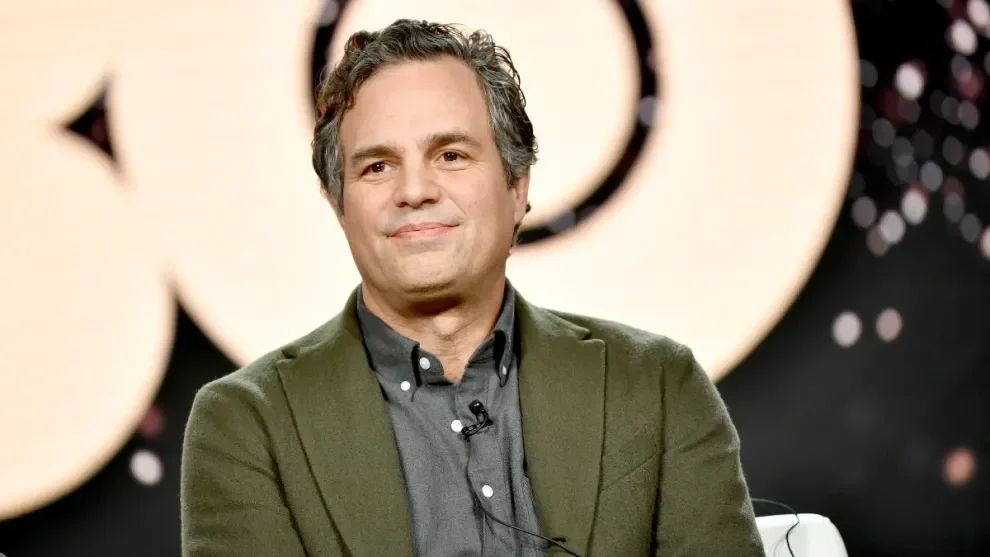
The QuitGPT movement represents a watershed moment in consumer activism against AI platforms, with direct implications for e-commerce sellers who depend on ChatGPT for operational workflows. Launched in late January 2025, the campaign has achieved unprecedented scale: 36 million Instagram views, 1.3 million likes, 17,000+ website sign-ups, and celebrity endorsements from Mark Ruffalo. The boycott targets OpenAI President Greg Brockman's $12.5 million donation to Trump's MAGA Inc. super PAC (representing nearly 25% of the PAC's $102M second-half 2025 fundraising) and revelations that U.S. Immigration and Customs Enforcement uses ChatGPT-4 powered résumé screening tools. Beyond political grievances, users cite performance degradation in GPT-5.2, with Reddit communities documenting poor coding accuracy and verbose responses—critical concerns for sellers using ChatGPT for product description generation, customer service automation, and market analysis.
For e-commerce sellers, this represents a critical operational vulnerability. ChatGPT maintains approximately 900 million weekly active users as of December 2025, but the boycott's viral coordination (inspired by marketing professor Scott Galloway's "Resist and Unsubscribe" campaign, which draws 200,000+ daily website visits) signals potential mass migration to alternative AI platforms. Sellers currently paying $20/month for ChatGPT Plus face three immediate risks: (1) service reliability concerns if boycott participation reaches critical mass and OpenAI prioritizes political damage control over product quality; (2) platform dependency risk if ChatGPT's market share erodes and integration partners (Amazon, Shopify, eBay) shift API support to competing platforms like Claude, Gemini, or Perplexity; and (3) reputational exposure if sellers are publicly associated with tools linked to controversial government contracts (ICE immigration enforcement).
The broader market opportunity lies in AI tool diversification. The campaign's success in driving subscription cancellations (exact numbers unquantified but organizers report significant momentum) demonstrates consumer willingness to switch AI platforms based on corporate ethics and performance. Sellers should immediately audit their ChatGPT dependencies: product description workflows, customer service chatbots, market research automation, and content generation pipelines. Alternative platforms gaining traction include Claude (Anthropic), Gemini (Google), Perplexity, and open-source models. The shift away from ChatGPT creates arbitrage opportunities for sellers who adopt alternative AI tools early—potentially accessing better pricing (some alternatives offer 30-50% lower per-token costs), superior performance on specific tasks (Claude excels at long-form content; Gemini integrates with Google Workspace), and reduced reputational risk. Industry data shows AI tool switching costs are minimal for most e-commerce workflows (typically 2-4 weeks for integration and staff training), making this a low-friction optimization opportunity.
Questions 7
What specific performance issues are users reporting with GPT-5.2?
Reddit communities and boycott participants document two primary complaints: (1) poor coding accuracy and logic errors, making GPT-5.2 unreliable for technical product descriptions or automation scripts; and (2) verbose, repetitive responses that require significant editing for e-commerce use cases. These performance concerns, combined with political objections, motivated users like Alfred Stephen (Singapore-based developer) to cancel $20/month ChatGPT Plus subscriptions. Sellers relying on ChatGPT for code generation or technical content should test alternative platforms immediately to identify performance gaps.
Will the QuitGPT boycott impact ChatGPT's 900 million weekly active users significantly?
While exact boycott participation numbers remain unquantified, the campaign's scale (36M Instagram views, Mark Ruffalo endorsement, 200,000+ daily visits to Scott Galloway's 'Resist and Unsubscribe' campaign) suggests potential for meaningful subscriber erosion among politically engaged demographics. ChatGPT's 900 million weekly active users provide a large base, but even 2-5% subscription cancellation (representing 18-45 million users) would signal market vulnerability. Sellers should monitor ChatGPT's quarterly earnings reports and API reliability metrics as leading indicators of platform health.