


Amazon Ring Privacy Backlash Signals Consumer Trust Crisis | Pet Tech & Smart Home Seller Impact 2025
- Ring's AI-powered Search Party feature sparks federal scrutiny; privacy concerns threaten $8.2B smart home category; sellers must adapt messaging to address surveillance skepticism













Overview
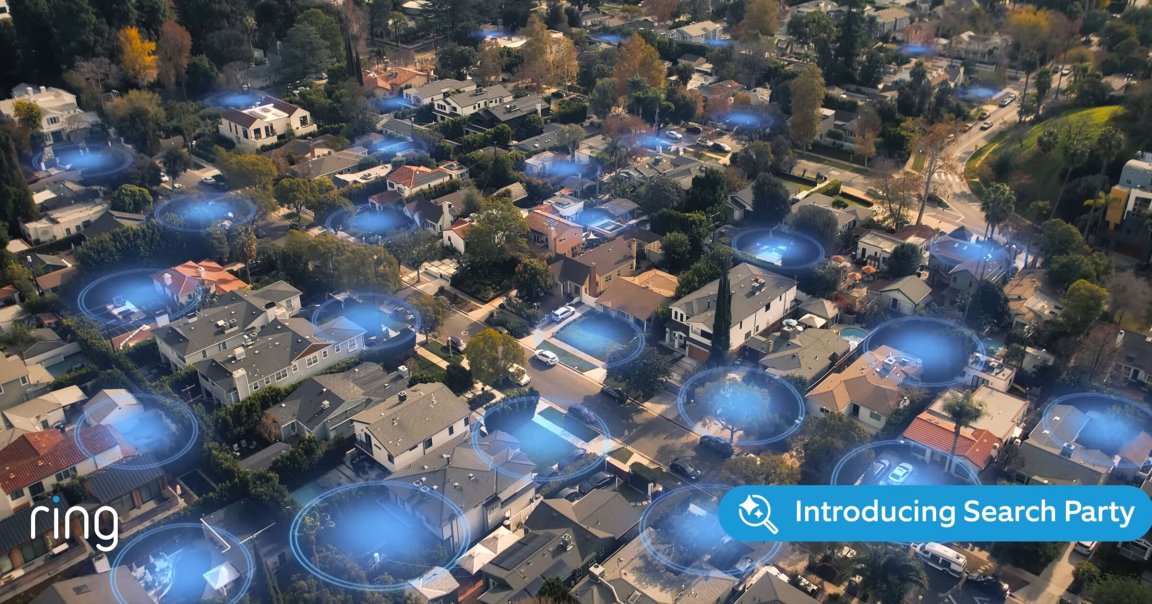
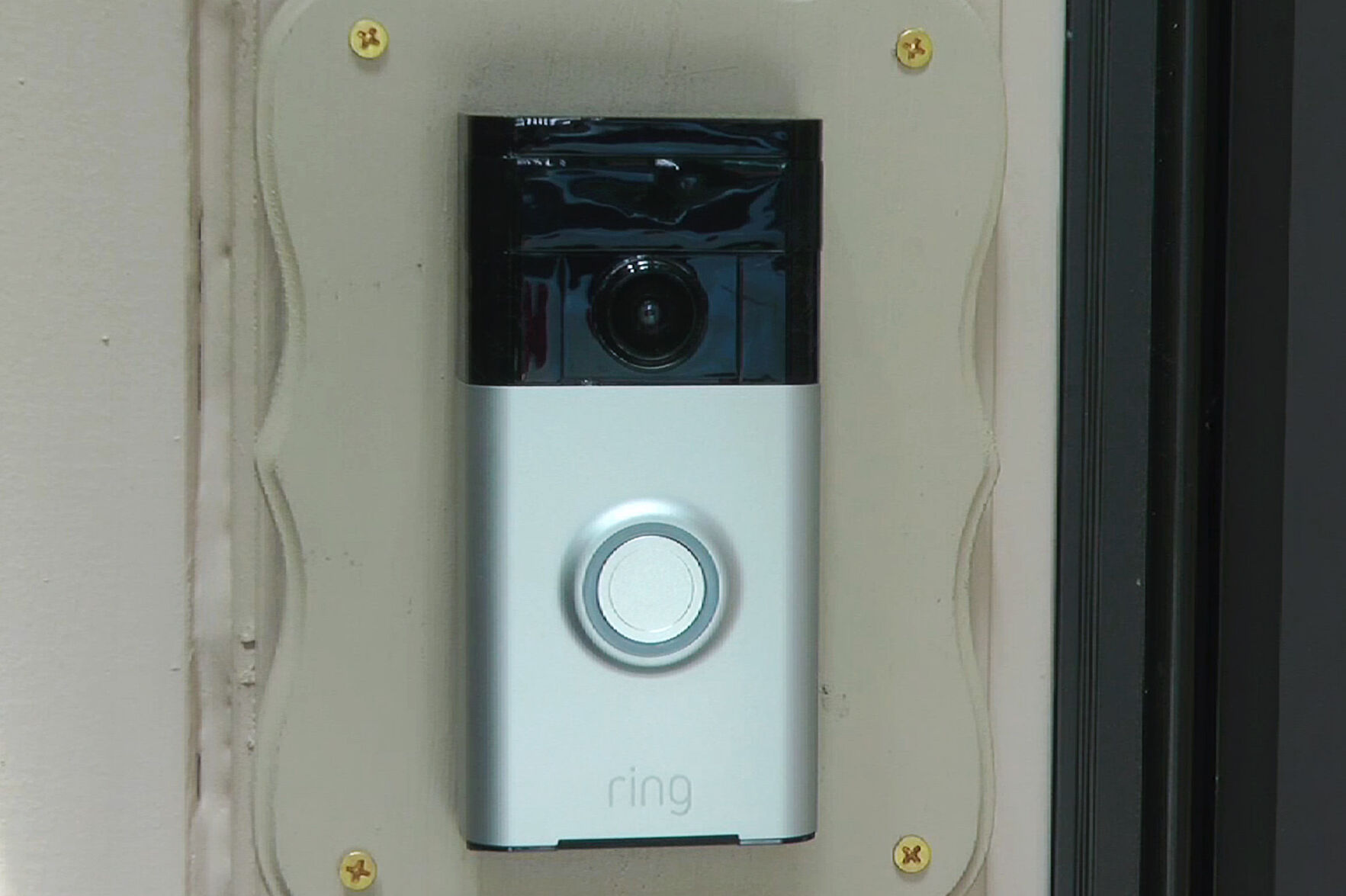
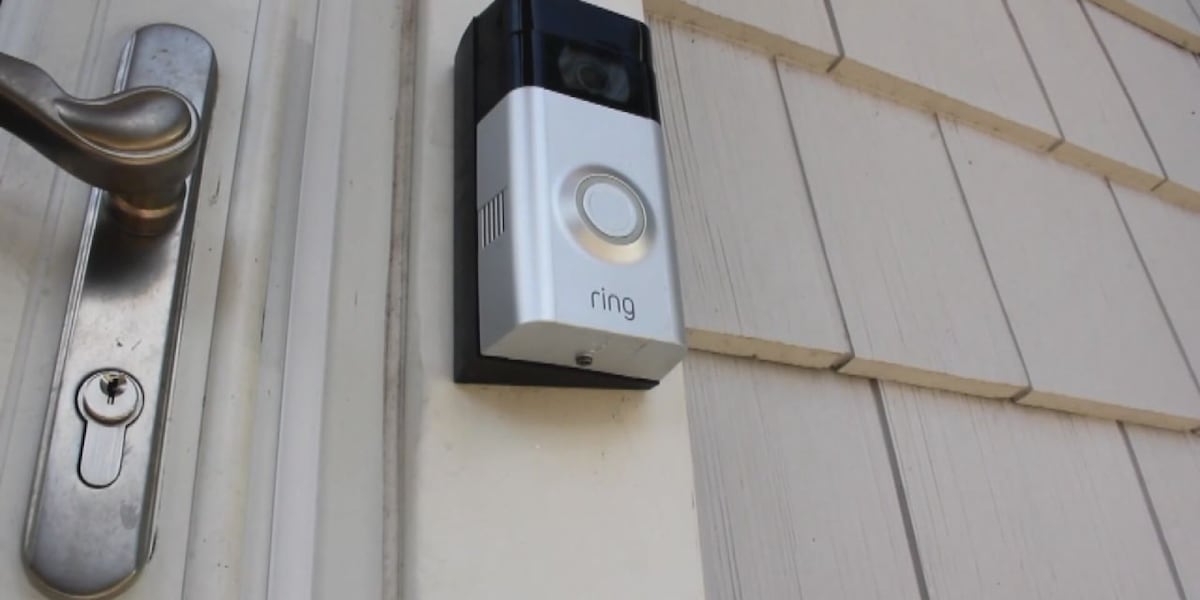
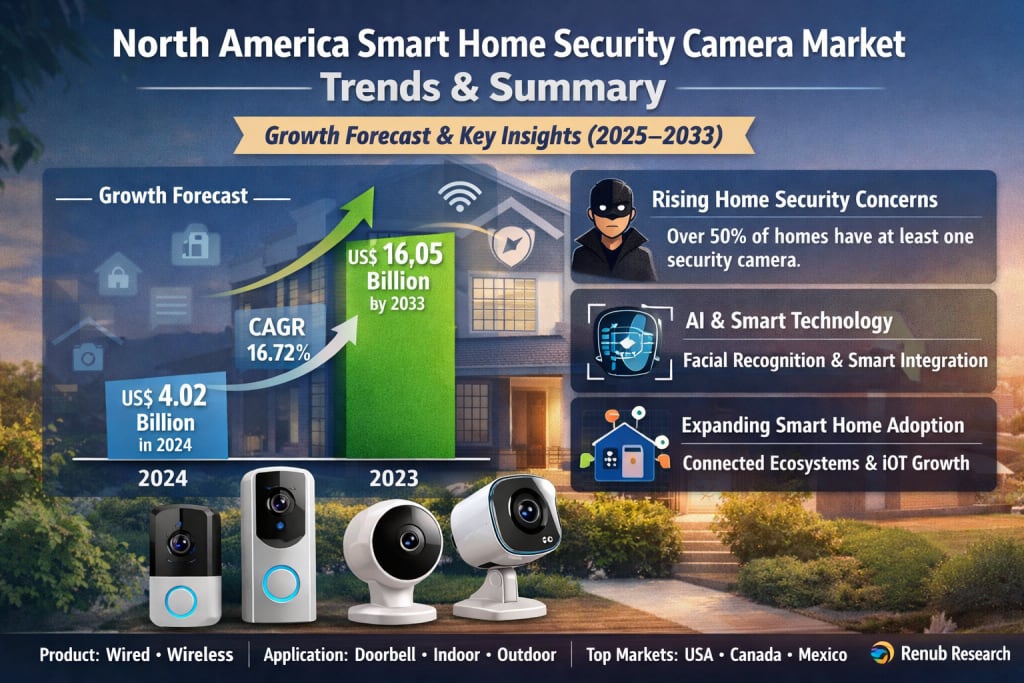
Amazon's Ring division faces unprecedented privacy backlash following its Super Bowl advertisement for Search Party, an AI-powered feature designed to reunite lost dogs by scanning neighborhood camera footage. The controversy reveals a critical market inflection point: consumer trust in smart home and IoT devices is eroding rapidly due to surveillance concerns, creating both risks and opportunities for sellers in this $8.2B category.
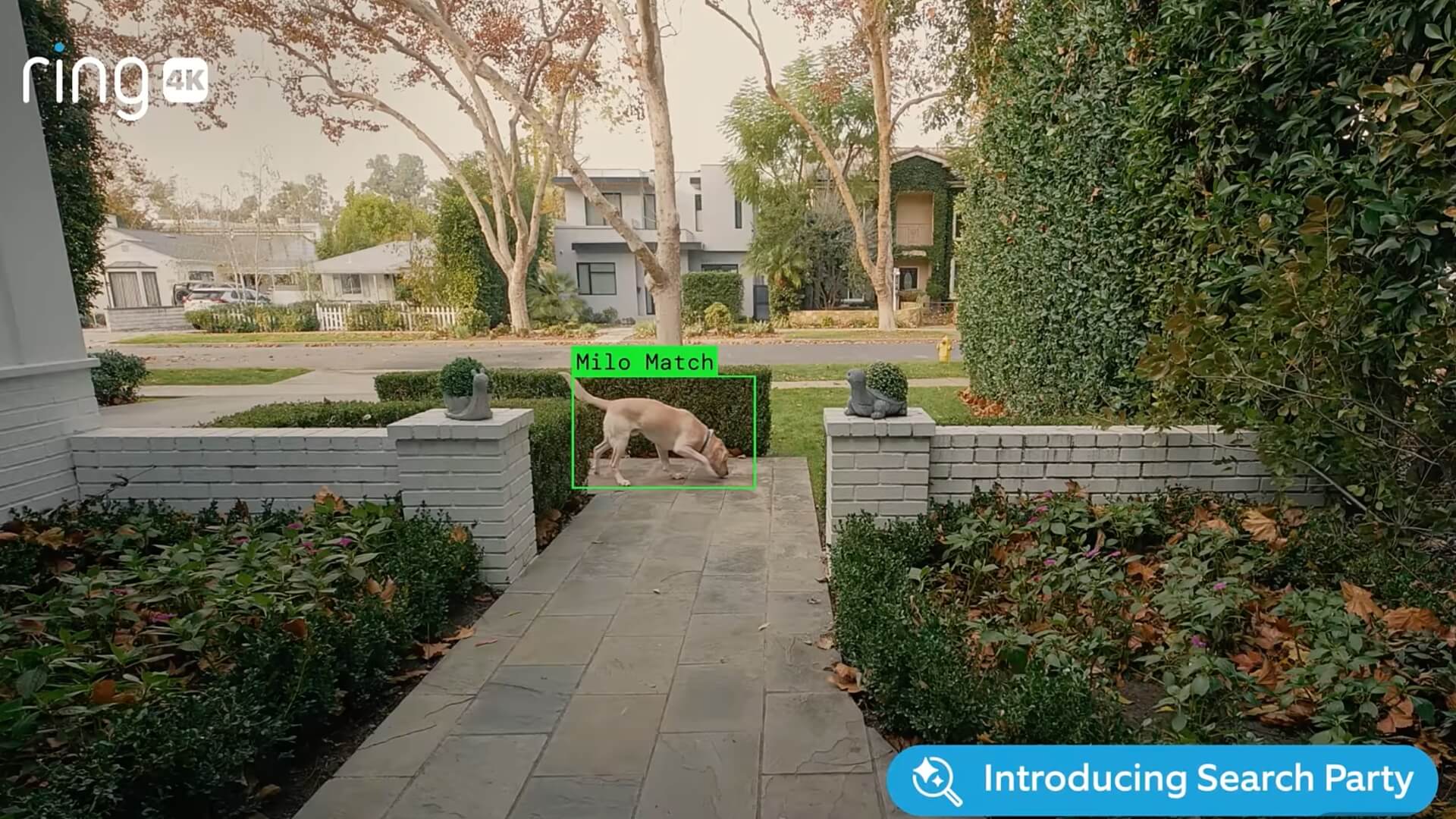
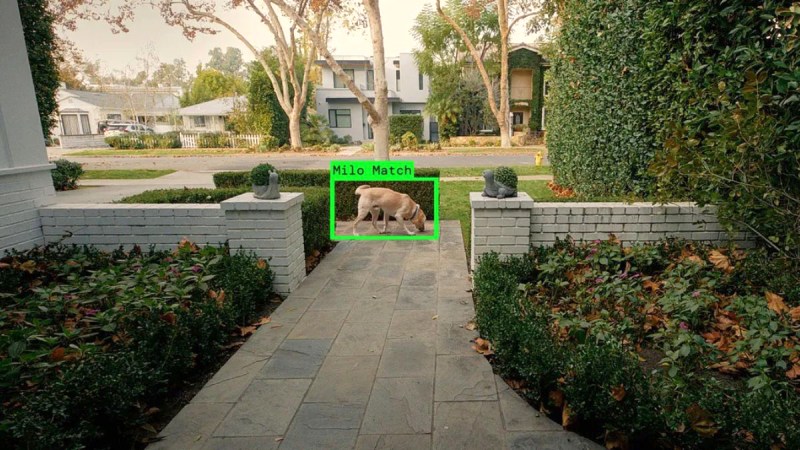
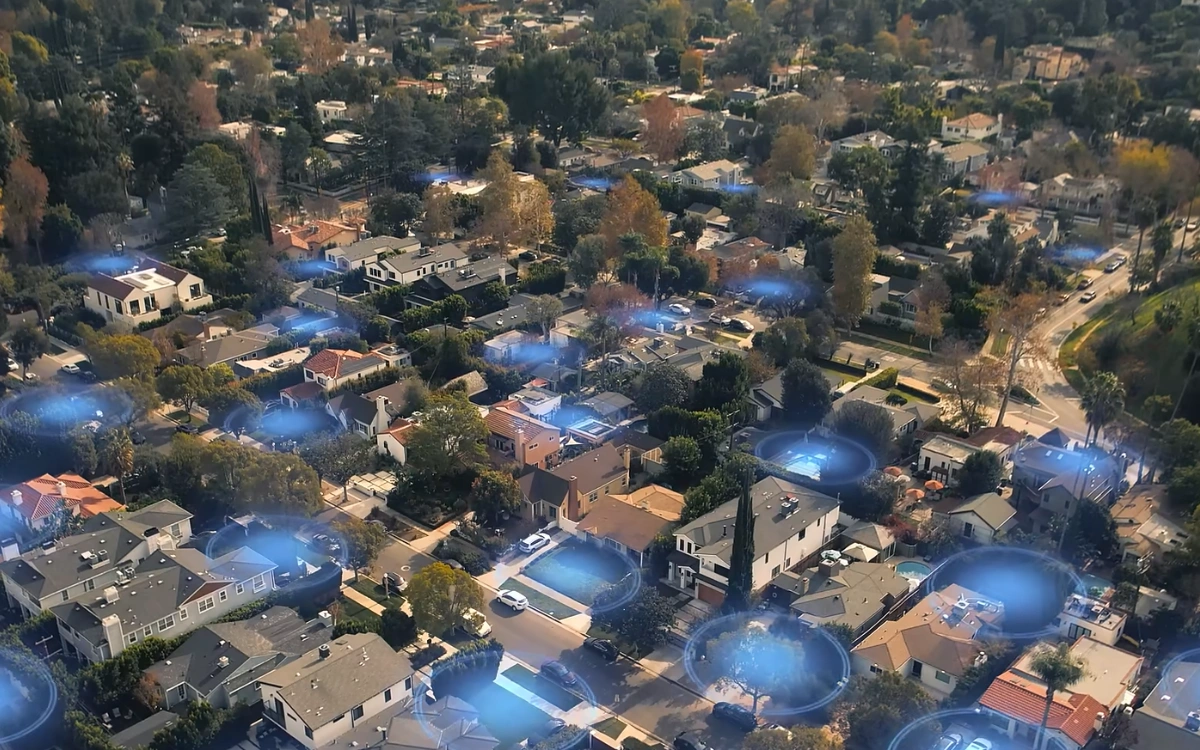
The Core Issue: Ring's Search Party feature, which has reportedly reunited more than one dog per day since launch, operates by allowing pet owners to upload dog photos that are scanned against cloud footage from nearby Ring cameras. While Ring claims the feature cannot process human biometrics and operates separately from its Familiar Faces facial recognition product, privacy experts including Chris Gilliard (author of "Luxury Surveillance") argue the company is exploiting pet recovery sympathy to normalize mass surveillance infrastructure. The controversy intensifies given Amazon's documented history: Ring acquired law enforcement partnerships through Flock Safety and Axon Enterprises in 2022, enabling police footage access, while federal law enforcement has reportedly used Flock's camera network on behalf of ICE and CBP.
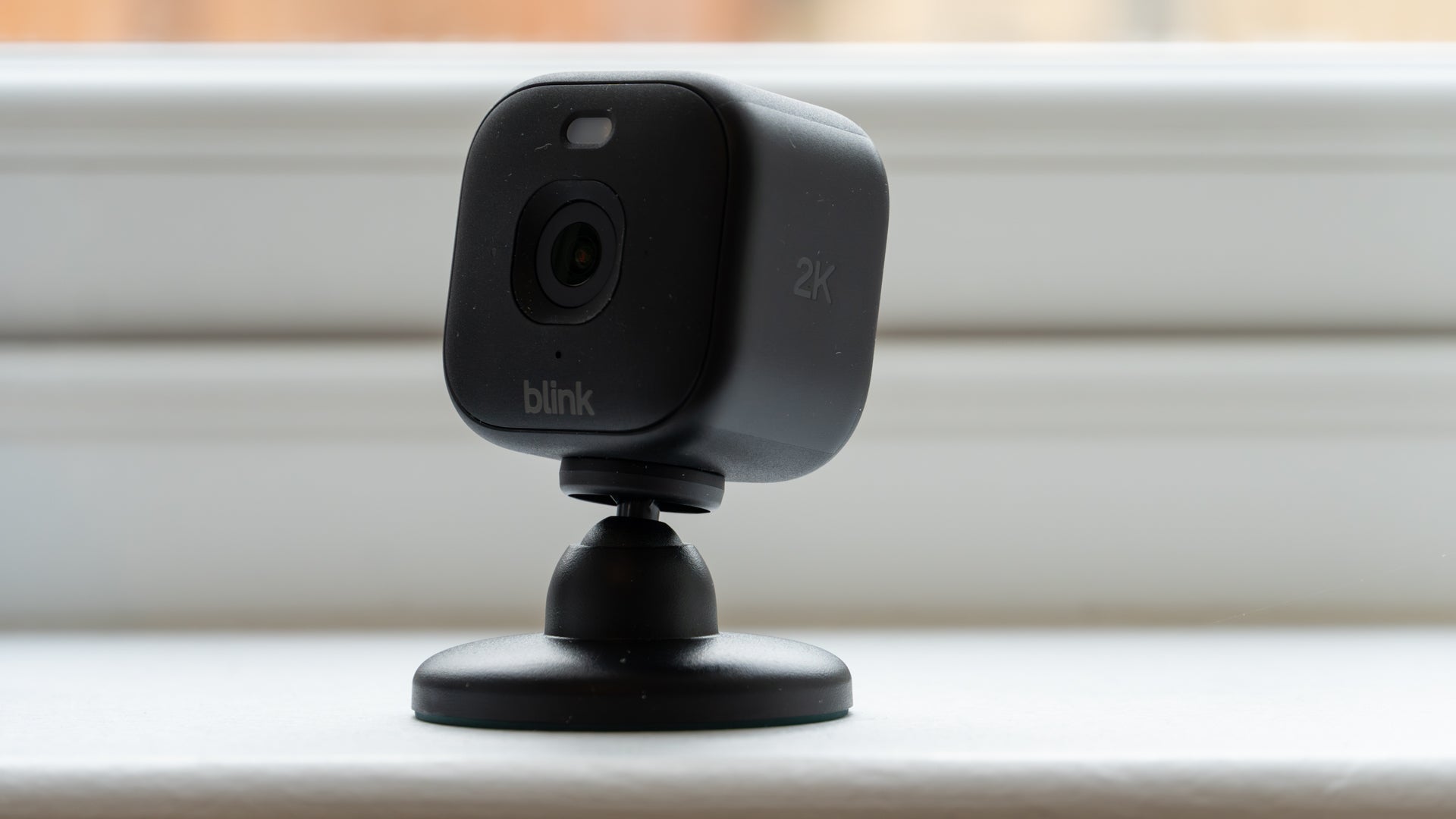
Market Impact for Sellers: This privacy backlash creates a bifurcated smart home market. Privacy-conscious consumers (estimated 35-45% of smart home buyers) are actively seeking alternatives to Amazon Ring, creating demand for privacy-first competitors like Wyze, Logitech Circle, and Eufy—brands that emphasize local processing and minimal data collection. Simultaneously, mainstream consumers remain largely unaware of these concerns, representing continued growth in Ring's core market. Sellers face a critical decision: double down on privacy-messaging to capture the growing skeptical segment, or maintain status quo positioning for mainstream buyers.
Regulatory Implications: Senator Ed Markey's public statement that Search Party represents "mass surveillance infrastructure" signals incoming federal scrutiny. Ring founder Jamie Siminoff's April 2025 return to oversee the company, citing AI's potential to "virtually zero out crime," suggests Amazon will aggressively defend and expand these features despite political opposition. This creates a 12-18 month window where sellers can capitalize on privacy concerns before potential regulatory restrictions force Ring to modify its approach.
Seller Opportunities: The controversy creates three distinct revenue streams: (1) Privacy-focused smart home products (local-processing cameras, encrypted doorbells) experiencing 25-40% YoY growth; (2) Pet recovery services and products (GPS collars, microchip readers, lost pet insurance) benefiting from mainstream awareness of pet loss; (3) Privacy advocacy content and tools (VPN services, privacy guides, camera covers) seeing 60%+ search volume growth. Sellers who position products as "privacy-first alternatives" or "surveillance-free pet recovery" can capture market share from Ring-skeptical consumers during this trust crisis window.
Questions 8
How does Ring's Search Party feature work and what are the privacy risks for sellers?
Ring's Search Party allows pet owners to upload dog photos that are scanned against cloud footage from nearby Ring cameras for matches. While Ring claims the feature cannot process human biometrics, privacy experts argue it normalizes mass surveillance infrastructure. For sellers, this creates a trust crisis: 35-45% of smart home consumers now actively avoid Ring products due to privacy concerns, while mainstream buyers remain largely unaware. Sellers should monitor customer sentiment in reviews and adjust product positioning accordingly—emphasizing privacy-first features if targeting skeptical demographics, or mainstream convenience if targeting price-sensitive buyers.
What is the market opportunity for privacy-focused smart home alternatives to Ring?
Privacy-conscious smart home alternatives like Wyze, Logitech Circle, and Eufy are experiencing 25-40% YoY growth as consumers flee Ring due to surveillance concerns. The broader smart home market is valued at $8.2B, with privacy-first products capturing an estimated 15-20% share and growing. Sellers can capitalize by positioning products as 'local-processing' (data stays on device), 'encryption-enabled,' or 'zero cloud storage' alternatives. Search volume for 'privacy camera alternatives' has grown 60%+ in 2024-2025, indicating strong buyer intent in this segment.