

Licensed Digital Game Delisting Signals Licensing Risk for Sellers | March 2026 Deadline
- Limited Run Games delisting 7-game collection from all platforms by March 31, 2026; 15-month notice window creates urgency for collectors and reveals licensing agreement vulnerabilities affecting digital product sellers




Overview
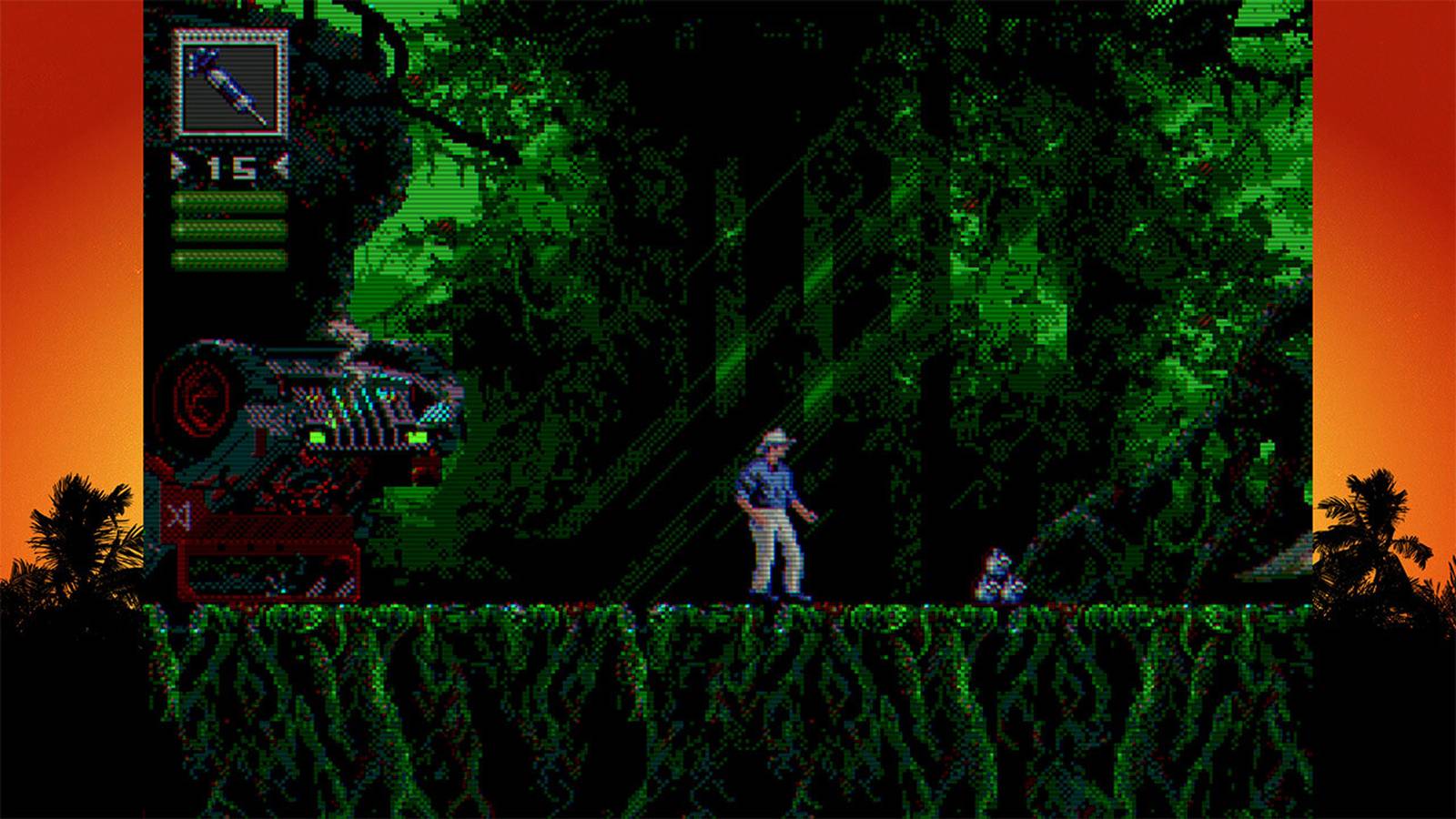
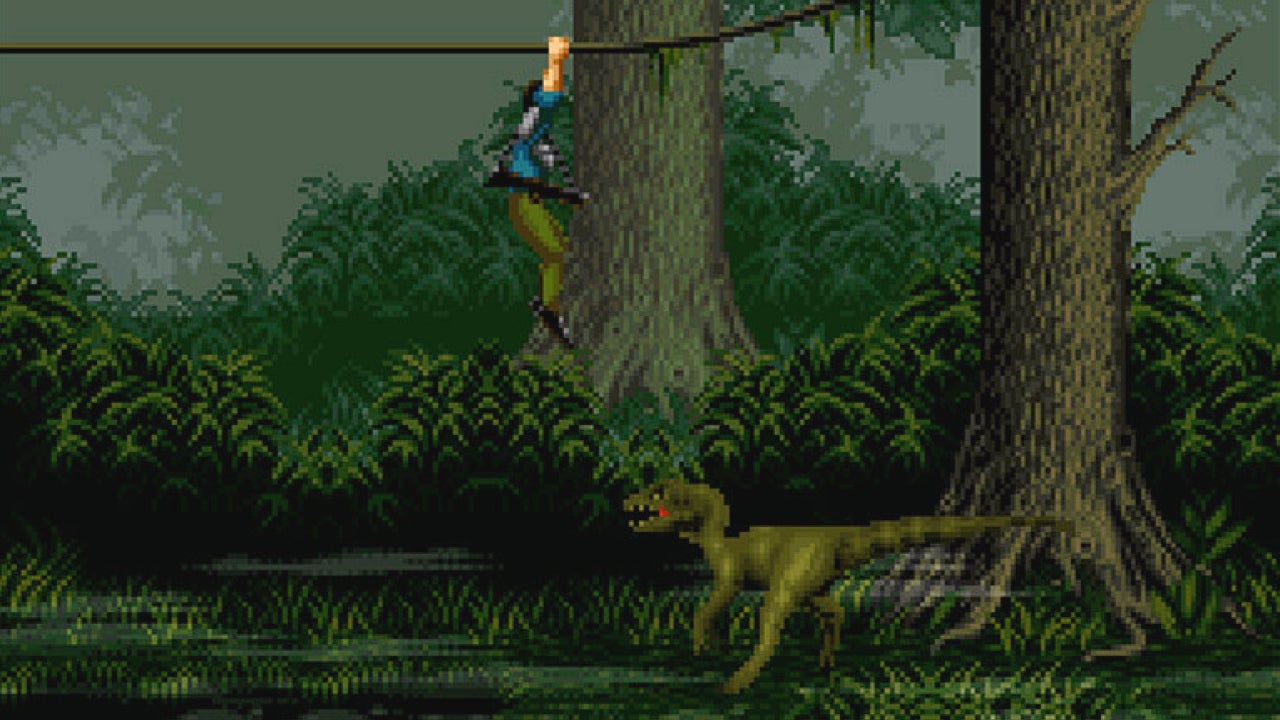
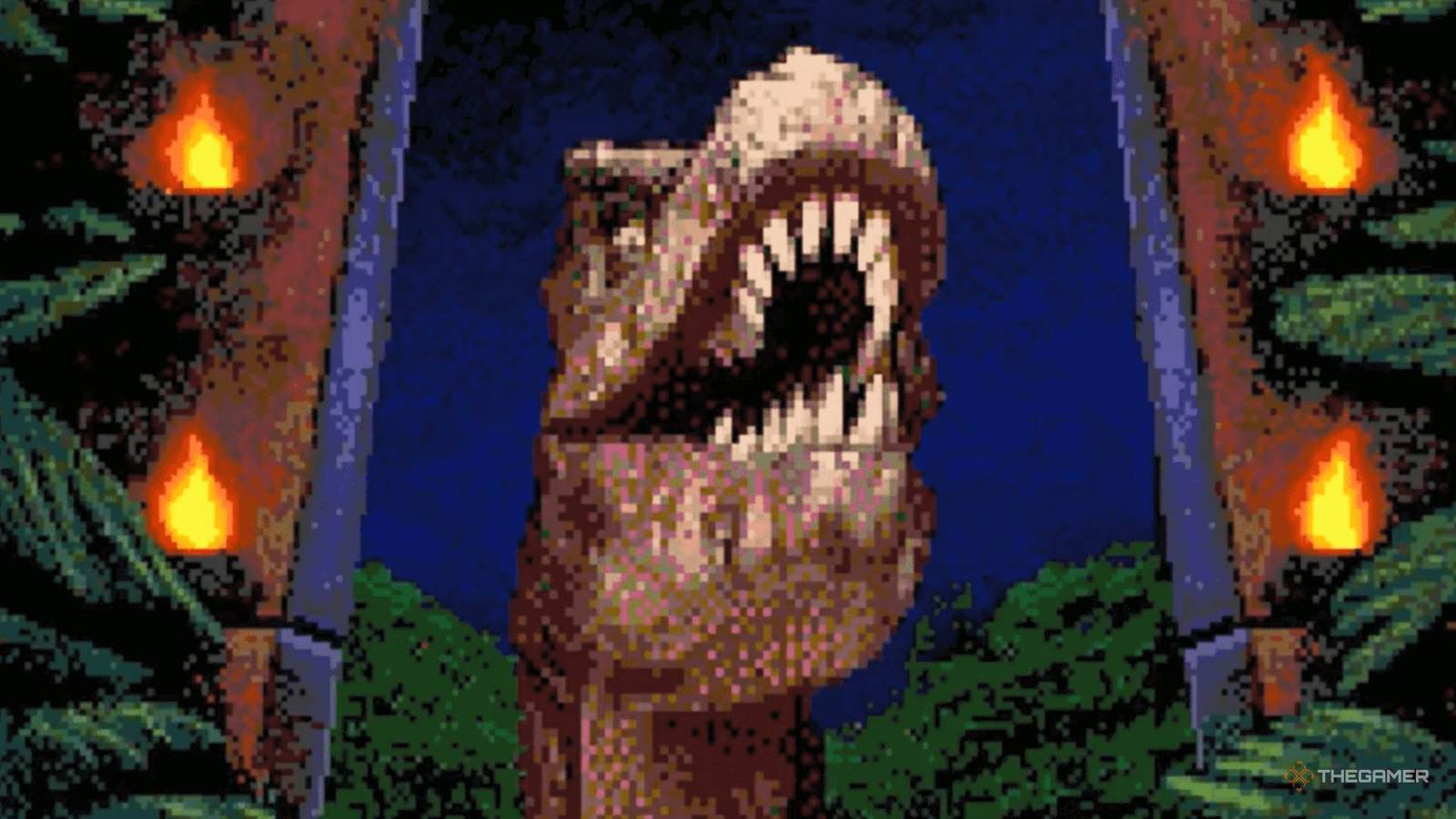
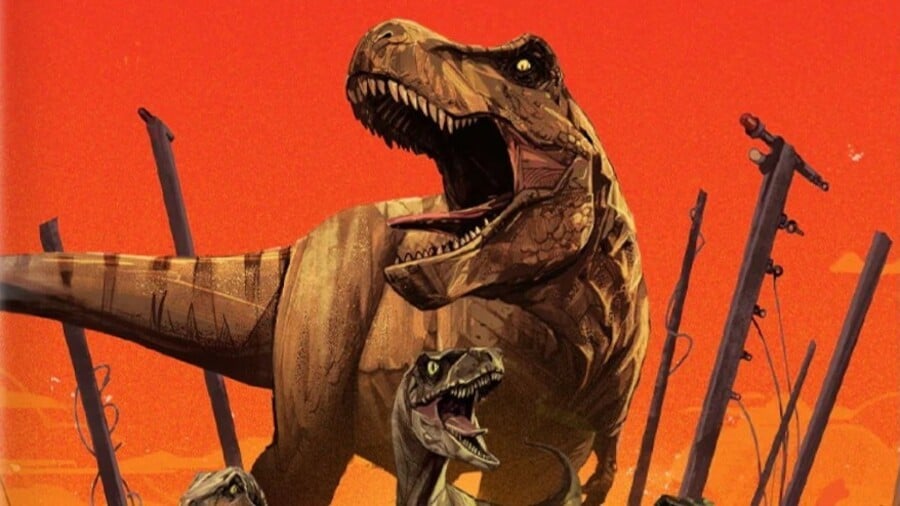
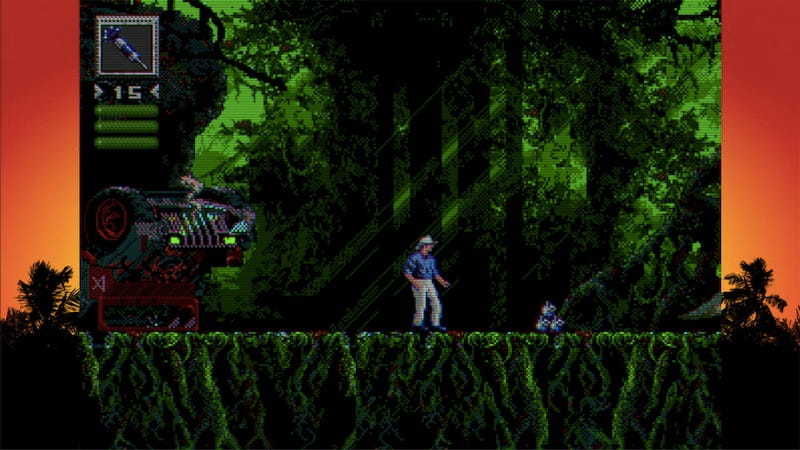
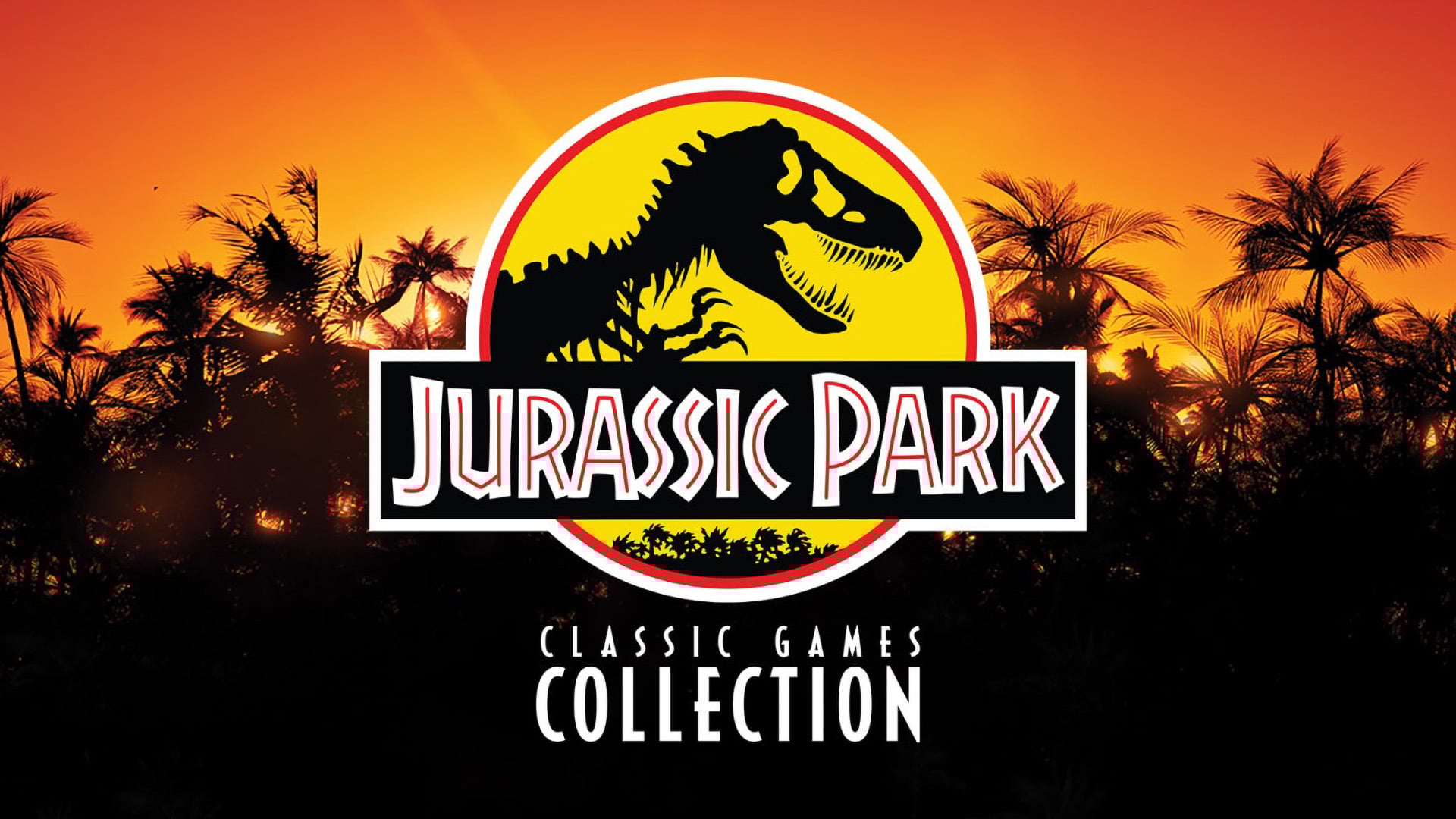
The permanent delisting of the Jurassic Park Classic Games Collection from digital storefronts on March 31, 2026—just 2.5 years after its November 2023 release—represents a critical case study in licensing risk management for digital product sellers. Limited Run Games announced the removal across PlayStation Store, Steam, Nintendo Switch, Xbox Series X/S, and PC platforms, with the collection currently discounted to $5.99-$7.49 on PlayStation (down from $29.99 standard retail) through February 25, 2026. The 15-month advance notice period demonstrates industry best practice for transparency, yet underscores a fundamental e-commerce vulnerability: digital products with licensed intellectual property face artificial scarcity windows determined by licensing agreements rather than consumer demand or sales performance.
For digital marketplace sellers and platform operators, this delisting exemplifies three critical operational risks. First, licensing agreement expiration creates unpredictable inventory windows—the two-year availability period suggests Limited Run Games negotiated short-term licensing terms, a pattern also observed with Disney's recent delisting of 14 games from Steam without advance warning (including Armed and Dangerous and a 1997 Hercules title). Sellers cannot rely on perpetual digital product availability; licensing renewal costs become economically unviable after initial sales momentum declines. Second, physical editions command premium pricing as permanent alternatives—Limited Run Games' physical releases range from $34.99 standard boxed copies to $174.99 Prehistoric Edition variants featuring Jurassic Park-themed packaging, framed mini cartridge replicas, and acrylic lamps. This 5x price differential reveals consumer willingness to pay substantially more for permanent ownership, creating arbitrage opportunities for sellers pivoting from digital to physical collectibles. Third, advance notice creates a conversion surge window—the 14-month deadline (March 31, 2026) concentrates purchasing decisions into a defined timeframe, similar to how limited-time offers drive urgency-based buying behavior. PlayStation Plus members receive additional 5% discounts ($35.99 vs. $37.49), demonstrating platform-specific pricing strategies that sellers can replicate through subscription-bundled offerings.
The broader e-commerce implication extends beyond gaming. Licensed content removals are becoming increasingly common across digital entertainment sectors—music licensing disputes, film streaming rights expirations, and software subscription model shifts all follow similar patterns. Sellers operating on platforms like Amazon, eBay, Shopify, and Steam must monitor licensing dependencies closely, particularly for product categories involving intellectual property (branded merchandise, entertainment compilations, software bundles). The delisting pattern reveals that digital storefronts prioritize transparent communication to maintain consumer trust, but this transparency also signals that licensing agreements are the primary constraint on product availability, not platform policy or consumer demand. For sellers, this means understanding licensing duration becomes as critical as inventory management—a 2-3 year product lifecycle for licensed digital goods should inform pricing strategies, promotional timing, and inventory allocation decisions.
Questions 7
Why is the Jurassic Park Classic Games Collection being delisted from digital stores?
Limited Run Games did not explicitly state the delisting reason, but industry analysis indicates licensing agreement expiration with Universal Pictures (Jurassic Park IP holder). The two-year-plus availability window (November 2023 to March 2026) reflects typical licensing term structures in the gaming industry. Licensing renewal costs become economically unviable when sales decline below profitability thresholds, a pattern also observed with Telltale Games' Jurassic Park: The Game (delisted in 2018, seven years after 2011 release) and Disney's recent removal of 14 games from Steam. For sellers, this demonstrates that digital product availability depends on licensing negotiations rather than consumer demand or sales performance.
How does the delisting affect consumers who already purchased the game?
Consumers who purchased the Jurassic Park Classic Games Collection before the March 31, 2026 deadline retain permanent access to download and play the games indefinitely post-delisting. This policy is consistent across digital storefronts (PlayStation Store, Steam, Nintendo Switch, Xbox Series X/S). However, new purchases will no longer be possible after the deadline. The 15-month advance notice period allows consumers adequate time to make purchase decisions, with PlayStation offering limited-time discounts ($5.99-$7.49 through February 25, 2026) to accelerate conversions before removal.