



European Defense Spending Surge 2026 | Cross-Border Seller Logistics & Supply Chain Impact
- €218B+ European military modernization drives demand for industrial goods, logistics infrastructure, and specialized equipment exports; U.S. troop reductions reshape European supply chains and shipping corridors




















)















)
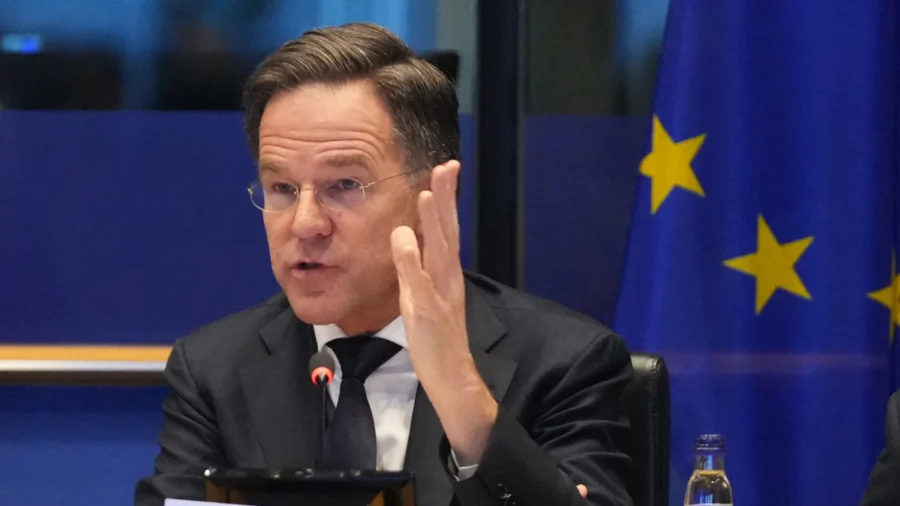
Overview
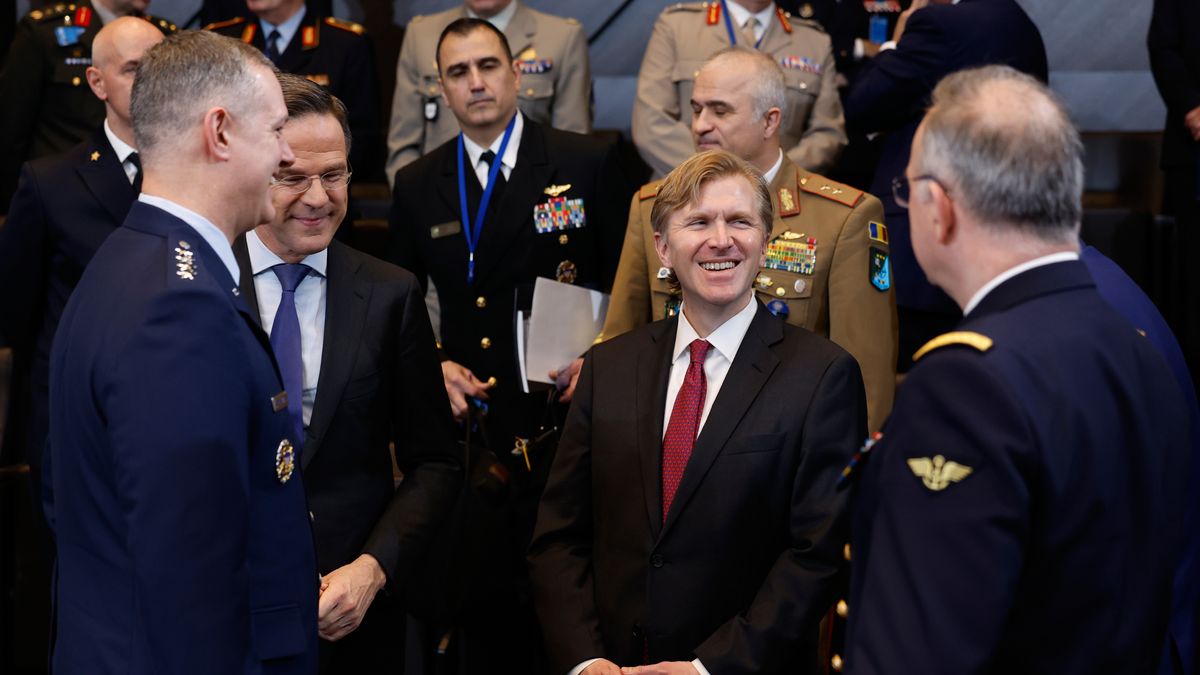
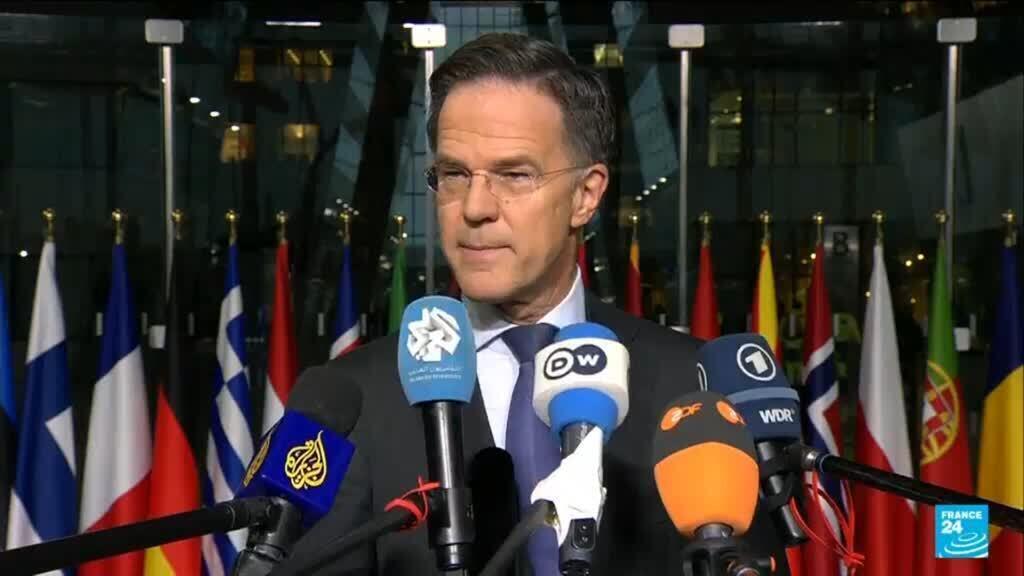
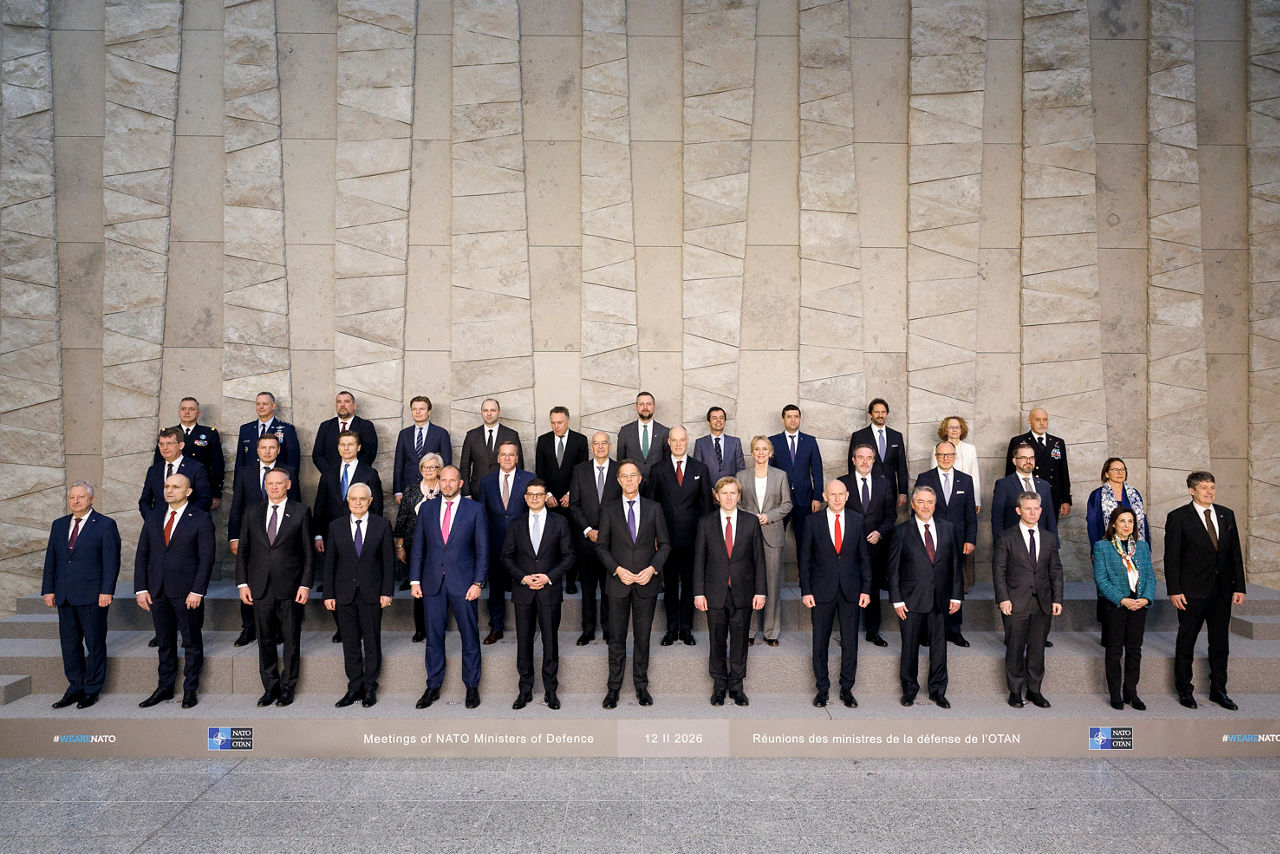
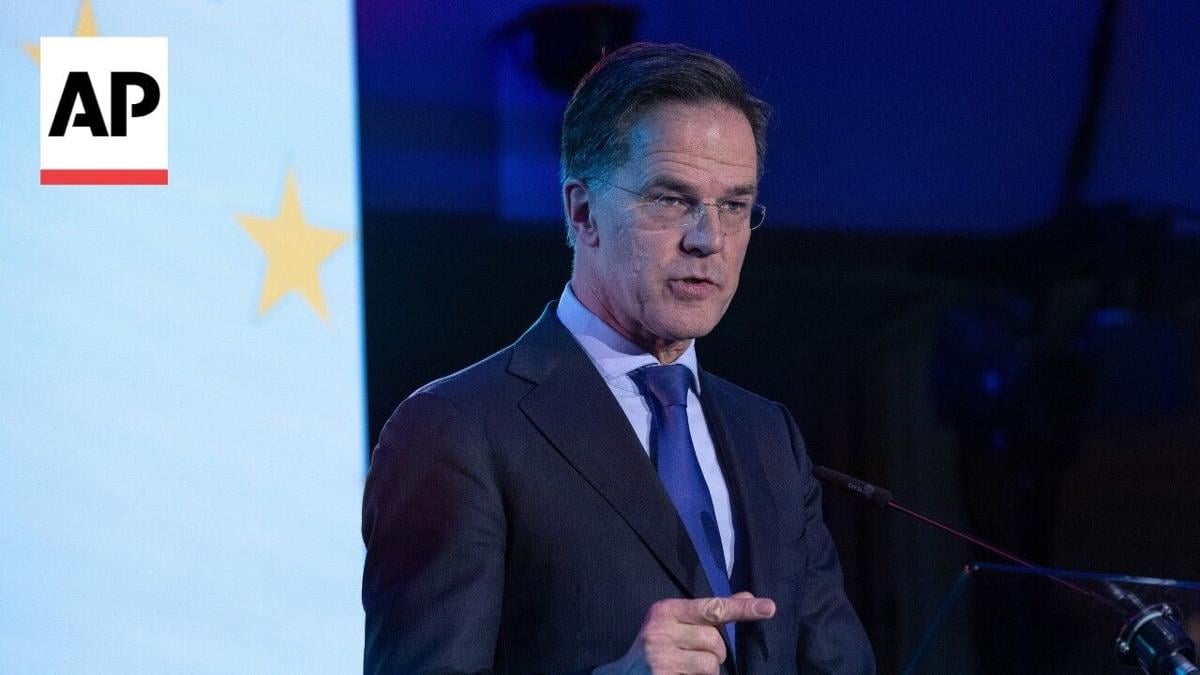
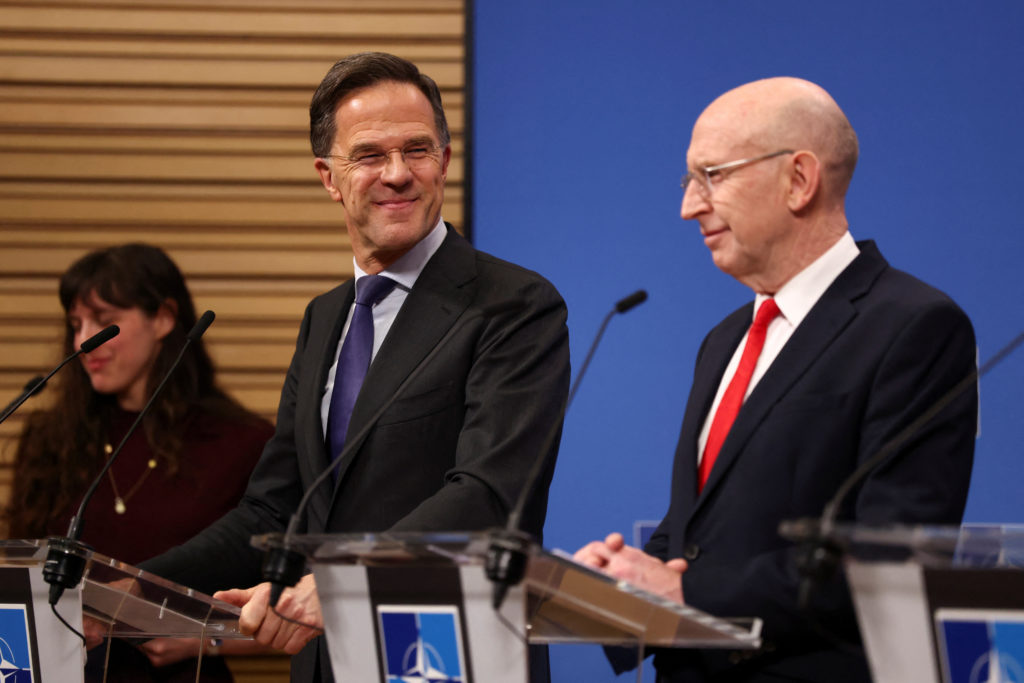
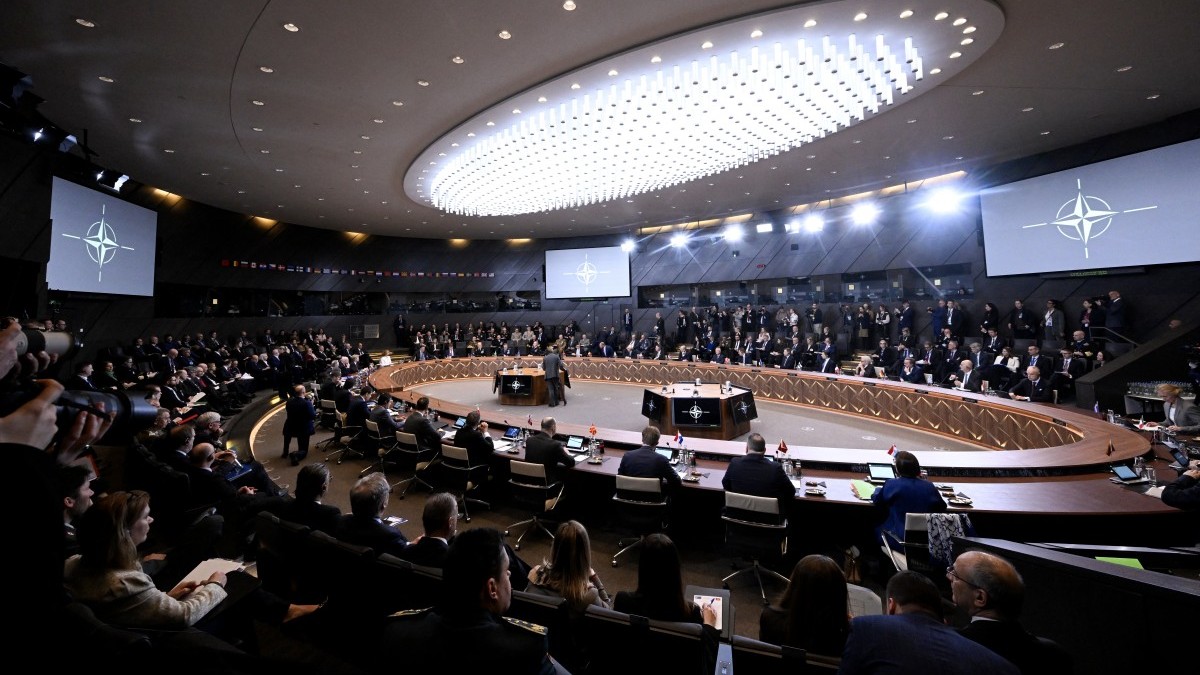
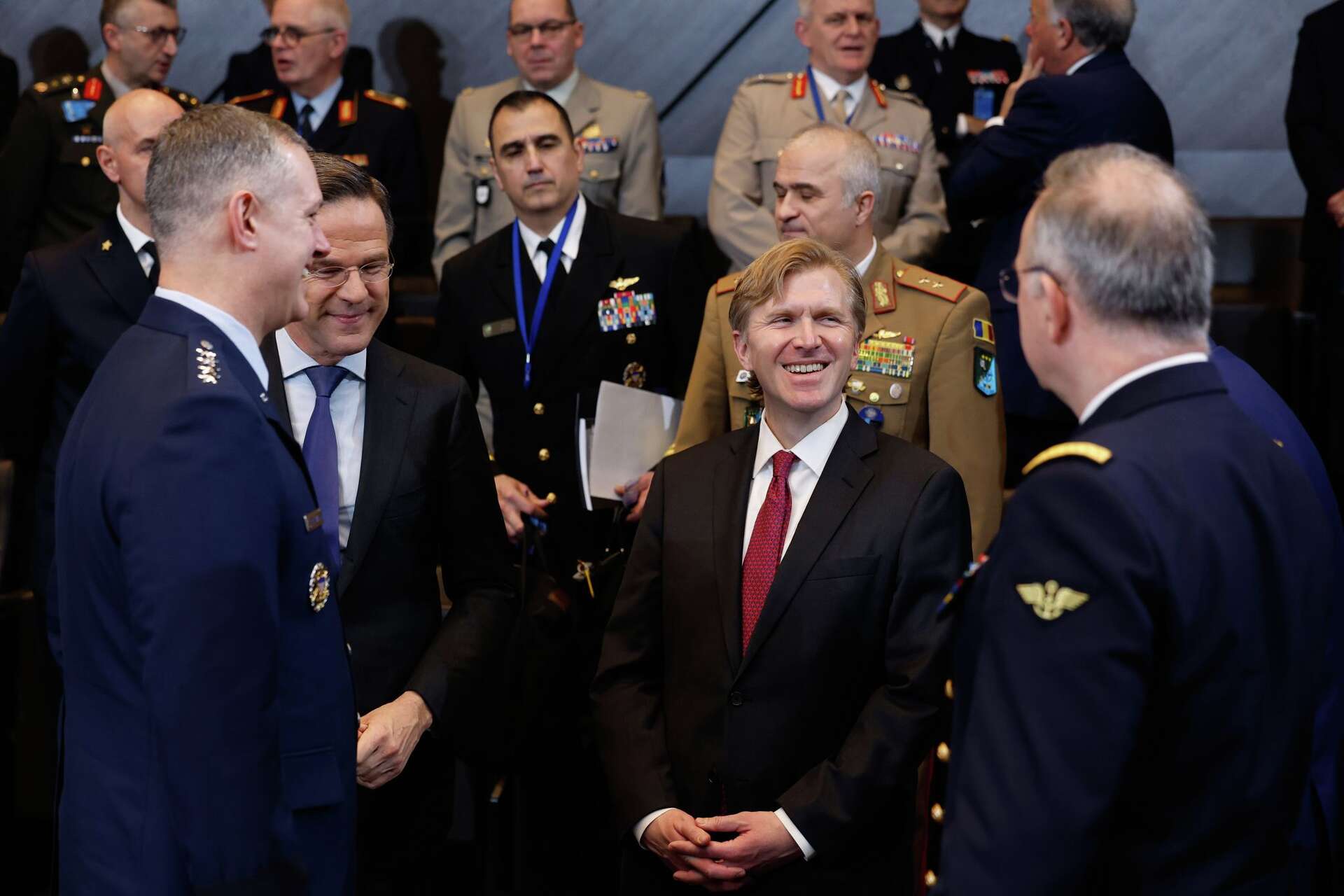
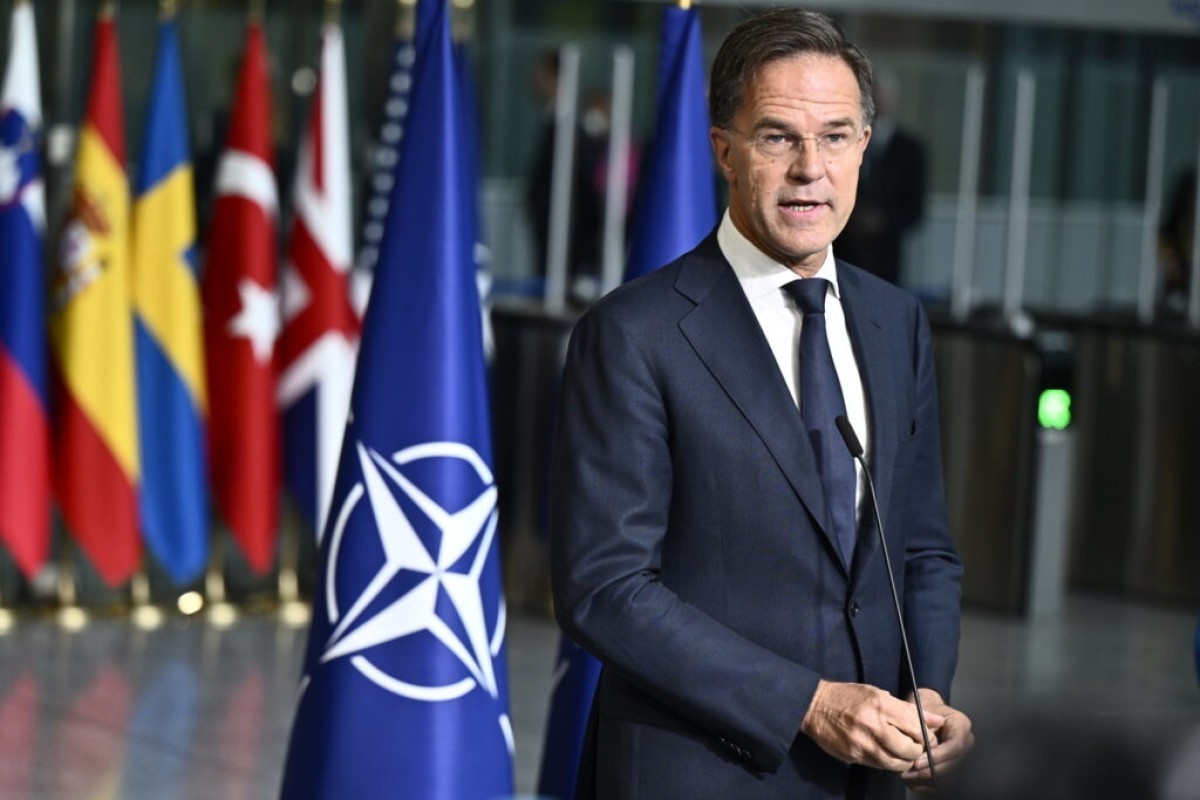
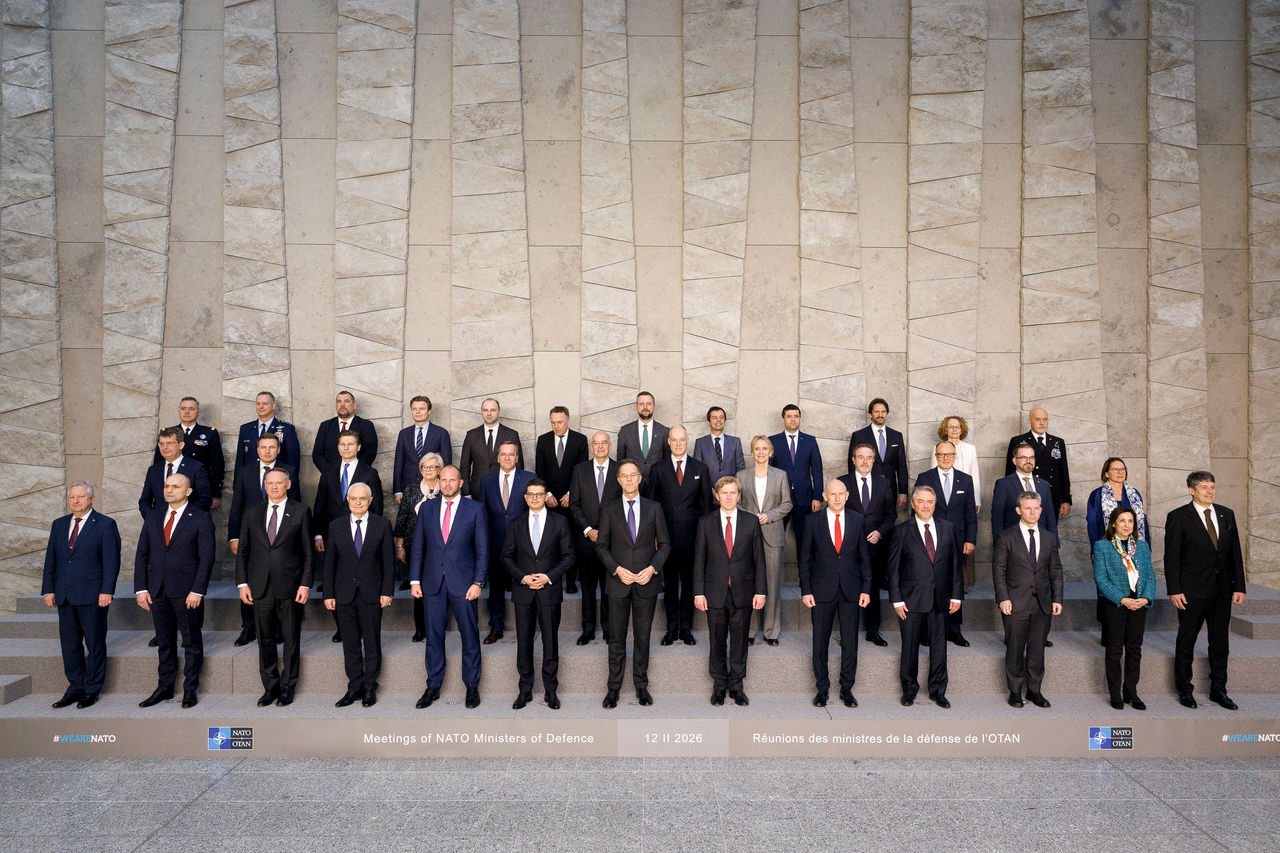
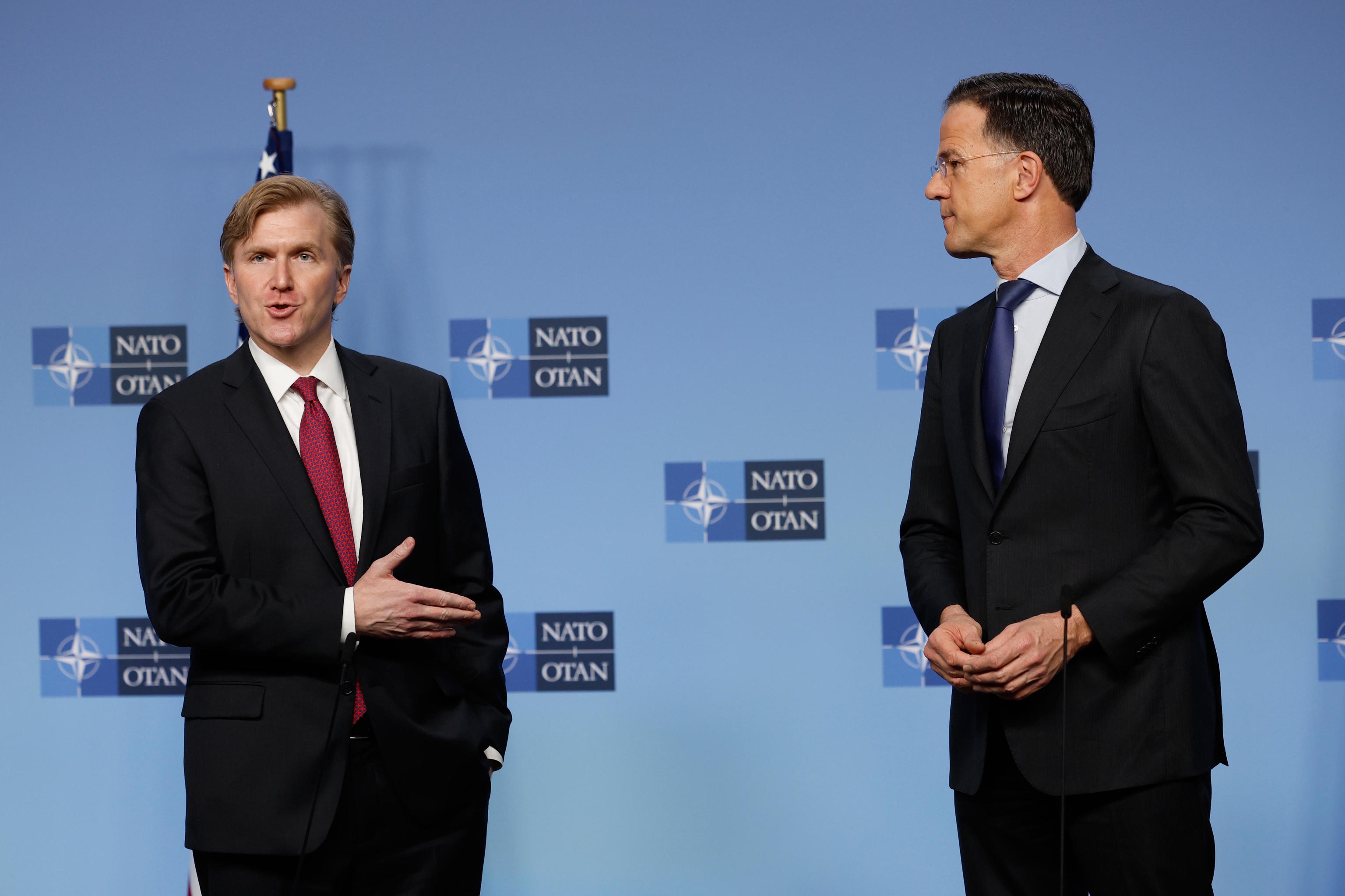
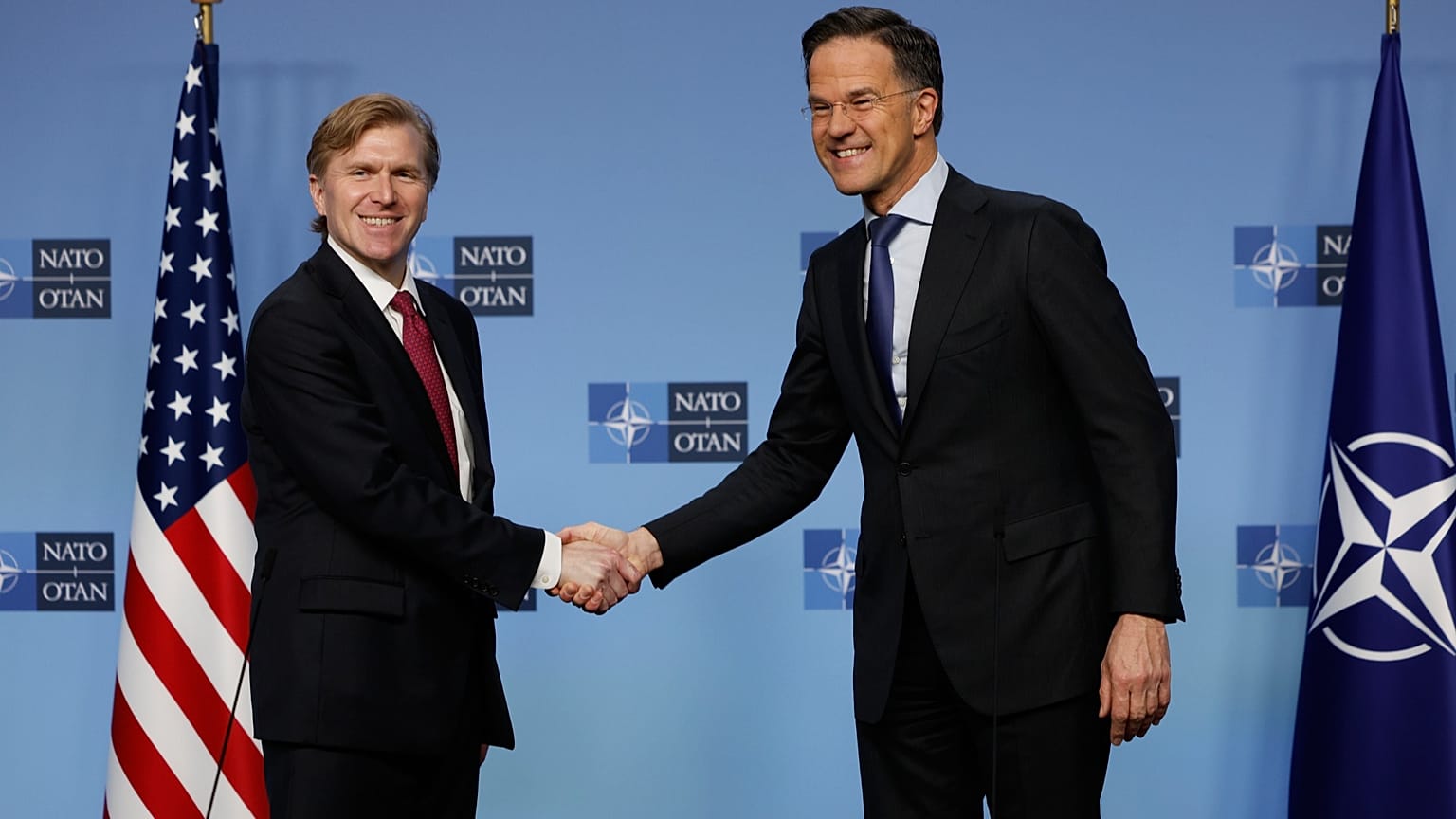
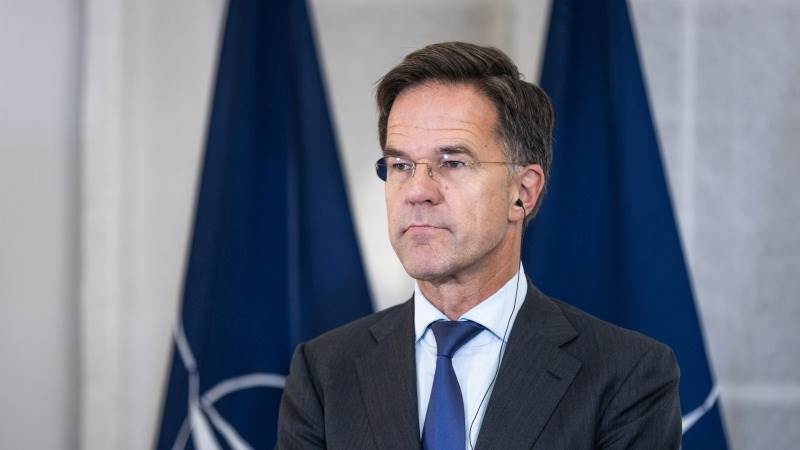
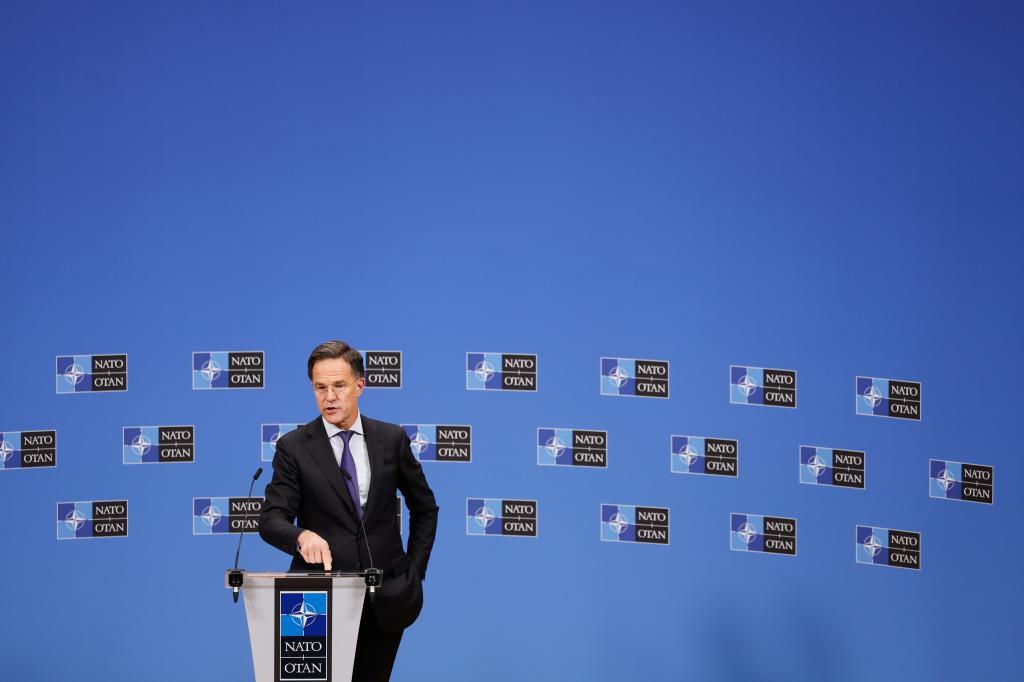
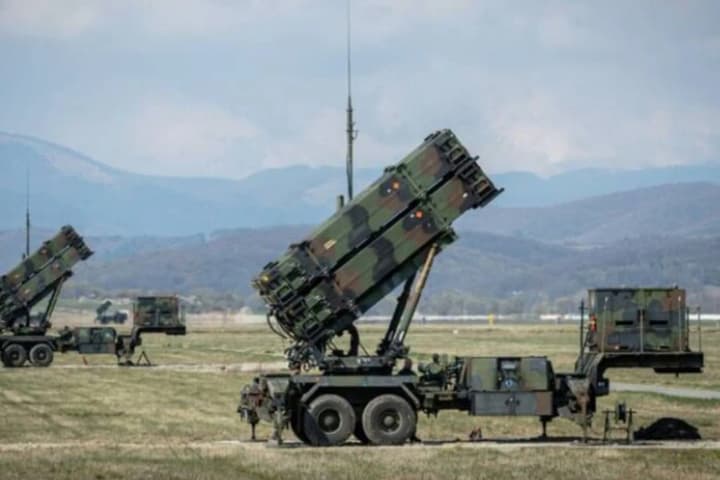
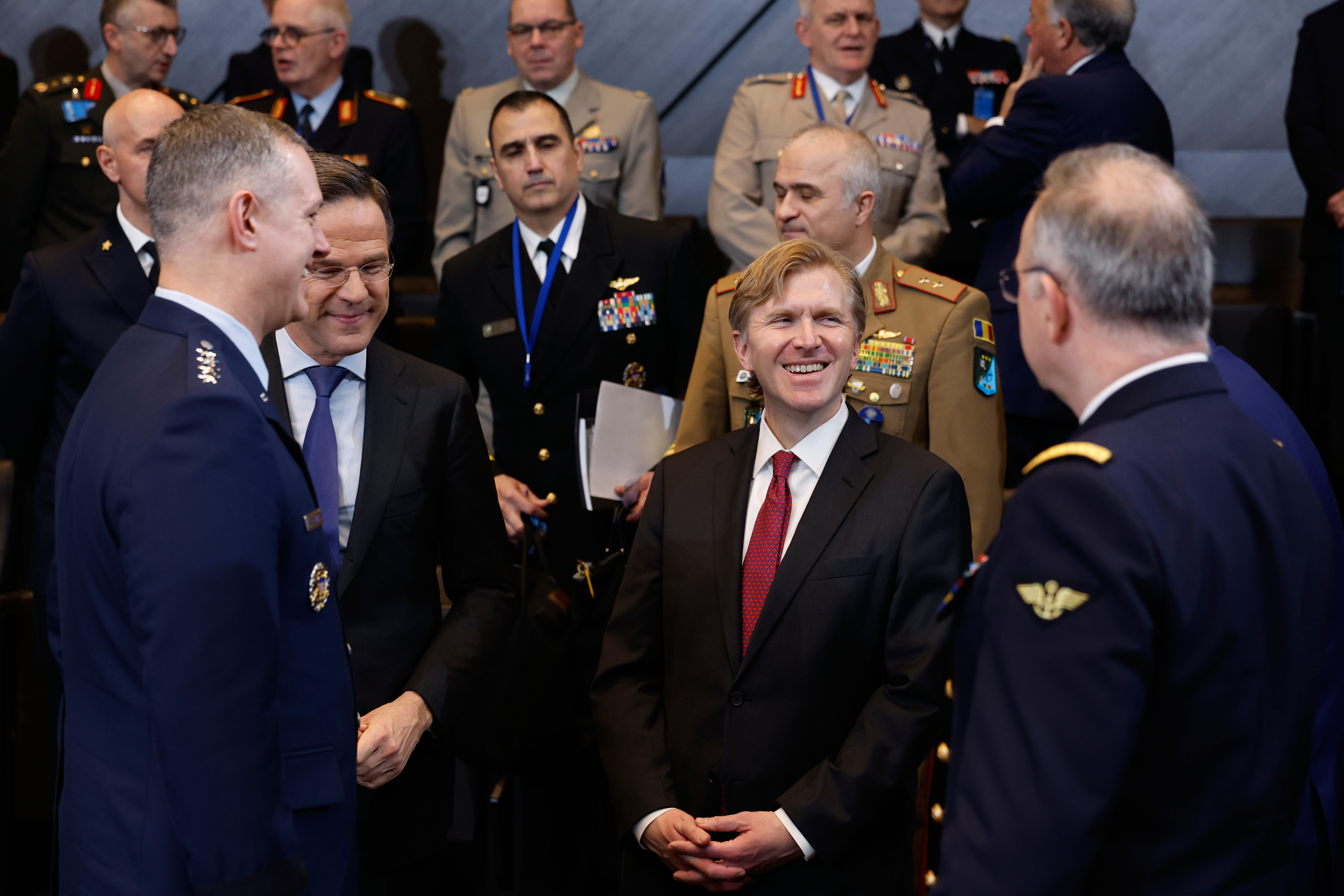
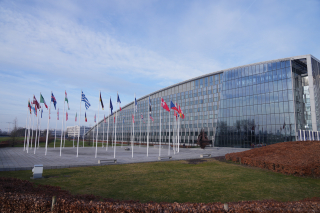
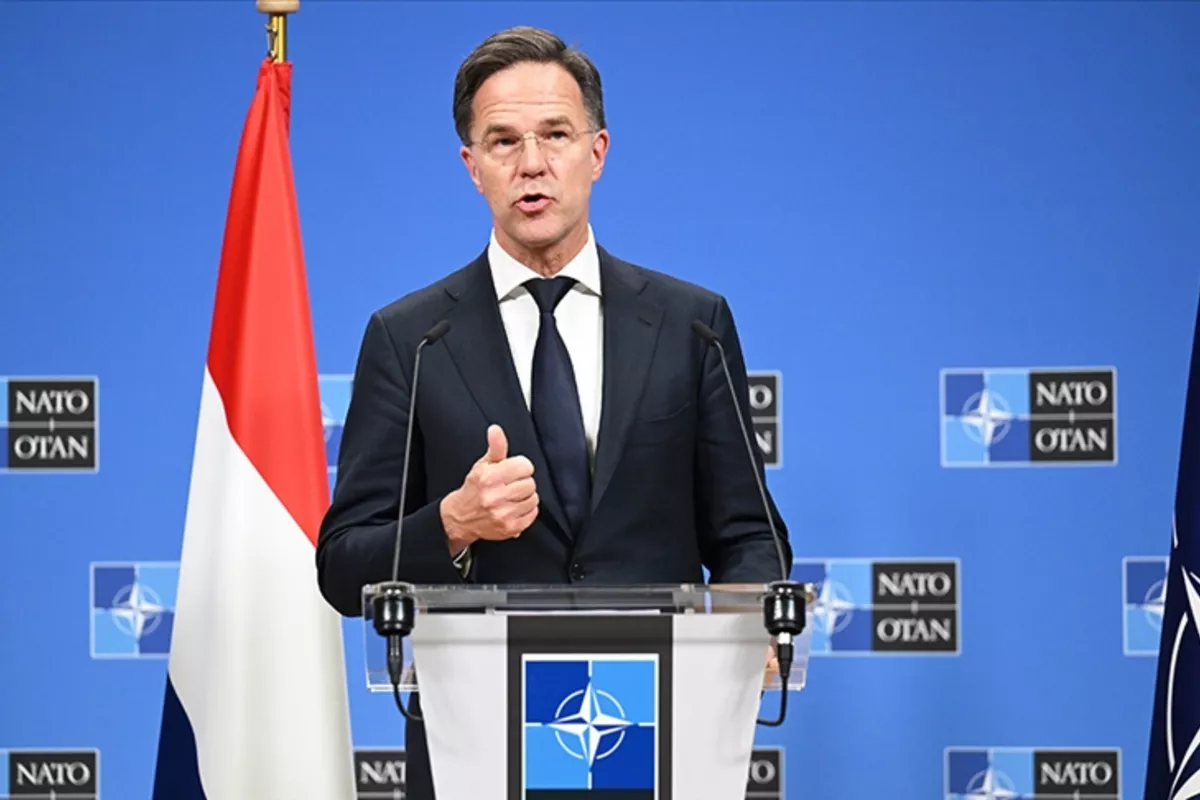
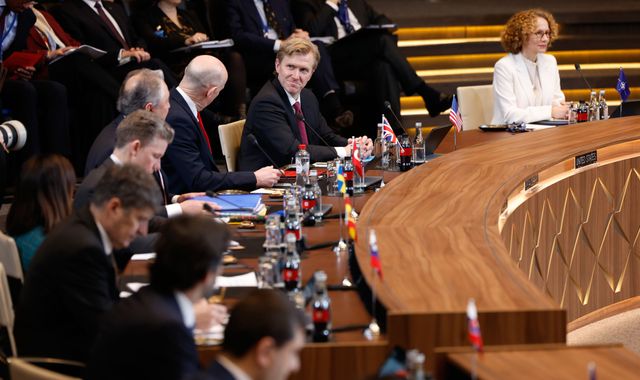
The February 2026 NATO defense ministers meeting in Brussels signals a fundamental geopolitical realignment with significant implications for cross-border e-commerce sellers, particularly those operating in industrial goods, logistics, and specialized equipment categories. European nations are committing unprecedented defense spending—Germany alone pledged €118 billion for armed forces modernization, while the UK announced £682 million in additional air defense support and Denmark committed to new maritime and F-35 procurement packages. The Ukraine Contact Group's $35 billion military aid commitment for 2026 represents sustained demand for defense-adjacent industrial products and logistics services.
For e-commerce sellers, this defense spending surge creates both opportunities and operational challenges. Industrial goods sellers should anticipate increased European demand for manufacturing equipment, precision components, and logistics infrastructure—categories that support defense production and supply chain modernization. Germany's €118 billion commitment specifically targets force structure and industrial capacity, signaling procurement across multiple supplier tiers. The shift toward European self-reliance (emphasized in "NATO 3.0" messaging) means European buyers are actively sourcing alternatives to U.S. suppliers, creating opportunities for sellers in neutral countries and those with EU-based fulfillment networks.
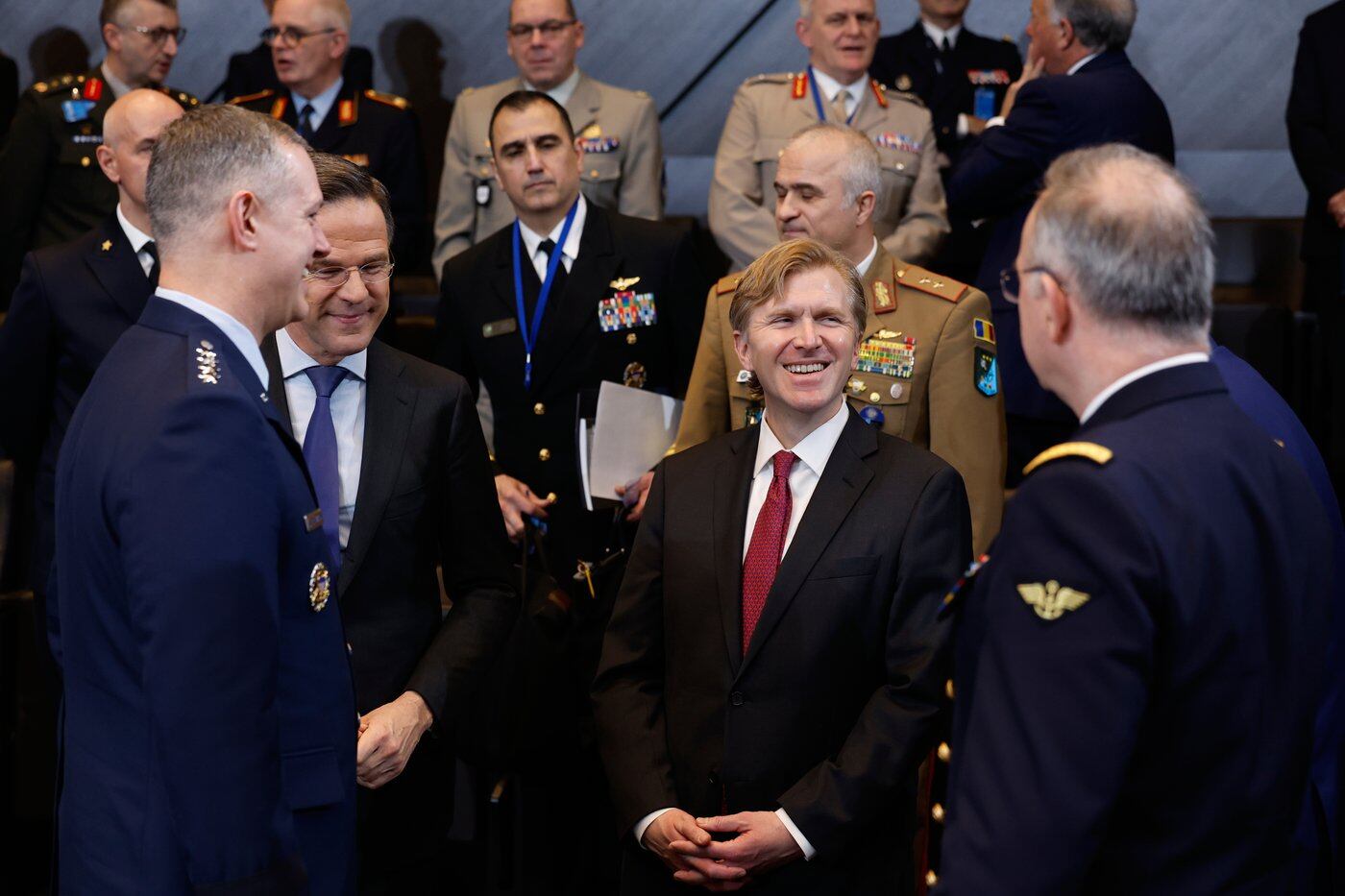
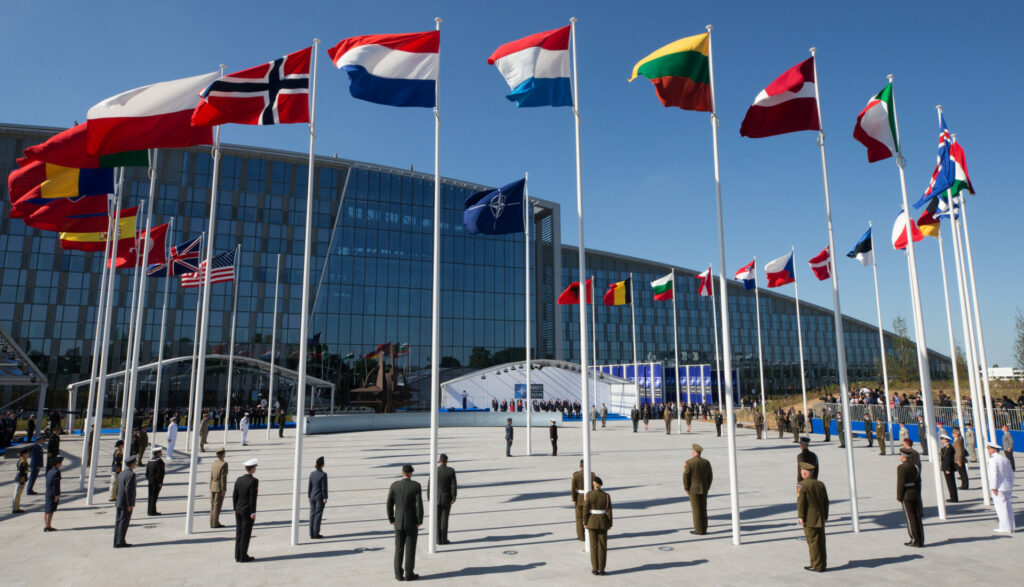
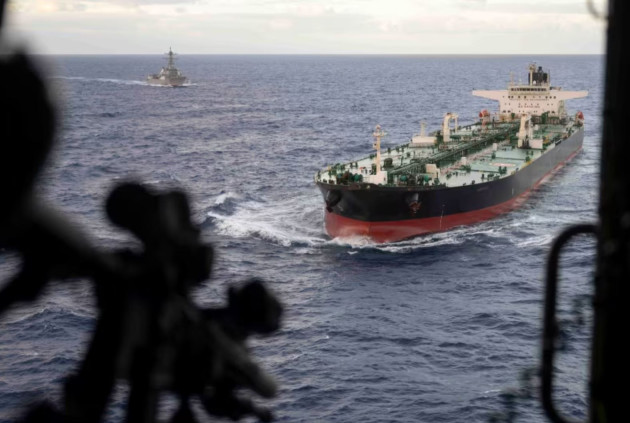
Logistics and shipping dynamics are reshaping significantly. The U.S. maintains 85,000 troops across Europe with minimal planned reductions (only ~200 administrative personnel), but NATO command restructuring—with the U.K., Italy, Germany, and Poland assuming control of joint command centers—indicates shifting logistics hubs and supply chain coordination. The "Arctic Sentry" initiative involving Denmark, Norway, Finland, and Sweden suggests increased military activity in Nordic regions, potentially affecting shipping routes and port infrastructure. Sellers with 3PL providers in Germany, Poland, and the Netherlands should monitor command restructuring impacts on logistics corridors and customs processing. The U.K.'s expanded role in the Ukraine Defense Contact Group (now co-chaired with Germany) indicates London and Berlin becoming primary logistics hubs for defense-related supply chains.
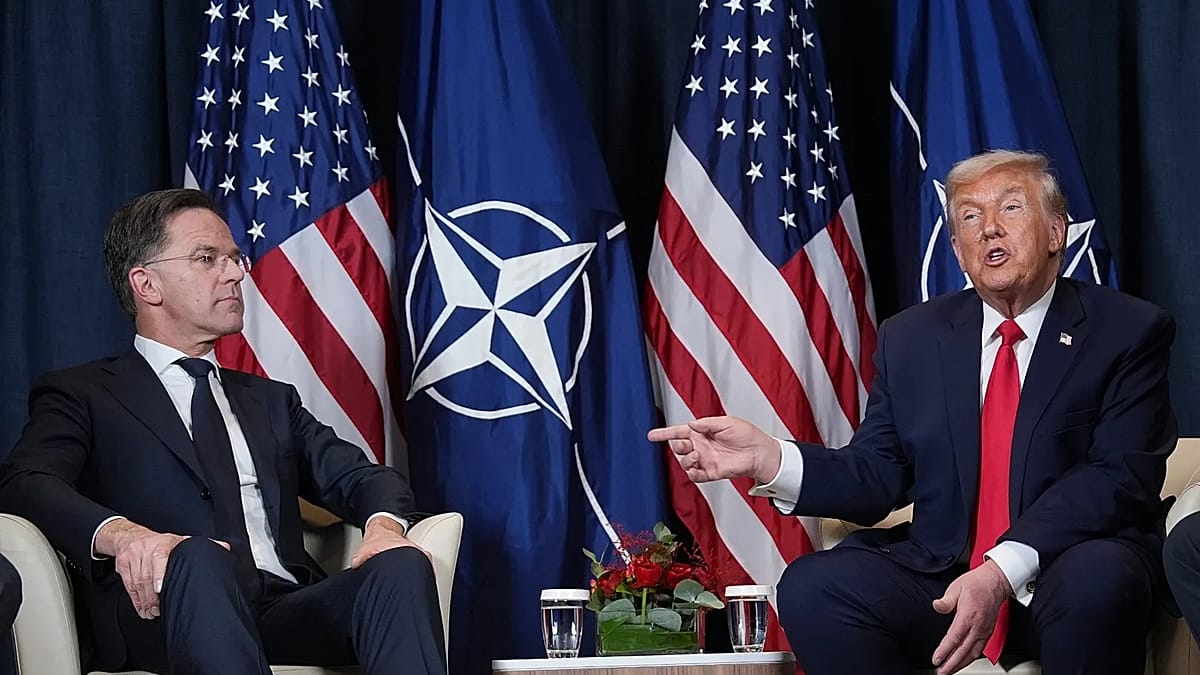
Risk factors for sellers include geopolitical uncertainty and potential sanctions escalation. While the news emphasizes NATO cohesion, underlying tensions about U.S. commitment sustainability persist—16 former U.S. ambassadors warned of "higher costs, greater risks" from potential NATO withdrawal. This uncertainty may accelerate European protectionism and "buy European" procurement policies, potentially disadvantaging non-EU sellers. Additionally, the sustained focus on Ukraine (described as NATO's "top priority") means continued sanctions risk on Russian-origin goods and potential supply chain disruptions affecting sellers sourcing from or shipping through Eastern European corridors.
Questions 7
How does European defense spending surge affect cross-border sellers?
European nations committed €218+ billion in defense modernization (Germany €118B, UK £682M, Denmark Arctic packages, plus $35B Ukraine aid), creating sustained demand for industrial goods, manufacturing equipment, and logistics services. Sellers in precision components, industrial machinery, and specialized equipment categories should expect increased European buyer activity through 2026-2035. However, the shift toward European self-reliance means EU-based sellers and those with established European fulfillment networks gain competitive advantage over distant suppliers. Monitor procurement announcements from German defense ministry (BMVg) and UK Ministry of Defence for category-specific opportunities.
Which product categories benefit most from defense spending?
Defense spending targets force structure, readiness, stockpiles, and industrial capacity modernization. This drives demand across multiple categories: precision manufacturing components, industrial machinery, logistics equipment, telecommunications infrastructure, cybersecurity solutions, and specialized materials. Germany's €118B commitment specifically emphasizes 'outputs and capabilities' over peacetime politics, signaling procurement of production-ready equipment rather than theoretical investments. The UK's £682M air defense support and Denmark's maritime/F-35 packages indicate opportunities in aerospace components, maritime equipment, and advanced materials. Sellers in B2B industrial categories should develop European buyer relationships and ensure compliance with export control regulations (ITAR, EAR).