



European Defense Spending Surge 2026 | $118B+ Modernization Creates Supply Chain Opportunities
- Germany commits €118B to military modernization; NATO members increase defense spending to 3.5% GDP by 2035; creates $35B+ annual procurement opportunities for defense contractors and industrial suppliers across EU
























Overview
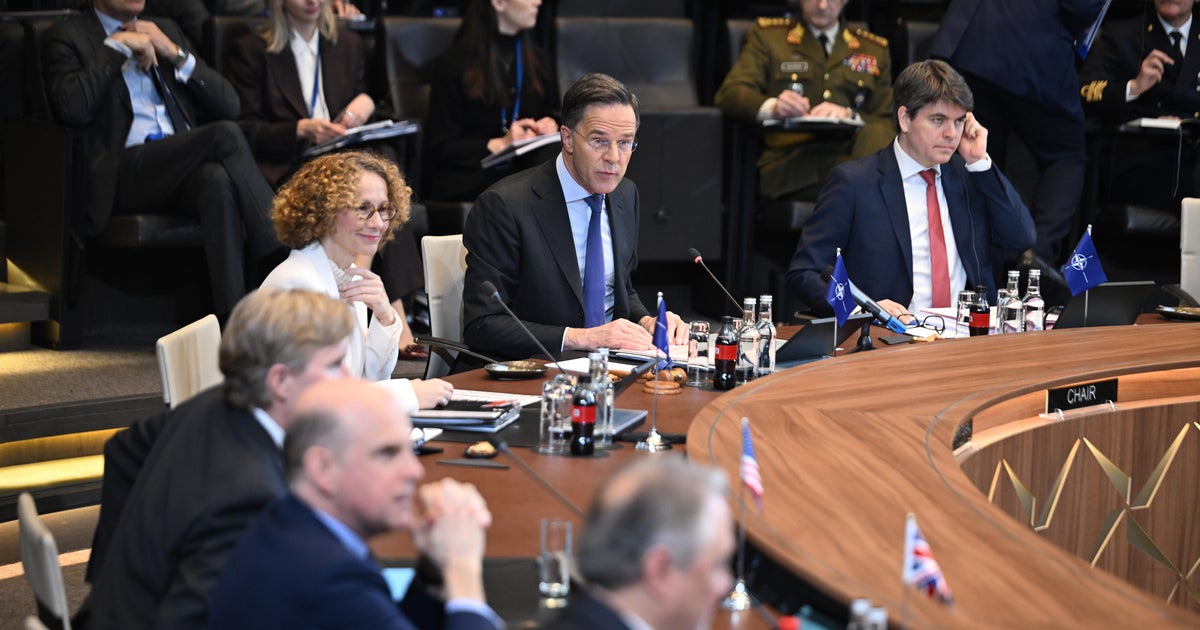
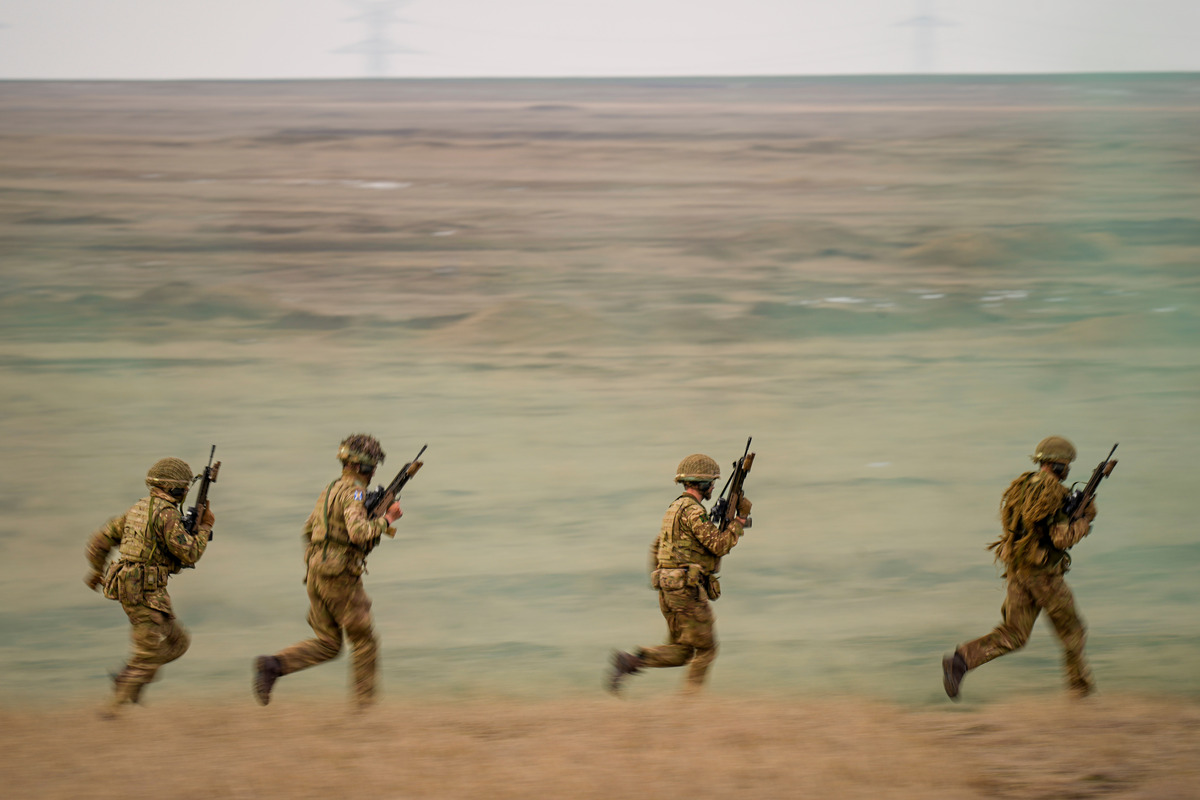
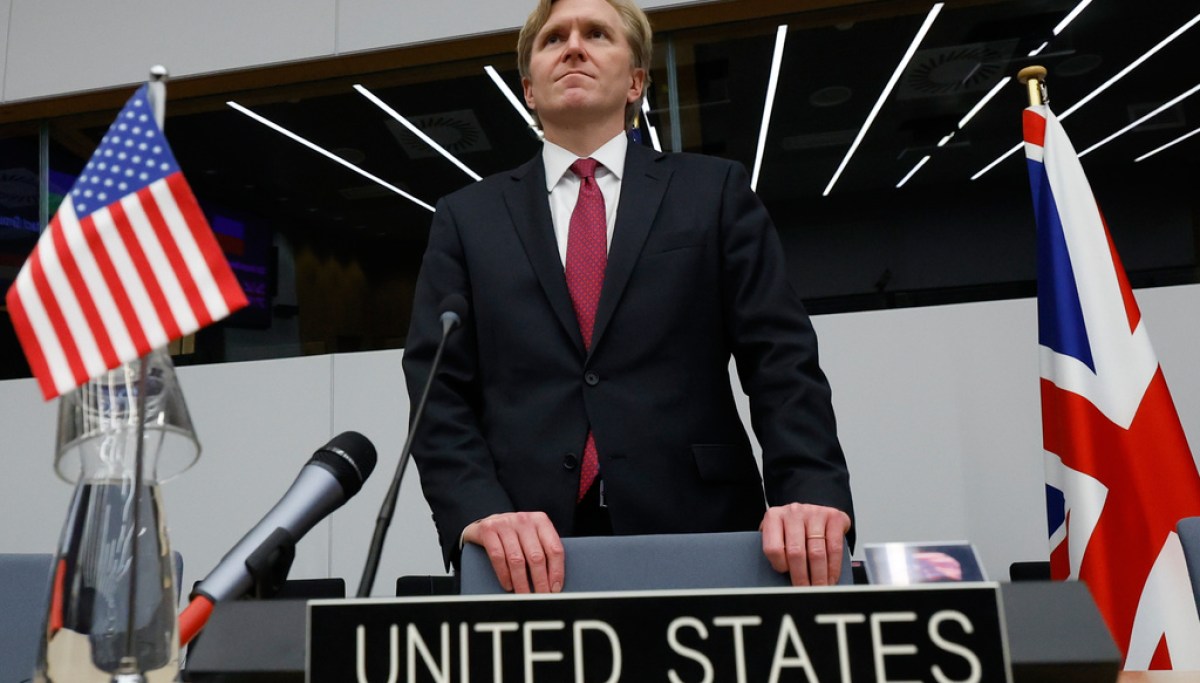
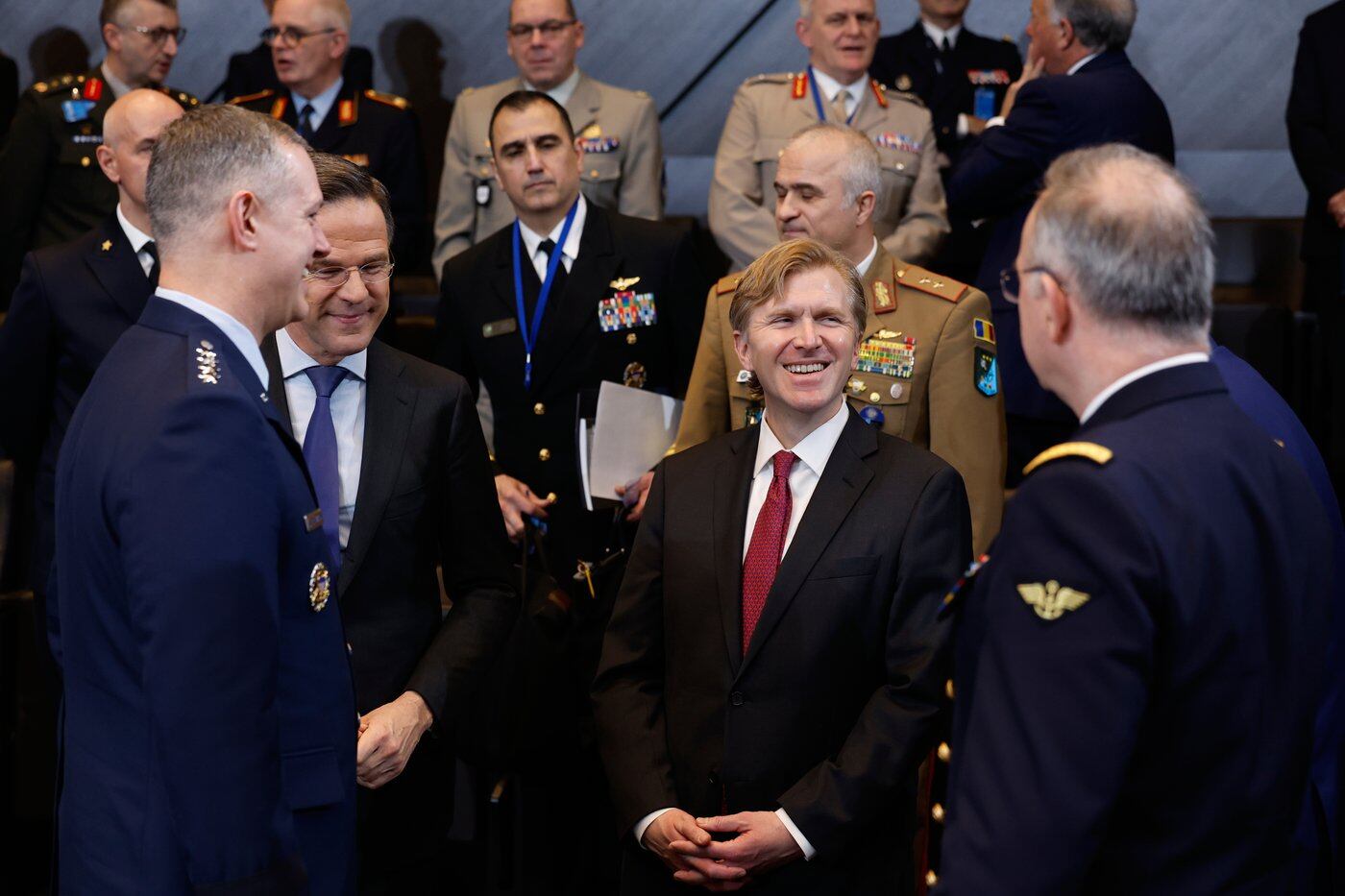
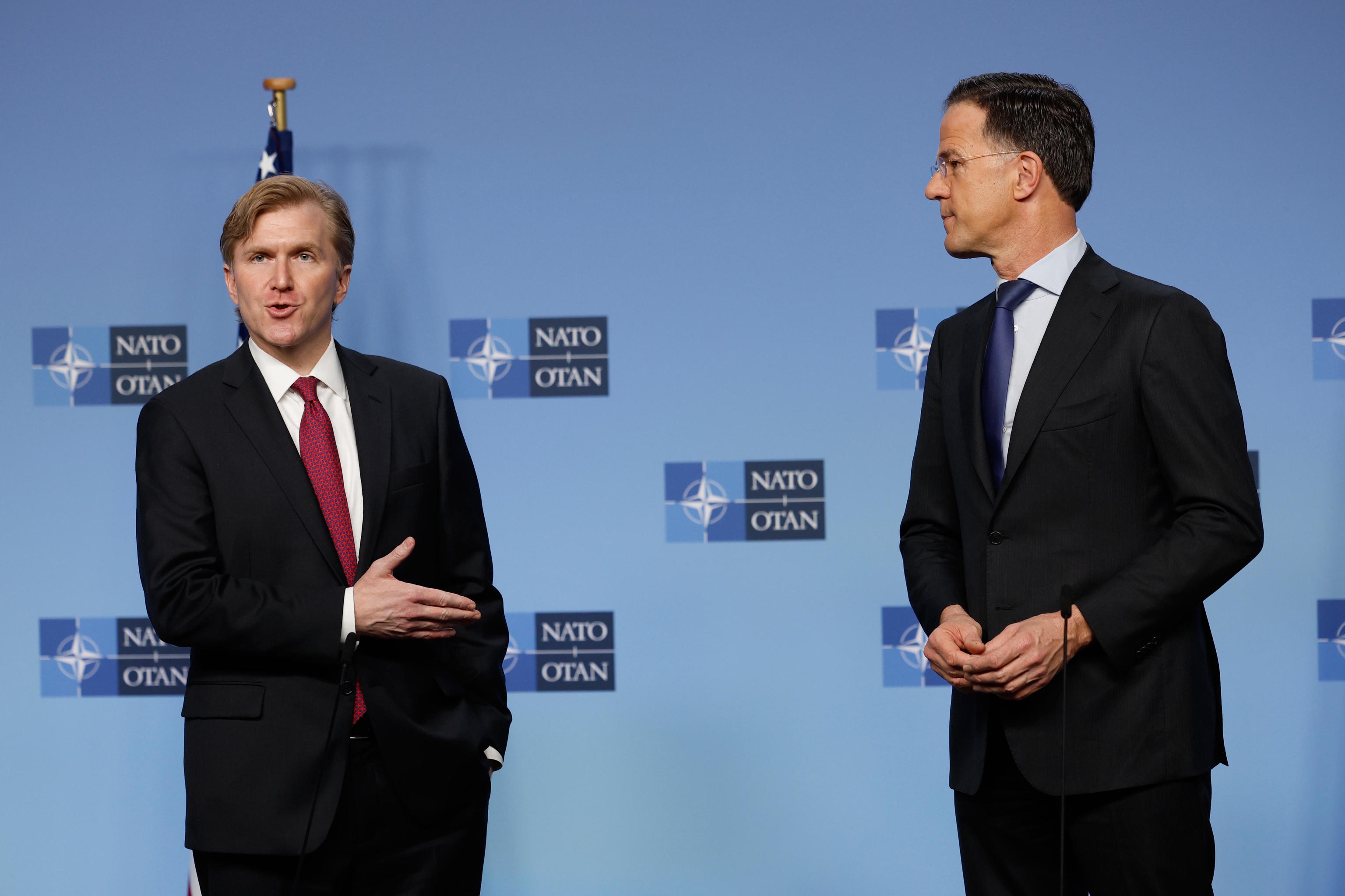
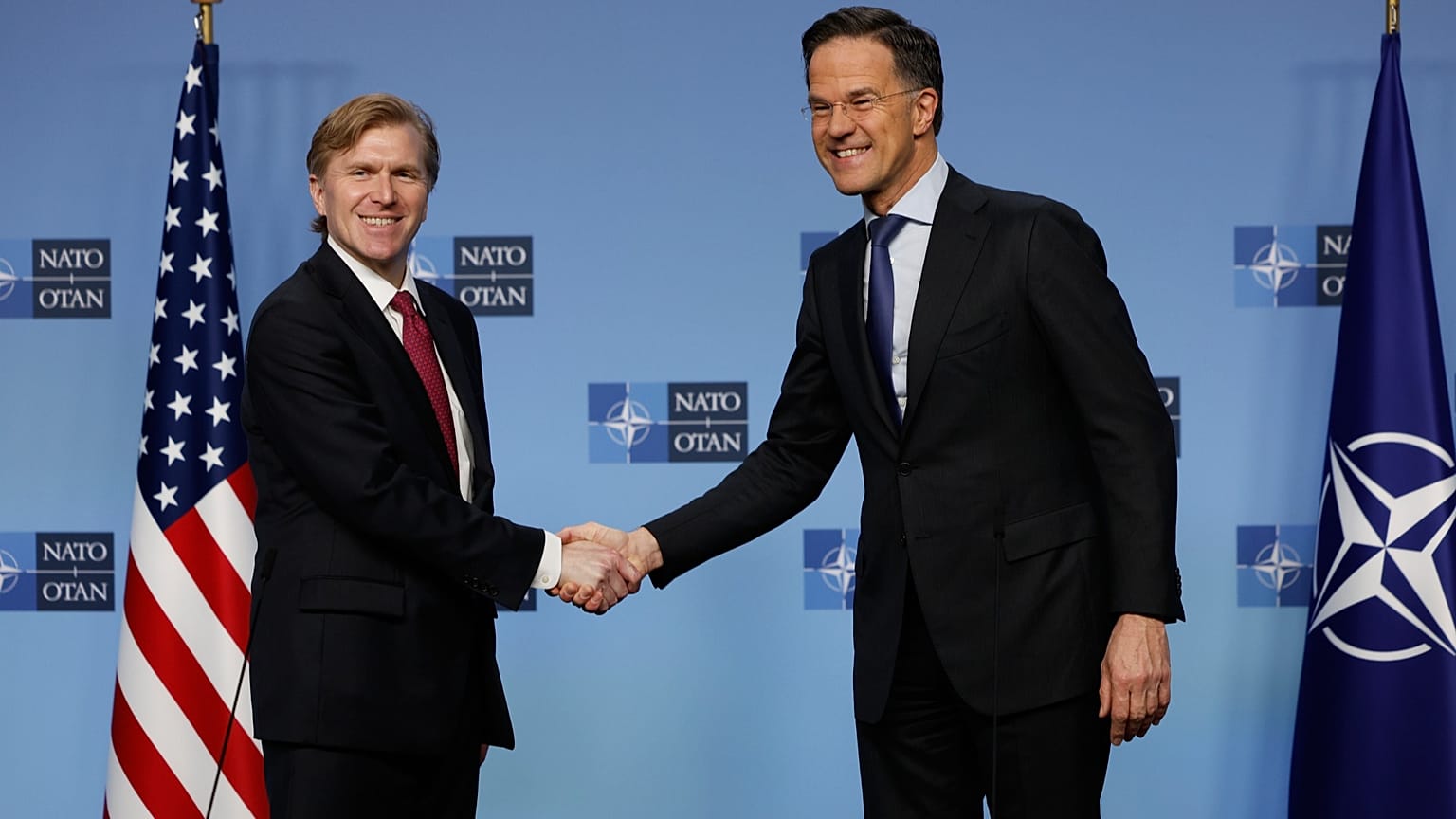
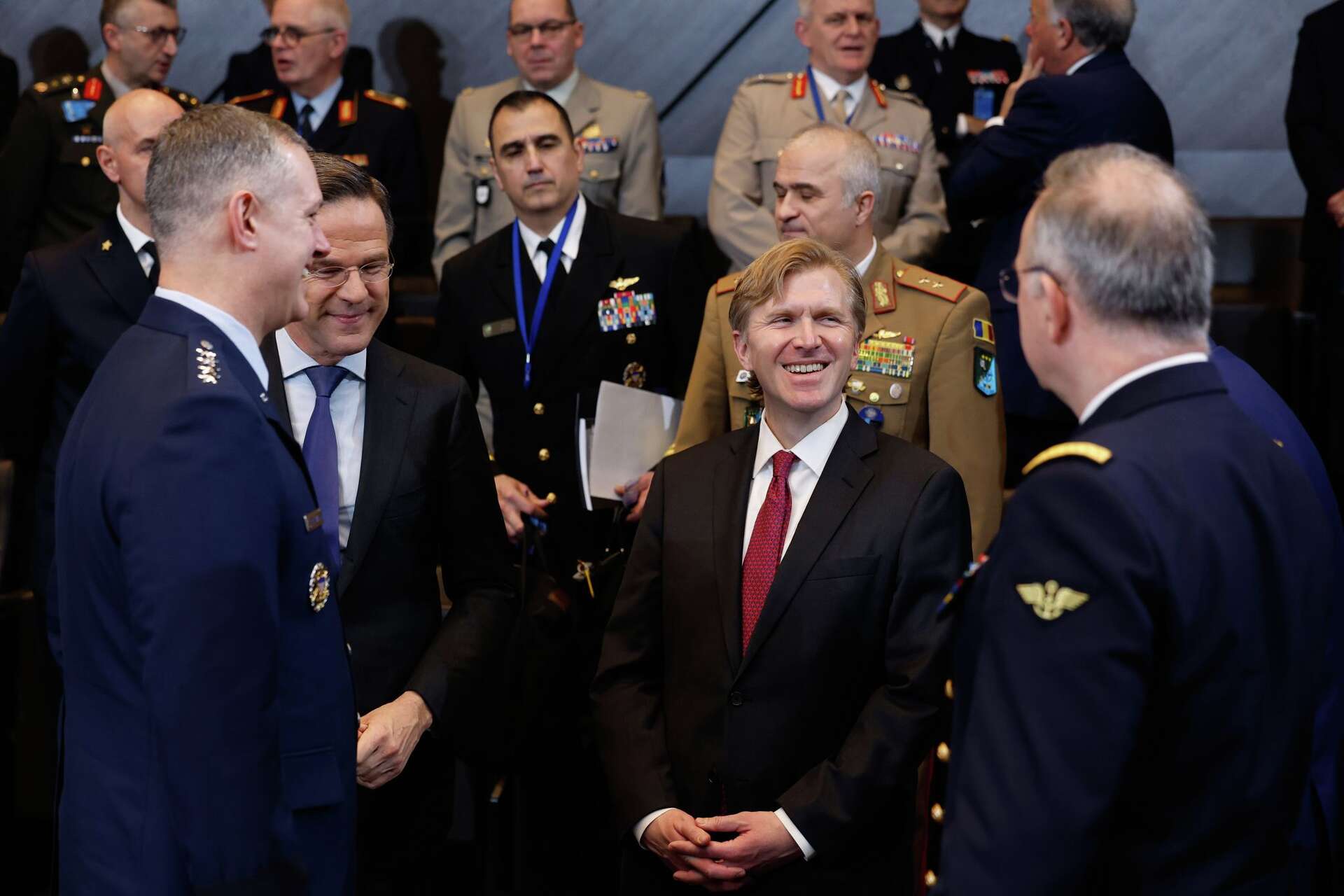
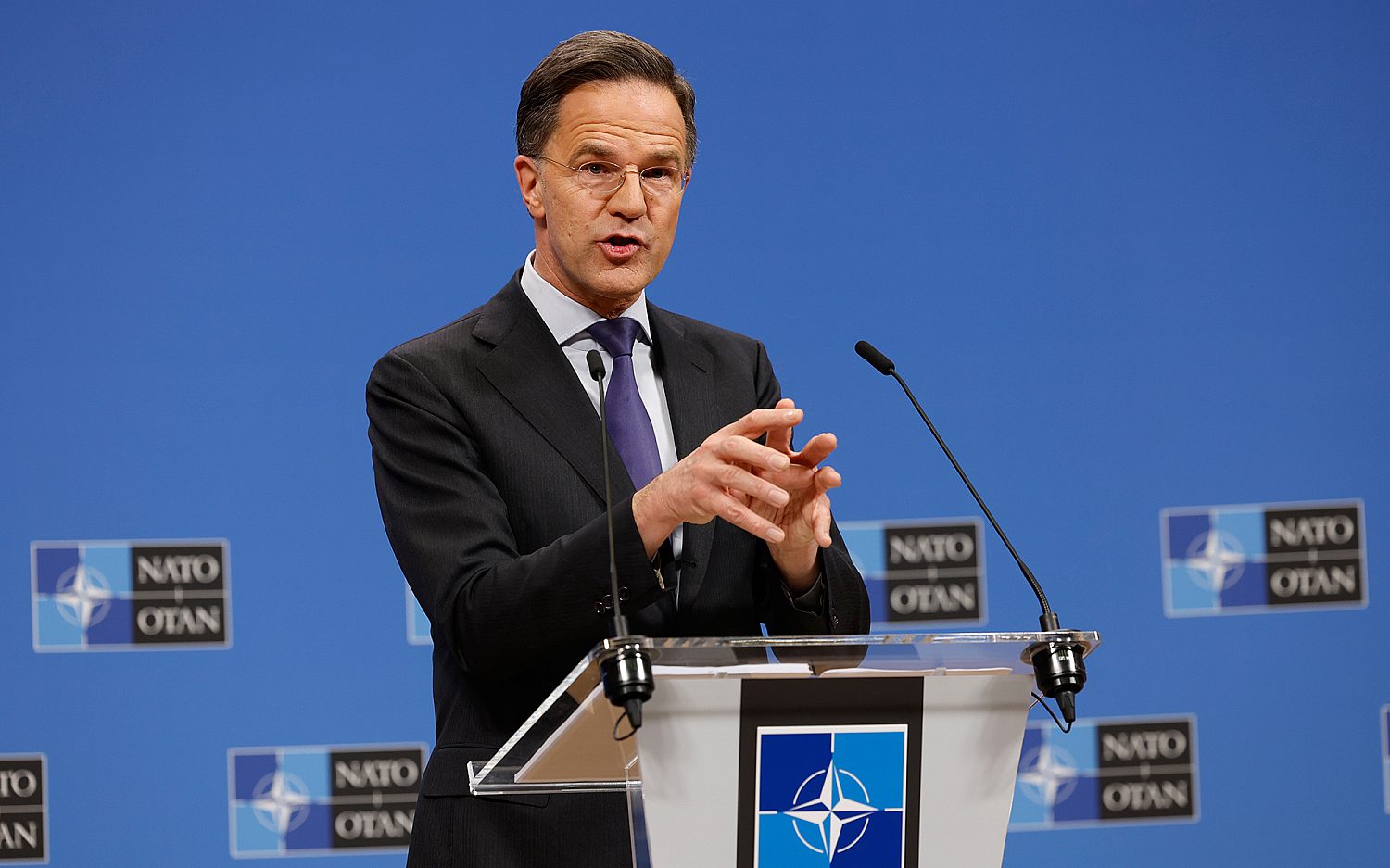
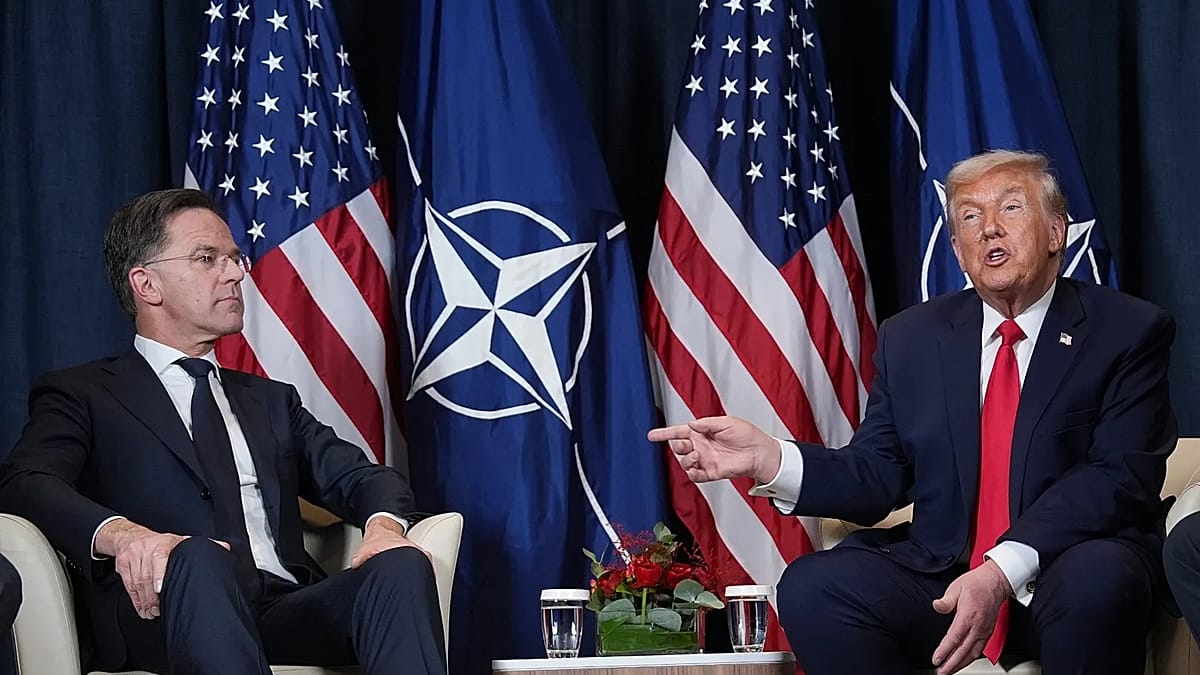
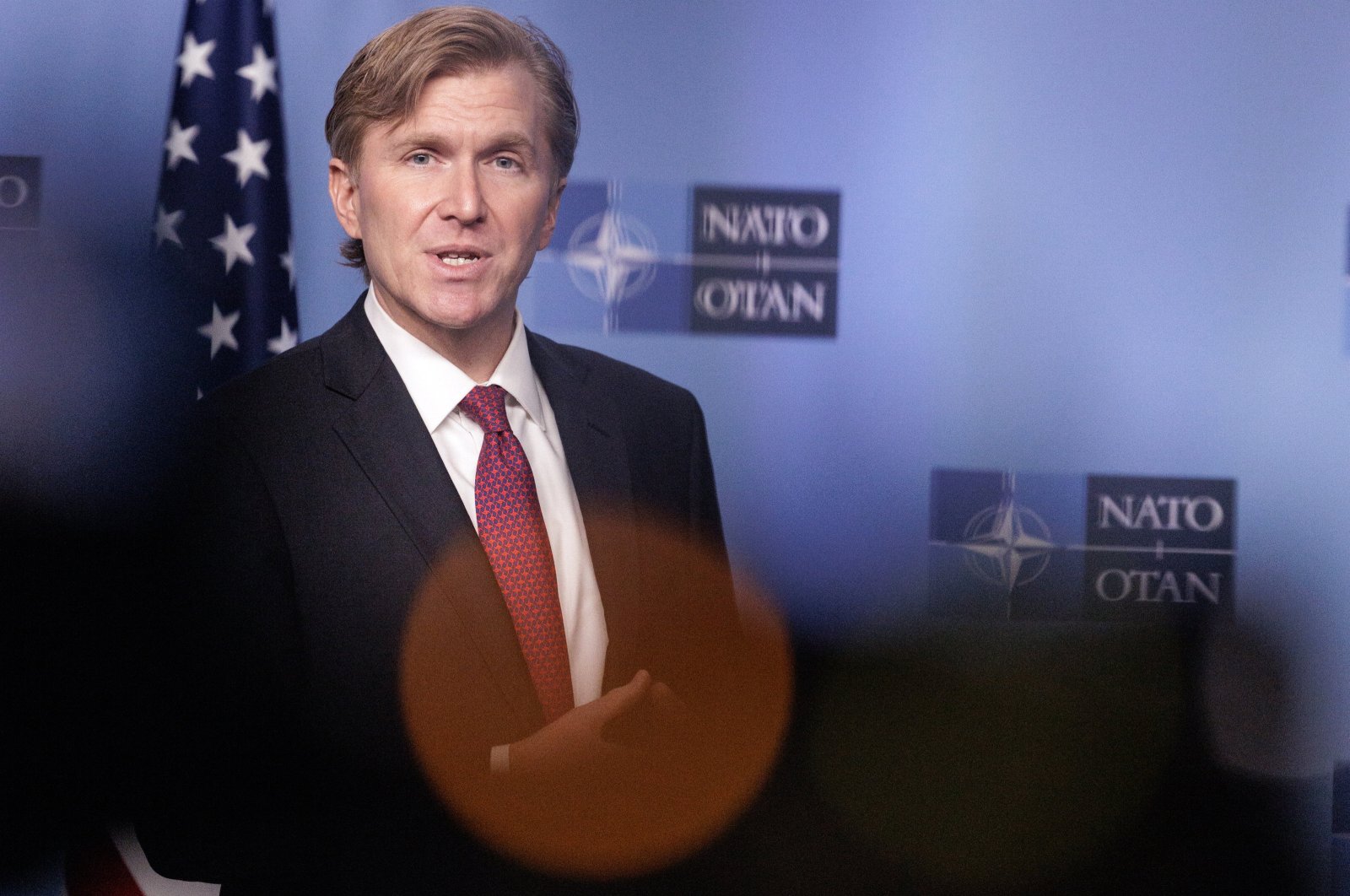
The geopolitical shift toward European military self-sufficiency is creating a multi-billion dollar procurement wave that extends far beyond traditional defense contractors. On February 12, 2026, Pentagon policy chief Elbridge Colby delivered a strategic message to NATO defense ministers in Brussels: European nations must substantially increase combat capabilities and take primary responsibility for continental defense, with the US reducing conventional forces from approximately 85,000 troops. This represents a fundamental reallocation of defense spending that creates cascading supply chain opportunities for cross-border sellers.
Germany's €118 billion military modernization commitment signals the scale of this opportunity. The UK announced an additional £682 million in air defense support to Ukraine, while Denmark committed to funding new ships, maritime patrol aircraft, and F-35 fighter jets. NATO European members collectively committed to increasing core defense spending to 3.5% of GDP by 2035—aligning with US levels. The Ukraine Contact Group (50 countries) committed $35 billion in military aid for 2026 alone. This spending surge creates demand across multiple product categories: industrial components (HS codes 8407-8409 for engines/turbines), electronics and semiconductors (HS 8542-8548), precision machinery (HS 8460-8479), and specialized materials. Sellers sourcing from Germany, Sweden, Finland, and Denmark will experience increased demand for industrial inputs, manufacturing equipment, and logistics services supporting defense production.
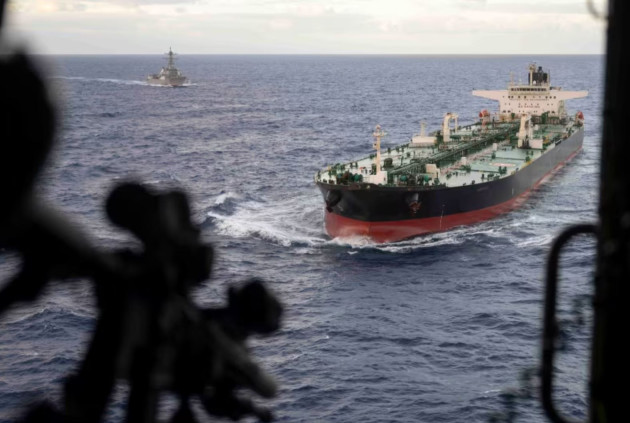
The Arctic Sentry mission announcement reveals a secondary opportunity in cold-weather and maritime equipment. NATO's formal Arctic defense initiative requires specialized equipment for extreme environments—thermal protection systems, maritime navigation technology, cold-weather logistics, and communications equipment. Denmark's Arctic packages include funding for new ships and maritime patrol aircraft, signaling demand for marine-grade components, navigation systems, and specialized materials. Sellers with access to cold-weather industrial products, maritime equipment, and specialized electronics can target European defense procurement channels. The shift from US-led NATO to European self-sufficiency also creates sourcing arbitrage: sellers can source defense-adjacent industrial products from Asia at lower costs and sell to European manufacturers ramping production. Tariff advantages exist for sellers routing products through EU defense procurement channels, which often receive preferential treatment under government contracts. The 2026-2035 timeline provides a 9-year window before spending targets stabilize, creating urgency for suppliers to establish relationships with European defense contractors now.
Questions 8
How does the shift from US-led NATO to European self-sufficiency affect sourcing strategies?
The Pentagon's announcement that the US will reduce European troop presence and expect European self-sufficiency creates a fundamental shift in sourcing. European defense contractors must increase domestic production capacity, creating demand for industrial suppliers and manufacturing equipment. Sellers can exploit sourcing arbitrage by purchasing defense-adjacent industrial products from Asia (China, Vietnam, India) at lower costs and selling to European manufacturers. The shift also creates opportunities for sellers to source from European suppliers directly and re-export to other NATO members, leveraging EU trade agreements. Sellers should diversify sourcing away from US-dependent supply chains and toward European and Asian suppliers supporting the defense modernization wave.
What product categories see the highest growth in European defense procurement?
Based on NATO's modernization priorities, the highest-growth categories are: (1) Air defense systems and electronics (UK's £682M commitment), (2) Maritime equipment and ships (Denmark's Arctic packages), (3) F-35 fighter jet components and support equipment, (4) Industrial engines and turbines (HS 8407-8409), (5) Semiconductors and electronics (HS 8542-8548), (6) Precision machinery (HS 8460-8479), and (7) Cold-weather specialized materials. Sellers with access to these categories should prioritize European defense contractor outreach. Industrial components and electronics represent the largest volume opportunities, while specialized cold-weather equipment offers higher margins due to limited competition.