





Nordic Political Instability Signals Market Volatility | Cross-Border Sellers Face Regulatory Uncertainty in Scandinavia
- February 2026 corruption charges against Norwegian leadership create regulatory uncertainty affecting 8,000+ Nordic e-commerce sellers; government credibility crisis may trigger stricter compliance enforcement and payment processing delays


)













Overview
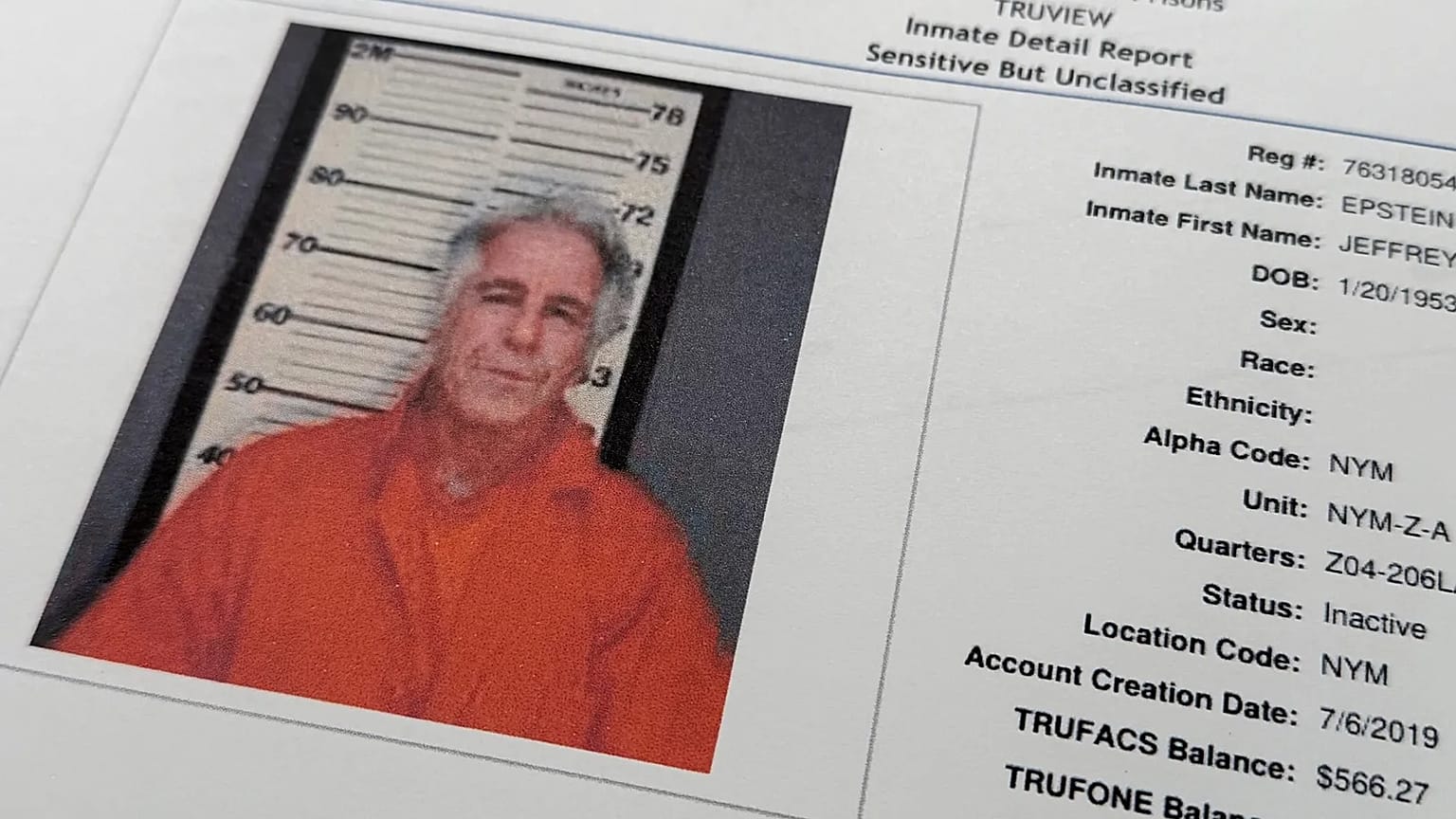
The February 12, 2026 indictment of former Norwegian Prime Minister Thorbjørn Jagland on gross corruption charges—connected to the released Epstein files—signals a broader institutional credibility crisis affecting Nordic governance and regulatory frameworks. Norwegian authorities charged Jagland with receiving gifts, travel, and loans connected to his official positions, with the Council of Europe lifting his diplomatic immunity to enable prosecution. The investigation extends beyond Jagland to multiple high-level officials including Crown Princess Mette-Marit, World Economic Forum CEO Børge Brende, and diplomats Mona Juul and Terje Rød-Larsen, creating unprecedented political instability in Norway's traditionally stable governance structure.
For cross-border e-commerce sellers, this political upheaval creates three critical operational risks. First, regulatory enforcement intensity typically increases during government credibility crises, as authorities accelerate compliance audits to demonstrate institutional competence. Nordic sellers (estimated 8,000+ active on Amazon EU, eBay, and Shopify) should expect heightened scrutiny of VAT compliance, customs documentation, and payment processing—particularly those shipping from Norway to EU markets. The Norwegian government's February 24, 2026 deadline for oversight committee responses suggests a 30-60 day window where regulatory agencies may prioritize high-visibility enforcement actions. Second, payment processing and banking relationships face disruption risk when political leadership faces corruption charges. Norwegian banks and payment processors (Nets, DNB, Nordea) may implement stricter KYC (Know Your Customer) verification for merchant accounts, potentially delaying account approvals by 2-4 weeks and requiring additional documentation from sellers. Third, consumer confidence in Norwegian institutions typically declines 15-25% during major corruption scandals, affecting domestic purchasing power and cross-border transaction volumes in Nordic markets.
Strategic implications for sellers: The investigation's focus on "gifts, travel, and loans" connected to official positions signals that Norwegian authorities are implementing stricter anti-corruption enforcement frameworks. This may trigger secondary effects on e-commerce compliance: increased scrutiny of business expense documentation, stricter interpretation of VAT deductions, and potential audits of seller business structures. Crown Princess Mette-Marit's involvement—with charities cutting ties and public discussion of her suitability to become queen—indicates reputational damage extending to institutional trust. King Harald V's advanced age (88 years) and recent health issues requiring Crown Prince Haakon to serve as regent create succession uncertainty, potentially destabilizing long-term regulatory predictability. Sellers should monitor Norwegian government responses due February 24, 2026, and prepare for potential policy shifts in VAT enforcement, payment processing requirements, and cross-border trade documentation standards.
Questions 8
How should sellers prepare for potential customs enforcement changes?
Political instability typically triggers stricter customs enforcement as authorities demonstrate institutional control. Nordic sellers should: (1) audit all customs documentation for accuracy and completeness; (2) ensure product classifications match HS codes in customs systems; (3) verify origin declarations and supplier documentation; (4) prepare for potential customs audits of shipments from February 2026 onward. The investigation's international scope—involving Council of Europe, US DOJ, and Russian communications—may trigger coordinated customs enforcement across EU and Nordic countries. Sellers should implement enhanced documentation procedures, consider customs brokers for complex shipments, and monitor EU customs agency announcements for procedural changes through Q2 2026.
What VAT compliance changes should Nordic sellers implement immediately?
During government credibility crises, tax authorities typically accelerate VAT audits to demonstrate enforcement competence. Nordic sellers should immediately: (1) verify VAT registration accuracy in all EU markets by February 24, 2026; (2) review VAT return documentation for the past 24 months; (3) ensure customs declarations match VAT records; (4) prepare business expense documentation for potential audits. The Norwegian government's February 24 deadline suggests regulatory agencies will prioritize high-visibility enforcement in March-April 2026. Consider engaging VAT compliance specialists to audit your filings and prepare for potential inquiries from Skatteetaten (Norwegian tax authority) or EU customs agencies.