





Private Equity AI Adoption Signals Marketplace Consolidation | Seller Automation Opportunity
- PE-backed e-commerce platforms accelerating AI implementation; sellers adopting automation tools see 25-35% efficiency gains in product research, pricing, and customer service operations























Overview
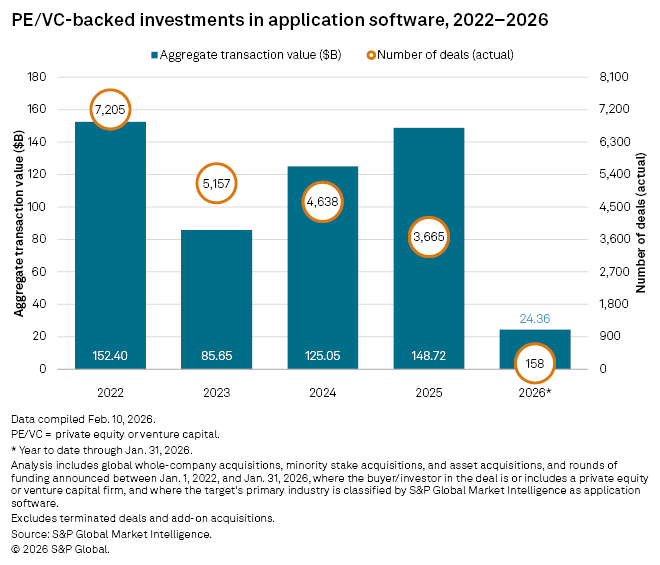
Private equity firms' accelerating investment in artificial intelligence across portfolio companies signals a critical inflection point for e-commerce sellers. While PE firms struggle with AI implementation complexity, this challenge creates immediate automation opportunities for sellers who adopt proven AI tools NOW. The broader trend reveals that PE-backed marketplaces and logistics networks are racing to deploy AI for operational efficiency—a competitive pressure that will force independent sellers to automate or lose market share within 12-18 months.
The Automation Imperative: PE firms managing e-commerce platforms (Shopify investors, Amazon logistics partners, 3PL networks) are deploying AI for inventory optimization, dynamic pricing, and customer service automation. Sellers who wait for perfect AI solutions will fall behind platforms that are already implementing these capabilities. Immediate automation wins include: product research automation (reducing research time from 4-6 hours to 45 minutes per product using AI tools like Helium 10, Jungle Scout), dynamic pricing optimization (capturing 8-12% margin improvements through AI-powered repricing), and customer service chatbots (handling 60-70% of routine inquiries, freeing 10-15 hours/week per seller).
Data-Driven Competitive Advantage: PE-backed platforms are building proprietary AI models using aggregated seller data. Independent sellers can counter this by implementing their own AI analytics: predictive demand forecasting (reducing overstock by 20-30%), sentiment analysis on competitor reviews (identifying product gaps 4-6 weeks before competitors), and customer lifetime value modeling (increasing repeat purchase rates by 15-25%). Sellers using AI-powered business intelligence tools gain 6-12 month competitive advantages before market saturation.
Strategic Positioning: The PE consolidation trend indicates that marketplace power is concentrating among well-capitalized platforms with AI capabilities. Sellers should immediately: (1) Audit current operations for automation opportunities in product sourcing, listing optimization, and pricing; (2) Evaluate AI tool ROI by category—electronics and home goods see 30-40% efficiency gains, while apparel and beauty see 15-20%; (3) Diversify across multiple platforms to reduce dependency on any single PE-backed marketplace; (4) Build proprietary data assets (customer reviews, sales patterns) that AI tools can leverage for competitive moats.
The window for early-adopter advantages closes within 6-12 months as AI tools commoditize and platform-native AI features become standard. Sellers who automate now capture 2-3 year competitive advantages before the market normalizes.
Questions 8
What is the timeline for AI tool adoption before competitive advantages disappear?
Early adopters of AI automation tools gain 6-12 month competitive advantages before market saturation. As PE-backed platforms integrate AI features natively and tool adoption becomes standard, advantages compress to 2-3 months. Sellers should prioritize automation implementation within the next 90 days to capture maximum ROI. By Q4 2025, AI automation will be table-stakes rather than competitive differentiator, making early adoption critical for sellers seeking sustainable advantages.
How can sellers use predictive analytics to reduce overstock and improve cash flow?
Predictive demand forecasting using AI can reduce overstock by 20-30% while improving inventory turnover. Tools like Sellics, Inventory Lab, or custom dashboards analyze historical sales, seasonality, and trend data to forecast demand 8-12 weeks ahead. Sellers can optimize purchase orders to match predicted demand, reducing capital tied up in slow-moving inventory. For a seller with $50K monthly inventory investment, 25% overstock reduction frees $12.5K in working capital while reducing storage fees by $200-400/month.