




Metals Tariff Rollback 2025 | Critical Opportunity for E-Commerce Sellers
- 50% tariff reduction negotiations could lower import costs 8-15% for metal-component sellers by Q2 2025


















Overview
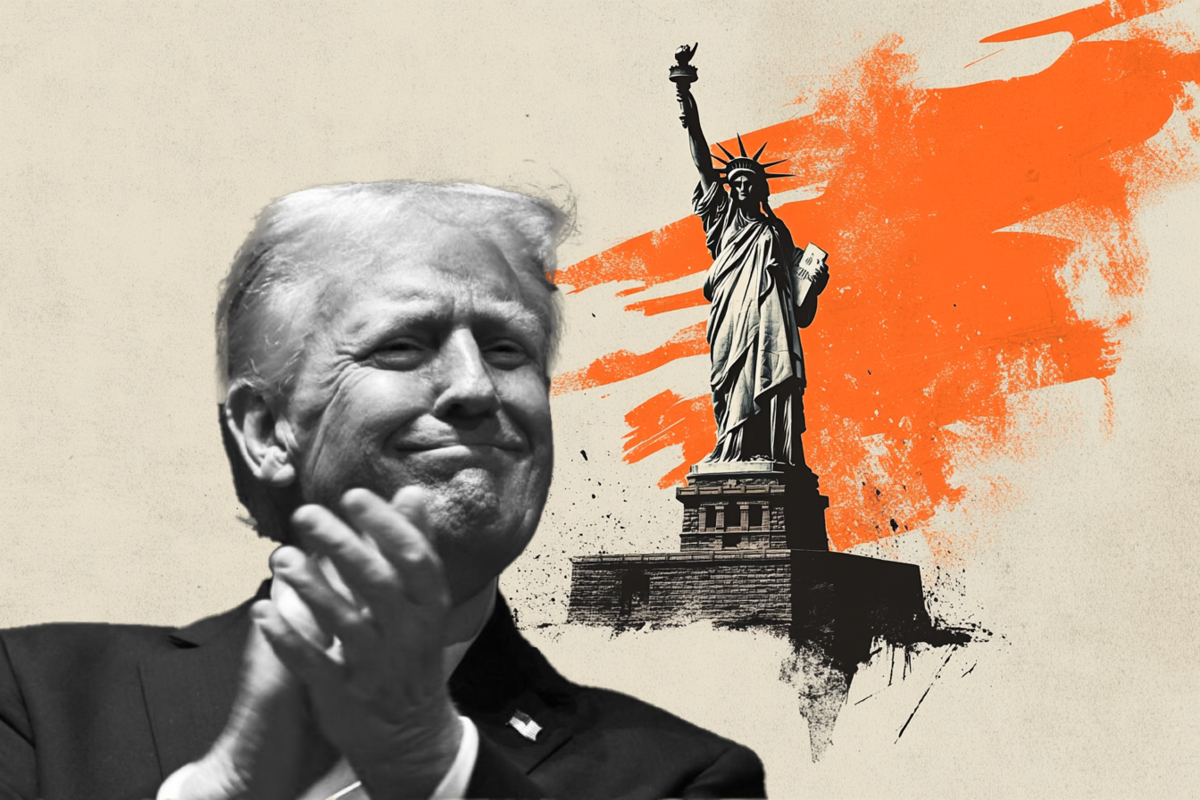
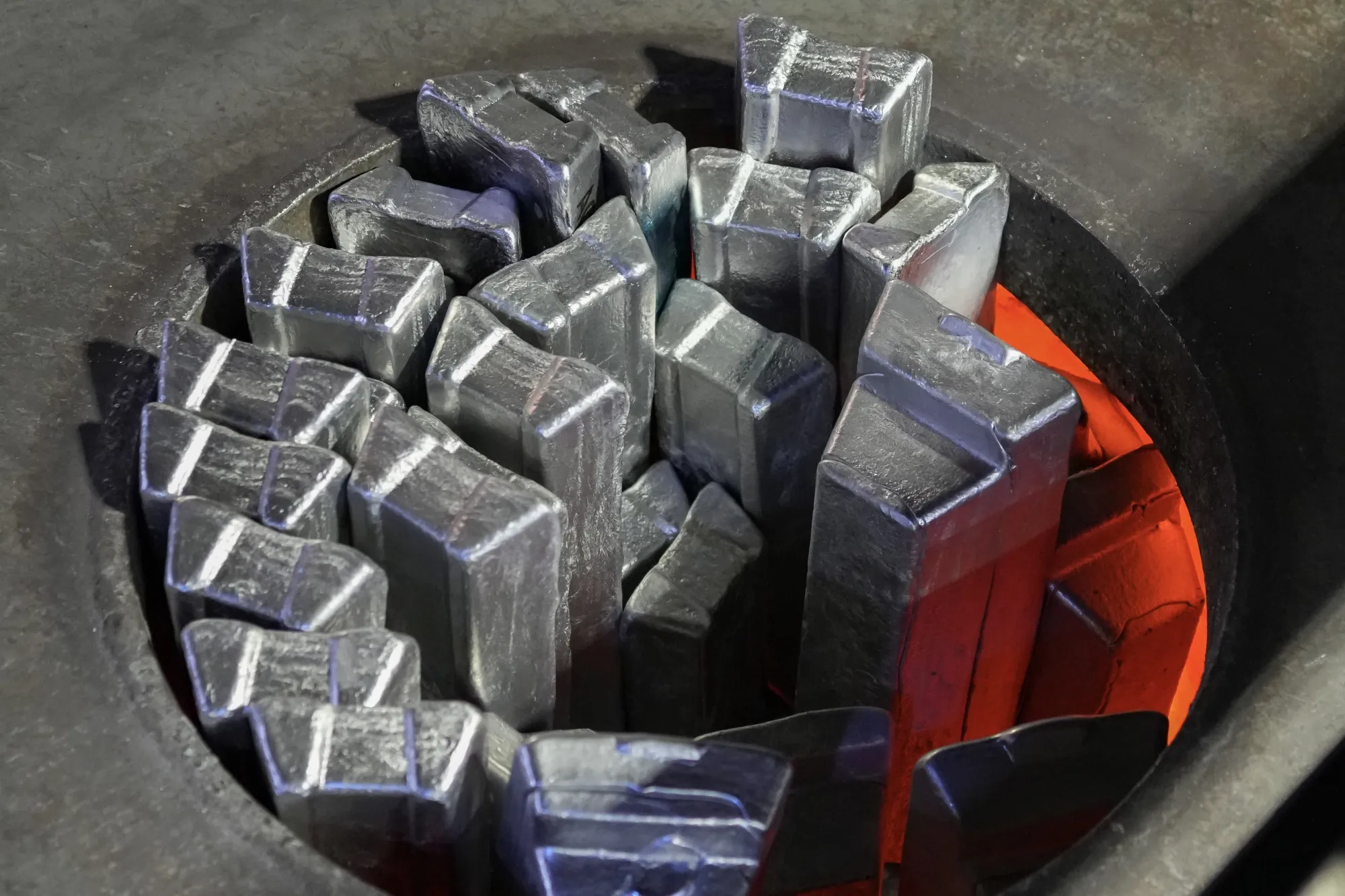
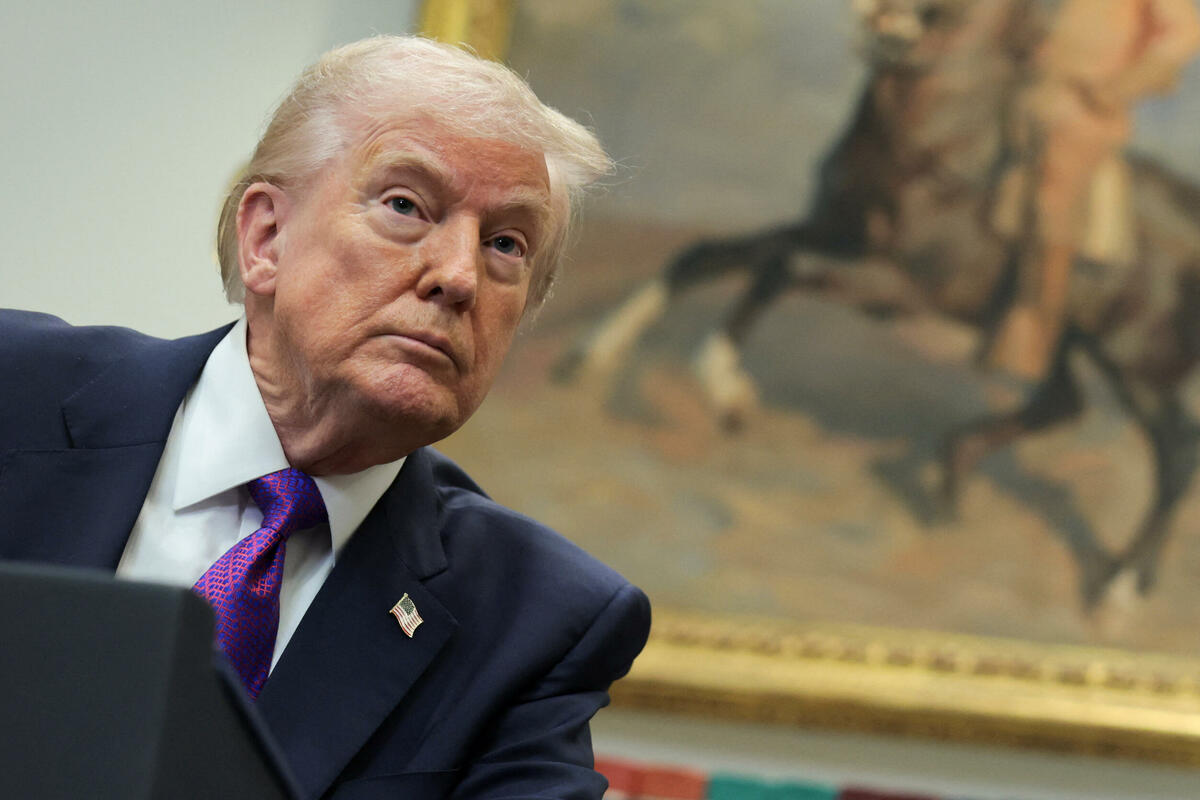
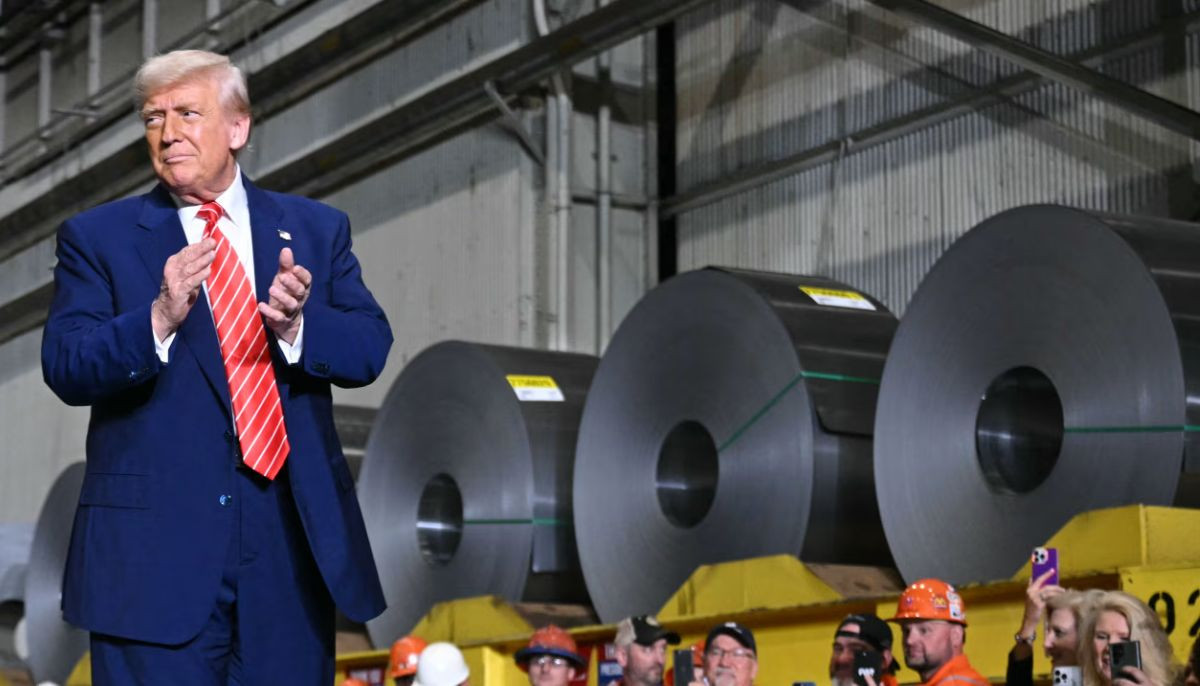
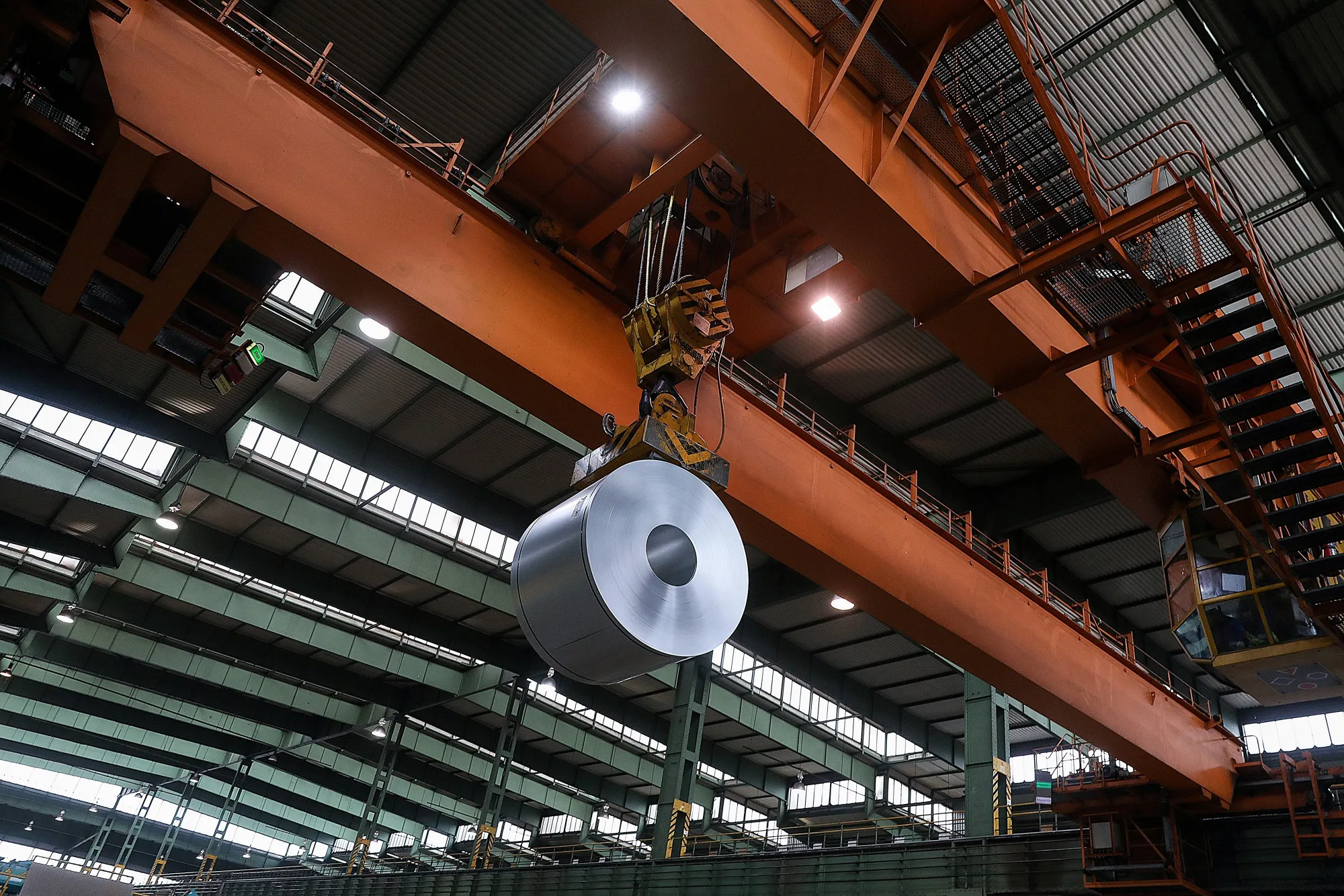
The Trump administration is actively negotiating to narrow the scope of broad 50% tariffs on steel and aluminum products imposed in 2025, creating a significant policy recalibration window for cross-border e-commerce sellers. The U.S. Trade Representative's Office is addressing compliance complications created by rushed implementation, with the European Union requesting tariff scope reductions as a condition of pending trade deals. This development directly impacts e-commerce sellers sourcing metal-containing products or metal components from European suppliers, potentially reducing tariff obligations and simplifying customs calculations within the coming months.
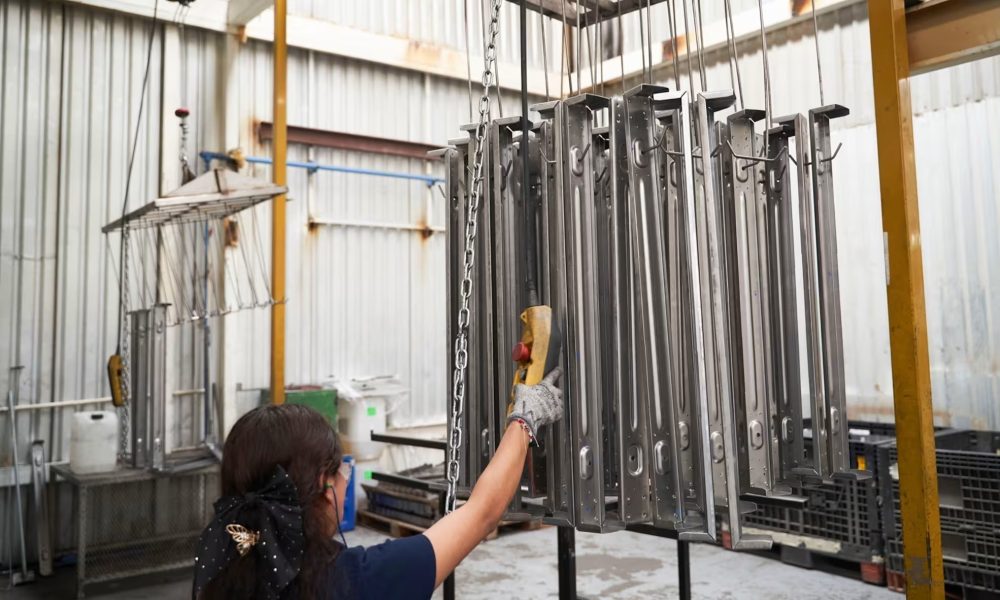
Tariff Arbitrage Opportunity: Sellers currently importing metal-intensive products (HS codes 7208-7326 for steel; 7601-7616 for aluminum) face 50% duties under the current broad framework. The negotiated rollback could reduce effective tariff rates to 15-25% for specific product categories, improving gross margins by 8-12% for affected sellers. Categories most likely to see relief include: stainless steel kitchenware (HS 7323), aluminum cookware (HS 7610), metal fasteners (HS 7318), and tool components (HS 8205). European suppliers—particularly from Germany, Italy, and Poland—are actively lobbying for exemptions, signaling that EU-sourced metal products will likely see the first tariff reductions.
Market Access Shift: The timing of EU-US trade negotiations suggests tariff modifications will be announced within 2-4 months, creating a critical window for sellers to adjust sourcing strategies. Sellers currently using China-based metal suppliers (facing potential additional tariffs) should evaluate European alternatives now, before tariff parity eliminates the cost advantage. Amazon FBA sellers importing metal components can expect reduced landed costs, improving competitiveness in categories like home improvement tools, kitchen equipment, and hardware accessories—categories that generated $12.3B in cross-border sales in 2024.
Compliance Simplification: The current broad tariff framework requires sellers to calculate duties on entire product categories, creating operational burden. The narrowed scope will likely introduce product-specific exemptions (by HS code), reducing compliance complexity and allowing sellers to use automated tariff classification tools. This simplification particularly benefits small-to-medium sellers (SMEs) who lack dedicated customs compliance teams, potentially reducing compliance costs by $200-400 monthly per seller.
Competitive Dynamics: Large sellers with established European supply chains (Amazon Brand Registry holders, established 3PL networks) gain immediate advantage as tariff reductions lower their cost basis. Mid-market sellers should prioritize sourcing diversification away from China toward EU suppliers before tariff parity eliminates the cost advantage window. The policy shift also signals reduced protectionism for domestic US metal producers, creating opportunities for sellers to source higher-quality European metals at lower effective costs than domestic alternatives.
Questions 7
What risks should I monitor regarding the tariff negotiations?
The primary risk is that tariff negotiations could stall or fail, leaving the 50% tariff in place longer than expected. The news indicates that the EU has made tariff scope reduction 'a condition of reaching a pending trade deal,' meaning that if broader trade negotiations collapse, tariff relief could be delayed indefinitely. Additionally, the administration could announce partial or category-specific reductions rather than broad rollbacks, meaning some metal products might see relief while others remain at 50%. Sellers should avoid over-committing to inventory purchases based on assumed tariff reductions until official announcements are made. Monitor USTR press releases weekly, track EU-US trade negotiation progress, and maintain flexibility in your sourcing strategy. Consider maintaining 30-45 days of inventory buffer rather than committing to large purchases until tariff modifications are officially announced and effective dates are confirmed.
When will the tariff modifications be officially announced?
The news indicates that tariff modifications may be announced within the coming months as part of broader EU-US trade agreement discussions, suggesting a Q2 2025 timeline. The U.S. Trade Representative's Office is actively negotiating with the European Union, which has made tariff scope reduction a condition of reaching a pending trade deal. This suggests that announcements could come as early as March-April 2025, coinciding with typical trade negotiation cycles. However, the exact timing depends on EU-US negotiation progress. Sellers should monitor official announcements from the U.S. Trade Representative's Office (ustr.gov) and the Commerce Department for specific details on which metal products or categories will see tariff reductions. Set calendar alerts for USTR press releases and subscribe to trade policy updates to catch announcements immediately.