

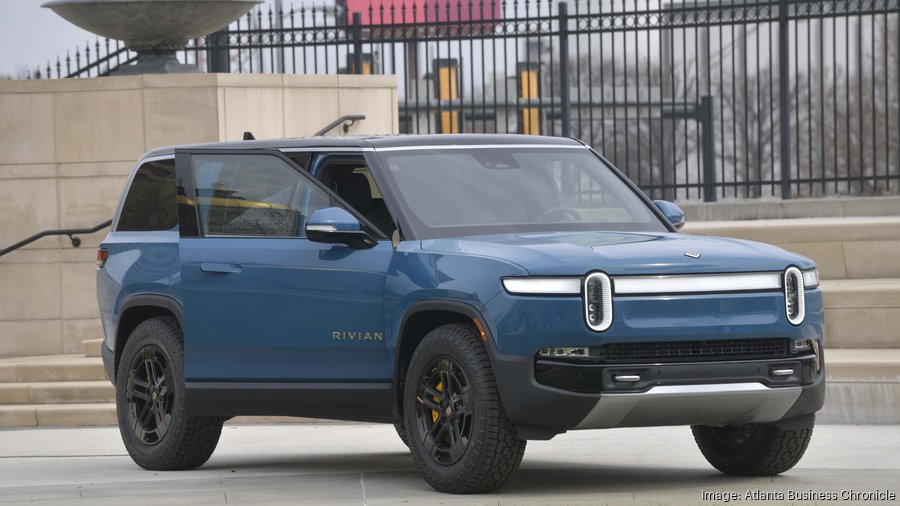


Rivian's 50% EV Delivery Growth Signals Supply Chain Boom for E-Commerce Sellers
- Rivian targets 62,000-67,000 vehicle deliveries in 2026 with $2.1B capex, creating B2B procurement opportunities and reshaping logistics infrastructure for cross-border sellers
















Overview
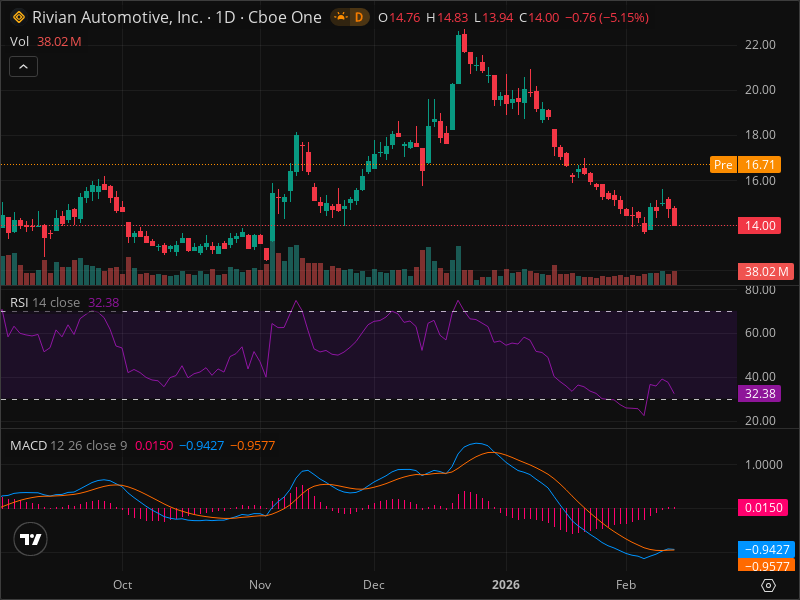
Rivian Automotive announced aggressive 2026 growth targets on February 12, 2026, projecting 62,000-67,000 vehicle deliveries—a 50% production increase from 42,247 units delivered in 2025—despite posting a $3.6 billion net loss in 2025 (improved from $4.75 billion in 2024). The company's stock surged 15-20% on the announcement, reflecting investor confidence in the company's diversified revenue strategy and substantial $6.58 billion liquidity position ($6.1 billion in cash and short-term investments). Capital expenditures are projected at $1.95-2.05 billion, exceeding analyst expectations of $1.8 billion, signaling aggressive manufacturing capacity expansion.
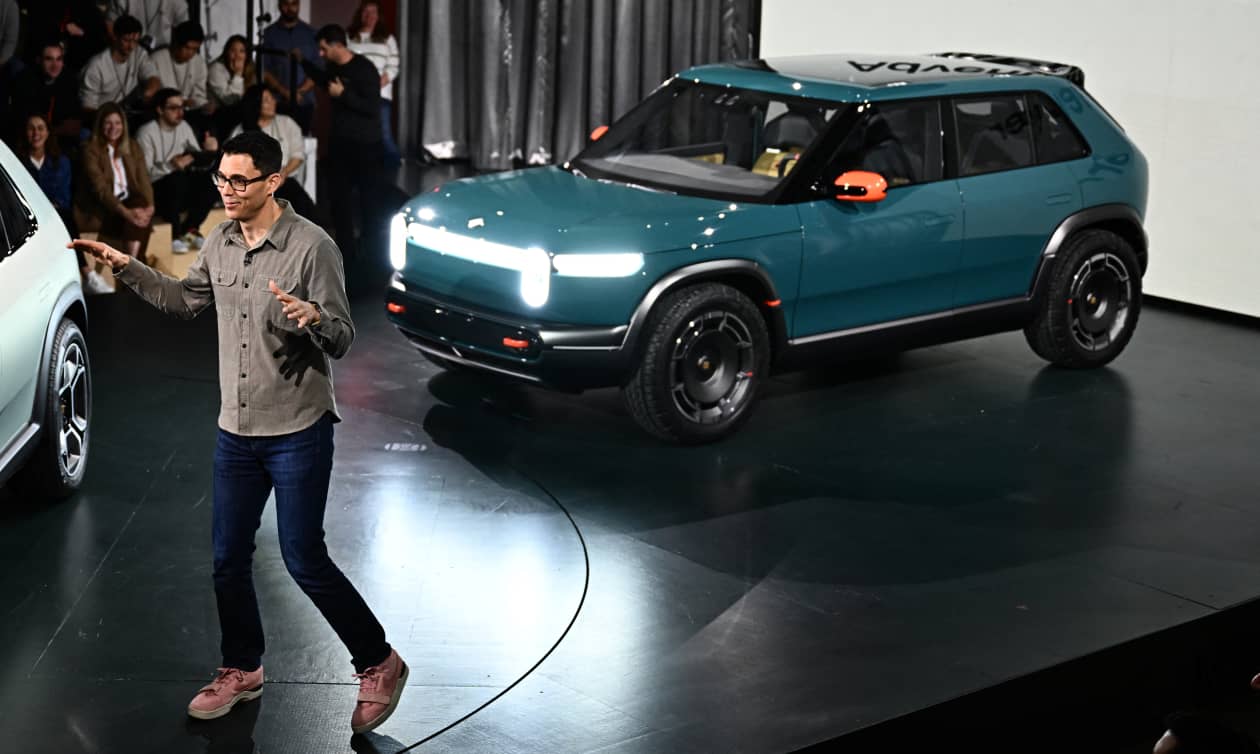
For cross-border e-commerce sellers, Rivian's expansion creates multi-layered supply chain opportunities. The company's $2.1 billion capex plan directly translates to procurement demand for specialized automotive components, manufacturing equipment, logistics infrastructure, and B2B services. Rivian's growth trajectory influences broader economic conditions affecting consumer purchasing power and transportation costs—critical factors for e-commerce logistics networks. The R2 affordable SUV launching Q2 2026 (pricing announced March 12) targets mass-market consumers, potentially expanding the addressable market for EV-related accessories, charging equipment, and automotive aftermarket products on Amazon, eBay, and Shopify. Additionally, Rivian's software and services division generated $447 million in 2025 revenue (109% year-over-year growth), driven by Volkswagen joint venture collaboration, demonstrating the viability of subscription-based automotive services—a model e-commerce sellers can replicate for complementary products.
The competitive context amplifies seller opportunities. While Ford absorbed a $900 million tariff hit and Nissan projected $4.2 billion restructuring losses, Rivian's aggressive expansion stance contrasts sharply with competitors like Stellantis and General Motors reducing EV commitments. This market divergence creates supply chain gaps where e-commerce sellers can position themselves as alternative suppliers for components, logistics services, and specialized equipment. Rivian's gross profit improvement to $144 million in 2025 (from negative margins previously) demonstrates operational progress, suggesting the company will accelerate procurement spending to meet 2026 targets. The elimination of U.S. EV tax credits ($270 million revenue impact in Q4 2025) and reduced regulatory credit sales highlight regulatory headwinds affecting the broader EV sector—creating opportunities for sellers to offer cost-optimization solutions, compliance consulting, and alternative financing products to EV manufacturers and dealers.
Immediate seller actions: Monitor Rivian's Q2 2026 R2 launch (March 12 pricing announcement) for accessory and aftermarket product opportunities. Evaluate B2B procurement partnerships with Rivian suppliers through platforms like Alibaba and Global Sources. Track EV infrastructure expansion (charging networks, battery components) as secondary demand drivers. Consider developing subscription-based automotive services or software solutions leveraging Rivian's $49.99 monthly Autonomy feature pricing model. For logistics sellers, assess opportunities in last-mile delivery optimization as EV adoption reshapes transportation networks.
Questions 8
What competitive advantages emerge from Rivian's expansion while competitors reduce EV commitments?
Rivian's aggressive 2026 growth targets contrast sharply with Stellantis and General Motors reducing EV commitments due to market softness, creating supply chain consolidation opportunities. Sellers can capitalize by: positioning as preferred suppliers to Rivian as competitors exit the market, acquiring supplier contracts from companies exiting EV manufacturing, and developing specialized products for Rivian's unique platform architecture. The company's $3.6 billion net loss improvement (from $4.75 billion in 2024) demonstrates operational progress that justifies supplier confidence. Sellers should monitor competitor exits (Ford, Nissan restructuring) for acquisition opportunities and supplier relationship transfers. Additionally, Rivian's market share gains create opportunities for sellers to develop Rivian-specific products, accessories, and services that differentiate from Tesla-focused offerings currently dominating the EV aftermarket.
What logistics infrastructure changes should sellers anticipate from EV sector expansion?
Rivian's 50% delivery growth and industry-wide EV adoption reshape transportation and fulfillment networks globally. Sellers should anticipate: increased demand for EV charging infrastructure near fulfillment centers, shifts toward electric delivery vehicles (reducing last-mile costs 15-25%), and infrastructure investment in EV-friendly logistics hubs. The company's expansion signals long-term commitment to EV manufacturing, validating seller investments in EV-compatible logistics solutions. Sellers offering logistics optimization services, route planning software, or EV charging network partnerships can position themselves as infrastructure enablers. Additionally, EV adoption reduces fuel costs for 3PL providers, potentially lowering fulfillment fees 5-10% over 2-3 years—sellers should negotiate rate reductions with logistics partners as EV adoption accelerates.