




AI Logistics Disruption Reshapes 3PL Costs | Seller Supply Chain Strategy 2026
- $17.4B market selloff signals 15-20% potential rate increases for 3PL services; sellers must diversify carriers and lock in contracts before Q2 2026




























Overview
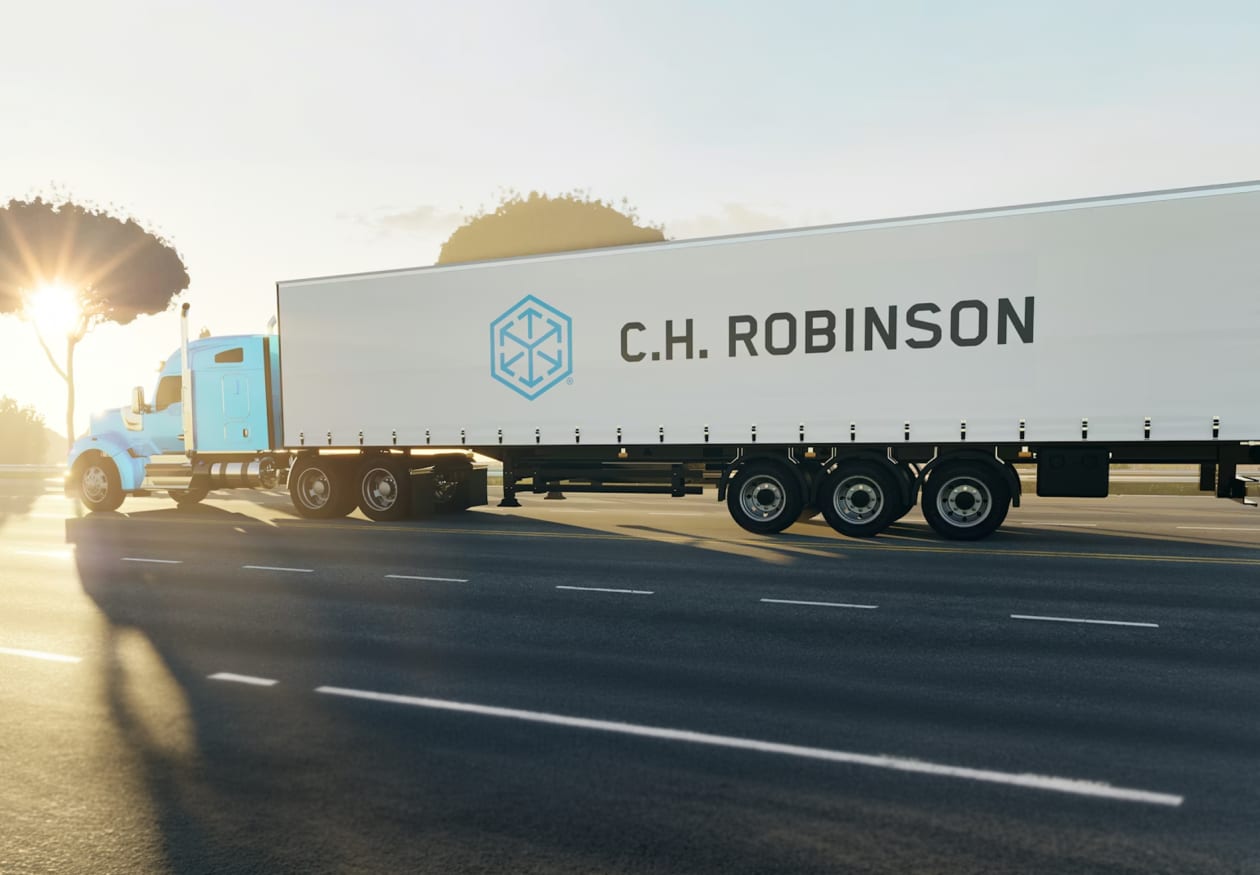
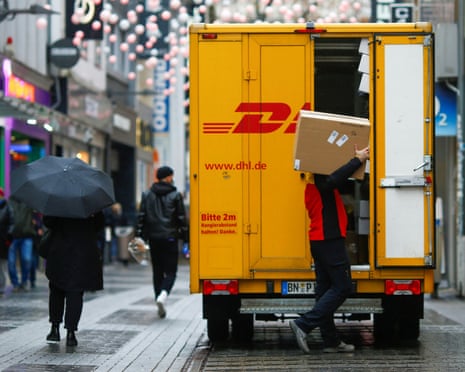
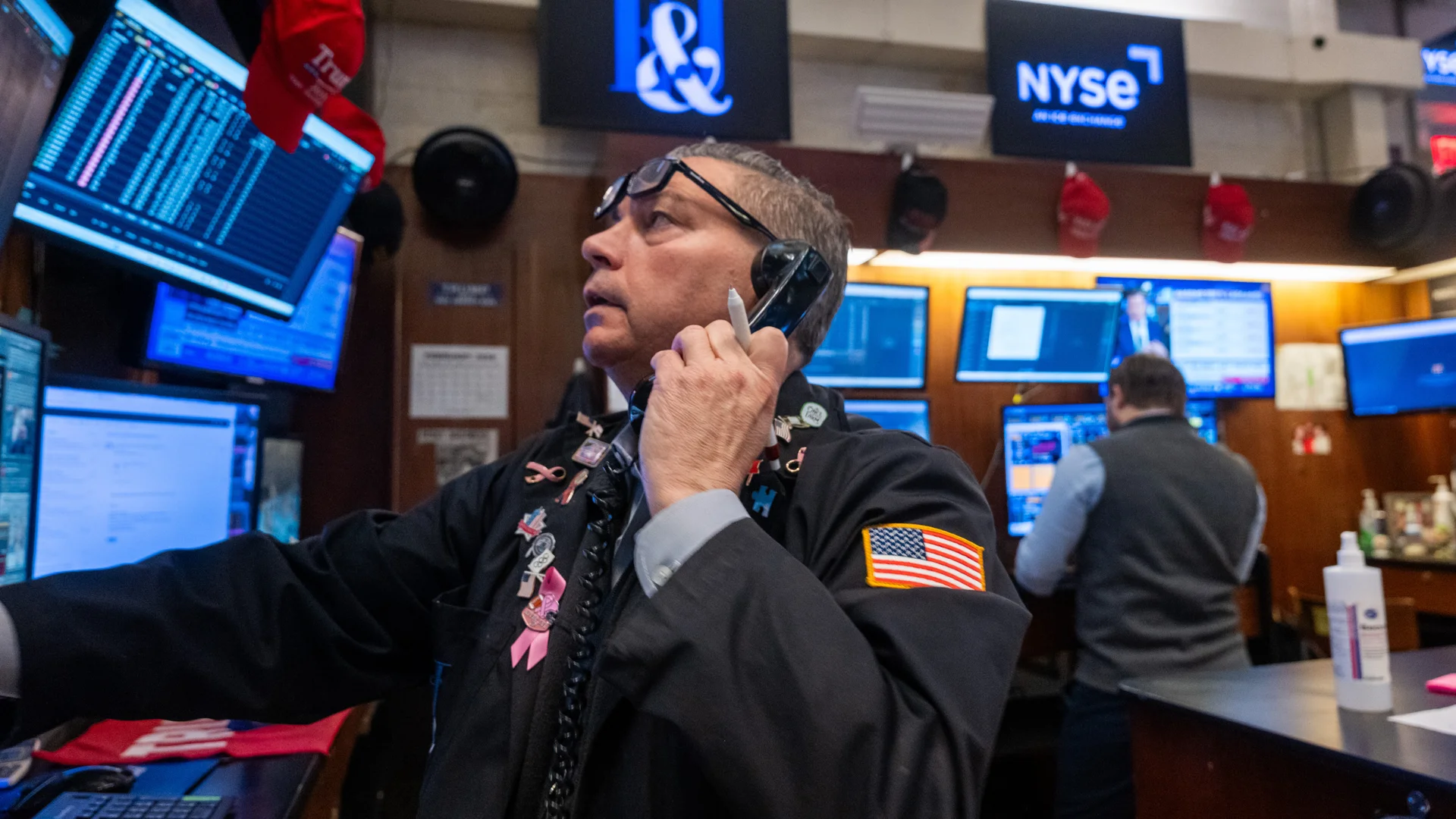
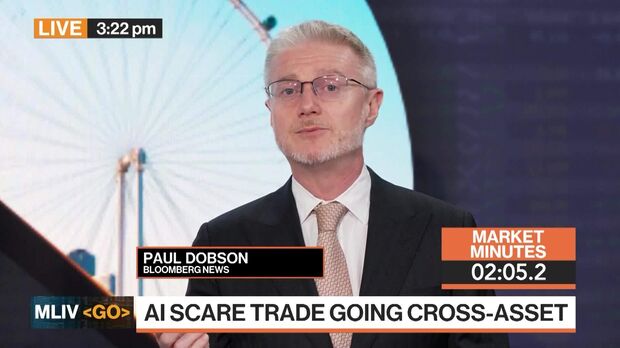
On February 12-13, 2026, the Dow Jones Transportation Average experienced its worst trading day since April 2025, declining 4% with 17 of 20 index companies closing lower and collectively losing $17.4 billion in market capitalization. This dramatic selloff was triggered by Algorhythm Holdings' announcement of SemiCab, an AI-powered freight optimization platform claiming to increase customer freight volumes by 300-400% without increasing operational headcount. Major logistics providers were hit hardest: C.H. Robinson Worldwide fell 15% (down 24% intraday), Landstar System dropped 16%, RXO declined 20.5%, while European firms KuehneNagel International AG plunged 13% and DSV AS fell 11%. The Russell 3000 Trucking Index declined 6.6%, marking the worst performance since April 2025's tariff-driven turmoil.
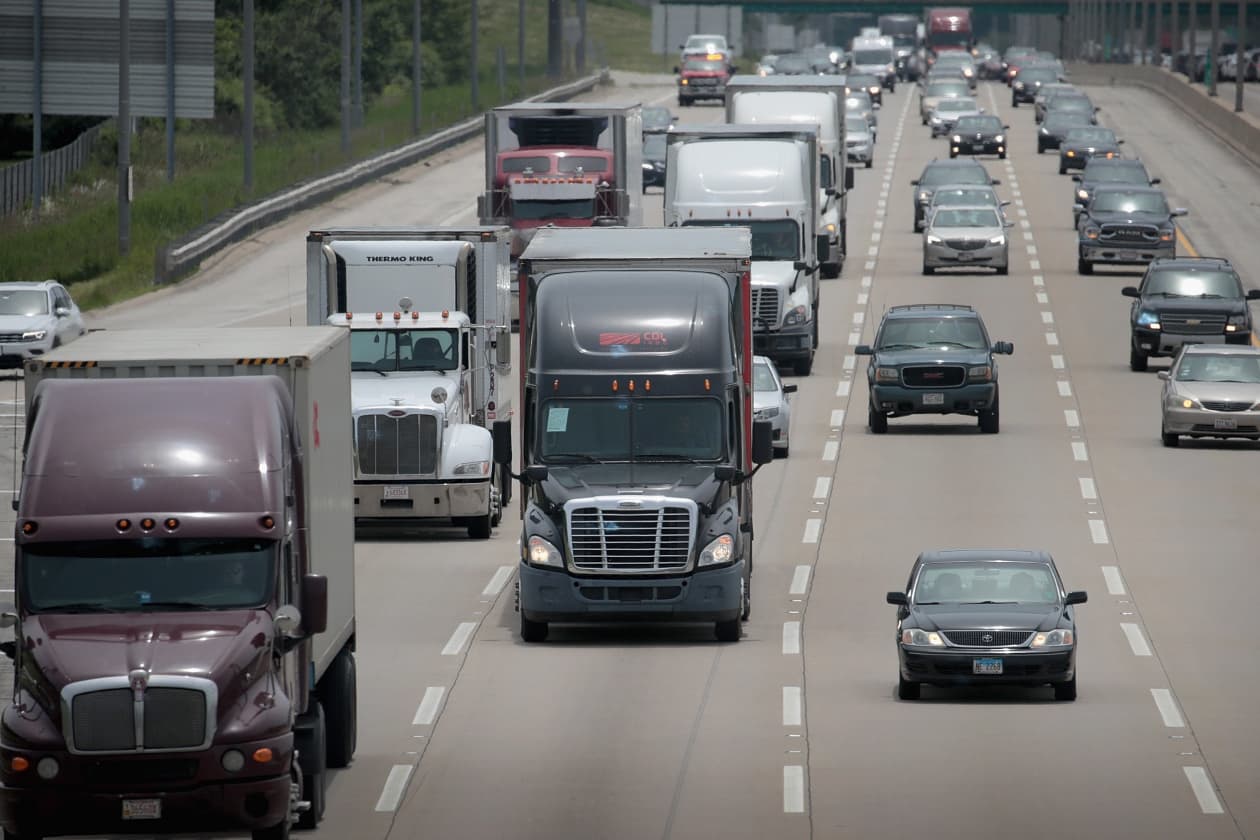
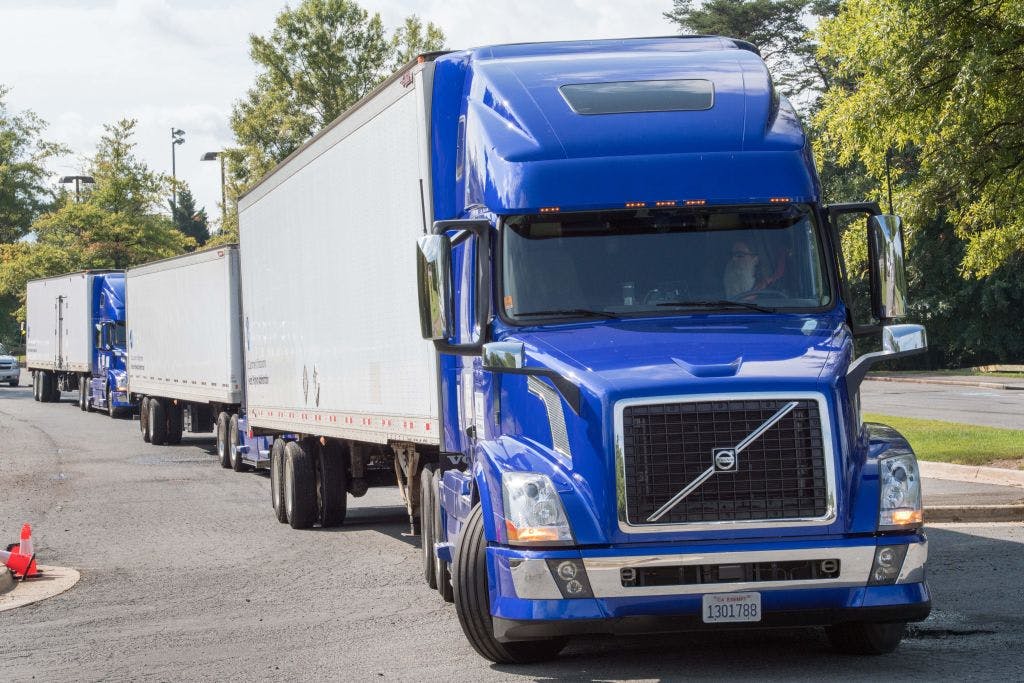
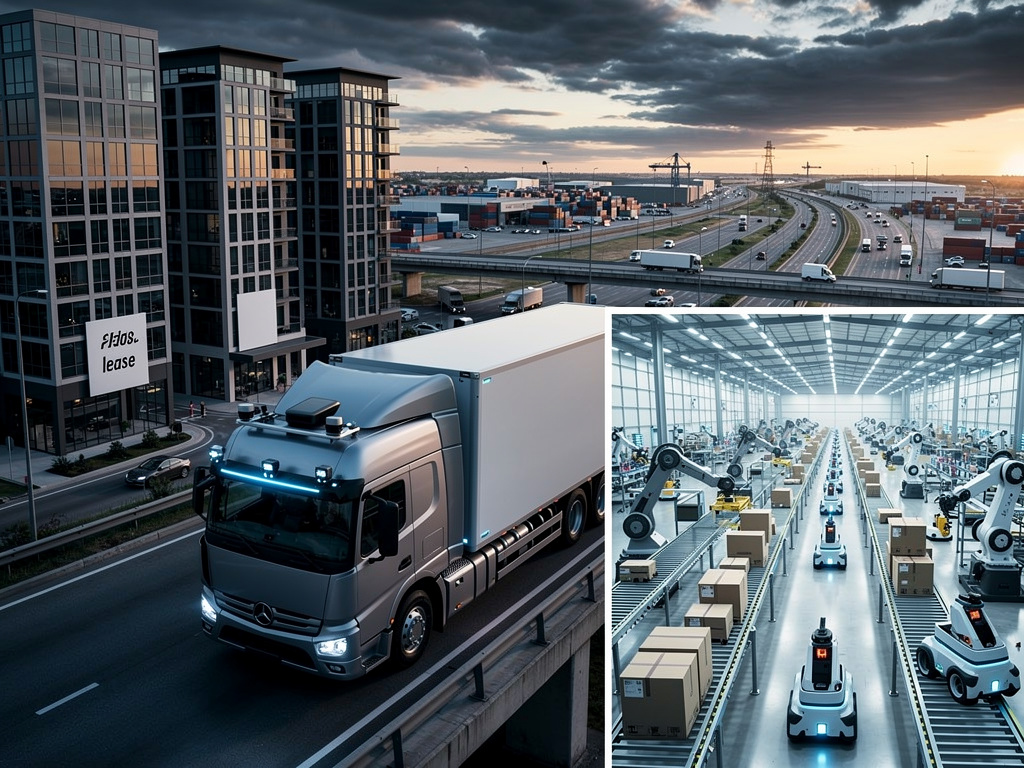
For cross-border e-commerce sellers, this market volatility signals critical supply chain restructuring ahead. The sharp decline in 3PL valuations reflects investor concerns about AI-driven automation eliminating traditional logistics jobs and disrupting established business models. This creates a paradox: while AI threatens traditional trucking employment, it simultaneously promises efficiency gains that could reduce logistics costs for e-commerce businesses in the medium to long term. However, the immediate implications are concerning—companies facing financial pressure may consolidate, reduce service quality, or increase rates to maintain profitability. Sellers relying on C.H. Robinson, Landstar System, and similar 3PL providers for inventory movement and last-mile delivery face potential service disruptions and pricing volatility during this transition period.
Immediate logistics cost implications are substantial. Industry analysts expect 3PL providers to increase rates by 15-20% in Q2-Q3 2026 to offset margin compression from AI-driven competitive pressure and investment in automation infrastructure. Sellers currently paying $2,000-3,000 monthly for LTL (less-than-truckload) shipments should anticipate increases to $2,300-3,600 monthly. For sellers managing 100+ shipments monthly, this translates to $30,000-60,000 annual cost increases. The market correction may accelerate consolidation among weaker players, potentially creating more efficient, technology-enabled logistics networks long-term, but the transition period (6-18 months) will be volatile. Sellers should immediately diversify logistics partnerships, lock in fixed-rate contracts before Q2 2026, and evaluate alternative fulfillment models including Amazon FBA, regional 3PLs, and dropshipping arrangements to mitigate supply chain risks and cost exposure during this critical transition period.
Questions 8
What specific actions should I take in the next 30 days to protect my supply chain?
Execute these immediate actions: (1) Audit your 3PL contracts—identify expiration dates and lock in fixed rates before March 31, 2026; (2) Request rate quotes from 2-3 alternative carriers (regional 3PLs, smaller carriers, freight brokers) to establish competitive benchmarks; (3) Evaluate Amazon FBA capacity for 30-40% of inventory, especially fast-moving SKUs; (4) Monitor your primary 3PL provider's financial health via SEC filings and industry news; (5) Implement demand forecasting to optimize inventory positioning and reduce emergency shipments (which carry premium rates); (6) Negotiate volume commitments with carriers to secure better pricing. By April 15, 2026, you should have diversified carrier agreements and locked-in rates for Q2-Q3.
Should I switch from C.H. Robinson or Landstar to alternative 3PL providers?
Not necessarily immediately, but diversification is critical. C.H. Robinson fell 15% and Landstar dropped 16% on February 13, 2026, signaling investor concerns about their competitive positioning. Rather than switching entirely, negotiate multi-carrier agreements with 2-3 providers to reduce dependency on any single carrier. Evaluate regional 3PLs and smaller carriers that may offer competitive rates during this transition. For high-volume sellers (100+ shipments monthly), consider Amazon FBA for 30-40% of inventory to reduce 3PL exposure and hedge against rate increases.