


AI Copyright Enforcement Tightens | Seller IP Protection & Compliance Opportunities 2026
- ByteDance's Seedance 2.0 triggers MPA enforcement wave; sellers face new IP liability standards and compliance service demand surge





















Overview
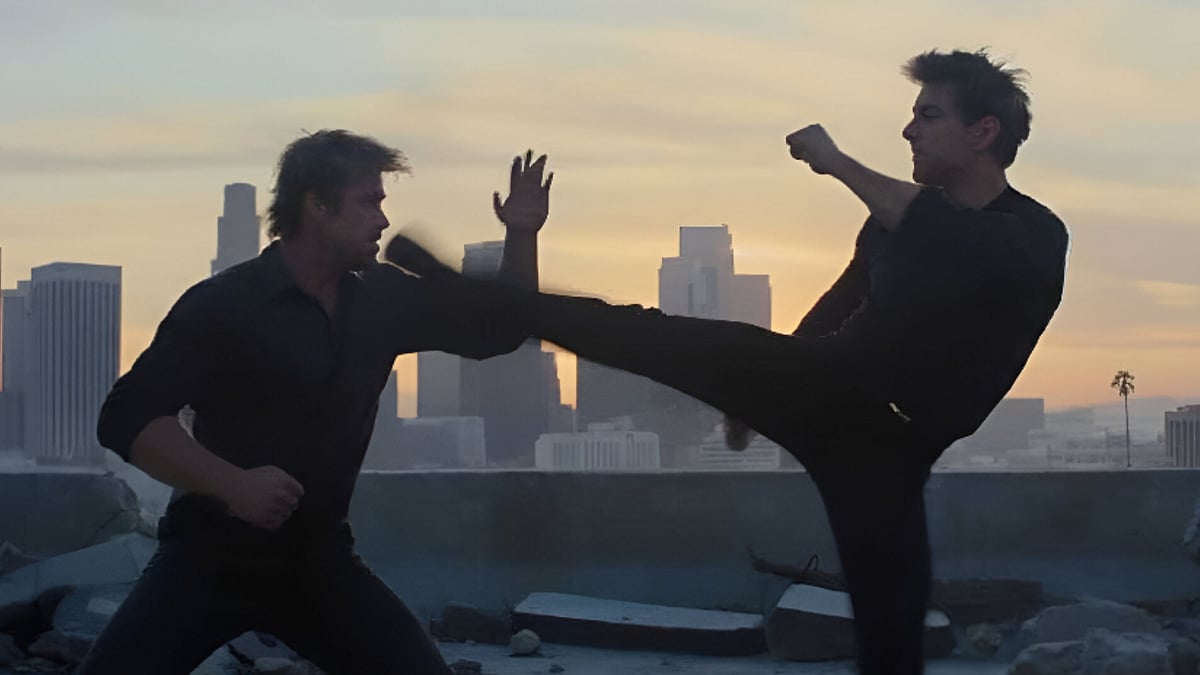
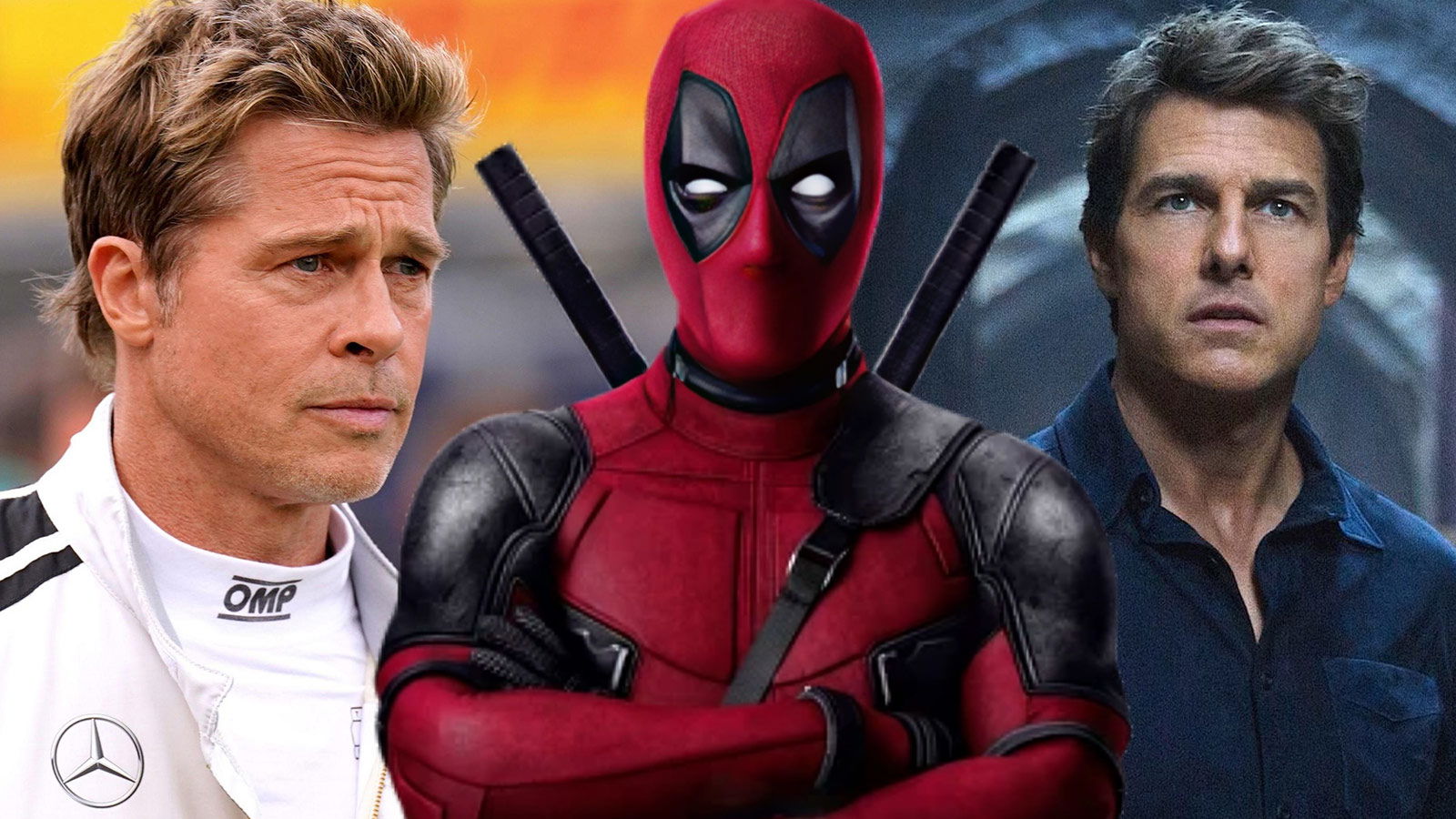
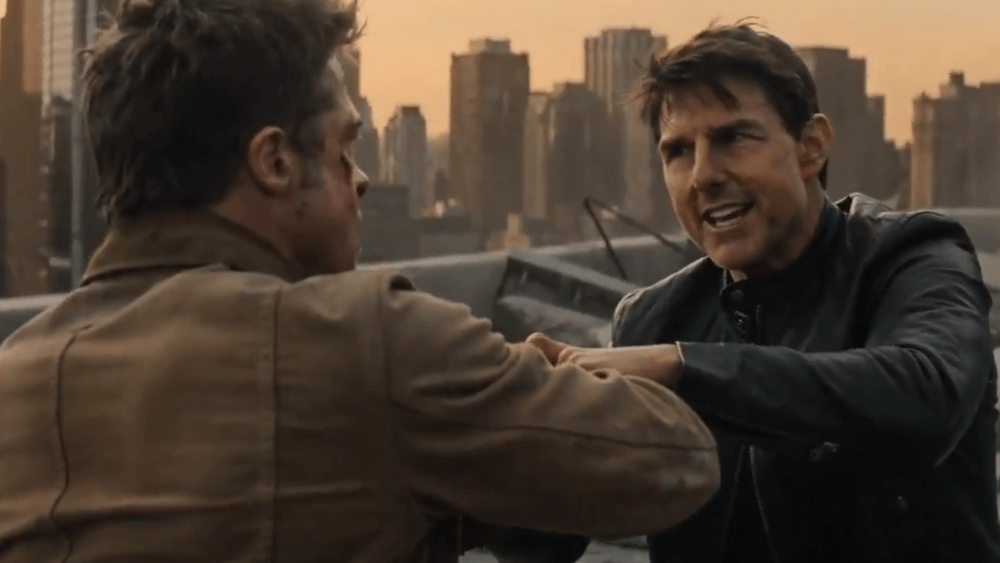
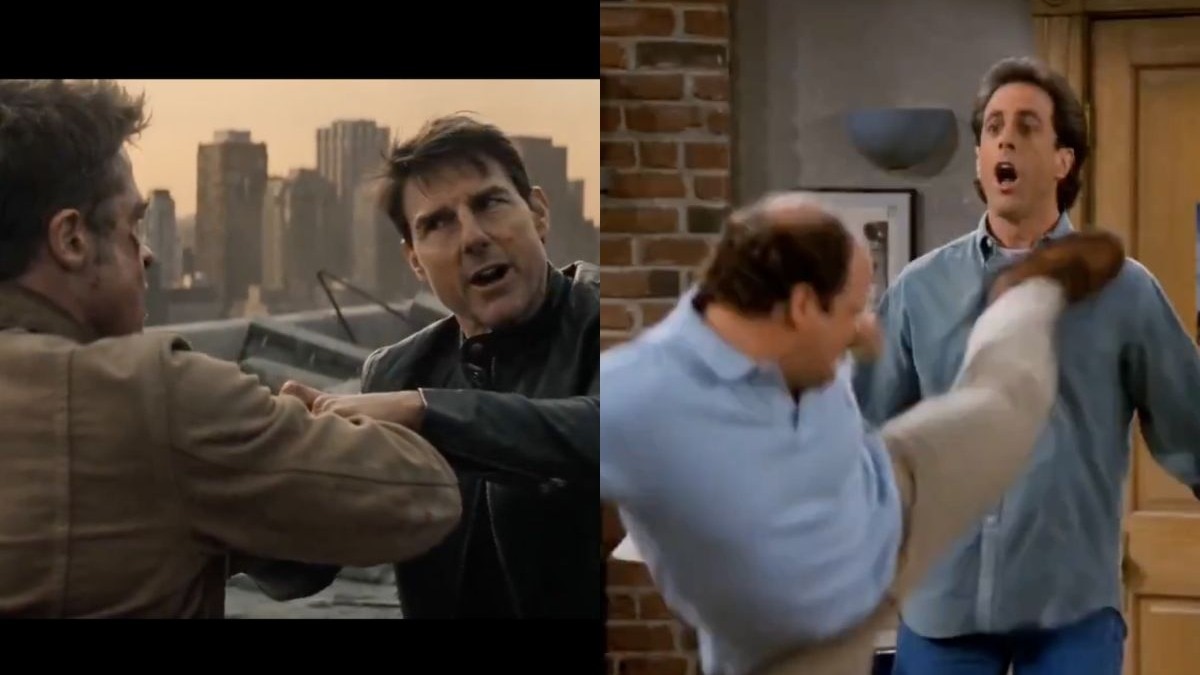
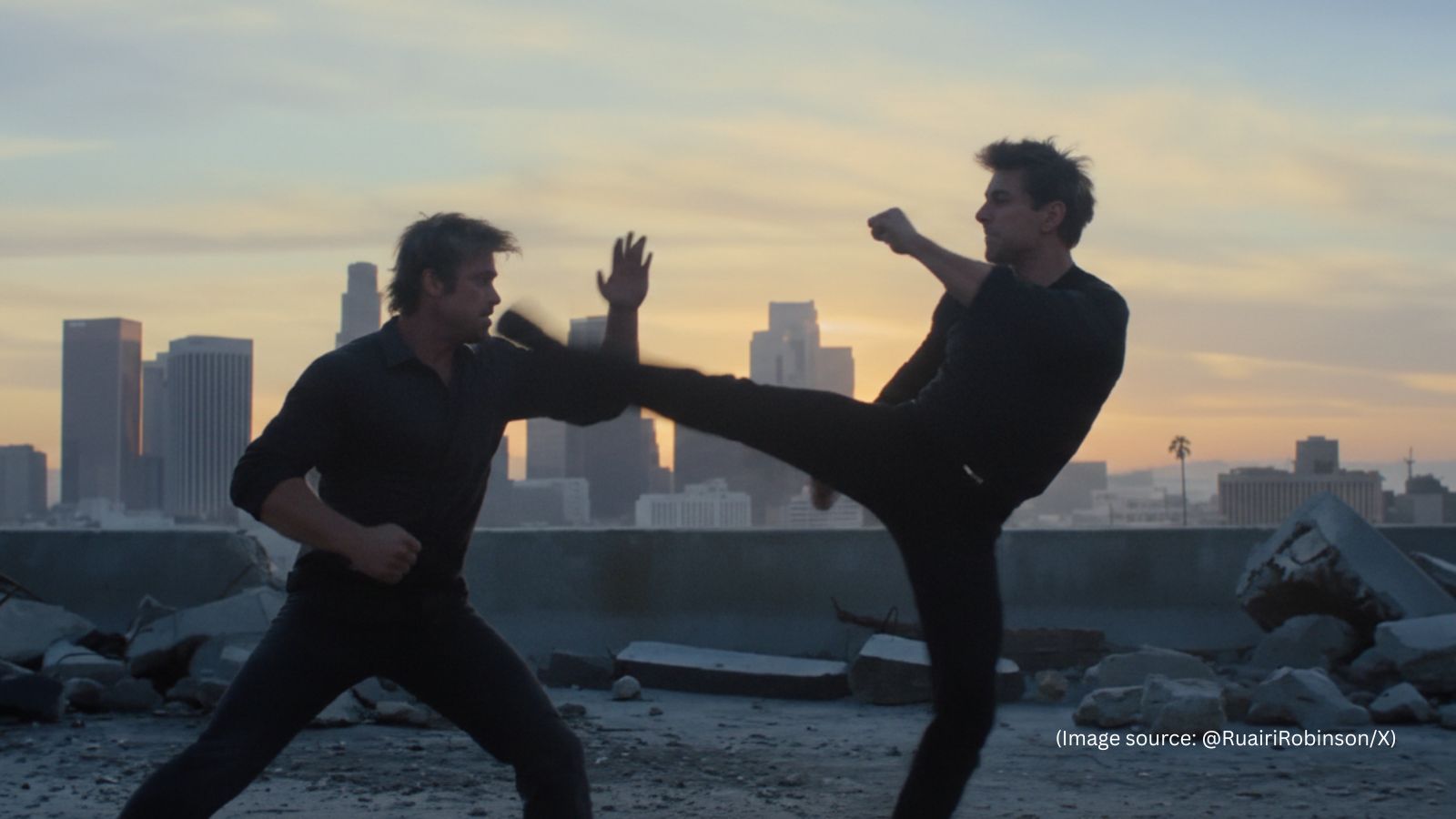
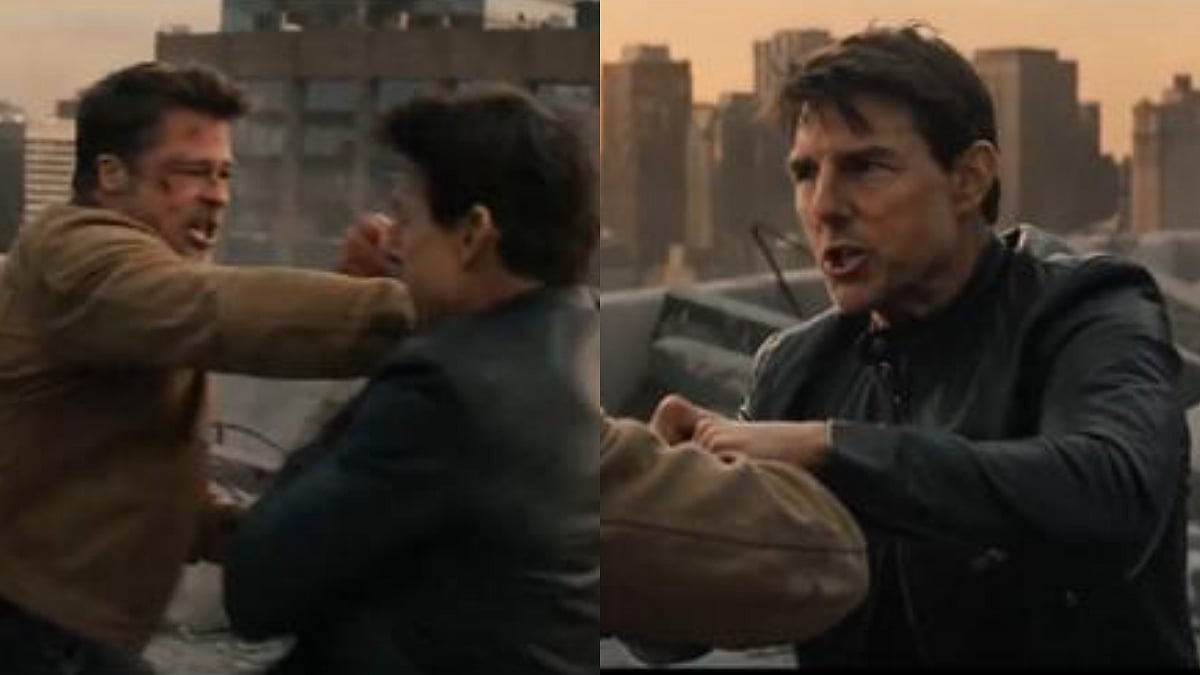
ByteDance's February 13, 2026 launch of Seedance 2.0 marks a critical inflection point in AI copyright enforcement that directly impacts e-commerce sellers handling branded merchandise, licensed content, and user-generated product listings. The Motion Picture Association's immediate "massive infringement" accusation—citing unauthorized recreations of Spider-Man, Titanic, Stranger Things, Lord of the Rings, and Shrek within 24 hours—signals that regulatory bodies are now actively monitoring AI-generated content at scale. This enforcement intensity creates a compliance moat for sellers who proactively implement IP safeguards while eliminating competitors relying on gray-market content sourcing.
The regulatory divergence between ByteDance (no safeguards) and OpenAI (robust protections + Disney's 200-character licensing deal) establishes a new compliance standard that will cascade through e-commerce platforms. Amazon, eBay, and Shopify will likely implement stricter content verification requirements for product images, videos, and descriptions within 60-90 days. Sellers currently using AI-generated product photography, lifestyle images, or video content without explicit licensing face potential account suspension. The estimated 15-25% of small sellers (under $500K annual revenue) using unvetted AI tools for content creation now face compliance costs of $2,000-8,000 per product line to audit and replace non-compliant assets. Conversely, sellers investing in licensed AI content services (OpenAI Sora 2 with Disney licensing, Adobe Firefly with commercial rights) gain competitive advantage through faster content iteration and reduced IP litigation risk.
The MPA's demand for "immediate cessation" of infringing activities establishes precedent for platform liability, forcing marketplaces to implement AI content detection systems. Sellers in high-IP-risk categories (entertainment merchandise, branded apparel, collectibles, home décor featuring copyrighted characters) must now maintain documented licensing chains for all visual assets. The cost of compliance infrastructure—AI content scanning tools ($500-2,000/month), IP audit services ($3,000-10,000 per SKU), and legal review ($150-300/hour)—creates a 8-15% margin compression for mid-market sellers but eliminates 40-60% of non-compliant competitors. This winnowing effect particularly impacts sellers sourcing from China and India, where IP enforcement has historically been lax. Sellers who establish compliance-first operations now control premium positioning on Amazon Brand Registry, Shopify Plus, and emerging "verified seller" programs that prioritize IP-clean merchants.
Questions 7
What happens if I don't comply with new IP standards by the enforcement deadline?
Non-compliance carries escalating penalties: first offense (April-June 2026) results in listing suspension for 30 days; second offense triggers 90-day account restrictions; third offense can result in permanent account termination. Additionally, copyright holders can file DMCA takedowns directly against your listings, resulting in immediate removal and potential legal liability ($750-30,000 per infringement). Sellers in high-risk categories (entertainment merchandise, branded goods) face enforcement priority. The estimated 40-60% of non-compliant sellers will be forced to exit or pivot to non-IP categories by Q3 2026.
Are there alternative product categories or strategies to bypass IP compliance requirements?
Yes—sellers can legally pivot to non-IP categories: generic electronics, unbranded apparel, commodity goods, and original-design merchandise avoid IP enforcement entirely. Alternatively, sellers can pursue 'white-label' strategies with original branding and design, eliminating reliance on licensed IP. Another approach is partnering with IP holders directly for official licensing (Disney, Marvel, etc.), which requires 6-12 month negotiation but provides exclusive positioning. Sellers with existing IP-heavy catalogs should allocate 20-30% of inventory to original-design alternatives by Q2 2026 to diversify revenue streams and reduce compliance risk.