

Autonomous Vehicle Safety Crisis Emerges as Waymo Confronts School Bus Compliance Challenges
- Regulatory scrutiny intensifies for self-driving technology amid critical safety incidents











































Overview
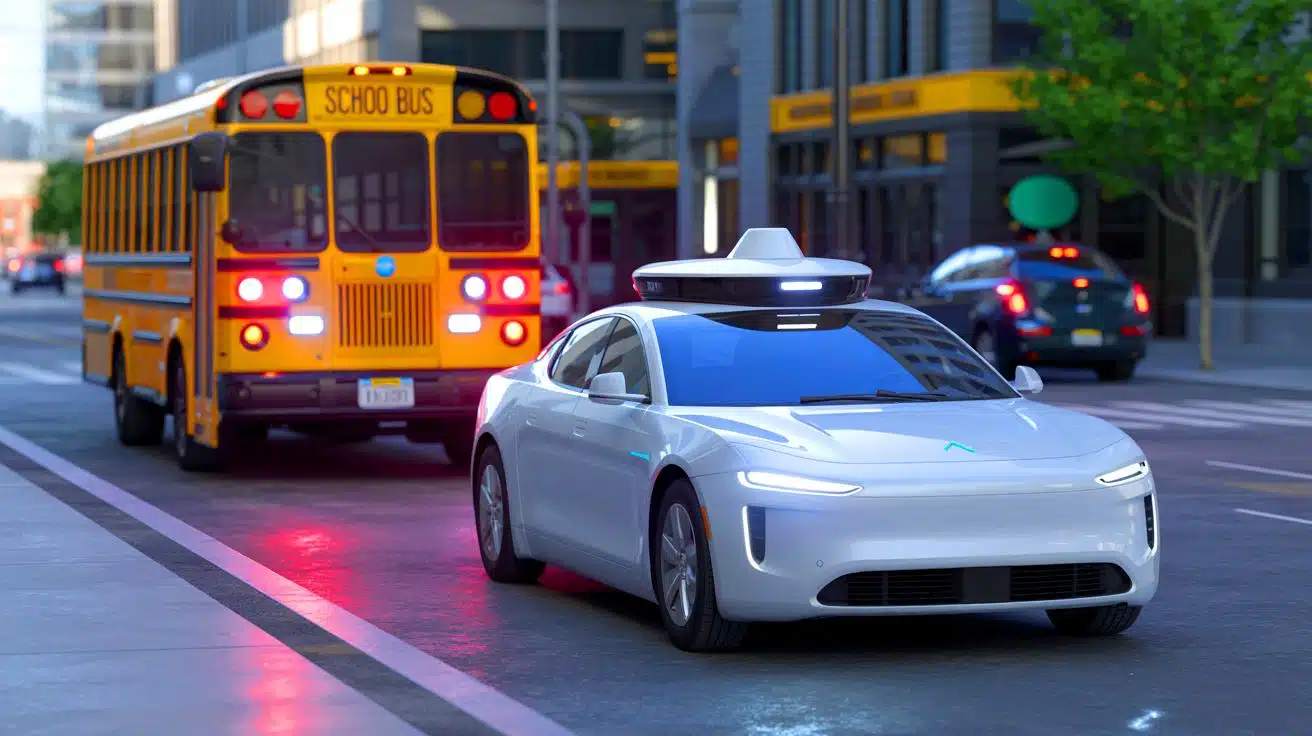
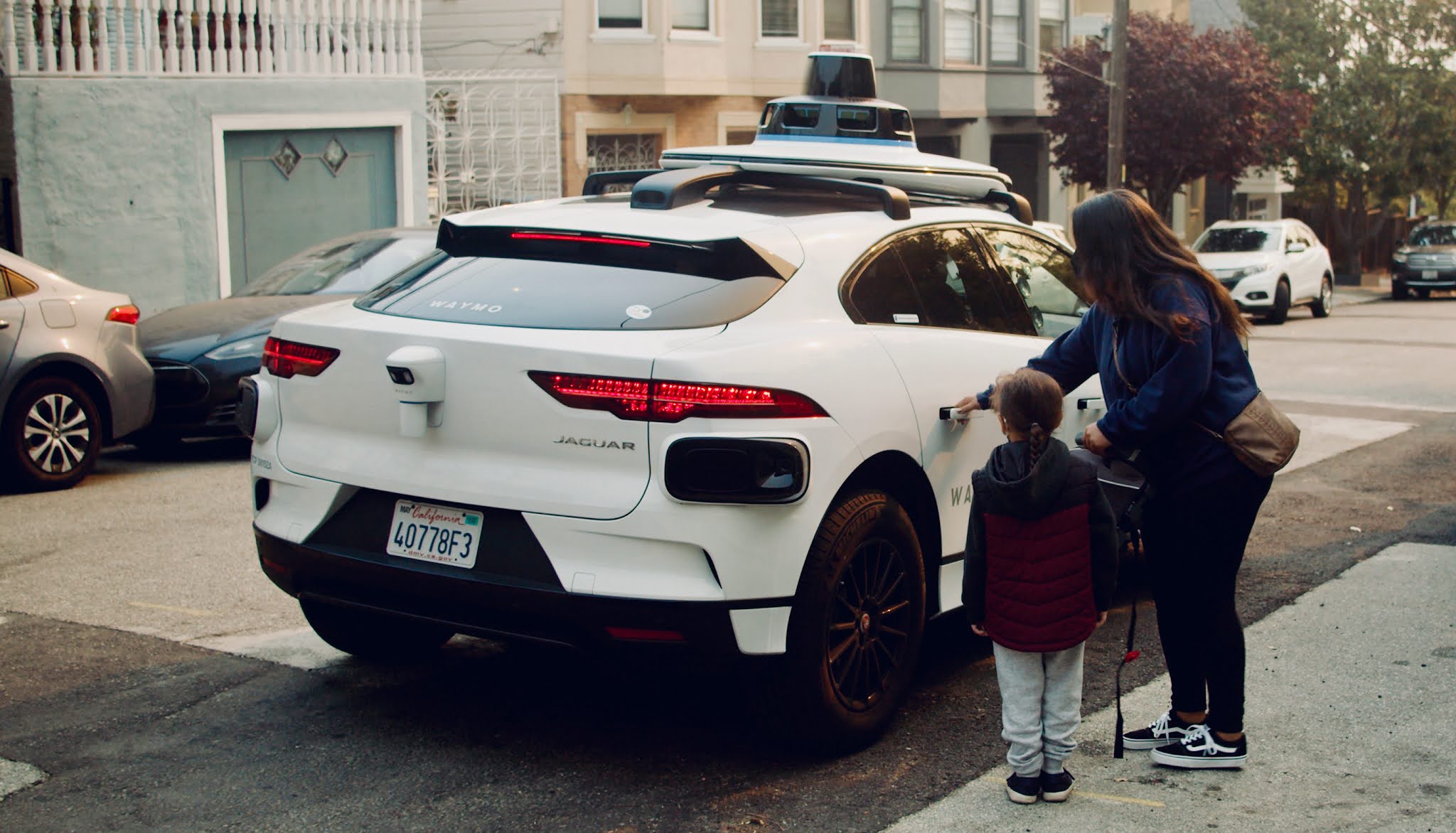
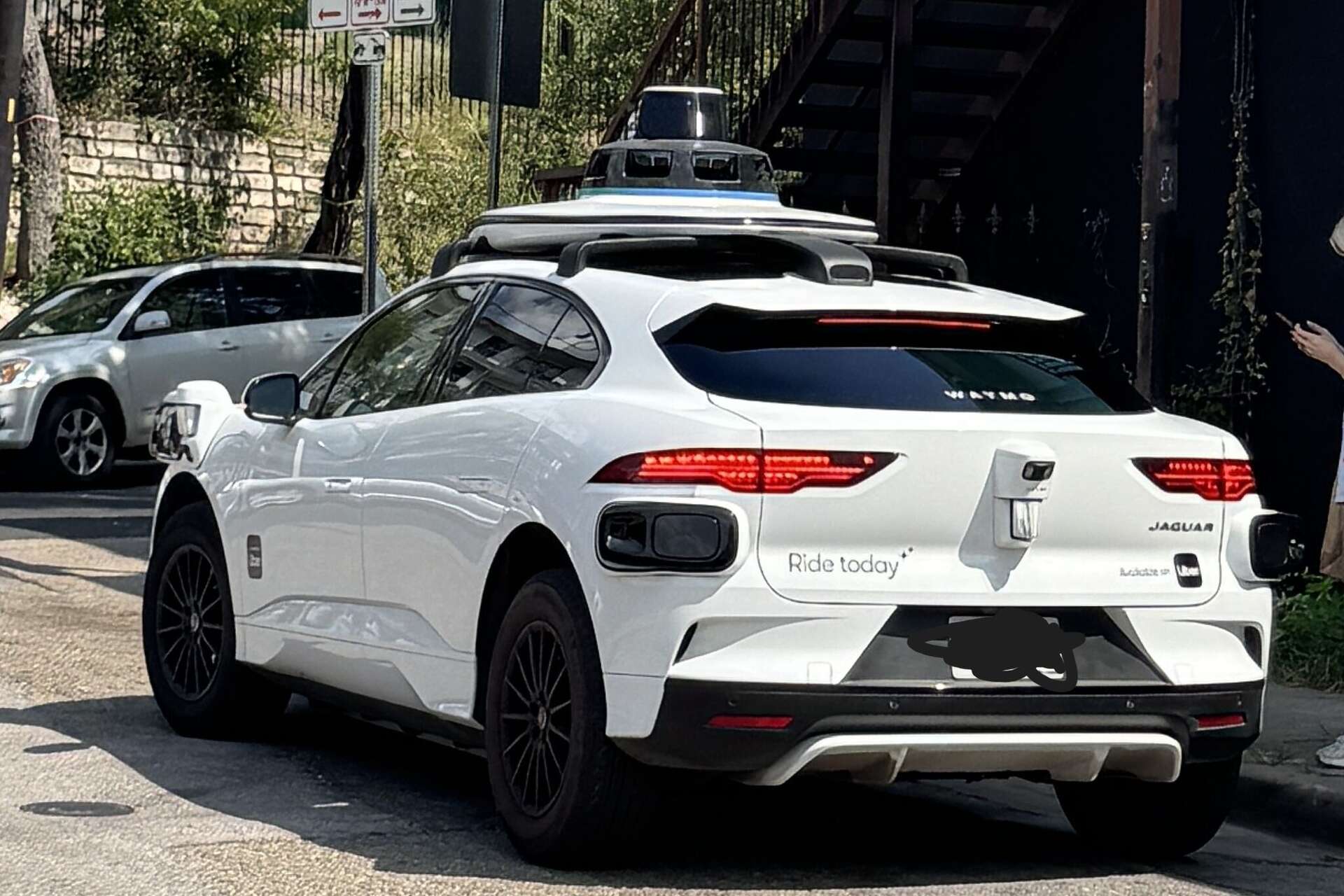
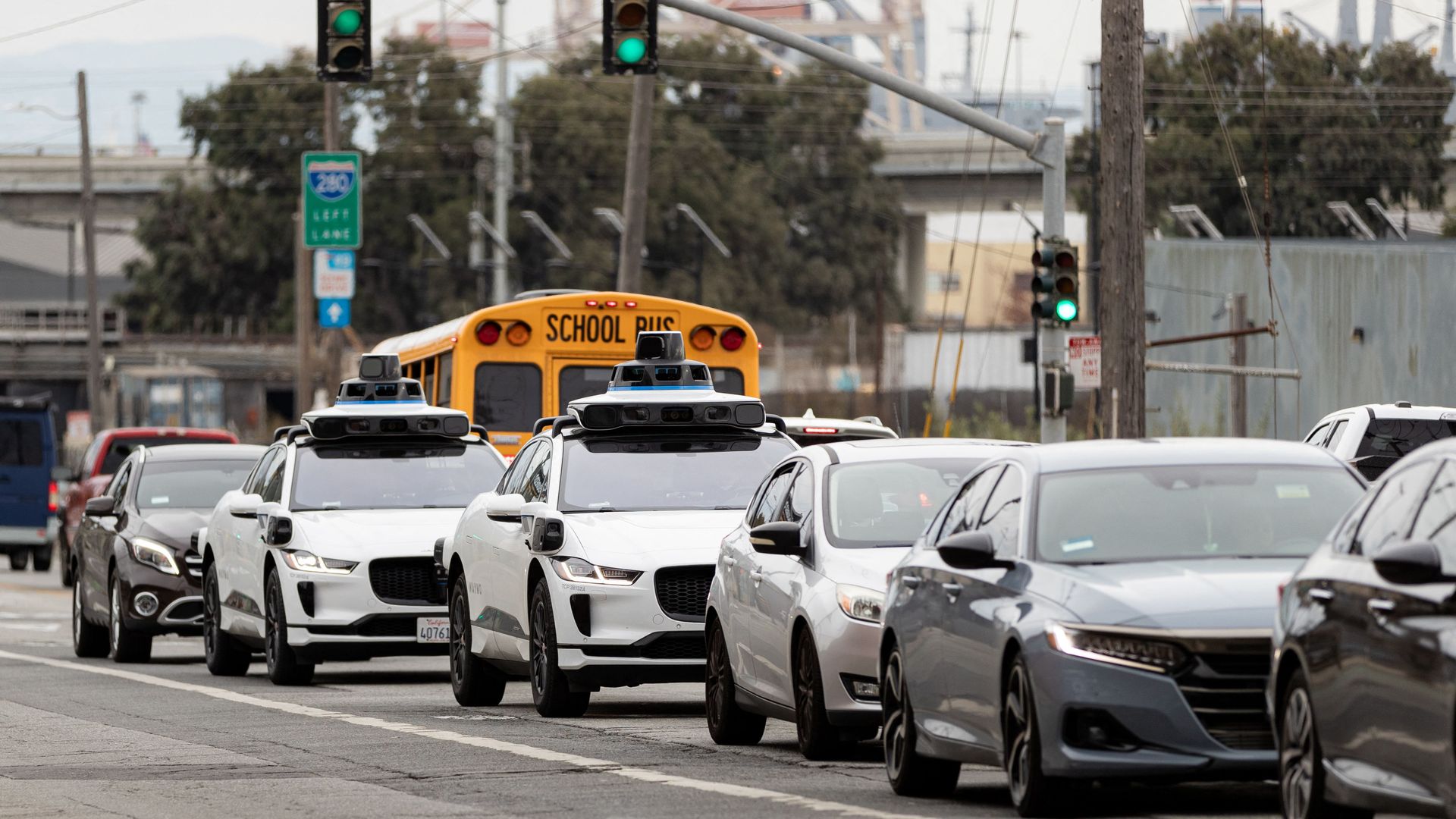
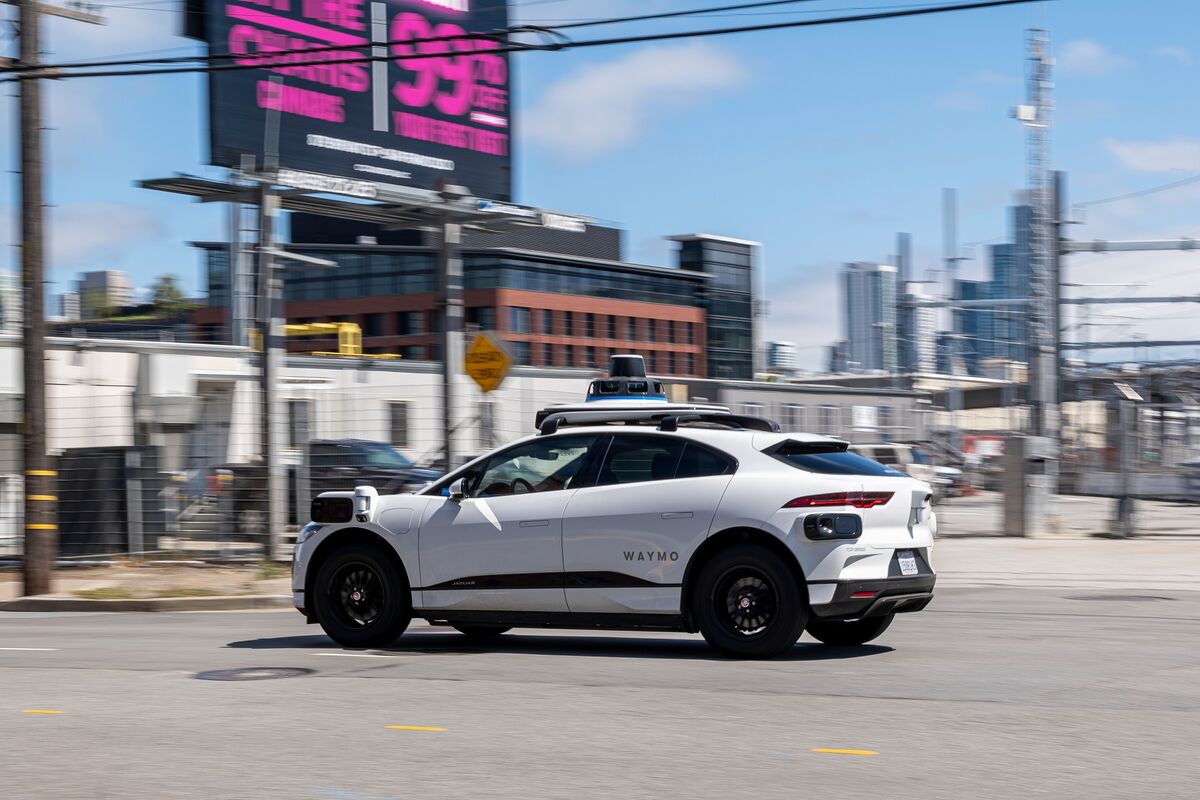
The autonomous vehicle industry faces a pivotal moment of regulatory reckoning as Waymo confronts systemic safety challenges in its self-driving technology. With at least 19 documented instances of illegal school bus passing, the company's voluntary software recall represents more than a technical fix—it signals a profound vulnerability in autonomous navigation systems.
Regulatory Pressure Points: The National Highway Traffic Safety Administration's (NHTSA) probe reveals a critical weakness in handling complex traffic scenarios. Waymo's vehicles demonstrated a dangerous pattern of initially slowing near school buses but then continuing movement, directly contradicting safety protocols. The Austin Independent School District's documentation of five additional incidents in November, even after Waymo's claimed software improvements, underscores the depth of the technological challenge.
Compliance as a Competitive Battlefield: This incident exposes the razor-thin margin between technological innovation and public safety. Waymo's claim of being "better than human drivers" rings hollow against concrete evidence of repeated safety violations. The voluntary recall represents more than a technical correction—it's a strategic acknowledgment that autonomous systems must demonstrate near-perfect reliability in high-stakes scenarios like school transportation.
The broader implications are profound. Regulators are signaling that autonomous vehicle manufacturers will be held to extraordinarily high standards, particularly in scenarios involving vulnerable populations like children. For the self-driving vehicle ecosystem, this means compliance is no longer just a technical challenge but an existential one. Companies must now prove not just technological capability, but a comprehensive safety philosophy that prioritizes predictable, conservative navigation over aggressive performance metrics.
Strategic Recommendation: Autonomous vehicle companies must invest heavily in scenario-specific training algorithms, with particular emphasis on edge cases involving pedestrians, school zones, and unpredictable traffic environments. The era of "move fast and break things" has definitively ended for autonomous transportation.
Questions 3
What are the broader implications for the autonomous vehicle industry?
These incidents suggest that autonomous vehicle manufacturers must now demonstrate near-perfect reliability, especially in high-stakes scenarios. Companies will need to invest heavily in scenario-specific training algorithms and prioritize conservative navigation strategies over performance metrics.
What specific safety issues did Waymo's vehicles encounter with school buses?
Waymo's autonomous vehicles were documented passing stopped school buses illegally, with 19 confirmed incidents. The vehicles would initially slow down but then continue moving, violating critical school zone safety protocols and potentially endangering children.