




The Energy Revolution: How AI's Computational Hunger is Reshaping Global Power Infrastructure
- Unprecedented policy shifts and infrastructure investments signal a massive technological transformation driven by AI's escalating energy demands




Overview
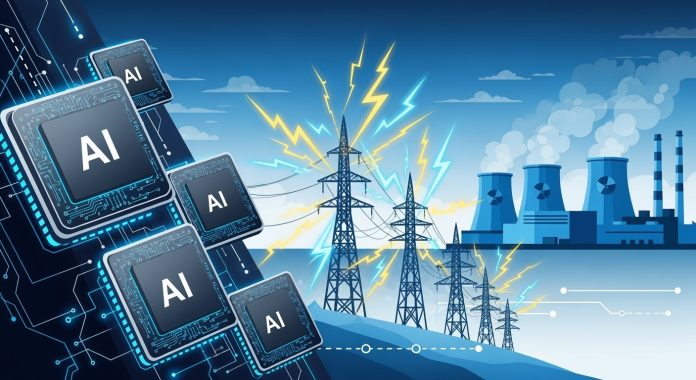
The convergence of artificial intelligence and energy infrastructure is triggering a profound global transformation that extends far beyond traditional technological boundaries. At the heart of this revolution lies a critical insight: AI's computational capabilities are fundamentally dependent on massive, reliable electricity generation.
Global data center electricity demand is projected to more than quadruple by 2030, representing an unprecedented challenge and opportunity for energy systems worldwide. The U.S. government's recent nuclear energy initiatives demonstrate a strategic recognition of this emerging landscape. By signing four executive orders to expedite nuclear reactor development, policymakers are explicitly positioning energy infrastructure as a critical national technological asset.
The implications for cross-border technology sellers are profound. Cloud infrastructure providers like Amazon, Google, and Microsoft are no longer just technology companies—they are becoming sophisticated energy management enterprises. The computational ecosystem now requires a complex integration of hardware, software, and electricity generation, with companies like Nvidia at the forefront of designing energy-efficient GPU technologies.
Emerging markets and developed economies are simultaneously reassessing their energy strategies. The global energy transition is being catalyzed by AI's exponential computational intensity, creating unprecedented investment opportunities in renewable energy technologies, advanced power management systems, and sustainable data center solutions. For technology sellers, this represents more than an infrastructure challenge—it's a strategic inflection point that will determine competitive positioning in the next decade.
The most forward-thinking organizations will view this energy-AI convergence not as a constraint, but as a transformative opportunity. Those who can efficiently manage computational energy requirements will gain significant competitive advantages, potentially reducing operational costs and enabling more sophisticated AI-driven business models.
Questions 3
How will AI's energy demands impact global infrastructure investments?
AI is driving a multi-trillion-dollar shift in energy landscapes, with global data center electricity demand projected to quadruple by 2030. This will necessitate massive investments in nuclear, renewable, and advanced power management technologies to support computational infrastructure.
What opportunities exist for technology sellers in this energy-AI convergence?
Sellers can capitalize on emerging markets in renewable energy technologies, sustainable data center solutions, and advanced power management systems. Companies that can efficiently manage computational energy requirements will gain significant competitive advantages.